Can You Wear Citrine Daily? Expert Tips
May 31, 2026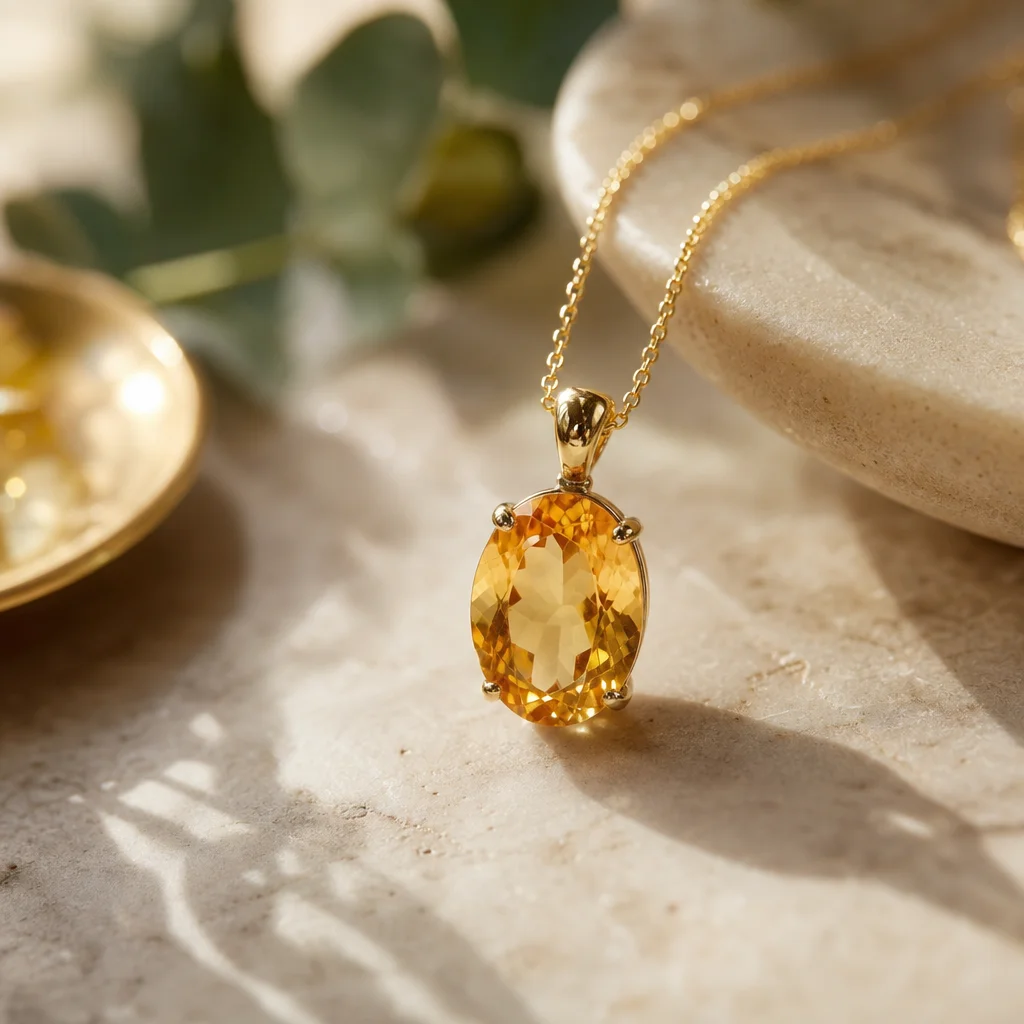
The Short Answer: Yes, With Caveats
Citrine is silicon dioxide with a Mohs hardness of 7, which places it firmly in the "daily-wear safe" category for most jewelry applications. Unlike apatite (5), fluorite (4), or selenite (2)—stones that genuinely shouldn't be worn every day—citrine has the hardness to resist most common sources of surface damage. You're not going to destroy it by wearing it to the grocery store.
But "can you" isn't the same as "should you without any thought." Daily wear exposes your citrine to a specific set of stressors—sweat, skin oils, cosmetics, minor impacts, and ambient light—that will gradually affect its appearance over time. Understanding what these stressors are and how to manage them will dramatically extend the life and beauty of your citrine bracelet.
What Daily Wear Actually Does to Citrine
Sweat and Skin Oils
Your skin produces sweat, sebum (natural oils), and shed skin cells continuously. When these accumulate on a citrine bracelet, they form a thin film on the stone's surface that dulls its polish and reduces the brilliance of light passing through it. This isn't damaging the crystal itself—it's a surface film issue—but it makes the citrine look cloudy and less vibrant.
Sweat is mildly acidic (pH 4.5–5.5) and contains sodium chloride (salt), urea, and various organic compounds. While citrine is chemically resistant to mild acids (silicon dioxide is very stable), prolonged exposure to sweat can cause microscopic etching of the surface polish over months or years. The effect is subtle but cumulative—like the difference between a freshly polished countertop and one that's been used daily for a year.
The fix: wipe your citrine bracelet with a soft, damp cloth at the end of each day. A quick 10-second wipe removes the film before it builds up. Once a week, wash it more thoroughly with warm water and mild soap, then dry with a lint-free cloth.
Perfume, Lotion, and Cosmetics
This is the one that catches people by surprise. Perfumes, hand lotions, sunscreens, and hair sprays contain alcohol, solvents, fragrances, and sometimes acidic compounds that can interact with the surface of citrine. The immediate effect is usually invisible, but over weeks and months, these substances can create a stubborn residue film that resists simple water washing.
In extreme cases, strongly scented lotions can penetrate micro-scratches in the citrine's surface (invisible to the naked eye) and create a persistent cloudy appearance that requires gentle polishing with a jewelry polishing cloth to remove.
The fix: apply perfume, lotion, and other products BEFORE putting on your citrine bracelet. Let everything dry and absorb for 5–10 minutes, then put your bracelet on. This simple sequencing eliminates 90% of cosmetic-related crystal damage.
Physical Impact and Scratching
With a Mohs hardness of 7, citrine can be scratched by materials harder than 7 on the scale. This includes topaz (8), corundum/sapphire/ruby (9), and diamond (10). It also includes unglazed ceramics, some concrete surfaces, and hardened steel tools.
However, household dust is primarily composed of quartz particles—and quartz has a hardness of 6.5 to 7, right at the boundary. Under most conditions, dust won't scratch citrine. But the occasional harder particle (a fleck of topaz dust, a steel filing from a door frame, a particle of sand with a corundum component) can create a micro-scratch.
Over years of daily wear, these micro-scratches accumulate and the citrine's surface gradually loses its mirror-like polish. A 3-year-old daily-wear citrine bracelet will look noticeably less brilliant than a new one, even with perfect cleaning habits. This is normal and expected—it's the same process that wears down any stone worn against the skin daily.
The fix: remove your citrine bracelet before activities that involve contact with hard surfaces—weightlifting, gardening, construction work, dishwashing, and cleaning. Keep it on a soft surface when you take it off, not on a stone countertop or metal table.
Sunlight and Color Fading
This deserves its own section because it's the most commonly overlooked issue with daily citrine wear, and it's the one that's irreversible once it happens.
As covered in detail in our citrine fading guide, UV radiation from sunlight changes the oxidation state of iron ions in the quartz lattice, progressively reducing the stone's yellow color. Daily outdoor exposure—walking to your car, sitting near a window, eating lunch on a patio—adds up. While a few minutes of sun per day won't cause rapid fading, cumulative exposure over months will gradually lighten the color.
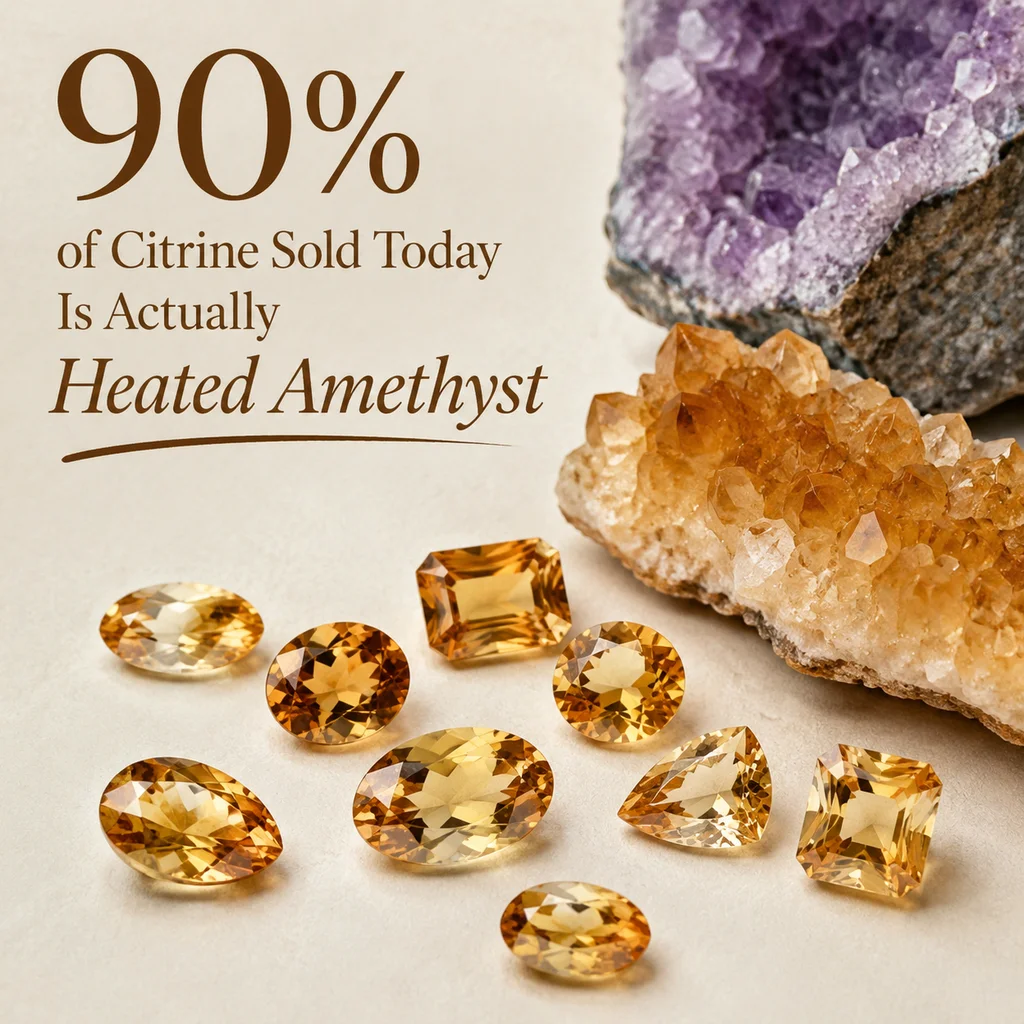
Heat-treated amethyst-citrine (which is most citrine on the market) is particularly vulnerable because its iron-ion configuration is less thermodynamically stable than natural citrine. If you bought a $15 citrine bracelet, it's almost certainly heat-treated amethyst, and it will fade faster than a $200 natural citrine would.
The fix: wear long sleeves or roll your sleeve over the bracelet during extended outdoor time. Don't leave the bracelet on a sunny windowsill or car dashboard. When not wearing it, store it in a closed jewelry box or opaque pouch.
Bracelet vs. Pendant: The Wear Pattern Difference
How you wear citrine matters as much as whether you wear it daily.
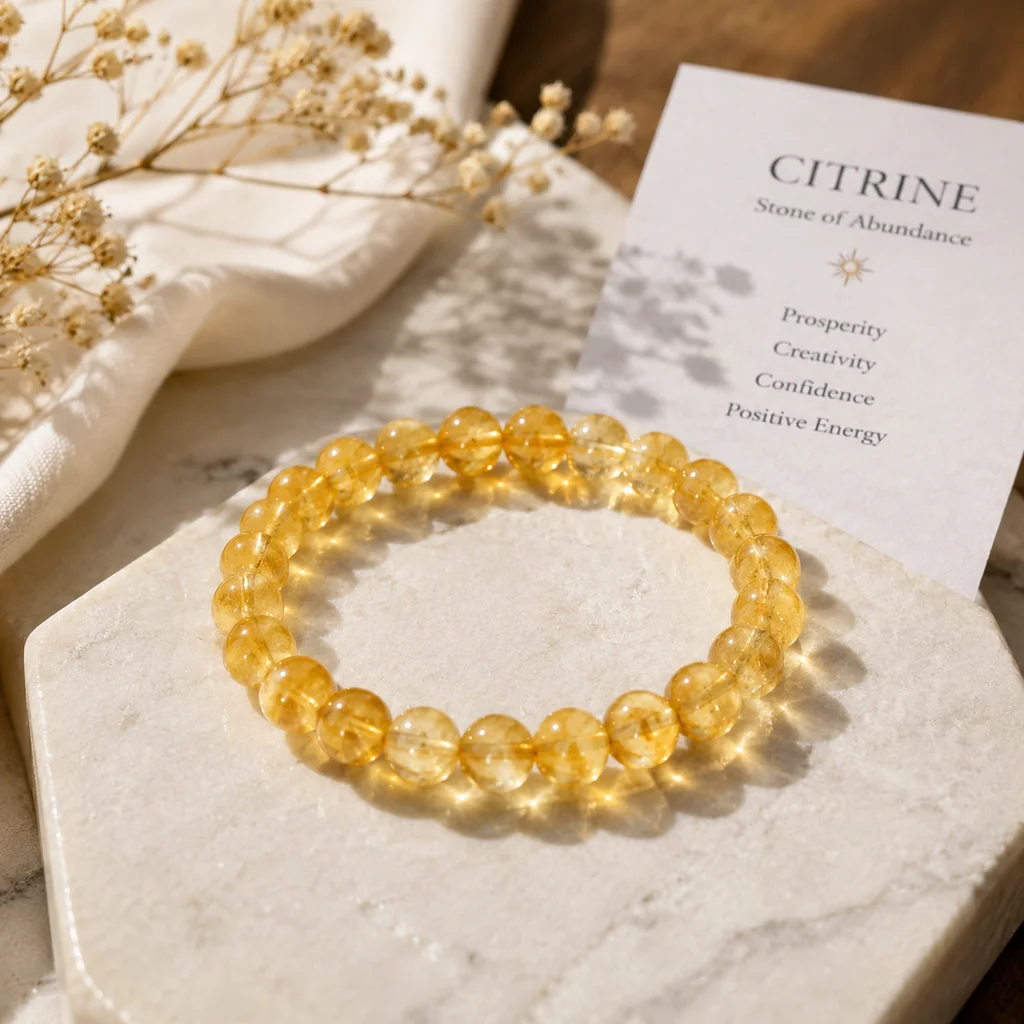
Bracelets experience the most wear. They're in constant contact with your wrist (sweat, oil, movement), frequently bumped against desk surfaces, keyboards, and door frames, and exposed to whatever you're doing with your hands. A daily-wear citrine bracelet will show signs of age within 6–12 months—surface dulling, possible micro-scratches, and gradual color fading if worn outdoors regularly.
Pendants/necklaces have it much easier. They hang on a chain away from direct skin contact (less oil accumulation), are protected from most physical impacts by your clothing, and are easier to tuck inside a collar during outdoor activities. A daily-wear citrine pendant can look great for 2–3 years with minimal care.
Rings fall somewhere in between. They take more impacts than pendants (knocking on keyboards, handshakes, reaching into pockets) but less than bracelets. The main risk with rings is the setting—citrine can chip if struck at a sharp angle against a hard surface, and ring settings don't always protect the stone adequately.
Cleaning Routine: The 3-Minute Maintenance Plan
You don't need a complicated regimen. Here's a practical daily/weekly/monthly schedule:
Daily (30 seconds): When you remove your citrine bracelet at night, wipe it with a soft dry cloth. This single habit prevents 80% of surface film buildup.
Weekly (3 minutes): Wash in lukewarm water with a drop of mild dish soap. Gently scrub between the beads (for stretch bracelets) or around the setting (for metal bracelets) with a soft baby toothbrush. Rinse thoroughly and pat dry with a microfiber cloth.
Monthly (5 minutes): Inspect for any visible scratches, chips, or loose settings. If the stretch cord shows signs of wear (fraying, loss of elasticity), restring the bracelet before it breaks and you lose beads. Polish with a jewelry polishing cloth to restore surface brilliance.
What NOT to do: Never use ultrasonic cleaners (they can worsen internal fractures in citrine), steam cleaners, harsh chemicals (bleach, acetone, ammonia), or hot water. Never leave citrine soaking for extended periods. These precautions are simple and prevent the majority of preventable damage.
Heat-Treated vs. Natural Citrine: Durability Difference
From a pure hardness standpoint, both are identical—Mohs 7 for both natural and heat-treated citrine. They're both quartz, and the physical durability is the same regardless of how the color was produced.
The difference is in color stability, as noted above. If your priority is a citrine that maintains its color through years of daily outdoor wear, seek out natural citrine from reputable dealers. It costs significantly more (natural citrine in bracelet form is rare and typically $100+), but the color will last far longer. Heat-treated amethyst-citrine at the $10–$30 bracelet price point will show fading within months of regular outdoor wear.
What to Look For When Buying Citrine Everyday Wear
When you're on the hunt for the perfect citrine piece for everyday wear, it's important to know what to look for to ensure you're getting a quality item that will stand the test of time. Here are some essential tips to help you make an informed decision:Buying Tips
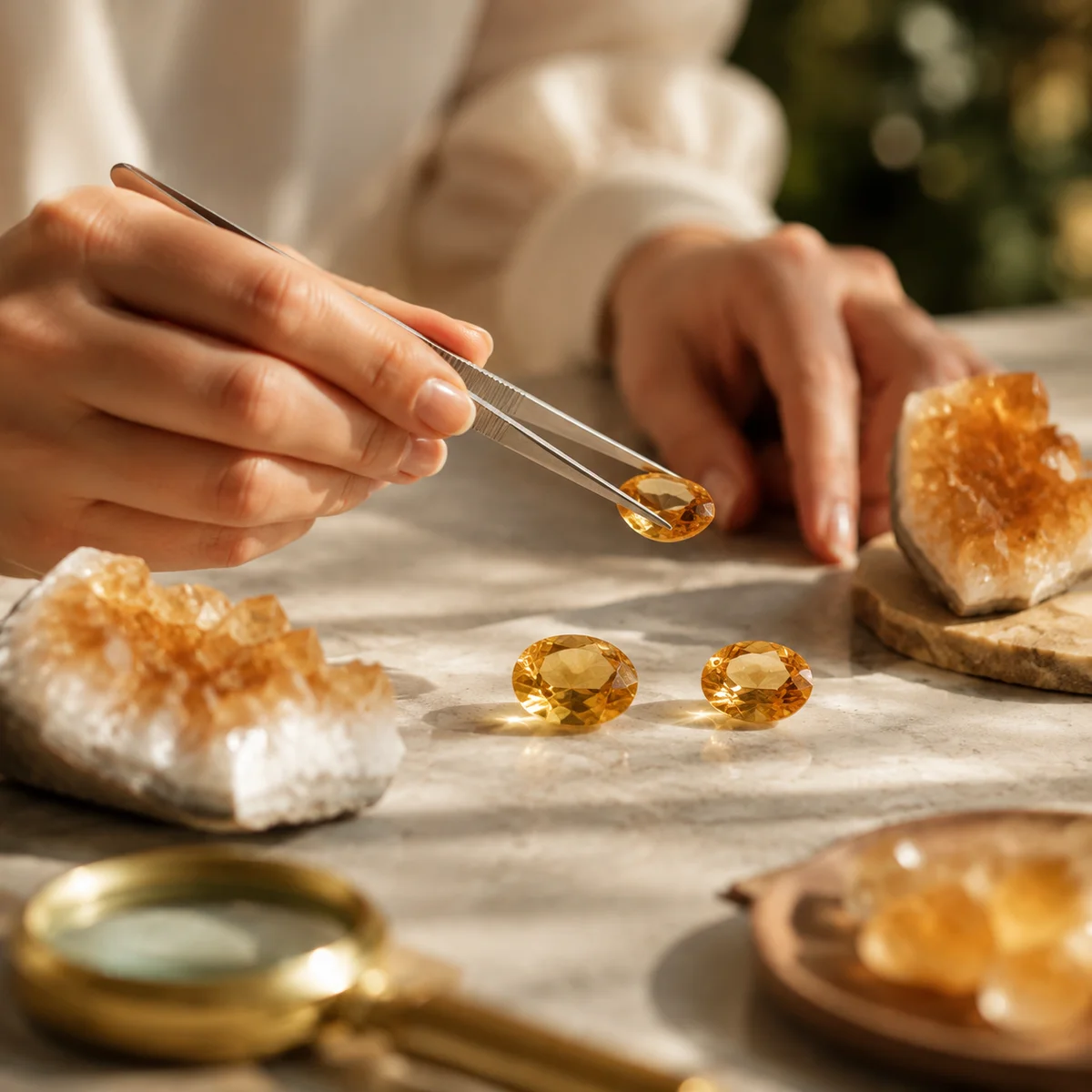
- Natural vs. Heat-Treated: Citrines are often treated to enhance their color and clarity. It's important to know if the citrine you're purchasing is natural or heat-treated. Natural citrines have a warm, golden hue and can be more valuable. Always ask the seller about the treatment process.
- Clarity and Transparency: Look for citrines that are clear and transparent with minimal inclusions. Inclusions are natural imperfections, but excessive or visible ones can affect the overall beauty of the stone. A well-cut citrine should have good light penetration and a vibrant color.
- Metal Setting: The metal used to set the citrine can significantly impact the durability and overall look of the piece. Opt for high-quality metals like 18K gold or platinum, which are less likely to tarnish and more durable than gold plated or silver.
- Size and Proportion: The size of the citrine should be proportional to the design of the piece. A large citrine can overpower a delicate setting, while a small stone may get lost in a bulky design. Consider the intended wearer's style and preferences when choosing the size.
- Certification: Always ask for a certificate of authenticity from a reputable gemological laboratory. This document ensures that the citrine is what it claims to be and provides information about its origin, treatment, and quality.
Questions to Ask Sellers
- Is this citrine natural or heat-treated?
- What is the clarity and color grade of the citrine?
- What metal is the setting made of, and is it plated or solid?
- Can I see a certificate of authenticity for this piece?
- What is the warranty or return policy for this item?
Red Flags to Watch For
- Lack of information about the citrine's origin and treatment.
- Prices that seem too good to be true, as they may indicate lower quality or synthetic stones.
- Sellers who are hesitant to provide a certificate of authenticity or detailed information about the stone.
- Promises of "lifespan" guarantees or unrealistic claims about the stone's healing properties.
Setting Recommendations for Citrine Everyday Wear
When choosing a jewelry setting for citrines, it's essential to consider both the aesthetic appeal and the practicality of the piece for everyday wear. The right setting not only enhances the natural beauty of the gem but also ensures its durability and longevity. Here are some recommendations on which settings work best, the reasons behind them, and what to avoid.Best Settings for Citrine Everyday Wear
- Bezel Setting:
- Why It Works: The bezel setting involves encircling the citrine with a band of metal, creating a secure and protective barrier. This setting is ideal for everyday wear because it is very durable and less prone to snagging or catching on clothing or hair.
- Advantages: It offers a sleek and modern look while providing maximum protection for the citrine. Bezel settings are also excellent for citrines with inclusions, as they can hide imperfections without compromising the stone's luster.
- Prong Setting:
- Why It Works: Prong settings have a more traditional and timeless appeal. They hold the citrine in place with tiny metal prongs that cradle the gem, showcasing its facets and enhancing its brilliance.
- Advantages: Prongs allow light to enter the citrine from multiple angles, creating a beautiful sparkle. This setting is also versatile, as it can be used in various designs, from solitaire rings to intricate pendants.
- Halo Setting:
- Why It Works: The halo setting features a circle of smaller diamonds or gemstones surrounding the citrine, creating a frame that emphasizes the larger stone. This setting is visually striking and can enhance the citrine's appearance, making it appear even more radiant.
- Advantages: It adds a touch of sophistication to the piece and can be a subtle or bold statement, depending on the size and style of the halo. The additional gems also provide an extra layer of protection for the citrine.
Settings to Avoid for Citrine Everyday Wear
- Grain Setting:
- Why to Avoid: This setting involves embedding the citrine in a metal base, leaving its bottom exposed. While this may provide a unique look, it does not offer the necessary protection for everyday wear. The exposed base can be easily scratched or damaged, and the citrine itself is more susceptible to chips or cracks.
- Bar Setting:
- Why to Avoid: A bar setting uses a metal bar to hold the citrine in place, which can be prone to wear and tear. The bar can become bent or twisted, causing the citrine to shift or even fall out. This setting is not recommended for daily use, as it is less secure than other options.
Crystal Pairings: What Complements Citrine Everyday Wear
Citrine, with its warm, sunny glow, is a popular choice for everyday wear due to its vibrant energy and protective properties. To enhance the beauty and symbolism of citrine, pairing it with certain crystals can create a harmonious and visually stunning effect. Here are five crystals that pair well with citrine, both in terms of their visual appeal and symbolic meanings:- Amber
- Why it works: Amber, a fossilized tree resin, shares a similar warm and inviting color palette with citrine. This natural pairing not only complements each other's hues but also resonates with the same earthy, ancient energy. Amber is often associated with joy and happiness, making it a perfect match for citrine's uplifting vibes.
- Ruby
- Why it works: Ruby's deep red hue contrasts beautifully with the golden tones of citrine, creating a striking and dynamic duo. Ruby is known for its passion and power, which aligns with citrine's energy of abundance and success. This pairing can be particularly empowering for those seeking to manifest prosperity and confidence.
- Peridot
- Why it works: Peridot's vibrant green color complements citrine's golden glow, creating a harmonious blend of earthy tones. Peridot is associated with protection and rejuvenation, which makes it an excellent companion for citrine's protective and energizing properties. This pairing can be beneficial for those looking to maintain their well-being and vitality.
- Moonstone
- Why it works: Moonstone's soft, iridescent sheen can beautifully offset the clarity of citrine. This pairing is symbolic of balance and emotional harmony, as moonstone is often associated with intuition and dreamtime. Combining citrine's positive energy with moonstone's nurturing qualities can create a piece that supports both your spiritual and emotional growth.
- Carnelian
- Why it works: Carnelian's rich red and orange hues can create a stunning contrast with citrine's golden glow. This pairing is not only visually appealing but also symbolically powerful. Carnelian is known for its connection to passion and creativity, which can be a great complement to citrine's energy of abundance and personal power.
Frequently Asked Questions
Can citrine go in the shower?
Occasionally, yes—warm water and soap won't damage citrine. But daily shower exposure isn't recommended because soap residues accumulate, and hot water can weaken the elastic cord in stretch bracelets over time. Remove it before showering to extend its lifespan.
Will citrine turn my skin green?
Real citrine shouldn't cause any skin reaction. If your bracelet is leaving green marks, it's not the citrine—it's the metal in the bracelet's components (copper or brass alloys used in charms, clasps, or spacer beads). Switch to sterling silver or gold-filled components to eliminate this issue.
Can I wear citrine while exercising?
It won't hurt the citrine, but sweat buildup during exercise is harsher than normal. If you wear it during workouts, rinse it with clean water afterward. For high-impact activities (weightlifting, contact sports), removing it prevents both stone damage and the bracelet breaking from snagging on equipment.
Is Citrine Everyday Wear Safe for Sensitive Skin?
**Answer:** Citrine Everyday Wear products are formulated with safety in mind, especially for individuals with sensitive skin. The materials used in their jewelry and accessories are hypoallergenic, meaning they are less likely to cause irritation or allergic reactions. The metals and stones are free from harmful substances like nickel, lead, and cadmium, which are known allergens. Additionally, Citrine Everyday Wear adheres to stringent quality control measures to ensure that their products meet high safety standards. It is always recommended to conduct a patch test on a small area of skin to assess individual sensitivity before wearing any new jewelry or accessories.Can Citrine Everyday Wear Be Worn for Extended Periods Without Causing Discomfort?
**Answer:** Yes, Citrine Everyday Wear is designed to be comfortable for extended periods of wear. The jewelry is crafted with comfort in mind, using lightweight materials that are less likely to weigh down the wearer. The pieces are often designed with flexible components, such as stretchy bands or soft chains, which allow for freedom of movement without causing discomfort. also, the hypoallergenic nature of the materials reduces the risk of skin irritation, making it suitable for daily wear. However, as with any jewelry, if you experience any discomfort or irritation, it is best to remove the item and give your skin time to heal before wearing it again. It's also important to follow the care instructions provided by Citrine Everyday Wear to maintain the quality and longevity of the product, which can further enhance comfort during wear.Frequently Asked Questions
Can citrine fade in sunlight?
Yes, citrine can fade with prolonged sun exposure, especially heat-treated (commercial) citrine. Natural citrine is more color-stable but can still lose some intensity over years. Store your citrine jewelry in a cool, dark place when not wearing it, and avoid leaving it on sunny windowsills.
Can you wear citrine in the shower?
Citrine scores 7 on the Mohs hardness scale, making it durable enough for daily wear. However, prolonged exposure to hot water and soap can dull its polish over time. It is best to remove citrine jewelry before showering or swimming to maintain its shine and clarity.

Comments