Citrine Crystal Meaning and Benefits
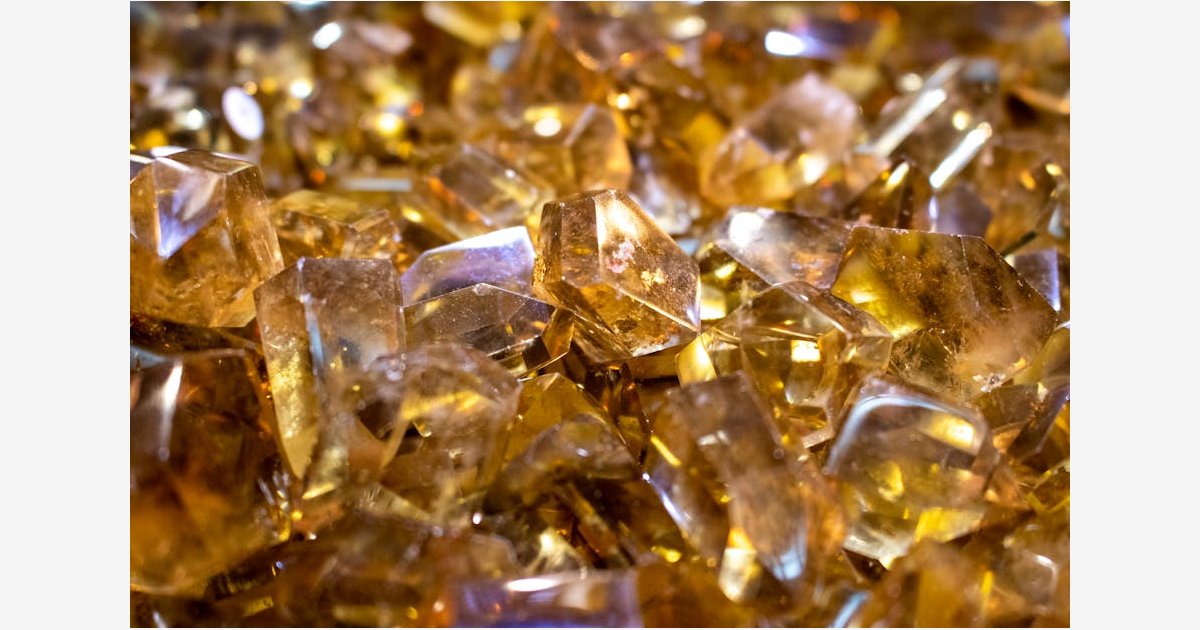
The merchant's stone: citrine's long history with money
Citrine has been called the "merchant's stone" or "success stone" across multiple cultures for centuries. In Chinese culture, citrine carvings of the Money Toad (a three-legged frog called Jin Chan) are placed near cash registers in businesses throughout Taiwan, Hong Kong, and mainland China. The tradition predates modern crystal shops by a long shot — references to yellow quartz being carried by merchants for luck appear in texts from the Ming Dynasty, and similar associations exist in European folklore where yellow gemstones were linked to prosperity and the sun's generative power.
What's interesting is that this association isn't arbitrary. Before synthetic dyes existed, yellow was an expensive and difficult color to produce in textiles and art. Golden-yellow gemstones like citrine were genuinely rare and valuable, so carrying one literally did signal wealth. The meaning shifted over time from "I can afford this stone" to "this stone brings me wealth," but the cultural memory stuck around long after the economics behind it became irrelevant.
Heat-treated amethyst: the uncomfortable truth about most citrine
Here's something most crystal shops won't volunteer: the overwhelming majority of citrine on the market today started life as amethyst. When amethyst is heated to around 470–750°C (878–1382°F), the iron impurities that give it its purple color oxidize and shift to a yellow-to-orange range. This isn't new technology — the Romans knew that amethyst changed color when exposed to heat, and there are references to "burnt amethyst" in medieval lapidary texts.
The distinction between natural and heat-treated citrine matters for a few reasons. Natural citrine — meaning citrine that formed with its yellow color intact — is genuinely rare. Most of it comes from Brazil's Rio Grande do Sul region, and even there, natural citrine makes up a small fraction of the quartz output. The natural material tends to have a paler, more honey-like color with subtle zoning, while heat-treated material often shows a deeper orange or reddish-orange tone with visible color banding where the amethyst purple wasn't fully converted.
From a structural standpoint, heat-treated citrine is identical to natural citrine — same chemical composition, same hardness, same crystal system. The color change is permanent and won't fade over time. But if you're paying a premium for "natural citrine," you should know that you're paying for rarity and provenance, not for a physically superior stone. A 10mm natural citrine bead might cost $8–15 wholesale, while a comparable heat-treated piece runs $1–3.
What the geology actually tells us
Citrine forms in hydrothermal veins — basically, superheated mineral-rich water pushing through cracks in rock and slowly depositing silica (quartz) over thousands of years. The yellow color comes from trace amounts of iron (Fe³⁺) in the crystal lattice, which absorbs blue and violet light and transmits yellow. This is the same iron that colors amethyst, but in citrine, the iron is in a different oxidation state — Fe³⁺ instead of Fe⁴⁺. The difference is entirely about the temperature and radiation environment during formation.
Most commercial citrine comes from the same deposits that produce amethyst — the massive basalt flows in southern Brazil, the Ural Mountains in Russia, and to a lesser extent, Madagascar and Zambia. The mines don't usually separate citrine from amethyst at the extraction stage. Instead, the rough material gets sorted by color after mining, and anything that's already yellow gets sold as citrine while the purple material gets graded and either sold as amethyst or sent for heat treatment.
There's a persistent belief that citrine from certain locations has different "energy properties" — Brazilian citrine is "warmer" while African citrine is "brighter" or whatever the current framing is. Geologically, the iron content and trace impurities do vary by location, which can affect the exact shade of yellow. But the structural and chemical differences between, say, Brazilian and Zambian citrine are minor compared to the variation within a single deposit.
Citrine in the metaphysical market: what's actually selling
Citrine sits in an interesting position in the crystal market. It's not as popular as amethyst or rose quartz, but it has a dedicated following, particularly among people interested in prosperity-related practices. The market splits roughly into three tiers:
Raw and tumbled stones make up the bulk of sales by volume. These are small pieces (1–5cm) sold individually or in sets, usually heat-treated material from Brazil. Prices range from $2–8 per piece at retail. This is the entry-level market and where most of the volume moves.
Jewelry-grade citrine includes faceted stones, cabochons, and finished pieces. The faceted material commands significantly higher prices — a well-cut 8mm round citrine can retail for $20–50 depending on color saturation and clarity. Much of this is natural citrine from Rio Grande do Sul, since the faceting process reveals the subtle color differences that distinguish natural from treated material.
Specimen-grade and carved pieces are the high end. Large natural citrine clusters (sometimes called "cathedral" pieces because of their geode-like formation) can sell for hundreds to thousands of dollars. Carved citrine pieces — Buddhas, animals, skulls — are popular in the Asian market and among collectors who value the craftsmanship as much as the stone itself.
What citrine can and can't do for you
There's no published peer-reviewed evidence that citrine (or any crystal) directly affects mood, energy, or financial outcomes. What the research does support is the placebo effect and the psychological benefits of ritual — and this is where citrine's cultural associations become relevant in a practical sense.
If someone keeps a citrine on their desk because they believe it helps them focus on work, and that belief causes them to sit down and actually work, the citrine is functioning as a focus aid. It's a physical anchor for a mental state. The same principle applies to athletes who wear the same socks for every game, or writers who have a specific "writing chair." The object itself doesn't have magical properties, but the consistent association between the object and the desired behavior can create a real behavioral pattern.
Where it gets questionable is when sellers make specific health claims — that citrine "detoxifies the body," "balances the solar plexus chakra," or "attracts money through vibration." These claims aren't supported by evidence, and in some jurisdictions, making health claims about crystals can run afoul of advertising regulations. The Federal Trade Commission has issued guidance on this, and several crystal sellers have been called out for unsubstantiated health claims in recent years.
Caring for citrine: simpler than most stones
One of citrine's practical advantages is that it's genuinely low-maintenance. At a 7 on the Mohs scale, it's hard enough for daily wear in rings and bracelets. It doesn't react with common chemicals the way turquoise or pearls do. It can handle mild soap and water without any issues. Ultrasonic cleaners are generally safe for citrine, which isn't true for many colored gemstones.
The main thing to watch for is heat sensitivity — not because heat damages the stone, but because prolonged direct sunlight can slowly fade the color in some specimens, particularly the lighter natural material. This is a slow process and won't happen from normal daily wear, but don't leave a citrine specimen on a sunny windowsill for months if you want to preserve its color. Store it in a jewelry box or drawer and it'll be fine indefinitely.
For cleaning, warm soapy water and a soft brush is all you need. No special solutions, no particular rituals beyond basic maintenance. If your citrine is set in silver, the silver will tarnish long before the citrine needs any attention.

Comments