Citrine: The Complete Guide to the Stone of Abundance and Joy
What Is Citrine? The Golden Gem of the Quartz Family
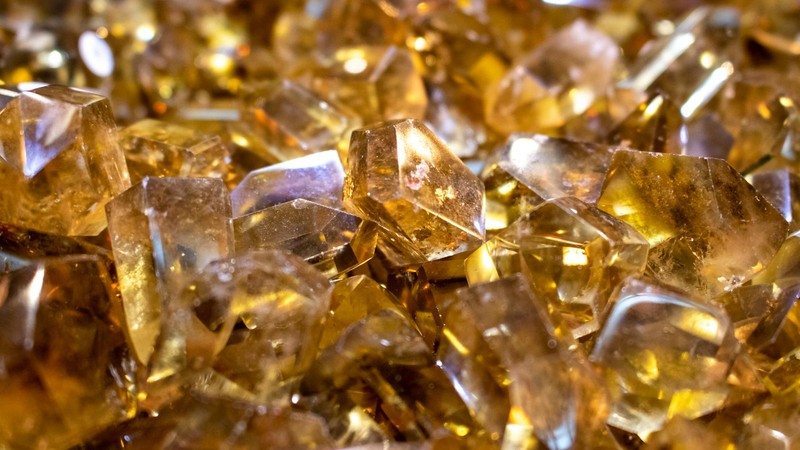
Citrine is a variety of quartz (silicon dioxide) prized for its warm yellow-to-amber hues that range from pale lemon to deep honey and burnt orange. Its color comes from trace amounts of iron within the crystal lattice, and it ranks 7 on the Mohs scale of hardness — making it durable enough for everyday wear in rings, pendants, and bracelets.
The name "citrine" derives from the French word citrin, meaning lemon, a nod to the stone''s signature sunny color. Natural citrine is relatively rare, forming when amethyst or smoky quartz deposits are subjected to intense geothermal heat over millions of years. Most commercial citrine on the market today is actually heat-treated amethyst — a process that transforms the purple quartz into golden citrine. While purists prefer natural stones, heat-treated citrine shares virtually identical metaphysical properties and is widely accepted in crystal healing communities.
For a deeper understanding of gemstone durability and why citrine''s hardness matters, check out our Mohs Scale of Hardness: A Complete Guide to Gemstone Durability.
Citrine Meaning: The Stone of Abundance and Joy
Citrine has been cherished across civilizations for thousands of years. Ancient Egyptians used citrine as talismans, the Greeks carved it into ornamental gems, and Roman priests wore citrine rings. In Chinese Feng Shui, citrine is considered the ultimate wealth stone, often placed in the southeast corner of homes and businesses to attract financial prosperity.
The core meaning of citrine revolves around three powerful themes:
- Abundance and Prosperity — Known as the "Merchant''s Stone" or "Success Stone," citrine is believed to attract wealth, success, and all good things.
- Joy and Positivity — Its sunny energy radiates happiness, optimism, and enthusiasm.
- Personal Power — Citrine activates the Solar Plexus Chakra, boosting confidence, willpower, and self-expression.
Unlike many crystals that absorb negative energy and require regular cleansing, citrine is said to never store negative energy — it transmutes it instantly. This makes it one of the few "self-cleansing" crystals, always ready to work for you.
Wealth and Abundance: Why Citrine Is Called the Merchant''s Stone
Citrine''s reputation as a wealth magnet is arguably its most famous attribute. The nickname "Merchant''s Stone" comes from an old tradition among shopkeepers and merchants who kept citrine in their cash registers to attract money and encourage sales. This practice continues today — you''ll find citrine crystals on the desks of entrepreneurs, in the wallets of businesspeople, and near the entrances of retail stores worldwide.
From a metaphysical perspective, citrine works with the Solar Plexus Chakra (located in the upper abdomen), which governs personal power, confidence, and the ability to manifest your desires. When this chakra is balanced and activated, you''re more likely to take decisive action, make confident financial decisions, and recognize opportunities that others might miss.
Citrine also resonates with the energy of the sun — warmth, growth, and vitality. Just as the sun nourishes plants, citrine is believed to nourish your financial goals, helping ideas grow from seeds into thriving ventures. For more stones that support financial goals, see our Best Crystals for Wealth and Abundance: The Money Stones.
Emotional Healing: Radiating Joy and Banishing Negativity
Citrine is a powerful emotional healer. Its bright, uplifting energy makes it an excellent ally for anyone dealing with depression, anxiety, or seasonal affective disorder. Here''s how citrine supports emotional wellness:
- Elevates mood — Carries the frequency of joy and can help shift your emotional state from heavy to light.
- Dissolves self-doubt — Strengthens self-esteem and encourages a positive self-image.
- Promotes optimism — Helps you see the bright side of situations and maintain hope during challenging times.
- Encourages sharing — Citrine''s energy is expansive, promoting generosity and the belief that there''s always enough to go around.
- Reduces anger and fear — Its warm energy helps calm emotional turbulence and replace fear-based thinking with trust.
Because citrine doesn''t absorb negativity, it''s particularly useful for empaths and highly sensitive people who tend to pick up on others'' emotions. Keeping a citrine crystal nearby acts as an energetic shield that transmutes negative vibrations before they can take hold. If emotional healing is a priority, our Best Crystals for Anxiety and Stress Relief Guide pairs well with citrine.
Metaphysical Properties: Solar Plexus Chakra and Manifestation
In crystal healing, citrine is primarily associated with the Solar Plexus Chakra (Manipura), the energy center responsible for personal identity, willpower, and self-confidence. When this chakra is open and balanced, you feel empowered, motivated, and in control of your life.
Citrine is also connected to the Sacral Chakra (Svadhisthana) for creativity and pleasure, and it can stimulate the Crown Chakra for spiritual clarity. However, its strongest resonance is with the Solar Plexus.
Key metaphysical properties include:
- Manifestation — Citrine is one of the premier crystals for the Law of Attraction. Its energy helps you align your thoughts, feelings, and actions with your desires, making manifestation more effective.
- Energetic cleansing — Unlike most crystals, citrine doesn''t accumulate negative energy. It continuously transmutes dense vibrations into positive ones.
- Enhances mental clarity — Promotes focus, concentration, and decision-making abilities.
- Stimulates creativity — Opens the mind to new ideas and inspires creative problem-solving.
For a comprehensive look at how to prepare crystals like citrine for energetic work, read our How to Cleanse and Charge Your Crystals: Methods That Actually Work.
How to Use Citrine: Practical Tips for Everyday Life
In Your Wallet or Purse
This is the most popular way to use citrine for wealth. Place a small tumbled citrine stone in your wallet or cash compartment to attract money energy and prevent financial leaks. Many people report feeling more confident about spending decisions when they carry citrine.
At Your Business or Cash Register
Following the merchant tradition, place a citrine cluster or point near your cash register, on your desk, or in the southeast corner (the wealth sector in Feng Shui) of your office or shop. This is believed to draw in customers and prosperity.
Wear It as Jewelry
Citrine rings, necklaces, and bracelets keep the stone''s energy in direct contact with your body throughout the day. A citrine pendant worn near the Solar Plexus is especially powerful for confidence and manifestation. For men''s styling ideas, see our Crystal Bracelets for Men: Breaking the Gender Norm.
Meditation
Hold a citrine crystal in your hand or place it on your Solar Plexus during meditation. Visualize golden light flowing through your body, filling you with confidence, joy, and abundance. Citrine can deepen meditation and help you receive clearer intuitive guidance.
Home Placement
Place citrine in the southeast area of your home (Feng Shui wealth corner), on your windowsill to catch sunlight, or in any room where you want to create a warm, inviting atmosphere. Citrine clusters make beautiful decor pieces that double as energy tools.
Caring for Your Citrine: Maintenance and Precautions
One of the most important things to know about citrine is that prolonged exposure to direct sunlight can cause its color to fade. This is especially true for heat-treated citrine, which may revert partially toward its original amethyst purple. To preserve your stone''s vibrant golden color:
- Clean with warm water and mild soap — A soft cloth and gentle soap are all you need. Avoid harsh chemicals, ultrasonic cleaners, or steam cleaning.
- Store away from prolonged sunlight — Keep your citrine in a jewelry box, pouch, or drawer when not wearing or displaying it.
- Avoid extreme temperature changes — Like most quartz, citrine can crack under thermal shock.
- No regular cleansing needed — Citrine is self-cleansing, but you can place it in moonlight or on a selenite charging plate if you feel it needs a refresh. Our How to Charge Crystals: 5 Methods That Actually Work covers gentle charging techniques.
For general jewelry care tips that apply to citrine pieces, our guide to storing jewelry offers expert advice.
Natural vs. Heat-Treated Citrine: How to Tell the Difference
This is one of the most common questions among crystal collectors. Here''s a straightforward breakdown:
Natural Citrine
- Color: Usually pale yellow to golden, often with subtle zoning or smoky undertones.
- Formation: Formed by natural geothermal heat acting on amethyst or smoky quartz over geological time.
- Price: Significantly more expensive due to rarity.
- Appearance: Often has a softer, more transparent quality with inclusions typical of natural quartz.
Heat-Treated Citrine
- Color: Often deeper orange, reddish-orange, or vivid amber — sometimes with a distinctly unnatural brightness.
- Formation: Amethyst heated in a kiln to approximately 450-500°C (842-932°F).
- Price: Much more affordable and widely available.
- Appearance: May show color banding where the original amethyst purple transitions to orange, especially at the base of the crystal.
How to spot heat-treated citrine: Look for color zoning — a gradient from orange at the tips to purple or white at the base. Natural citrine typically has more even color distribution. However, the line isn''t always clear-cut, and many reputable sellers are transparent about treatment.
Both types are genuine quartz and carry citrine''s metaphysical properties. The choice comes down to personal preference and budget.
How to Identify Real Citrine vs. Fakes
The growing popularity of crystals has unfortunately led to an increase in counterfeit stones. Here''s how to protect yourself:
Red Flags for Fake Citrine
- Too perfect — Real citrine has natural inclusions, slight color variations, and minor imperfections. If a stone looks unnaturally flawless or has a uniform, plastic-like color, be suspicious.
- Extremely cheap — Natural citrine is genuinely rare. If a dealer offers large, vivid stones at rock-bottom prices, they may be glass or synthetic.
- Bubble inclusions — Under magnification, glass fakes often reveal tiny air bubbles, which never occur in natural quartz.
- Scratch test — Citrine has a Mohs hardness of 7. It can scratch glass and steel. If your "citrine" is easily scratched by a knife, it''s not real quartz.
- Temperature test — Glass warms quickly in your hand, while real quartz stays cool longer due to its higher thermal conductivity.
Citrine vs. Yellow Glass
Glass is the most common citrine counterfeit. It lacks the crystalline structure of quartz, so it won''t have natural inclusions or the characteristic conchoidal fracture of real quartz. Under a jeweler''s loupe, glass shows smooth, flow-like patterns rather than the angular, geometric inclusions of natural quartz.
Citrine vs. Yellow Topaz (Imperial Topaz)
These two can look similar in color, but they''re completely different minerals. Topaz is a silicate mineral (aluminum fluorosilicate) with a hardness of 8, while citrine is quartz (silicon dioxide) with a hardness of 7. Topaz is generally more expensive, heavier for its size, and has a different crystal structure. Reputable dealers will always specify which stone you''re getting.
If you''re comparing citrine with amethyst (since heat-treated citrine starts as amethyst), our Amethyst vs Citrine: Which Crystal Should You Choose breaks down the differences in detail.
Citrine Crystal Combinations: Amplifying Your Intentions
Citrine pairs beautifully with other crystals to create powerful energy combinations:
- Citrine + Clear Quartz — Amplifies manifestation power and clarity of intention.
- Citrine + Rose Quartz — Combines abundance with love; perfect for attracting a prosperous, loving relationship. Learn more about Rose Quartz: The Complete Guide to the Stone of Universal Love.
- Citrine + Black Tourmaline — Balances citrine''s expansive energy with grounding protection. See our Black Tourmaline: The Complete Crystal Guide.
- Citrine + Tiger''s Eye — Double solar plexus activation for confidence, courage, and financial success. Our Tiger Eye Meaning: The Stone of Courage and Confidence explores this pairing.
- Citrine + Green Aventurine — The ultimate prosperity combination for business growth and opportunity.
Frequently Asked Questions About Citrine
Can citrine go in water?
Yes, citrine is safe for brief contact with water. It''s quartz, so it won''t dissolve or degrade quickly. However, prolonged soaking isn''t recommended, especially for heat-treated stones. Use warm water and mild soap for cleaning.
Which hand should I wear citrine on?
In crystal healing tradition, wear citrine on your right hand to project its energy outward (abundance, confidence, manifestation) or on your left hand to receive its healing energy inward (emotional healing, self-worth). There''s no wrong answer — go with what feels right.
Does citrine need to be cleansed?
One of citrine''s unique properties is that it''s considered self-cleansing. It doesn''t absorb or store negative energy the way many other crystals do. However, you can still cleanse it with moonlight, sound, or intention if you feel called to do so.
Is citrine a birthstone?
Citrine is one of the traditional birthstones for November, along with topaz. It''s also associated with the zodiac signs of Aries, Gemini, Leo, and Libra.
Can I sleep with citrine?
Some people find citrine''s stimulating energy too activating for sleep. If you want to work with citrine''s energy at night, place it on your nightstand rather than under your pillow. For crystals better suited to sleep, see our Best Crystals for Sleep and Insomnia Guide.
Final Thoughts: Embrace the Golden Energy of Citrine
Citrine is more than just a beautiful yellow gemstone — it''s a powerful tool for transformation, abundance, and joy. Whether you''re drawn to it for its stunning appearance, its reputed ability to attract wealth, or its uplifting emotional energy, citrine has something to offer everyone.
From ancient merchants to modern crystal healers, the love for citrine has endured across millennia. Its message is simple yet profound: there is always enough, and the sun will always rise again. Carry that energy with you, and watch how it transforms your mindset, your opportunities, and your life.
Ready to start your crystal journey? Our Best Crystals for Beginners Guide is the perfect next step.
Comments