Tiger Eye Stone Colors and Their Meanings
May 29, 2026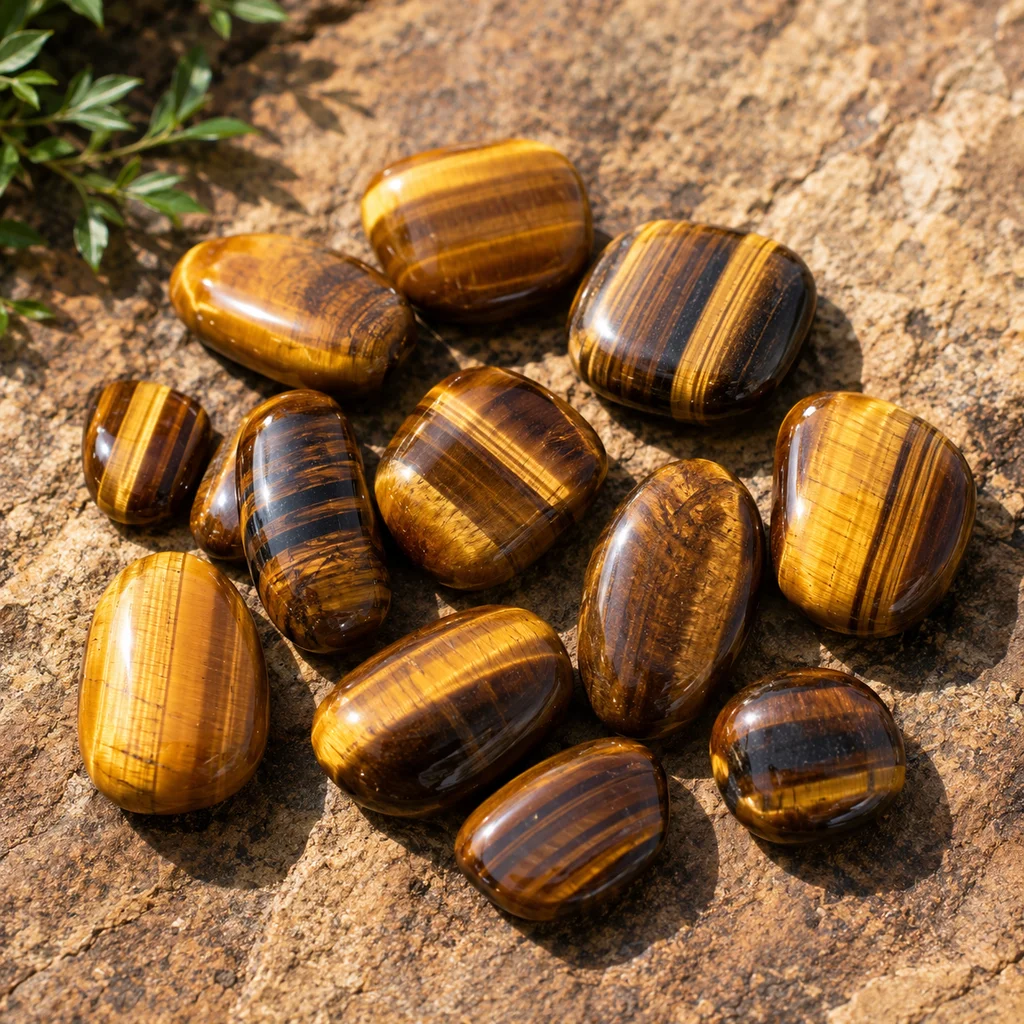
Oh, tiger eye stones are such a rad find! They've got this awesome combo of earthy and metallic hues that have been totally hooking gem enthusiasts for eons. They're famous for that super cool chatoyancy effect, where light dances around in these awesome, stripey patterns. I'm a crystal addict and the boss at SageStone.com, so I'm gonna spill the beans on all the different tiger eye colors, where they're from, and how to snag the perfect one for your collection.
The Magic of Chatoyancy
The Science Behind Chatoyancy
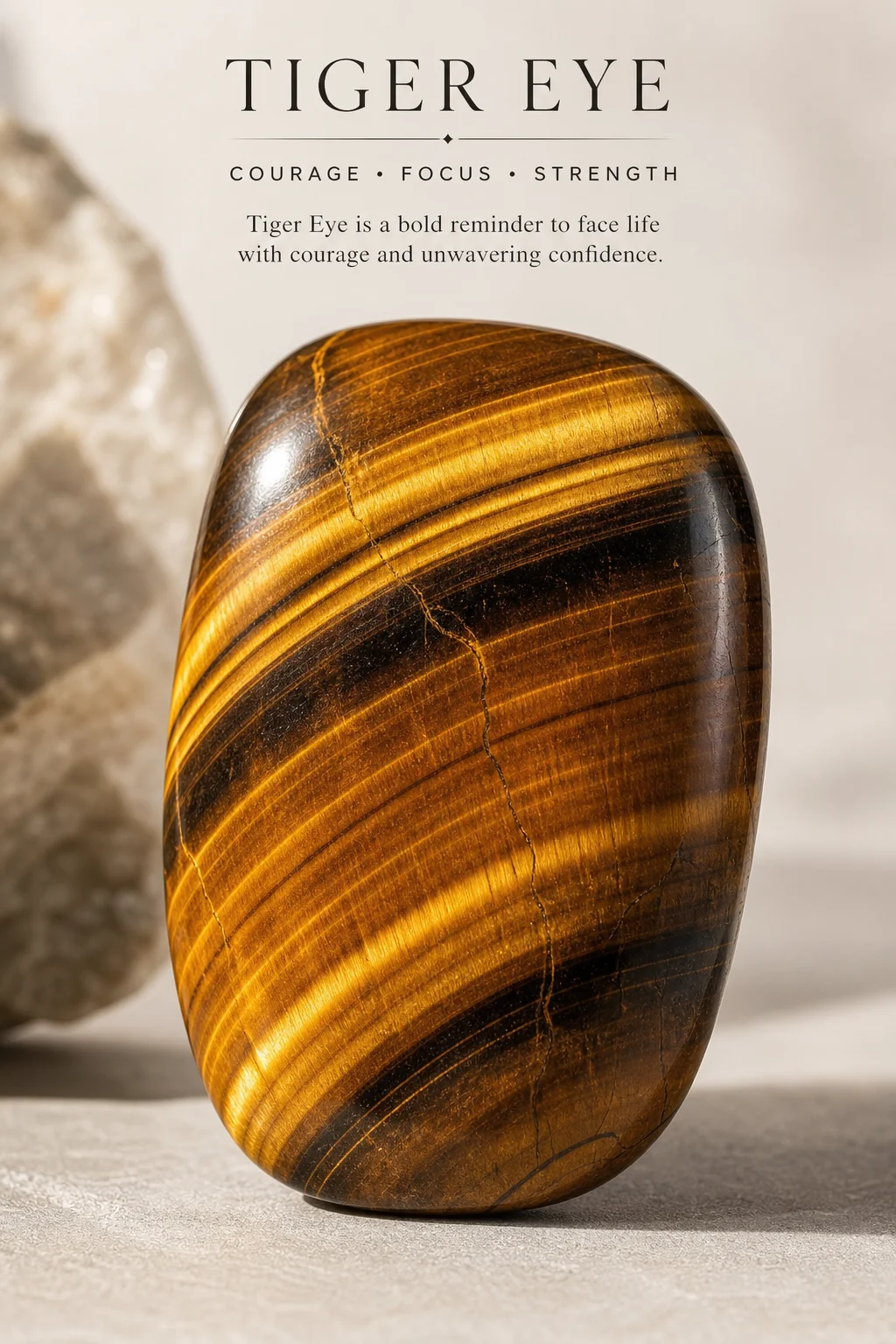
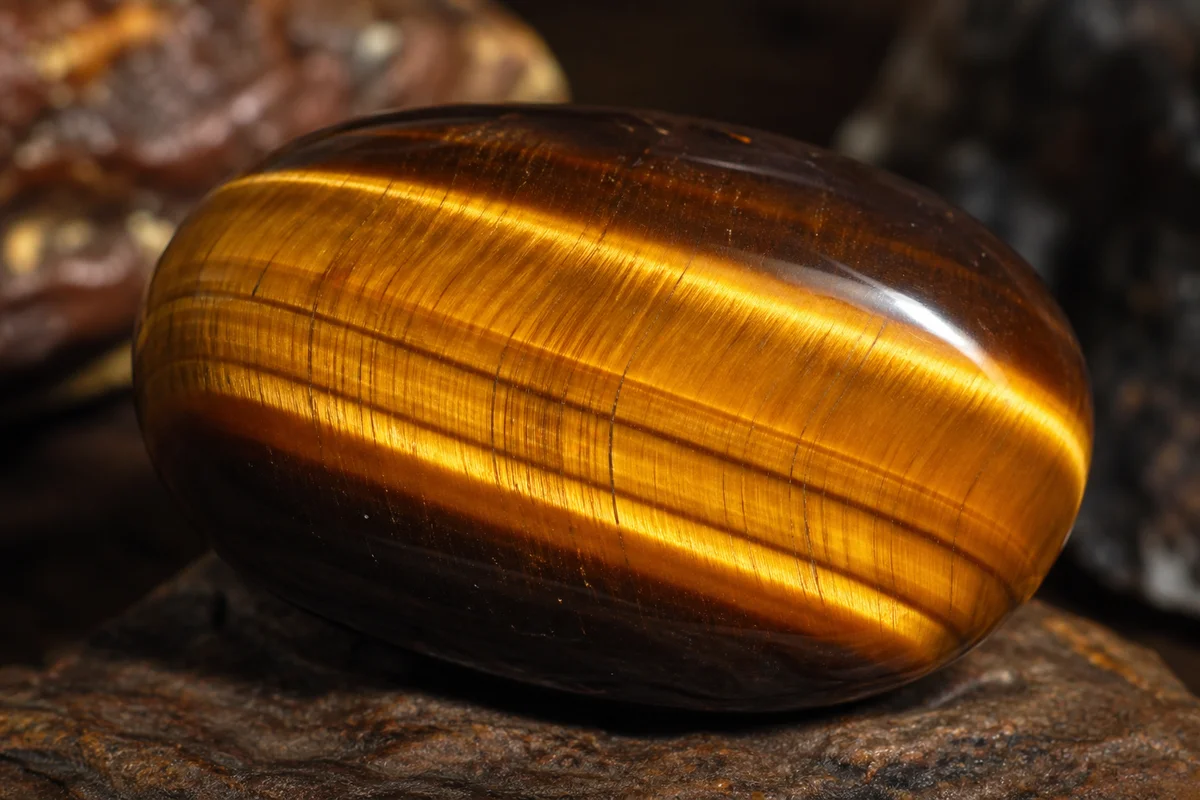
Hey, you know tiger eye? It's this amazing crystal with this super cool optical thing called chatoyancy. It's like the stone has these layers that light just bounces off of, making this glowing stripe that looks like a cat's eye. It's like the stone's got life, you know? The thing is, this effect can be super subtle or super bold, and that's what makes tiger eye stones so one-of-a-kind. Honestly, I've found what I love about them is how eye-catching they are!Golden Tiger Eye (Standard)
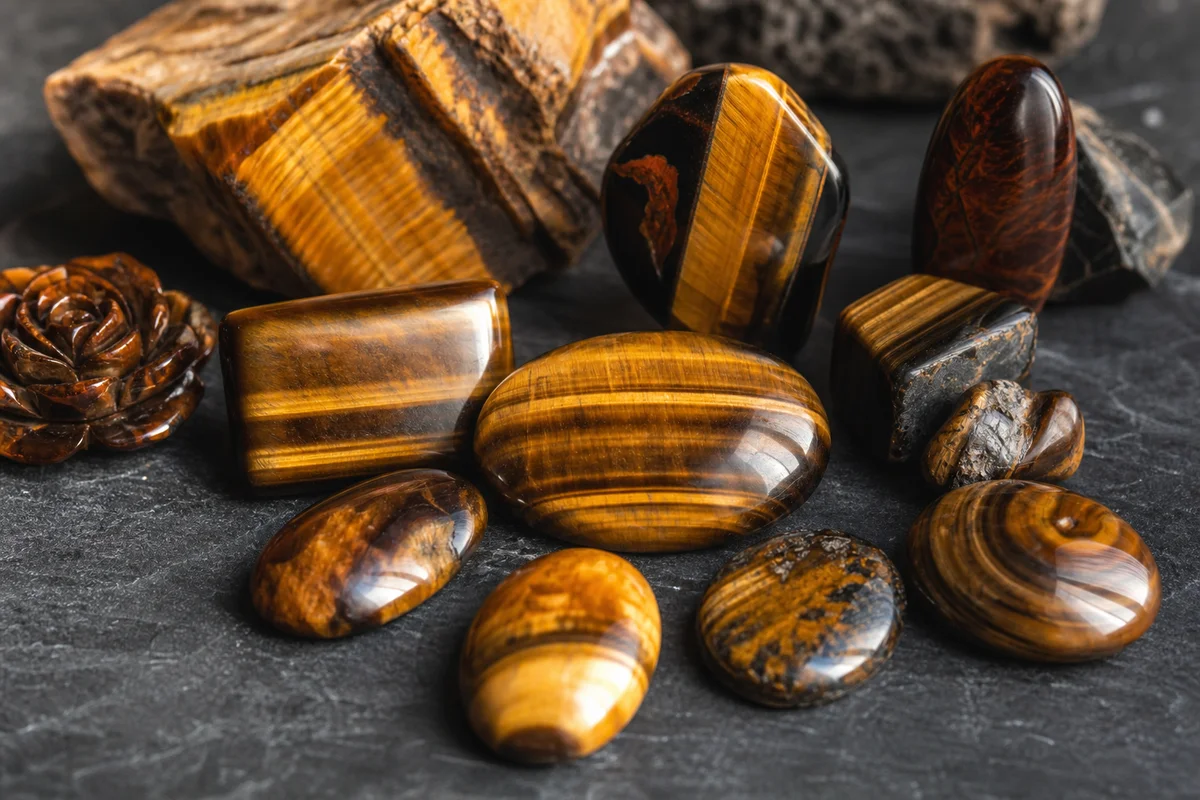
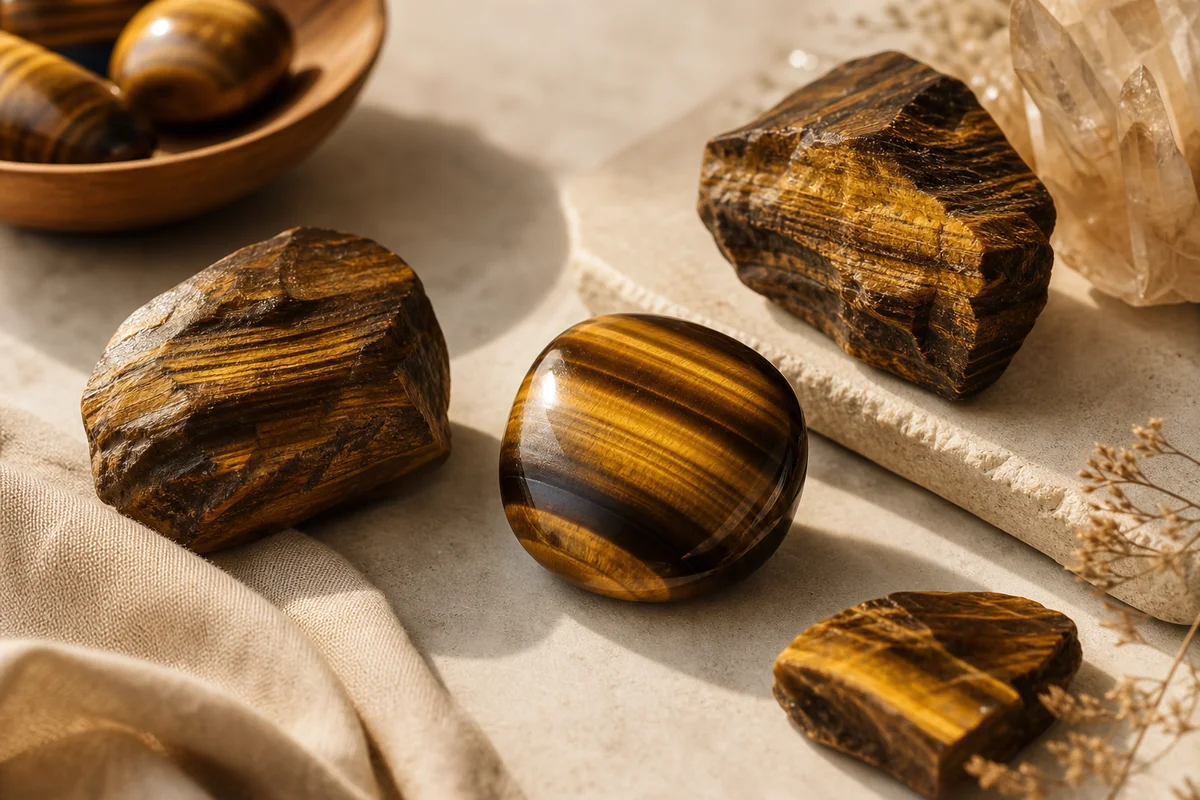
So, the golden tiger eye, it's like the OG of tiger eyes, you know? It's the one that always comes to mind when you hear "tiger eye." It's got this deep golden hue thanks to all that iron oxide. It's like it's got a little sunbeam trapped inside! It's perfect for jewelry that wants to feel like it's a part of you or just stand out as a cool accent.Red Tiger Eye (Heat-Treated)
Oh, have you checked out the heat-treated red tiger eye? It's like the golden tiger eye's cooler cousin, but with a fiery twist! Instead of that classic iron oxide color, it's got this warm red or brown glow. And the thing is, this heat treatment isn't just about the color change; it really brings out the stone's chatoyancy in a whole new light. It's pretty awesome, honestly!Blue Tiger Eye (Hawks Eye)
OMG, you totally gotta see the blue tiger eye, also known as hawks eye. It's untreated, so it's got this really raw, natural color that's just so awesome. It's not that neon blue you see in most crystals; it's more of a soft, earthy blue with this chill vibe. It's not all about being super flashy; it's got this understated, sophisticated charm. It's like, it doesn't shout for attention, but it definitely catches your eye.Hey, you gotta see this Multi-Color Tiger Eye! It's a blend of Pietersite and Marra Mamba. Super cool stuff, honestly! 🌟Pietersite
OMG, Pietersite is such a rad multi-color tiger eye. It's got this totally cool blue, gold, and white striping. The colors are all over the place, and every stone is like a tiny unique snowflake with its own pattern. It's way rarer than your average stone, and people go absolutely nuts for it because it's so bright and catches the eye!Marra Mamba
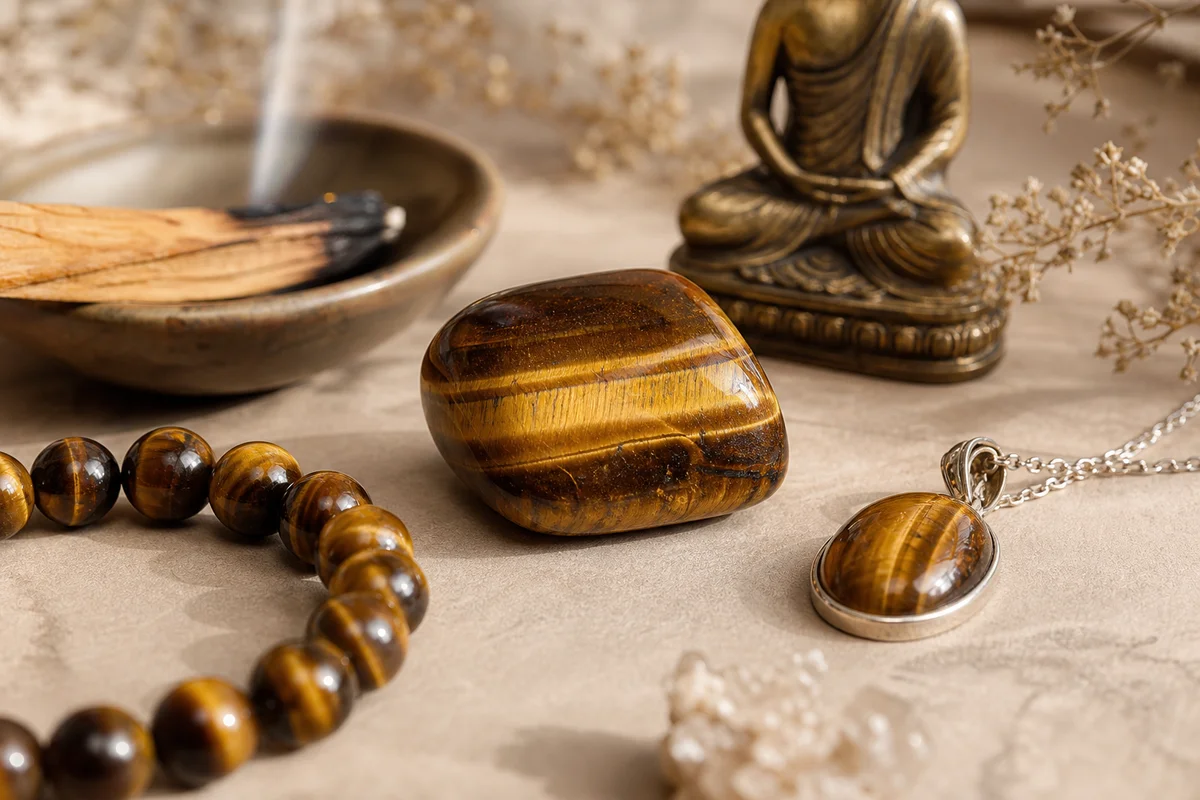
OMG, the Marra Mamba is just so rad! It's like a rainbow in a crystal, with yellow, orange, red, and black mixed up super cool. It's like the new hipster gemstone, everyone's trying to get their hands on one because it's super eye-catching. I mean, it's like it's saying, "Hey, look at me!" What I love about it is how it's like this bright star in your collection. You know? It's just so stinking unique!Alright, so you're on the hunt for your dream Tiger Eye stone, huh? It's such a beautiful pick! I've found what I love about Tiger Eye is that it's got this cool chatoyancy – you know, that sparkling effect? And it's super versatile, too. It can look great in pendants, rings, or even as a statement piece. So, what are you thinking? Are you leaning towards a dainty necklace or a chunky bracelet? And don't forget to check out our collection – there's something for everyone!
Hey, so you're looking for a tiger eye stone, right? Here are a few tips that I've found super helpful:
- Size and Shape: Pick the size and shape that you think will look totally rad in your jewelry. Big stones are like, totally bold, but smaller ones are like a stealthy, stylish upgrade.
- Clarity: Aim for stones with not too many spots or blemishes. The clearer they are, the more sparkly and shiny they'll be, like a little star in your jewelry.
- Color Intensity: Decide if you want a super bright color or something more natural, understated. It's all about what you're into!
- Price: Tiger eyes can be a bit pricey, especially the rare ones with colors like Pietersite or Marra Mamba. Set a budget and find something that's a good deal, you know?
- Matching Your Jewelry: Think about how it'll look with the rest of your collection. It's cool to have stones that match, color-wise and style-wise, like a cohesive look.
Price Reference
Hey there! So, here's the deal on our tiger eye beauties: - Standard Golden Tiger Eye: They're like $20-$100 each, and the bigger and clearer they are, the more cash they'll set you back. - Red Tiger Eye: These are around $25-$80, and if they've been heat-treated, they'll cost a bit extra. - Blue Tiger Eye: They're usually a bit smaller, and you can pick them up for about $30-$50. - Pietersite: These are a bit of a splurge at $50-$200+, but they're super rare and totally stunning. - Marra Mamba: They're $50-$150, and the pattern and size really make a difference. And hey, if you're into the magical stuff, I've found some cool blog posts to check out: - [Learn more about the properties of tiger eye stones](/blog/tiger-eye-stone-colors/) - [Discover the benefits of wearing a tiger eye bracelet](/blog/tiger-eye-bracelet/)Hey, just a heads up—crystals are awesome, but they're not some magic potion for health issues. They're cool, but they're not a substitute for real medical treatment, okay? I've found what I love about them is their energy, but the thing is, they're not a replacement for actual medical care.
Frequently Asked Questions
Hey there?
So, I've been thinking about this too. You know how they heat-treat tiger eye stones? It's a big deal, honestly. It changes the color and clarity, doesn't it? I'm guessing it can make them more or less valuable, depending on the outcome. What do you reckon?Oh, you know how I love my tiger eye stones? Heat-treating them is a game-changer. It changes the color, and trust me, that's a big deal—it makes 'em super desirable and, hey, they can be worth a lot more. But don't you worry, it doesn't take away from their natural charm. It's just amazing how it can transform a stone into something that really stands out.Question 2?
Hey, so, like, are tiger eye stones all treated to make their colors pop? I've found that's a big deal for a lot of folks. I mean, what I love about these stones is how vivid they can get, but honestly, not all of them are treated. Some are just naturally stunning!Hey, just wanted to clear this up. Not all tiger eye stones are treated. Some are straight-up natural, like the blue tiger eye, also known as hawks eye. It's untouched and totally raw. So, it's kind of cool to see something so pure and natural in the jewelry world, you know?Hey, question 3 here?
Alright, so you're curious about keeping your tiger eye jewelry looking fresh, right? Well, let me tell you, the secret's in the gentle touch. I've found that a soft cloth and some warm water do the trick after you've worn it. No need to scrub it like it's your old gym socks! Just a quick rinse, and you're good to go. When it comes to cleaning, a soft brush is your best friend. Just don't use any harsh chemicals or abrasive stuff – your tiger eye will love you for it. And here's a heads-up: tiger eye is super sensitive to hot and UV rays. So, keep it away from the pool, hot tub, and the sun when you're not wearing it. And don't forget to store it in a fabric-lined box to avoid any scratches. Take care of it, and your tiger eye jewelry will be your go-to for years to come!Hey! To keep your tiger eye jewelry looking fresh, just give it a quick wipe with a soft cloth and some warm, soapy water. No need for those harsh chemicals or ultrasonic cleaners – they're not so good for the stones, you know. Just set your jewels somewhere cool and dry, out of the bright sun.---
So, you know, the whole tiger eye stone thing is just amazing. Whether you're already a crystal connoisseur or just dipping your toe into this gemstone jewelry pool, learning about tiger eye is like getting a superpower in the crystal world. It really makes you appreciate them even more. Happy hunting for your next beautiful stone!So, let's talk about the rich history of Tiger Eye!
As captivating as the colors of tiger eye stones are, their cultural significance is equally rich. These stones have been revered throughout history, and their symbolism varies across different cultures and civilizations.
Egyptian and Ancient Civilizations
In ancient Egypt, tiger eye stones were associated with the Eye of Horus, a powerful protective symbol. They believed that the stone could bring good luck and provide protection from negative energies. The Egyptians often wore tiger eye jewelry, such as rings and pendants, to ward off evil spirits.
Ancient Greece and Rome
In Ancient Greece, tiger eye stones were associated with the goddess Artemis, the goddess of the hunt. The stone was thought to give the wearer strength and agility, making it a popular choice for hunters and warriors. Similarly, in Rome, tiger eye stones were worn for protection and to bring good fortune in hunting and war.
Modern Symbolism
In modern times, tiger eye stones are often associated with courage, clarity of mind, and determination. They are believed to help their wearers make rational decisions, especially in uncertain or stressful situations. The chatoyancy of the stone is also said to bring about a sense of calm and balance.
How to Care for Your Tiger Eye Stones
Proper care is essential to maintain the beauty and longevity of your tiger eye stones. Here are some tips on how to care for your stones:
- Regular Cleaning: Clean your tiger eye stones regularly with warm water and a soft cloth. Avoid using harsh chemicals or abrasive cleaners.
- Storage: Store your stones in a fabric-lined jewelry box or soft cloth to prevent scratches. Keep them away from extreme temperatures and direct sunlight.
- Handling: Always handle your tiger eye stones with clean hands to prevent oils and dirt from accumulating on the surface.
Expert Tips for Selecting High-Quality Tiger Eye Stones
As a crystal enthusiast, I've picked up a few tips over the years that can help you select high-quality tiger eye stones:
- Color Intensity: Look for stones with rich, vibrant colors. The intensity of the color is a sign of the stone's natural beauty.
- Chatoyancy: Check the chatoyancy of the stone. A strong, consistent band of light is a sign of a high-quality stone.
- Clarity: Choose stones with minimal inclusions and impurities. Clear stones reflect light more effectively, enhancing their overall beauty.
- Origin: Research the origin of the stone. Some regions are known for producing high-quality tiger eye stones.
- Price: Be wary of extremely low prices, as they may indicate lower quality or synthetic stones.
Common Mistakes to Avoid When Buying Tiger Eye Stones
When purchasing tiger eye stones, it's easy to make mistakes, especially if you're new to the crystal world. Here are some common pitfalls to avoid:
- Assuming All Tiger Eye Stones are Created Equal: As we've discussed, tiger eye stones come in various colors and qualities. Not all stones are equal, so do your research.
- Buying Without Seeing the Stone: Always try to see the stone in person. Photos can be deceiving, and you want to ensure you're getting what you expect.
- Overlooking Clarity: Don't just focus on color and chatoyancy. The clarity of the stone is also important for its overall appearance.
- Ignoring Origin: The origin of the stone can provide insights into its quality and authenticity.
- Underestimating the Cost: High-quality tiger eye stones can be expensive. Don't be surprised by the price if you're buying something truly exceptional.
FAQ
How is red tiger eye different from golden tiger eye?
How is red tiger eye different from golden tiger eye?
Red tiger eye is heat-treated to change its color from the natural golden hue of golden tiger eye. This process brings out a warm red or brown color, enhancing the stone's chatoyancy in a different way.
Is pietersite a type of tiger eye?
Is pietersite a type of tiger eye?
Yes, pietersite is a type of tiger eye. It is known for its distinct blue, gold, and white banding and is considered a rarer and more sought-after variety.
Can tiger eye stones be used in meditation?
Can tiger eye stones be used in meditation?
Yes, tiger eye stones are often used in meditation. They are believed to enhance clarity of mind and provide a sense of calm and balance, making them suitable for meditation practices.
How should I clean my tiger eye jewelry?
How should I clean my tiger eye jewelry?
Always use warm water and a soft cloth to clean your tiger eye jewelry. Avoid harsh chemicals and abrasive cleaners, as they can damage the stone's surface.
Where can I find the best quality tiger eye stones?
Where can I find the best quality tiger eye stones?
The best quality tiger eye stones can often be found in regions known for their gemstone production, such as South Africa and Brazil. Always buy from reputable dealers and do your research to ensure you're getting authentic, high-quality stones.
Conclusion
Tiger eye stones are a beautiful and meaningful addition to any crystal collection. By understanding their history, symbolism, and proper care, you can ensure that your tiger eye stones bring you joy and beauty for years to come.
| Color | Chatoyancy | Origin | Price Range |
|---|---|---|---|
| Golden | Strong | South Africa, Brazil | $20 - $200 |
| Red | Medium | India, Madagascar | $30 - $300 |
| Blue (Hawks Eye) | Weak | South Africa, Australia | $10 - $150 |
| Multi-Color (Pietersite) | Strong | South Africa | $50 - $500 |
| Multi-Color (Marra Mamba) | Strong | Australia | $60 - $600 |
Comments