What is tigers eye? 6 questions people actually ask about this golden stone
What is Tigers Eye? 6 Questions People Actually Ask about This Golden Stone
Meta description: Dive into the captivating world of Tigers Eye. Uncover its secrets, history, and benefits. Find out how to select the perfect piece for your collection.
What is Tigers Eye?
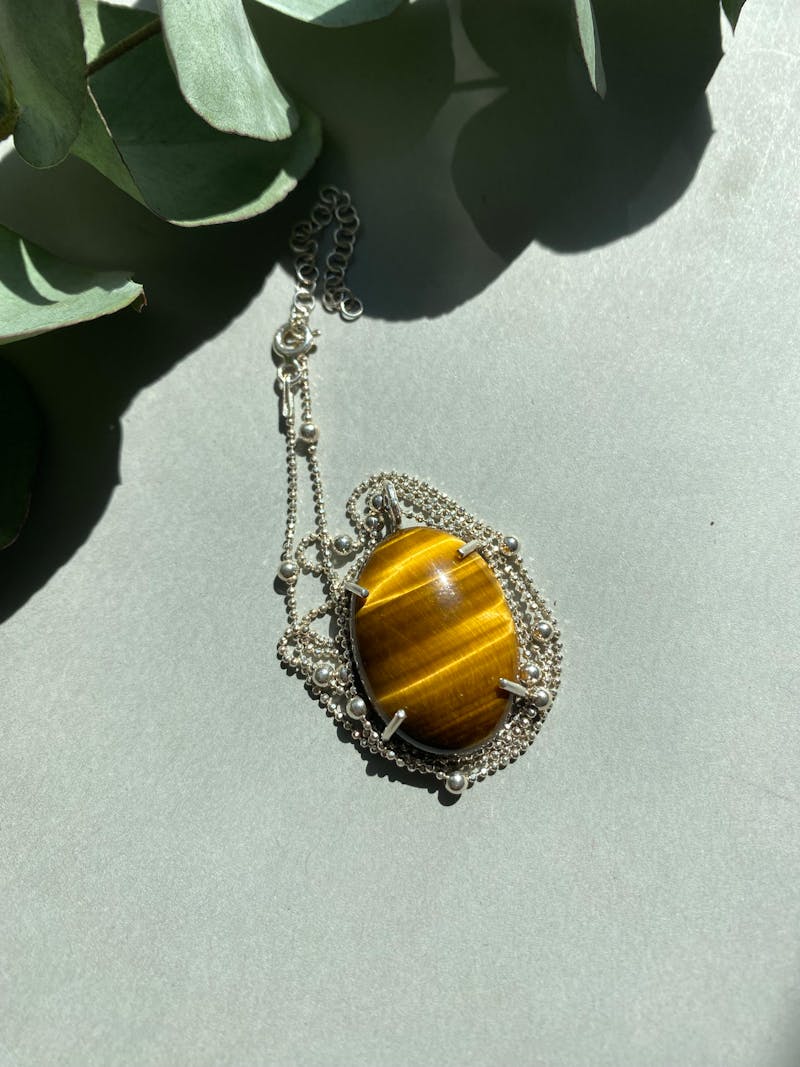
Tigers Eye, known for its striking chatoyancy, is a popular gemstone with a rich history. It gets its name from its appearance, which resembles the eye of a sleeping tiger. Composed primarily of quartz, this semi-precious stone exhibits a unique pattern of light and dark bands, known as chatoyancy. This optical phenomenon creates a shimmering effect that adds to Tigers Eye's allure.
The golden color of Tigers Eye is due to the presence of iron, which also contributes to its hardness and durability. This stone is often used in jewelry for its vibrant and dynamic look, but its properties extend beyond its aesthetic appeal.
Where does Tigers Eye come from?
While Tigers Eye is found in various parts of the world, some of the most prized deposits are located in South Africa, India, Australia, and Brazil. Each region produces Tigers Eye with its own unique color and pattern, making it a highly sought-after gemstone by collectors and enthusiasts alike.
The mining process is an intricate one, as Tigers Eye is often found in alluvial deposits, which require careful sifting and sorting. The stones are then polished to bring out their characteristic shimmer and chatoyancy, enhancing their natural beauty.
What are the benefits of Tigers Eye?
According to metaphysical beliefs, Tigers Eye is considered a protective stone that can bring courage and confidence. It is thought to be an excellent stone for overcoming fear and enhancing personal power. Here are some of the claimed benefits of Tigers Eye:
- Boosts self-esteem and self-confidence
- Helps to see the truth and make clear decisions
- Attracts wealth and abundance
- Protects against negative energy
How do I choose the right Tigers Eye piece?
Selecting the perfect Tigers Eye piece involves a few considerations:
- Color and Pattern: Look for vibrant, clear colors and strong chatoyancy. The darker the stone, the more valuable it is considered to be.
- Clarity: Tigers Eye should have minimal inclusions and be free of surface imperfections.
- Shape and Cut: Symmetrical shapes and clean cuts enhance the overall appearance of the stone.
When shopping for Tigers Eye jewelry, it's also important to consider the craftsmanship and materials used in the piece. Opt for reputable jewelers who provide detailed information about their products and offer a warranty.
Can Tigers Eye be used for healing purposes?
In the realm of alternative healing, Tigers Eye is often used for its purported healing properties. While scientific evidence is limited, some practitioners believe that Tigers Eye can help with the following conditions:
- Stress and anxiety relief
- Improving concentration and memory
- Aiding in the recovery from physical injuries
- Boosting the immune system
It's important to approach healing crystals with an open mind and consult with a healthcare professional for any health-related concerns.
How do I care for Tigers Eye jewelry?
Caring for Tigers Eye jewelry is relatively straightforward. Here are a few tips to keep your pieces looking their best:
- Avoid exposure to harsh chemicals and extreme temperatures.
- Clean your Tigers Eye jewelry with a soft cloth and mild soap and water.
- Regularly inspect your pieces for loose stones or damaged settings.
By following these simple care instructions, your Tigers Eye jewelry can maintain its luster and beauty for years to come.
Conclusion
Tigers Eye is a gemstone that has captured the hearts of many with its striking beauty and supposed benefits. Whether you are drawn to its golden shimmer or its metaphysical properties, Tigers Eye offers a unique and meaningful addition to any collection. By understanding the stone's origins, benefits, and proper care, you can choose and cherish your Tigers Eye piece for a lifetime.
Related Articles
- Turquoise vs lapis lazuli: two blue stones with completely different stories
- Pietersite bracelet: the storm stone with swirling blue and gold
- Amethyst vs kunzite: two purple stones with very different personalities
- Best Crystals for Sleep and Insomnia: A Complete Guide
- Moonstone Complete Guide: Meaning, Properties, and How to Use It
Comments