Turquoise vs lapis lazuli: two blue stones with completely different stories
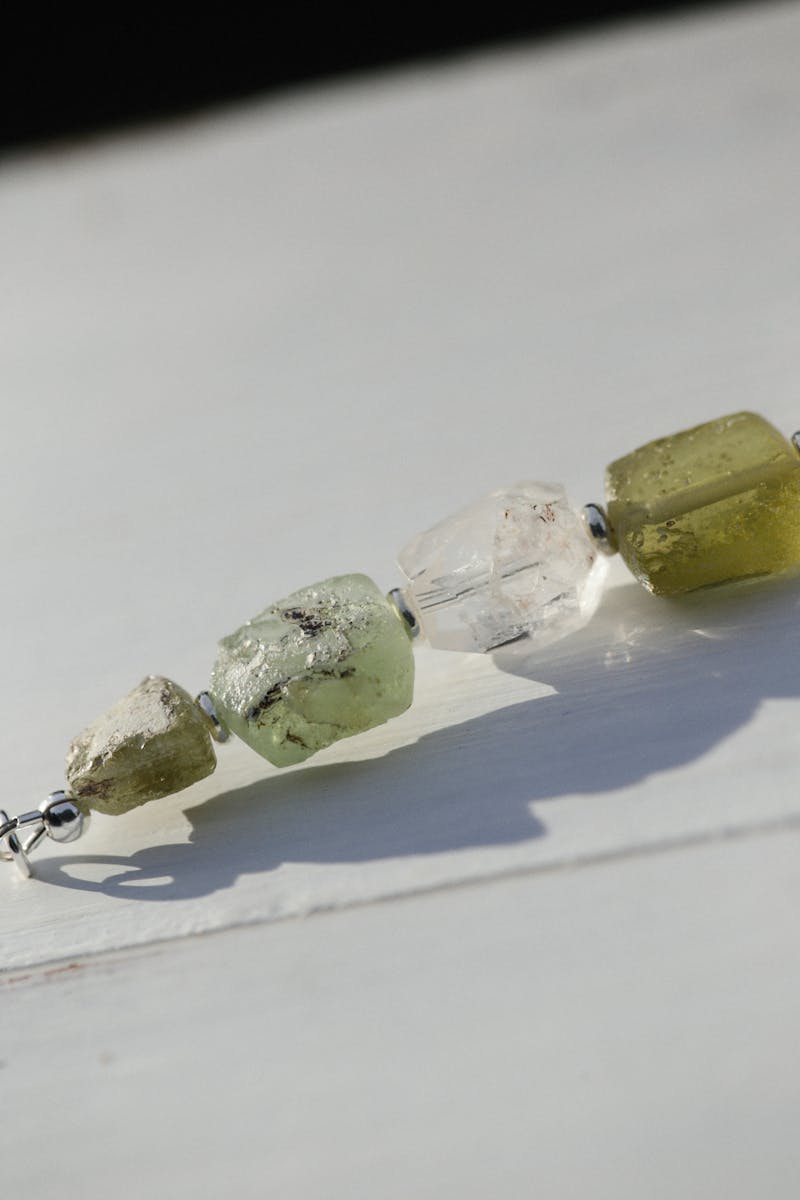
Turquoise vs lapis lazuli: two blue stones with completely different stories
Meta description: Discover the unique characteristics of turquoise and lapis lazuli, two stunning blue stones with distinct origins and properties. Learn how to differentiate them and find the perfect piece for your collection.
Introduction to Turquoise and Lapis Lazuli
Turquoise and lapis lazuli are both revered for their striking blue hues, making them favorites among crystal and jewelry enthusiasts. Despite their shared color, each stone has a rich history, unique properties, and distinct origins that set them apart. This article explores the fascinating world of these two blue beauties, helping you appreciate their differences and understand their significance in jewelry making and crystal healing.
Origins and Formation
Turquoise, a hydrous phosphate mineral, forms in arid regions where there's plenty of water and copper is present. Its name is derived from the French word “turqueise,” meaning Turkish stone, reflecting its historical use as a trade item in the Ottoman Empire. In contrast, lapis lazuli is a rock composed primarily of lazurite, a sodium aluminum silicate mineral. This gemstone is renowned for its deep blue color and often contains golden pyrite inclusions. It is thought to have originated in the Badakshan region of Afghanistan, with its name derived from the Latin “lapis lazulē,” meaning “blue stone.”
Color and Appearance
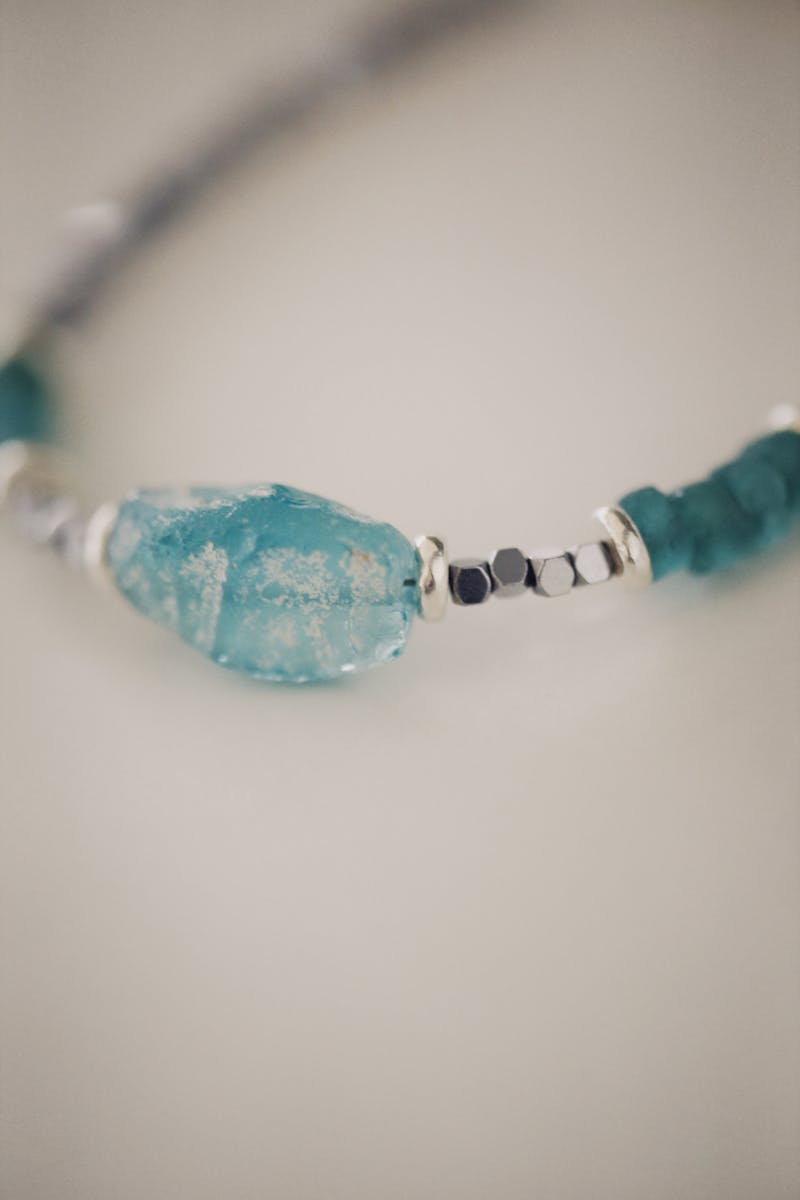
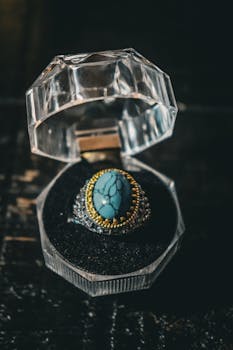
While both stones are blue, turquoise can range from a soft, sky blue to a vibrant, robins egg blue, often with a greenish tint. It can be translucent or opaque, and its color is often more even throughout the stone. Lapis lazuli, on the other hand, is typically a rich, royal blue with a more speckled appearance, thanks to the embedded pyrite inclusions. The contrast between the deep blue of the stone and the sparkling gold of the pyrite creates a mesmerizing effect.
Metaphysical and Healing Properties
In crystal healing, turquoise is believed to bring tranquility and emotional balance, making it popular among those seeking to heal their hearts. It is also thought to enhance communication and bring joy. Lapis lazuli, on the other hand, is considered a stone of truth and wisdom. It is often used to promote clarity of thought and self-awareness, as well as to boost confidence and encourage leadership.
Buying Guidance and Practical Tips
When shopping for turquoise, look for stones with a natural, uniform color and minimal matrix, which is the surrounding rock that encases the turquoise. Avoid stones with a lot of webbing, as this indicates a high level of impurity. For lapis lazuli, look for stones with a deep, consistent blue color and a good amount of pyrite inclusions. It's important to note that some lapis lazuli on the market may be treated with solvents to enhance their color, so purchasing from a reputable source is crucial.
- Always purchase from a trusted dealer to ensure authenticity.
- Inspect the stone for any signs of treatment or damage.
- Understand the cleaning and care requirements for your specific stone.
Conclusion
Turquoise and lapis lazuli are not only visually captivating but also carry rich historical significance and unique metaphysical properties. Whether you're drawn to the serene beauty of turquoise or the regal allure of lapis lazuli, these blue stones offer much more than their vibrant hues. By understanding their differences and choosing wisely, you can add a touch of ancient wisdom and natural splendor to your jewelry collection.
Related Articles
- Bloodstone bracelet: the dark green stone with red spots and a dramatic name
- Black Obsidian Bracelet: Protection, Grounding, and What It Actually Does
- Aventurine bracelet: the green stone gamblers supposedly carry for luck
- Crystal Bracelets for Men: Breaking the Gender Norm
- Opal bracelet: why no two are the same
Comments