Stibnite: The Sword Crystal Formation Guide
June 10, 2026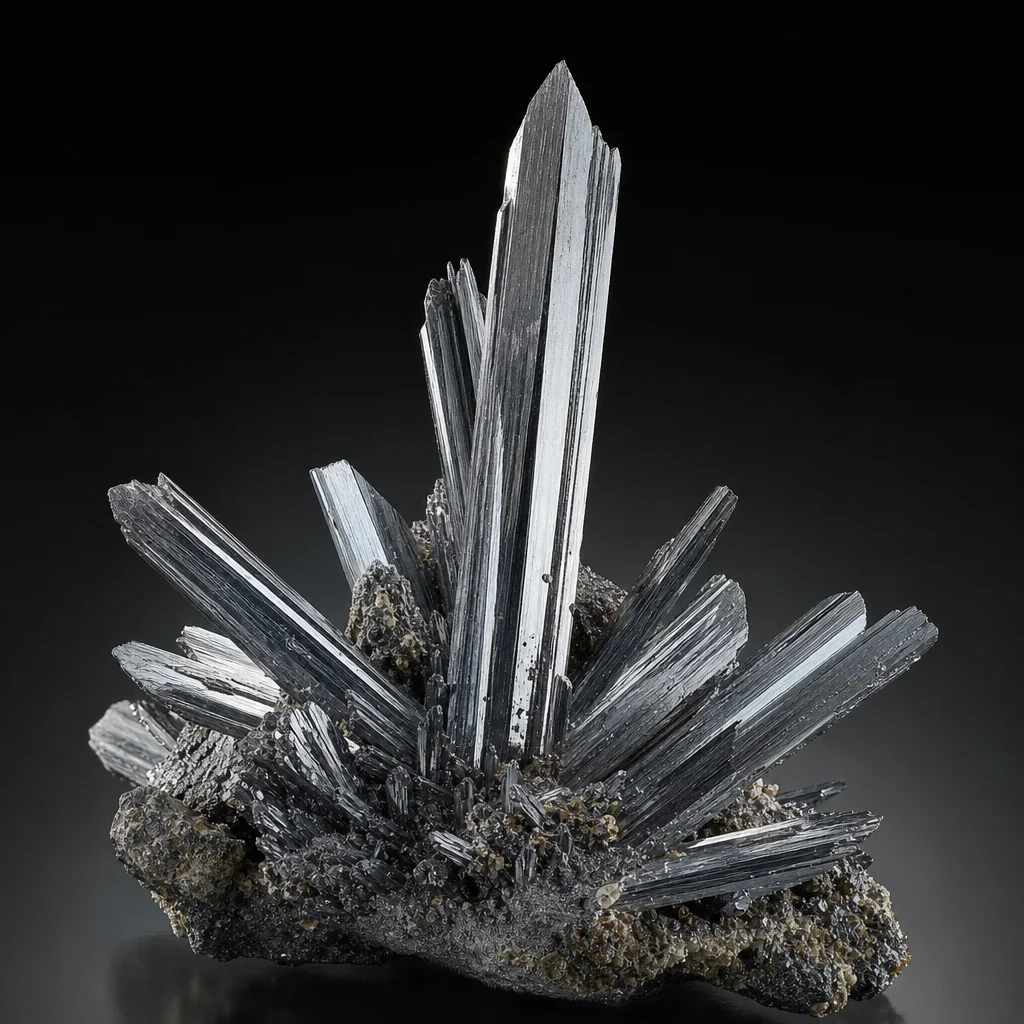
What is Stibnite?
Stibnite, with that chemical formula Sb2S3, has been super intriguing to collectors and scientists through the ages. It's a lead sulfide mineral that belongs to this thing called the monoclinic crystal system. The crystals are all elongated and prismatic, with this awesome cleavage. It forms from the oxidation of lead sulfide deposits, usually with some water around. That's how it gets those cool crystals! It's pretty dense too; the specific gravity is 4.5 to 5.5, which means it's quite heavy. But the thing is, it's not too hard – about a 2.5 to 3 on the Mohs scale, so it's easy to scratch, but also prone to weathering over time. These Stibnite crystals? They've got this shiny, metallic look, and they're transparent to translucent. But the best part? It can show this cool cat's-eye effect, which is like these small, parallel inclusions that catch the light just right. So it's super eye-catching. And honestly, I've found the color can go from a pretty dull gray to this bright, metallic silver, and even has a hint of gold or red depending on what impurities are around.Where Does It Come From?
Stibnite pops up in lots of spots across the globe, each with its own cool geological story that helps shape this mineral. Big mining hotspots are Bolivia, where you'll find it in the Oruro department, Peru's Huancavelica, and Mexico's San Luis Potosí state. These areas have been mining stibnite for eons—like, since way before Columbus even set sail! The Cerro de Potosí in Bolivia is a real gem—like, it was the biggest silver mine on the planet back when the Spanish were hanging out. Stibnite also hangs out in places like the U.S., Canada, and Australia. So, the thing is, it loves hanging out in metamorphic rocks with lead sulfide veins, usually close to those hot, bubbling hydrothermal systems.History and Cultural Significance
Oh man, stibnite is like this super cool crystal with this rad history! Back in the day, it was all the rage because it's got lead in it. The ancient Egyptians were all about it, using it to make this stuff called antimony. They even used it in makeup and for mummies. "Stibnite" is actually just an Arabic word for antimony, which is kind of neat, right? And get this, it's got this magical vibe too. In medieval Europe, people thought it was a protector, so they put it in amulets to keep bad stuff away. The name "stibnite" is actually Greek for antimony too. Different cultures used it for all sorts of things over the years, like in medicine and in these alchemy experiments. It's been a real chameleon through history!Color Varieties and Quality
Oh, stibnite is such a cool crystal! It comes in all sorts of colors. There's the classic metallic silver, but you'll also find it in grays, browns, and even a rich red. Sometimes, impurities like copper sneak in and give it a nice golden shimmer. When it comes to the quality, it's all about the color, how clear it is, the size, and stuff like the cat's-eye effect. Now, the prices can really vary. I've found that the best ones are usually big, well-shaped crystals with bright colors and super clear. Collectors, honestly, they'll shell out big money for those with amazing colors and clarity, and especially if they have that cat's-eye thing going on. The rarity of the colors and how good the crystal is also really counts when it comes to the value.Physical Properties in Detail
So, let me tell you about stibnite's physical properties. Besides its chemical formula and crystal system, it's got some cool stuff going on. Its hardness is around 2.5 to 3 on the Mohs scale, which means it's pretty easy to scratch with your fingernail, but it also gets all beat up in the weather. It's got this awesome cleavage along one plane, making it a breeze to split into thin, flat sheets. The luster is usually metallic, and the crystals can be see-through or a bit cloudy, depending on how thick they are. But the real showstopper is the cat's-eye effect. It's caused by these tiny, parallel inclusions in the crystal, and it just makes the mineral look sooo beautiful. Collectors go nuts for it!How to Tell the Real Deal from the Fake
Figuring out if stibnite is the real deal can be a bit tricky, especially if you're not super familiar with minerals. But hey, there are a few tricks up your sleeve to tell the difference. One super handy test is to splash a bit of nitric acid on it. If it's the real stuff, it'll turn into a white flakey thing. Most fakes won't do that. And another way to spot the real thing is by looking at the crystal shape and color. Fake stibnite crystals? They're usually a bit off, with colors that don't look quite right and shapes that seem a bit wonky. Plus, they usually lack that cool cat's-eye shimmer. I've seen some fake stuff out there that looks almost real, but it just doesn't have that natural sparkle and vibe. So, if you're shopping around, keep an eye out for that natural beauty and don't get duped by the synthetic crystals. They're not the same, trust me.How to Use and Display
So, stibnite crystals are super versatile, you know? They're great for making jewelry or adding a little flair to your home. For jewelry, they look amazing in pendants, rings, and bracelets. The way they catch the light with that metallic sheen and the cat's-eye effect—it's just so unique. And at home, big stibnite crystals are a total showstopper on a shelf or table. They're like a conversation starter because of how they stand out with their size and colors. In meditation, I've found that stibnite is like a chill-out crystal—it grounds you and helps balance those chakras, which is awesome for keeping your emotions in check. Crystal healers use it to boost focus and clear thinking. No matter how you use stibnite—whether it's for a necklace or just chilling during meditation—be sure to take care of them. They're beautiful, and you want them to stay that way!Care and Maintenance
So, to keep those stibnite crystals looking fresh, you gotta be super gentle with 'em. No harsh scrubbing or chemicals, okay? Just a soft cloth or a soft brush to get rid of the dust. And honestly, I've found that a little bit of love goes a long way. Now, when it comes to storing them, keep 'em cool and dry, and out of the bright sun. The thing is, extreme heat or humidity can mess 'em up. Plus, every once in a while, you should give 'em a little recharge by putting them under a light or moonlight for a few hours. It's like giving 'em a little energy boost. And to wrap this up, stibnite is just cool, you know? It's got this rich history, is super important in different cultures, and looks amazing. From its cool traits to how it's used in all sorts of ways, it's a big deal for collectors and lovers of crystals. Whether you're into wearing it as jewelry, using it for meditation, or just liking how it looks, stibnite's a gem in more ways than one.Hey there! So, you've probably heard of Stibnite, right? It's this awesome crystal formation that's a bit like a sword. I mean, honestly, it's super cool. If you're into crystals, you'll want to check it out. Now, let's talk about it and some similar stones, 'cause there are a few out there that are pretty neat too. What I love about Stibnite is its unique look—it's like it's been forged into a blade, but it's all natural. The thing is, it's often confused with other stones, but they're all pretty different. Check out the guide we've got on SageStone.com—it'll help you tell them apart. It's a quick read, and I've found it super helpful!
Oh, when you dive into the crystal world, stibnite is super catchy, but there are so many other stones that are pretty cool too. So, let's check out three of these gems to really get a feel for what makes stibnite so special.
-
Color:
- Stibnite – usually a metallic gray or silver, with a touch of bronze.
- Galena – it's lead gray, with this cool silvery shine.
- Pyrite – golden or brassy yellow, it's often confused with gold, honestly!
-
Hardness:
Oh, and don't forget to check out the hardness of these beauties. They're all different, you know? Now, what I love about hardness is it tells you how durable they are.
- Hey, check out the hardness of these babies! Stibnite and Galena are like the chill kids of the crystal family, 2.5-3 on the Mohs scale. And Pyrite, now that's a rockstar, clocking in at 6-6.5 on the Mohs scale!
- Price:
- Stibnite is pretty wallet-friendly, you know? Prices usually go from like $5 to $50 for a piece.
- Galena, now that's usually even cheaper. You can snag a piece for under $20, usually.
- Pyrite, though, it can be a bit of a splurge. Polished pieces can range from $20 to $100, so keep that in mind if you're looking to drop a bit more cash.
-
Rarity:
Here's the rundown on some of our favorite crystals:
- Stibnite – This one's pretty common, you know? Found all over the globe.
- Galena – Just like Stibnite, this one's pretty widespread too. You'll see it in lots of different spots around the world.
- Pyrite – It's common, for sure, but there are some special forms, like cubic pyrite, that are a bit rarer and, honestly, super valuable.
Buying Guide: What to Look For
Hey there! So, you're thinking about diving into the world of crystal jewelry, huh? I've found what I love about it is the way it just feels so... well, magical. But before you go all in, there are a few things to keep in mind. Let's chat about it, shall we?
Oh, getting stibnite crystals is such a thrilling hunt! But, you know, it's really key to know what you're looking for to snag the best quality and make sure your wallet doesn't cry too hard.
-
Price Ranges:
Stibnite prices really fluctuate! You'll find great pieces for about $5 to $50. It's a sweet spot where the quality meets the wallet-friendly vibe.
-
Quality Indicators:
- Clarity: Stibnite should be crystal clear with just a sprinkle of inclusions, not a whole mess of them.
- Color: Look for that rich bronze color—it's a sign the stone's got quality. Skip any stones that look dull or all funky-colored.
- Shape: Crystals that are well-formed and have those sharp points? They're the ones you want. They're usually worth more.
-
Red Flags:
- Hey, super low prices can be a red flag. You know, stones that seem way too cheap? They might not be the real deal.
- And yeah, stones that've been cleaned or treated too much? They might not be as natural or valuable as they seem.
- And don't forget, if a seller can't tell you much about where the stone came from or what makes it special, it's a big fat caution sign.
-
Where to Buy:
- When you're on the hunt for some good crystal shops, you gotta check out the ones that are known for their quality and customer service. They're the real deal.
- And don't forget about online marketplaces like Etsy and eBay. They've got a ton of options and price ranges to choose from.
- Oh, and if you want to dive into a community of fellow collectors, join a local mineral club. You'll meet some knowledgeable sellers and make some great friends.
Frequently Asked Questions
How do I identify natural stibnite from imitations?
How do I identify natural stibnite from imitations?
Identifying natural stibnite involves checking for its metallic luster, hardness, and color. Imitations often lack the distinct metallic sheen and are softer to the touch.
Can stibnite be used for healing purposes?
Can stibnite be used for healing purposes?
Stibnite is often associated with protection and clarity. While it's not a traditional healing crystal, many believe it can aid in mental and emotional balance.
What's the best way to clean stibnite crystals?
What's the best way to clean stibnite crystals?
Use a soft cloth or a gentle brush with lukewarm water. Avoid using harsh chemicals or ultrasonic cleaners, as they can damage the stone.
Are there any precautions when handling stibnite?
Are there any precautions when handling stibnite?
Stibnite is a soft stone and can be brittle. Handle it with care to avoid chipping or breaking. Also, be aware of its toxicity; avoid ingesting or inhaling dust particles.
How do I display my stibnite collection?
How do I display my stibnite collection?
Display your stibnite collection in a well-lit area where the color and luster can be appreciated. Consider using a clear display case or a shelf with a soft background to enhance the crystals' appearance.
Related Crystals You Might Love
-
Crystal Name:
Galena: A metallic-looking crystal with a leaden luster, often used in jewelry and decorative pieces.
-
Crystal Name:
Pyrite: Known as "Fool's Gold," this brassy yellow crystal is highly valued for its beauty and luster.
-
Crystal Name:
Calcite: A versatile crystal with a wide range of colors and forms, known for its metaphysical properties and aesthetic appeal.
-
Crystal Name:
Quartz: The most common mineral on Earth, quartz crystals come in various forms and are known for their clarity and energy properties.
Comments