Spinel vs Ruby: The Mistaken Identity
June 3, 2026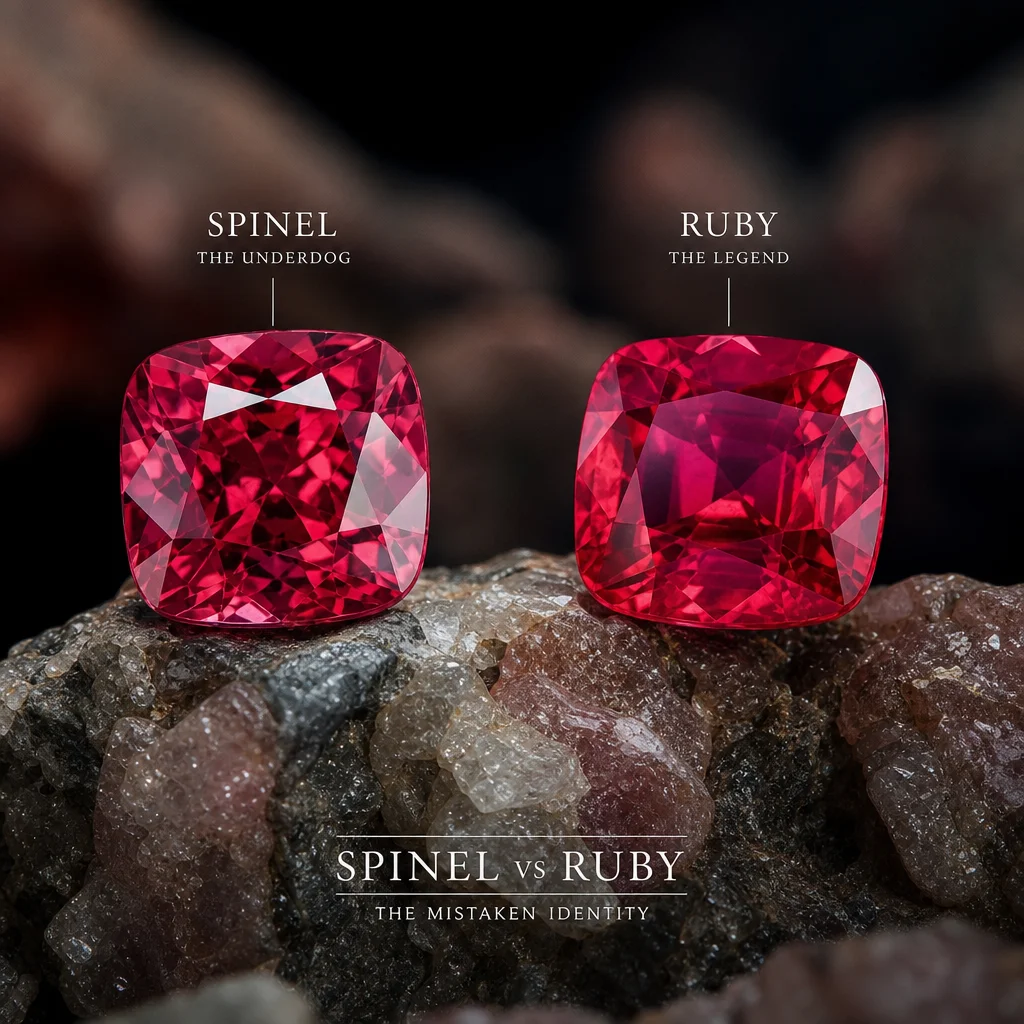
What Is Spinel and Why Has History Been So Wrong About It
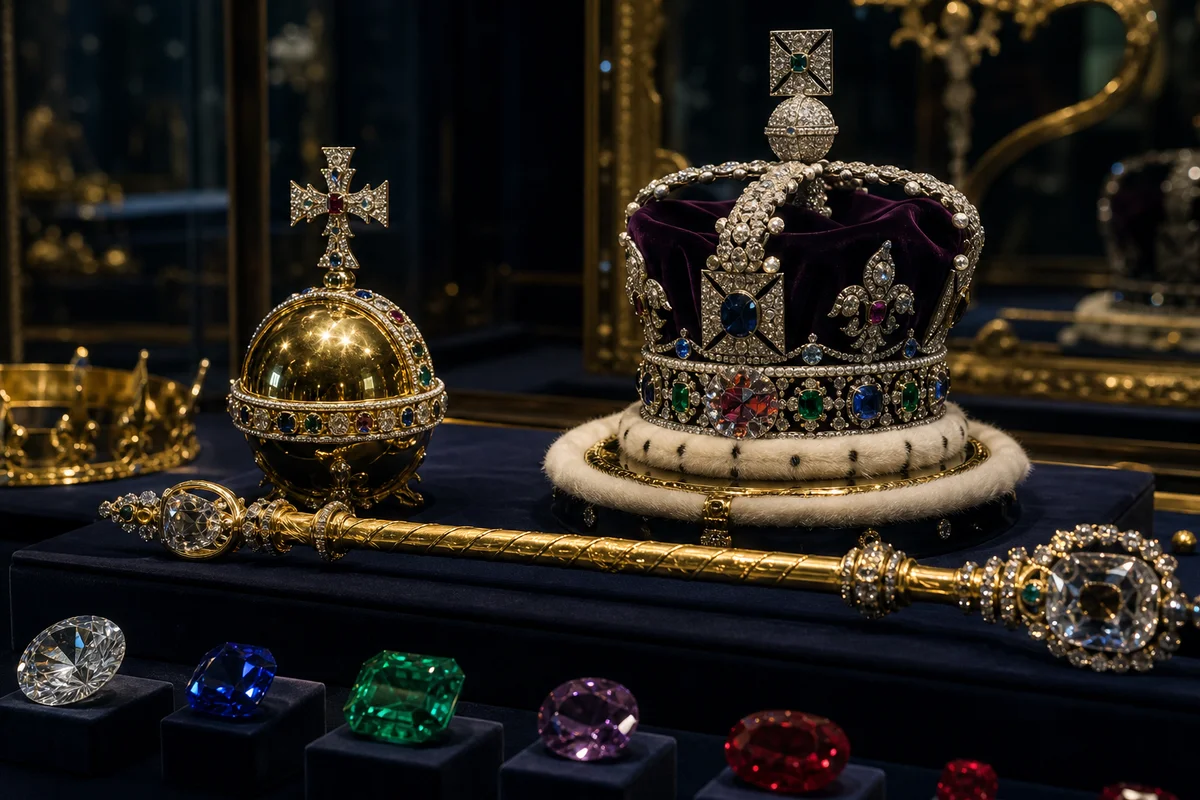
Spinel (MgAl₂O₄) has one of the most dramatic cases of mistaken identity in all of mineralogy. For centuries, some of the world's most famous "rubies" were actually spinel—a completely different mineral that happens to look strikingly similar. The most famous example is the Black Prince's Ruby, set in the British Imperial State Crown. Weighing approximately 170 carats, this deep red stone was believed to be a ruby from the time it was given to Edward the Black Prince in 1367 until modern gemological testing confirmed it as spinel in the 18th century. The Timur Ruby, another "ruby" in the British Crown Jewels, is also spinel.
This confusion is understandable. Both ruby (Al₂O₃, colored by chromium) and red spinel (MgAl₂O₄, also colored by chromium) can display an intense, vivid red that is virtually indistinguishable to the naked eye. The difference is chemical structure—ruby is corundum (aluminum oxide) while spinel is magnesium aluminum oxide—but without gemological equipment, the two look nearly identical in fine specimens.
The Chemistry Behind the Confusion
Ruby and spinel share a key trait: both get their red color from trace amounts of chromium substituting for aluminum in their crystal lattice. In ruby, Cr³⁺ ions replace Al³⁺ in the corundum structure (Al₂O₃). In spinel, Cr³⁺ ions replace Al³⁺ in the spinel structure (MgAl₂O₄). The resulting absorption spectra are similar enough that both minerals produce that coveted "pigeon blood" red.
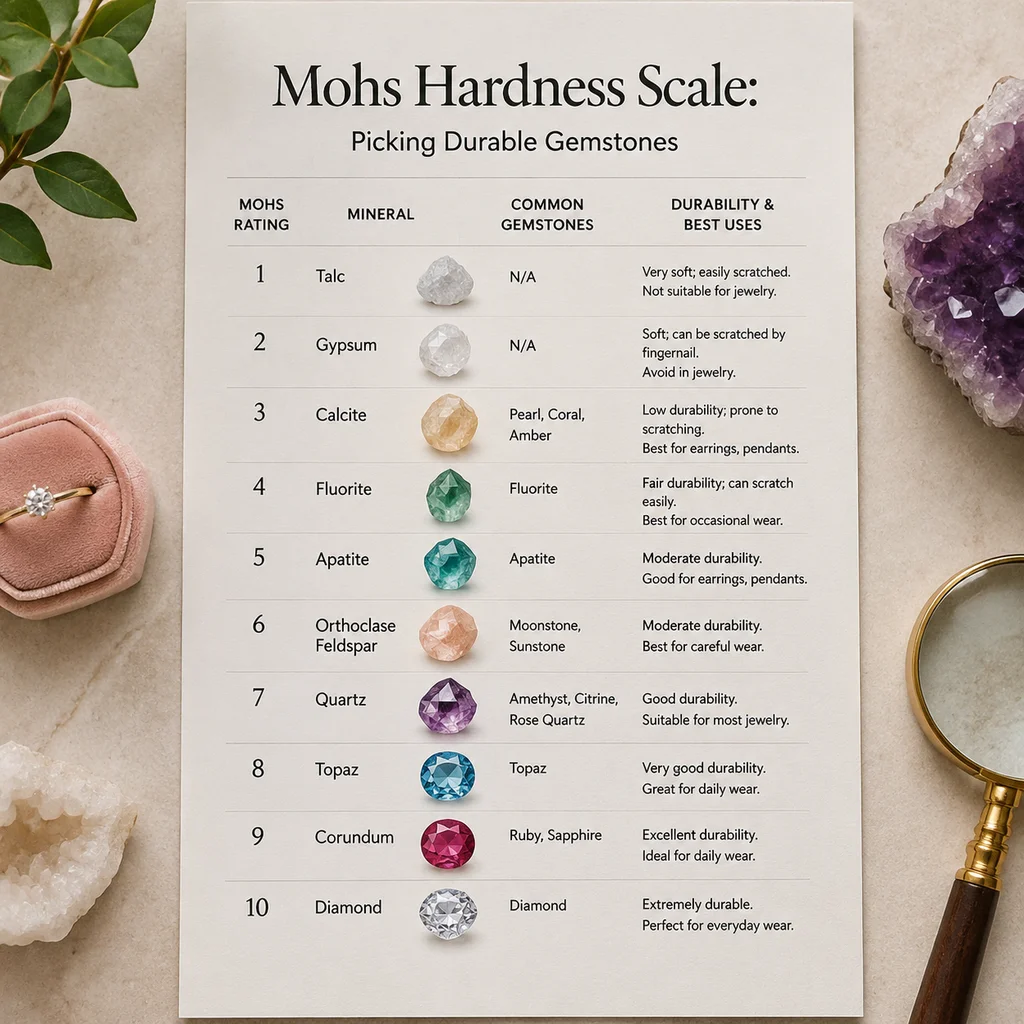
However, their crystal structures differ fundamentally. Ruby forms in the trigonal crystal system (hexagonal prisms) while spinel crystallizes in the cubic system (octahedral crystals). This structural difference means spinel is isotropic (single refractive index of 1.718) while ruby is doubly refractive (1.762-1.770). A gemologist with a polariscope can distinguish the two in seconds. Hardness is another differentiator: ruby scores 9 on the Mohs scale (second only to diamond) while spinel rates 7.5 to 8—still very durable but a step below corundum.
The Complete Color Range of Spinel
Red gets all the historical attention, but spinel occurs in virtually every color of the rainbow. The color range is determined by different trace elements substituting in the crystal lattice:
- Red spinel: Chromium. The most famous and historically significant variety. Fine red spinel with excellent clarity commands premium prices, though still well below comparable rubies.
- Blue spinel: Iron and cobalt. Cobalt-bearing blue spinel is rare and highly valued—it can display a vivid, slightly grayish-blue that resembles fine sapphire. Most blue spinel on the market is iron-colored and tends toward a darker, steelier blue.
- Pink spinel: A mix of chromium and lower iron content. Ranges from pale blush pink to vivid hot pink. Pink spinel has become increasingly popular in fine jewelry over the past decade as consumers look beyond traditional ruby options.
- Black spinel: Very high iron content. Jet black and opaque, black spinel is an affordable alternative to onyx and black diamond in jewelry. It is commonly cut into small calibrated stones for bead strands and pavé work.
- Orange spinel: A less common variety colored by a combination of chromium and iron. Sometimes called "flame spinel" in the trade when the color is particularly vivid.
- Gray and colorless spinel: Pure magnesium aluminum oxide with no coloring impurities. Colorless spinel is quite rare in nature and is sometimes used as a diamond simulant, though its lower refractive index (1.718 vs. diamond's 2.417) makes it easy for a trained eye to distinguish.
Spinels Famous for Being "Someone Else"
Beyond the Black Prince's Ruby and the Timur Ruby, several other historically significant "rubies" have been reclassified as spinel:
The "Balas Ruby" is an archaic trade name for spinel that persisted for centuries. The name comes from Badakhshan (historically Balascia), a region spanning modern-day Afghanistan and Tajikistan where fine red spinels have been mined for over a thousand years. Marco Polo reportedly visited these mines in the 13th century and described stones "of a red so pure and vivid that they could not be looked at without the eyes being dazzled."
The Samarian Spinel, weighing over 500 carats, is one of the largest known spinels and resides in a private collection. At one point believed to be the world's largest ruby, it was later identified as spinel. The exact weight is debated—some sources list it at 500 carats, others at 361 carats—but it remains one of the most spectacular gem-quality spinels ever discovered.
Where Spinel Comes From
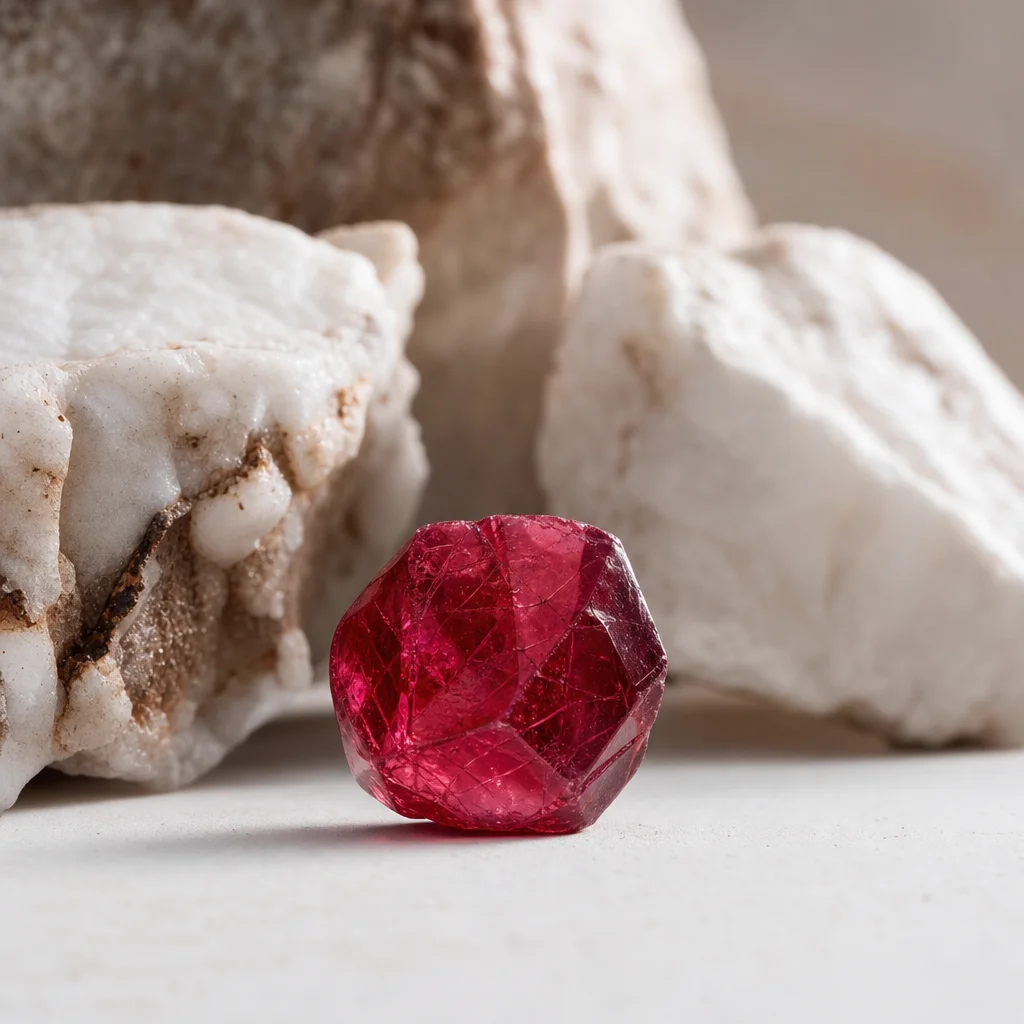
Major spinel deposits are found in several geological settings. The most historically important source is Myanmar (Burma), specifically the Mogok Stone Tract and Namya mining districts. Burmese spinel—particularly the vivid red and pink varieties—is considered the finest in the world. The Mogok area produces spinel alongside ruby and sapphire in metamorphic marble deposits.
Vietnam, particularly the Luc Yen district in Yen Bai Province, has become a significant source of fine blue and pink spinels since commercial mining began there in the late 1980s. Vietnamese cobalt-blue spinel is especially prized.
Tanzania's Mahenge and Tunduru districts produce fine spinels in a range of colors, including some exceptional pink and orange specimens. Sri Lanka (Ceylon) has historically produced spinel alongside its famous sapphires. Madagascar, particularly the Ilakaka and Sakaraha deposits, is a more recent but increasingly important source.
Price Comparison: Spinel vs. Ruby
This is where spinel becomes genuinely exciting for collectors and jewelry buyers. A fine red spinel of equivalent color, clarity, and cut to a fine ruby typically costs roughly one-tenth the price. A 2-carat Burmese ruby of good quality might sell for $15,000-40,000 per carat at auction, while a comparable 2-carat Burmese red spinel might sell for $2,000-5,000 per carat.
This price gap is narrowing as more collectors discover spinel, but it remains significant. For jewelry lovers who want the look of a vivid red gemstone without the five-figure price tag, spinel offers exceptional value. Blue spinel is even more affordable than red, with fine cobalt-blue stones selling for $500-2,000 per carat—again, a fraction of comparable sapphire prices.
Black spinel is in an entirely different price category—beads and small calibrated stones sell for $5-20 per piece, making it one of the most affordable black gemstone options for fashion jewelry.
Spinel in Modern Jewelry
Spinel's hardness of 7.5 to 8 makes it suitable for all types of jewelry, including daily-wear rings. It is harder than amethyst, citrine, and topaz, and only slightly softer than beryl (emerald, aquamarine). The refractive index of 1.718 gives spinel good brilliance—while not as fiery as diamond or demantoid garnet, well-cut spinel displays attractive sparkle in a well-lit room.
Because spinel does not require any standard treatments (unlike the near-universal heat treatment of ruby and sapphire), buying spinel is relatively straightforward. Look for stones with good color saturation, minimal visible inclusions, and a well-proportioned cut. Untreated stones are the norm, not the exception—this is a refreshing change from the ruby market where untreated stones command massive premiums.
How to Care for Spinel
Clean spinel with warm soapy water and a soft brush. Ultrasonic cleaners are generally safe for spinel, but avoid steam cleaning if the stone has inclusions that could expand under heat. Store spinel separately from harder stones (diamond, sapphire, ruby) to prevent scratching, and keep it away from chemicals and sudden temperature changes.
Frequently Asked Questions
Is spinel a good diamond alternative for engagement rings?
Spinel can work in an engagement ring if you are realistic about durability. Its 7.5-8 hardness means it will resist daily wear well but may show surface scratches after years of constant use (diamond is 10, sapphire is 9). A protective setting (bezel or halo) helps. For the price of a small diamond, you could get a much larger, more colorful spinel.
Can a jeweler easily tell spinel from ruby?
Yes, with standard gemological equipment. A polariscope test takes seconds—spinel is singly refractive (stays dark) while ruby is doubly refractive (shows light transmission). A refractometer reading of 1.718 confirms spinel. Most reputable jewelers can make this distinction quickly.
Why is spinel less famous than ruby?
Marketing and history. Ruby has been associated with royalty, power, and passion for millennia, while spinel was misidentified as ruby for most of that time. Only in the 19th century, when mineralogy became a formal science, was spinel recognized as a distinct mineral. It has been playing catch-up in public awareness ever since.
Expert Insights: exploring Differences Between Spinel and Ruby
Understanding the nuances between spinel and ruby can be a game-changer for jewelry enthusiasts and collectors alike. Here are some practical tips and expert insights to help you differentiate these two stones more effectively:
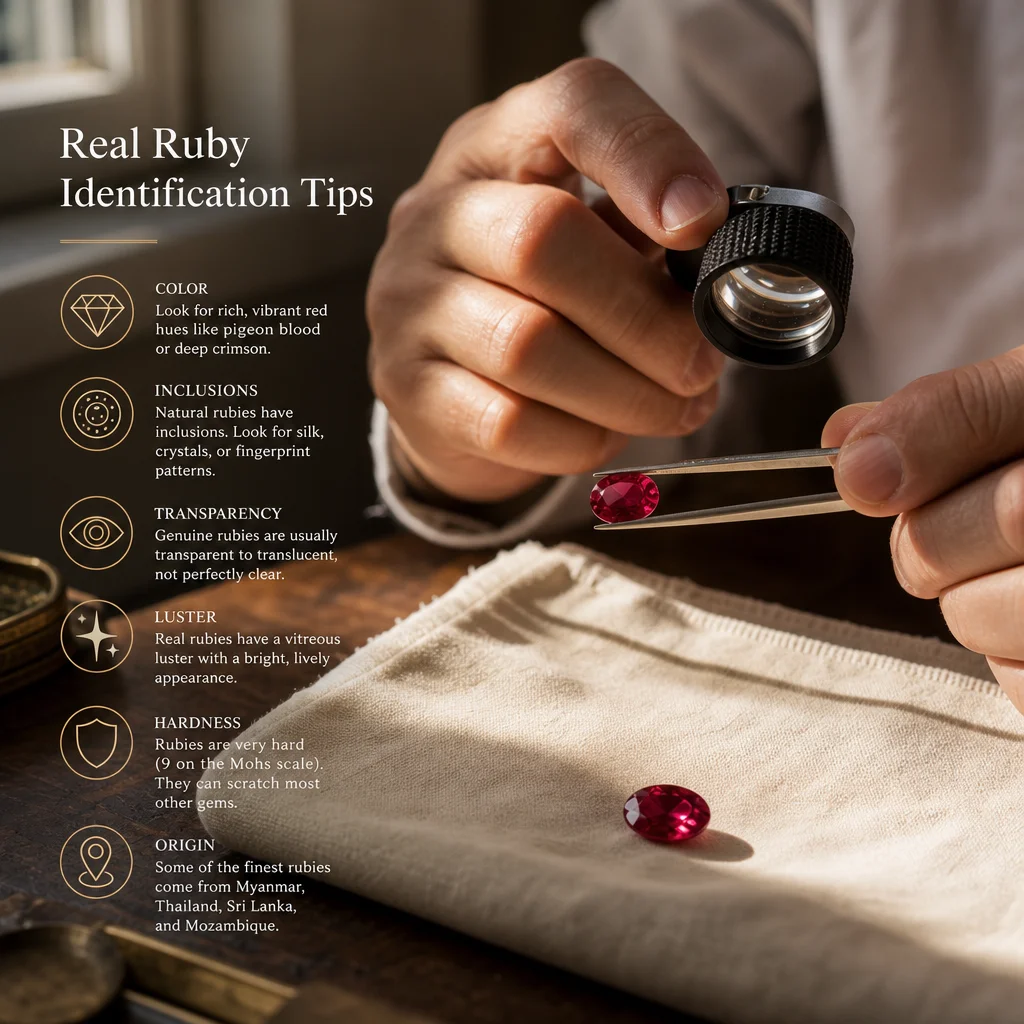
Firstly, examine the color saturation. Ruby is known for its vibrant red hues, often described as a deep, almost fiery red. Spinel, on the other hand, can exhibit a wide range of colors, including red, but its reds are often more varied, ranging from a rich, deep red to a more muted, pinkish tone. Ruby's red is also more likely to be uniform throughout the stone, while spinel's color can sometimes have a more mottled appearance.
Another key distinction lies in the clarity. Ruby is often associated with a high degree of transparency, which can sometimes lead to a sense of depth and sparkle. Spinel, while also very clear, can sometimes have a slightly more glassy appearance, which can be both beautiful and unique. Keep an eye out for any inclusions, as ruby is typically more prone to inclusions, while spinel is known for its high clarity and lack of visible inclusions.
When it comes to hardness, both spinel and ruby are quite durable, ranking 8.5 on the Mohs scale. However, ruby is slightly harder than spinel, which means it can be more resistant to scratches. This is something to consider if you're looking for a stone that will stand the test of time and frequent wear. Additionally, the cutting of the stones can also impact their appearance and value. Ruby's cut often emphasizes its vibrant red color and depth, while spinel cuts can highlight its clarity and brilliance.
Lastly, consider the origin of the stone. Ruby is traditionally associated with Sri Lanka and Myanmar, while spinel has been found in a variety of locations around the world, including Afghanistan, Sri Lanka, and even in the United States. The origin can affect the stone's color and clarity, providing another layer of intrigue and uniqueness to each stone.
Related Crystals/Stones That Complement This Topic
Amethyst
Amethyst, with its vibrant purple hues, is a crystal that complements spinel and ruby wonderfully. It's believed to promote calm and peace, making it a great addition to any collection. Its energy is calming and can help with meditation and spiritual growth, much like spinel.
Peridot
Peridot, a stone with a vibrant green color, is often mistaken for emerald. It pairs beautifully with spinel and ruby due to its similar green tones. Known for its protective energy, peridot can shield against negative energy and promote clarity, making it a versatile stone for daily wear.
Topaz
Topaz, which comes in a variety of colors, is a stone that can enhance the visual appeal of spinel and ruby. It’s said to bring joy and happiness, and its bright colors can energize a space. It’s a versatile stone that can be combined with others in jewelry making for a pop of color.
Smoky Quartz
Smoky quartz is a grounding stone that complements the fiery energy of spinel and ruby. It's known for its ability to absorb negative energy, making it a great stone for those looking to maintain a positive aura. The earthy tones of smoky quartz balance out the brightness of the other stones.
Malachite
Malachite is a unique stone with its striking green and brown patterns. It's often associated with transformation and growth, similar to the journey of recognizing the true nature of spinel and ruby. Its protective energy can be a powerful addition to any crystal collection.
Sapphire
Sapphire, with its rich blue hues, can complement the reds and pinks of spinel and ruby. It's a stone of wisdom and truth, making it a great companion for those who seek clarity and understanding. The combination of sapphire with spinel and ruby can create a powerful set of stones for meditation and reflection.
How to Use/Combine Them in Daily Life or Jewelry Making
For Daily Life
When using these crystals together in daily life, consider creating a small display of them on a desk or nightstand. The visual and energetic benefits can be quite profound. You can also wear them in combination, such as a bracelet with spinel, ruby, and amethyst beads. This not only serves as a stylish accessory but also provides the benefits of each stone throughout the day.
In Jewelry Making
Combining these stones in jewelry making can be a true art form. Use spinel and ruby in a ring with accents of amethyst, peridot, or topaz for a striking piece. For a more subtle look, pair smoky quartz with malachite for a necklace that balances the colors and energies. The combinations are endless, and the process can be incredibly rewarding. Remember to consider the properties of each stone and how they might interact, creating a piece that is as harmonious as it is beautiful.
Chakra Balancing
Crystals can be used to balance the chakras, and combining them can amplify this effect. For example, spinel and ruby can be paired to balance the heart chakra, while amethyst and sapphire can help with the third eye chakra. By understanding the properties of each stone and how they resonate with different chakras, you can create personalized pieces that promote wellness and balance.
Cleanse and Charge
Before using these stones, it's important to cleanse and charge them. Cleansing can be as simple as running them under running water or using saltwater. Charging can be done by placing them in moonlight or sunlight. Ensuring your crystals are cleansed and charged helps to maximize their energetic properties.
Can spinel be mistaken for a ruby in everyday life?
Absolutely! Both spinel and ruby share a vibrant red color that can be quite similar, especially in natural light. This similarity often leads to the mistaken identity. However, there are subtle differences that can be noticed with a closer look. Ruby typically has a more vivid red hue and often exhibits a unique "silkiness" or "cat's eye" effect due to its inclusions. Spinel, on the other hand, can have a more uniform color and is often found in a wider range of red shades. If you're not sure, it's always a good idea to consult with a professional gemologist.
Are there any other gemstones that can be mistaken for spinel?
Yes, there are a few. Spinel's versatility in color and clarity can make it easily confused with other gemstones. For instance, red spinel can be mistaken for a ruby, but it can also be confused with red tourmaline or red garnet. These gems all have their own unique characteristics, but without proper gemological knowledge, it can be challenging to distinguish them. The best way to ensure accuracy is to have your gemstones tested by a professional.
How can I tell if my spinel is natural or treated?
Identifying whether a spinel is natural or treated can be a bit tricky, but there are a few clues to look out for. Natural spinel often has a more rustic appearance with inclusions or a slightly uneven color. Treated spinel, on the other hand, may have a more uniform color and fewer visible inclusions. Additionally, some spinels are treated to enhance their color, such as being heated or irradiated. If you're unsure, a professional appraisal can provide the necessary information. It's always worth the investment to ensure you're getting what you pay for.
Is spinel a good investment for a collector?
Spinel is an excellent choice for collectors, especially those interested in the world of colored gemstones. Its rarity, vibrant colors, and historical significance make it a desirable gemstone. Over the years, spinel has been used in some of the most famous jewels, including the Black Prince's Ruby and the Timur Ruby. As the demand for unique and colorful gemstones continues to grow, spinel's value may appreciate. However, like any investment, it's important to do your research and purchase from reputable sources to ensure the authenticity and quality of your gemstones.

Comments