Solar Plexus Chakra Stones
May 28, 2026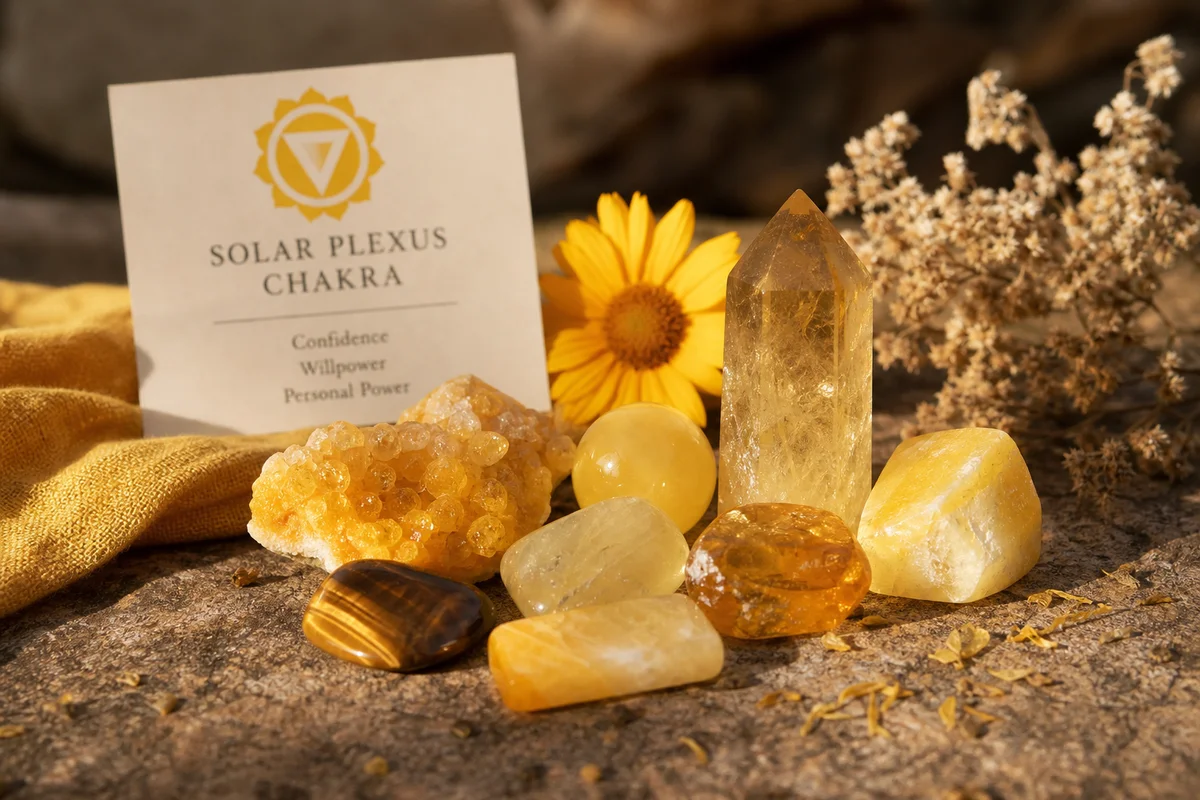
What Is the Solar Plexus Chakra and Why It Matters
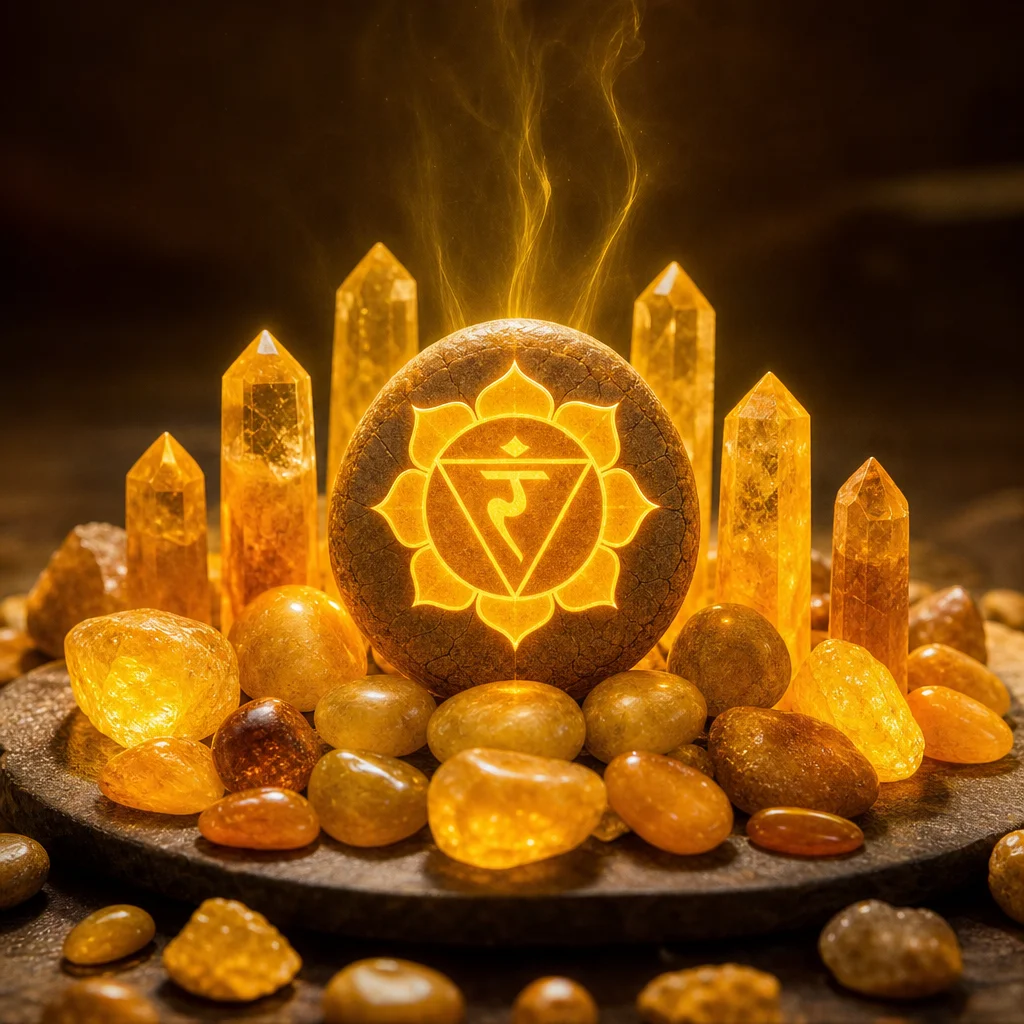
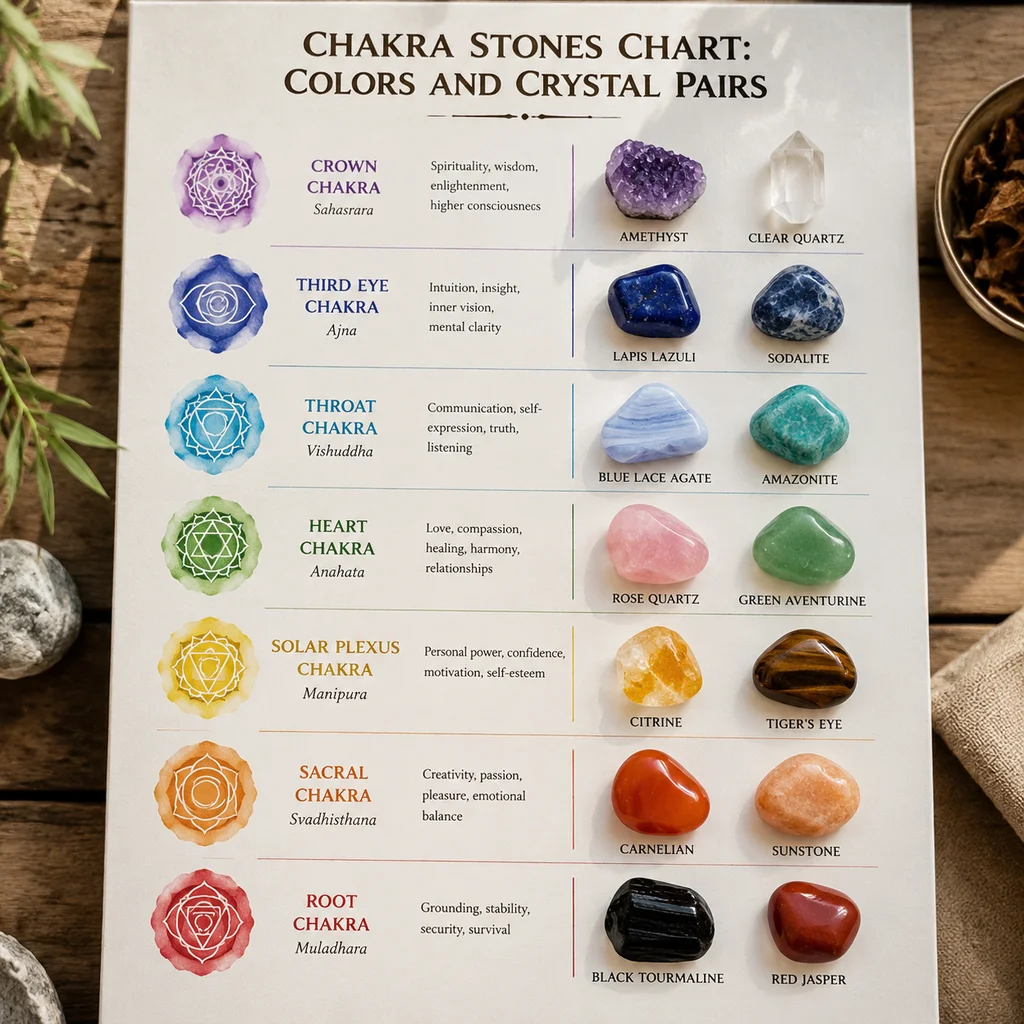
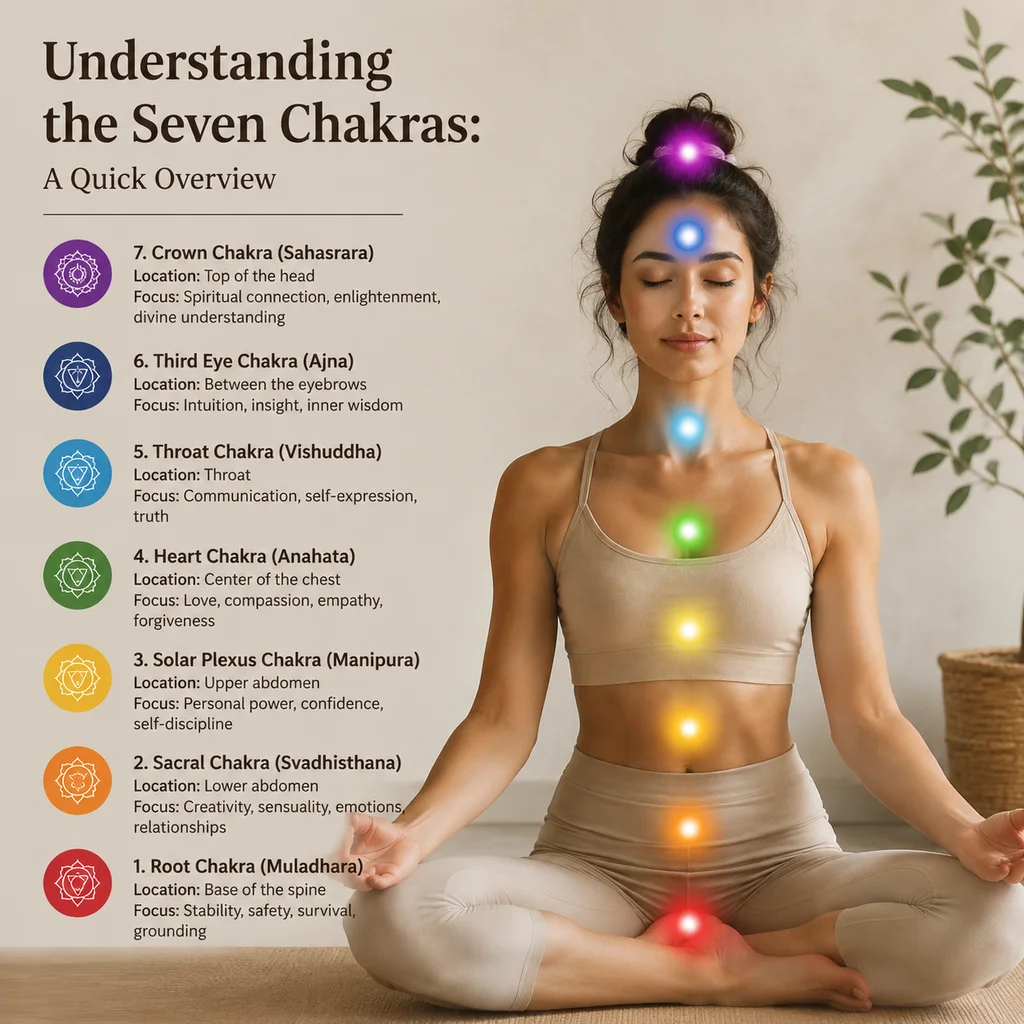
The solar plexus chakra, called Manipura in Sanskrit (meaning "city of jewels"), sits in your upper abdomen, right at the stomach area. It's the third of the seven primary chakras, and it governs something most of us struggle with at some point: our sense of personal power, self-confidence, and ability to take decisive action in our lives.
When your solar plexus chakra is balanced, you feel a steady inner certainty. You make decisions without second-guessing yourself for hours. You set boundaries without guilt. You pursue goals with a clear sense of direction rather than waiting for someone else to tell you what to do.
When it's out of balance, the signs show up in ways you might not immediately connect to an energy center: chronic indecision, people-pleasing patterns, digestive issues, difficulty finishing projects, or a nagging feeling that you're "not enough" despite external evidence to the contrary.
Crystals associated with the solar plexus tend to share visual qualities — golden yellows, warm oranges, and metallic flashes — that mirror the traditional color of this chakra. But the connection goes deeper than color symbolism. These stones have been used across cultures to support courage, clarity, and decisive action, and their historical uses align remarkably well with what the solar plexus chakra represents.
7 Solar Plexus Crystals and What Each One Does
1. Citrine — The Confidence Catalyst
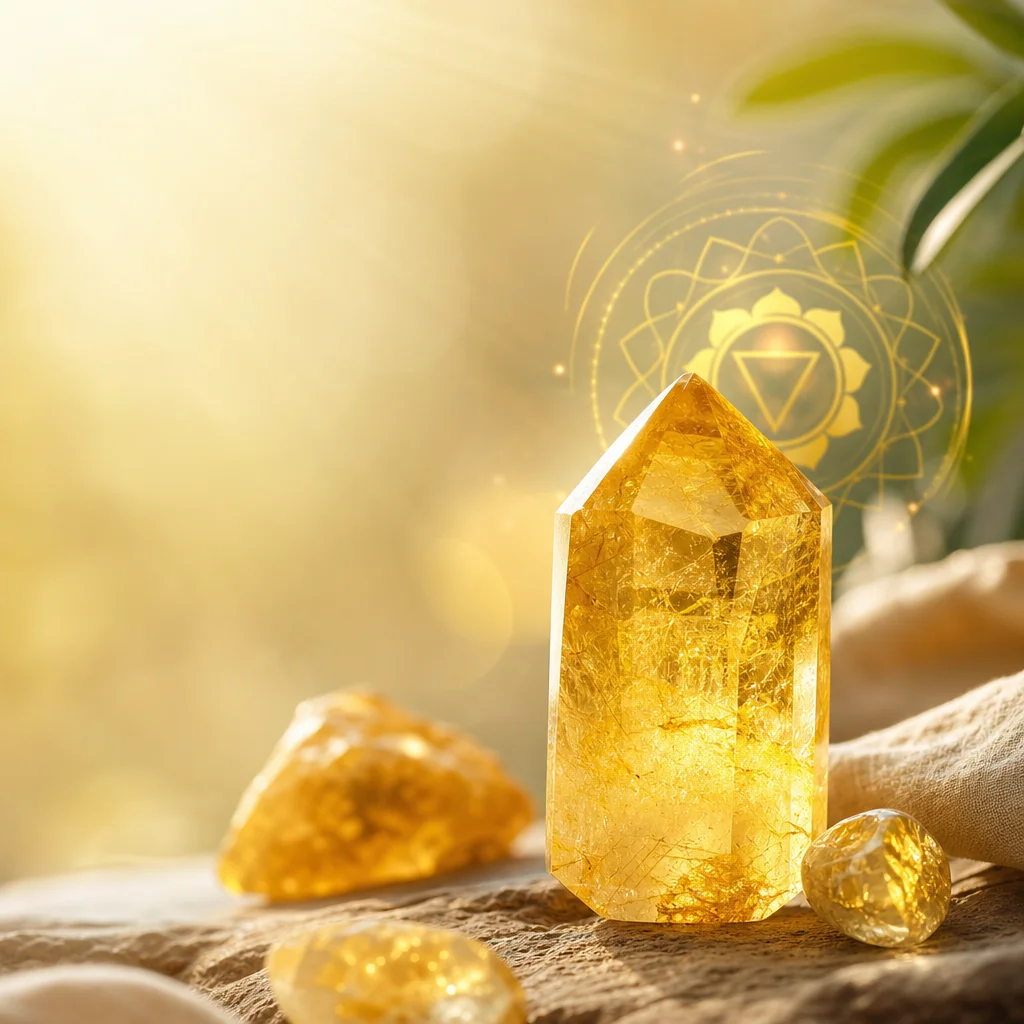
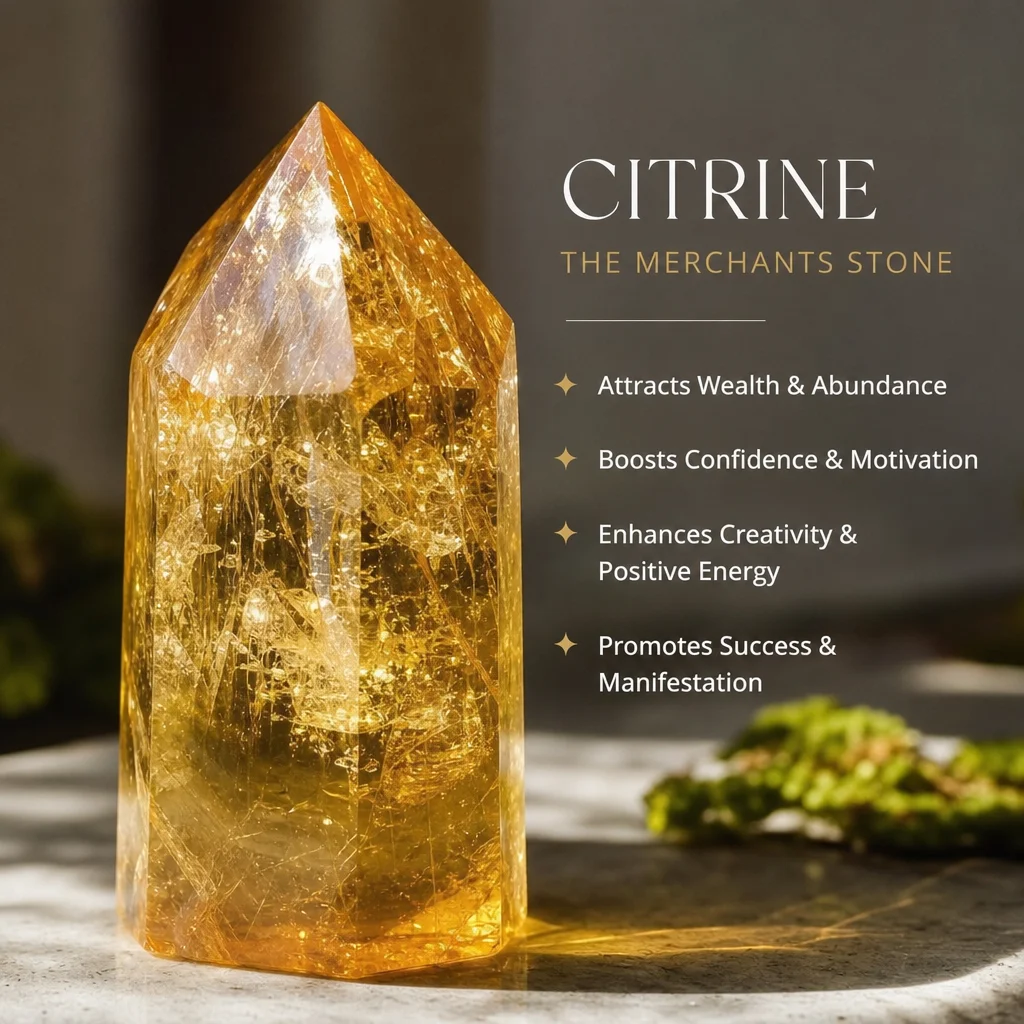
Citrine is the most widely recommended stone for the solar plexus, and for good reason. This golden-yellow variety of quartz has been associated with prosperity and success across multiple cultures — ancient Romans used it in jewelry as a talisman for business success, and Scottish weapon-makers embedded citrine in dagger handles as a symbol of authority.
From a practical standpoint, citrine works with the solar plexus because it addresses the most common blockage: fear of failure. Citrine's warm energy supports taking that first step even when you're unsure of the outcome. It's a "just start" stone.
How to use it: Place a small tumbled citrine in your pocket during situations that require confidence — presentations, interviews, difficult conversations. Hold it for 30 seconds before entering the room, breathing deeply into your upper abdomen.
2. Tiger's Eye — The Decision-Maker's Stone
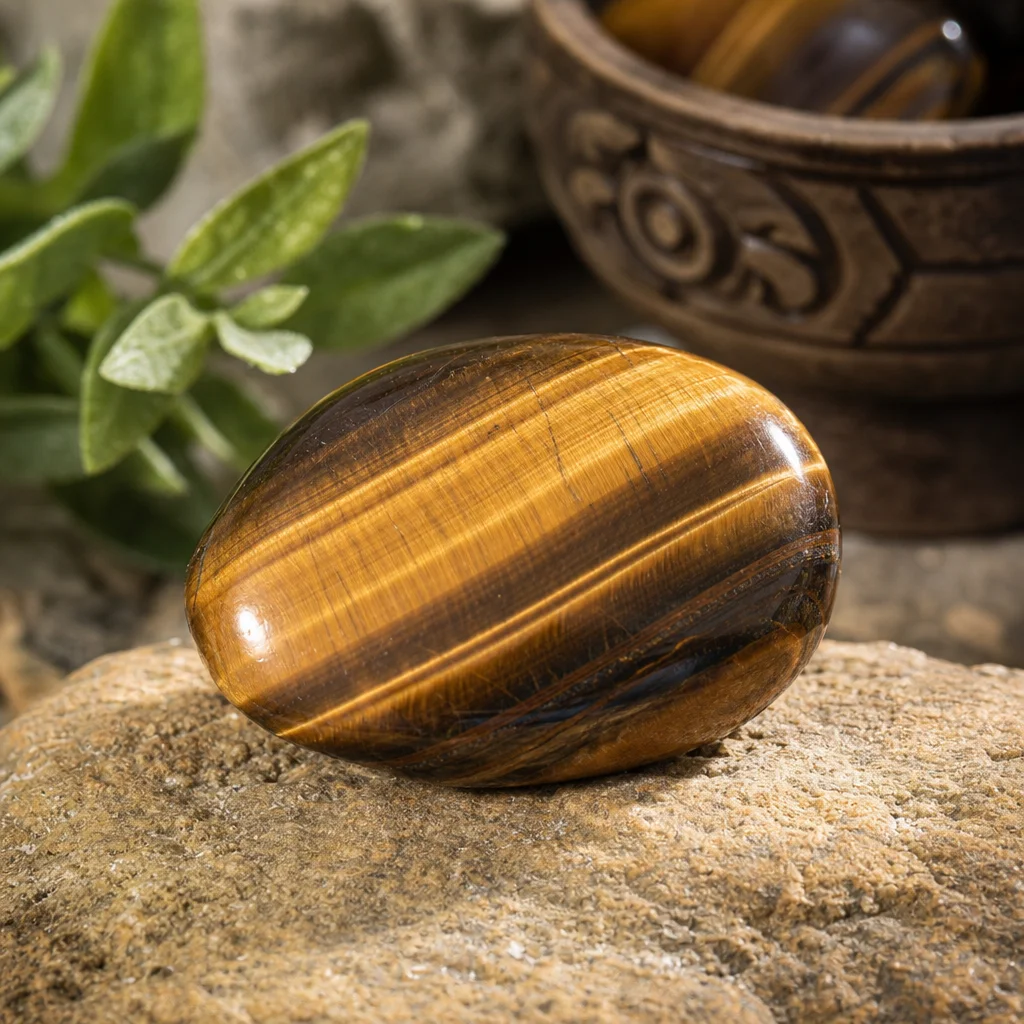
Tiger's eye with its shifting chatoyant bands of gold and brown is one of the most visually distinctive crystals you'll encounter. Roman soldiers wore tiger's eye into battle — not because they believed it was magical, but because the stone's shifting light patterns served as a constant visual reminder to stay alert and adaptable.
For the solar plexus, tiger's eye supports one of this chakra's core functions: clear decision-making. If you tend to overthink choices or get paralyzed by "what if" scenarios, tiger's eye provides a grounding counterbalance. It doesn't make decisions for you, but it helps you stop circling the same options endlessly.
How to use it: Keep a palm stone on your desk when working through difficult decisions. Roll it in your hand while thinking through your options — the physical sensation helps interrupt mental loops.
3. Pyrite — The Willpower Amplifier
Pyrite, often called "fool's gold," is a metallic iron sulfide mineral that forms in perfect cubic crystals. Its mirror-like golden surface reflects light in a way that makes it impossible to ignore — which is exactly the kind of presence the solar plexus chakra needs.
Pyrite has an interesting historical connection to personal power: the Inca Empire used pyrite mirrors in divination rituals, believing the reflective surface could reveal hidden truths. In the context of the solar plexus, pyrite helps you see yourself more clearly — not the self-doubting narrative running in your head, but an objective reflection of your actual capabilities.
How to use it: Place a pyrite cluster on your nightstand. Before sleep, spend one minute looking at your reflection in its surface while mentally listing three things you accomplished that day, no matter how small.
4. Yellow Calcite — The Motivation Booster
Yellow calcite is one of those crystals that people often overlook because it's neither rare nor expensive. But its soft honey-gold color and gentle energy make it an excellent starting point for anyone new to working with solar plexus crystals.
Unlike the more intense stones like pyrite or tiger's eye, yellow calcite works subtly. It's the stone you reach for when your solar plexus isn't completely blocked but feels sluggish — when you know what you need to do but can't seem to build momentum.
How to use it: Create a simple morning ritual: hold yellow calcite in both hands for two minutes while setting your intention for the day. The physical act of holding something and stating a goal engages the solar plexus through embodied action.
5. Amber — The Warm Shield
Amber isn't technically a crystal — it's fossilized tree resin that's millions of years old. But its warm golden tones and historical use as a protective talisman make it a natural fit for the solar plexus.
Ancient Greeks called amber "elektron" because rubbing it produces static electricity. They associated it with the sun god Helios, and warriors wore amber amulets believing the sun's energy stored in the resin would give them courage in battle. Whether or not you connect with that mythology, amber's warmth is tangible. Holding a piece of amber feels different from holding other stones — it's lighter, warmer to the touch, and has an organic quality that connects you to something ancient.
For the solar plexus, amber functions as a gentle protective barrier. If you tend to absorb other people's stress or lose your sense of self in group settings, amber helps maintain a clear boundary between your energy and everyone else's.
6. Golden Topaz — The Focus Stone
Golden topaz, also called imperial topaz when it displays deep golden-orange hues, has been prized since ancient Egypt, where it was associated with Ra, the sun god. The Romans also valued topaz highly, believing it could improve eyesight — both literal and metaphorical.
For the solar plexus, golden topaz addresses a specific challenge: scattered attention. If you start projects enthusiastically but struggle to follow through, or if you're easily pulled off course by other people's priorities, golden topaz supports sustained focus on your own goals.
How to use it: Wear golden topaz as a pendant that sits at the solar plexus level (upper abdomen). This placement keeps the stone in close contact with the chakra throughout the day.
7. Yellow Jasper — The Stamina Builder
Yellow jasper is a dense, opaque quartz variety with a mustard to golden-yellow color. It's one of the most durable stones on this list — Mohs hardness of 6.5-7 — which makes it an apt metaphor for what it supports: sustained endurance.
Historically, jasper was carved into seals and amulets across Mesopotamia, ancient Greece, and Mesoamerica. It was associated with endurance and protection during long journeys. For the solar plexus, yellow jasper helps when the challenge isn't starting something but sustaining it — when you need to keep going long after the initial motivation has faded.
Signs Your Solar Plexus Chakra Needs Attention
Before diving into crystal work, it helps to recognize the patterns associated with a blocked or overactive solar plexus chakra:
Underactive Solar Plexus (Blocked)
- Chronic indecision — You research endlessly but can't commit to a choice
- People-pleasing — You agree to things you don't want to do and resent it later
- Procrastination patterns — You know what to do but keep delaying
- Self-doubt despite competence — Others see you as capable, but you don't feel it internally
- Digestive issues — The solar plexus sits at the stomach, and chronic stress here often manifests physically
- Difficulty accepting compliments — You deflect or minimize praise
Overactive Solar Plexus
- Controlling behavior — You struggle to delegate or trust others
- Anger issues — Quick temper, especially when things don't go your way
- Workaholism — Your sense of worth is entirely tied to productivity
- Competitiveness at others' expense — Winning matters more than connection
Most people fall into the underactive category, especially in cultures that discourage assertiveness. The crystals below can help, but they work best as part of a broader practice.
A Practical Solar Plexus Meditation with Crystals
You don't need an elaborate setup to work with solar plexus crystals. Here's a straightforward meditation you can do in 5-10 minutes:
- Choose your stone. Pick one crystal from the list above based on what resonates with your current challenge. Citrine for general confidence, tiger's eye for decision-making, pyrite for willpower.
- Find a comfortable seated position. Sit with your back straight but not rigid. Your posture directly affects the solar plexus area — slouching compresses the stomach region.
- Place the crystal on your upper abdomen. Right between your navel and sternum is the solar plexus location. Lie down if sitting makes it hard to balance the stone.
- Breathe into the stone. Take slow, deep breaths. Imagine each inhale filling the space where the stone sits. On each exhale, notice any tension releasing from that area.
- Set a single, specific intention. Not "I want more confidence" but something concrete: "I will speak up in tomorrow's meeting" or "I will set a boundary with my mother about unannounced visits."
- Continue for 5-10 minutes. There's no need to visualize colors or chant. Just breathe and hold the intention.
Repeat this daily for at least a week. The solar plexus responds well to consistent, short practices rather than occasional long sessions.
Combining Solar Plexus Crystals with Other Chakras
The solar plexus doesn't exist in isolation. It sits between the sacral chakra (creativity, emotions) below and the heart chakra (compassion, connection) above. When the solar plexus is blocked, it often creates a disconnect between what you feel (sacral) and what you express (heart).
| Combination | Purpose | Stones |
|---|---|---|
| Solar Plexus + Root | Confidence backed by stability | Citrine + Red Jasper |
| Solar Plexus + Sacral | Creative action (not just ideas) | Tiger's Eye + Carnelian |
| Solar Plexus + Heart | Assertive communication with empathy | Pyrite + Rose Quartz |
| Solar Plexus + Throat | Speaking your truth with authority | Golden Topaz + Lapis Lazuli |
Where to Place Solar Plexus Crystals in Your Space
Beyond meditation and wearing crystals, placement in your environment matters:
- On your desk: Tiger's eye or pyrite near your workspace supports clear decision-making during work hours.
- In your kitchen: The solar plexus governs digestion. Citrine or yellow calcite in the kitchen is a subtle reminder to eat mindfully and nourish yourself.
- Near your front door: A piece of amber or yellow jasper near the entrance of your home reinforces personal boundaries — you decide who and what enters your space.
- In your car: A small tiger's eye stone in the cup holder or dashboard provides grounding during commutes, reducing the reactive anger that comes with traffic stress.
Care and Cleansing for Solar Plexus Stones
Most solar plexus crystals are durable enough for standard cleansing methods, but there are exceptions:
- Safe for water cleansing: Tiger's eye, yellow jasper, yellow calcite (brief rinse only)
- Avoid prolonged water exposure: Pyrite (can oxidize and develop a sulfur smell), amber (porous, can cloud)
- Avoid direct sunlight for extended periods: Amber (can crack), citrine (color may fade over years), golden topaz (color can lighten)
- Best cleansing method: Place your solar plexus stones on a selenite charging plate or bury them in dry brown rice overnight. Both methods are gentle enough for all stones on this list.
FAQ
Q: Can I use multiple solar plexus crystals at the same time?
A: Yes, but start with one or two. Working with too many stones at once can feel scattered — the opposite of what the solar plexus needs. Pick the one that addresses your most immediate challenge, and add others over time.
Q: How long does it take to feel a difference when working with solar plexus crystals?
A: Most people notice subtle shifts within 1-2 weeks of consistent daily practice (even just 5 minutes). Larger changes in confidence patterns typically take 30-60 days. Crystals are supportive tools, not instant fixes.
Q: Is citrine heat-treated amethyst the same as natural citrine for solar plexus work?
A: Most "citrine" on the market is heat-treated amethyst — it's been baked at high temperatures to turn yellow. Mineralogically it's still quartz, and many practitioners find it effective. If you want natural citrine, look for pieces from Brazil or Madagascar with a smoky golden rather than bright orange color.
Q: Which solar plexus crystal is best for someone just starting out?
A: Tiger's eye. It's affordable, widely available, durable, and works well for the most common solar plexus challenge (indecision). You don't need anything expensive or rare to begin.
Q: Can I wear a solar plexus crystal as jewelry instead of meditating with it?
A: Absolutely. A citrine pendant or tiger's eye bracelet keeps the stone in your energy field all day. The key is consistency — wearing it daily is more effective than an occasional 30-minute meditation session.
Frequently Asked Questions
Can I wear solar plexus crystals as everyday jewelry?
Yes, wearing handcrafted solar plexus crystal jewelry is one of the most effective ways to keep this energy center balanced. Wearing stones like Citrine or Tiger's Eye as a pendant allows them to rest directly over your sternum and stomach area, keeping your personal power and confidence continuously aligned all day.
What happens when your solar plexus chakra opens?
When your solar plexus chakra opens, you will likely experience a profound surge of self-confidence, motivation, and inner warmth. You may find it much easier to make decisions, set healthy boundaries, and take decisive action toward your goals without second-guessing yourself or relying on external validation.
Which hand should I wear a solar plexus crystal bracelet on?
For solar plexus crystals, it is generally recommended to wear your gemstone bracelet on your right hand. In crystal healing practices, the right side is the giving hand, meaning it helps you project your personal power, willpower, and intentions out into the world, actively boosting your daily confidence.
What essential oils pair well with solar plexus stones?
To amplify the effects of your solar plexus crystals, try pairing them with uplifting essential oils like lemon, bergamot, ginger, or rosemary. These bright, sun-aligned scents perfectly complement the golden, fiery energy of your stones, creating a powerful daily aromatherapy practice for self-esteem.
Can you sleep with solar plexus crystals under your pillow?
Because the solar plexus chakra is highly energetic and tied to action, placing these fiery stones under your pillow might keep you awake if you are sensitive to energy. If you want to encourage confident dreaming without insomnia, try keeping the crystals on your nightstand instead of directly in your bed.
Comments