Prehnite Stone: The Stone of Unconditional Lo...
June 5, 2026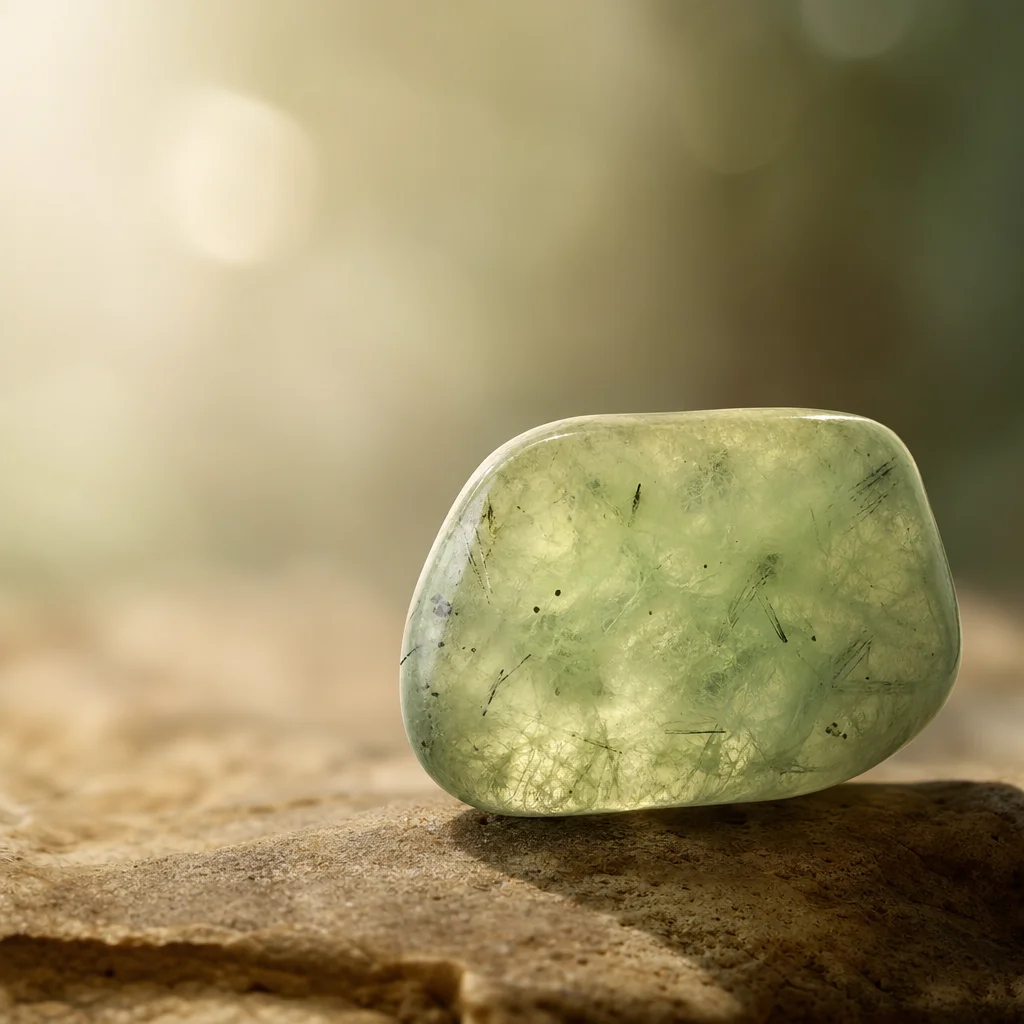
What Is Prehnite?
Prehnite is a calcium aluminum silicate mineral with the chemical formula Ca₂Al(AlSi₃O₁₀)(OH)₂. It was the first mineral to be named after a person — Colonel Hendrik von Prehn, a Dutch military officer who discovered specimens in the Cape of Good Hope region of South Africa in the late 18th century. Von Prehn brought the pale green stones back to Europe, where they caught the attention of mineralogists who formally named the species in his honor in 1789.
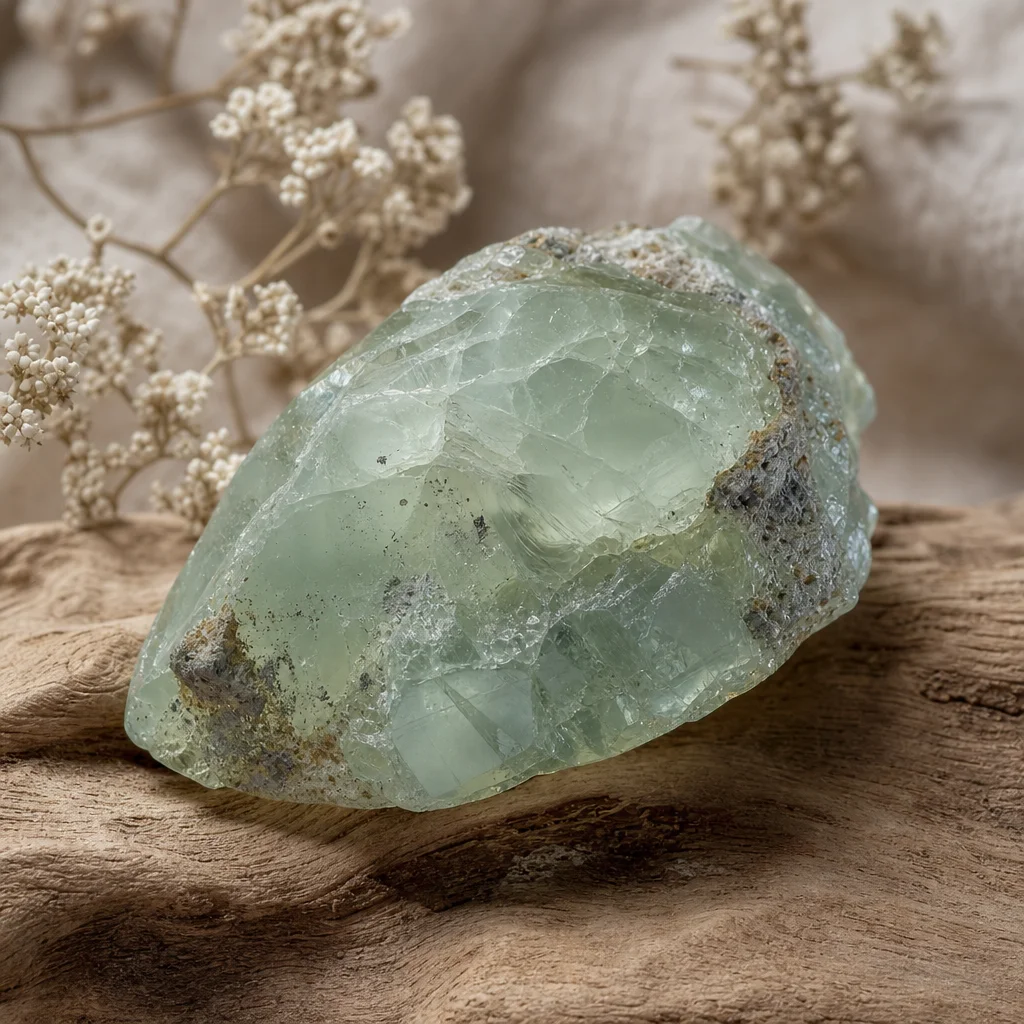
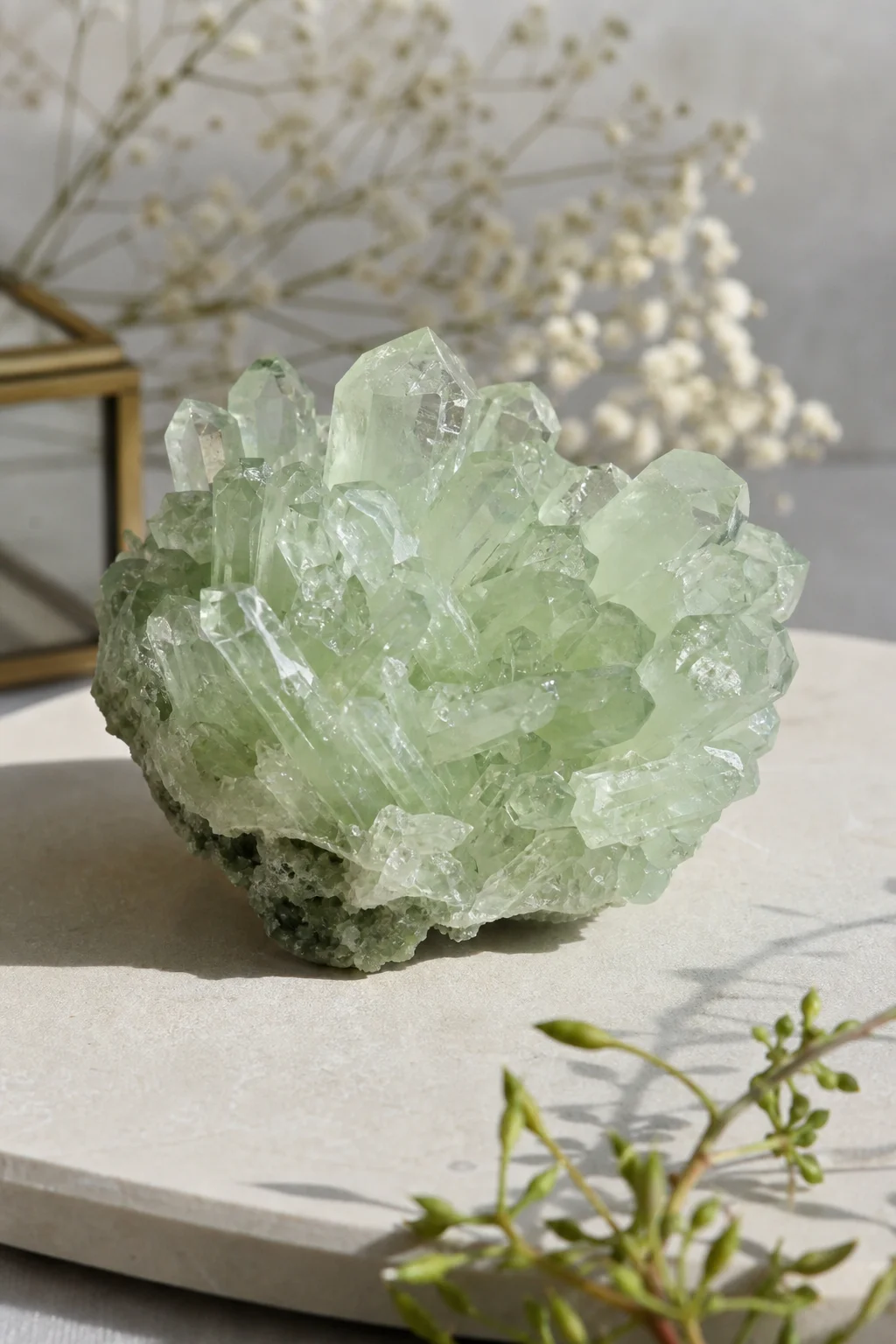
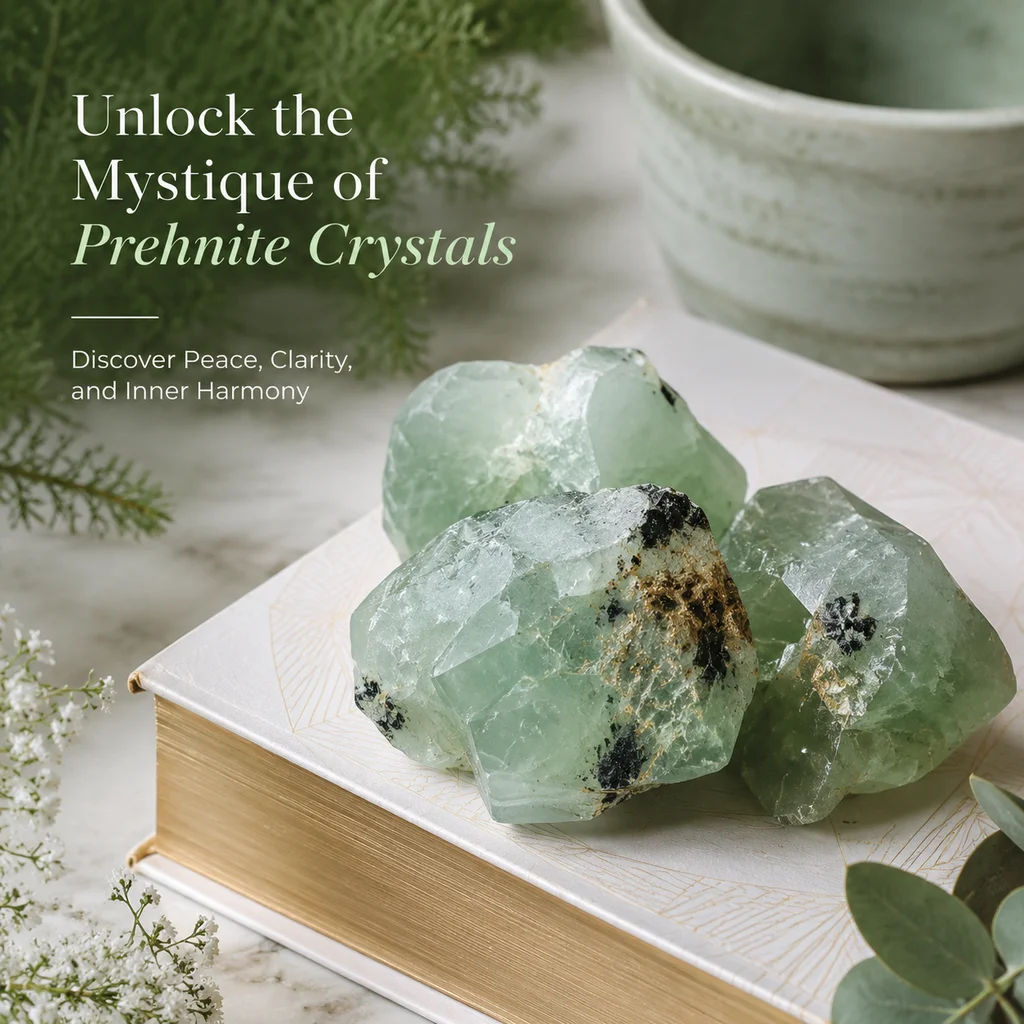
The mineral typically appears in translucent to semi-transparent shades of pale green, yellow-green, grayish green, and occasionally colorless. Its most distinctive color is an ethereal, almost glowing apple-green that looks like frozen spring sunlight. High-quality specimens can resemble pale jade or serpentine at first glance, which is why prehnite frequently gets misidentified. Unlike those stones, prehnite has a characteristic vitreous to pearly luster and often forms in distinctive botryoidal (grape-like) crystal clusters.
On the Mohs hardness scale, prehnite registers between 6 and 6.5, putting it in the same durability range as feldspar and slightly below quartz. This makes it suitable for pendants, earrings, and bracelets that won't experience heavy impact. It's not ideal for everyday rings unless well-protected by a bezel setting.
The Epidote Connection: What Makes Prehnite Special
One of the most interesting aspects of prehnite is its frequent association with epidote, a dark green calcium aluminum iron sorosilicate. When prehnite forms in geological environments rich in iron, epidote inclusions develop within the prehnite matrix. These dark green spots, threads, and patches create stunning contrast against prehnite's pale green base.
Specimens with visible epidote inclusions are often more valuable to collectors than pure prehnite. The contrast between the pale, almost glowing green host and the darker, more intense green inclusions creates a visual depth that's genuinely beautiful. In gemstone markets, prehnite with prominent epidote is sometimes called "prehnite with epidote" or "epidote-included prehnite," and these stones command premium prices over plain specimens.
Geologically, the prehnite-epidote association occurs in low-grade metamorphic environments, particularly in the cavities and fractures of basaltic rocks. Both minerals form from hydrothermal fluids percolating through volcanic rock, which explains why they're so often found together. Major deposits exist in South Africa, Australia, China, the United States (New Jersey, Virginia), Scotland, and Italy.
Physical Properties and Identification
Prehnite crystallizes in the orthorhombic system and commonly forms as tabular or prismatic crystals, though botryoidal and stalactitic habits are more common and visually distinctive. Its specific gravity ranges from 2.82 to 2.94, notably heavier than quartz (2.65) but lighter than jade (3.3). This weight difference is one way to distinguish prehnite from lookalike stones — a jade piece of the same size will feel noticeably heavier in your hand.
Prehnite has a refractive index of 1.611 to 1.669, which gives it a moderate level of brilliance when cut as a gemstone. It doesn't have the fire of diamond or the intense luster of jade, but well-cut prehnite cabochons display a warm, inviting glow that's quite attractive in its understated way. The stone is transparent to translucent, with the finest gem-quality material being nearly transparent with that characteristic apple-green color.
Under UV light, most prehnite shows weak to moderate green fluorescence. This isn't as dramatic as the orange-pink fluorescence of kunzite or the intense blue of some fluorites, but it's a useful identification tool for gemologists distinguishing prehnite from serpentine or jade, neither of which typically fluoresces in the same way.
Prehnite vs. Similar Green Stones
Prehnite gets confused with several other green gemstones. Here's how to tell them apart:
Prehnite vs. Jade: Jade (both nephrite and jadeite) is significantly harder (6-7 for nephrite, 6.5-7 for jadeite) and denser. Jade has a distinctly different feel — heavier, cooler, and more "soapy" to the touch. Prehnite's luster is more glassy, while jade has a greasy to sub-vitreous sheen. In terms of price, nephrite jade is generally less expensive per carat than fine prehnite, while imperial jadeite is vastly more expensive.
Prehnite vs. Peridot: Peridot (olivine) is a brighter, more saturated yellow-green with notably higher refractive index (1.64-1.70). Peridot also has strong double refraction, meaning you'll see doubling of facet junctions when looking through a peridot gemstone with a loupe. Prehnite shows only weak doubling. Peridot is also harder (6.5-7) and typically forms in well-defined crystals, not botryoidal clusters.
Prehnite vs. Serpentine: Serpentine is softer (2.5-5.5), lighter, and has a greasy luster. Serpentine can be scratched by a knife blade, while prehnite resists this. The most common serpentine variety, bowenite, has a different feel — more plastic and less crisp than prehnite.
Prehnite Meaning and Emotional Healing Properties
In crystal healing traditions, prehnite is known as the "stone of unconditional love" and the "stone of prophetic dreams." These associations stem from its gentle, nurturing energy that practitioners describe as wrapping the holder in a sense of safety and acceptance.
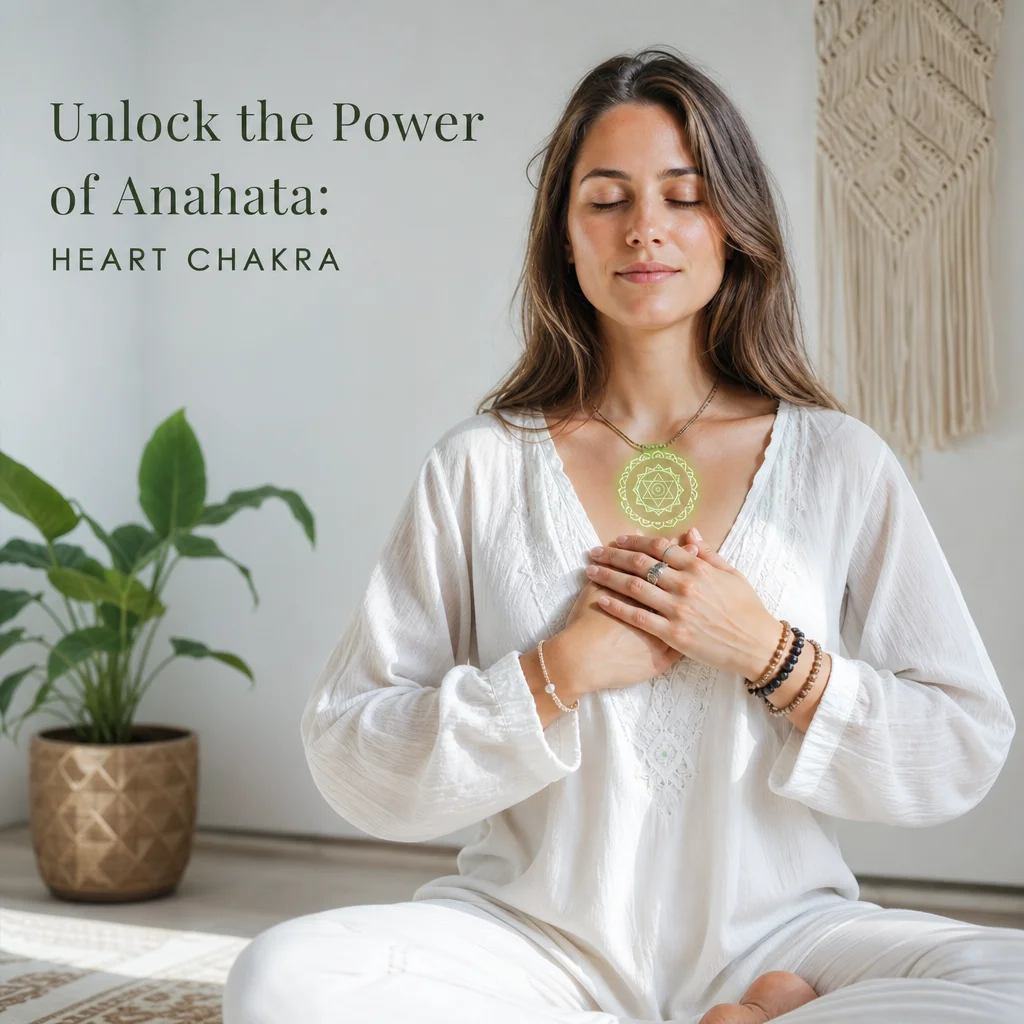
The unconditional love aspect connects to the heart chakra. Prehnite is believed to help people access deeper layers of compassion — both for themselves and for others. Unlike rose quartz, which radiates a warm, open-hearted love, prehnite's energy is described as quieter and more contemplative. It's the difference between a warm hug from a friend and the peaceful solitude of sitting in a garden alone at dawn. Both are loving, but they express love differently.
For emotional healing work, prehnite is recommended for people processing grief, recovering from codependent relationships, or learning to set healthy boundaries. The stone's energy is said to support the recognition that love doesn't require self-sacrifice or boundary dissolution. This makes prehnite particularly relevant for people-pleasers who struggle to differentiate between caring for others and losing themselves in the process.
Prehnite and Dream Work
The prophetic dream association is one of prehnite's most distinctive claims in crystal lore. Practitioners place prehnite under their pillow or on their nightstand to enhance dream recall, promote lucid dreaming, and facilitate access to intuitive insights that surface during sleep.
Whether or not prehnite literally generates prophetic dreams, the practice of placing it by your bed creates a bedtime ritual that signals to your subconscious mind that dream recall is important. This intention-setting alone significantly improves dream memory for most people, regardless of the stone involved. The prehnite serves as a physical trigger — each time you see it before sleep, you remember to focus on your intention for vivid, meaningful dreams.
Some practitioners keep a prehnite specimen and a dream journal side by side on their nightstand. The stone goes under the pillow, and upon waking, they immediately record any dreams they remember in the journal before the details fade. Over time, this practice builds impressive dream recall ability and often reveals recurring patterns and symbols that carry personal meaning.
How to Use Prehnite in Daily Life
For emotional support, wearing prehnite as a pendant near the heart chakra is the most common approach. The stone's gentle energy works best with sustained, close contact — a pendant worn against the chest throughout the day keeps its influence steady. Bracelets work too, but the proximity to the heart center makes necklaces the preferred option.
For meditation, prehnite pairs beautifully with clear quartz. Hold prehnite in your receiving (non-dominant) hand and a clear quartz point in your dominant hand. The quartz amplifies prehnite's subtle energy, making it easier to sense during meditation. Focus on the area of your chest near your heart and breathe slowly. Many practitioners report feeling a gentle, cooling sensation in this area when working with prehnite during meditation.
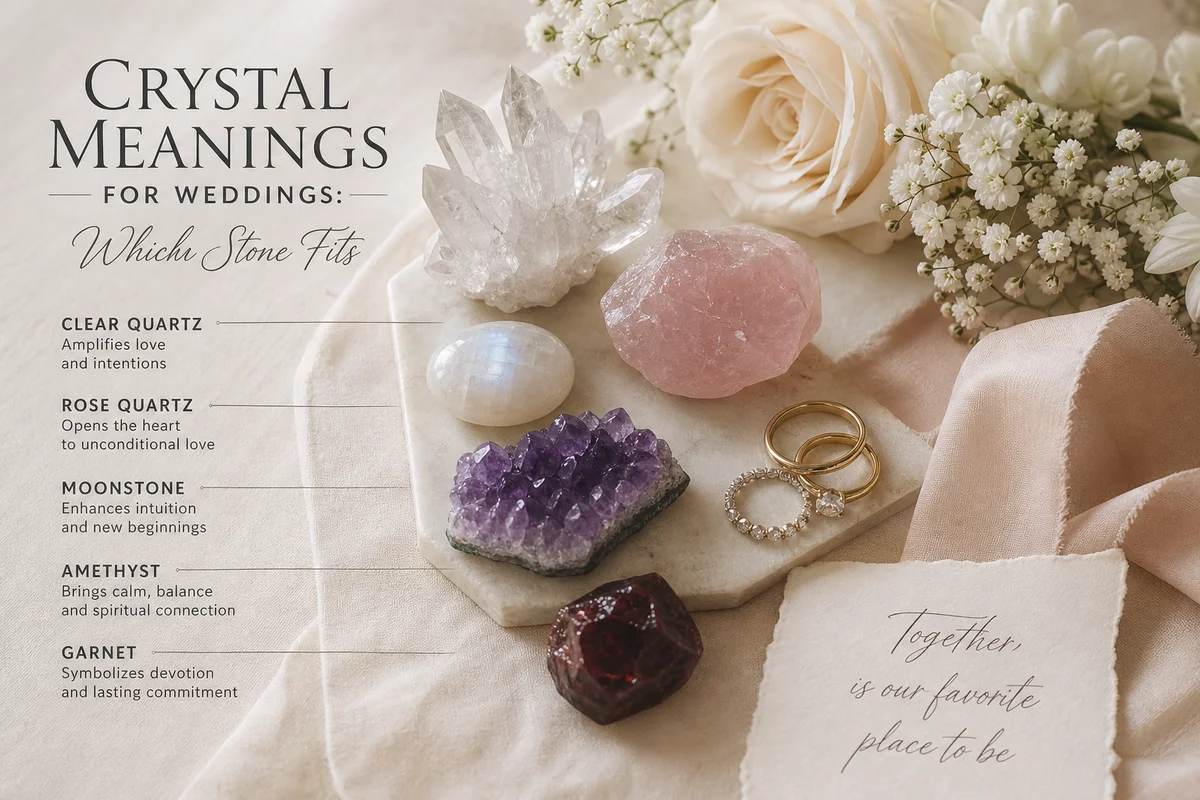
Prehnite also works well in crystal grids designed for emotional healing or dream work. Combine it with amethyst (spiritual awareness), moonstone (intuition), and rose quartz (self-love) for a comprehensive heart-centered arrangement. Place the grid where you'll see it regularly — visual reinforcement of your intention matters as much as any energetic property the stones may have.
Caring for Your Prehnite
Prehnite is relatively durable at 6-6.5 on the Mohs scale, but it's not indestructible. Clean it with warm soapy water and a soft cloth or brush. Avoid ultrasonic cleaners and steam cleaning, as the stone can contain microscopic fractures that thermal shock might expand. Avoid prolonged exposure to direct sunlight, as some prehnite specimens may slowly fade — though this is less of a concern than with kunzite or amethyst.
Because prehnite contains hydroxyl groups in its chemical structure, extreme heat could theoretically drive off water molecules and alter the stone's appearance. Keep prehnite away from heat sources, including hot car dashboards in summer and direct proximity to radiators. Store it separately from harder stones like sapphire or diamond to prevent scratching.
Energetic cleansing follows the standard protocols: moonlight bathing, smudging with sage or palo santo, or placing on a selenite charging plate overnight. The botryoidal specimens with crevices can collect dust, so periodic gentle brushing with a soft makeup brush keeps them looking their best.
Frequently Asked Questions
Is prehnite expensive?
Prehnite is moderately priced for a collector's stone. Small tumbled pieces and rough specimens are very affordable ($2-10). Faceted gemstones and high-quality cabochons with strong color and clarity range from $15-80 per carat. Exceptional specimens with dramatic epidote inclusions or rare cat's eye chatoyancy can exceed $100 per carat. Compared to jade or emerald, prehnite represents excellent value.
Can prehnite go in water?
Yes, brief contact with water is safe for prehnite. It's fine for occasional rinsing or brief immersion during cleansing rituals. However, prolonged soaking (days or weeks) isn't recommended due to the stone's hydroxyl content. A quick rinse and pat dry is all the water contact it needs.
What chakra is prehnite for?
Prehnite is primarily associated with the heart chakra (Anahata). Its gentle green color directly corresponds to this energy center. Some practitioners also place it at the third eye for dream work and intuitive development. Its energy is subtle enough that it doesn't overstimulate either chakra.
Frequently Asked Questions
What are the benefits of wearing prehnite jewelry?
Wearing prehnite jewelry is wonderful for keeping its calming energy close to your body throughout the day. As a stone of unconditional love, our handcrafted prehnite pieces help reduce overthinking, encourage emotional release, and foster a deep sense of inner peace. It acts as a gentle, protective daily reminder to trust the universe.
Can prehnite help with sleep and dreams?
Yes, prehnite is highly regarded as a powerful stone for dream work and restful sleep. Placing a piece of prehnite under your pillow or wearing one of our artisan crystal pendants to bed can help protect against nightmares, encourage deep relaxation, and stimulate vivid, prophetic dreams while enhancing your ability to remember them.
Comments