Comparing Peach & White Moonstone
May 31, 2026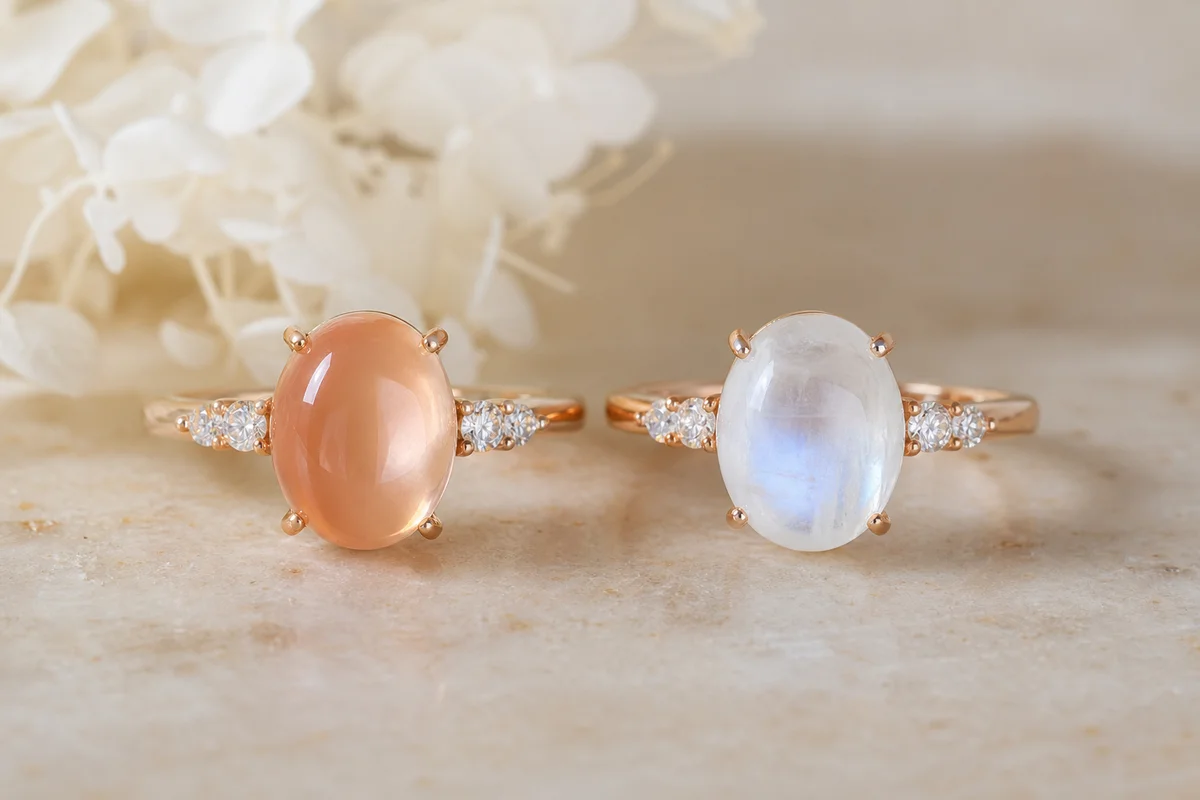
Oh, you gotta try moonstone—it's just so dreamy! It has this amazing adularescence, this wavy, floaty light that dances on the surface. So unique, right? But here's the kicker, moonstone isn't just one stone. There are loads of varieties, and two of my all-time favorites are peach moonstone and white moonstone. I've found that understanding their different vibes really helps me pick the one that's just right for what I'm feeling.
The Mineral Science: Same Family, Different Chemistry
Hey, have you ever noticed how crystals from the same family can look so different? It's like they're all cousins but have totally different personalities. Like, quartz and amethyst are both silicate minerals, but you'd never guess that just by looking at 'em! I've found what I love about mineral science is how it's like solving a puzzle. But, it's not just about the pretty colors; it's all about the unique chemical makeup that makes each crystal special. And honestly, it's so fascinating to see how they all fit together like a big family.Hey, you won't believe this: peach moonstone and white moonstone are like BFFs from the same mineral family. They're both kids of feldspar, specifically the orthoclase clan. It's the KAlSi₃O₈ stuff inside that does the magic. But what I totally love is how the atoms just move and make those colors really pop. You know, it's like watching a dance party for atoms!
Oh, you've gotta check out the Moonstone's glow! It's this totally rad adularescence, all thanks to those super-thin layers of feldspar—like orthoclase and albite. It's all about that sodium feldspar stuff. These layers are the real MVPs during the stone's creation, which is why they get this chill peristerite, or as I like to call it, "exsolution." Light just zips through them at all these cool angles, and bam! You've got this mind-blowing floating light effect!
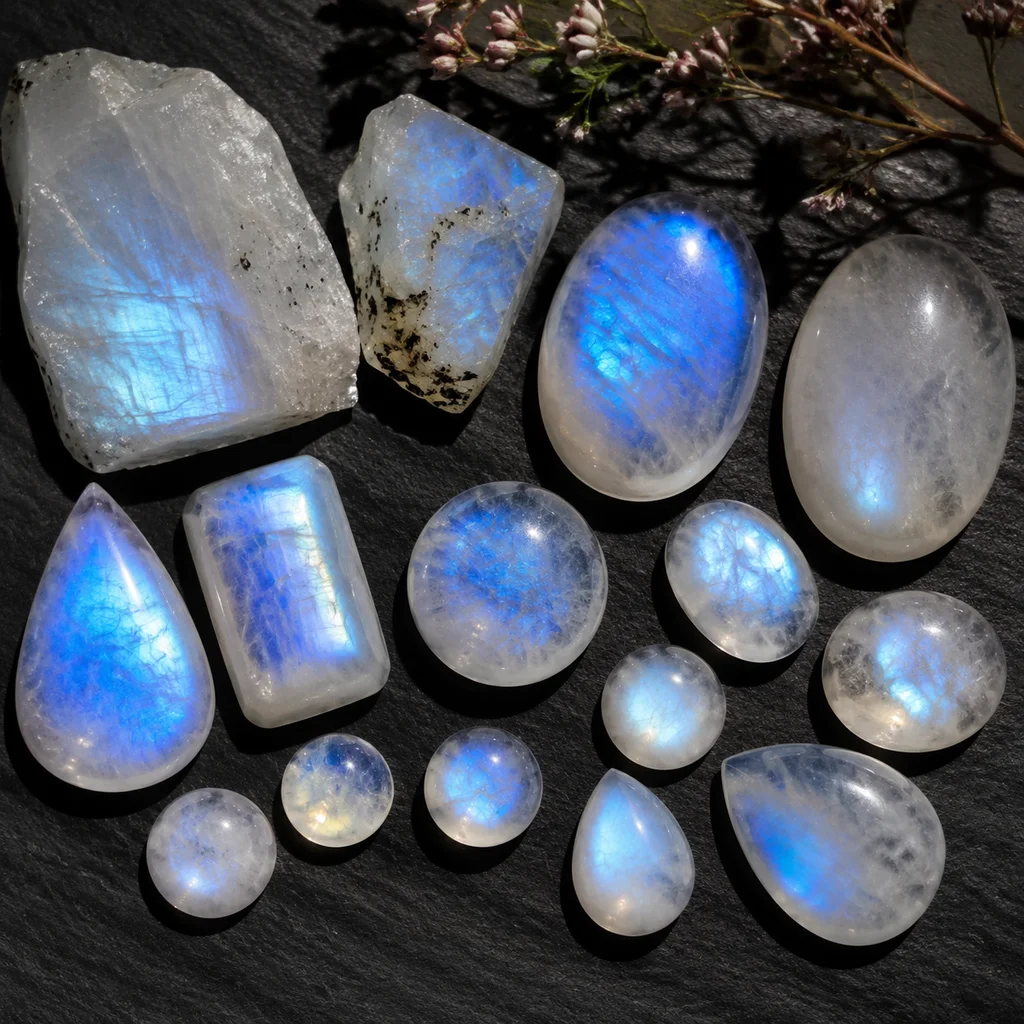
Oh, white moonstone, such a dreamy stone, you know? It's got these layers that scatter light waves, making it shimmer in that colorless to bluish-white hue. And check out the adularescence, that beautiful blue or white it throws off—it's all because those layers are just perfect, playing with the light. It's like some kind of magic, honestly!
Oh man, peach moonstone is totally awesome! It's got these little iron and manganese bits that just make it super magical. They soak up light waves and let all these colors shine through—peach, apricot, or even rosy hues. And the adularescent effect is still there, but now it's on a colored background, which is just so soft and cozy.
White Moonstone: The Classic Pick
OMG, white moonstone is a total must-see! It's like the OG of handmade jewelry. I've found it's sooo versatile and just adds this chill, elegant vibe to anything I wear. The thing is, it's got this super dreamy, milky glow that's just so calming. Plus, it's known for bringing peace and clarity, which is a total win for my crystal crew. I mean, I just love how it sparkles in the light. It's like carrying a bit of moon magic with me 24/7!Oh, white moonstone, that's the classic one, you know, the one that comes to mind when you hear the name moonstone. It's got this beautiful color shift, from nearly clear to a soft, creamy white. Plus, it has this amazing shimmer, you know, it's either a cool blue or a soft white that just dances on the surface.Visual characteristics: So, the best white moonstone is crystal clear or just a tad cloudy, and it's got this super cool blue shimmer. Adularescence, that's the fancy name for it, and that's the kind that people go nuts for. Most white moonstone has this white or silvery glow, it's more common and not as expensive. And honestly, sometimes you'll stumble upon a rainbow version with blue, green, and gold sparkles!
Quality indicators: Transparency is a big deal. Like, totally clear with that awesome blue shimmer—those are the real gems. Cloudy, milky ones with a faint glow? Not so much. And the thing is, how the layers inside the stone are set up (that's the shear direction) is super important for cutting them just right to show off that beautiful adularescent sparkle. I've found what I love about these crystals is how they catch the light and just kind of... dance.
Associations: So, white moonstone, it's like this vibe for intuition, fresh starts, and the crown chakra, right? It's totally all about that feminine energy, you know? And honestly, it's named after the moon, you see? It's all about those moon cycles, dreams, and the subconscious. A lot of folks pick white moonstone for meditation, like for inner guidance and spiritual awareness.
Price range: So, tumbled white moonstone stones are like, totally affordable at $3-8. If you're thinking about jewelry, you're looking at $10-50 for something decent. But if you're after something really special, like rainbow or blue shearing, we're talking $100-300 per carat. Honestly, those are some stunning pieces!
Peach Moonstone: The Warm Alternative
OMG, have you seen that Peach Moonstone? It's like a little ray of sun in your jewelry stash. It's just so snuggly and inviting. It's seriously a vibe booster, for real. I'm head over heels for how it plays nice with my skin, and it's super easy to slip into. Wear it with jeans, a dress, whatever—totally versatile. Plus, it's June's birthstone, so it's like having a little piece of home on my wrist. 🌞💎Oh, peach moonstone is totally the buzz right now, like, for real. It's all over social media, but what I love about it is the color—it's so chill and inviting. It's like white moonstone, but not that frosty, if you know what I mean. It's perfect for people who think white moonstone is a bit too, I don't know, too clean or something.
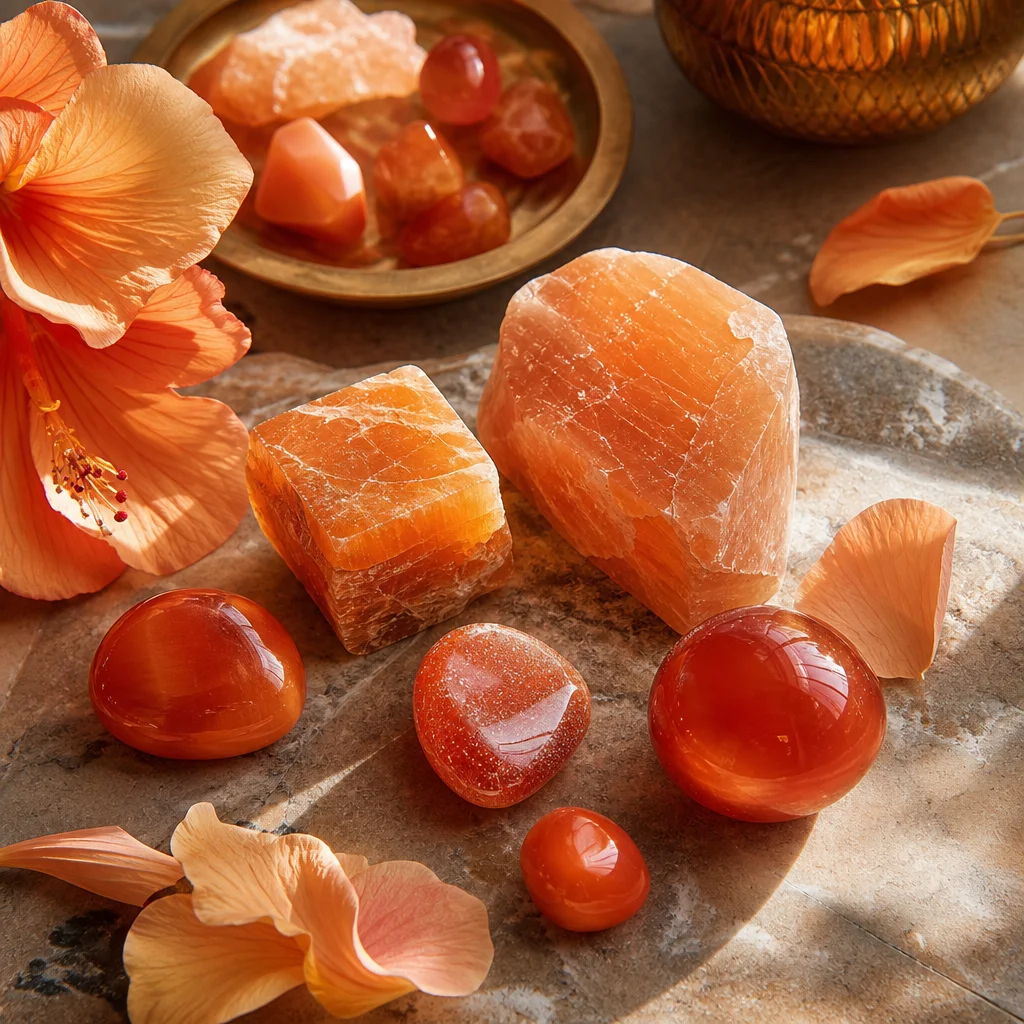
Visual characteristics: Peach moonstone is a total dream! It's like a rainbow of pinks, with shades ranging from super light and almost see-through to a warm, inviting apricot. And if you're lucky, you'll find some with deeper, richer salmon-pink hues. The color is a total hit-and-miss thing — some stones are so light, they're almost clear but still have that warm touch, while others are just bursting with color. Now, the glow, or adularescence, in peach moonstone is usually softer and more spread out than in white moonstone. It's like the color's a bit of a buzzkill for the light scattering, so it's not as sharp. Honestly, it's just so beautiful!
Quality indicators: So, when it comes to white moonstone, crystal clarity's key, ya know? But peach moonstone, that's a whole different ball game. The best ones have this super soft glow, it's like they're glowing on their own. If they're too clear, they can seem a bit too washed out. But oh boy, if you snag a semi-opaque peach moonstone with that warm peach hue and just a touch of sheen—now that's the vibe. It's like the perfect pick for collectors, honestly.
Associations: So, peach moonstone is this chill crystal that's like a cozy hug for your emotions. It's got this warm, self-care vibe and is great for calming anxious feelings. The thing is, it's got this cute pink-orange color that's all about love and comfort, making it perfect for balancing emotions. I've found a lot of folks like to wear it during the day 'cause it's like a warm glow that matches any skin tone and outfit. It's way more approachable than the cooler white moonstone, you know?
Price range: It's pretty much the same as white moonstone for the same quality. You'll find tumbled stones for like $3-8, and cabochons can go from $10-40. Now, the thing is, the premium for that intense peach color in moonstone isn't as high as it is for the blue shearing in white moonstone.
Direct Comparison: Key Differences
Hey, so you're thinking about getting some crystal jewelry, right? Well, there are a few things you should know that make SageStone's pieces stand out. I've found what I love about them is the quality and how they're handmade – it's just so special. And let's not forget the variety! Whether you're looking for something subtle or a bold statement piece, we've got it all. The thing is, the craftsmanship is top-notch, and it's really noticeable. Plus, the prices are totally reasonable for what you're getting. So, if you're thinking about it, just go for it – you won't regret it!
Hey, so you're checking out our crystal necklaces, huh? I've found what I love about our "Emerald Glow" is that it's got this super vibrant color that really stands out. But the "Sapphire Sparkle" is cool too, it's got this awesome texture that catches the light in a totally different way. And honestly, I think it comes down to what you're feeling. Are you looking for something more low-key, or do you want to make a big splash? It's all about your personal style, really. Just go with what you think you'll wear more, and you'll be good!
Hey, so you're checking out our crystals, right? Let me tell you, our rose quartz is a total heart-warmer. It's so soft and soothing, it's like it's hugging you with love. And it's not just the color, it's the whole vibe it gives off. Plus, our citrine is like the sunshine in crystal form. It's so bright and cheery, it's been a total mood booster for me. I've found that our amethyst is super calming, like a chill pill you can wear. And the thing is, the sizes and shapes we have are just so one-of-a-kind. You won't find this kind of variety anywhere else!
Adularescence quality: You know, white moonstone is usually where you get that super sharp, clear adularescence. It's that cool blue shimmer thing, but that's mostly a white moonstone thing. Peach moonstone is way softer, kind of like a faint glow, more of a white or silver shimmer, not the usual blue sheen.
Color stability: White moonstone is very color-stable and won't fade in sunlight. Peach moonstone's color comes from iron and manganese, which are generally stable, but prolonged intense sunlight could potentially affect the color over very long periods. In practice, normal wear is not a concern for either variety.
Jewelry versatility: White moonstone pairs well with silver settings and cool-toned outfits. It has a classic, elegant look that works in both casual and formal settings. Peach moonstone works better with gold settings and warm-toned clothing. It has a more casual, approachable feel. Neither is inherently "better" for jewelry — it depends on your style.
Availability: Both are readily available in the crystal market. White moonstone is more commonly found in fine jewelry stores and has a longer tradition of use in gemstone jewelry. Peach moonstone is more common in the metaphysical crystal market and on handmade jewelry platforms.
Which One Should You Choose?
The choice between peach and white moonstone comes down to a combination of aesthetic preference, intended use, and what you're drawn to personally.
Choose white moonstone if: You want the strongest adularescent effect, you prefer silver jewelry, your wardrobe leans toward cool tones, you're drawn to the intuition/dreamwork/crown chakra associations, or you want a stone that photographs well (white moonstone with blue shearing is extremely photogenic).
Choose peach moonstone if: You prefer warm colors, you want something for emotional support and self-care, you tend toward gold or rose gold jewelry, the sacral and heart chakra associations appeal to you, or you want something subtle enough for everyday wear that doesn't draw attention in professional settings.
Consider both if: You're building a crystal kit. Having a white moonstone for meditation and spiritual work and a peach moonstone for emotional daily wear gives you the strengths of both without redundancy.
Buying Tips and Red Flags
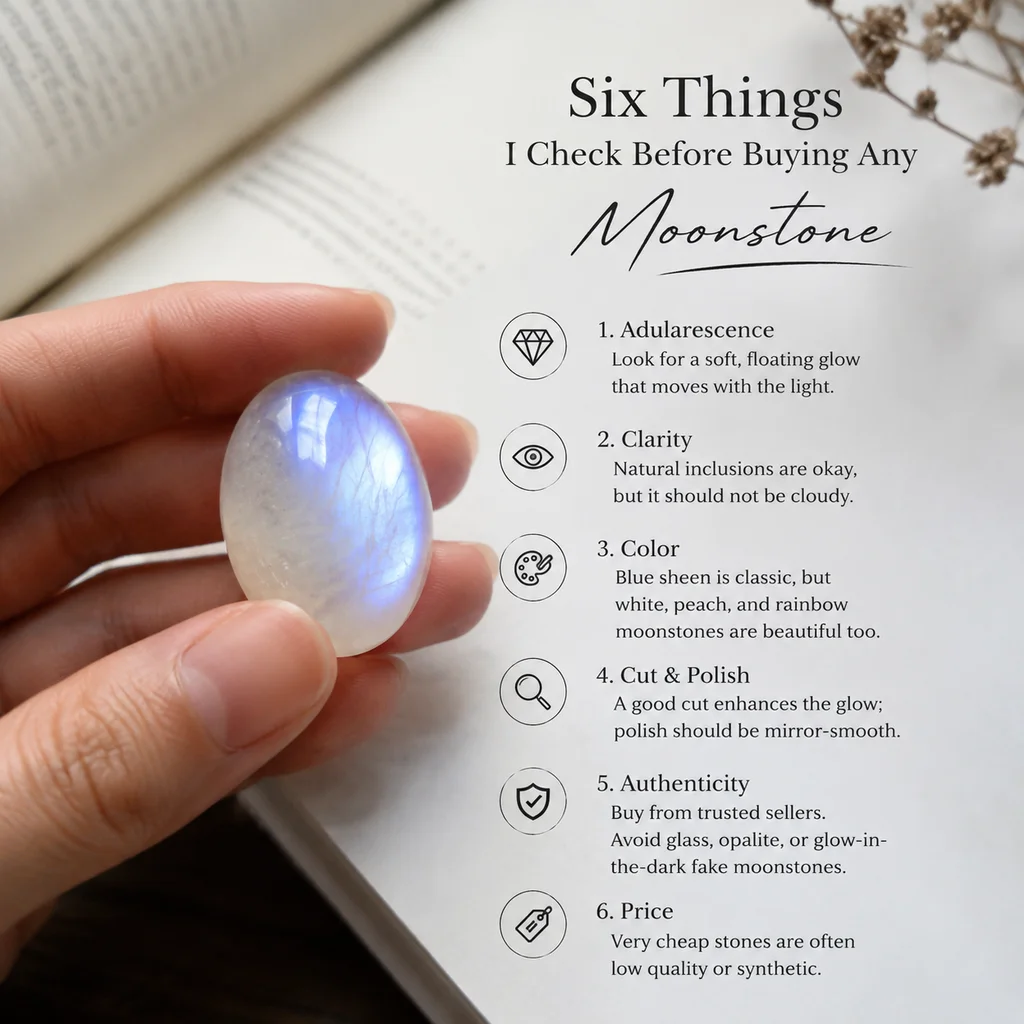
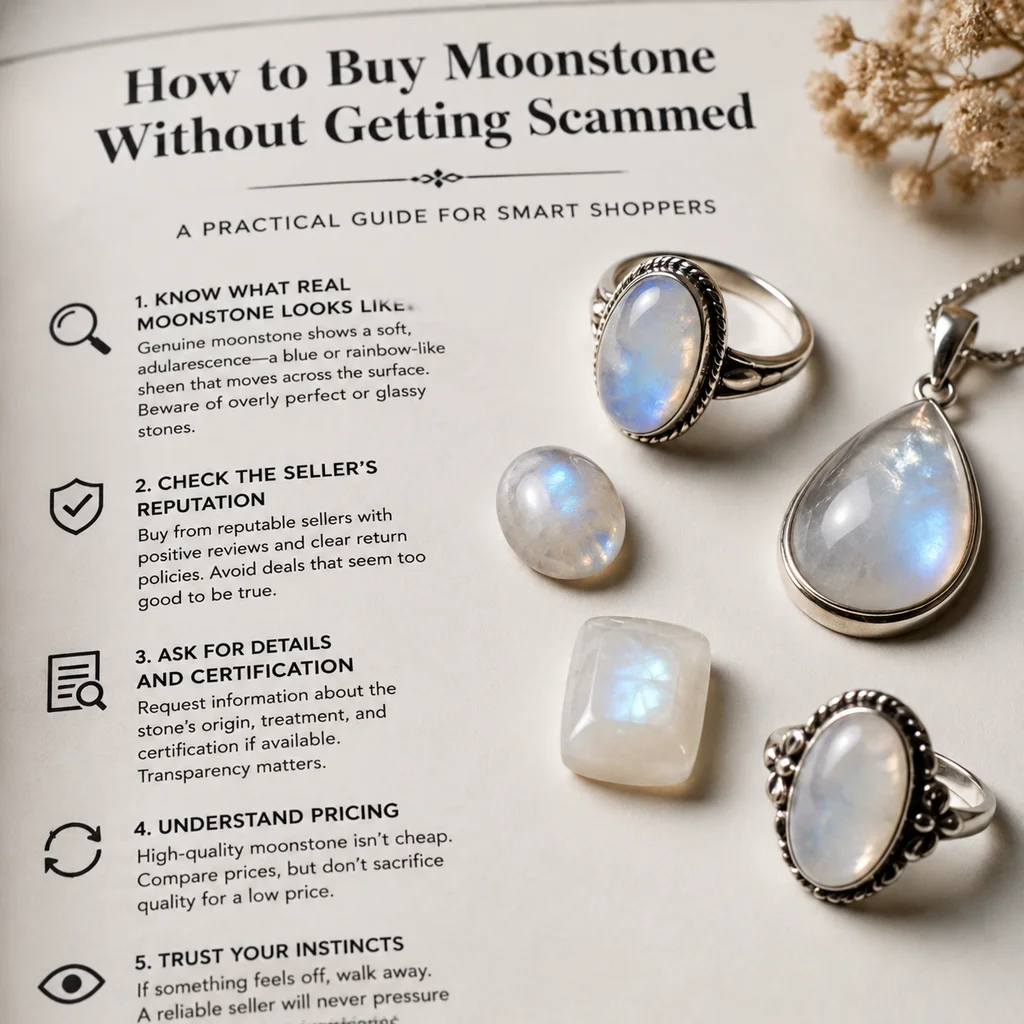
Both white and peach moonstone have imitation risks. The most common fake is opalite — a man-made glass that mimics moonstone's sheen. Opalite is translucent with a blue glow, but it's heavier than real moonstone and has a different refractive quality. Under magnification, opalite shows no internal layering structure.
Another concern is dyed material. Low-grade white moonstone is sometimes dyed peach to sell at a premium. If the peach color is unnaturally uniform with no variation or zoning, and if the price is suspiciously low, it may be dyed. Natural peach moonstone usually shows some color variation — slightly darker in some areas, lighter in others — within the same stone.
For the best buying experience, handle the stones in person when possible. The adularescent effect is difficult to fully appreciate from photographs. At a minimum, buy from dealers who offer video clips showing the sheen in motion, not just static photos.
Frequently Asked Questions
Can I wear both peach and white moonstone together?
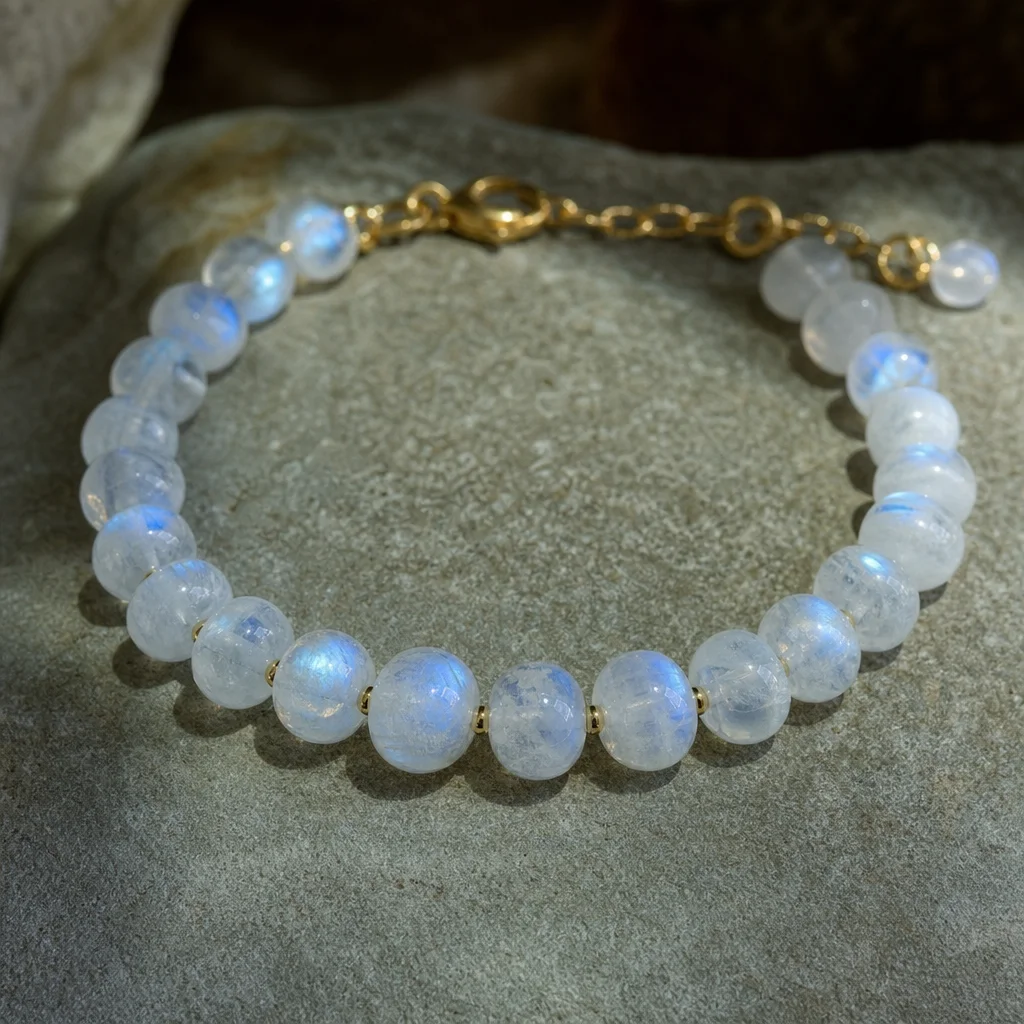
Absolutely. They're the same mineral family and are considered complementary rather than conflicting. A peach moonstone bracelet on one wrist and a white moonstone pendant is a common combination. Some people even create stacking bracelets using alternating peach and white moonstone beads for a visually interesting contrast.
Why is rainbow moonstone more expensive?
Rainbow moonstone (which technically is a labradorite feldspar variety rather than true orthoclase moonstone, despite the trade name) shows multicolored adularescence with blue, green, gold, and sometimes pink flashes. This rainbow effect is less common than single-color shearing and more visually dramatic, which drives higher prices. The rarity of strong rainbow adularescence in a single stone is the main price factor.
Does the peach color fade over time?
In normal wear conditions, no. The iron and manganese that color peach moonstone are stable within the feldspar structure. Prolonged exposure to intense direct sunlight over months or years could cause very slight fading, but casual wear and display won't cause noticeable color change. Keep it out of a sunny windowsill for best long-term color preservation.
Is peach moonstone actually moonstone?
Yes, geologically speaking. It's the same orthoclase feldspar with the same adularescent light-scattering mechanism. The peach color is simply a result of trace iron and manganese content. Some mineralogists might argue that the term "moonstone" should be reserved for stones with the strongest adularescence regardless of color, but in the commercial and crystal market, both peach and white varieties are universally recognized as genuine moonstone.
Frequently Asked Questions
Can moonstone go in water?
While natural moonstone is durable for handcrafted jewelry, you should avoid prolonged water exposure. Soaking your pieces can dull their finish or weaken the setting. To safely cleanse your white or peach moonstone, try placing it under moonlight. This gently recharges its calming energy while perfectly preserving its beautiful natural adularescence and color.
Comments