Opal Care Guide: How to Prevent Cracking & De...
June 5, 2026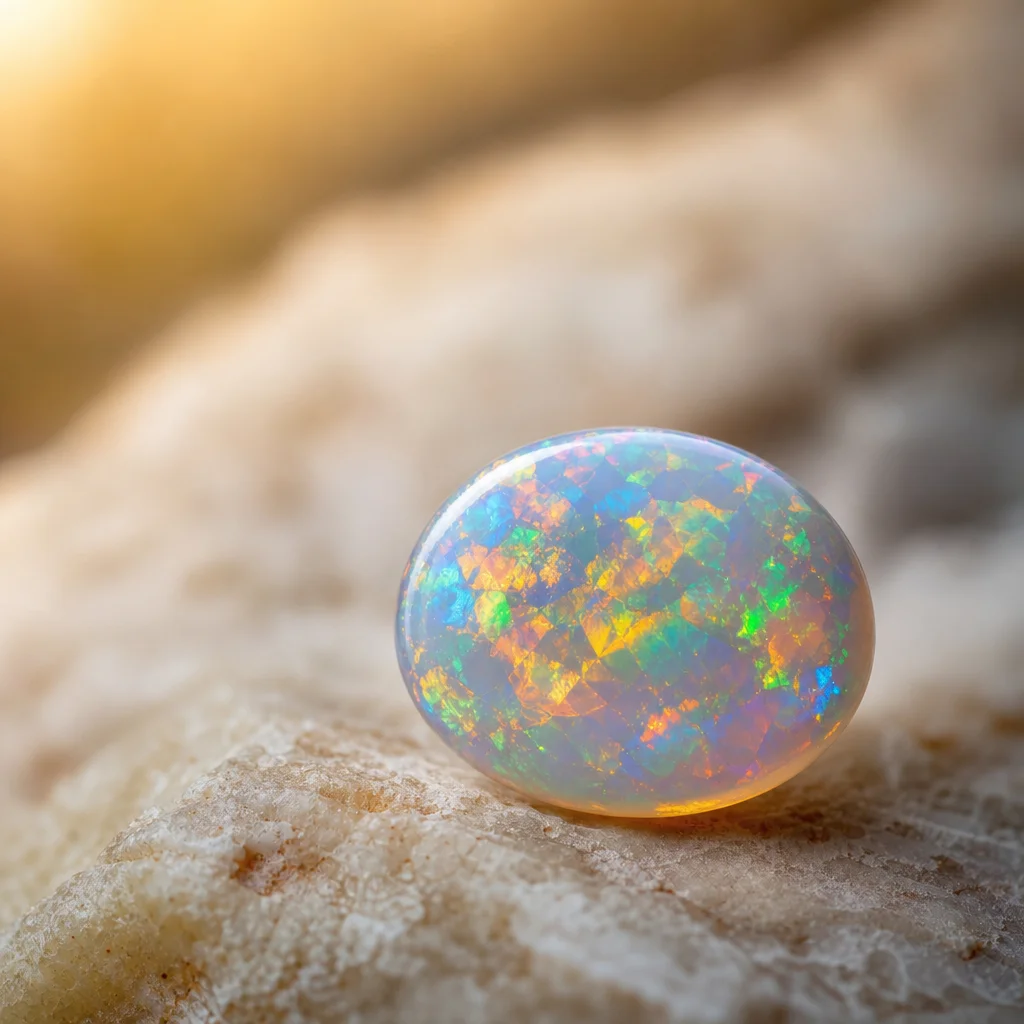
Why Opals Are Different from Every Other Gemstone
Opals are not like diamonds, sapphires, or even quartz. While most gemstones are formed under intense heat and pressure deep within the Earth, opals are created when silica-rich groundwater seeps into rock cavities and slowly evaporates over millions of years. That slow evaporation process leaves behind a hydrated silica gel — and that "hydrated" part is the key to everything that makes opal care so particular.
The water content in a natural opal ranges from 3% to 21% by weight. This water is locked within the silica structure itself, and it plays a direct role in producing the play of color that makes opals so sought after. When that moisture escapes too quickly, the opal develops internal stress fractures, which show up as fine cracks on the surface or a dulling of the colors that once danced across the stone. This process is called crazing, and once it starts, it cannot be reversed.
Understanding why this happens is the first step to preventing it. Opals have been forming in relatively stable underground environments for tens of millions of years. When we bring them to the surface and subject them to dry air, direct sunlight, chemicals, and sudden temperature changes, we are placing them in conditions far more hostile than anything they experienced during their formation. Proper care is essentially about recreating a stable, gently humid environment that keeps the internal moisture balance intact.
How Opal Dehydration Actually Works
The dehydration process in opals follows a predictable pattern. When the ambient humidity drops below roughly 40-50% for extended periods, the water molecules trapped within the silica framework begin to migrate toward the surface. As they escape, the internal structure shrinks slightly and unevenly — some areas lose moisture faster than others. This uneven shrinkage creates mechanical stress, and that stress manifests as tiny cracks spreading through the gemstone.
The earliest visible sign is usually a faint network of hairline fractures visible under good lighting, often concentrated near the surface. If the opal continues to dry, these fractures spread, the play of color diminishes as the internal diffraction structure is disrupted, and the stone may eventually develop a cloudy, almost opaque appearance where it was once vibrant.
Not all opals are equally vulnerable. Ethiopian opals, particularly those from the Wollo region, are notorious for their instability. They often have higher water content (some reaching 20%+) and a more porous structure compared to Australian opals. Australian opals from Lightning Ridge, Coober Pedy, and White Cliffs are generally more stable, though they are far from immune. Boulder opals — where the precious opal layer is still attached to its ironstone host rock — are among the most stable because the host rock acts as a structural backing that reduces internal stress.
Storing Opals: The Humidity Solution
The single most important thing you can do for your opal jewelry is store it properly when you are not wearing it. Opals should never be left in dry environments — not in a jewelry box with silica gel packets, not on a sunny windowsill, not in a car dashboard compartment during summer.
The most effective storage method is a sealed plastic bag (like a zip-lock) with a small piece of damp cotton or a barely moist paper towel included. The goal is not to soak the opal but to maintain a local humidity level of around 50-60% around the stone. Check the moisture source every couple of weeks and re-dampen it when it dries out completely. If you live in a naturally humid climate, your opals may need less active humidity management, but if you live in a dry climate or use air conditioning heavily, this step is essential.
For long-term storage, some collectors use specialized opal storage containers with humidity-controlled compartments. A simpler alternative is a small airtight container with a humidity indicator card (the kind sold with cigars or musical instruments) so you can monitor conditions at a glance. Avoid storing opals in cotton-filled jewelry boxes with other stones — the cotton wicks moisture away from the opal surface over time.
Boulder opals and doublets are less demanding in terms of humidity but still benefit from reasonable storage conditions. Triplet opals — which have a clear protective capping layer — are the most forgiving but can still suffer if the adhesive layer between the cap and the opal dries out and separates.
Cleaning Opals: What You Must Never Do
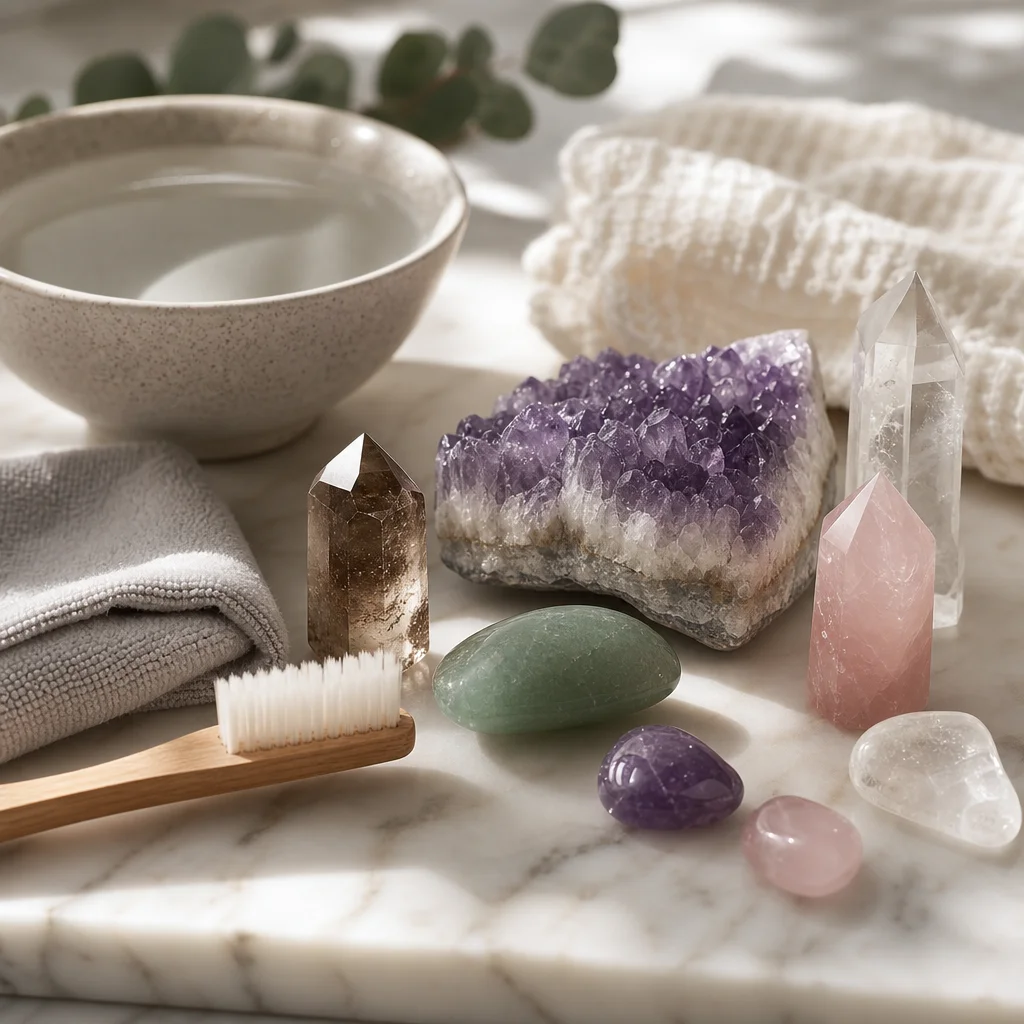
Cleaning opals requires a gentle touch. The correct method is lukewarm water with a mild, phosphate-free soap and a very soft brush (a baby toothbrush works well). Gently scrub the surface to remove dirt and body oils, rinse thoroughly with clean lukewarm water, and pat dry with a soft, lint-free cloth. That is the complete safe cleaning procedure.
Now for what you must never do, because violations here can destroy an opal in seconds:
- Never use an ultrasonic cleaner. The high-frequency vibrations can shatter an opal that has internal fractures — and many opals have micro-fractures you cannot see. Ultrasonic cleaners are fine for diamonds and sapphires but catastrophic for opals.
- Never use steam cleaners. The combination of heat and pressure forces water into the porous structure, which can cause the opal to crack on cooling or develop internal inclusions that ruin the play of color.
- Never use hot water. Water above about 60°C (140°F) can cause thermal shock, especially if the opal is then moved to a cooler environment. Always use lukewarm water — roughly room temperature or slightly warm to the touch.
- Never soak opals in chemicals. This includes bleach, ammonia-based cleaners, jewelry polishing solutions, and even some "gentle" jewelry dips. Chemicals can attack the silica structure and the organic materials sometimes found in matrix opals.
- Never expose opals to sudden temperature changes. Going from a warm room to cold outdoor air, or from air conditioning to direct sunlight, creates expansion and contraction stress that promotes cracking.
The Oil vs. Water Debate: Which Is Better for Opal Care?
One of the more debated topics in opal care is whether to use oil or water to maintain hydration. Some jeweler traditionally recommended a light mineral oil soak every few months, arguing that the oil penetrates the surface and slows moisture loss. Others insist that plain water is the only appropriate treatment.
Here is where the science lands: a very thin layer of mineral oil can temporarily slow moisture evaporation, but it also attracts dust, can become rancid over time, and may interfere with the play of color by filling the microscopic gaps that create light diffraction. Water, on the other hand, supports the natural hydration equilibrium without these side effects.
The practical recommendation is to skip the oil entirely and rely on proper humidity storage instead. If you have an opal that appears slightly dull, a brief soak in plain room-temperature water (30 minutes maximum) followed by gentle patting dry can help restore surface moisture. Do not make this a frequent practice — it is a corrective measure, not a maintenance routine. Over-soaking can be counterproductive, especially for Ethiopian opals, where prolonged water exposure can temporarily enhance the play of color but weaken the structural integrity.
Ethiopian vs. Australian Opals: Different Care Needs
The care requirements for opals vary significantly depending on their origin, because the geological conditions that formed them produced different internal structures.
Australian precious opals are sedimentary in origin, formed in ancient sea beds where silica-rich groundwater slowly filled cavities in sandstone and clay. This slow, stable formation produced a denser, less porous structure. While they still require humidity management and gentle cleaning, they are more tolerant of normal wear and handling.
Ethiopian opals, particularly the hydrophane variety from Welo Province, are volcanic in origin. They formed in relatively recent volcanic deposits (geologically speaking), and their internal structure is more porous and less stable. These opals are famously dramatic — they can temporarily become almost transparent when soaked in water, displaying vivid play of color, then return to a more opaque state as they dry. This behavior, while visually stunning, is a sign of structural instability. Ethiopian opals require more vigilant humidity management, more frequent checks for surface cracks, and more careful handling overall.
Special Care for Doublets and Triplets
Composite opals — doublets and triplets — have their own care requirements beyond what applies to solid opals. A doublet consists of a thin slice of precious opal backed by a dark material (usually ironstone or black glass) to enhance the play of color. A triplet adds a clear dome cap (usually glass or synthetic spinel) on top for additional protection.
The vulnerability of composites lies in the adhesive layers. Over time, especially when exposed to repeated moisture cycles or heat, the glue holding the layers together can degrade. If water seeps between the layers, the adhesive can soften, causing the opal slice to lift away from its backing. For this reason, doublets and triplets should never be soaked — even the brief water soaks recommended for some solid opals are off-limits for composites. Clean them only with a barely damp cloth.
Triplets have an additional vulnerability: the clear cap can become scratched or discolored over time. Avoid abrasive cloths and polishes on the surface. If the cap becomes cloudy, it usually means moisture has penetrated between the cap and the opal — a problem that often requires professional repair.
Wearing Your Opals: Daily Precautions
Opals are wearable gemstones — they are not so fragile that they belong only in display cases. But a few daily habits will dramatically extend their life:
- Put your opal jewelry on last. After applying makeup, perfume, hairspray, and hand cream. Chemicals in these products can damage the surface over time.
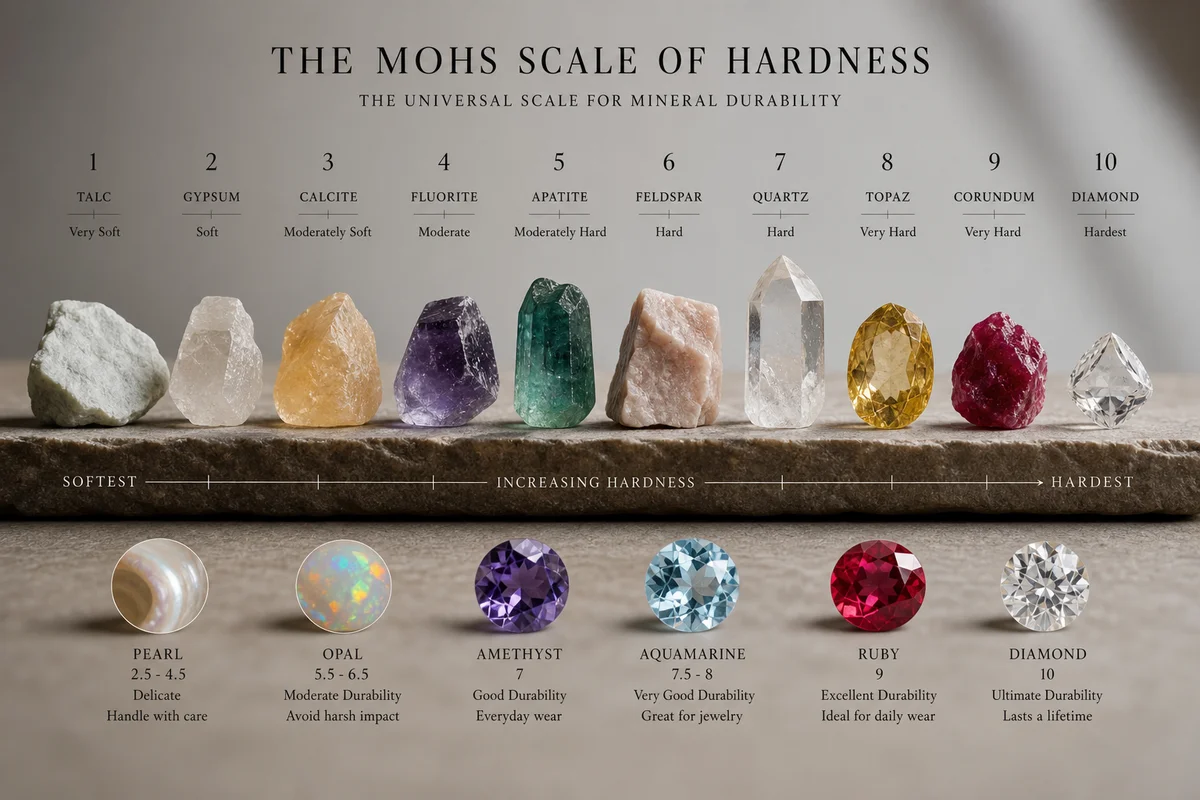
- Remove opals before physical activity. Hard impacts can chip or crack any gemstone, and opals are no exception. Their hardness of 5.5-6.5 on the Mohs scale puts them below quartz (7), meaning they can be scratched by household dust and sand.
- Do not wear opals swimming. Chlorine in pools, salt in ocean water, and even prolonged fresh water exposure can be harmful — especially for composites.
- Remove opal rings before washing hands. Repeated exposure to hot water and soap accelerates moisture loss and can weaken settings.
- Avoid prolonged direct sunlight. If you are spending a day outdoors, leave opal jewelry at home or store it in a pocket or bag. Sunlight accelerates dehydration.
What to Do If Your Opal Develops Cracks
Despite your best efforts, an opal may develop surface cracks over time. Minor crazing — hairline fractures visible only under magnification — is common in older opals and may not significantly affect appearance or durability. If the cracks are visible to the naked eye, the play of color is affected, or the stone feels structurally compromised, it is time to consult a professional opal cutter or lapidary.
In some cases, a skilled lapidary can re-polish the surface to remove shallow crazing, though this involves removing a thin layer of material and may slightly reduce the size of the stone. For composites where the layers are separating, re-gluing by a jeweler experienced with opals is often the best option. For severely cracked solid opals, stabilization with a clear resin is sometimes attempted, though this alters the appearance and is generally considered a last resort.
Prevention remains far more effective than repair. Consistent humidity storage, gentle cleaning, and mindful wearing habits will keep an opal looking vibrant for decades — many antique opal pieces from the Victorian era are still in beautiful condition today because their owners understood the basics of opal care.
Opal Care Quick Reference
Keep this checklist handy for day-to-day opal maintenance:
- Store in a sealed bag with a damp cotton ball (check weekly)
- Clean with lukewarm soapy water and a soft brush only
- Never use ultrasonic or steam cleaners
- Put jewelry on after makeup and perfume
- Remove before swimming, exercising, or heavy household work
- Avoid prolonged sunlight and sudden temperature changes
- Check Ethiopian opals more frequently for early cracking signs
- Never soak doublets or triplets — wipe with a barely damp cloth
- Inspect settings annually for looseness
Opals are among the most beautiful gemstones in the world, and with proper care, they maintain their stunning play of color for generations. The effort required is modest — mostly about consistent humidity management and avoiding a few specific hazards — and the reward is a gemstone that continues to captivate every time light catches its surface.
Frequently Asked Questions
How long does it take for an opal to rehydrate after exposure to dry conditions?
Opals can take several hours to a couple of days to rehydrate after being exposed to dry conditions. Ensure your opal has been hydrated and give it time to soak up moisture before wearing it again.
Can opals be worn while swimming or in the shower?
No, it's best to avoid wearing opals when swimming or showering. The chemicals and water can cause rapid dehydration and lead to cracking.
Are there specific metals that should be avoided when wearing opal jewelry?
Gold and silver are generally safe for opal jewelry, but be cautious with metals like copper and brass as they can cause discoloration or tarnish, which may affect the appearance of your opal.
How can I tell if my opal has been treated or dyed?
Look for a lack of color throughout the stone, as natural opals have a play of color that moves with light. Unnatural treatments may show color only on the surface or in a single layer, and can be detected with gemological tests.
Can I use soap and water to clean an opal? If so, what kind of soap is best?
Yes, you can gently clean opals with soap and water. Use a mild, unscented liquid dish soap and a soft cloth or toothbrush. Ensure the opal is completely dry before storing or wearing it to prevent cracking.

Comments