Pink Opal: Meaning, Properties & Benefits of t..
June 2, 2026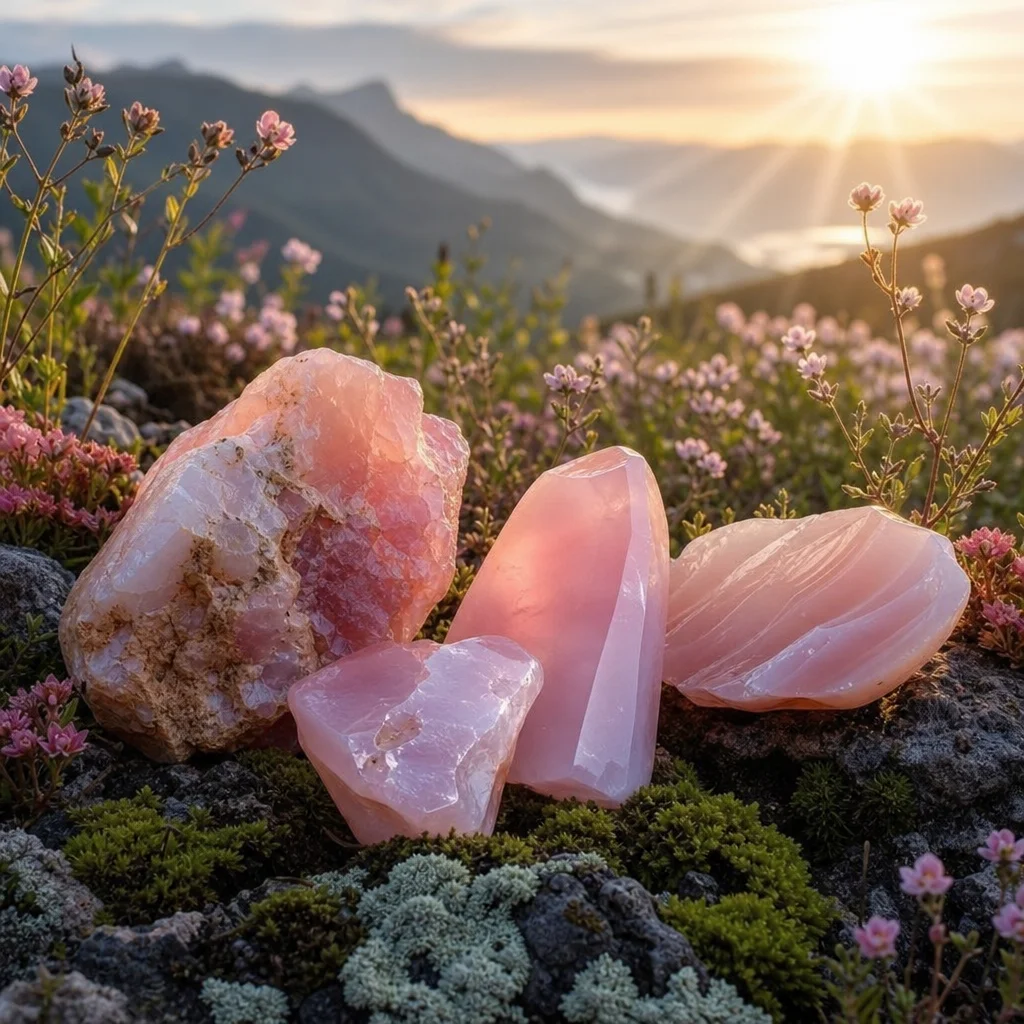
Understanding Pink Opal
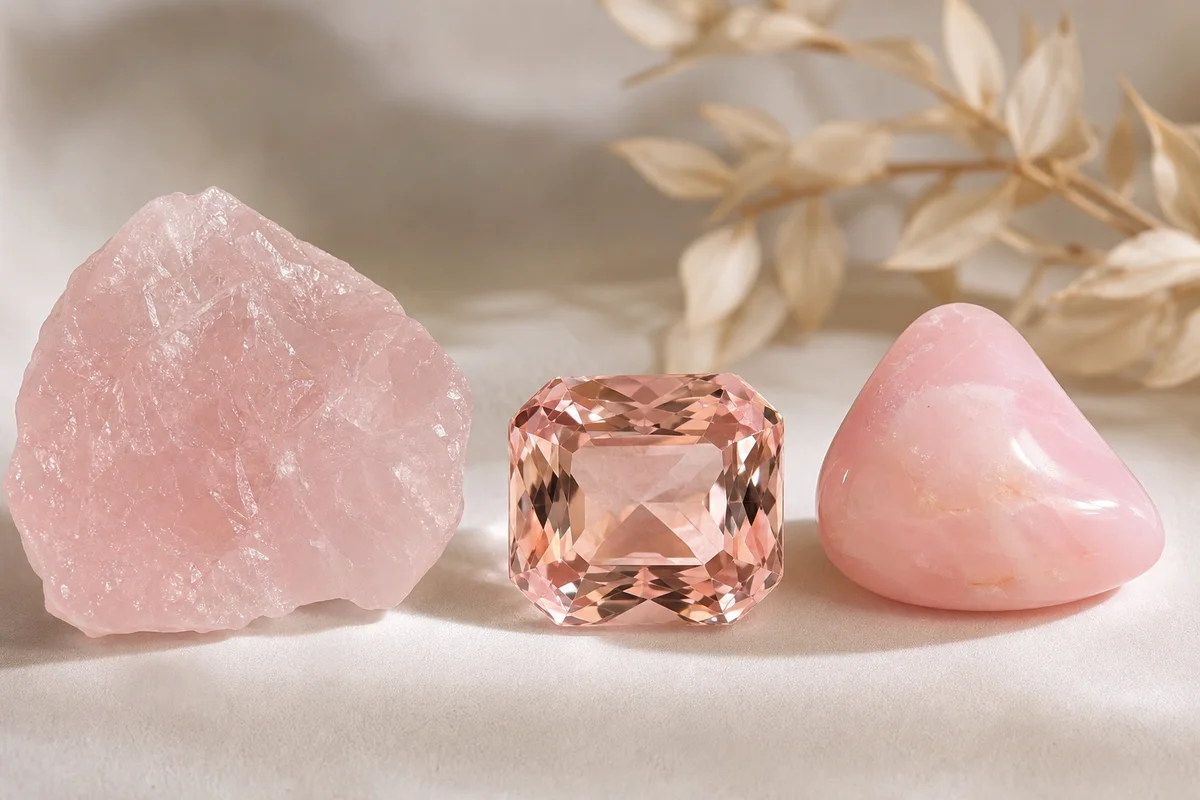
Pink opal occupies a unique position in the opal family. Unlike the fire opals of Mexico or the precious opals of Australia that flash with spectral color play, pink opal is prized for its soft, matte pastel hues — ranging from pale blush to deeper rose — and its gentle, nurturing aesthetic. It's the quiet introvert of the opal world: no flash, no fire, just a steady warm pink glow that has earned it the nickname "the heart stone."
From a geological perspective, pink opal is a hydrated silica with a specific type of coloring mechanism. The pink hue comes from trace amounts of manganese (Mn) incorporated into the silica structure during formation. Unlike precious opal, which requires a highly ordered internal structure of microscopic silica spheres to produce its characteristic play of color, pink opal typically has a more disorganized structure that produces solid body color without color play. This makes it a "common opal" in gemological terms — though there's nothing common about its appeal.
Geological Formation and Sources
Pink opal forms when silica-rich groundwater percolates through rocks containing manganese and other trace elements. The silica gradually deposits as a gel-like substance in cracks, cavities, and pore spaces. Over time, this silica gel slowly dehydrates and solidifies, trapping the manganese impurities that give the stone its pink coloration. Because this process happens at relatively low temperatures near the Earth's surface, pink opal is considered a secondary mineral deposit.
The gel-to-solid transformation is what gives opal its water content — even fully solidified opal contains 3% to 21% water by weight. This water content is crucial to opal's behavior, and it's particularly relevant for pink opal because the hydration level affects both the stone's durability and its appearance.
Major Pink Opal Sources
Peru: Peruvian pink opal is perhaps the best-known and most widely available variety. It ranges from pale pink to a deeper rose and often displays subtle banding or mottling. The Andean highlands of Peru have produced pink opal for centuries, and the stone has cultural significance in Andean communities. Peruvian material tends to have a slightly waxy luster and may contain microscopic inclusions of other minerals that add subtle patterns.
Australia: While Australia is famous for precious opal, some Australian deposits produce pink and white common opal as well. Australian pink opal tends to be paler than Peruvian material, sometimes appearing almost white with just a faint pink blush. The quality can be excellent, with good hardness and stability.
Ethiopia: Ethiopian opal deposits, famous for their spectacular precious opals, also produce pink common opal in certain areas. Ethiopian pink opal is relatively new to the market and is still being evaluated for its long-term stability and color permanence. Some Ethiopian specimens show an attractive translucency that Peruvian material typically lacks.
Other sources: Smaller deposits exist in the United States (notably Oregon and Nevada), Mexico, and Indonesia. These tend to produce limited quantities and are primarily of interest to local collectors rather than commercial buyers.
Pink Opal vs. Other Opal Varieties
Understanding how pink opal fits within the broader opal family helps clarify what it is — and what it isn't.
Pink Opal vs. Precious Opal
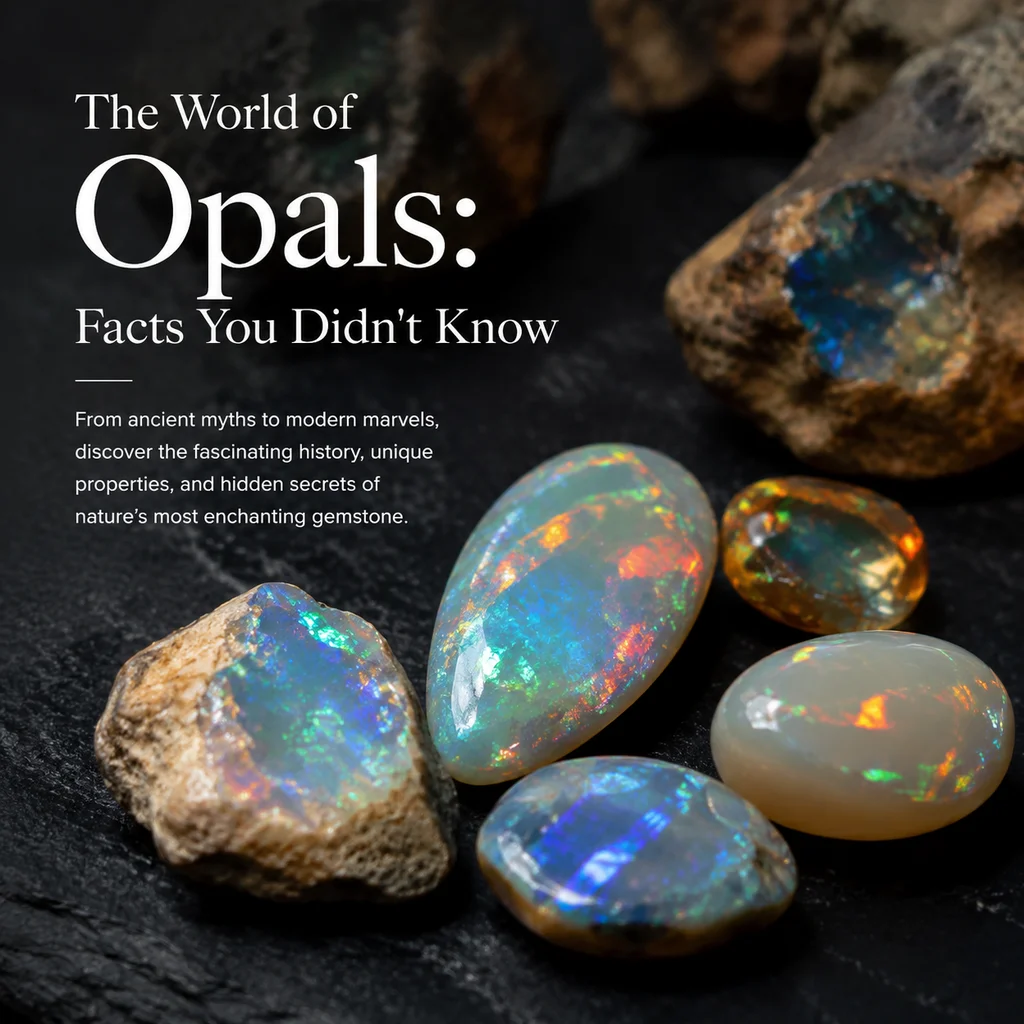
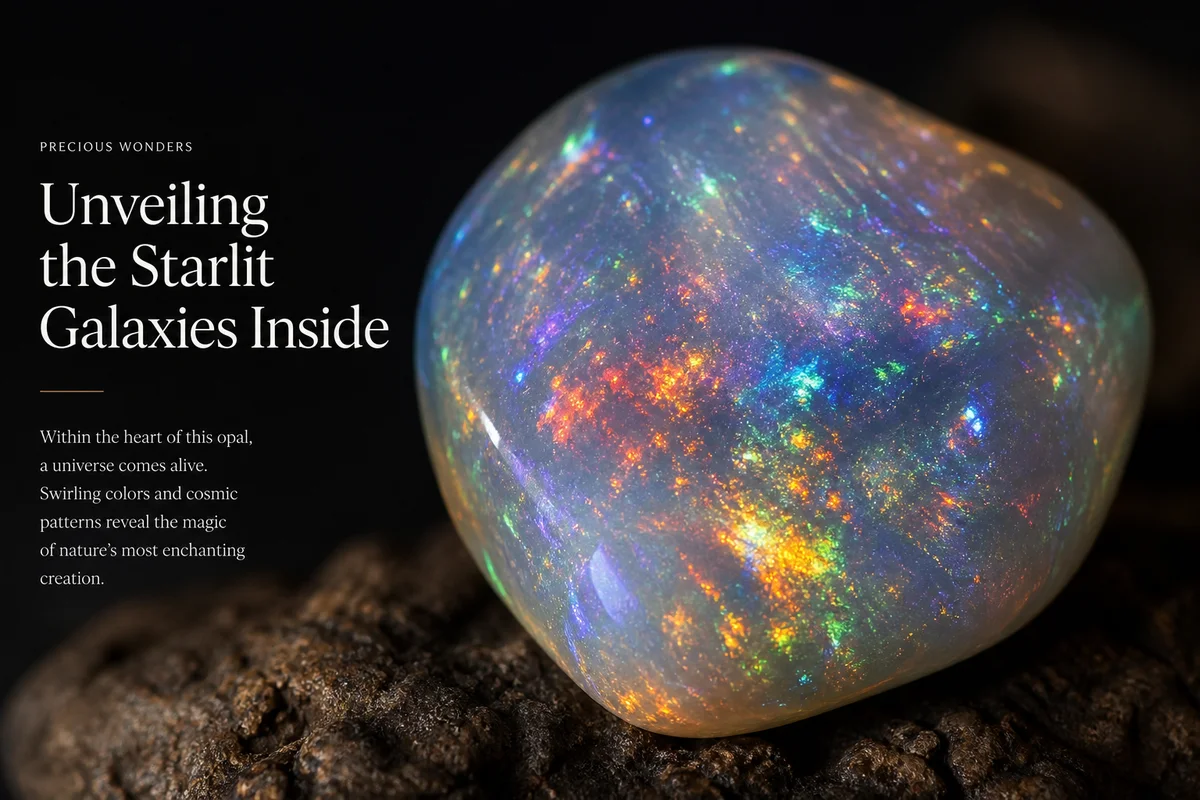
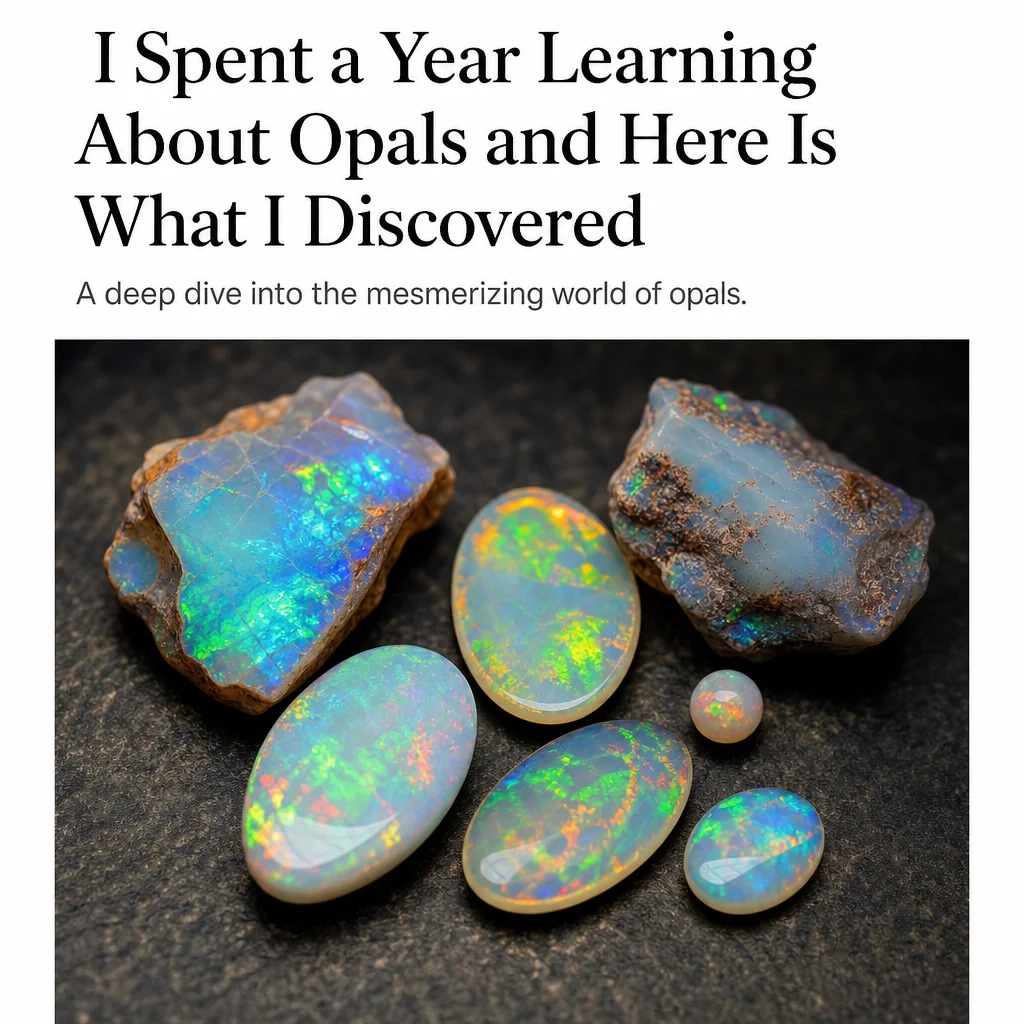
The fundamental difference lies in the internal structure. Precious opal has a highly ordered arrangement of microscopic silica spheres (typically 150-400 nanometers in diameter) packed in a regular grid. When light enters this structure, it diffracts into spectral colors — the famous "play of color" or "opalescence." Pink opal lacks this ordered structure. Its silica is arranged more randomly, so it doesn't diffract light into colors. Instead, it displays solid body color from the manganese content.
Pink Opal vs. Fire Opal
Fire opal is typically transparent to translucent with orange, yellow, or red body color (also from iron impurities rather than manganese). Fire opal can sometimes show play of color, making it a bridge between precious and common opal. Pink opal is generally opaque, softer, and more pastel in color.
Pink Opal vs. White/Common Opal
White opal is simply common opal without significant color impurities — it appears white, grey, or cream-colored. Pink opal is the manganese-bearing cousin of white opal. In deposits where both occur, you can sometimes find transitional specimens that are part white and part pink, showing how the manganese concentration varied during formation.
Physical Properties and Durability
When considering pink opal for jewelry or a collection, understanding its physical properties is essential for making informed decisions.
| Property | Value | Practical Implication |
|---|---|---|
| Hardness (Mohs) | 5.5 – 6.5 | Soft — scratches easily, not ideal for daily-wear rings |
| Toughness | Fair to poor | Can chip if struck against hard surfaces |
| Water content | 3% – 10% | Can crack from dehydration; avoid heat and extreme dryness |
| Density | 1.98 – 2.25 g/cm³ | Noticeably light — feels less dense than quartz or feldspar |
| Luster | Waxy to pearly | Subtle sheen, not the glassy look of precious opal |
| Refractive index | 1.44 – 1.46 | Low — contributes to the soft, diffused appearance |
The most critical thing to understand about pink opal's durability is its water content. Unlike quartz or feldspar, which are completely anhydrous, pink opal contains bound water within its structure. If it's exposed to very dry conditions for extended periods, or to high heat, this water can migrate out of the stone, causing it to crack or develop surface crazing (a network of fine cracks). This is known as "drying out" and it's irreversible — once an opal cracks from dehydration, the damage cannot be repaired.
Best Jewelry Applications for Pink Opal
Given its moderate hardness and sensitivity to dehydration, pink opal is best used in certain jewelry contexts:
Pendants and necklaces: This is the ideal application. A pink opal pendant on a chain is protected from most impacts and can be easily removed before swimming, showering, or exercising. The stone's soft pink color looks beautiful against skin and pairs well with both silver and gold settings.
Earrings: Earrings are also an excellent choice. They stay visible, don't encounter hard surfaces during normal wear, and the soft pink color adds warmth to the face. Pink opal drops or studs work beautifully.
Bracelets: Wearable but with caveats. A pink opal bracelet set in a protective bezel and worn on the non-dominant hand can work for occasional wear. Avoid thin beaded pink opal bracelets — the beads are easily chipped against each other and against table edges.
Rings: The most challenging application. A pink opal ring worn daily will show wear within months. If you choose a pink opal ring, wear it as occasion jewelry and store it in a padded box between wears. Protective settings with high bezels offer the best longevity.
Caring for Pink Opal
Proper care is especially important for pink opal due to its water content and relatively low hardness.
Moisture Maintenance
Pink opal benefits from moderate ambient humidity. In very dry climates or during winter months when indoor heating dries the air, it's worth storing pink opal with a small damp cloth or cotton ball in its container — not soaking wet, just slightly moist. This helps maintain the stone's hydration level and prevents cracking. Don't store pink opal in sealed plastic bags in dry environments, as the lack of air exchange accelerates dehydration.
Temperature Protection
Avoid exposing pink opal to sudden temperature changes or sustained heat. This means no hot car dashboards, no direct sunlight on display shelves, no wearing while cooking over a hot stove, and no hot water baths. The thermal expansion mismatch between the hydrated silica and the surrounding material can cause fracturing.
Cleaning
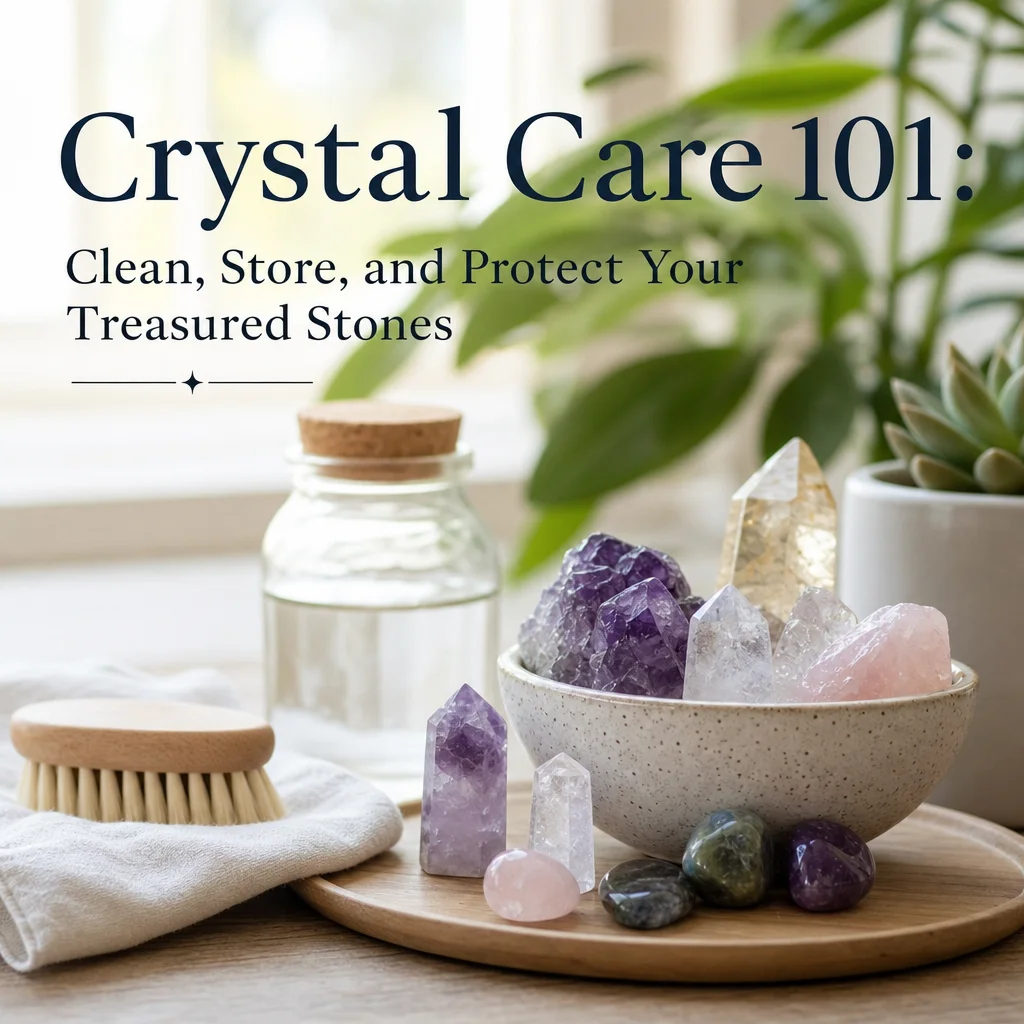
Lukewarm water (not hot) with a mild soap is safe for cleaning. Use a soft cloth or very soft brush. Dry immediately after cleaning — don't let water sit on the surface. Avoid steam cleaners, ultrasonic cleaners, and any chemical cleaning solutions. Opal-specific cleaning cloths are available and work well for routine maintenance.
Storage
Store pink opal wrapped in soft cotton cloth, in a container that allows some air exchange. Keep it away from direct sunlight and heat sources. If you live in a very dry climate, a small piece of damp sponge in the storage container helps maintain humidity. Never store pink opal in direct contact with harder gemstones — the harder stone will scratch the opal surface.
What to Look For When Buying
If you're shopping for pink opal, here are the key quality factors to consider:
- Color intensity: More saturated pink generally commands higher prices, but very pale pink has its own delicate appeal. Avoid material with brown or grey tones — these suggest impurities that diminish the pink opal aesthetic.
- Uniformity: Even color distribution is generally preferred, though some collectors appreciate stones with natural banding or mottling that creates visual interest.
- Surface quality: The surface should be smooth without visible cracks, pits, or scratches. Surface crazing (fine cracks) is a red flag indicating dehydration or poor stability.
- Weight: Pink opal should feel appropriately light for its size. If a piece feels unexpectedly heavy, it might be impregnated with resin or polymer — a common treatment to stabilize low-quality material.
- Source disclosure: Peruvian pink opal is the most common and generally reliable source. Ask where the stone originated, especially if purchasing online where you can't examine it physically.
Stability Concerns
Some pink opal on the market has been treated with oils, resins, or polymers to improve its stability and appearance. This isn't inherently bad — stabilizing treatments can prevent a fragile stone from cracking — but it should be disclosed and priced accordingly. A stabilized pink opal is worth less than a stable natural stone of equivalent appearance.
Signs of stabilization include: an unnaturally glossy surface (natural pink opal has a waxy luster), visible resin pooling in surface scratches, and a slightly plastic feel when tapped. If in doubt, ask the seller directly about any treatments.
The Cultural Significance of Pink Opal
In Andean culture, opal has been valued for thousands of years. Pink opal, in particular, is associated with matters of the heart — both literal and metaphorical. It's been used in traditional healing practices, worn as an amulet for emotional protection, and given as a gift to express affection. The stone's gentle, nurturing appearance naturally lends itself to these associations.
Beyond its cultural associations, pink opal's appeal in the modern market is driven by its versatility and accessibility. It's affordable enough for casual collectors and jewelry lovers, unique enough to stand out in a collection, and carries enough geological interest to engage mineral enthusiasts. Whether you're drawn to it for its color, its cultural heritage, or its geological story, pink opal offers a distinctive presence that few other stones can match.
Frequently Asked Questions
What are the primary emotional benefits of Pink Opal?
Known as a powerful healing stone, Pink Opal is highly valued for its calming and soothing energy that helps alleviate anxiety and stress. It is often used by crystal healers to clear the emotional body, encouraging the release of past trauma, fear, and worry. This nurturing stone ultimately promotes emotional balance, inner peace, and compassion for oneself and others.
How does Pink Opal get its distinctive pastel color?
The soft, pastel pink hue of this opal variety comes from the presence of trace minerals, specifically manganese and quartz, embedded within the hydrated silica. Unlike precious opals that diffract light to create a rainbow color play, Pink Opal is opaque and relies entirely on these mineral inclusions for its steady, warm glow. The specific concentration of these trace elements dictates whether the stone presents as a pale blush or a deeper rose.
Which chakra is Pink Opal associated with?
Pink Opal is primarily associated with the Heart Chakra, serving as an excellent tool for opening and activating this energy center. By resonating with the heart, it facilitates the gentle flow of loving energy and helps clear blockages that prevent one from giving or receiving affection. Additionally, it can be used to align the upper heart or thymus chakra, further supporting immune function and emotional well-being.
How should I clean and care for my Pink Opal?
Because Pink Opal is a relatively soft and porous hydrated silica, it should be cleaned gently using a soft, damp cloth and mild soapy water. To prevent the stone from drying out or developing craquelure (internal cracking), you should never leave it in direct sunlight for extended periods or expose it to harsh chemicals. When storing your Pink Opal, keep it in a softly lined box away from harder gemstones that could easily scratch its surface.
Can Pink Opal be worn every day in jewelry?
While Pink Opal makes for beautiful jewelry, it is somewhat delicate, typically ranking around 5.5 to 6.5 on the Mohs hardness scale, making it less durable than stones like diamonds or sapphires. It is generally better suited for occasional wear pieces like pendants or earrings rather than rings, which are subjected to daily bumps and knocks. If you do wear a Pink Opal ring daily, be sure to choose a protective bezel setting to shield the stone's edges from damage.
Comments