Unlock the Knight of Cups' Secret Tarot Power
May 17, 2026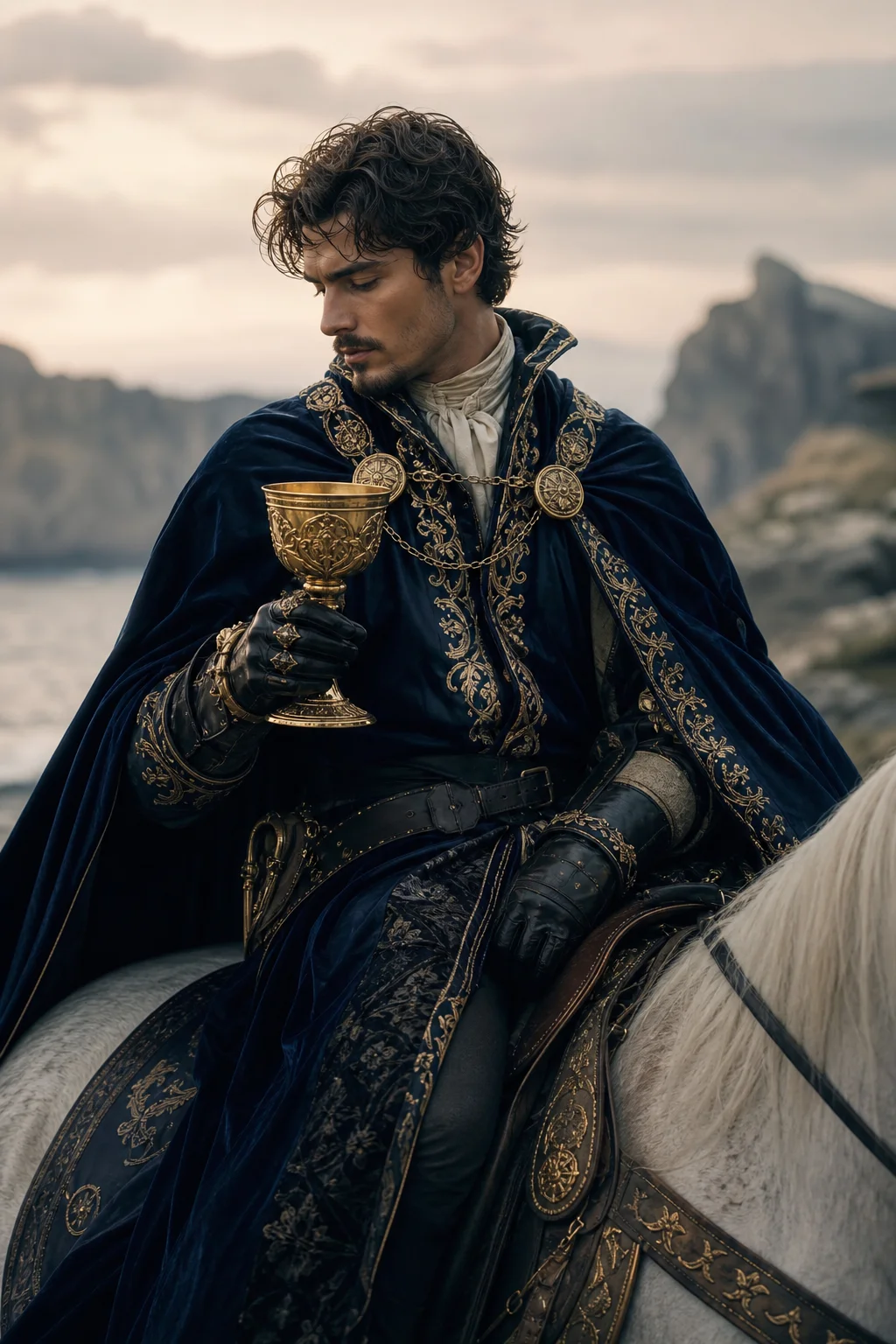
I Pulled the Knight of Cups Every Day for a Month. Here's What I Learned
I used to think the Knight of Cups was the "good" knight. You know the one — the romantic dreamer riding in on a white horse, chalice raised, offering you love and emotional depth and all that swoon-worthy stuff. Every tarot guide I read made him sound like a walking Hallmark movie.
Then I started pulling him daily. And I realized something that took me way too long to admit: this card scared me.
Not in a Death-card, everything-changes kind of way. In a quieter, more unsettling way. The Knight of Cups showed up when I was being charming instead of honest. When I was saying what someone wanted to hear. When my feelings were real but my follow-through was nonexistent. He showed up when I was performing emotion rather than actually feeling it.
That's when it clicked. The Knight of Cups isn't the romantic hero. He's the one who knows how to seem like one. And that distinction changes everything about how you read this card.
If you've been handed this card in a reading and felt that little knot in your stomach — that "this feels too good to be true" tug — you're not wrong. Let me walk you through what I think this card actually means, beyond the greeting-card interpretation.
What's Actually Happening in This Card
Look at the Rider-Waite image for a second. A young man on a white horse, holding a golden cup with a lid. A winged helmet. A fish on his tunic. He's riding slowly, almost lazily, through a landscape that looks pleasant but kind of empty.
Here's what nobody mentions: that cup has a lid on it. He's carrying his emotions but they're closed off. Sealed. You can't see inside. And he's not offering to open it — he's just displaying it. The fish on his chest represents the subconscious, but notice it's a decoration, not something alive. He's wearing his depth like an accessory.
The white horse is supposed to symbolize purity of intention. But a white horse also performs beautifully in a parade. It looks the part. Whether the rider's intentions are pure is a whole different question.
And the winged feet on his helmet? Mercury's symbol. Communication. Persuasion. The ability to say the right thing. Not necessarily the true thing.
I'm not saying the traditional reading is wrong. I'm saying it's incomplete. The visual symbolism in this card holds a tension between genuine emotional depth and the performance of emotional depth. And which one you're dealing with depends entirely on context.
Knight of Cups Upright: The Charm Offensive
The Standard Reading (And Why It's Only Half the Story)
Most guides will tell you the upright Knight of Cups means romance, creativity, following your heart, new emotional opportunities. And sure — those keywords aren't wrong. But they're the surface. They're what the Knight wants you to see.
When this card shows up upright, what's actually happening is: someone or something is approaching you with emotional appeal. That could be genuine. It could also be calculated. The card doesn't tell you which — it tells you to pay attention.
What I Think Is Really Going On
The Knight of Cups upright is about emotional charisma as a strategy. This is the person who texts you poetry at 2 AM and then disappears for a week. The job candidate who aces the interview with personal stories but can't do the work. The friend who always knows exactly what to say to keep you close — but never actually shows up when you need them.
This card asks you: Is the emotional energy being directed at you genuine, or is it a performance?
It also asks you to look at yourself. Are you being the Knight right now? Are you using your emotional intelligence to get what you want without committing to what comes after? I've been there. It's not malicious — it's often unconscious. But it's still manipulation.
When It's Genuinely Positive
Alright, I'll be fair. The Knight upright can signal a real emotional opening. A creative project that's pulling you forward with genuine inspiration. A relationship that starts with real vulnerability. The key difference? Follow-through. If the Knight's energy is backed by action — not just words — then you're looking at authentic emotional growth.
The test is simple: watch what happens next. Real emotion persists. Performance fades the moment it stops being useful.
Knight of Cups Reversed: When the Mask Slips
Reversed, the Knight of Cups stops being subtle about it. This is where the charm turns toxic.
The reversed Knight shows up when emotional manipulation has become a pattern. When someone's been running on charm for so long they've forgotten what genuine feeling even feels like. When "I feel so deeply" is actually "I feel nothing but I've learned the script."
I pulled this reversed during a period where I was saying yes to everything and meaning none of it. Agreeing to plans I'd cancel. Telling people what they wanted to hear because conflict made me uncomfortable. Emotional availability as a social strategy, completely disconnected from anything I actually wanted or needed.
The reversed Knight can also point to emotional exhaustion from performing. You've been the understanding one, the supportive one, the one who always has the right words — and you're running on empty. Not because you gave too much, but because you gave what you didn't actually have.
Red Flags to Watch For
- Someone who mirrors your emotions perfectly but never initiates vulnerability of their own
- Grand romantic gestures followed by emotional unavailability
- Feeling drained after interactions that seemed "beautiful" on the surface
- A pattern of starting creative projects with intense passion and abandoning them when the audience stops watching
- Apologies that sound like poetry but never change behavior
If you're seeing this card reversed, something in your life has been running on emotional appearance rather than emotional substance. Time to get honest about what's real.
Love Readings: The Heartbreaker Card
In love readings, the Knight of Cups is the card that makes people swoon — and it shouldn't.
When this card represents a person in your love reading, you're looking at someone who is very good at making you feel special. They say the right things. They create romantic moments. They make you feel seen in a way that's almost addictive.
But here's the thing about the Knight: he rides in, delivers the emotional experience, and rides out. He's not the King, who has emotional maturity and staying power. He's not the Page, who is genuinely new at this and learning. He's the Knight — skilled enough to be dangerous, not grounded enough to be trustworthy.
If you're single and this card appears, ask yourself: are you attracted to someone's emotional performance or their emotional reality? It's a hard question. Most of us fall for the performance first because it's more compelling. Real emotional depth is quiet. It doesn't need an audience.
If you're in a relationship and this card comes up, it might be pointing to a phase where one of you is going through the motions. Saying "I love you" because that's what you say, not because you're feeling it in that moment. That's not a relationship death sentence — but it is a wake-up call.
For more on the emotional side of crystals in relationships, I found this guide on crystals for love and relationships surprisingly grounded — it avoids the usual "this rock will fix your marriage" nonsense.
Career Readings: The Office Charmer
In career readings, the Knight of Cups is that colleague who everyone loves but nobody trusts with anything important. You know the type. They're magnetic in meetings. They pitch ideas with passion. They make clients feel like they're the only person in the room.
But when the project needs someone to do the unglamorous work — the spreadsheets, the follow-ups, the hard conversations — they're nowhere to be found.
If this card shows up in your career spread, it might mean you're relying too much on likability and not enough on substance. Or it could be warning you about a job offer or partnership that looks emotionally fulfilling on the surface but lacks structural support underneath.
The Knight of Cups in a work context is a prompt to ask: am I building something real, or am I building an image? Both have value. But only one lasts past the pitch meeting.
Daily Pull: What to Do When This Card Shows Up
When the Knight of Cups appears in your daily pull, treat it as a challenge, not a blessing. Here's my personal framework:
- Check your words. Have you been saying things today that sound good but aren't fully true? Even small stuff. "I'd love to!" when you actually wouldn't. "I'm fine!" when you're not.
- Check your feelings. Are you actually feeling what you're expressing, or are you performing the expected emotion? There's no judgment here — most of us perform more than we realize.
- Check your commitments. The Knight is terrible at follow-through. If you've promised something today, actually do it. Don't just intend to.
- Check your interactions. Is someone being unusually charming toward you today? Enjoy it, but don't make decisions based on it.
The daily Knight of Cups is a mindfulness check. It's asking you to close the gap between how you appear and how you actually are. One day at a time.
Crystal Combinations: Grounding the Knight's Energy
The Knight of Cups is all water, all emotion, all the time. What he desperately needs is grounding. If you work with crystals alongside your tarot practice (and I do — skeptically, but consistently), here are pairings that address what this card actually brings up:
For Recognizing Emotional Manipulation (In Yourself or Others)
Labradorite. This stone is about seeing through illusions — including the ones you create yourself. Labradorite doesn't let you hide from yourself. I keep a piece on my desk specifically for days when the Knight shows up. If you want to understand why this stone works for this purpose, this labradorite bracelet guide breaks down its properties without the usual crystal-industry fluff.
For Emotional Honesty
Rose quartz — but not the way most people use it. Forget "attracting love." Use rose quartz as a mirror for genuine self-compassion, which is the antidote to performative emotion. When you're honest with yourself about what you actually feel (instead of what you think you should feel), you stop needing to perform. This rose quartz guide gets into why the stone is more than just a love talisman.
For Follow-Through
Clear quartz. The Knight's biggest weakness is that he starts things he doesn't finish. Clear quartz is about clarity of intention — cutting through the emotional fog to see what you actually committed to. This clear quartz breakdown covers eight things most people miss about it, including why it's the most practical crystal you can own.
For When the Knight Shows Up Reversed
Amethyst for the emotional hangover. When you've been performing for too long and you're depleted, amethyst helps you sit with the discomfort of actually feeling your real feelings. This guide on what amethyst actually does is one of the more honest takes I've read.
If you want to go deeper on crystal pairings for emotional work, this guide on crystals for anxiety and stress has practical combinations that don't rely on magical thinking.
Journal Prompts: Working With the Knight's Shadow
Don't just read this card. Work with it. These are the journal prompts I use when the Knight shows up and I need to get honest with myself:
- Prompt 1: Think of a recent interaction where someone made you feel deeply understood. Now look at it again — were they actually understanding you, or were they reflecting what they thought you wanted to see? How can you tell the difference?
- Prompt 2: Where in your life are you using emotional expression as a strategy rather than a genuine sharing? Be specific. What are you trying to achieve by performing?
- Prompt 3: The Knight of Cups carries a cup with a lid on it. What emotions are you carrying but refusing to open? What would happen if you actually let yourself feel them?
- Prompt 4: Write about a time someone's charm or emotional intensity swept you off your feet — and what happened when the performance ended. What did you learn about the difference between emotional appearance and emotional depth?
- Prompt 5: Complete this sentence honestly: "The emotion I perform most often is __________, but the emotion I actually feel most often is __________." Sit with the gap between those two answers.
I journal with crystals nearby — not because I think the rocks are magic, but because the physical act of holding something while I write keeps me present. Selenite is good for this. It's lightweight, it's calming, and it gives your hands something to do when the writing gets uncomfortable.
Frequently Asked Questions
Is the Knight of Cups always a negative card?
No. And I want to be clear about this because I've been pretty hard on this card. The Knight of Cups can represent genuine emotional openness, creative inspiration, and the beginning of something deeply meaningful. The issue isn't that the card is negative — it's that most readings stop at "romance and creativity!" without asking the harder questions. The Knight's energy is powerful. Powerful things can be used well or poorly. I'm just asking you to look twice.
What does the Knight of Cups mean as a yes or no?
Most readers say "yes" because the Knight is associated with forward movement and emotional flow. I'd say: yes, but check the fine print. If your question is about a relationship, a "yes" here might mean "yes, this person will be emotionally compelling" — not "yes, this person will be emotionally reliable." Those are different things. The Knight says yes to the experience, not necessarily to the outcome.
What if the Knight of Cups represents me in a reading?
Time for some real talk. If this card is representing you, you might be in a phase where your emotional expression is running ahead of your emotional honesty. It doesn't mean you're a bad person. It means you've gotten good at the language of feelings without necessarily being grounded in the actual experience of them. The fix isn't to stop being emotional — it's to slow down and check whether what you're expressing matches what's actually happening inside.
How does the Knight of Cups differ from the Page and King of Cups?
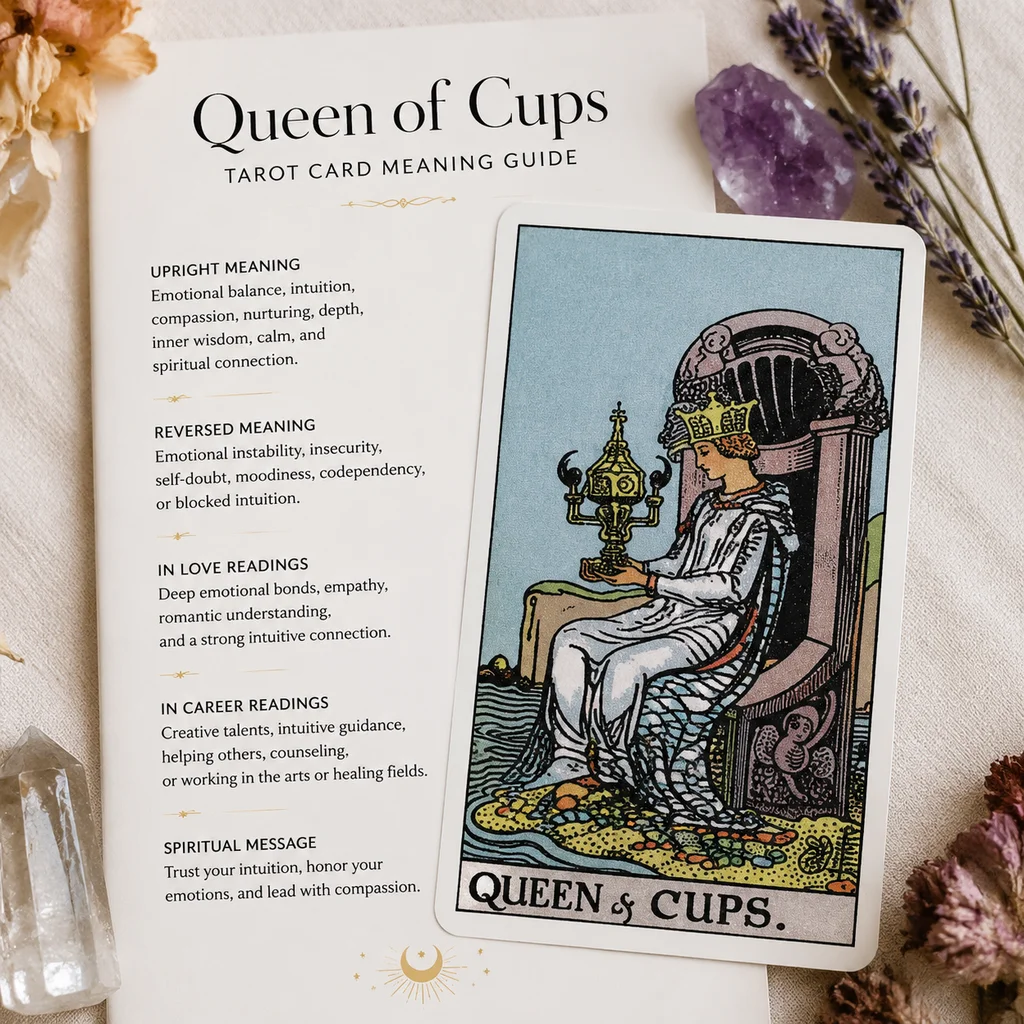
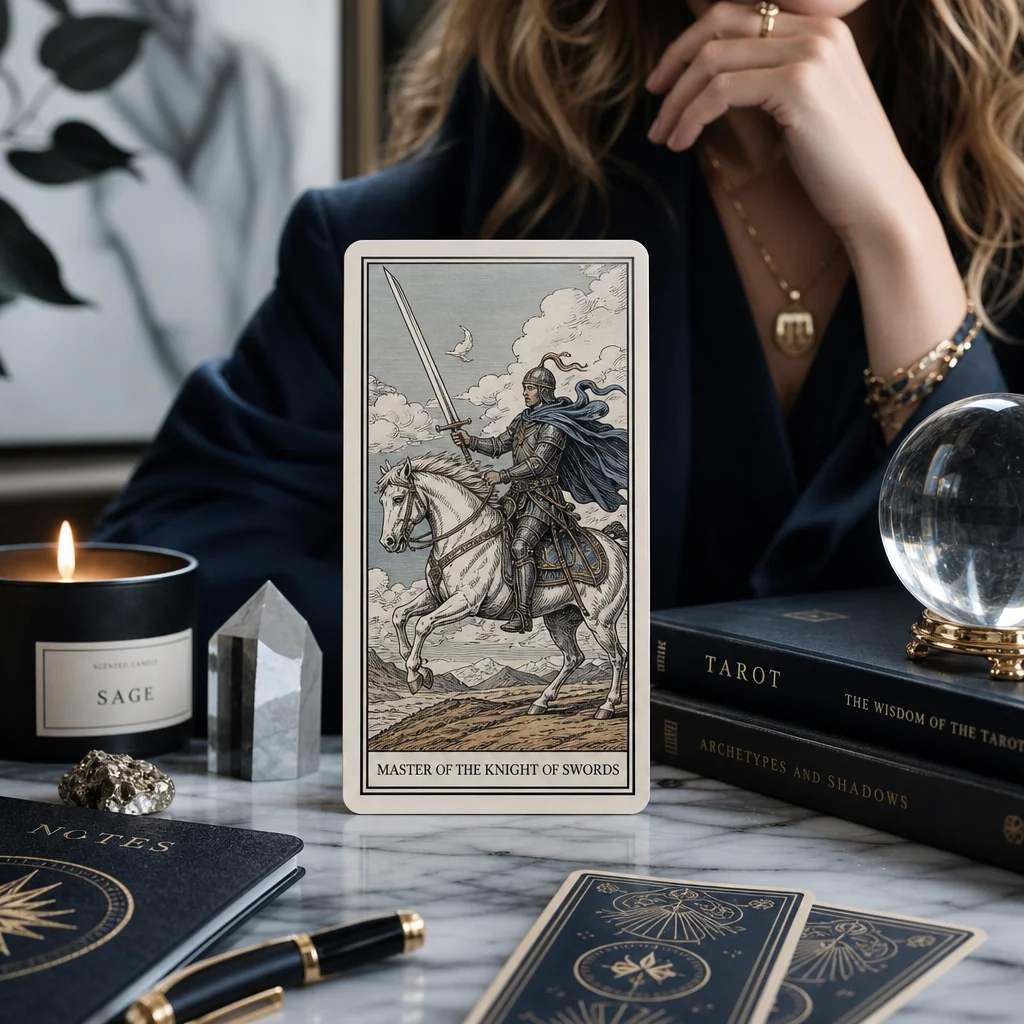
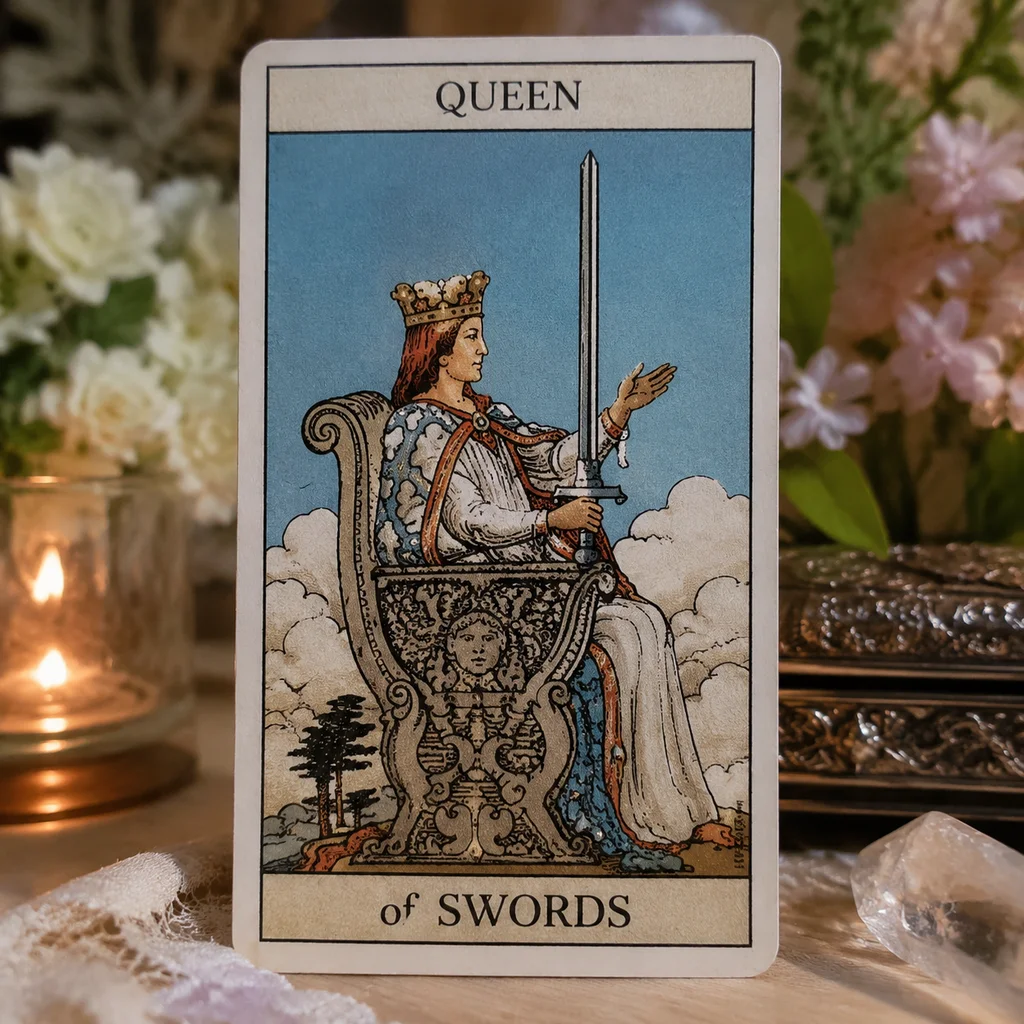
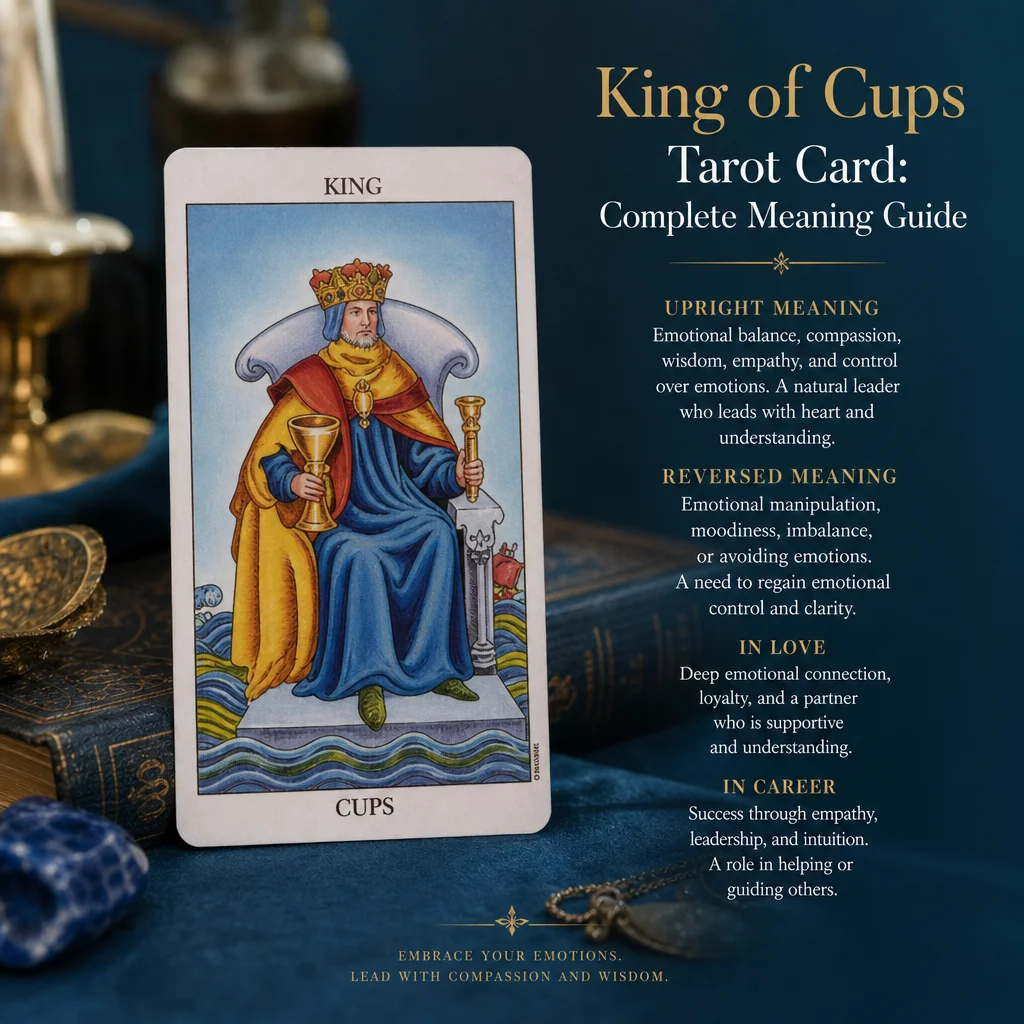
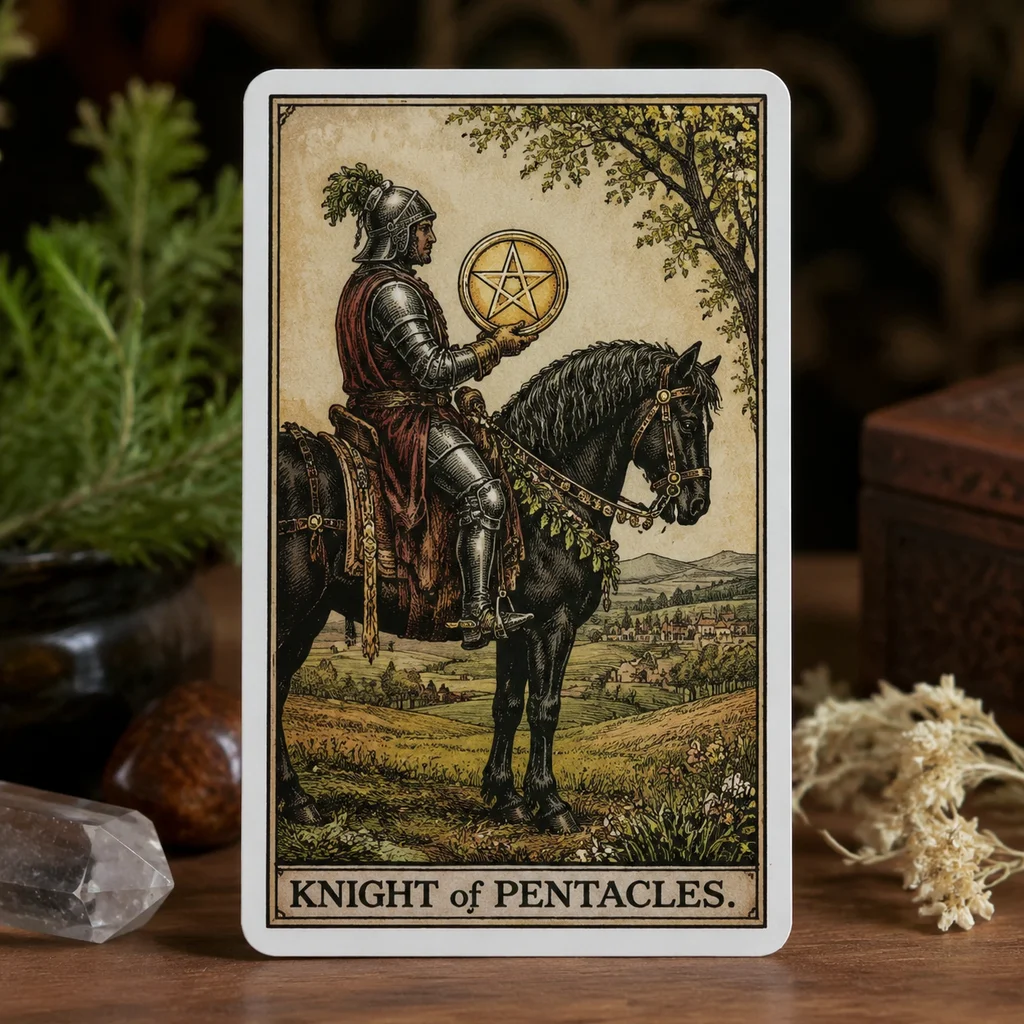
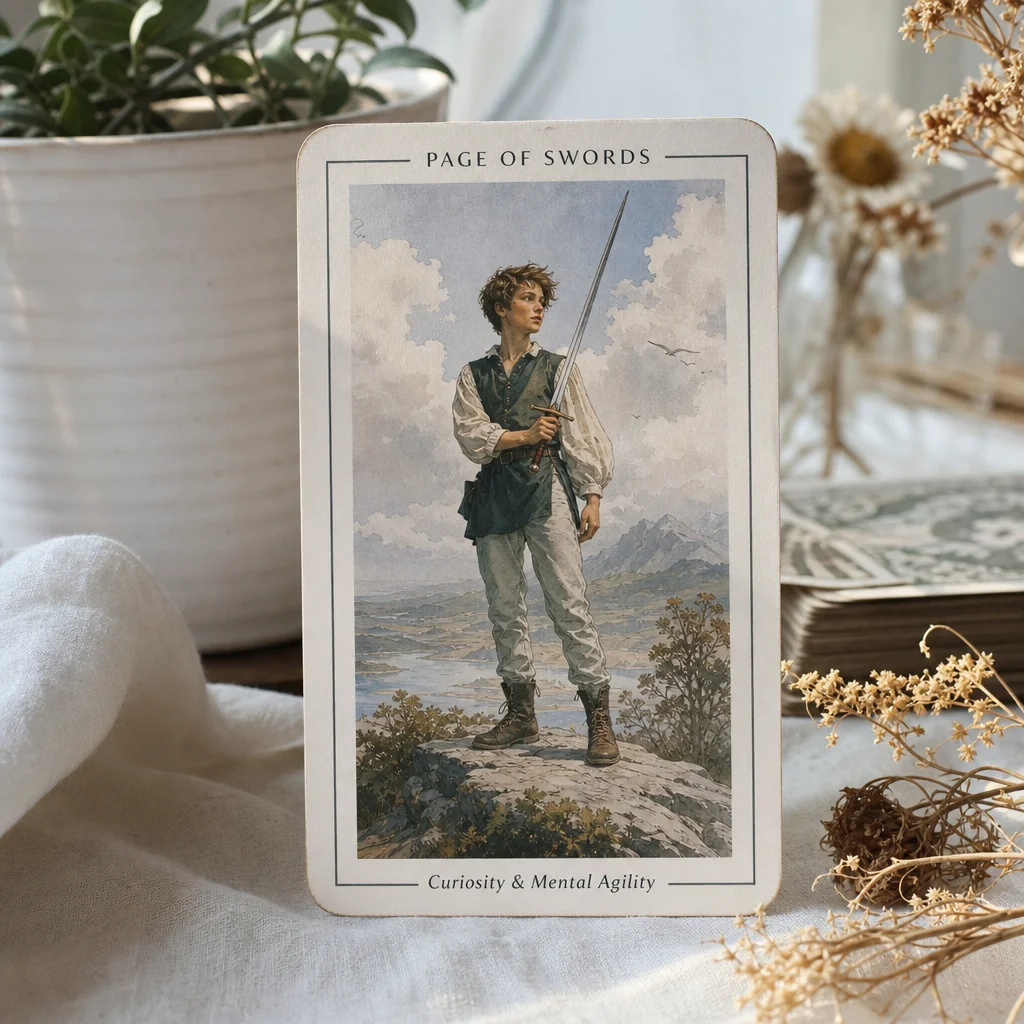
The Page is a beginner — genuine, awkward, still figuring out what emotions even are. The King has done the work — emotional depth that's earned, mature, and sustainable. The Knight is in the middle: skilled enough to be convincing, not mature enough to be trustworthy. Think of it as the difference between someone who's learning to cook (Page), someone who can plate a beautiful meal but can't manage a kitchen (Knight), and someone who actually runs a restaurant (King). The Knight's food might taste amazing in the moment. That doesn't mean the restaurant won't collapse.
The Bottom Line
The Knight of Cups is one of the most misunderstood cards in the tarot deck — not because people read it wrong, but because they read it too simply. "Romance and creativity" is the headline. The actual story is about emotional performance, the gap between charm and substance, and the uncomfortable question of whether the feelings you're experiencing (or projecting) are real.
This card isn't your enemy. It's your bullshit detector. When it shows up, something in your life is asking you to look past the surface of emotional experience and find out what's actually underneath.
Sometimes the answer is beautiful. Sometimes it's uncomfortable. Either way, you deserve to know the difference.
If you're exploring other tools for self-reflection beyond tarot, crystal pendulum dowsing is an interesting practice that works on similar principles — not because the pendulum "knows" anything, but because the act of asking forces you to confront what you already know. And the history of crystal ball gazing is a fascinating look at why humans have always sought external tools for internal clarity.
Frequently Asked Questions
What does the Knight of Cups mean as feelings?
When this card appears for someone's feelings, it usually indicates they are highly attracted to you and feeling deeply romantic. They are likely thinking about you constantly and may want to sweep you off your feet. However, because the Knight is known for his charm, it is wise to pair this energy with grounding crystals like black tourmaline to ensure these intense emotions are genuine and built to last.
Comments