Jade Mala: Emperor's Stone 108 Beads
June 10, 2026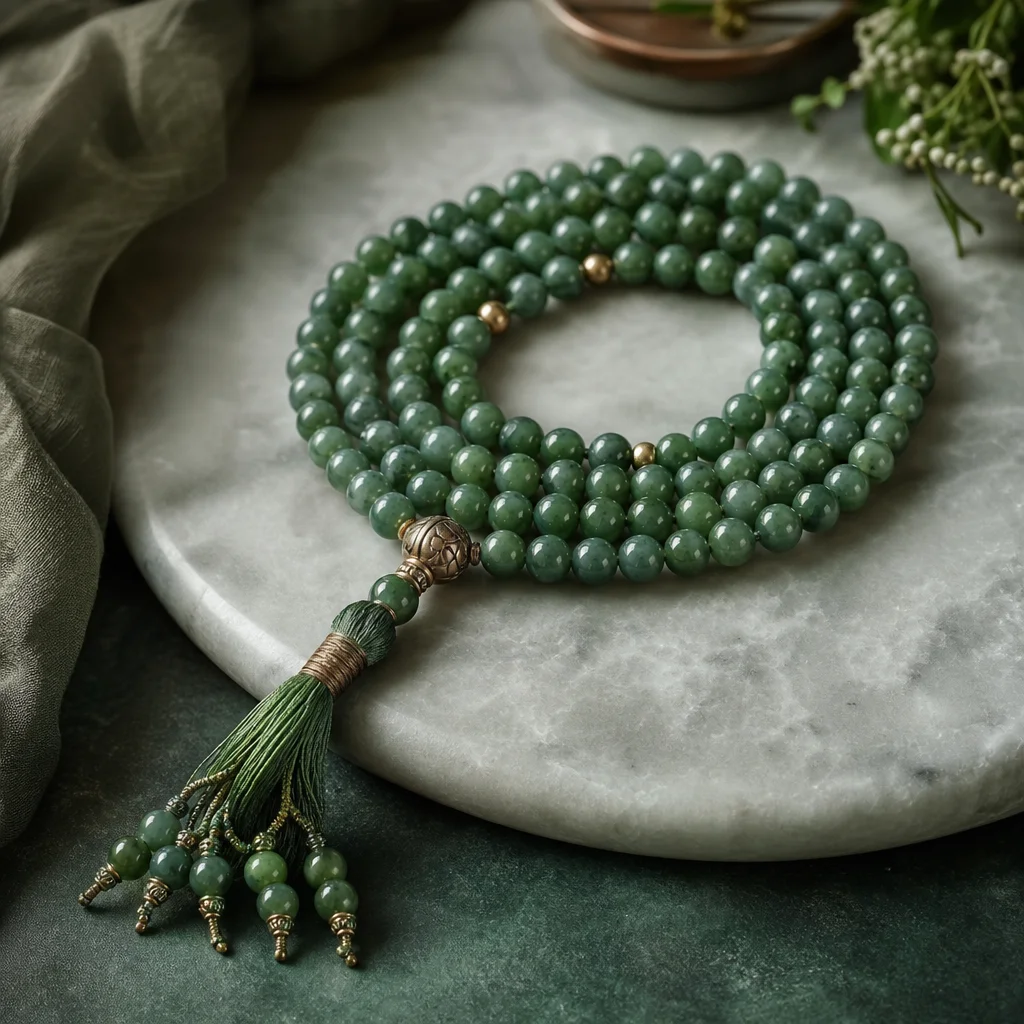
What is Jade Mala?
Jade Mala, also known as the Emperor's Stone, is a revered gemstone that has captivated the hearts and minds of many for centuries. Its chemical formula is primarily composed of silicon dioxide (SiO2), with trace elements of aluminum, magnesium, and iron contributing to its unique properties. This gemstone belongs to the trigonal crystal system, which is characterized by its three-sided symmetry. Jade forms deep within the Earth's crust through the hydrothermal process, where water and minerals interact at high temperatures and pressures. The specific gravity of Jade Mala ranges from 2.66 to 2.98, which makes it quite dense and durable. Its hardness, measured on the Mohs scale, is between 6.5 and 7, indicating that it is quite resilient and resistant to scratches. The hardness is a sign of its durability, which has made it a popular choice for jewelry and ornamental purposes over the centuries. On a personal note, I once had the opportunity to visit a jade mine in Myanmar. The mine was a vast expanse of earth, with workers meticulously挖掘ing through the soil in search of jadeite. The sight of these precious stones emerging from the ground was truly awe-inspiring, and it reinforced my appreciation for the natural beauty and rarity of Jade Mala.Where Does It Come From?
Jade Mala is sourced from various regions around the world, with the most notable mining locations being Myanmar (Burma), China, and Guatemala. In Myanmar, the Kachin State is a prime jade mining area, with the Hpakant region being particularly famous for its high-quality jade deposits. The geological conditions in these regions are conducive to the formation of jade, with a combination of high-pressure, high-temperature environments and the presence of specific minerals. In China, the region of Xinjiang is renowned for its jade production, with the city of Hotan being a significant source. The geological conditions here are similar to those in Myanmar, with a rich mineral composition that contributes to the formation of high-quality jade. The jade mines in Guatemala, particularly in the departments of Alta Verapaz and Petén, are also known for producing some of the finest jade in the world. The mines in this region are characterized by their unique geological formations, which contribute to the unique color and quality of the jade found here.History and Cultural Significance
Jade Mala has a rich history and cultural significance, dating back thousands of years. In ancient China, jade was considered the "imperial gem" and was associated with the emperor's divine right to rule. It was believed to possess powerful healing properties and was used in rituals and ceremonies to ensure the well-being of the ruler and the kingdom. In Chinese folklore, jade is often associated with immortality and purity. The ancient Chinese believed that jade could ward off evil spirits and bring good fortune. The etymology of the word "jade" is believed to come from the Spanish word "piedra de ijada," which translates to "stone of the side," referring to the belief that jade could cure kidney ailments. Different cultures around the world have also held jade in high regard. The Mesoamerican civilization of the Maya and the Aztecs in Central America revered jade as a sacred stone, using it in rituals, ceremonies, and as offerings to their gods. Jade was also a highly valued material in ancient Egypt, where it was used in jewelry and as a symbol of power and status.Color Varieties and Quality
Jade Mala comes in a variety of colors, with the most common being white, green, and black. The color of jade is determined by the presence of trace elements such as iron, chromium, and nickel. White jade, known as "mutton fat," is prized for its creamy white color, while green jade, known as "emperor jade," is highly sought after for its rich, emerald hue. The quality of Jade Mala is determined by several factors, including color, clarity, luster, and transparency. A high-quality jade should have a uniform color, minimal inclusions, a vibrant luster, and a degree of transparency. The price of jade can vary significantly based on these factors, with the most highly prized pieces commanding prices in the millions of dollars. On a personal observation, I once visited a jade market in Beijing, where I saw a variety of jade pieces, from simple beads to intricate carvings. The quality and color variations were astonishing, and it was fascinating to see how the same material could be transformed into such diverse and beautiful objects.Physical Properties in Detail
Jade Mala has several physical properties that distinguish it from other gemstones. Its hardness, as mentioned earlier, is between 6.5 and 7 on the Mohs scale, making it quite durable. It exhibits perfect cleavage in three directions, which means it can be easily split along these planes. The luster of jade is typically described as vitreous to greasy, depending on the type of jade. Jadeite, the most valuable variety of jade, has a greasy luster, while nephrite jade has a vitreous luster. Jade is generally opaque, but some varieties, such as "windowsill jade," exhibit a degree of transparency. Special optical effects can also be observed in jade, such as chatoyancy, which is the phenomenon of a line or band of light that can be seen within the stone. This effect is particularly prominent in some types of jade and adds to its visual appeal.How to Identify Genuine vs Fake
Identifying genuine Jade Mala from fake or imitation stones can be challenging, especially for those without expertise. One of the most reliable tests is the scratch test, where a hard object is used to scratch the surface of the stone. Genuine jade will not be scratched by a steel nail, while fake jade may be easily damaged. Another test is the sound test, where the stone is struck with a hard object, and the sound produced should be clear and resonant. Fake jade often produces a dull, muted sound. Additionally, the weight of the stone can be a clue, as genuine jade is relatively heavy for its size. Fakes often look similar to genuine jade, but there are subtle differences. For example, fake jade may have a cloudy or milky appearance, while genuine jade has a more transparent and vibrant look. Market tricks, such as dyeing or treating the stone to enhance its color, can also be a red flag.How to Use and Display
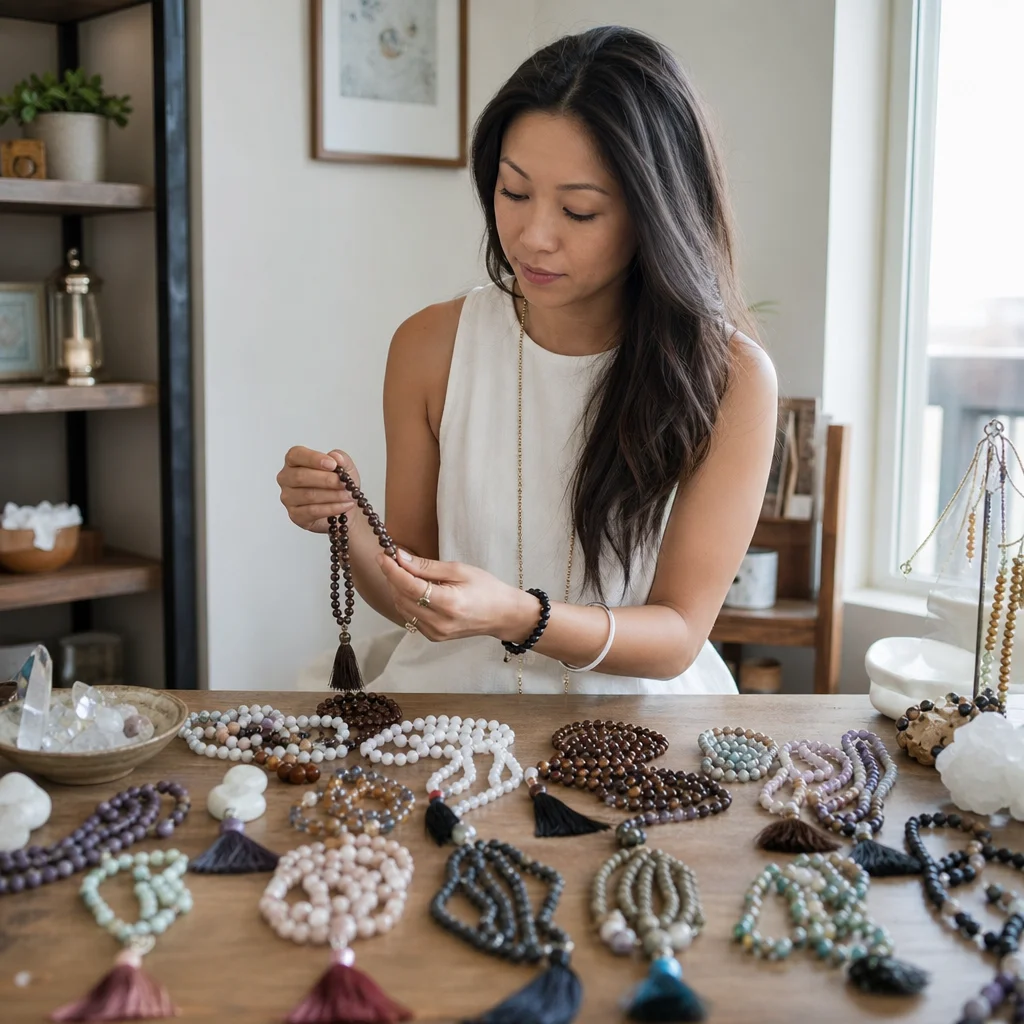
Jade Mala can be used in a variety of ways, from jewelry to home decor and meditation. As a piece of jewelry, it can be worn as a necklace, bracelet, or ring. The beads are often strung on a silk cord and can be adorned with additional charms or pendants. In home decor, jade can be used as a decorative object or as part of a Feng Shui arrangement. A single jade piece can serve as a centerpiece on a coffee table or a shelf, while a collection of jade pieces can be displayed in a jade cabinet or on a jade stand. For meditation, jade is believed to promote calmness and inner peace. It can be held in the hand during meditation or placed on the body to connect with its healing properties. Personal anecdotes from friends and colleagues suggest that wearing jade during meditation can enhance focus and mindfulness.Care and Maintenance
Caring for Jade Mala is essential to maintain its beauty and luster. Regular cleaning is recommended to remove dirt and oils that can accumulate on the surface. A soft, damp cloth can be used to wipe the beads, ensuring that no harsh chemicals or abrasive materials are used. It is important to avoid exposing jade to extreme temperatures or sudden changes in temperature, as this can cause cracking or other damage. Also, it is best to remove jade jewelry when engaging in activities that may expose it to chemicals or extreme conditions. Storing jade properly is also crucial. It should be kept in a cool, dry place away from direct sunlight. A padded jewelry box or a soft cloth can be used to protect the stone from scratches and dust. Recharging jade is another practice that some believe enhances its energy. This can be done by placing the stone under moonlight or sunlight for a few hours, or by burying it in the ground for a short period. In conclusion, Jade Mala is a gemstone that has captivated the world for centuries with its beauty, rarity, and cultural significance. Whether worn as jewelry, used in meditation, or displayed as a decorative object, jade holds a special place in the hearts of many. By understanding its origin, properties, and proper care, one can fully appreciate and cherish this timeless gemstone.Jade Mala: Emperor's Stone 108 Beads vs Similar Stones
When it comes to selecting the perfect mala for meditation or spiritual practices, understanding the differences between various stones is crucial. Let's compare the Jade Mala, known as the Emperor's Stone, with three similar stones: Jadeite, Nephrite, and Lapis Lazuli.
-
Color
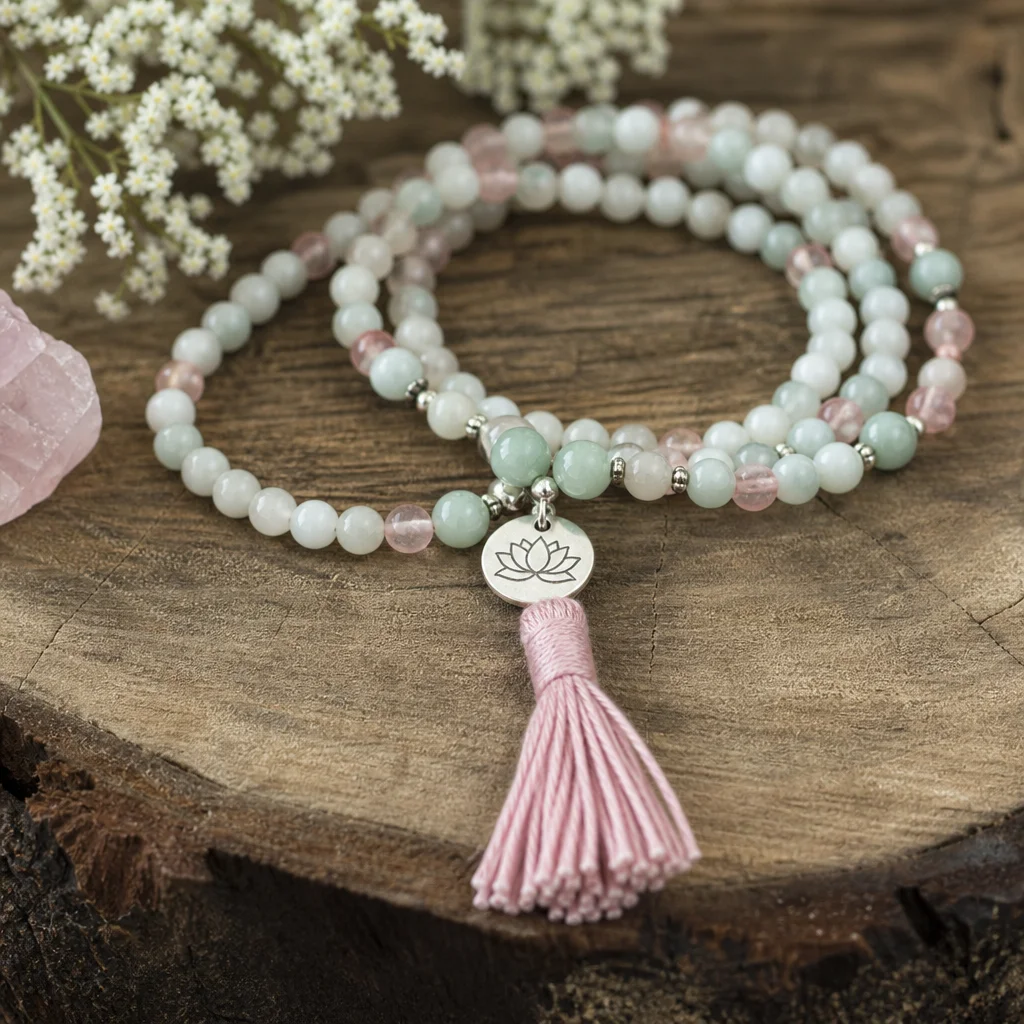
Jade Mala: The Emperor's Stone typically features a rich, emerald green color.
Jadeite: Known for its vibrant green hues, often with a slightly translucent appearance.
Nephrite: Generally has a more muted, creamy green color and can sometimes be found in shades of white or brown.
Lapis Lazuli: Characterized by its deep blue color with golden pyrite inclusions.
-
Hardness
Jade Mala: The hardness of Jade varies, but it is generally between 6.5 and 7 on the Mohs scale.
Jadeite: Hardness ranges from 6.5 to 7, making it durable and resistant to scratches.
Nephrite: Hardness ranges from 6 to 6.5, slightly softer than Jadeite but still durable.
Lapis Lazuli: Hardness is around 5.5 to 6, making it more susceptible to scratches and damage.
-
Price
Jade Mala: Prices can vary widely depending on quality and origin, but they are generally considered to be on the higher end.
Jadeite: Prices are typically higher due to its rarity and quality, especially for high-grade pieces.
Nephrite: Generally more affordable than Jadeite, but prices can still be significant for high-quality pieces.
Lapis Lazuli: Prices are moderate, with high-quality pieces being more expensive.
-
Rarity
Jade Mala: The Emperor's Stone is considered rare, especially in high-quality forms.
Jadeite: It is the rarer of the two Jade types, making it more valuable.
Nephrite: More common than Jadeite, but still considered a premium stone.
Lapis Lazuli: While not as rare as Jade, it is still considered a semi-precious stone.
Buying Guide: What to Look For
When purchasing a Jade Mala, there are several factors to consider to ensure you get the best quality and value for your money.
-
Price Ranges
Prices for Jade Malas can vary significantly. Entry-level malas may start at $50, while high-quality, handcrafted pieces can cost upwards of $500 or more.
-
Quality Indicators
- Color: Look for a consistent, vibrant green color in the Jade beads.
- Transparency: High-quality Jadeite may have a slight translucency.
- Texture: Smooth, well-polished beads indicate good craftsmanship.
- Weight: Heavier beads often suggest a higher quality stone.
-
Red Flags
- Extremely low prices: Be wary of deals that seem too good to be true.
- Unnatural colors: Avoid malas with bright, unnatural colors that may indicate dyeing.
- Cracks or chips: Look for any signs of damage or imperfections.
- Lack of information: Be cautious if the seller does not provide details about the stone's origin or quality.
-
Where to Buy
Consider purchasing from reputable jewelers, online marketplaces with good reviews, or directly from artisans. Always verify the seller's reputation and return policy.
Frequently Asked Questions
What is the significance of the number 108 beads in a Jade Mala?
What is the significance of the number 108 beads in a Jade Mala?
The number 108 is considered sacred in many spiritual traditions. It represents the number of times the heart beats in a minute, the number of breaths in a day, and the number of steps taken in a year. It is believed that wearing a mala with 108 beads helps in focusing the mind during meditation and counting mantras.
Can Jade Mala be worn daily?
Can Jade Mala be worn daily?
Yes, Jade Mala can be worn daily. It is believed to bring good luck, protection, and balance. However, it is important to keep it clean and avoid exposing it to extreme temperatures or chemicals.
How should I clean my Jade Mala?
How should I clean my Jade Mala?
Clean your Jade Mala with a soft cloth and lukewarm water. Avoid using harsh chemicals or abrasive materials that can damage the stone. If necessary, you can use a mild soap and water solution, but ensure it is thoroughly rinsed and dried before storing.
Is Jade Mala suitable for everyone?
Is Jade Mala suitable for everyone?
Yes, Jade Mala is suitable for everyone. It is a versatile stone that is believed to bring harmony and balance to the mind, body, and spirit. However, it is always a good idea to consult with a spiritual advisor or healer if you have specific concerns or conditions.
Can I wear a Jade Mala while sleeping?
Can I wear a Jade Mala while sleeping?
It is generally recommended to remove your Jade Mala before sleeping. This allows the stone to rest and prevents any potential damage from movement or pressure while you sleep.
Related Crystals You Might Love
-
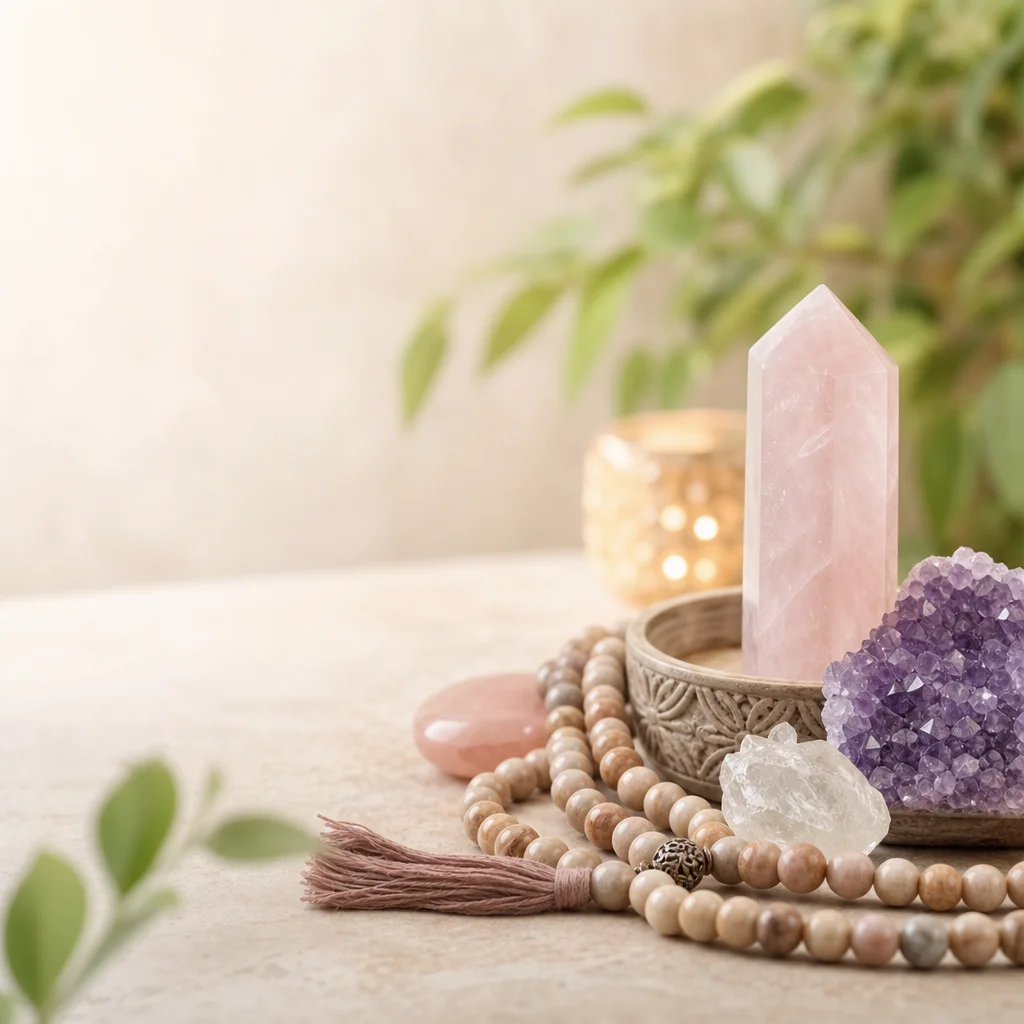
Crystal Name: Rose Quartz
- Crystal Name: Amethyst
- Crystal Name: Citrine
- Crystal Name: Clear Quartz
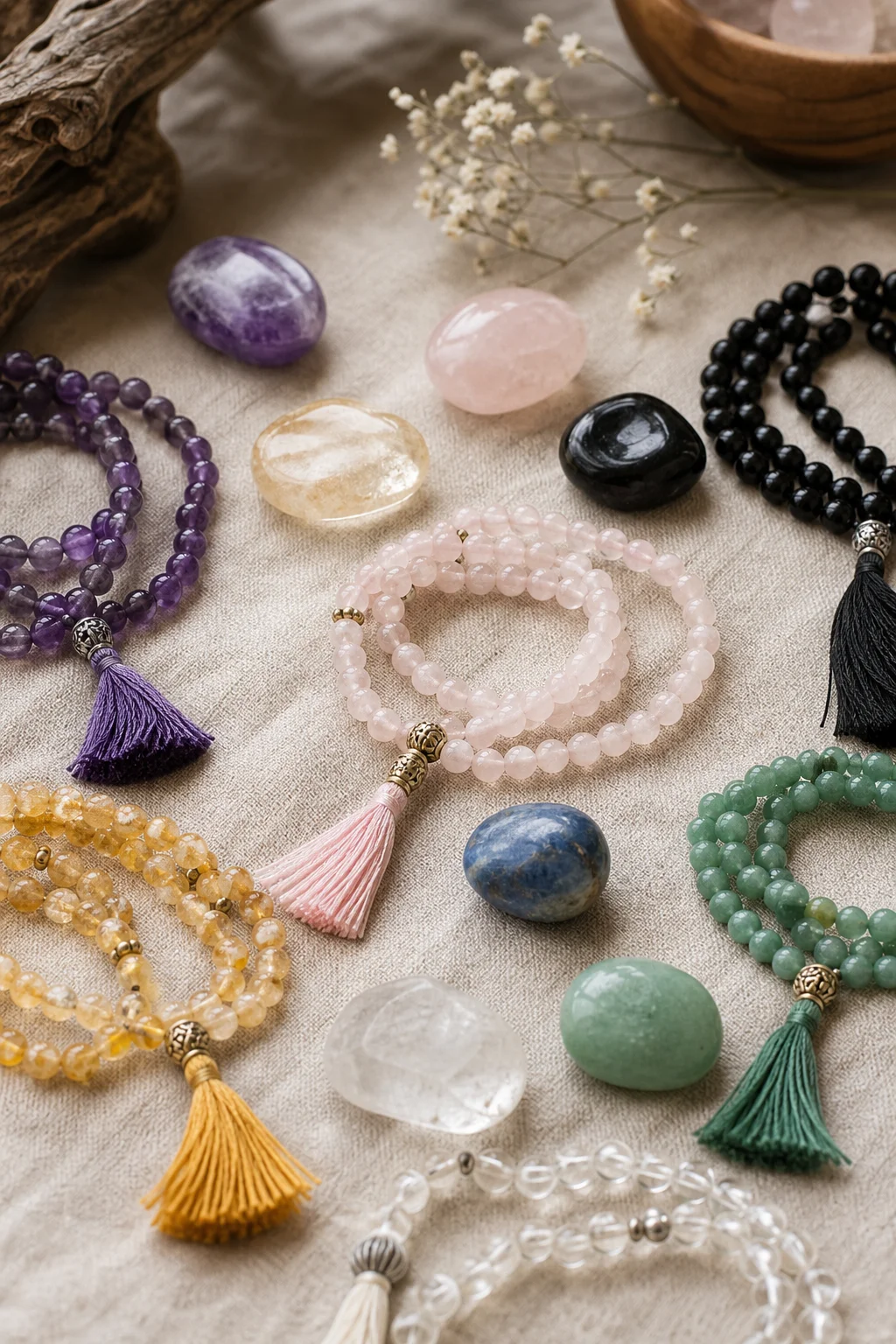
- Rose Quartz: Known as the stone of love and healing, it promotes self-love and emotional balance.
- Amethyst: Associated with spiritual growth and inner peace, it is believed to enhance intuition and creativity.
- Citrine: Known as the "happy stone," it brings joy, abundance, and optimism.
- Clear Quartz: The master healer, it amplifies energy and enhances clarity of thought and intention.
Comments