Top 5 Ways to Clean Selenite Without Water
May 31, 2026
The Uncommon Challenge: Cleaning the Luminous Tower of Selenite
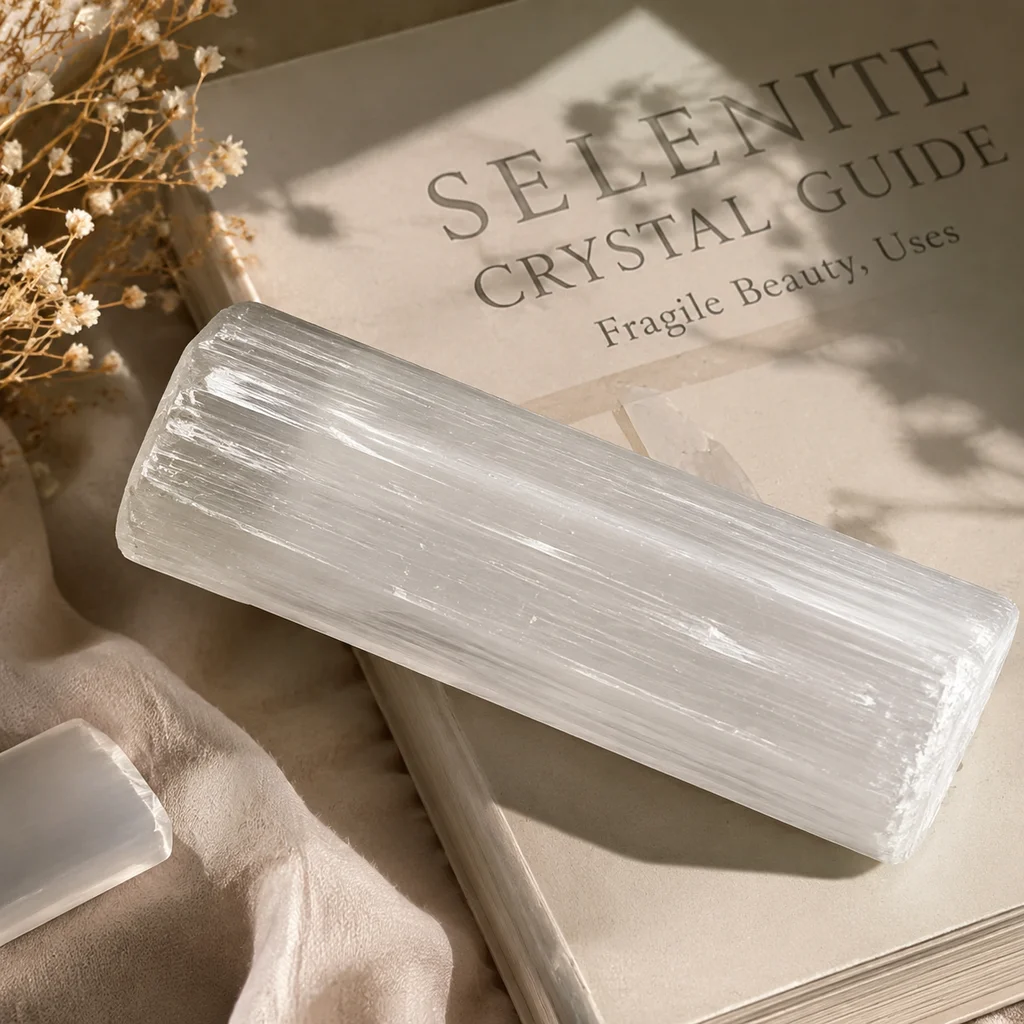
Have you ever gazed upon a majestic selenite tower, its surface reflecting the very light of the universe, only to watch it succumb to the relentless grasp of time and neglect? These breathtaking crystals, with their hydrated calcium sulfate structure (CaSO₄·2H₂O), are as much a testament to natural wonder as they are to the fragility of beauty. Unlike their counterparts that can withstand the passage of time, selenite crystals must be handled with tender care. Their delicate nature necessitates a unique approach to cleaning that not only preserves their pristine glow but also honors the intricate craftsmanship of nature's masterpieces.Water: The Great Enemy of Selenite
Selenite crystals, while seemingly immune to the mundane dirt and grime that plague other materials, have a mortal enemy in water. The presence of two water molecules within the chemical formula of selenite (CaSO₄·2H₂O) is not mere happenstance; rather, it is integral to the crystal's structure. This intimate connection between selenite and water sets the stage for a delicate balance that can be easily upset. The mere introduction of water can lead to a chemical process that is analogous to the dissolution of rock salt but with a more leisurely pace, causing the crystal to etch, round, and lose its delicate details with the gentle passage of time. The damage doesn't always manifest as immediate dissolution, but rather as a slow, silent erosion of the selenite's inherent integrity. Within just hours, a selenite tower immersed in water will show signs of its susceptibility. Surface etching and rounding are the first symptoms, and within a mere 24 hours, fine details such as striations and ridges begin to soften, hinting at the inevitable crumbling of the crystal that may follow in days or weeks. High humidity environments, common in spaces like bathrooms, kitchens, and greenhouses, exacerbate the problem, leading to a "sweating" of the crystal's surface and a resultant damp, cloudy appearance that sullies the crystal's luster. Even in the absence of full immersion, humidity can be the silent thief, gradually absorbing atmospheric moisture into the crystal's very structure. This can lead to a degradation of the selenite's surface polish, an indicator of a far more serious transformation. It's a haunting reality that the most powerful force in cleaning—water—can be the most damaging agent when dealing with selenite.The Soft Touch of Selenite
Given its Mohs hardness of 2, selenite is akin to glass in terms of its fragility. A scratch from a fingernail is not only possible but almost inevitable, which underscores the critical need to approach cleaning with methods that minimize friction. Any interaction with an abrasive surface can lead to permanent, visible marks that spoil the crystal's innate grace. From the gentle swipe of a cloth to the vigorous scrubbing with brushes, each action demands consideration, for what is at stake is not just a surface, but a window into the cosmos. This is where the art of cleaning selenite crystals diverges from the routine maintenance of more resilient materials. The answer to maintaining selenite's beauty lies not in the forceful confrontation of impurities, but in a respectful and precise dialogue with the mineral itself. It requires understanding the causes of contamination, recognizing the vulnerabilities of the crystal, and adopting cleaning methods that are both gentle and effective. As we delve deeper into the nuances of selenite's care, it becomes clear that preserving the crystal's majesty is a journey of patience and knowledge. Each crystal, a testament to the infinite intricacies of nature, demands a treatment as delicate as the light it reflects, as we strive to uphold the sanctity of its splendor.The Soft Touch of Selenite
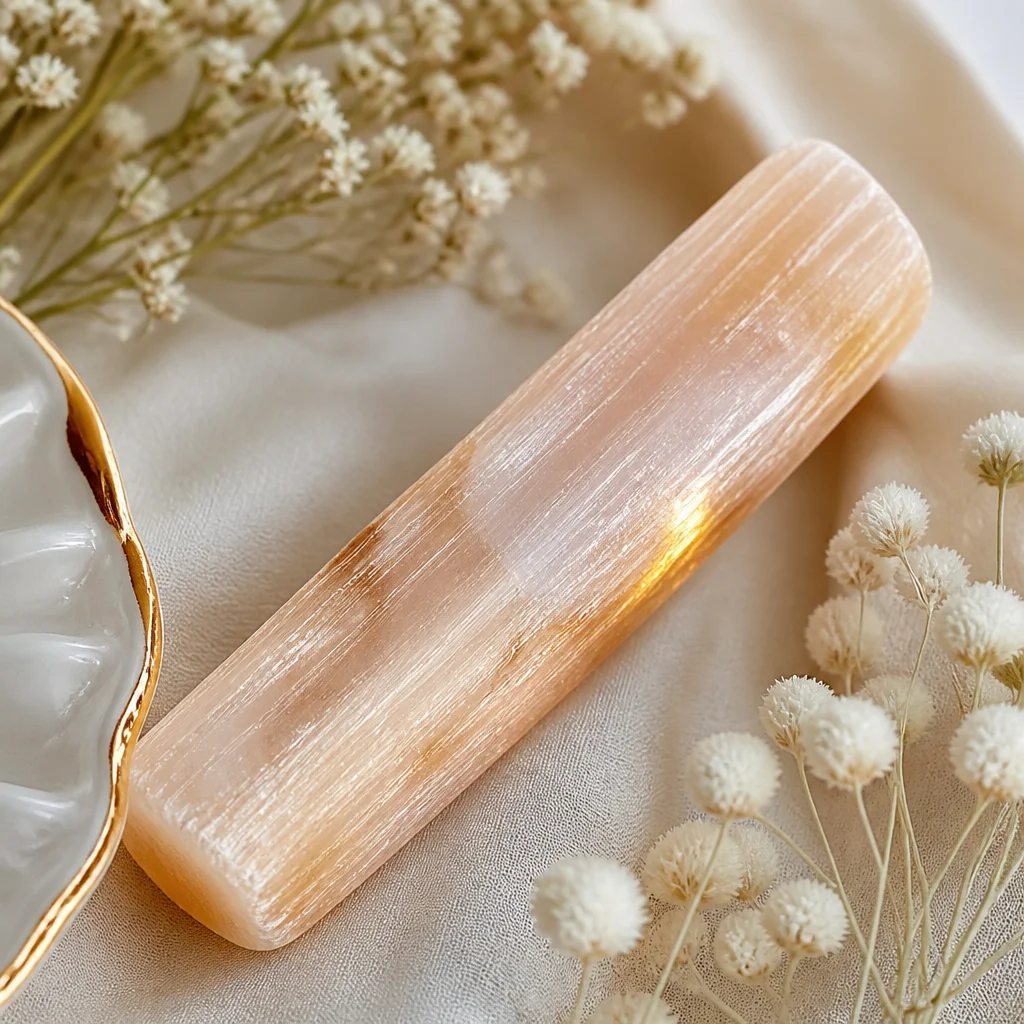
Selenite is not only one of the most delicate minerals but also one of the most popular for its ethereal beauty. Its translucent, glass-like appearance can range from clear to white, with inclusions that can make it look like the moonlit sky. This delicate nature makes selenite more prone to damage from cleaning than many other crystals, including its hardness ranking of 2, which is just one step above talc and well below quartz, which has a hardness of 7. This means that any forceful cleaning method can leave permanent marks on selenite, so a gentle approach is paramount.
When examining a selenite crystal, it's easy to notice its intricate etchings and striations. These natural features not only add to the crystal's appeal but also provide a guide to the best cleaning methods. For example, a crystal with a large, flat surface area will respond well to a wiping technique, while a smaller, more intricate piece might require a light dusting or a careful use of compressed air.
Optimal Cleaning Tools and Techniques
Given selenite's delicacy, the right tools and techniques are essential. Here's a breakdown of the best practices:
| Tool | Use |
|---|---|
| Microfiber Cloth | For dusting and light cleaning on larger pieces. Use a soft, static-free cloth to avoid scratching. |
| Compressed Air | Use to blow away dust without any contact. This is ideal for intricate pieces that might be difficult to dust with a cloth. |
| Soft Brushes | Use for more stubborn dust or for cleaning the grooves of a selenite piece. Opt for natural bristles or soft synthetic fibers. |
| Microfiber Wipes | For wiping away finger oils on larger pieces. Choose a wipe that is designed for cleaning electronics or fine surfaces to avoid leaving lint. |
When cleaning, always start from the top and work your way down. This ensures that dust and debris are moved in one direction and do not redeposit on the crystal as you work. For larger selenite pieces, consider using a soft bristle brush or a microfiber cloth dampened with a very small amount of distilled water to gently wipe away any oils or grime. Never use tap water, as it may contain minerals that can leave stains on the crystal's surface.
Step-by-Step Selenite Cleaning Instructions
Follow these steps to clean your selenite crystals effectively:
- Begin by examining the crystal for any loose pieces or damage. If you notice any areas that are chipped or cracked, it's best to leave those alone to prevent further damage.
- Use a microfiber cloth to gently wipe away any loose dust from the surface of the crystal.
- For larger pieces, use compressed air to blow away any dust that may be in crevices or hard-to-reach areas.
- For crystals with visible oils or grime, dampen a microfiber wipe with a small amount of distilled water and gently wipe the surface, focusing on areas with oil or grime.
- After cleaning, use a dry microfiber cloth to dry the crystal thoroughly, ensuring no water remains on the surface.
- Let the crystal air dry completely before handling or displaying it.
By following these steps, you can maintain the beauty and integrity of your selenite crystals without the risk of damaging them. Remember, patience is key when cleaning selenite. It's better to spend a few extra minutes ensuring you use the right technique than to risk scratching or otherwise damaging the crystal.
Preventing Future Contamination
Once you've cleaned your selenite crystals, it's important to take steps to prevent future contamination. Here are some tips:
- Storage: Store selenite in a cool, dry place away from direct sunlight and high humidity. A crystal cabinet or a soft cloth-lined box can provide a safe and dust-free environment.
- Careful Handling: Always handle selenite with clean hands to prevent the transfer of oils. If you need to use gloves, opt for those made from a non-slip material to avoid scratching the crystal.
- Air Circulation: Keep your selenite away from sources of humidity, such as bathrooms or kitchens. Ensure there is good air circulation in the area where your crystals are displayed.
- Display Considerations: Avoid placing selenite near windows or in direct sunlight, as UV light can cause fading or discoloration.
- Regular Dusting: Regularly dust your selenite crystals to prevent the accumulation of dust and oils that can lead to cloudiness or a lackluster appearance.
By taking these precautions, you can keep your selenite crystals looking their best for years to come. Remember, the key to maintaining selenite's beauty is a gentle touch and a watchful eye for potential contaminants.
Efficient Cleaning Techniques for Selenite Crystals
Selenite crystals, with their unique composition and delicate nature, require a gentle yet effective cleaning process to maintain their beauty and luster. Traditional cleaning methods, such as soaking in water, are detrimental and can cause irreparable damage. Here are some safe and efficient cleaning techniques you can use:
Microfiber Cloth and Compressed Air: Use a microfiber cloth to gently wipe away dust and oils. These cloths are designed to be lint-free and non-abrasive. After cleaning, blow off any remaining dust using a can of compressed air. This method is non-invasive and suitable for regular maintenance.
Isopropyl Alcohol and Soft Cotton Swabs: For a deeper clean, dampen a soft cotton swab with isopropyl alcohol and gently wipe the surface of the crystal. This will help dissolve any oils or sticky residues without damaging the crystal's surface. Be sure to dry the crystal immediately with a soft, lint-free cloth to prevent any moisture from seeping in.
Crystal Cleaning Powders: Some specialty crystal cleaning powders are designed to be safe for use on selenite. Follow the manufacturer's instructions carefully, as some products may require dilution in water or other solvents before application. Once cleaned, always ensure the crystal is thoroughly dried before storage.
UV Light: If your selenite crystals are dull or have a cloudy appearance, UV light can be an effective cleaning agent. Place the crystals in direct sunlight or use a UV light lamp, and let them absorb the light for several hours. The UV light will break down any moisture molecules and restore the crystal's clarity.
Avoid Scrubbing or Brushing: No matter how dirty a selenite crystal might appear, scrubbing or brushing can scratch or etch the surface, leading to permanent damage. Always use soft materials and gentle cleaning methods to preserve the integrity of your selenite.
Storing and Maintaining Selenite Crystals
Cleaning is just one aspect of maintaining the beauty of selenite crystals. Proper storage and care are equally important. Here are some tips to help keep your selenite crystals in pristine condition:
Keep Them Dry: Store your selenite crystals in a cool, dry place. Avoid humid environments like bathrooms, kitchens, or basements, as they can promote the "sweating" effect, causing the crystals to absorb moisture and become cloudy.
Use a Display Case: Consider using a display case to keep your selenite crystals visible and protected. Look for cases made from materials that do not emit moisture, such as acrylic or glass.
Avoid Direct Sunlight: While UV light can be used for cleaning, prolonged exposure to direct sunlight can cause the crystals to fade or become brittle over time. Keep your crystals out of direct sunlight whenever possible.
Regular Inspections: Periodically inspect your selenite crystals for signs of dust, oils, or moisture. Cleaning them promptly can prevent any damage from becoming permanent.
Use of Dry Selenite Cleaning Balls: A more recent innovation in selenite care is the use of dry selenite cleaning balls. These balls are made of fine selenite particles and can be left with your crystals in storage to absorb any ambient oils and impurities over time.
Frequently Asked Questions
Can I clean my selenite crystals with soap and water?
Can I clean my selenite crystals with soap and water?
No, soap and water can be damaging to selenite crystals due to their hydrated nature. The water can cause the crystals to absorb moisture and potentially degrade, while the soap can leave a residue that attracts dust.
How often should I clean my selenite crystals?
How often should I clean my selenite crystals?
It is generally recommended to clean your selenite crystals every few weeks, or as needed when you notice any buildup of dust or oils. Regular maintenance can help preserve the crystals' beauty and prevent any potential damage.
Can I use a toothbrush to clean the nooks and crannies of my selenite crystal?
Can I use a toothbrush to clean the nooks and crannies of my selenite crystal?
No, using a toothbrush or any other brush with bristles can cause scratches or etch the surface of your selenite crystal. Always use soft, non-abrasive materials for cleaning.
What should I do if my selenite crystal gets cloudy?
What should I do if my selenite crystal gets cloudy?
If your selenite crystal has become cloudy, you can use a UV light lamp or place the crystal in direct sunlight to restore its clarity. The UV light will break down any moisture molecules that have caused the cloudiness.
Can I clean my selenite crystal with alcohol?
Can I clean my selenite crystal with alcohol?
Yes, isopropyl alcohol is a safe and effective cleaner for selenite crystals. Use a soft cotton swab to apply a small amount of alcohol to the surface and then wipe away the residue with a microfiber cloth. Always ensure the crystal is dry afterward to prevent moisture damage.
Are selenite crystals fragile?
Are selenite crystals fragile?
Yes, selenite crystals are quite fragile due to their low Mohs hardness. They can be easily scratched or damaged by rough handling or improper cleaning methods. Always handle them with care and use gentle cleaning techniques to maintain their integrity.
Take Action to Preserve Your Selenite Crystals
Your selenite crystals are not just pieces of rock; they are delicate works of art that can bring beauty and positive energy into your life. By following the tips and techniques outlined in this article, you can ensure that your crystals remain in pristine condition for years to come. Remember to clean them regularly, store them properly, and avoid any cleaning methods that could cause damage. With a little care and attention, your selenite crystals will continue to shine brightly, serving as a testament to the natural world's intricate beauty.


Comments