Hessonite Garnet: The Cinnamon Stone Complete ..
June 2, 2026
What Makes Hessonite Different from Other Garnets?
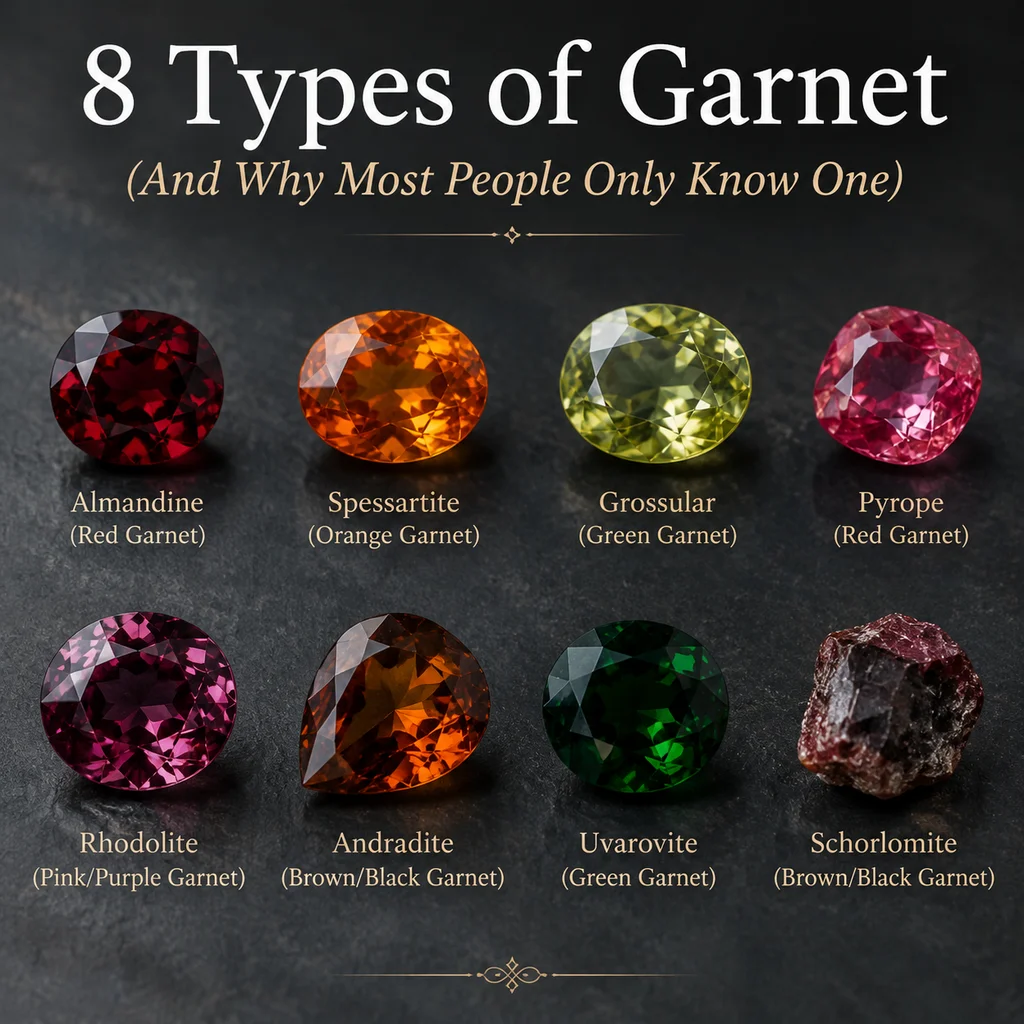
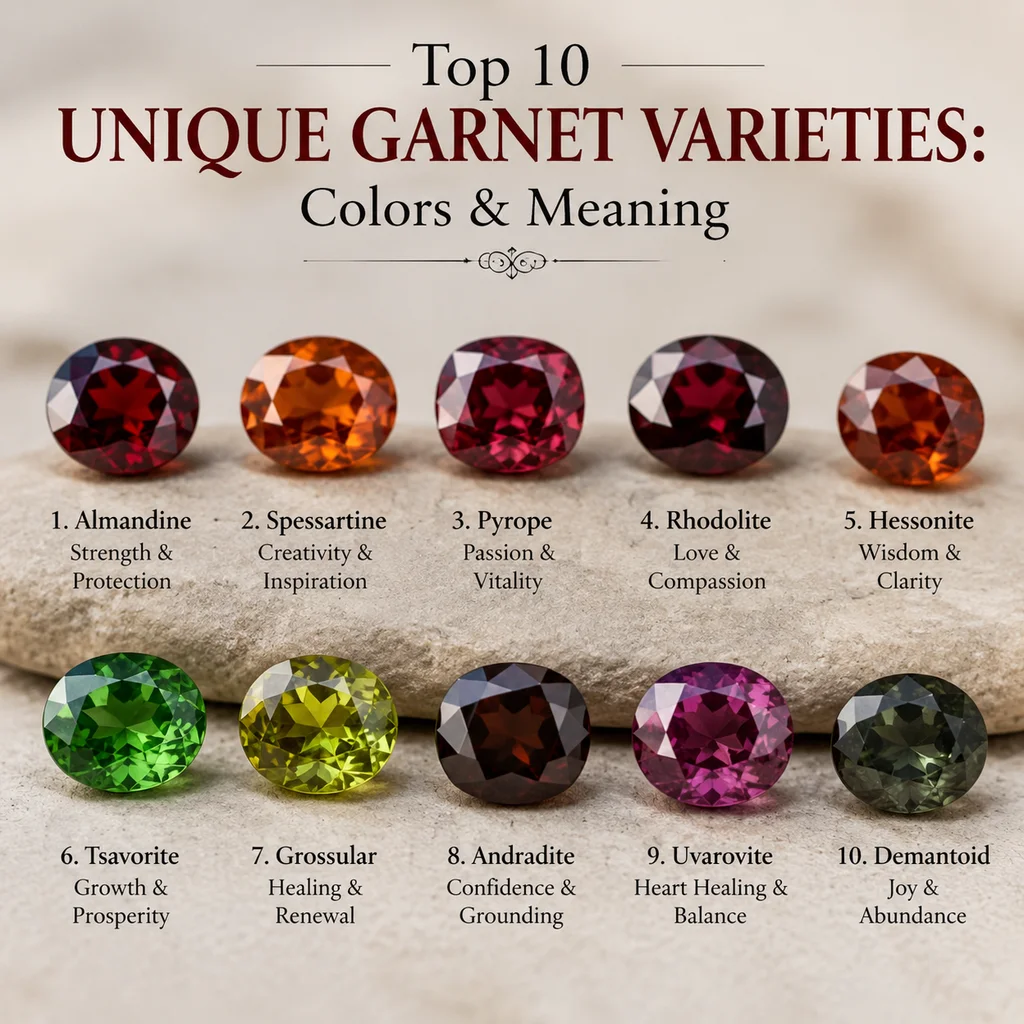
When most people hear "garnet," they picture deep red stones — the almandine and pyrope varieties common in jewelry. Hessonite is a completely different animal. It's a calcium-aluminum garnet (grossular variety) that ranges from warm golden honey to deep cinnamon brown, with occasional orange and reddish tones mixed in.
The key chemical difference matters: almandine is iron-aluminum silicate and pyrope is magnesium-aluminum silicate, but hessonite is calcium-aluminum silicate. This calcium base gives it different optical properties, different formation conditions, and ultimately a completely different look from the red garnets most people know.
Hessonite has been prized in South Asian jewelry traditions for centuries, particularly in Vedic astrology where it's associated with the shadow planet Rahu. In Western markets, it's been overshadowed by its flashier cousins, which is a shame — hessonite has a warmth and character that sets it apart from almost any other gemstone.
The Cinnamon Stone: Color and Appearance
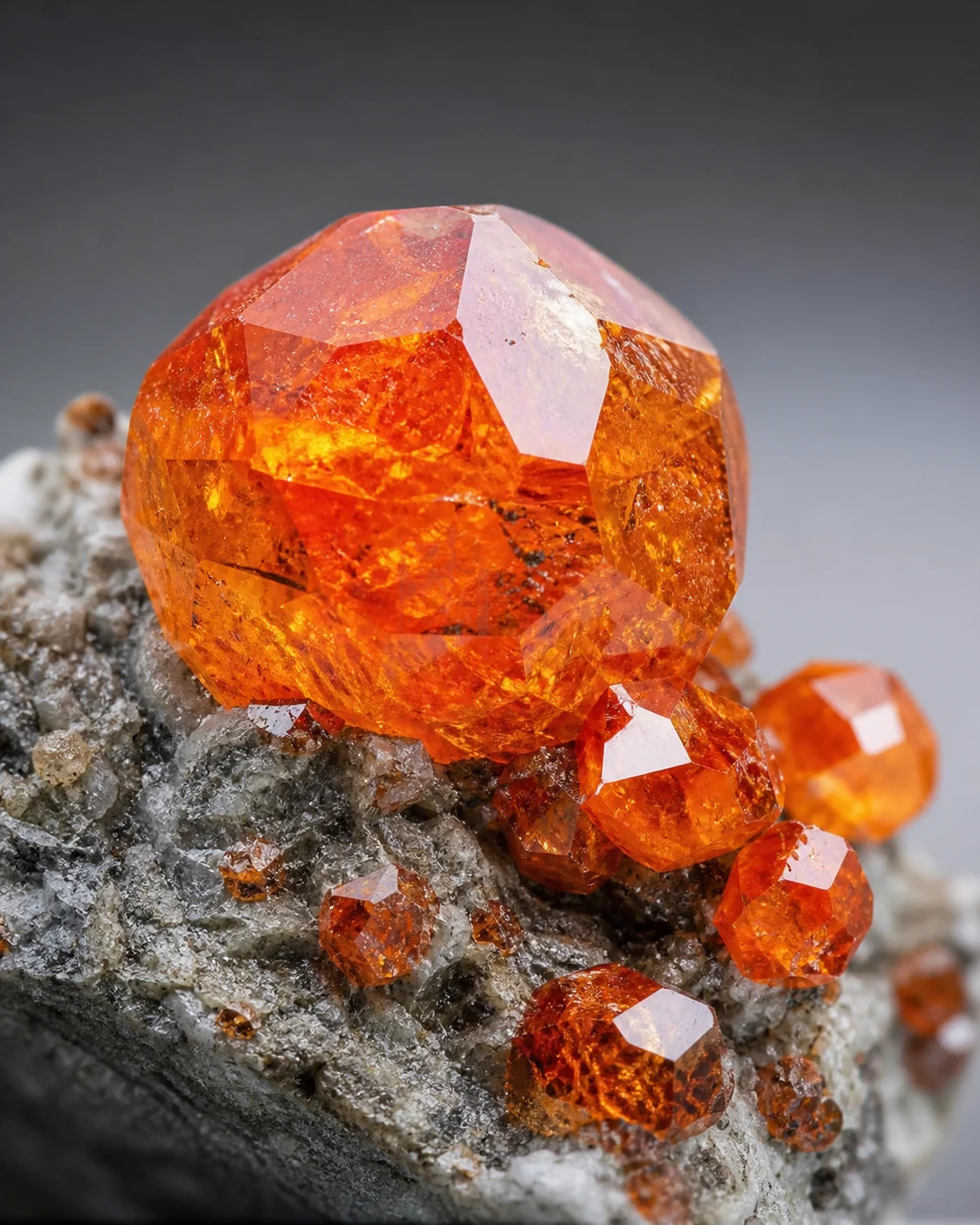
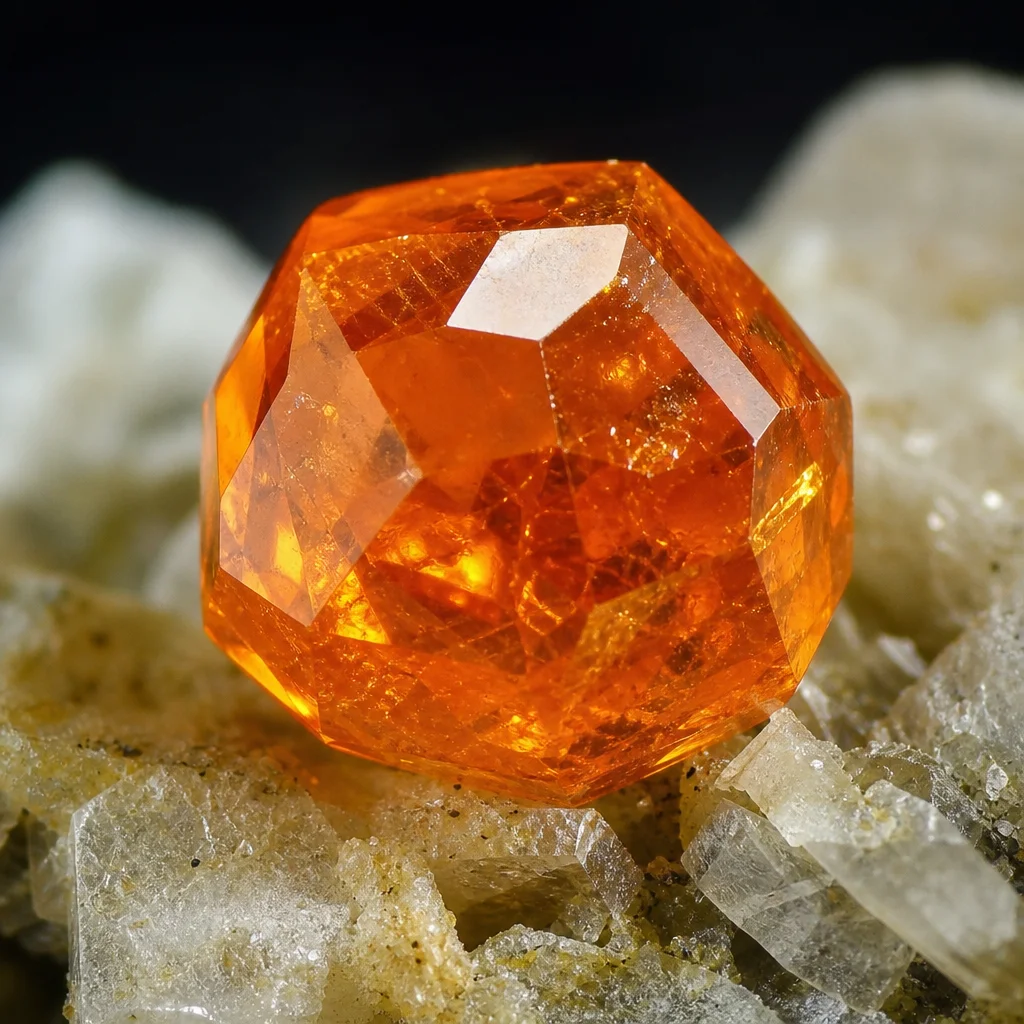
Hessonite's color range is one of its most appealing features. The best specimens display a rich, warm cinnamon or amber tone that seems to glow from within. Lower-quality material tends toward pale yellow-brown or muddy brown, lacking the warmth that makes fine hessonite special.
The most sought-after colors fall into a few categories:
- Cinnamon brown: The classic hessonite color — warm, rich, and reminiscent of the spice it's named after
- Honey gold: Golden yellow-orange tones, especially popular in Indian markets
- Deep amber: Darker, more saturated brown-orange, approaching root beer in color
- Orange-brown: A bright, lively mix that catches attention in jewelry
One of hessonite's most distinctive visual features isn't its color but its internal structure. High-quality specimens display a characteristic "tremolite dispersion" or "roiled" internal texture — a swirly, slightly oily-looking pattern visible under magnification. Gemologists call this a "turbid" or "swirling" appearance. This internal texture is actually one of the key identification features that separates genuine hessonite from other brown-orange gemstones like citrine or zircon.
Geological Origins and Formation
Hessonite forms in metamorphic rocks, particularly in contact metamorphic zones where limestone or other calcium-rich rocks are heated by nearby magma intrusions. The high temperatures (400–700°C) cause calcium and aluminum in the parent rock to combine with silica, forming grossular garnet. Trace amounts of iron and manganese provide the characteristic warm colors.
The most famous hessonite deposits include:
Sri Lanka (Ceylon): Historically the premier source of fine hessonite. Sri Lankan material is known for excellent clarity, warm cinnamon color, and the classic swirly internal texture. Mining occurs in alluvial gravel deposits where the gems have been naturally concentrated by rivers over millions of years.
India: Both a major source and the largest market. Orissa, Rajasthan, and Tamil Nadu produce commercial-grade material. Indian hessonite tends to be slightly darker and more included than Sri Lankan stones, but excellent pieces do emerge.
Brazil: Produces lighter, more golden hessonite that's popular with Western buyers who prefer brighter, less saturated colors.
East Africa (Tanzania, Kenya): A growing source of good-quality material, often with slightly different color characteristics — more orange tones compared to the classic cinnamon brown.
Canada (Quebec): The Jeffrey Mine area has produced some collector-quality grossular garnet including hessonite, though quantity is limited.
Physical Properties Reference
- Chemical formula: Ca3Al2(SiO4)3 (with Fe and Mn substituting for some Al)
- Crystal system: Cubic (isometric)
- Hardness: 6.5–7.5 on the Mohs scale
- Specific gravity: 3.5–3.7
- Refractive index: 1.742–1.748
- Luster: Vitreous
- Cleavage: None (garnets have no cleavage, they fracture)
- Fracture: Conchoidal to uneven
The hardness range of 6.5–7.5 makes hessonite reasonably durable for jewelry. It's harder than tanzanite (6–6.5) and opal (5.5–6.5) but softer than sapphire (9) or topaz (8). For everyday wear in rings, hessonite works but will show scratches over years of hard use. Pendants, earrings, and occasional-wear rings are better choices.
The lack of cleavage is actually an advantage — unlike many gemstones, hessonite won't split along a weak plane if hit at the wrong angle. It fractures like glass, which is generally easier to deal with in jewelry settings.
How to Identify Genuine Hessonite
Several gemstones can look similar to hessonite, so knowing the distinguishing features matters:
Internal swirl texture: This is the single most diagnostic feature. Under 10x magnification, genuine hessonite shows a wavy, slightly hazy internal pattern — almost like heat shimmer frozen in stone. This is caused by a property called "tremolite dispersion" where slight variations in the crystal's refractive index create visible internal turbulence.
Specific gravity test: Hessonite's density (3.5–3.7) is notably higher than citrine (2.65) and similar-colored topaz (3.5, but topaz has perfect cleavage). If you have access to heavy liquids, hessonite sinks in 3.05 density liquid, while citrine floats.
Refractive index: At 1.742–1.748, hessonite has a clearly higher RI than citrine (1.544–1.553). A gemological refractometer easily separates them.
No pleochroism: Like all cubic gems, hessonite is singly refractive and shows no pleochroism. Brown tourmaline (dravite) shows distinct pleochroism when viewed from different angles.
Under UV light: Hessonite is generally inert to UV — no fluorescence. This helps distinguish it from some synthetic stones or treated materials that might show unusual fluorescence responses.
Hessonite in Jewelry Design
Hessonite works beautifully in warm-toned jewelry designs. Its honey-cinnamon color pairs naturally with yellow gold and rose gold settings. The warm palette also coordinates well with earthy gemstones like amber, pietersite, and tiger's eye, as well as cooler contrasts against green peridot or blue topaz.
Popular cutting styles include cushion cuts (which maximize the warm color saturation), oval cuts, and emerald cuts that show off the internal texture. Cabochons are less common but can display the swirling internal pattern to dramatic effect, especially in larger pieces.
For crystal jewelry makers working with wire wrapping, hessonite is a solid choice. Its hardness means it won't easily scratch during setting, and the warm color adds a distinctive touch that's different from the more commonly used clear quartz, amethyst, or citrine. Larger hessonite stones (above 5 carats) have especially rich color and work well as pendant centerpieces.
Hessonite vs. Other Brown-Orange Gemstones
If you're considering a warm-toned gemstone and deciding between options, here's how hessonite stacks up:
Hessonite vs. Citrine: Citrine is yellow-gold and transparent (quartz), while hessonite is brown-orange with internal texture. Hessonite is harder, denser, and has more depth of color. Citrine is more common and less expensive.
Hessonite vs. Imperial Topaz: Imperial topaz can show similar warm orange tones, but it's harder (Mohs 8), has distinct pleochroism, and is significantly more expensive for comparable quality. Topaz also has perfect basal cleavage — a consideration for durability.
Hessonite vs. Fire Opal: Fire opal shows warm orange-red body color with play-of-color, while hessonite is a solid warm brown-orange without any iridescence. Fire opal is much softer (Mohs 5.5–6.5) and more fragile. Different aesthetics for different tastes.
Hessonite vs. Smoky Citrine: Smoky citrine (heated amethyst) can approach hessonite's color but lacks the internal swirl texture. It's also lighter in weight and less expensive.
Cultural Significance: The Vedic Astrology Connection
In Vedic astrology (Jyotish), hessonite is associated with Rahu — one of the lunar nodes, considered a shadow planet. People who believe in Jyotish prescribe hessonite for those experiencing difficult Rahu periods in their astrological chart, particularly during Rahu Mahadasha or Rahu Antardasha.
Traditional guidelines for wearing hessonite in Jyotish practice suggest setting the stone in a silver ring and wearing it on the middle finger of the right hand, ideally on a Saturday evening. The stone should ideally touch the skin. Weight recommendations range from 3 to 6 carats depending on the individual's astrological chart.
It's worth noting that these traditions come from cultural and spiritual belief systems, not from scientific evidence. Whether or not Vedic astrology resonates with you, the cultural significance has driven hessonite's market demand in South Asia for centuries and continues to influence pricing and availability today.
Buying Tips and Pricing
Color is king: In hessonite, the most valuable color is a rich, warm cinnamon-to-honey tone with good saturation and minimal brown muddiness. Pale yellowish material is common and inexpensive.
Clarity expectations: Unlike diamonds, hessonite is commonly included. Light inclusions that don't affect the overall appearance are acceptable and expected. The internal swirl texture is actually desirable. Avoid stones with large dark inclusions, cracks, or cloudy patches that reduce transparency.
Size matters more: Hessonite tends to look better in larger sizes (above 3 carats) where the color has more depth. Small stones can appear washed out or too pale. If you're buying for a pendant, aim for 5+ carats for best visual impact.
Cut quality: A well-cut hessonite should display even color with no windowing (transparent areas visible through the table facet). Good symmetry and polish add value.
Price range: Commercial-grade hessonite cabochons cost $3–15 per carat. Faceted stones in the 2–5 carat range run $20–80 per carat for good color and clarity. Exceptional Sri Lankan material over 5 carats with fine cinnamon color can reach $150–400 per carat.
Frequently Asked Questions
Is hessonite the same as grossular garnet?
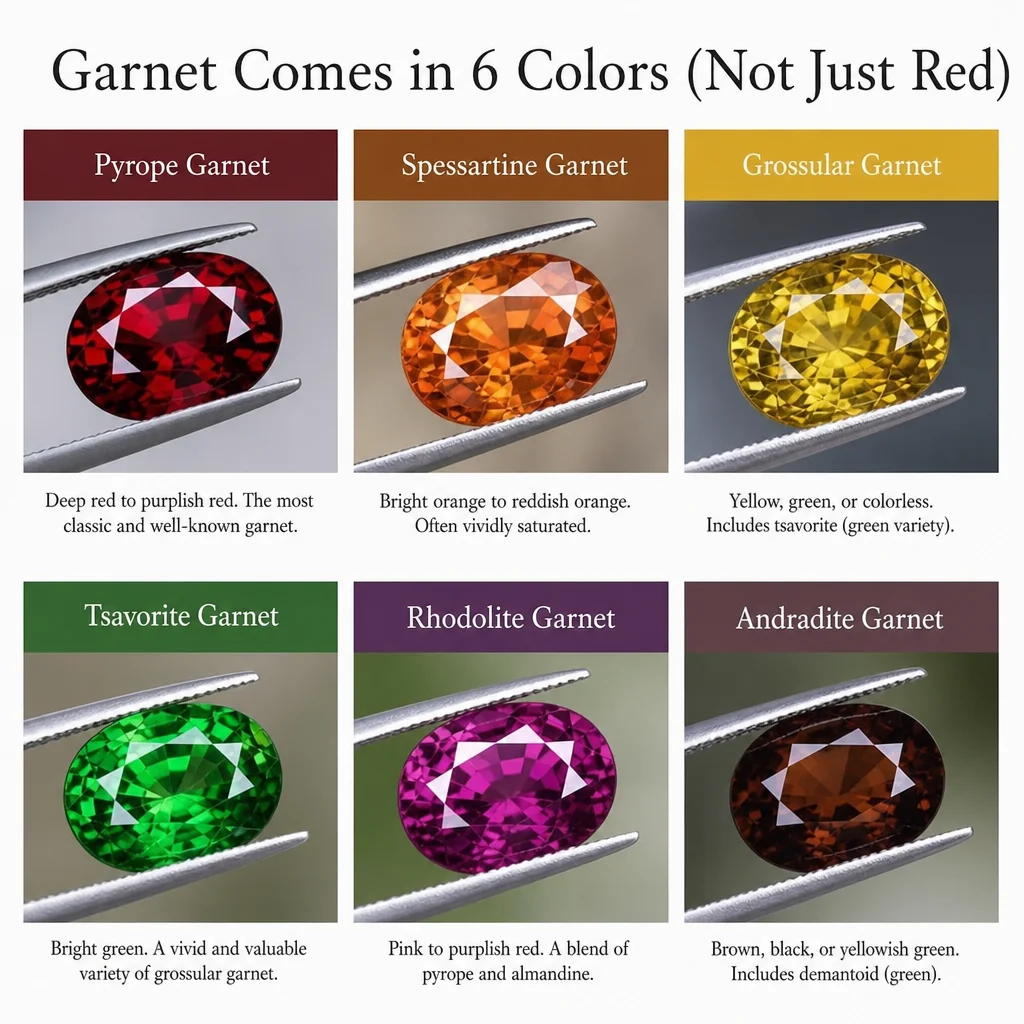
Hessonite is a variety of grossular garnet. Grossular is the species, and hessonite is the brown-orange variety. Other grossular varieties include tsavorite (green), demantoid (green, more rare and expensive), and the pink-orange mali garnet.
Can hessonite be treated or enhanced?
Hessonite is rarely treated. Its color is natural and stable. Unlike some garnets that are heated to improve color, hessonite's appearance is difficult to improve with treatment, which is one reason natural stones are the norm. Be cautious of material that looks too perfect or has unusually vivid, uniform color — this could indicate dyeing or synthetic material.
What's the difference between hessonite and spessartine garnet?
Spessartine is manganese-aluminum garnet (orange to red-orange), while hessonite is calcium-aluminum garnet (honey brown to cinnamon). Spessartine tends to be more vivid and orange, while hessonite is more brown-toned. Spessartine is also generally more expensive for comparable quality.
Does hessonite fade in sunlight?
Natural hessonite color is stable and does not fade with normal light exposure. However, prolonged direct sunlight over years can potentially affect some trace-element-driven colors. Storing your hessonite away from direct sun when not wearing it is a safe practice for any gemstone.
Where does the name "cinnamon stone" come from?
The old English gemstone trade used "cinnamon stone" as the common name for hessonite because its best color closely resembles ground cinnamon — that warm, reddish-brown tone. The name hessonite comes from the Greek word "hesson" meaning inferior, which is actually misleading — it was named by early mineralogists who noted its slightly lower hardness compared to other garnets, not its quality or beauty.
Comments