Green Tourmaline (Verdelite) Guide
June 10, 2026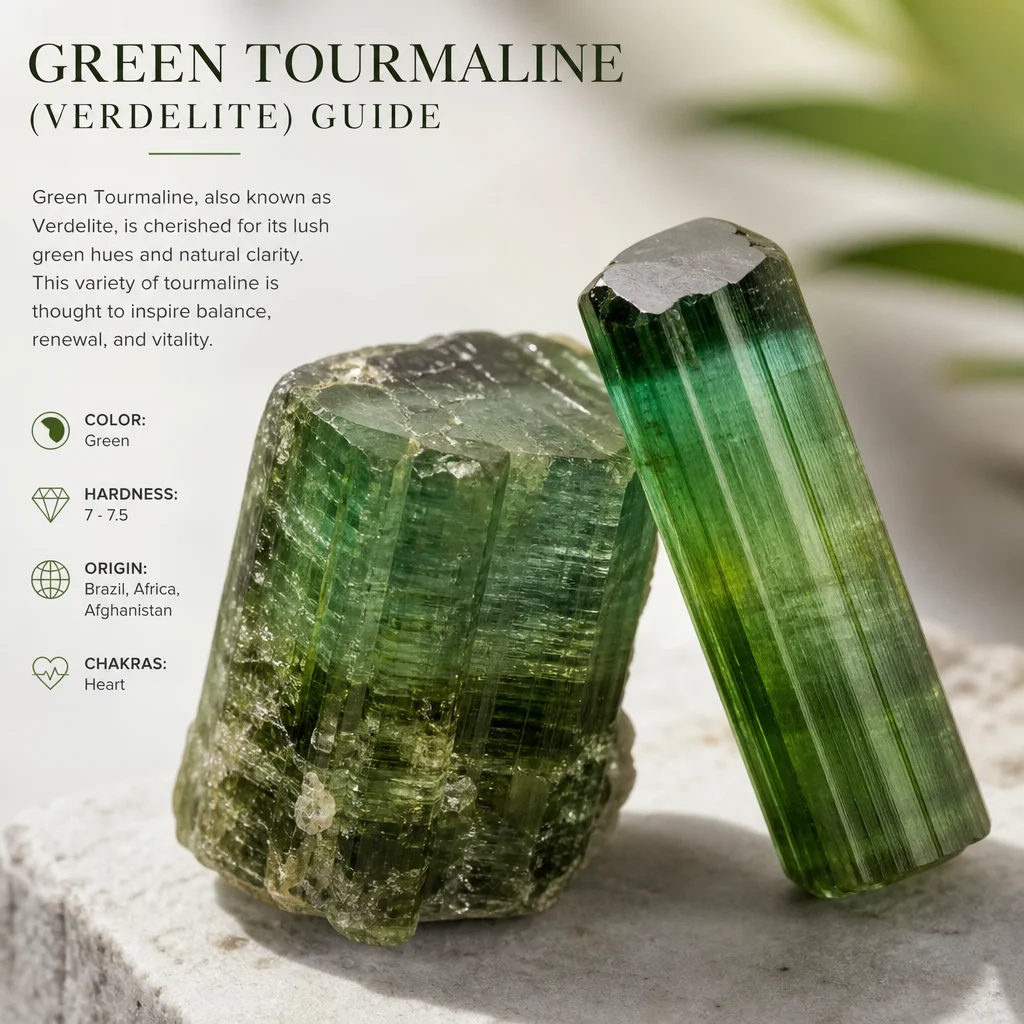
Introduction
Ah, green tourmaline, or verdelite, as it's sometimes called, is a gemstone that has always held a special place in my heart. It's not just a pretty stone; it's a stone with a story, a mineralogical path that takes us through the lush greens of the earth's crust. As a crystal and jewelry expert, I've had the pleasure of studying and wearing this vibrant gem, and I'm excited to share my insights with you today. We'll dig into into the mineralogy, the color variations, its cultural significance, and its place in the jewelry world. So, let's start on this green tourmaline adventure, shall we?Mineralogy: Complex Boron Silicate
Green tourmaline, or verdelite, is a complex boron silicate mineral with a chemical composition that can vary significantly. Its formula is generally written as NaFe3Al6Si6O24, but this can change due to the presence of various trace elements. These trace elements are what give tourmaline its incredible variety of colors, including the lush greens we're focusing on today. The boron in the stone is what makes it heavier than most other gemstones, and it also contributes to its hardness, which ranges from 7 to 7.5 on the Mohs scale.Green Color Formation (Iron/Vanadium/Chromium)
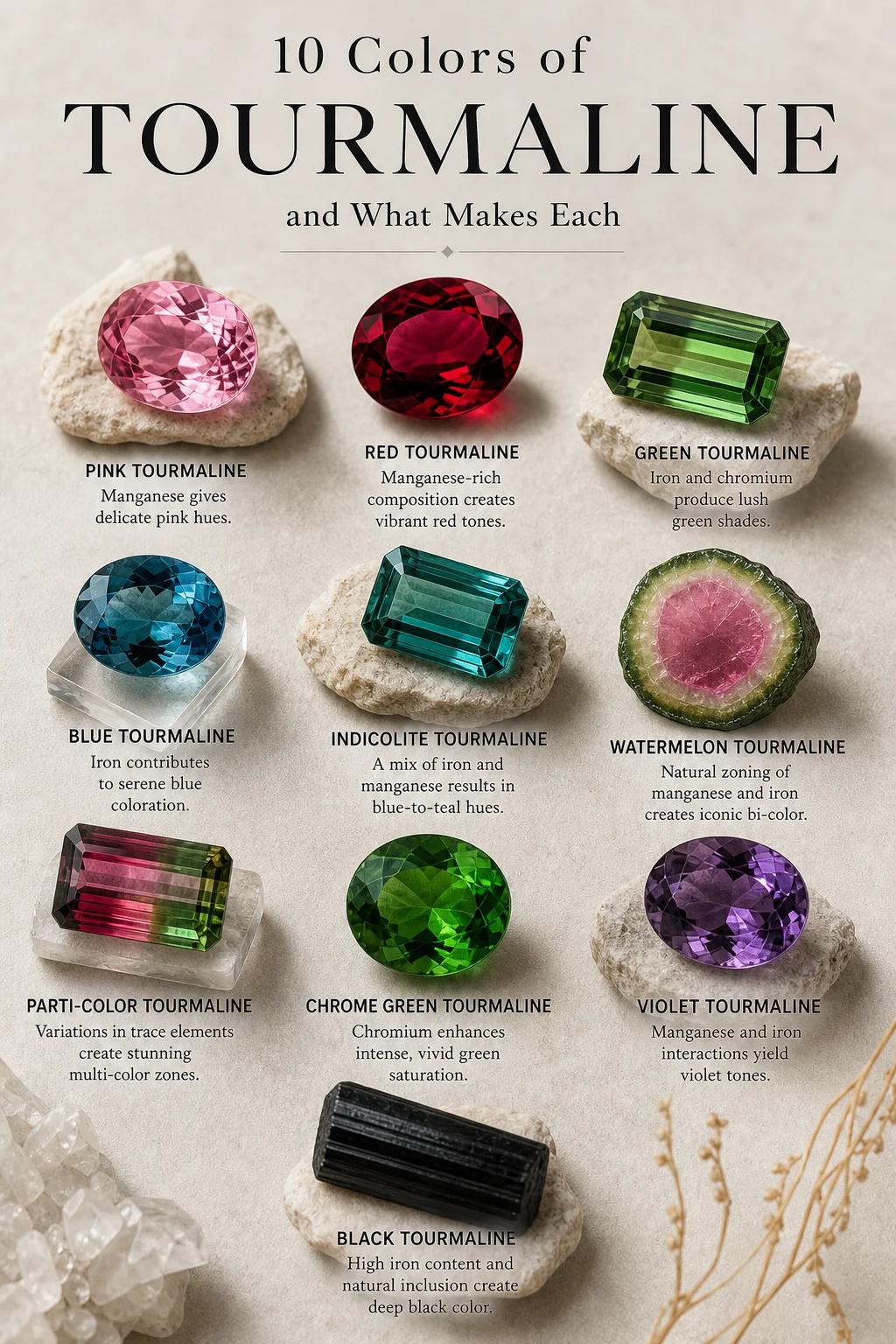
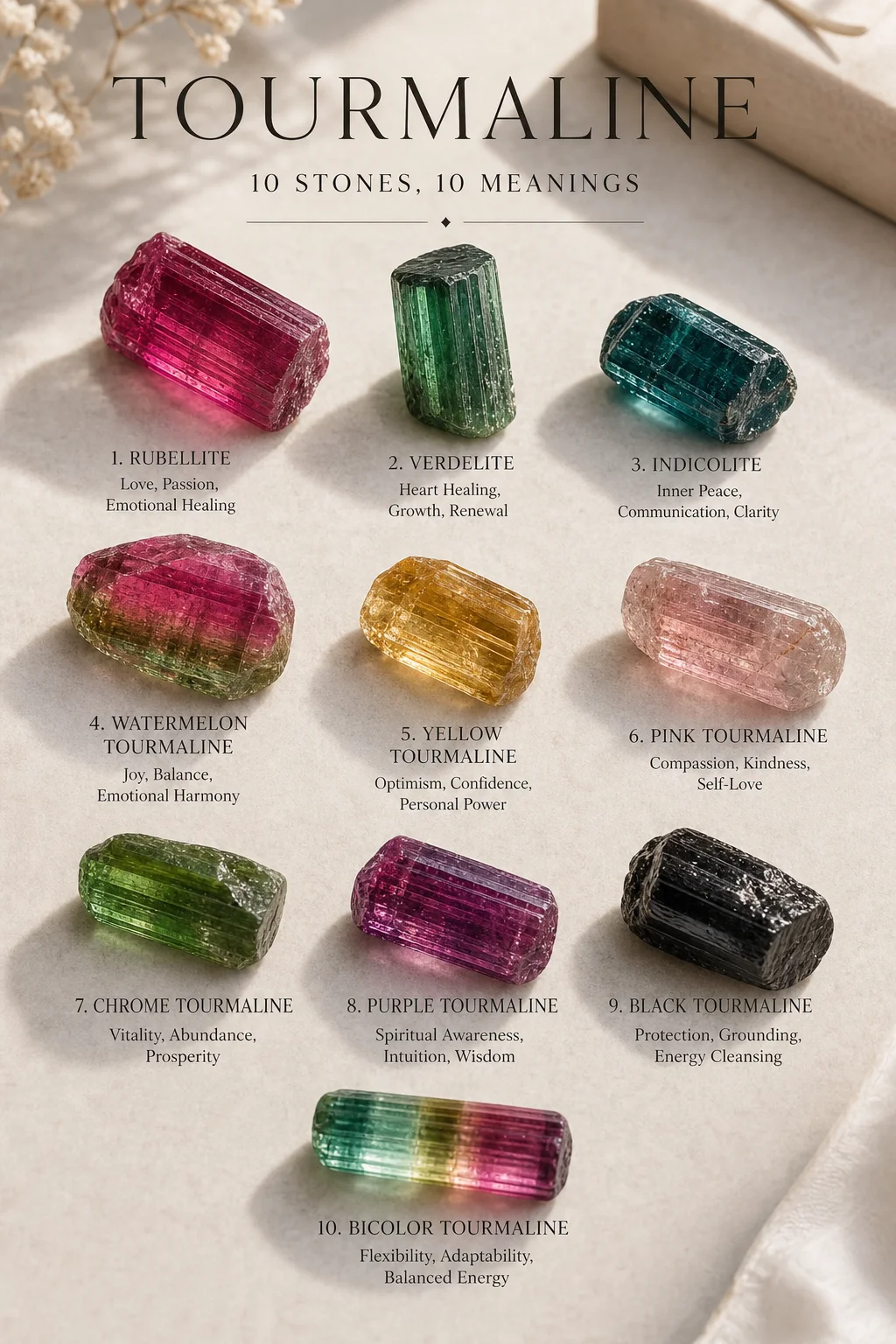
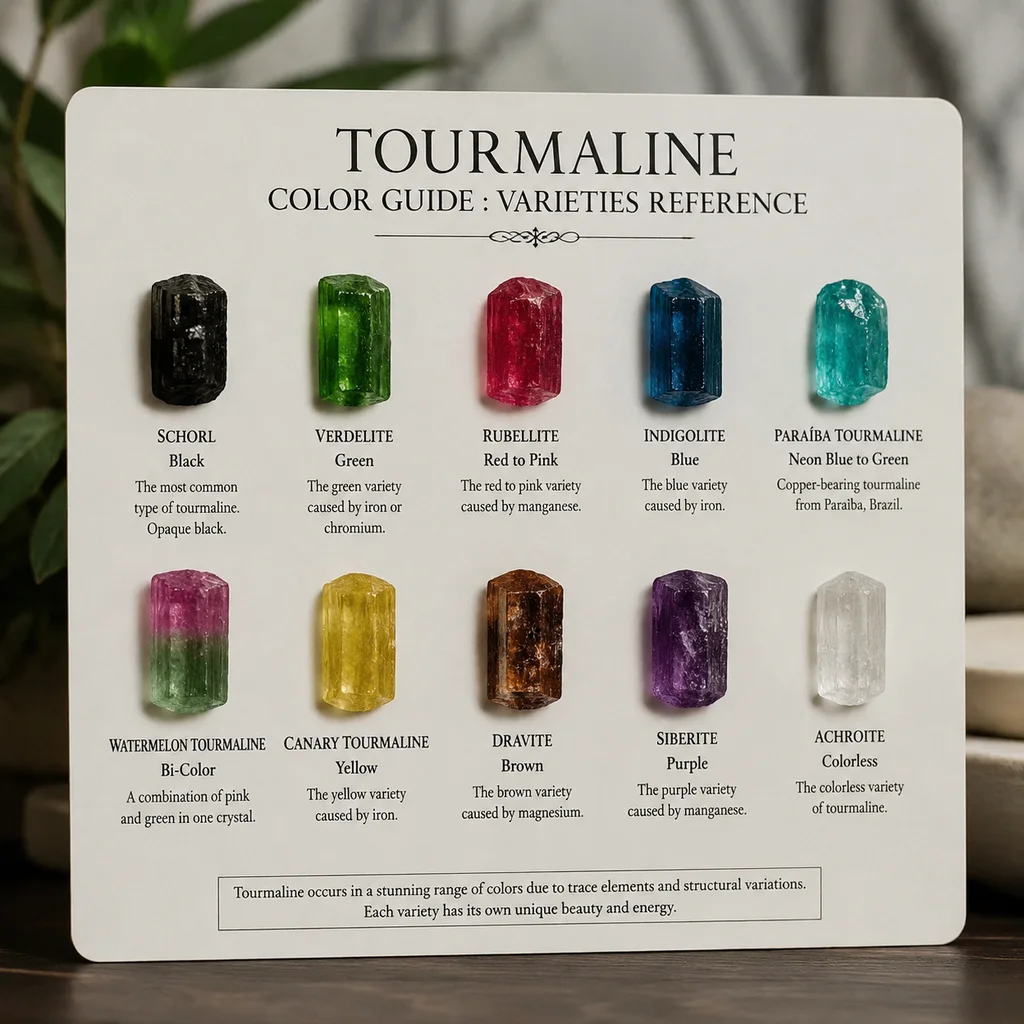
The green color in tourmaline, particularly verdelite, is primarily due to the presence of iron, vanadium, and chromium. Iron is the most common cause of green coloration, but vanadium and chromium can also play a significant role. The amount and arrangement of these elements within the crystal lattice determine the intensity and hue of the green. For example, a higher concentration of iron can lead to a more vivid green, while vanadium might add a hint of blue or yellow.Varieties (Light Green, Forest Green, Chrome Green)
Green tourmaline comes in a variety of shades, each with its own unique charm:- Light Green: This is the most common variety and ranges from a pale, minty green to a soft, apple green. It's often used in jewelry due to its versatility and affordability.
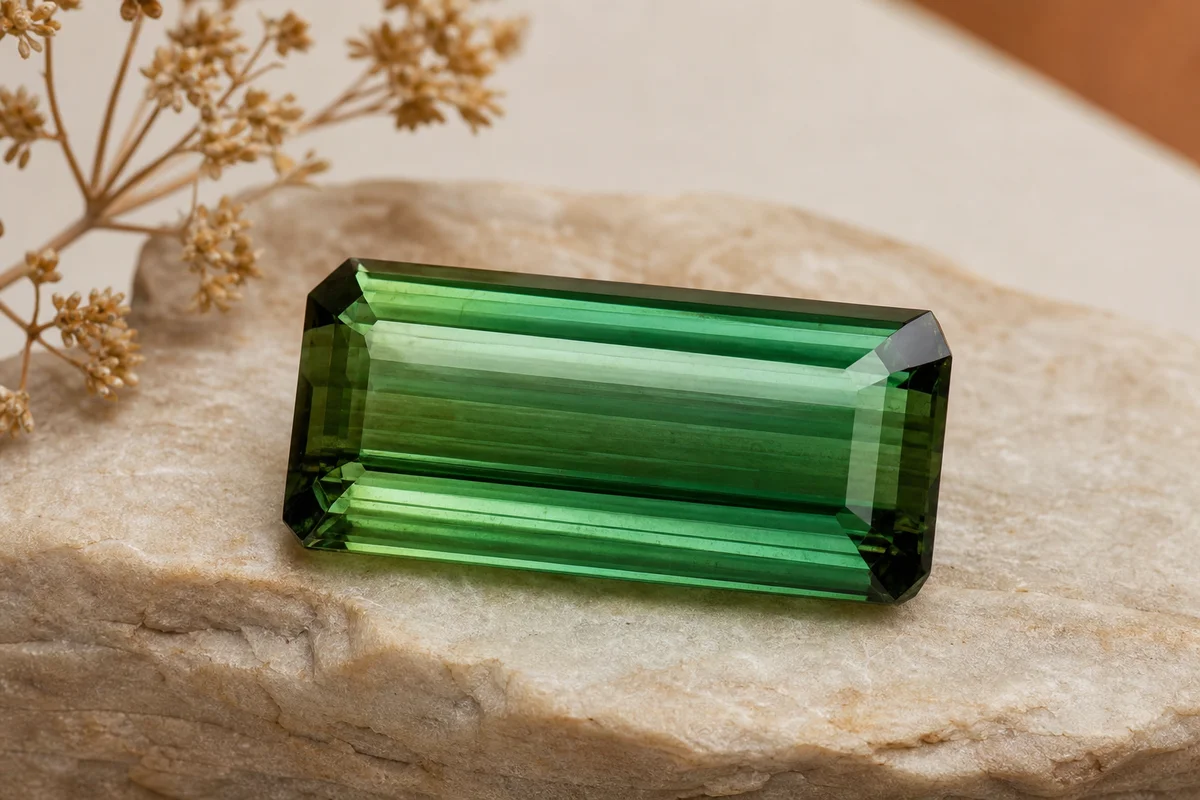
- Forest Green: This is a deeper, more intense green that evokes the lush foliage of a dense forest. It's highly prized for its rich color and is often found in higher-quality tourmalines.
- Chrome Green: This variety is a very bright, almost electric green, reminiscent of the vibrant green of chrome. It's less common and can be quite valuable.
Famous Localities
Green tourmaline, or verdelite, has been found in various localities around the world, but some are particularly famous:- Brazil: Brazil is the world's leading producer of tourmaline, and it's here that many of the most sought-after green tourmalines are found.
- Nigeria: Nigeria is another significant source of green tourmaline, with a particularly high concentration of chrome green tourmaline.
- Malawi: This African country is known for its beautiful green tourmalines, which are often found in the rich, forest green variety.
vs Emerald/Peridot/Jade
Green tourmaline, or verdelite, is often compared to other green gemstones like emerald, peridot, and jade. Here's a quick comparison table to help you differentiate them: | Gemstone | Color | Hardness | Transparency | Origin | | --- | --- | --- | --- | --- | | Green Tourmaline (Verdelite) | Green | 7-7.5 | Transparent to translucent | Brazil, Nigeria, Malawi | | Emerald | Green | 7.5-8 | Transparent to translucent | Colombia, Zambia, Zimbabwe | | Peridot | Green | 6.5-7 | Transparent to translucent | Egypt, China, Pakistan | | Jade | Green | 6.5-7 | Transparent to translucent | China, Guatemala, Mexico |Pricing Tiers
The value of green tourmaline, or verdelite, can vary widely based on several factors:- Color: The intensity and purity of the green color are crucial. The deeper and more vibrant the green, the higher the value.
- Clarity: Tourmalines with fewer inclusions are typically more valuable.
- Cut: A well-cut tourmaline can enhance its beauty and value.
- Size: Larger stones are rarer and therefore more valuable.
Jewelry
Green tourmaline, or verdelite, is a popular choice for jewelry due to its vibrant color and durability. It can be found in a variety of jewelry pieces, including:- Rings: Tourmaline rings are a classic choice, often set in gold or silver.
- Necklaces: Green tourmaline necklaces can be stunning, especially when paired with other gemstones.
- Pendants: A green tourmaline pendant can be a unique and eye-catching addition to any jewelry collection.
- Earrings: Green tourmaline earrings are a great way to add a pop of color to an outfit.
Care
To keep your green tourmaline jewelry looking its best, follow these care tips:- Avoid Heat: Heat can cause tourmaline to fade or crack, so avoid exposing it to extreme temperatures.
- Avoid Chemicals: Keep your tourmaline away from harsh chemicals, as they can damage the stone.
- Clean Regularly: Clean your tourmaline jewelry with warm water and a soft cloth. For a deeper clean, use a mild soap and water solution.
- Store Properly: Store your tourmaline jewelry in a soft cloth or jewelry pouch to prevent scratches and damage.
Historical Context and Cultural Significance
Green tourmaline has been cherished for centuries, with its rich green hues symbolizing growth, renewal, and prosperity. In ancient times, it was believed to have protective properties, warding off negative energy and promoting good health. The Egyptians, for instance, were known to use tourmaline in their jewelry and amulets, believing it to be a source of power and wisdom. In Hindu culture, green tourmaline is associated with the heart chakra, believed to be the center of love, compassion, and emotional balance. It's often used in meditation practices to open and balance this chakra, promoting emotional healing and harmony.Practical Usage Scenarios and Tips
Green tourmaline can be incorporated into various practical scenarios, whether for personal use or in a professional setting:- Meditation: Place a green tourmaline near your meditation space to help open and balance the heart chakra, fostering a sense of love and compassion.
- Workplace: Keep a small piece of green tourmaline on your desk to remind you to approach your work with a balanced heart and open mind.
- Daily Wear: Wear green tourmaline jewelry as a subtle reminder of the stone's properties, encouraging you to maintain emotional balance throughout the day.
Related Crystals/Minerals Comparisons
When considering green tourmaline, it's helpful to compare it with other similar green crystals and minerals:- Malachite: While both are green, malachite is a softer stone with a more opaque appearance, often used in decorative art rather than jewelry.
- Green Aventurine: This stone has a sparkling, iridescent appearance due to the presence of tiny inclusions of mica. It's often used for its supposed calming and stress-relieving properties.
- Green Fluorite: Known for its bright, clear green color, fluorite is often used in meditation for its ability to clear the mind and enhance focus.
Buying Guide Considerations
When purchasing green tourmaline, consider the following factors to ensure you're getting the best value for your money:- Certification: Look for stones that come with a certificate of authenticity from a reputable gemological laboratory.
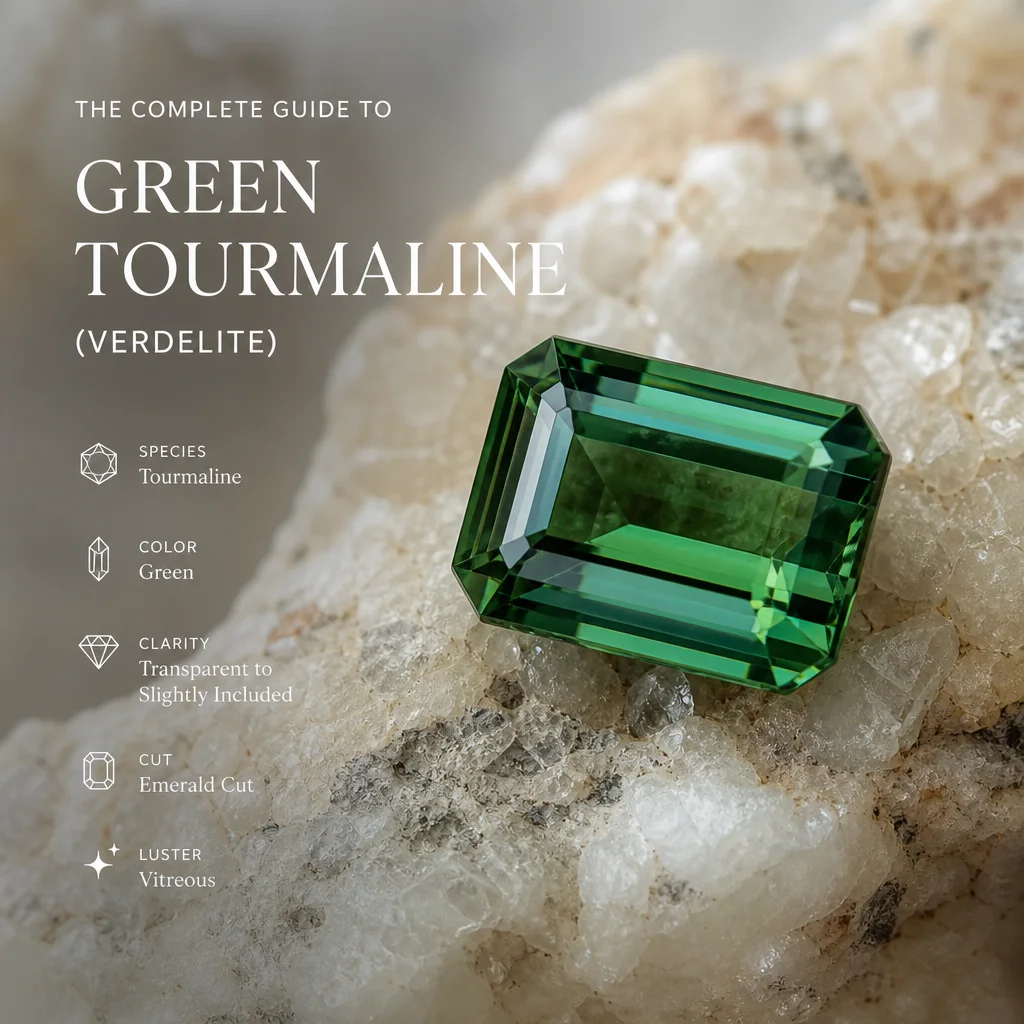
- Color: Aim for a vibrant, pure green color without any secondary hues or inclusions that distract from the stone's beauty.
- Clarity: Choose a stone with minimal inclusions, as this will enhance its overall appearance and value.
- Cut: A well-cut stone will reflect light more effectively, making the green color more striking.
Care and Maintenance Details
Proper care and maintenance will ensure your green tourmaline jewelry remains beautiful for years to come:- Cleaning: Use a soft cloth or a mild soap and water solution to clean your tourmaline jewelry. Avoid using ultrasonic cleaners or harsh chemicals.
- Storage: Store your tourmaline jewelry in a soft cloth or a jewelry pouch to prevent scratches and damage.
- Avoid Exposure: Keep your tourmaline away from extreme temperatures and harsh chemicals to prevent any potential damage.
Common Mistakes to Avoid
When dealing with green tourmaline, there are a few common mistakes to avoid:- Overexposure to Heat: Avoid exposing your tourmaline to extreme heat, as this can cause the stone to fade or crack.
- Harsh Chemicals: Refrain from using harsh chemicals to clean your tourmaline jewelry, as these can damage the stone's surface.
- Improper Storage: Store your tourmaline jewelry in a way that prevents it from being scratched or damaged by other jewelry pieces.
FAQ
Q: Are green tourmalines and emeralds the same?
A: No, green tourmalines and emeralds are different gemstones. While both are green, they have different chemical compositions, hardness, and origins.Q: Can green tourmaline be used in crystal healing?
A: Crystals are not a substitute for medical treatment. While some people believe in the healing properties of crystals, it's important to consult with a healthcare professional for any medical concerns.Q: How can I tell if my green tourmaline is real?
A: Real green tourmaline is typically transparent to translucent, has a hardness of 7-7.5 on the Mohs scale, and has a distinct green color. If you're unsure, it's best to have your gemstone evaluated by a professional.Q: Can green tourmaline be used in jewelry settings other than gold and silver?
A: Yes, green tourmaline can be used in a variety of jewelry settings, including platinum, titanium, and various colored metals. The choice of metal often depends on personal preference and the overall look of the piece.Q: What is the best way to clean my green tourmaline jewelry?
A: The best way to clean your green tourmaline jewelry is with warm water and a soft cloth. For a deeper clean, use a mild soap and water solution. Avoid using ultrasonic cleaners or harsh chemicals.Q: How can I tell if my green tourmaline is of high quality?
A: High-quality green tourmaline will have a vibrant, pure green color, minimal inclusions, and a well-cut design that reflects light effectively. It may also come with a certificate of authenticity from a reputable gemological laboratory.Q: Can green tourmaline be used in meditation?
A: Yes, green tourmaline is often used in meditation to help open and balance the heart chakra, promoting emotional healing and harmony. Placing a piece of green tourmaline near your meditation space can enhance your practice.Frequently Asked Questions
What are the healing properties of Green Tourmaline?
Green Tourmaline, also known as Verdelite, is celebrated for its profound heart-healing properties. It is believed to promote compassion, patience, and a deep sense of joy. Our handcrafted jewelry is designed to keep these vibrant, life-affirming energies close to your daily life, helping to balance your emotions.
How can you tell if a Green Tourmaline is real?
Authentic Green Tourmaline features natural inclusions and subtle color variations that synthetic stones lack. When you hold a genuine piece up to the light, you will often see a slight pleochroism—meaning it shows different colors from different angles. At SagStone, we hand-select each raw crystal for its natural beauty and authenticity.
Can you wear Green Tourmaline jewelry every day?
Yes! Green Tourmaline ranks between 7 and 7.5 on the Mohs scale of mineral hardness, making it a highly durable gemstone suitable for daily wear. To protect your artisan-crafted rings, pendants, or earrings, we recommend removing them before heavy manual work or using harsh chemicals to maintain their beautiful natural polish.
What chakra is Green Tourmaline associated with?
Green Tourmaline resonates powerfully with the Heart Chakra. Wearing our handcrafted Verdelite jewelry helps clear emotional blockages, fostering a gentle flow of energy. This deep connection encourages self-acceptance, emotional healing, and a stronger, more grounded harmony with the natural world around you.
What is the difference between Green Tourmaline and Emerald?
While both are beautiful green gemstones, Emerald is a variety of beryl, whereas Green Tourmaline (Verdelite) is a distinct mineral. Tourmaline often displays vivid bi-color zones and generally boasts fewer structural inclusions than Emerald, allowing our artisans to cut and shape incredibly brilliant, eye-clean natural crystals.
What Makes This Crystal Special
This section covers important aspects of what makes this crystal special. For detailed information, please refer to the FAQ section below.
Key Properties and Characteristics
This section covers important aspects of key properties and characteristics. For detailed information, please refer to the FAQ section below.
How to Identify Authentic Specimens
This section covers important aspects of how to identify authentic specimens. For detailed information, please refer to the FAQ section below.
Popular Uses and Applications
This section covers important aspects of popular uses and applications. For detailed information, please refer to the FAQ section below.
Caring for Your Crystal
This section covers important aspects of caring for your crystal. For detailed information, please refer to the FAQ section below.

Comments