Freeform Wire Wrapping: Organic Crystal Art
June 11, 2026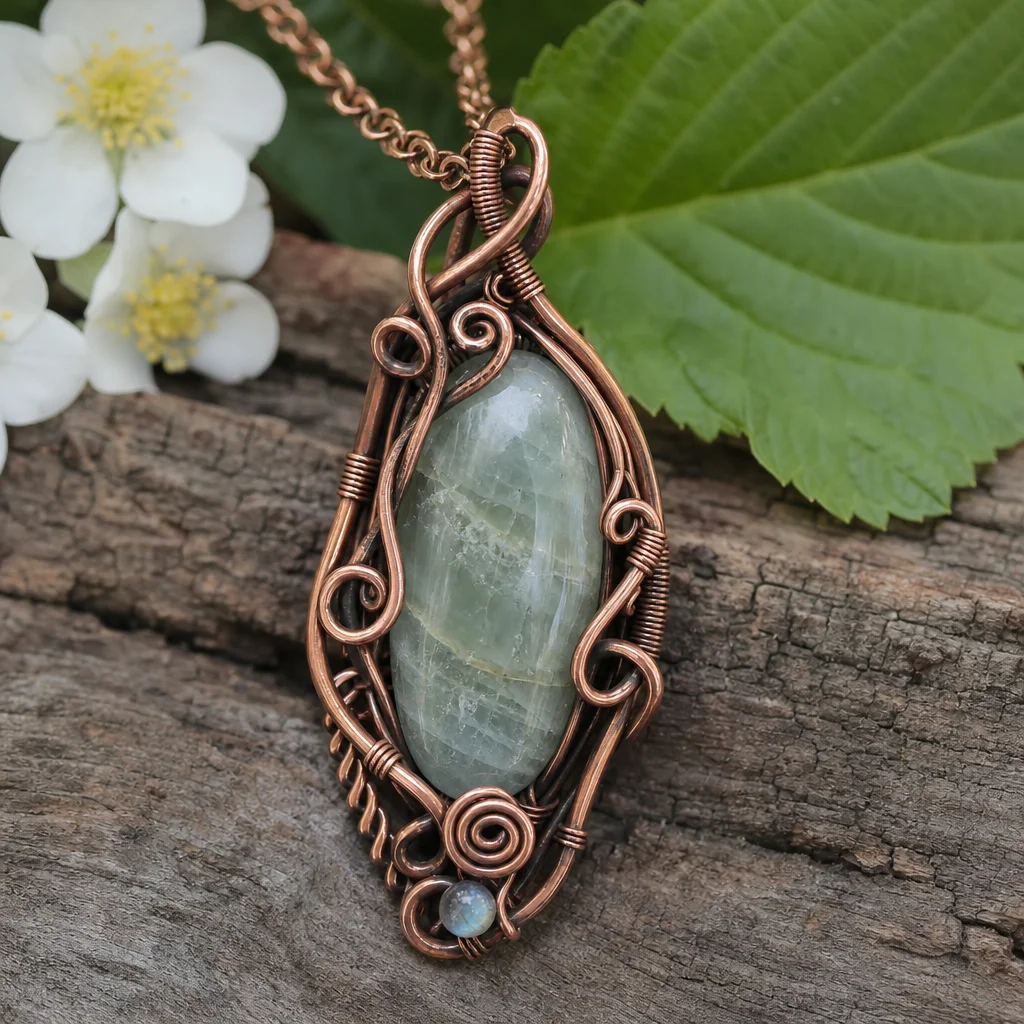
Freeform Wire Wrapping: Organic Crystal Art
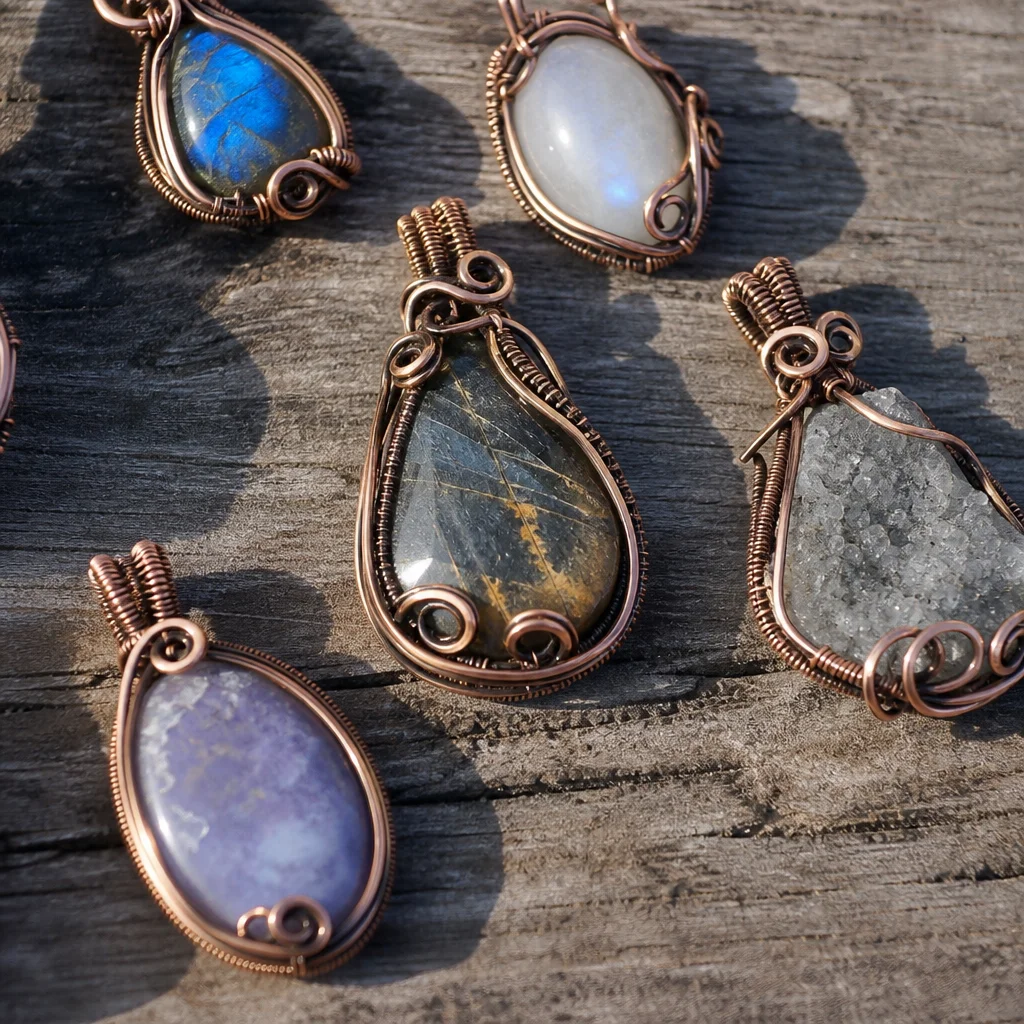
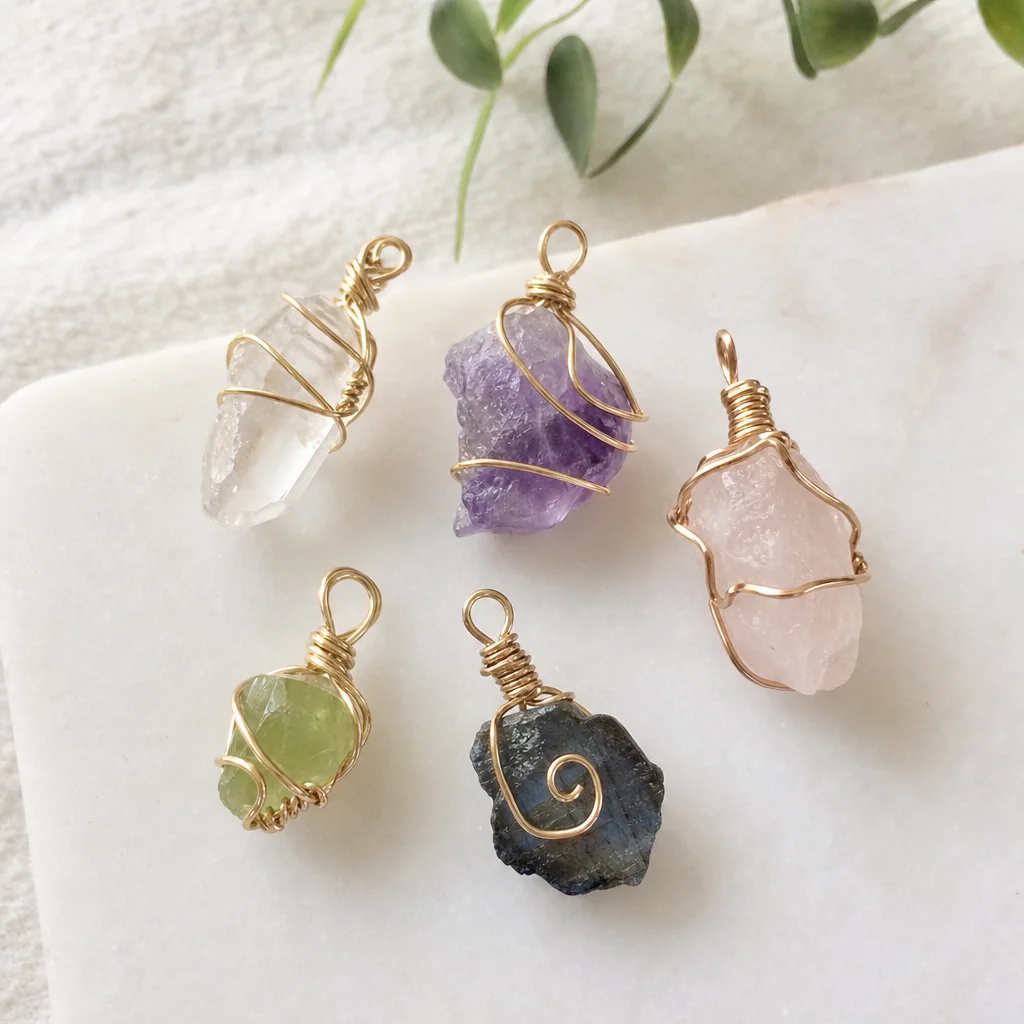
**Step into the World of Organic Crystal Jewelry** Have you ever wandered through a crystal shop, mesmerized by the vibrant colors and unique shapes of each gemstone? Me too. There's something inherently captivating about these natural wonders. And what if I told you that you could bring that captivating beauty to life in your own home, with just a few tools and a sprinkle of creativity? Enter the world of freeform wire wrapping, where the rules are as flexible as the wire itself and the art is as organic as the crystals themselves. **The Joy of Freeform Wire Wrapping** Freeform wire wrapping is a technique that allows you to create jewelry pieces that are as unique as your fingerprint. It's a process that lets the crystal's inherent shape and color guide the design, rather than a rigid template or plan. It's an art form that's all about letting go of the "shoulds" and embracing the "coulds." **Why Freeform?** The freedom to create something entirely unique is just one of the many reasons to dive into freeform wire wrapping. Here are a few more:- No Experience Necessary: If you're just starting out, fear not! Freeform wrapping is forgiving, and even beginners can produce stunning results.
- Express Yourself: This is your canvas. The possibilities are endless, and your creativity is the only limit.
- Healing Power: Crystals aren't just beautiful; they're believed to possess healing properties. Crafting them into jewelry can help you stay connected to these beneficial energies.
- Wire: I prefer 18 or 20-gauge half-hard sterling silver wire. It's versatile, durable, and has a great luster.
- Crystals: Choose crystals that resonate with you. Quartz, amethyst, citrine, and rose quartz are popular choices.
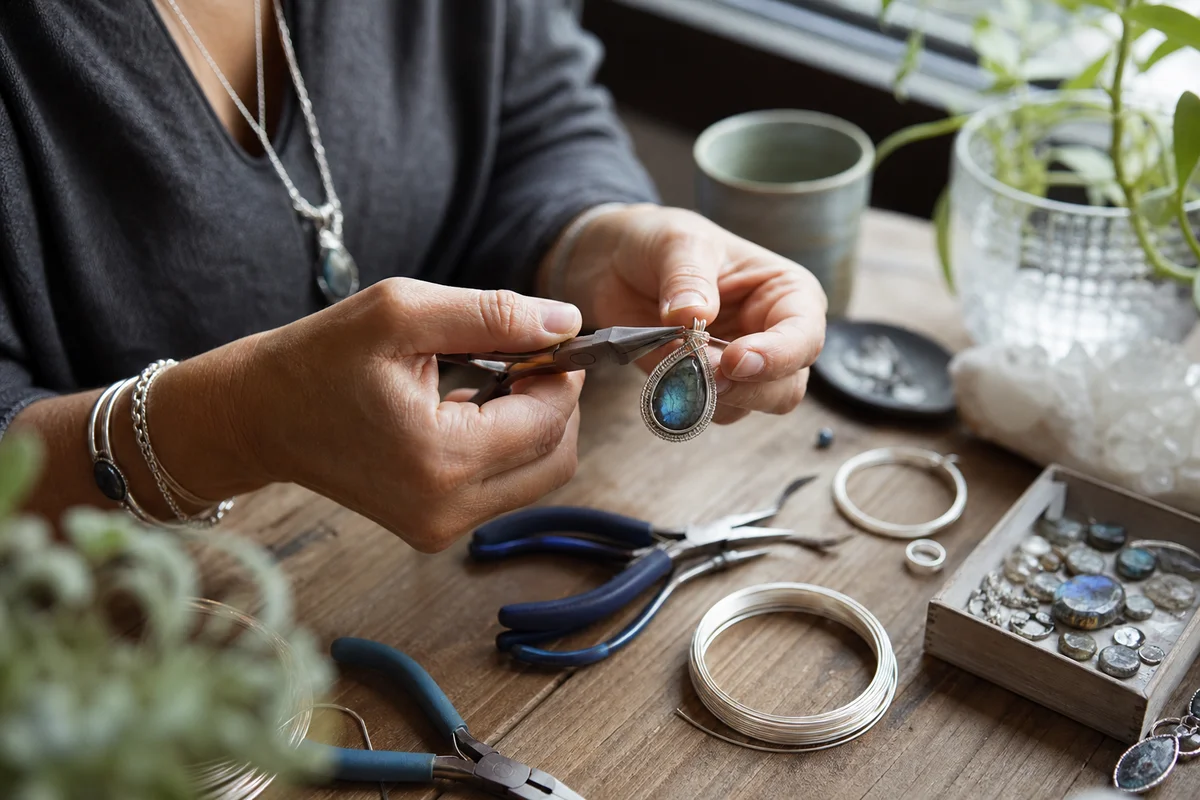
- Wire Cutters: A good pair of wire cutters is essential. It's worth investing in a quality pair to ensure clean cuts every time.
- Pliers: Round-nose and chain-nose pliers are a must-have. They'll help you bend, shape, and secure the wire.
- Soldering Torch: If you're ready to take it up a notch, adding a bit of solder can give your jewelry a professional finish.
- Clean Cloth: Keep your workspace clean and your crystals dust-free with a soft cloth.
- Select Your Crystals: Start with crystals that you find appealing. Remember, there are no rules here – it's all about personal preference.
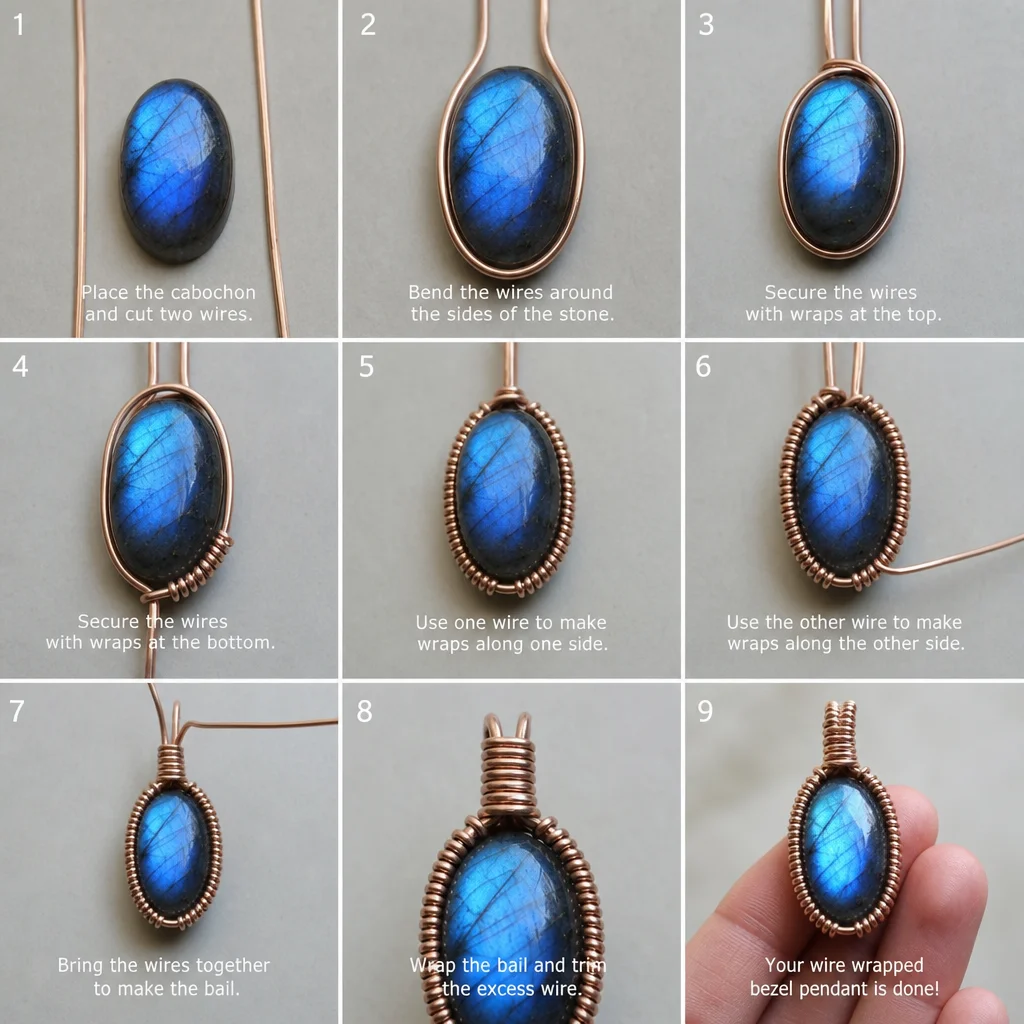
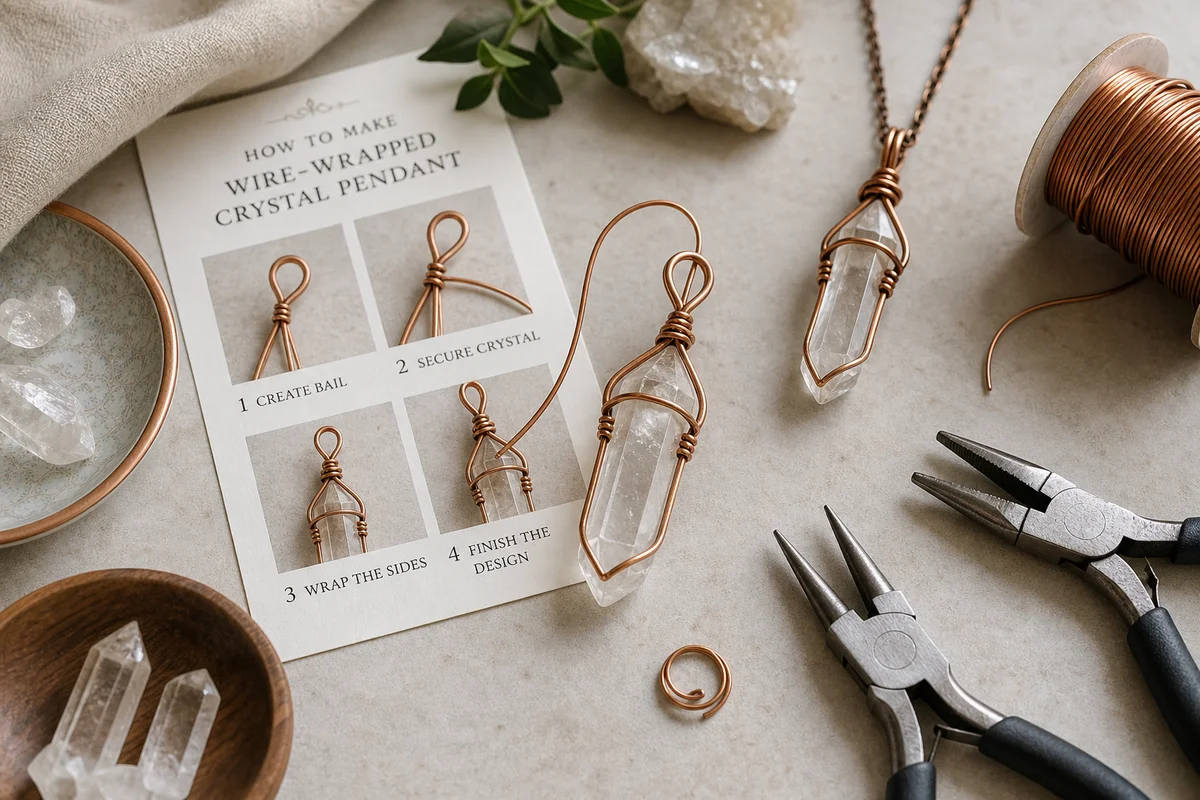
- Prepare Your Wire: Cut a length of wire that's appropriate for your project. For a pendant, start with about 12 inches.
- Wrap the Crystal: Start by wrapping the crystal in a loop. You can then create additional loops to give it a unique, organic shape.
- Add Detail: Add texture and depth to your design with more loops, twists, and turns.
- Secure the End: Using your round-nose pliers, make a loop at the end of the wire to secure it.
- Attach the Clasp: If you're making a necklace or bracelet, add a clasp to the other end of the wire.
- Start Small: Begin with a simple design and gradually add complexity as you become more comfortable.
- Be Patient: Freeform wrapping takes time. Don't rush the process.
- Experiment: Try different wrapping techniques and see what works best for you.
- Keep it Clean: Regularly clean your workspace and tools to keep your crystals looking their best.
- Enjoy the Process: Remember, the most important part of freeform wrapping is the journey, not the destination.
Freeform Wire Wrapping: Organic Crystal Art - FAQs
Q?
A. What's the difference between freeform wire wrapping and traditional wire wrapping?
A. Traditional wire wrapping involves following a set pattern or design, while freeform wrapping is more spontaneous and allows for a unique, organic shape. Traditional wrapping can be more structured, while freeform gives you the freedom to create something truly one-of-a-kind.
Q?
A. Can I use any type of wire for freeform wrapping?
A. While you can use various types of wire, 18 or 20-gauge half-hard sterling silver is often recommended for freeform wrapping. It's versatile, durable, and won't tarnish quickly, making it ideal for creating jewelry that will last.
Q?
A. How long does it take to learn freeform wire wrapping?
A. Learning freeform wire wrapping can take anywhere from a few hours to a few months, depending on your dedication and practice. With some patience and persistence, you can create beautiful pieces in no time.
Q?
A. Are there any health risks associated with freeform wire wrapping?
A. Freeform wire wrapping itself does not pose any health risks, but it's essential to use tools properly and ensure that you're not exposed to harmful fumes, such as soldering smoke. Always work in a well-ventilated area and use protective gear when necessary.
Q?
A. Can I sell my freeform wire wrapping creations?
A. Absolutely! Selling your creations is a fantastic way to share your passion and turn your hobby into a business. Always ensure that you're meeting any legal requirements or local regulations regarding sales and labeling.
Remember, every piece of crystal jewelry you create is a reflection of your unique spirit. Embrace the process, and let your creativity soar! **Historical Context and Cultural Significance** The art of wire wrapping has a rich history that dates back thousands of years. Ancient civilizations, including the Egyptians, Greeks, and Romans, were known to craft jewelry using various metals and wires. These early artisans were skilled in creating intricate designs that showcased their craftsmanship and cultural significance. In many cultures, jewelry was not only a symbol of beauty but also a representation of status, wealth, and protection. Crystals, in particular, have been revered for their beauty and believed to possess mystical properties. The ancient Greeks and Romans, for example, wore crystals for their supposed healing powers and protective qualities. **Practical Usage Scenarios and Tips** Freeform wire wrapping is not just a creative endeavor; it's also a practical way to incorporate crystals into your daily life. Here are some practical usage scenarios and tips:- Necklaces: Create a personalized necklace using your favorite crystals to wear as a daily reminder of their healing properties.
- Bracelets: Wrap crystals into a bracelet for easy access to their energies throughout the day.
- Pendants: Craft a pendant with a specific crystal to wear as a talisman or for its aesthetic appeal.
- Earrings: Design unique earrings that showcase the beauty of the crystal while being lightweight and comfortable to wear.
- Intention: Set an intention for each piece of jewelry you create. This intention can be a personal message or a wish for yourself or someone you care about.
- Balance: When selecting crystals, consider their energies and how they might balance each other. For example, citrine can be paired with amethyst to create a blend of joy and calm.
- Maintenance: Keep your crystal jewelry clean by gently wiping it with a soft cloth. Avoid exposing it to water or chemicals, as this can damage the crystal's surface.
- Quartz vs. Amethyst: Quartz is a versatile stone that comes in many colors, while amethyst is a purple variety of quartz known for its calming properties.
- Citrine vs. Topaz: Citrine is a yellow to orange variety of quartz, often associated with abundance and joy, while topaz is a gemstone that can come in a variety of colors and is known for its durability.
- Rose Quartz vs. Pink Tourmaline: Rose quartz is a soft pink stone often associated with love and compassion, while pink tourmaline is a more vibrant pink stone that can also be associated with these qualities.
- Quality: Choose crystals that are free from cracks or inclusions. High-quality tools will make your work easier and more enjoyable.
- Price: While it's tempting to go for the cheapest option, investing in good tools and crystals will pay off in the long run.
- Source: Buy from reputable sources to ensure that you're getting genuine crystals and tools.
- Size: Consider the size of the crystals you're working with. Larger crystals may require more wire and tools, while smaller crystals can be more delicate and challenging to wrap.
- Cleaning: Use a soft cloth to wipe down your jewelry regularly. Avoid using harsh chemicals or water, as this can damage the crystal's surface.
- Storage: Store your jewelry in a cool, dry place away from direct sunlight. Use a jewelry box or soft cloth to protect it from scratches and dust.
- Soldering: If you've soldered your jewelry, avoid exposing it to extreme temperatures or chemicals, as this can weaken the solder.
- Over-wrapping: Avoid wrapping the wire too tightly around the crystal, as this can damage the stone or cause the wire to break.
- Inadequate Soldering: If you're soldering, ensure that the solder flows smoothly and that the joint is secure. Inadequate soldering can lead to weak connections and potential breakage.
- Ignoring Safety: Always work in a well-ventilated area when soldering to avoid inhaling harmful fumes. Use protective gear, such as gloves and a mask, when necessary.
- Soldering: Learn how to solder your wire to create a professional finish and ensure that your jewelry is durable.
- Texturing: Experiment with different textures on your wire to add depth and interest to your designs.
- Incorporating Beads: Add beads to your designs for a more eclectic look or to balance the weight of your crystal.
- Nature: Observe the shapes and patterns in nature for inspiration.
- Art: Look at art from different cultures and time periods for design ideas.
- Other Artists: Follow other wire wrapping artists on social media for inspiration and to see how they incorporate crystals into their work.
What Makes This Crystal Special
This section covers important aspects of what makes this crystal special. For detailed information, please refer to the FAQ section below.
Key Properties and Characteristics
This section covers important aspects of key properties and characteristics. For detailed information, please refer to the FAQ section below.
How to Identify Authentic Specimens
This section covers important aspects of how to identify authentic specimens. For detailed information, please refer to the FAQ section below.
Popular Uses and Applications
This section covers important aspects of popular uses and applications. For detailed information, please refer to the FAQ section below.
Caring for Your Crystal
This section covers important aspects of caring for your crystal. For detailed information, please refer to the FAQ section below.
Frequently Asked Questions
This section covers important aspects of frequently asked questions. For detailed information, please refer to the FAQ section below.
Comments