Crystals for Headaches & Migraines: A Practica..
June 2, 2026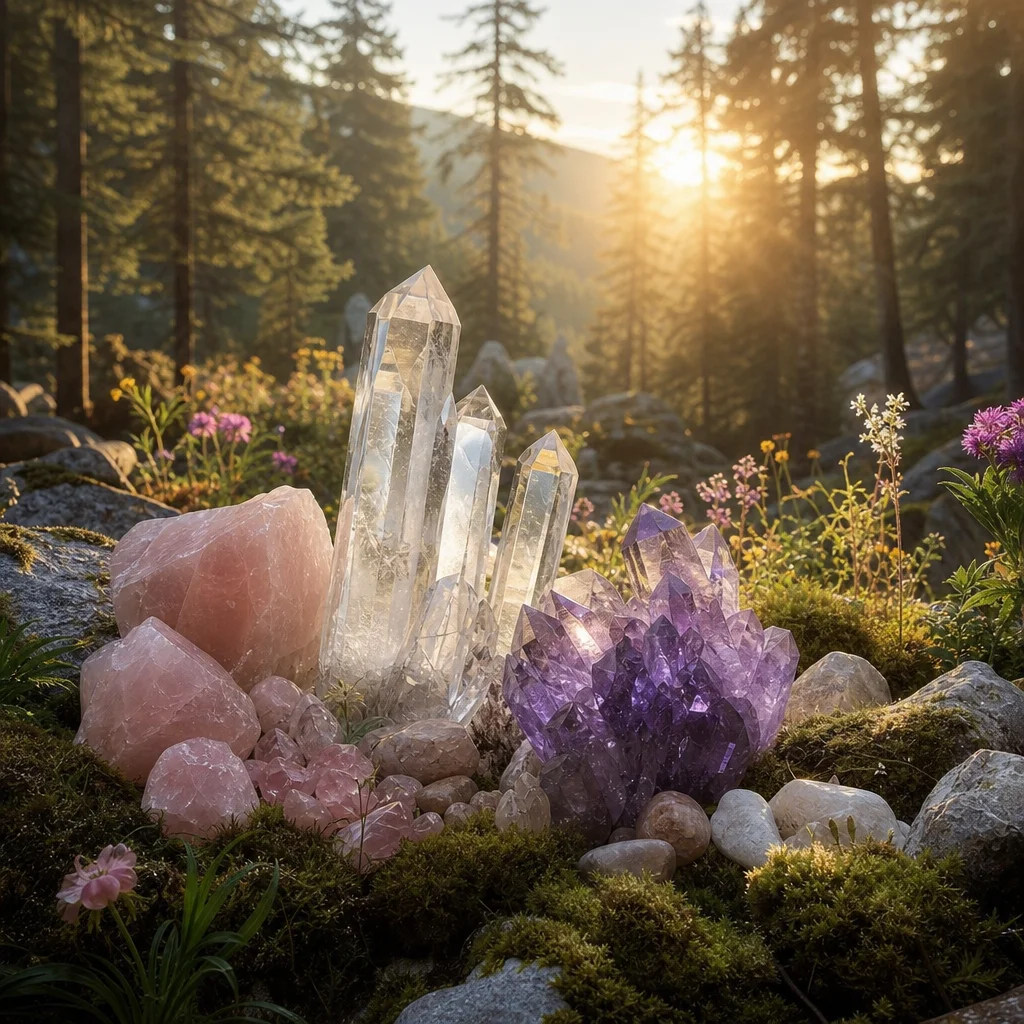
A Clear-Eyed Look at Crystals and Headaches
If you're reading this, you've probably had a headache that wouldn't quit and you're curious whether crystals could help. That's a reasonable question to explore. This guide covers the crystals traditionally associated with headache and migraine support, explains how people use them, and — importantly — separates what's traditionally claimed from what's actually known.
Before diving in, here's the essential disclaimer: crystals are not a substitute for medical treatment. Severe or persistent headaches can indicate serious health conditions that require professional medical evaluation. If you experience sudden severe headaches, headaches accompanied by vision changes, fever, stiff neck, or neurological symptoms, seek immediate medical attention. The information in this article is for educational purposes and should complement — never replace — appropriate medical care.
That said, many people find that incorporating crystals into their comfort routines provides a calming, grounding element during headache episodes. The mechanisms by which this helps are worth understanding — because it's probably not about mystical energy transfer, but about something more tangible.
The Most Commonly Used Headache Crystals
Several crystals have earned reputations in various healing traditions as go-to stones for headache relief. Here's a detailed look at each, including what traditional systems claim and what we can actually observe.
Amethyst — The Cooling Stone
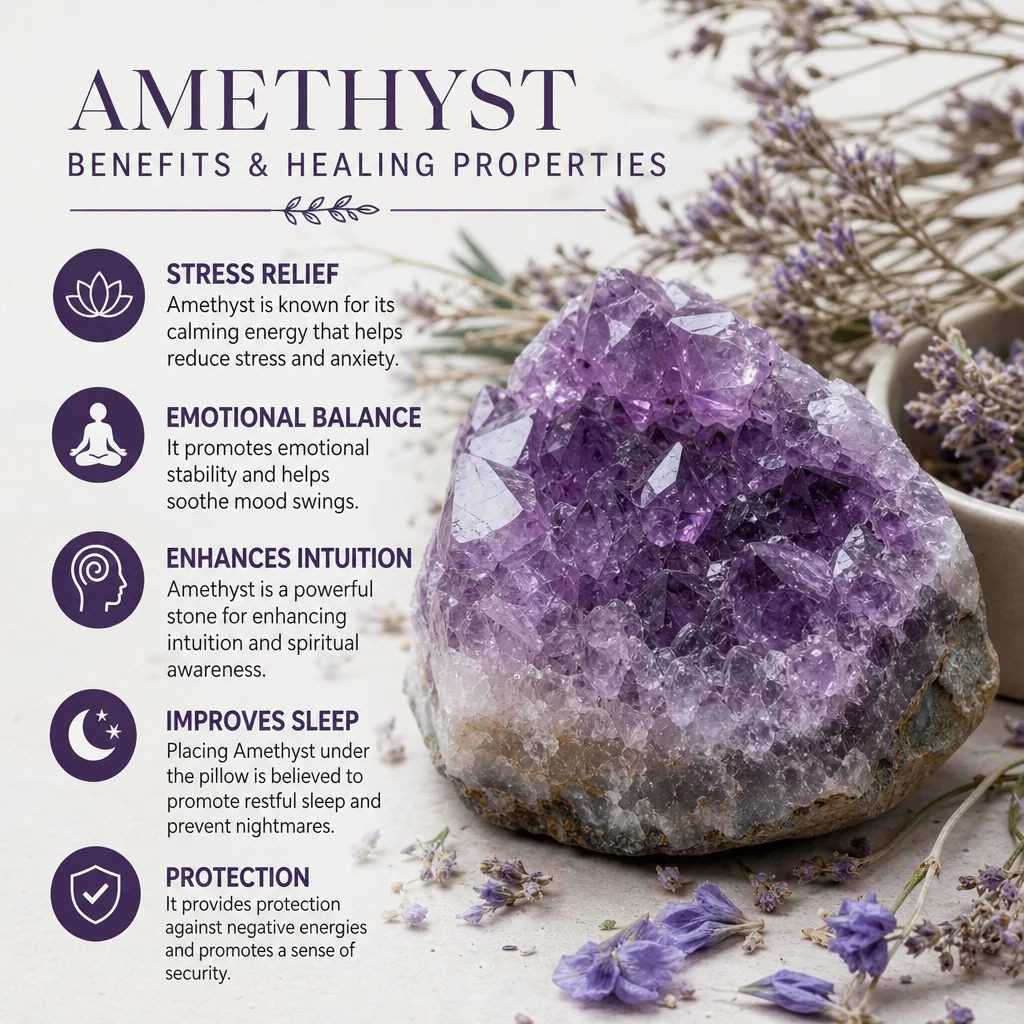
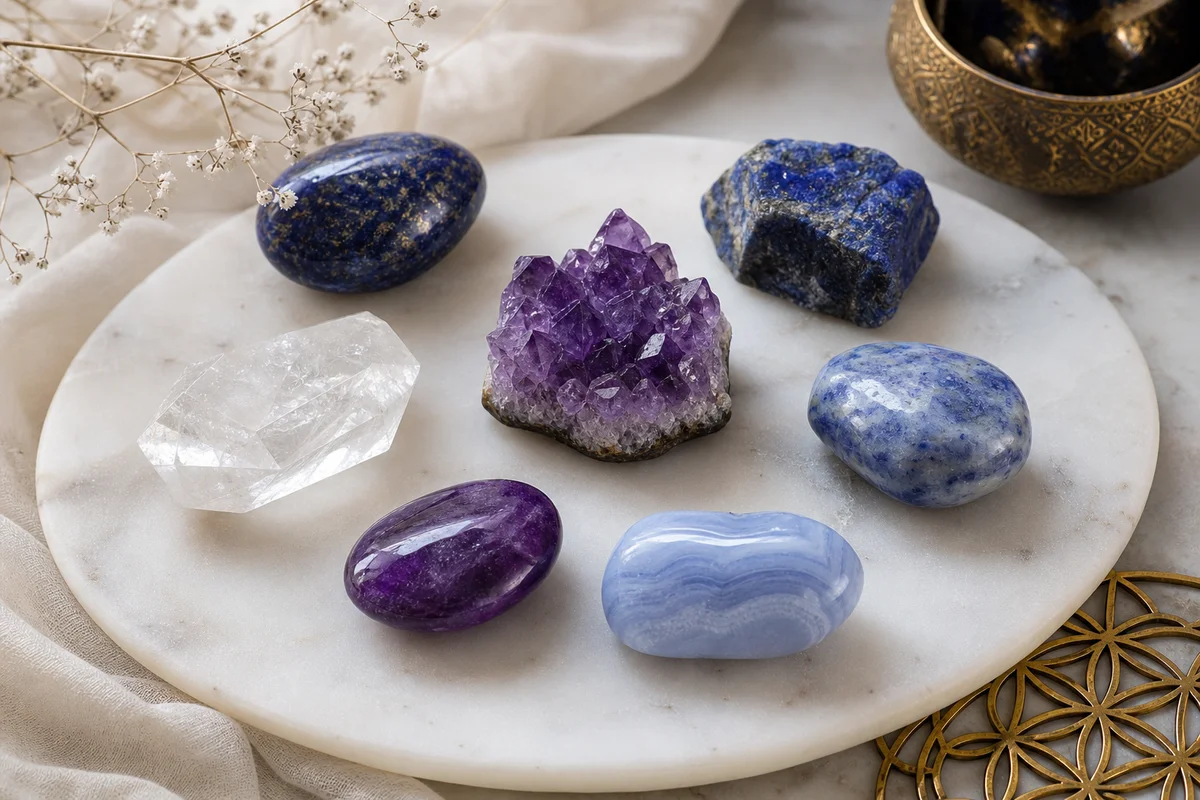
Amethyst is probably the most frequently recommended crystal for headaches across multiple traditions. In crystal healing, it's associated with the crown chakra and is said to have a "cooling" quality that counteracts the heat and pressure sensation of a headache.
From a practical perspective, amethyst's appeal makes sense on several levels. The deep purple color is psychologically calming — color psychology research consistently shows that cool-toned purples and blues promote relaxation and reduce perceived pain intensity. Holding a smooth, cool amethyst stone against the temples provides a mild cold compress effect that physically helps with vascular headaches. And the ritual of selecting, preparing, and using a specific stone for relief creates a mindfulness moment that can interrupt the stress-pain cycle that fuels tension headaches.
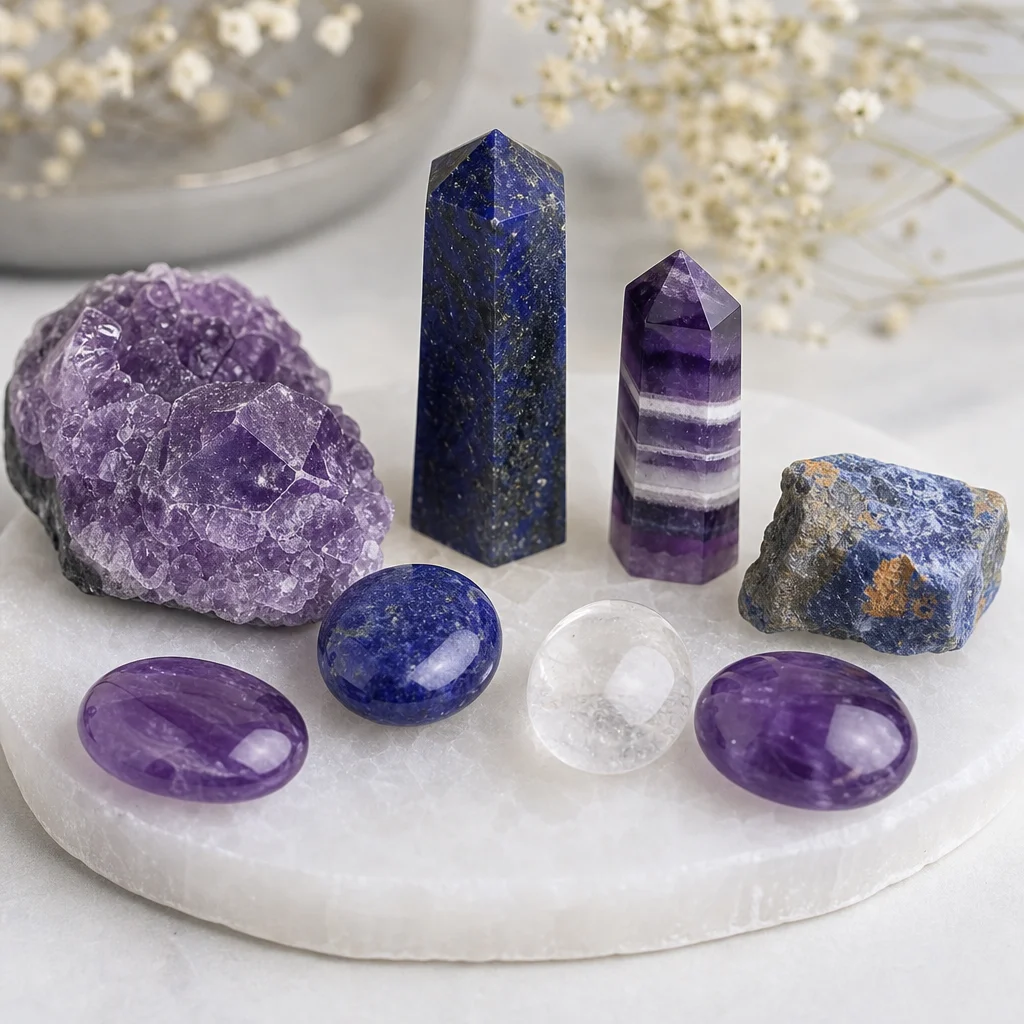
Amethyst is also readily available, affordable, and comes in many forms suitable for headache use: small tumble stones for direct temple contact, worry stones with thumb indentations for continuous handling, and larger specimens for ambient presence during rest.
Lapis Lazuli — The Tension Releaser
Lapis lazuli's deep blue color and historical association with wisdom and clarity have made it a traditional choice for headaches, particularly those driven by mental strain and eye fatigue. In traditional Ayurvedic practice, lapis lazuli is associated with the throat and third eye chakras and is believed to help release mental tension that manifests as headaches.
The practical angle: headaches caused by prolonged screen time, intense concentration, or eye strain are genuine and common. The deep, saturated blue of lapis lazuli is visually restful — studies on color therapy suggest that deep blue wavelengths can help reduce visual fatigue. The weight and coolness of a lapis lazuli stone placed over closed eyes creates a gentle pressure that can relieve sinus and tension headache symptoms in a manner similar to a weighted eye mask.
It's worth noting that lapis lazuli is relatively soft (Mohs 5-6) and can be scratched or damaged with rough handling. For headache use, a polished tumble stone or worry stone is ideal — smooth enough for skin contact and durable enough for regular use.
Howlite — The Patience Stone
Howlite is the unsung hero of the headache crystal world. This white stone with grey webbing patterns is inexpensive, widely available, and has genuine calming properties — both in terms of its traditional associations and its physical characteristics.
Traditionally, howlite is considered a stone of patience and calm, associated with the crown chakra and believed to absorb anger and calm an overactive mind. These qualities make it particularly relevant for stress-related and tension headaches — the most common type experienced by adults.
What makes howlite practically useful is its smooth, cool texture and its visual qualities. The white-with-grey-veining pattern is visually simple and non-stimulating, which actually matters during a headache when you want to minimize sensory input. Unlike more colorful stones that might add to visual stimulation, howlite's subdued appearance is genuinely restful.
Clear Quartz — The Amplifier
Clear quartz is often recommended alongside other stones as an "amplifier" — traditionally believed to enhance the properties of other crystals when used together. In headache contexts, it's sometimes used on its own for general pain management and clarity restoration.
From a practical standpoint, clear quartz's value for headaches lies in its cool temperature (quartz feels cooler than ambient temperature to the touch) and its visual transparency, which creates an almost meditative focal point. Some people report that gazing into a clear quartz point during a headache helps shift attention away from the pain, similar to how some meditation techniques use visual focus points.
Clear quartz is also the most durable option on this list (Mohs 7), making it suitable for rough handling and long-term use without concern for damage.
Peppermint and Crystal Synergy
While not a crystal itself, peppermint essential oil is worth mentioning because it's so commonly combined with crystals in headache relief routines. Peppermint oil applied to the temples and the back of the neck is one of the better-studied natural headache remedies — several clinical trials have shown that topical peppermint oil can provide relief comparable to acetaminophen for tension headaches.
Combining peppermint oil with a cooling crystal (amethyst or clear quartz) creates a multi-sensory approach: the peppermint provides a genuine pharmacological cooling effect on the skin, while the crystal adds weight, cool temperature, and a tactile focus point. This combination addresses headache symptoms from multiple angles simultaneously.
Practical Methods for Using Crystals During a Headache
How you use crystals matters more than which specific crystal you choose. Here are evidence-informed approaches:
Temple and Forehead Placement
Place a cool, smooth crystal directly on your temples or forehead while lying down in a dark, quiet room. The physical contact provides gentle pressure and mild cold that can ease vascular and tension headache symptoms. Amethyst and clear quartz work well for this because they're hard, cool stones that hold their temperature. Leave them in place for 10-15 minutes.
Pro tip: Keep a few crystals in the refrigerator. The additional cooling effect is similar to using a cold compress and is genuinely therapeutic for vascular headaches (including migraines, which involve blood vessel constriction and dilation).
Worry Stone Technique
Hold a worry stone (a polished stone with a thumb indentation) in your dominant hand and rub the indentation with your thumb in slow, rhythmic circles. This repetitive motion activates pressure receptors in the thumb that send calming signals to the nervous system — it's essentially the same mechanism as a worry bead or prayer bead. The tactile focus also helps redirect attention from pain signals, a technique supported by pain psychology research on attentional diversion.
Meditation with Crystals
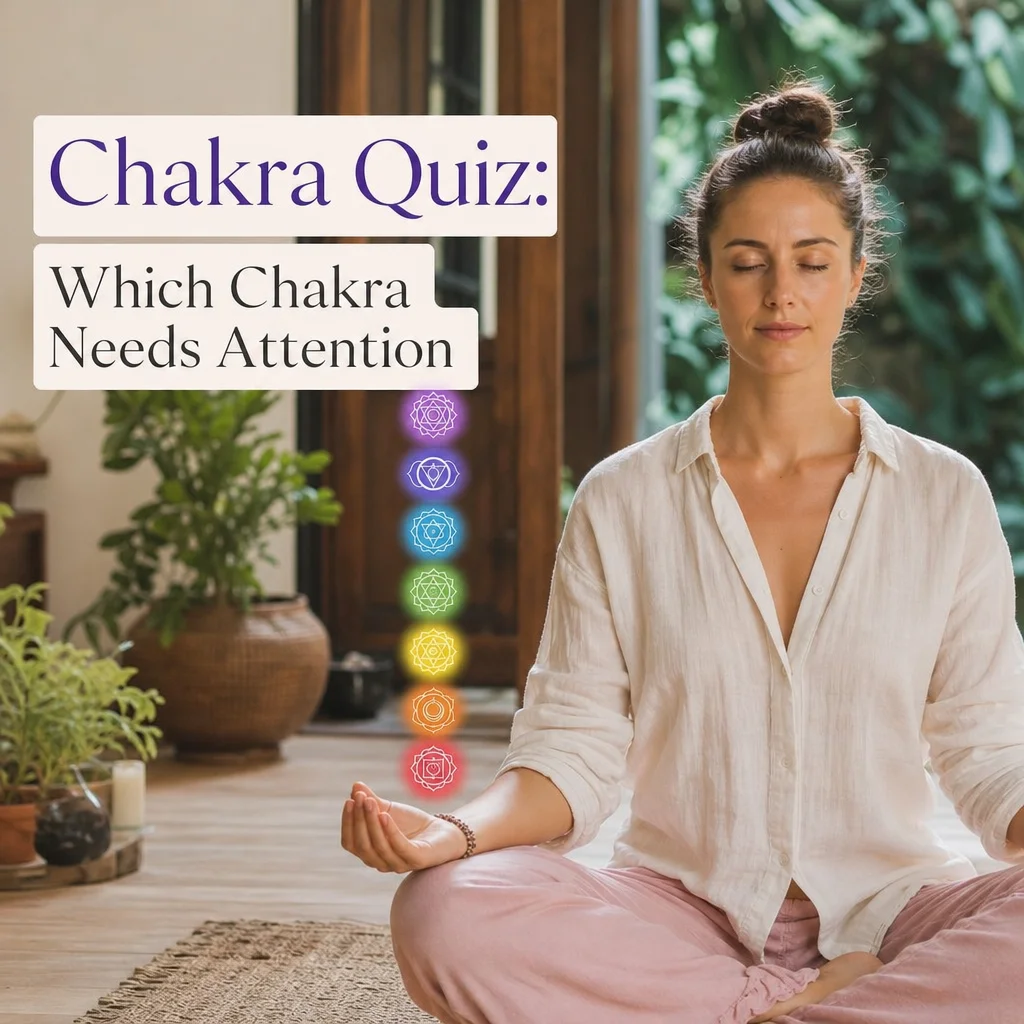
Lie down in a comfortable position with your crystal placed on your forehead (third eye position in chakra terminology, or simply the center of your forehead anatomically). Close your eyes and focus on the sensation of the stone — its weight, temperature, texture. Breathe slowly and deeply, directing your attention to the physical sensation rather than the headache. This is essentially a mindfulness meditation with a physical anchor, and mindfulness has strong evidence for chronic pain management.
Even 5-10 minutes of this practice can reduce perceived headache intensity, particularly for tension-type headaches where muscle tension and stress are primary drivers.
Crystal Grid or Cluster in Rest Space
Some people place crystals around their resting area during a headache — on a nightstand, pillow, or arranged in a small grid. While this doesn't provide the direct physical effects of skin contact, it creates a calming visual environment and serves as a psychological cue to rest and recover. The ritual of setting up your "headache recovery space" can itself be therapeutic by shifting you from a state of suffering to a state of self-care.
Understanding Why These Approaches Help
It's worth being honest about what's likely happening when crystals help with headaches, because it's actually quite interesting from a neuroscience perspective and doesn't require believing in mystical energy fields.
Temperature and Pressure Effects
Cold and pressure are both genuine, well-documented headache relief mechanisms. Cold causes blood vessels to constrict, which helps with vascular headaches (migraines, cluster headaches). Gentle pressure stimulates mechanoreceptors in the skin, which can override pain signals through gate control theory — the same principle behind TENS units and acupressure. A cool crystal on your temple provides both of these simultaneously.
Attentional Diversion
Pain perception is not passive — it's actively constructed by the brain. The more attention you direct toward pain, the more intensely you experience it. Conversely, engaging the brain in other sensory or cognitive tasks reduces the bandwidth available for pain processing. Holding a crystal, focusing on its texture, weight, and appearance, serves as an attentional diversion technique. This is the same principle behind guided imagery and progressive muscle relaxation in clinical pain management.
Ritual and Expectation
The placebo effect is real and powerful. Neuroimaging studies show that when people expect pain relief, the brain releases endogenous opioids (natural painkillers) that genuinely reduce pain perception. The ritual of selecting a specific crystal, preparing it, and using it in a deliberate way creates expectation of relief, which activates the body's own pain management systems. This isn't "fake" relief — it's a genuine neurochemical response triggered by expectation.
Stress Reduction
Stress is a primary trigger and amplifier of tension headaches. Any activity that reduces stress — including crystal use, meditation, deep breathing, or simply sitting quietly with an object you find calming — interrupts the stress-pain-tension cycle. Whether the calming effect comes from the crystal itself, the ritual, or the deliberate pause in your day to rest and breathe, the headache relief is real.
When to Seek Medical Help
Crystals and self-care techniques have their place in headache management, but they have clear limitations. Seek medical attention if:
- Your headache is the worst you've ever experienced (thunderclap headache)
- Headache is accompanied by vision changes, confusion, difficulty speaking, or weakness on one side
- You have a stiff neck along with fever
- Headache frequency or intensity is progressively worsening
- Over-the-counter pain medication provides no relief
- Headaches are triggered by physical exertion, coughing, or bending
- You experience headaches more than 15 days per month (medication overuse headache risk)
A healthcare provider can diagnose the type of headache you're experiencing, identify any underlying causes, and recommend evidence-based treatments. Crystal use can be a complementary practice alongside — not instead of — appropriate medical care.
Building Your Headache Crystal Kit
If you want to try crystals for headache support, here's a practical starter kit that covers different approaches:
- Amethyst tumble stone: For temple placement and cooling. Keep one in the refrigerator for acute use.
- Howlite worry stone: For hand-held tension relief during stress headaches.
- Clear quartz point: For meditation focus and its cooling temperature.
- Lapis lazuli palm stone: For eye strain and screen-related headaches.
- Peppermint essential oil: To combine with any crystal for a synergistic effect.
This combination addresses different headache types (vascular, tension, screen-related) and different usage methods (placement, holding, meditation). Total cost is typically under $30-50, making it an accessible self-care toolkit.
Frequently Asked Questions
How does Clear Quartz help with headache relief?
Clear quartz is widely known as a "master healer" in crystal practices and is often used to clear mental fog associated with headaches. Practitioners typically place it on the crown of the head or hold it in their hands to help direct energy and amplify relaxation. While it is not a medical cure, many users find its cooling and clarifying presence helpful for managing mild head pain.
Can Smoky Quartz be used to relieve tension headaches?
Smoky quartz is highly regarded for its grounding properties and is traditionally used to transmute negative energy and alleviate physical discomfort. For tension headaches, it is often placed at the base of the skull or on the neck to help release built-up stress and relax tight muscles. This stone is thought to be particularly effective for pain caused by overwhelming situations or environmental stress.
What is the best way to use Selenite for a migraine?
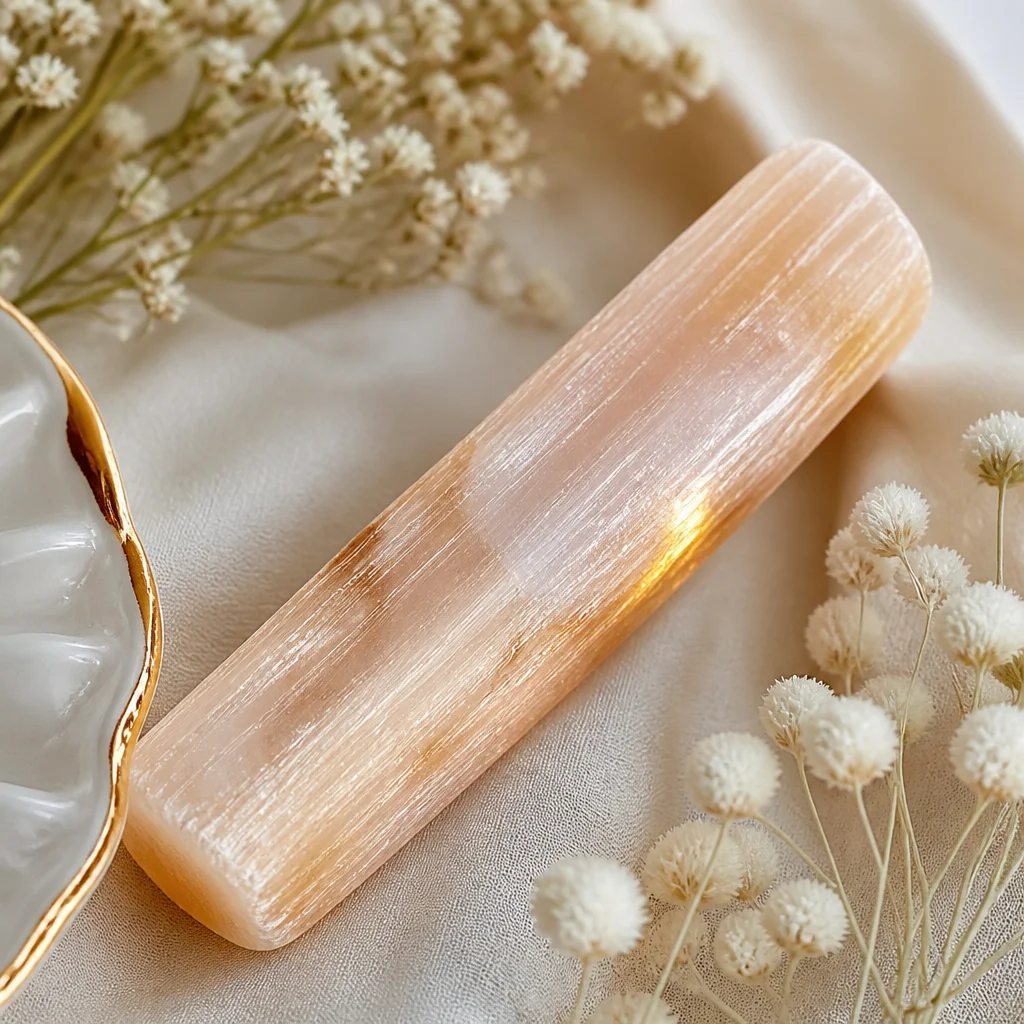
Selenite is a popular choice for migraines because practitioners believe it can cleanse energetic blockages in the upper chakras and calm the nervous system. To use it, you can lay down in a quiet, dark room and place a selenite wand flat across your forehead or just above the crown of your head. Users often report that this practice helps soothe the intense sensory overload that frequently accompanies severe migraines.
How do you actually apply crystals when you have a headache?
The most common method is to lie down in a comfortable position and place the chosen stones directly on specific points of the body, such as the temples, the forehead, or the back of the neck. You can also simply hold a stone in each hand or place them under your pillow to encourage overall physical relaxation. To enhance the soothing effect, many people recommend chilling smooth, tumbled stones in the refrigerator before applying them to the skin.
Is there any scientific evidence that crystals cure headaches?
There is currently no peer-reviewed scientific evidence proving that crystals can physically cure headaches or migraines on their own. The relief people experience is generally attributed to the placebo effect, as well as the relaxing, mindful ritual of taking a quiet moment to rest while holding the stones. Always consult a healthcare professional for severe or persistent head pain to rule out any serious underlying medical conditions.

Comments