7 Crystal Meditation Mistakes Beginners Make
May 16, 2026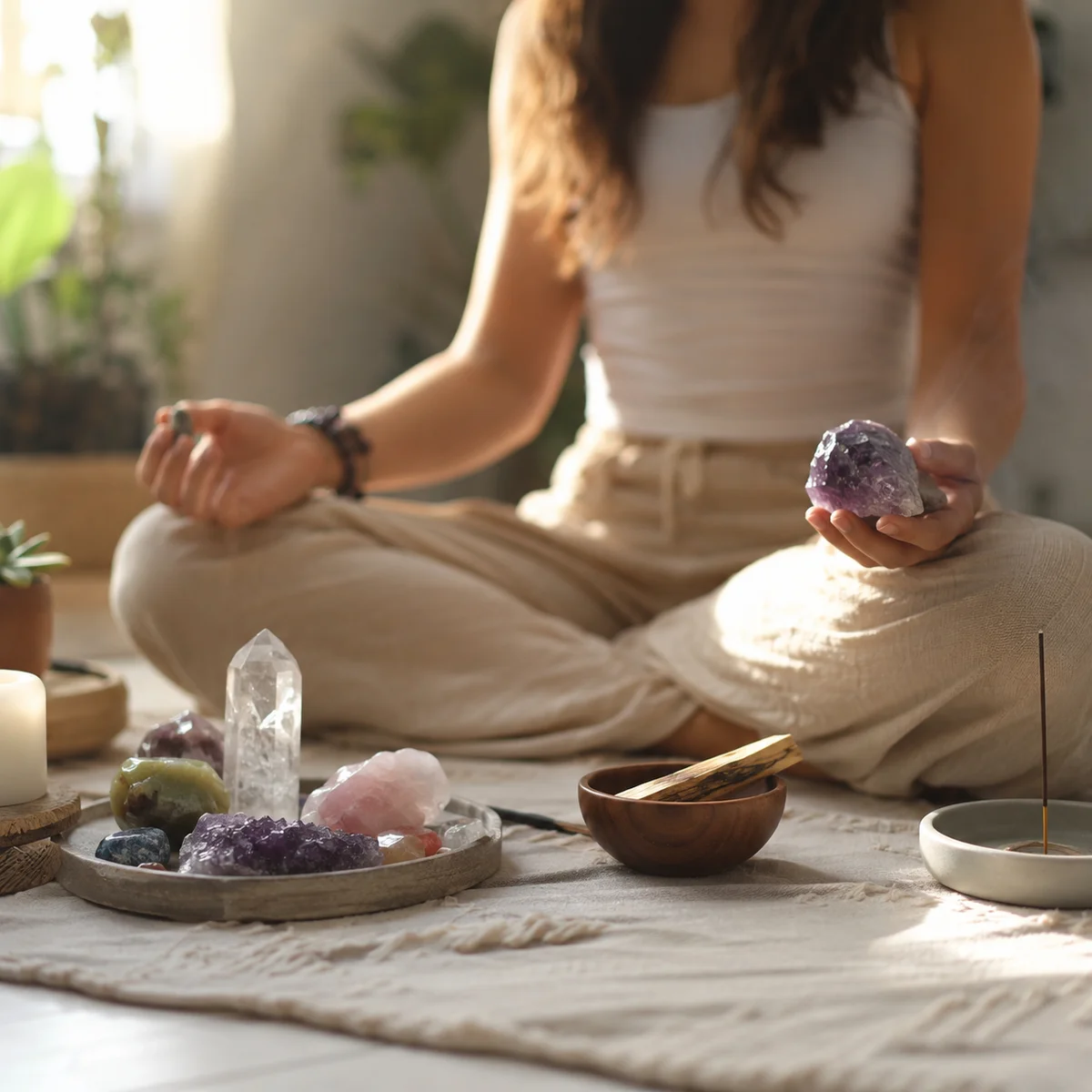
7 Crystal Meditation Mistakes I Made (So You Don't Have To)
I spent two years fumbling through crystal meditation before I figured out what I was doing wrong. That's not an exaggeration — I'd sit with a piece of amethyst pressed against my third eye, feel absolutely nothing, and assume the crystal was "defective." Spoiler: the crystal was fine. I was the problem.
If you're just starting out with crystal meditation, you're probably making at least a few of the mistakes below. I know because I made every single one of them. Some took months to correct. One of them I still catch myself slipping back into.
Here's what I got wrong — and what actually works instead.
1. Skipping the Cleansing Step Entirely
This was my first and dumbest mistake. I bought a beautiful labradorite palm stone from a crystal shop, drove home, and immediately sat down to meditate with it. Within thirty seconds I felt a weird, heavy agitation — not calm, not focused, just vaguely anxious. I blamed the crystal. I blamed the shop. I blamed my "chakras being blocked."
What I didn't know: that labradorite had been handled by who knows how many people before it reached me. The shop owner, other customers, the person who packed it for shipping. Each person left their own energetic residue on the stone. When I held it during meditation, I was essentially meditating on everyone else's bad moods.
The fix was embarrassingly simple. I started cleansing my crystals before every session. For most stones, running them under cool water for 30 seconds and setting an intention to clear them works. For water-soluble stones like selenite or halite, I use smoke from sage or palo santo, or I place them on a bed of coarse salt overnight.
My personal go-to now: I keep a large selenite charging plate on my nightstand. After each meditation, I place whatever crystal I used on the selenite. It clears the stone passively — no ceremony needed. If you want a deeper dive into clearing energy, this selenite guide covers the best methods.
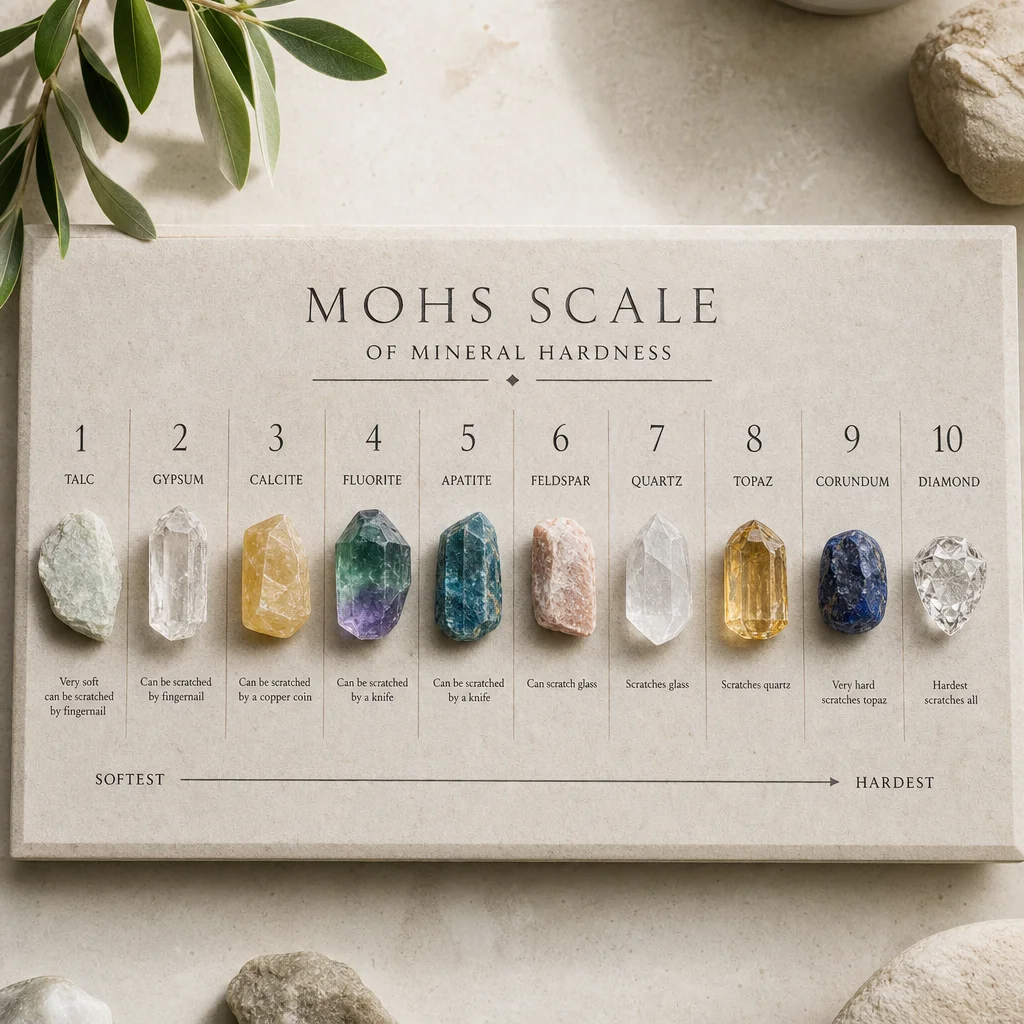
Here's a quick reference I wish I'd had from the start: hard stones like quartz, amethyst, and tourmaline can handle water cleansing. Soft or porous stones — selenite, calcite, halite, angelite — should never touch water. They'll dissolve or degrade. For those, smoke, sound, or placement on a cleansing stone like selenite or clear quartz are your safest bets.
The difference was night and day. That same labradorite went from feeling "off" to becoming one of my favorite meditation stones. It wasn't broken. It was just dirty.
2. Buying Expensive Crystals Before I Knew What Worked for Me
I dropped $180 on a moldavite pendant because someone on Instagram said it was the "ultimate meditation stone." I wore it during meditation for two weeks. It gave me a headache every single time.
Here's the thing nobody tells you: expensive doesn't mean better. Rare doesn't mean more powerful. A $5 tumbled rose quartz might connect with you more deeply than a $300 herkimer diamond. The price tag reflects scarcity, not effectiveness.
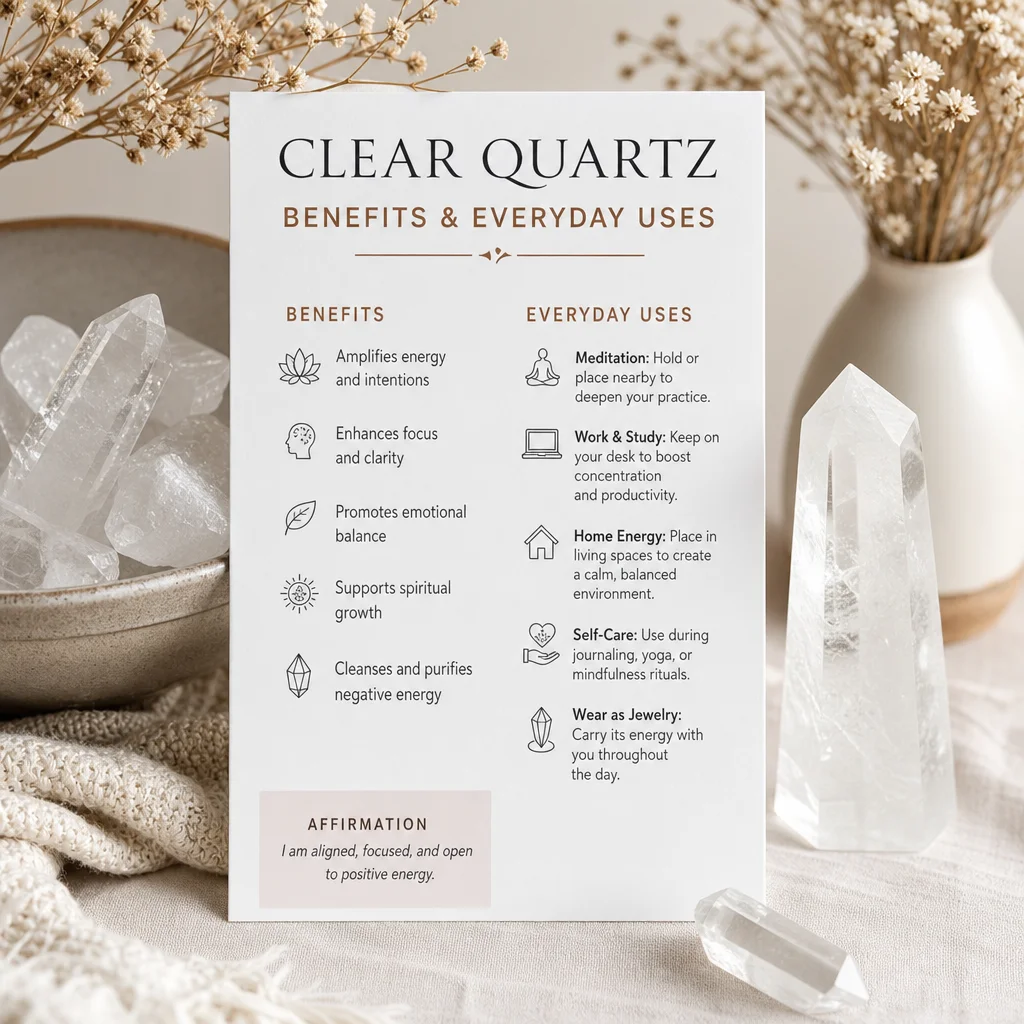
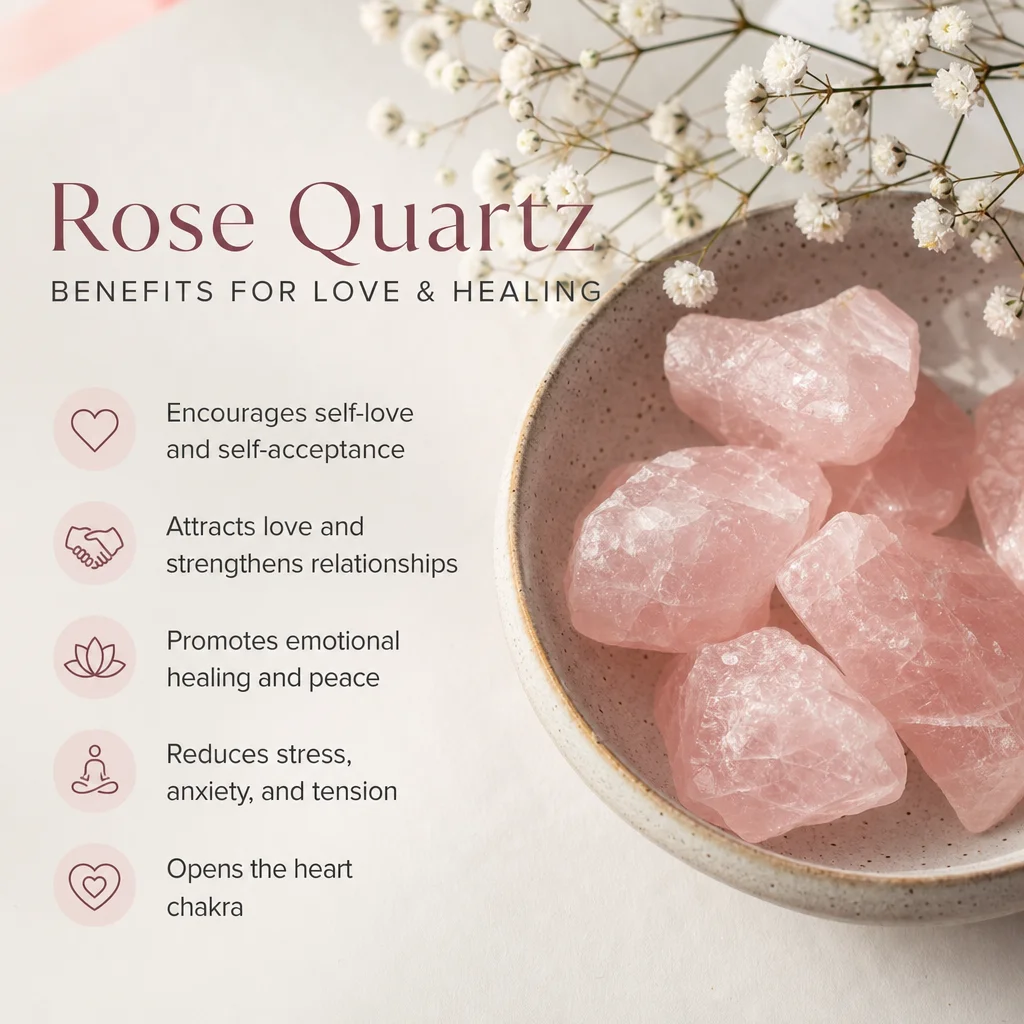
When I finally stopped chasing rare specimens and started working with simple, affordable stones, my meditation practice actually improved. Rose quartz for heart-centered meditation. Clear quartz as a general amplifier. Amethyst for winding down at night. Black tourmaline for grounding when I felt scattered. These are all stones you can get for under $15, and they do the job beautifully.
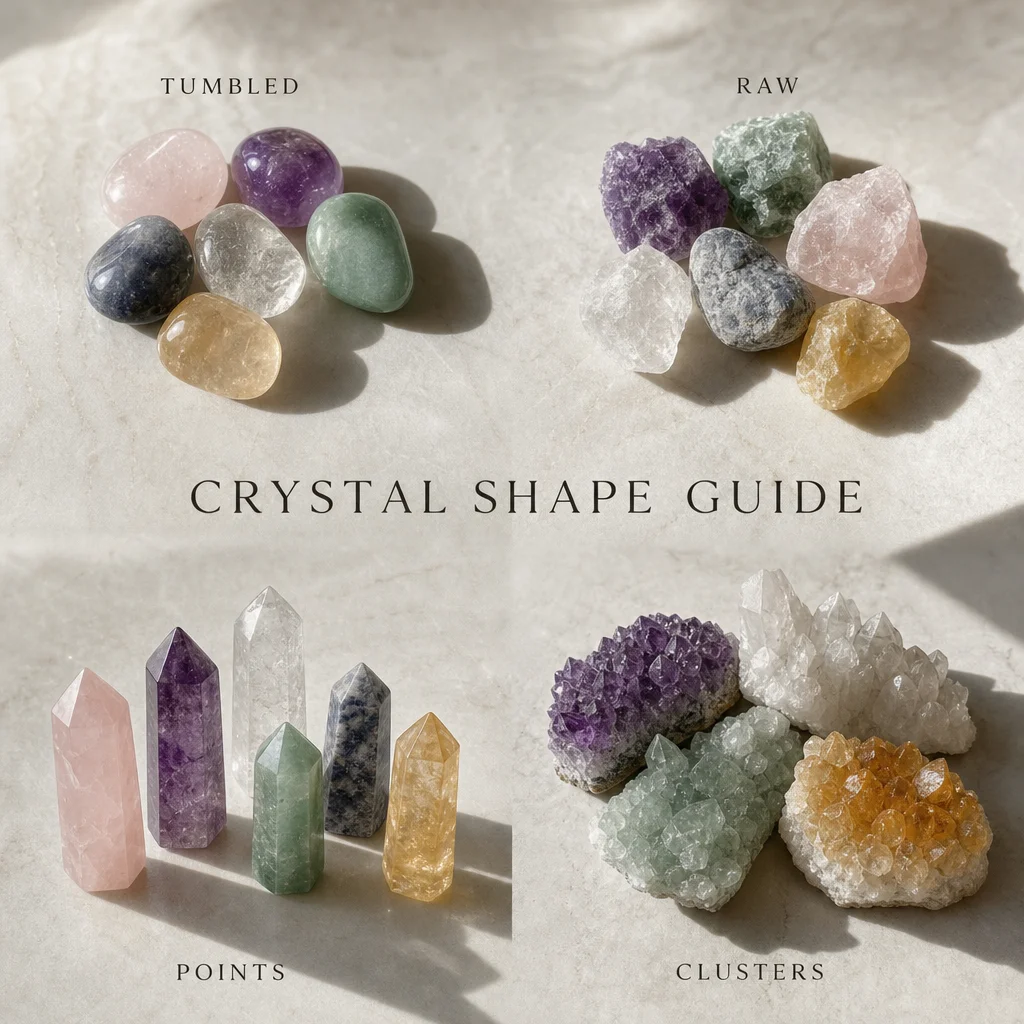
My rule now: start cheap. Work with tumbled stones and rough pieces for at least six months. Once you understand how different crystals feel in your body during meditation, then consider investing in higher-quality specimens. But never assume a higher price means a better experience.
I also learned that size barely matters for meditation. A small tumbled stone that fits in your palm often works better than a massive specimen because you can comfortably hold it for 15–20 minutes without your hand cramping. I had this chunky raw smoky quartz that looked impressive on a shelf but was genuinely uncomfortable to hold during seated meditation. I'd shift it around constantly, which broke my focus every time.
If you want a structured approach to choosing the right stones for different purposes, this energy work guide breaks it down by intention and experience level.
3. Meditating With Too Many Crystals at Once
At one point I was sitting in meditation with seven crystals arranged around me — one for each chakra — plus one in each hand and one on my heart. I looked like a crystal grid diagram from a New Age textbook. I also felt completely overwhelmed and couldn't focus on anything.
There's this idea in crystal communities that more is better. Layer this stone, stack that one, surround yourself with a full spectrum of minerals. Maybe that works for advanced practitioners who've been at it for a decade. For a beginner, it's sensory chaos.
The consequence was real: I'd finish a 20-minute meditation feeling more scattered than when I started. My mind would race between all the different stones, trying to "feel" each one, and I'd end up with a mild headache and zero sense of calm.
What works: one crystal. Maybe two if they complement each other well (like rose quartz + amethyst for an evening wind-down). Pick one stone, hold it, and give your full attention to the connection between your hand and the crystal. Notice its temperature, its weight, its texture. Let everything else fade.
Once you can sit with a single crystal for 15 minutes and feel genuinely settled, then you can experiment with adding a second stone. But don't rush it. Simplicity wins in meditation, crystals or no crystals.
There's also a practical issue: when you're new to meditation, the last thing you need is more mental clutter. Each crystal you add is another thing to think about. Am I holding this one right? Is it in the correct position? Should I be feeling something from this one yet? Before you know it, you've spent your entire session managing crystals instead of meditating.
4. Not Charging Crystals After Cleansing
I got the cleansing part down after a few months. But then I'd cleanse a crystal, stick it in my drawer, and grab it a week later expecting it to be at full power. It wasn't.
Think of it this way: cleansing strips the crystal of old energy, but it doesn't necessarily fill it back up with anything useful. It's like washing a glass — it's clean, but it's empty. Charging is how you fill the glass.
The method I use now is simple. After cleansing, I place the crystal in direct sunlight or moonlight for a few hours. Sunlight charges stones with active, vibrant energy (great for citrine, carnelian, clear quartz). Moonlight charges them with softer, reflective energy (better for moonstone, labradorite, lepidolite). Some people prefer to bury their crystals in soil for a day. Others use sound — a singing bowl or tuning fork.
I made the mistake of charging everything in sunlight and ended up bleaching the color out of a beautiful piece of amethyst. Turns out some crystals fade in prolonged sun exposure. Now I check before charging, and when in doubt, I use moonlight charging — it's gentler and works for everything.
The difference between a charged and uncharged crystal during meditation is subtle but real. A charged crystal feels like it's "meeting you halfway." An uncharged one feels flat, like a phone at 5% battery. I know that sounds vague, but once you've felt the contrast a few times, you'll know exactly what I mean. It's the kind of thing you can't un-notice once you notice it.
One more thing: I used to skip charging when I was in a hurry, telling myself I'd just "do it later." Later never came. The crystal would sit cleansed but uncharged for days, and by the time I got around to meditating with it, any benefit from the cleansing had faded too. Now I combine cleansing and charging into one step whenever possible — cleanse in water, then immediately place in moonlight. One workflow, no procrastination.
5. Expecting Immediate Sensations
I almost quit crystal meditation entirely after my first month because I kept waiting for something dramatic to happen. Heat. Tingling. Visions. A deep spiritual download. I'd seen people describe feeling energy "pulsing" through their hands the first time they held a crystal, and when I felt nothing, I assumed I was doing it wrong.
This is maybe the most damaging expectation you can bring to the practice. When you sit in meditation waiting for a specific sensation, you're not actually meditating — you're performing a test. And the test keeps failing because you're too focused on the outcome to notice the subtleties.
For me, crystal sensations built up over weeks, not minutes. The first time I meditated with black tourmaline, I didn't feel much. After a month of daily practice with it, I noticed I consistently felt more grounded and less reactive during the day. Was that the crystal? The meditation? The combination? Does it matter?
My advice: stop chasing sensations. Sit with your crystal, breathe, and let whatever happens happen. Sometimes you'll feel warmth. Sometimes you'll feel nothing. Both outcomes are fine. The benefit of crystal meditation accumulates over time in ways you might not notice in the moment — better sleep, calmer reactions, more focused mornings.
This is also why I'm skeptical of anyone who claims you "must" feel a crystal's energy for it to be working. That's gatekeeping, and it drives beginners away from a practice that could genuinely help them.
If you're a month in and still not feeling anything specific with your crystals, try this: pay attention to what happens after meditation instead of during. Do you feel calmer the rest of the day? Do you sleep better on nights when you meditated with amethyst? Is your afternoon irritability lower on days you sit with black tourmaline? These downstream effects are often the real benefit, and they're easy to miss if you're only evaluating the practice by what happens while you're sitting still.
6. Forcing a Crystal That Didn't Feel Right
A well-meaning friend gave me a piece of malachite and told me it was perfect for deep emotional healing. I trusted her, so I started meditating with it every morning. For two weeks, every session felt wrong — not painful exactly, but uncomfortable in a way I couldn't articulate. I pushed through because I thought the discomfort was "part of the process."
It wasn't. Malachite is traditionally considered a stone that brings suppressed emotions to the surface. For some people that's exactly what they need. For me, at that point in my life, it was too much too fast. I wasn't ready for the intensity.
When I finally set the malachite aside and switched to gentle, supportive stones — rose quartz, lepidolite, blue lace agate — my meditation practice immediately felt sustainable again. I wasn't dreading my sessions. I actually looked forward to them.
Here's my controversial take: not every crystal is for you, and that's not a flaw — it's a feature. The crystals that repel you are telling you something. Listen. If a stone makes you feel uneasy, agitated, or just "off," put it down. There's no badge of honor for pushing through discomfort in meditation. This isn't a boot camp.
I later revisited malachite after about a year of consistent practice. It still felt intense, but this time I could sit with that intensity without being overwhelmed. Timing matters. Readiness matters. Don't force it.
7. Believing I Needed Crystals at All
This is the one nobody wants to hear, especially in crystal communities. But it's the most important thing I learned: you do not need crystals to meditate. Full stop.
I spent my first year of "crystal meditation" so focused on the crystals that I barely developed an actual meditation practice. I was more worried about which stone to use, whether it was cleansed, and where to place it than I was about my breath, my body, or my state of mind. The crystals had become a distraction disguised as a tool.
The shift happened when I forgot my crystal pouch on a trip. I had no choice but to meditate without them for a week. And honestly? Some of those sessions were the deepest I'd had. My breath felt more present. My focus was sharper. I wasn't mentally cataloging my crystal collection — I was just there.
Now I use crystals about half the time. The other half, I meditate with just my body and breath. The crystals are a support, not a requirement. When I do use them, they add texture to the practice — a physical anchor, a symbolic focus, a ritual trigger that tells my brain "okay, we're settling in." But they're not doing the heavy lifting. I am.
If you find yourself unable or unwilling to meditate without crystals, that's worth paying attention to. It might mean the practice has become about the objects rather than the process. Try going crystal-free for a week and see what changes. You might be surprised.
That said, when crystals do support your practice, they can be genuinely helpful. I've found that combining crystal meditation with a gratitude practice creates a particularly grounded, heart-centered state that's hard to reach with either alone. The crystal gives me something to hold; the gratitude gives me something to feel. Together they work beautifully — but either one works on its own too.
What I'd Tell Myself on Day One
If I could go back to that first afternoon with my "defective" amethyst, I'd say: slow down, keep it simple, and stop trying so hard.
Buy one or two affordable crystals. Cleanse them. Charge them. Sit with one at a time. Don't chase sensations. Don't force stones that feel wrong. And remember that the crystal is the accessory, not the meditation itself.
The best crystal meditation I ever had was with a $4 tumbled rose quartz, sitting on my bedroom floor at 6 AM, with no music, no grid, no special setup. Just me, the stone, and ten minutes of quiet breathing. That's the whole practice. Everything else is optional — and some of it is actively unhelpful.
Start there. Add the fancy stuff later, if you want to. Or don't. Your meditation practice belongs to you, not to the crystals. The stones are passengers, not the driver. And the sooner you figure that out, the sooner you'll actually start getting somewhere.
Related Guides
- How to Tell if a Crystal Bracelet Is Real or Fake
- Crystal Energy Guide: Healing Properties
- Tourmaline Colors Complete Guide
- Citrine Complete Guide: The Merchant Stone
- How to Clean Crystal Jewelry: A Complete Care Guide
- Complete Crystal Guide: Identification and Meanings
- Clear Quartz: The Universal Crystal Guide
Frequently Asked Questions
What are the best crystals for meditation?
Choose crystals like Clear Quartz, Amethyst, or Labradorite for their high vibrational energy and calming properties. Clear Quartz enhances clarity and focus, Amethyst promotes relaxation, and Labradorite aids in emotional balance.
How should I cleanse my crystals before meditation?
Cleanse your crystals by smudging them with sage, rinsing them under running water, or placing them in a saltwater bath. This process removes negative energy and prepares the crystals for meditation.
Can crystals help with anxiety during meditation?
Yes, crystals like Citrine and Black Tourmaline can help manage anxiety. Citrine promotes joy and happiness, while Black Tourmaline absorbs negative energy and provides emotional protection.
Is there a specific way to hold a crystal during meditation?
There is no strict rule, but many find it comforting to hold a crystal in their non-dominant hand. This practice allows the crystal's energy to flow more freely and can aid in grounding and focus.
How often should I meditate with crystals?
The frequency of your crystal meditation practice is personal. Some prefer daily sessions for consistent results, while others may meditate with crystals weekly or when they feel they need an energy boost.
Can I use any crystal for meditation, even if I'm not sure what it does?
Yes, you can use any crystal for meditation. The key is to trust your intuition. If a particular crystal feels right to you, go with it. Crystals have a natural energy that can be beneficial even if you're not familiar with their specific properties.
How do I choose the right crystal for my meditation goals?
Consider the intention behind your meditation. Are you seeking relaxation, clarity, or protection? Research the properties of different crystals to find one that resonates with your goal. Trust your instincts and pick the crystal that you feel drawn to.
Understanding the Basics
This section covers important aspects of understanding the basics. For detailed information, please refer to the FAQ section below.
Key Factors to Consider
This section covers important aspects of key factors to consider. For detailed information, please refer to the FAQ section below.
Step-by-Step Instructions
This section covers important aspects of step-by-step instructions. For detailed information, please refer to the FAQ section below.
Common Mistakes to Avoid
This section covers important aspects of common mistakes to avoid. For detailed information, please refer to the FAQ section below.
Comments