Carnelian vs Bloodstone: How to Tell Them Apart
May 28, 2026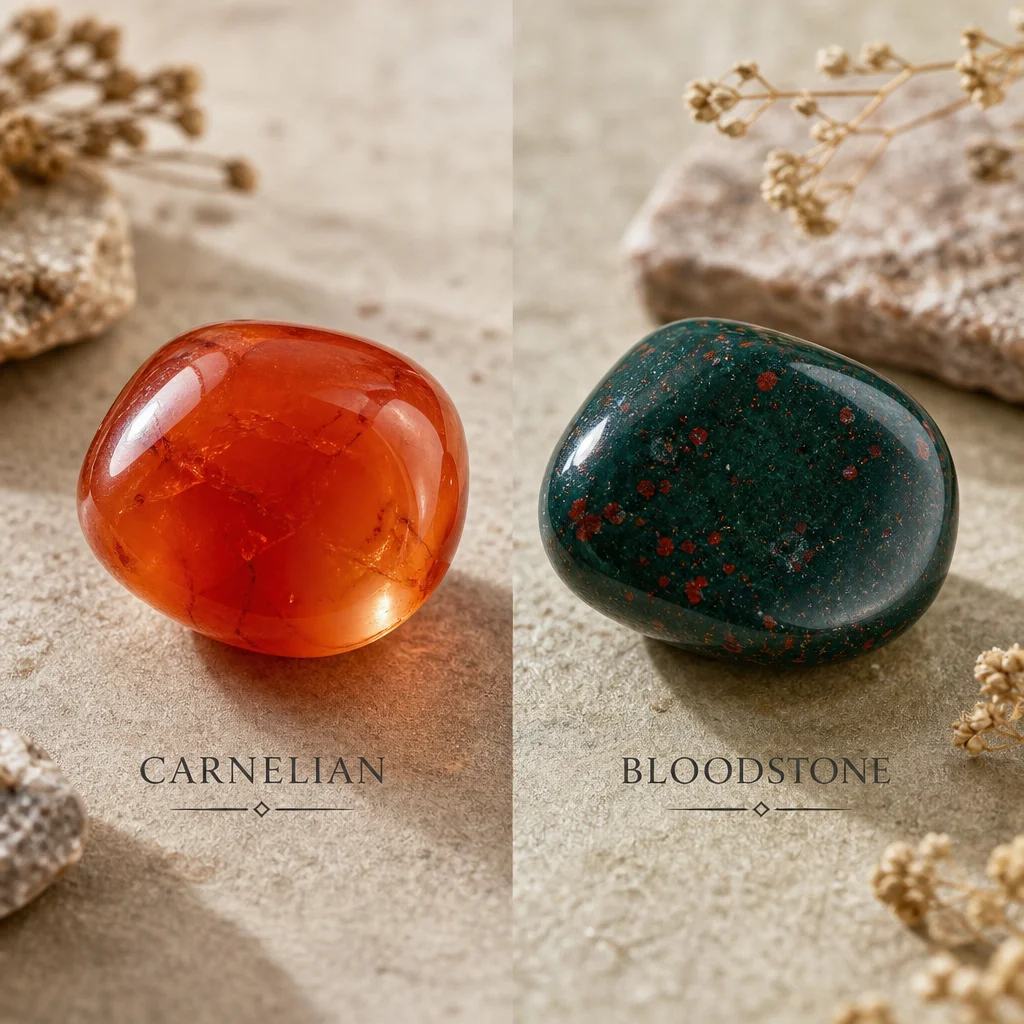
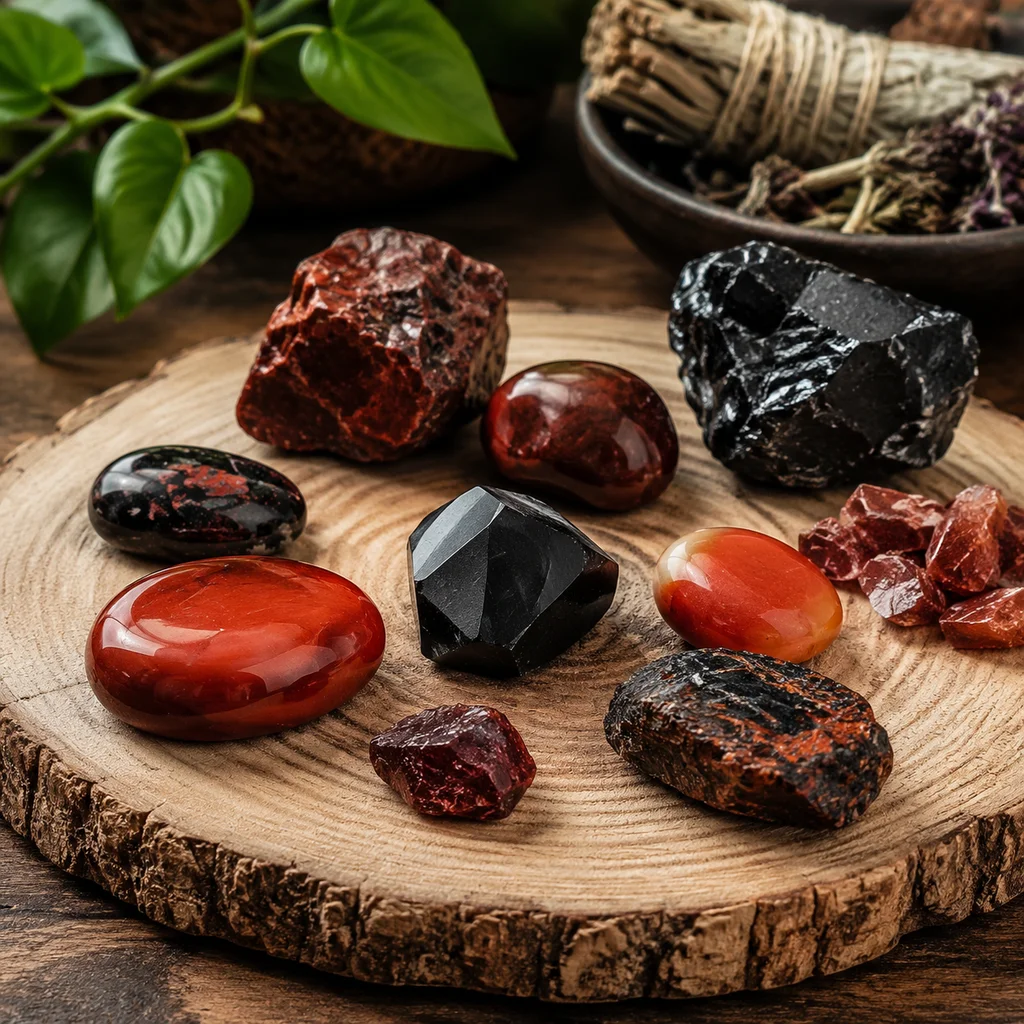
Hey, I recently stumbled upon these incredible Red Queens and I just had to share! They're both Carnelian and Bloodstone, and they're like the cutest couple ever. I've found that what I love about Carnelian is its rich red hues that make me think of a cozy sunset. Not only do they look stunning, but they're supposed to give you a boost of courage and confidence, which is totally rad. But then I found Bloodstone, and honestly, it totally won me over. It's got this dark, wine-y veining that adds a cool contrast. The thing is, both these crystals are super ancient and full of energy, like they've got stories to tell. I definitely need to snag one for my collection. You should check them out at [ourcollection](#) if you're into the crystal vibe!
Ever walk into a gemstone shop and just get totally wowed by those bright reds? They're like they're practically waving hello! Carnelian and Bloodstone are like the queens of the quartz family. They've been the big draws for collectors and mystics for eons. They're not just pretty; they're like little time capsules from ancient times, and they've got some serious meanings to them. So, how do you tell these fiery friends apart? Let's dive into the crystal world and check out what makes Carnelian and Bloodstone so unique, peeling back the layers of their sparkling surfaces.
Historical Significance: A Quick Peek into the Past
So, let me tell you, I've found that crystals have this amazing history. It's like, they've been around for centuries, used by different cultures for all sorts of stuff. Like, did you know the Egyptians used them for healing? And then there's the Romans, they thought they brought good luck. Now, what I love about this is how they've evolved over time. But honestly, it's so cool to see how they've been used in jewelry too. It's like, we're carrying on a tradition, you know? Check out our collection, it's pretty neat!
Hey there! So, I found out about SageStone's history and, man, it was like stepping into another dimension. I've always been into the olden days, and seeing how our crystals have been a big deal in human culture since forever is just fascinating. And let me tell you, every crystal has a story, like a tiny piece of history we carry with us. I get so lost in all the details sometimes. Just think about it, ancient people thought these crystals had magic! That's pretty awesome, right? 😊
Oh, Carnelian and Bloodstone are such cool stones! I mean, before they were just rad necklaces and rings, people totally thought they had these magical powers. Like, in ancient Egypt, Carnelian was like, "Hey, I can keep evil spirits away!" So, pharaohs wore it all the time. And then the Romans? They were totally into it too, making talismans for protection and hoping it'd make their lives smoother. Bloodstone was a big deal in Europe during the Middle Ages, too. They thought it could stop bleeding and fix all sorts of ills. These stones have been around for ages, each with its own story and purpose.
Geological Wonders: The Formation of Carnelian and Bloodstone
Oh, hey! Ever think about how these rad crystals, like carnelian and bloodstone, come to be? It's pretty neat, really. So, carnelian is made from sedimentary rocks that get all hot and squished over time. And bloodstone? It's formed from basalt, which is that volcanic rock stuff. What I love about them is their poppin' colors—carnelian's got this rich red and bloodstone is this deep, dark red. They're both super tough, too, which is why they're great for jewelry. Now, if you're into this crystal vibe, you should definitely check out our collection!Hey, have you ever thought about how these amazing stones come to be? I've found the way carnelian and bloodstone form is super neat. So, carnelian is made from sedimentary rocks over millions of years, and that's what makes it that vibrant red color. And bloodstone? It's chalcedony with those red inclusions that look like blood. It's just so cool how nature does this. Check out our collection, you'll see what I'm talking about!
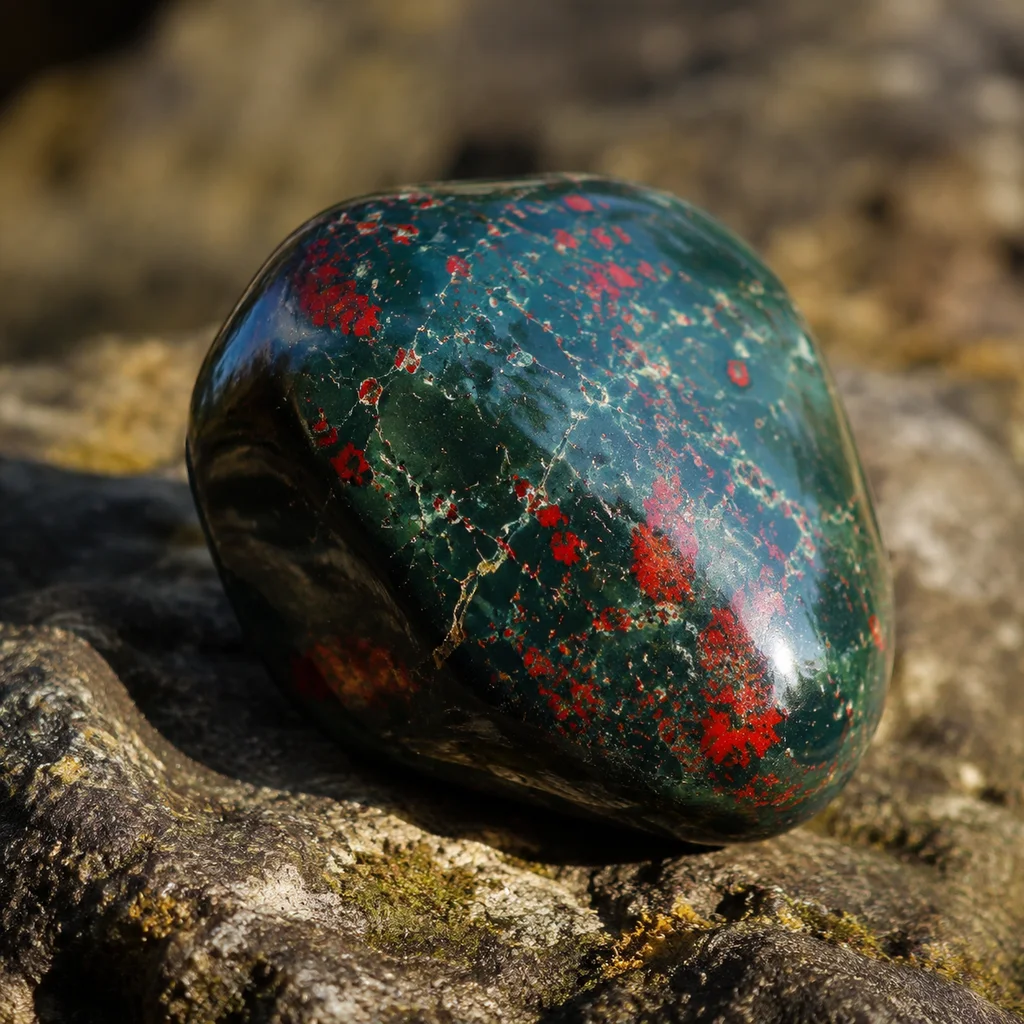
Oh, you've gotta check out Carnelian and Bloodstone! They're like a pair of cool siblings from the earth. They're both silicon dioxide babies, but oh man, how they differ! Carnelian is this rad red and brown, thanks to iron oxide. You'll find everything from a super fiery red to a cozy, honeyed brown. Plus, it's often semi-transparent, so light zips through it, giving it this totally cool, glowing vibe. Now, Bloodstone? It's got this awesome green base, and those red, brown, or yellow bits? They're called "blood spots," like the stone's secret identity. They add so much charm!Hey, I'm telling you about two of my favorite stones, Carnelian and Bloodstone! They're both born deep within the earth, and their creation process is just amazing. They're both made of silicon dioxide, but their colors and patterns are like day and night. Carnelian gets its vibrant reds and browns from iron oxide, and man, you can see anything from a fiery red to a warm, honey brown. Plus, it's semi-transparent, so light can play through it and create this totally rad, glowing effect. Now, Bloodstone is a whole other story. It's got this beautiful green base, and inside it, there are all these red, brown, or yellow bits called "blood spots." They're like the stone's little secret, and they totally up its charm game.
Physical Characteristics: A Closer Look at the Stones
Hey, so let me fill you in on these stones we've got. They're super unique, right? Each one has its own little vibe and shimmer. The thing is, they're all different colors and shapes. I've found that the clarity really makes a piece pop. And honestly, I'm just totally into their natural charm. It's like they've got this vibe that's... well, it's hard to put into words. But I know you'll feel it when you check 'em out. So, when you're checking out Carnelian and Bloodstone, they're a total different ball game. Carnelian's got this rad, glassy or waxy sheen, and it's got these fine bands that are like, "Hey, check out how the color shifts from the middle to the edges!" Plus, it's a tough cookie, with a Mohs hardness of 6.5 to 7, so it's not scratching anything easily. And Bloodstone? Total showstopper! It's opaque, like you can't see through it. There's this green base with red spots, and they're either all over the place or in a pattern that looks like blood droplets on stone. Super dramatic, if you ask me.Physical Characteristics: A Closer Look at the Stones
Hey, so you're into Carnelian and Bloodstone, huh? You can tell a lot just by taking a peek. Carnelian, it's like this crystal honeycomb thing, right? It's either clear or a bit foggy, and it's got this warm, honeyed brown color, or sometimes it's a bright orange-red. There's this iron oxide in the quartz mix that makes it look so rich. Bloodstone, also called Heliotrope, is a whole different story. It's a deep, dark green, like a lush forest, and it's got these red, brown, or yellow bits that look like blood droplets. The green comes from this green chalcedony stuff, and the red bits are just the specks. Now, both these stones are pretty tough—Mohs hardness is around 6.5 to 7, so they're great for jewelry. Carnelian can be super clear with this soft, glowy vibe, but Bloodstone is this solid, dark green with those red dots. The Carnelian can have these cool stripes where the colors change from the middle to the edge. Bloodstone's pattern is more noticeable—those red, brown, or yellow bits can be everywhere or lined up in a row. And the thing is, Carnelian can have this glassy or waxy finish, you know? It all depends on how it's polished. Bloodstone usually has that glassy shine or can be a bit on the dull side, depending on how smooth it is.Formation and Occurrence
So, Carnelian and Bloodstone, they're both part of the quartz family, but they're like two totally different vibes. Carnelian is usually found in those sedimentary rock layers, like a massive stone layer cake. It's often chillin' with other quartz types. And the colors? They're all about those iron oxide impurities getting trapped during the stone's birth. But Bloodstone, it's like the cool kid at school. It usually hangs out in volcanic rocks, and those green and red bits? They're believed to have formed during the same volcano action. The red bits? They're iron oxide too, but they got pushed into the chalcedony during the big bang of the volcano. It's like the stone has its own rock legend. And honestly, these stones are everywhere. You'll find Carnelian in places like India, Egypt, and Brazil. Bloodstone? It's like a world treasure hunt with spots in Australia, the U.S., and Madagascar. Pretty neat, huh?Historical Significance and Cultural Uses
Oh, Carnelian and Bloodstone? They're these totally cool crystals that have been around since forever, dude. They've got this super cool history. Carnelian? It's got these totally vibrant colors that just make you go, "Wow." We've been using it in jewelry for ages—it's like, it's never gone out of style. And the Egyptians? They were totally into it. They thought it kept the bad vibes away and was like a magic fertility boost. They'd even make little charms and seals out of it. And then there's Bloodstone, the one with all those red specks. It's got this vibe of strength and life force. Back in medieval times, Europeans tried to use it to cure bleeding stuff. They thought if you put it on a cut, it'd stop the bleeding—hence the name, "stop the bleeding stone," right? But hey, it's not just all old school. People still love these stones for their metaphysical stuff. Carnelian's the courage crystal, and Bloodstone's like the chill vibe for emotional healing and keeping things balanced. What I love about them is how they've lasted through the ages, still totally on-trend.Identification and Authentication
Alright, figuring out Carnelian from Bloodstone can be a real head-scratcher, especially if you're new to the crystal game. Here's how to tell 'em apart like a pro: So, let's talk Carnelian and Bloodstone. First up, look at the color—Carnelian's got this cool mix of translucent to semi-translucent, with those orange-red to brown hues. Bloodstone, on the other hand, is solid and opaque, with a dark green base and those cool red speckles. It's like Carnelian's almost like a see-through window, but Bloodstone's like a solid brick. Now, check out the pattern. Carnelian can have some subtle lines, but Bloodstone's got this bold, in-your-face look with red, brown, or yellow chunks. And don't forget about the luster—Carnelian's all about that glossy finish, while Bloodstone can be shiny or just a bit on the dull side. But here's the thing, they're both pretty tough—hardness-wise, they're around 6.5 to 7 on the Mohs scale, so they're not going to crack on you any old time. And when it comes to treatment, Carnelian gets heated to get that deeper color, but Bloodstone usually just keeps it real. So, if you really zero in on these details, you'll be able to spot the difference in no time. It's all about those tiny details, you know?Understanding the Formation of Carnelian and Bloodstone
OMG, the way Carnelian and Bloodstone form is just the best story ever! It's like a super long movie that's been playing out over millions of years. Both stones are made from all these layers of sediment, just like a massive sandcastle. And then, as they get all squished together, minerals start to turn into crystals. That's how we get all those awesome colors and patterns! Carnelian? It's all about the iron. You usually find it in riverbeds and those alluvial deposits. The iron in the water mixes with the sand, and voilà, you've got those fiery reds. And those stripes? They're from all these different layers of quartz, both fine and chunky, and it's like a zebra! Bloodstone? It's Carnelian's twin but with a twist. It's made the same way but with different minerals. The green is from chalcedony, and the red spots? Those are from iron oxide or manganese oxide. The spots can be tiny or huge, and they're all over the place, making each Bloodstone super unique. The whole process that makes these stones is what gives them their colors, patterns, and strength. They're both part of the quartz family, and they're super tough, which is why they're great for making jewelry and all sorts of beautiful stuff.Historical and Cultural Significance
Oh, Carnelian and Bloodstone are these timeless beauties that have been all the rage across cultures for ages. Not only do they sparkle like nobody's business, but they're also thought to have some magical healing powers. In ancient Egypt, Carnelian was like the cool kid that everyone wanted to be around. It was used in amulets and jewelry to keep negative energy at bay, and it was linked to the god Ra. People believed it could boost fertility and creativity. Bloodstone, also known as "Heliotrope" in Greek, was a big deal too. It was said to turn sunlight into fire, and it was thought to help with blood-related issues. The red spots were like little badges of hero blood, symbolizing bravery. In medieval Europe, Carnelian was all about the Roman god Mars, who represented courage and strength. It was also supposed to help with memory and chase away the blues. Bloodstone was used for all sorts of ills, like epilepsy and kidney troubles. Fast forward to today, and Carnelian and Bloodstone are still the big dogs in the crystal game. They're all about looking good and feeling good. They're huge in meditation and crystal healing circles, and people love 'em for their courage, creativity, and emotional balance vibe.Frequently Asked Questions
Hey, you're into Carnelian, right? It's my jam! But, you gotta know the real deal from the fake. I've found that the color and how clear it is can tell you a lot. Natural ones are this deep, rich red, and they're not super shiny. But treated ones? They can be super bright and clear. So, if it looks too perfect, it's probably not the real deal. Just wanted to give you a heads-up!
Hey, so you gotta be on the lookout for those super bright red Carnelians—they might have been heat-treated to make 'em pop. Natural ones usually have a more subdued, earthy vibe. Just make sure the color's even all the way through the stone, and keep an eye out for any wonky inclusions or lines that don't look right. It's super important!Oh, totally! Bloodstone is this rad crystal for healing. It's got these tiny red bits that look like blood, hence the name. I've found it's great for easing stress and even physical pain. It's so chill to wear, honestly. You should definitely check it out if you're into the crystal vibe! 🌟
Oh totally! Bloodstone is a big deal in crystal healing. They say it can help with blood stuff, like anemia and circulation issues. And it's like, super for boosting courage and keeping your emotions in check. Plus, it's got this cool look, right? What I love about it is the way it glimmers in the light.
Hey, I know you're into crystals! So, about Carnelian and Bloodstone... Are there any health risks? I've found what I love about them is their energy, but honestly, I haven't heard of any risks. Just wear them with care, you know? Keep them clean and don't sleep with them on, but other than that, they're pretty chill.
So, Carnelian and Bloodstone are totally fine to rock, but hey, just like with all jewelry, you gotta keep it away from harsh chemicals and super hot or cold stuff. And don't forget to take 'em off when you're doing stuff that might ding 'em up.
Question 4: Can Carnelian and Bloodstone be cleaned with ultrasonic cleaners?
No, both stones are sensitive to ultrasonic cleaning. It is best to clean them with warm water and a soft cloth. Avoid using harsh chemicals or abrasive materials that could damage the surface of the stones.
Question 5: How should I care for my Carnelian and Bloodstone jewelry?
Store your Carnelian and Bloodstone jewelry in a fabric-lined box or pouch to prevent scratches. Avoid exposing them to extreme temperatures and harsh chemicals. Clean them regularly with warm water and a soft cloth, and dry them thoroughly before storing.
Next Steps and Encouragement
If you are interested in adding Carnelian or Bloodstone to your collection, the first step is to learn as much as you can about these fascinating stones. Visit your local gem and mineral shops, or explore online resources to deepen your knowledge. When you are ready to purchase, look for reputable dealers who can provide you with detailed information about the stones you are considering. Remember, the path of collecting Carnelian and Bloodstone is not just about acquiring beautiful stones; it is about connecting with the rich history and cultural significance behind them. Take your time, enjoy the process, and let your collection grow organically. With care and appreciation, your Carnelian and Bloodstone pieces will become cherished companions for years to come.Frequently Asked Questions
How can I tell the difference between Carnelian and Bloodstone?
The easiest way is by color. Carnelian ranges from pale orange to deep reddish-brown with a translucent, glassy appearance. Bloodstone is dark green with distinctive red spots or streaks. Carnelian feels warm and uniform, while Bloodstone has an opaque, mottled look. At SagStone, our artisans hand-select each stone, so you can trust the authenticity and natural beauty of every piece in our collection.
Can I wear Carnelian and Bloodstone jewelry together?
Absolutely! Carnelian and Bloodstone complement each other beautifully. Carnelian brings vibrant, motivating energy while Bloodstone offers grounding and protective qualities. Many crystal enthusiasts love wearing them together for balance. At SagStone, we design our handcrafted pieces to layer effortlessly, so you can mix these stones for both their visual contrast and their harmonious energies throughout your day.
Comments