Blue Topaz vs Aquamarine: Which Blue Gemstone ..
June 2, 2026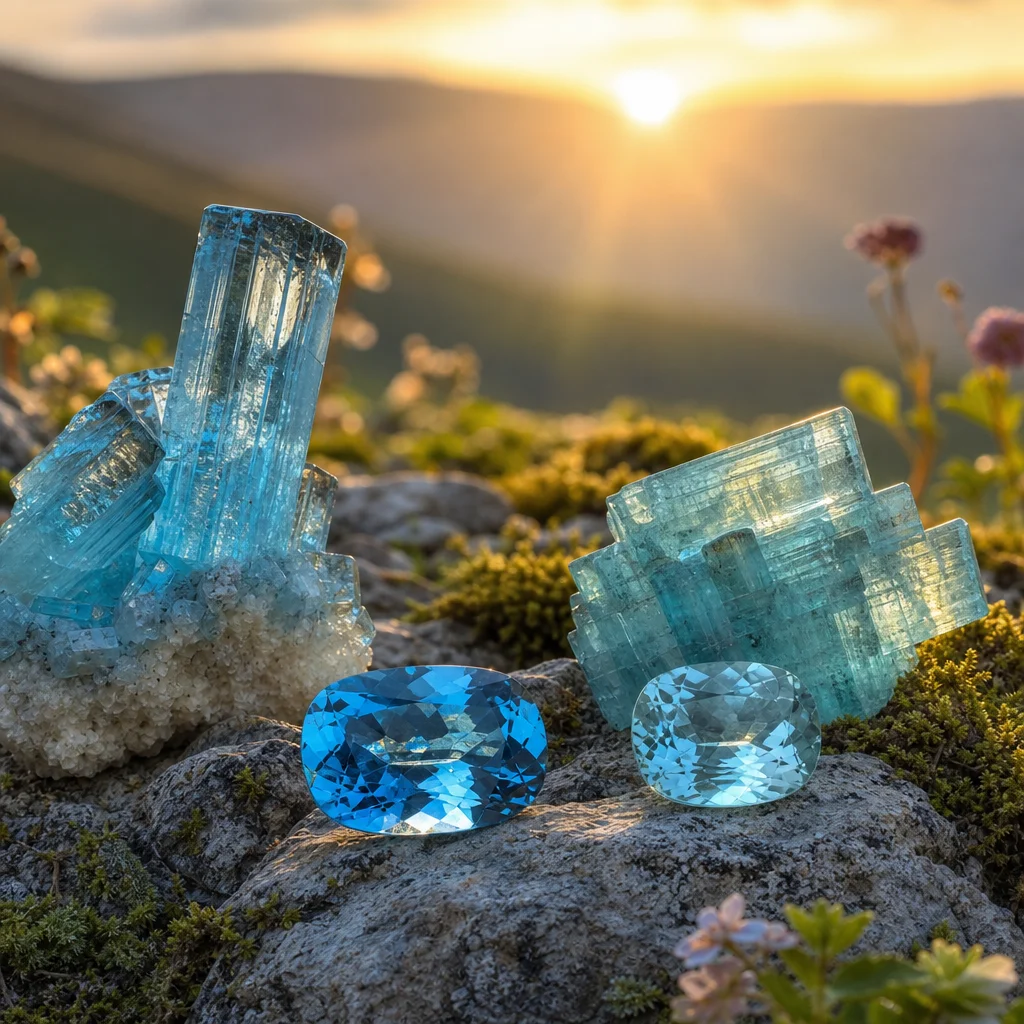
Blue Topaz and Aquamarine — A Common Confusion
Walk into any jewelry store and ask for "that blue stone" and the first question you'll get is: "Topaz or aquamarine?" These two blue gemstones share a similar cool blue color range, they're both popular for rings and pendants, and they're both relatively affordable compared to sapphire or tanzanite. But beneath the surface similarity, they're completely different minerals with different properties, price points, and considerations for everyday wear.
Understanding the differences matters whether you're shopping for a piece of jewelry, building a crystal collection, or simply trying to identify a blue stone someone gave you. Let's break down what sets these two apart and how to choose the right one for your needs.
The Fundamental Difference: They're Different Minerals
This is the starting point that everything else flows from. Aquamarine is a variety of beryl, the same mineral family that includes emerald (green beryl), morganite (pink beryl), and heliodor (yellow beryl). Its chemical formula is Be₃Al₂Si₆O₁₈, and the blue color comes from trace amounts of iron (Fe²⁺) substituting for aluminum in the crystal lattice.
Blue topaz is a variety of topaz, an aluminum fluosilicate with the formula Al₂SiO₄(F,OH)₂. Topaz occurs naturally in many colors — yellow, brown, pink, and colorless — but blue topaz is almost always the result of treatment. Natural blue topaz does exist, but it's rare and typically very pale. The vivid sky blue and Swiss blue topaz you see in jewelry is produced by irradiation and heat treatment of colorless topaz.
The different mineral families mean different crystal structures, different physical properties, and different geological origins. Let's look at how these play out in practical terms.
Color: The Most Noticeable Difference
Aquamarine
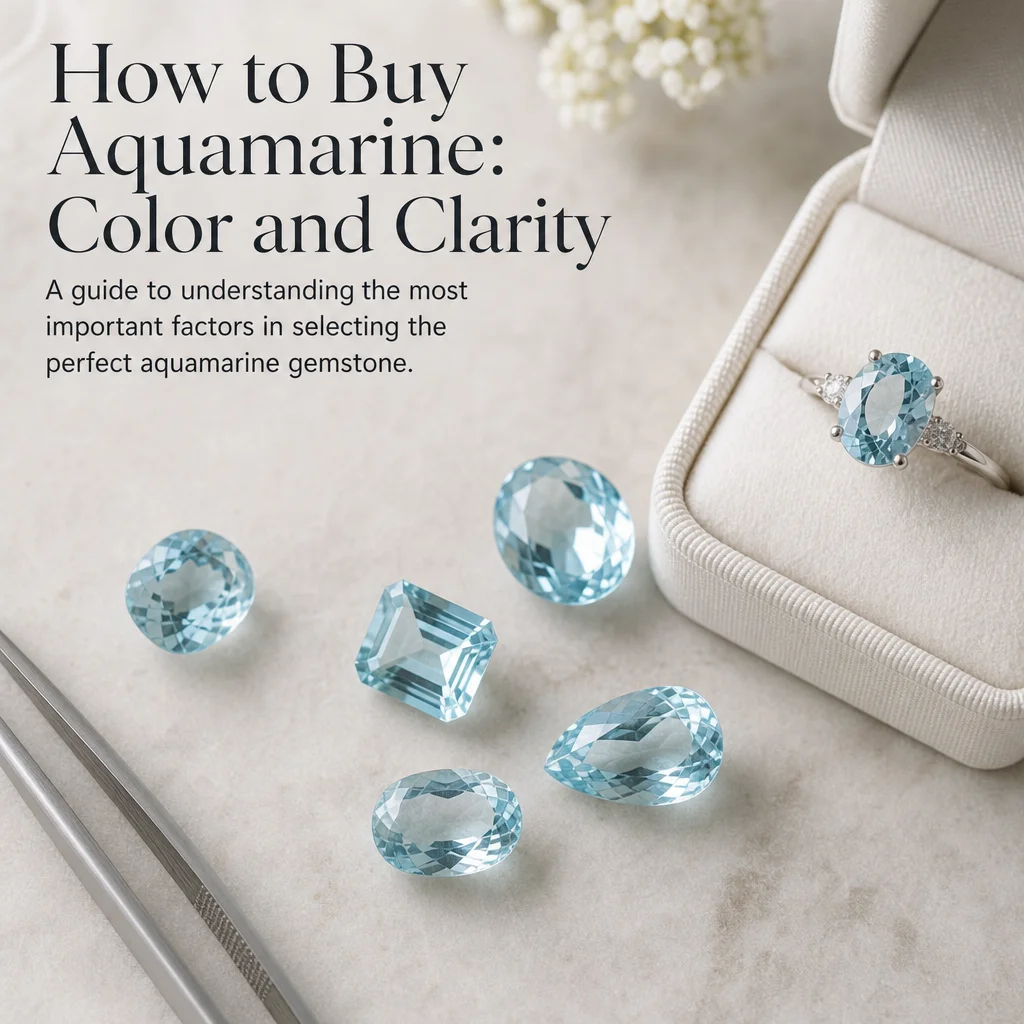
Aquamarine's color range is distinctive and recognizable once you've seen good specimens. The name literally means "water of the sea" in Latin, and the color lives up to it — a cool, slightly greenish blue that ranges from nearly colorless with a blue tint to a deep teal-blue. The green modifier is the key identifier: aquamarine almost always has a subtle green undertone that distinguishes it from pure blue stones.
The most valuable aquamarine color is a deep, saturated blue with minimal green. However, the green-blue variety has its own appeal and is the color most people associate with aquamarine. The color is completely natural — iron impurities within the beryl crystal structure create it, and no treatment is needed to enhance it. Some aquamarine is heat-treated to reduce green and deepen the blue, but the treatment is mild and widely accepted in the trade.
Blue Topaz
Blue topaz comes in three recognized color grades in the gem trade:
Sky Blue: The lightest grade — a pale, icy blue reminiscent of a winter sky. This is the most common and affordable blue topaz.
Swiss Blue: A medium to vivid bright blue with strong saturation. This is the most popular shade for commercial jewelry and has a more "electric" blue quality than aquamarine.
London Blue: The darkest grade — a deep, slightly greenish blue that comes closest to aquamarine's color range. London blue topaz is the most expensive of the three grades.
The important thing to understand about blue topaz color is that it's the result of treatment. Colorless topaz is irradiated (exposed to radiation) to create color centers in the crystal structure, then heated to stabilize the blue. This is a permanent treatment — the color won't fade or change over time. The irradiation process is regulated and safe, and treated blue topaz is widely accepted and clearly marketed as such in the jewelry industry.
Hardness and Durability: A Practical Comparison
If you're choosing a gemstone for a ring — especially an engagement ring or a piece you'll wear daily — hardness and durability are critical factors.
Topaz: Hardness 8
Topaz scores 8 on the Mohs scale, making it one of the harder gemstones available. For reference, diamond is 10, sapphire and ruby are 9, and topaz at 8 is harder than emerald (7.5-8), aquamarine (7.5-8), and most other colored gemstones. This means blue topaz is quite resistant to scratching and suitable for daily-wear rings.
However, topaz has perfect basal cleavage — meaning it can split along a specific plane if struck at the right angle with enough force. This doesn't mean topaz is fragile, but it does mean you should avoid hard impacts, ultrasonic cleaners (which can exacerbate cleavage), and extreme temperature changes. A well-set topaz ring will hold up fine for years with reasonable care.
Aquamarine: Hardness 7.5-8
Aquamarine scores 7.5 to 8 on the Mohs scale — very close to topaz. In practical terms, both stones are hard enough for everyday wear, and the small difference between 7.5 and 8 is unlikely to matter in real-world use. Both will resist scratching from dust, sand, and common household surfaces.
Aquamarine doesn't have the cleavage issue that topaz does, which some people consider an advantage. It can be safely cleaned in ultrasonic cleaners (unlike topaz), though a soft brush and mild soap is always the safest approach for any gemstone.
Bottom line on durability: both are excellent choices for daily-wear jewelry, and neither has a meaningful practical advantage over the other in normal use.
Price: Where the Gap Really Shows
This is the area where blue topaz and aquamarine differ most dramatically, and it often determines which stone people end up choosing.
Blue Topaz: Surprisingly affordable for a gemstone with such good hardness and attractive color. A 1-carat Swiss blue topaz of good quality might cost $15 to $40. A 5-carat stone might be $100 to $300. Topaz occurs in large, clean crystals relatively easily, which keeps supply high and prices low. You can get a beautiful, sizable blue topaz ring for a fraction of what you'd pay for comparable blue gemstones.
Aquamarine: Significantly more expensive. A 1-carat aquamarine of good color and clarity might cost $100 to $400, with prices climbing steeply for larger stones and deeper colors. Fine aquamarine over 5 carats with intense blue color can fetch $500 to $2,000+ per carat. The price reflects aquamarine's natural origin, its association with the prestigious beryl family, and the growing demand for the stone.
The price gap widens as size increases. Because topaz is commonly available in large sizes, a 10-carat blue topaz is only moderately more expensive per carat than a 1-carat stone. Aquamarine prices per carat increase substantially with size, and clean, well-colored stones over 10 carats are considered collector-grade and carry premium pricing.
Birthstone Significance
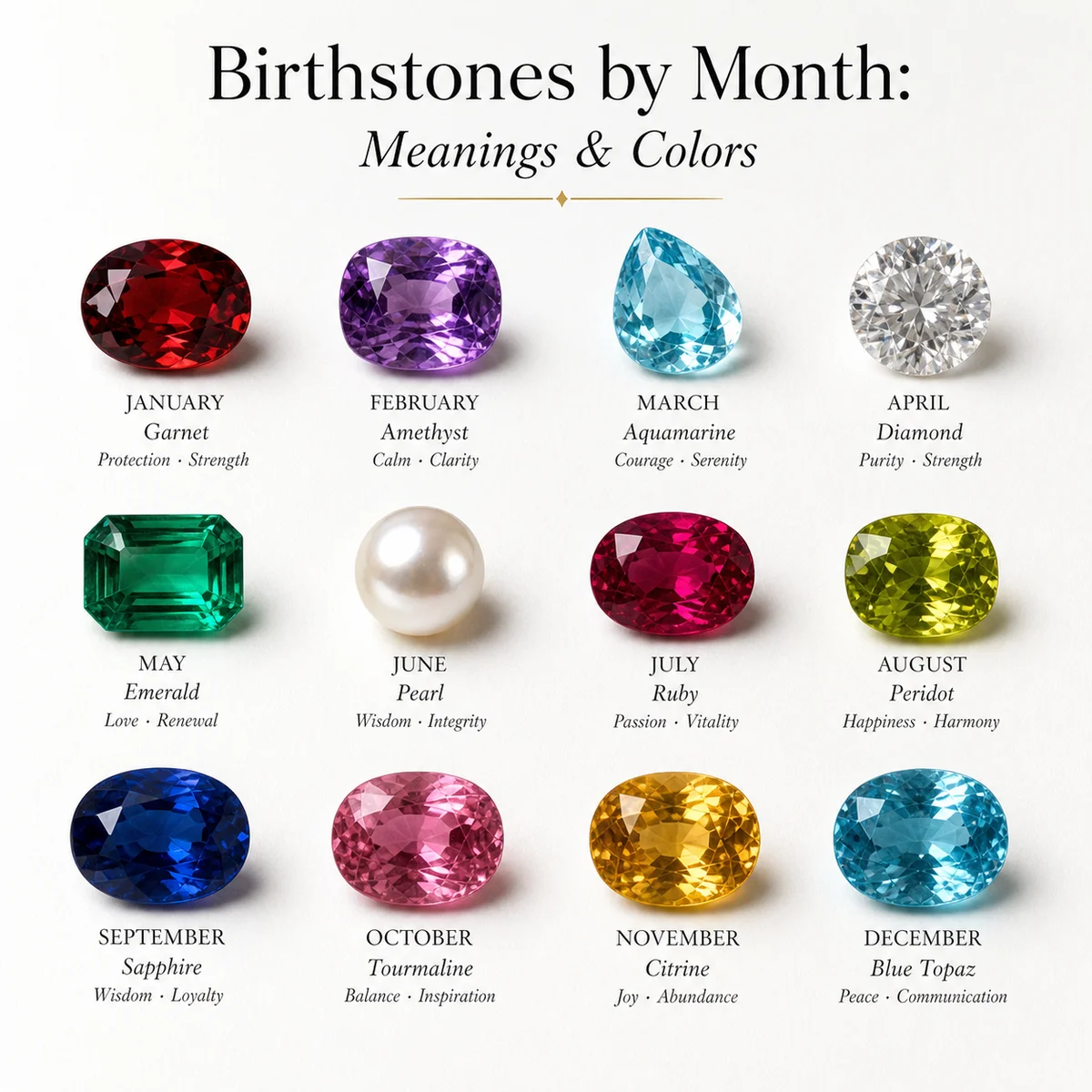
Aquamarine is the traditional birthstone for March. It's associated with the zodiac signs of Pisces and Aries, and its ocean-blue color evokes themes of water, calm, and clarity. For people born in March, aquamarine has a personal significance that topaz can't replicate.
Topaz is the birthstone for November — but the traditional November topaz is golden or yellow, not blue. Blue topaz has been adopted as an alternative November birthstone by the jewelry industry, and it's also associated with the 4th wedding anniversary. If birthstone significance matters to you, aquamarine has the clearer and more traditional association.
Crystal Healing and Metaphysical Associations
Aquamarine
In crystal healing traditions, aquamarine is the "stone of courage and calm." Its name — sea water — directly connects it to themes of water: emotional flow, calm under pressure, and the courage to speak one's truth. Aquamarine is associated with the Throat Chakra, making it popular with public speakers, performers, and anyone working on authentic communication. Its cooling blue energy is said to help with anger management, stress relief, and emotional processing.
Historically, sailors carried aquamarine as a talisman for safe ocean voyages — a tradition dating back to ancient Roman and Greek cultures. The connection between the stone's color and the sea made it a natural protective amulet for seafarers.
Blue Topaz
Blue topaz is associated with the Throat Chakra and the Third Eye Chakra. It's considered a stone of communication, mental clarity, and peaceful expression. Where aquamarine's energy is described as calming and flowing, blue topaz is often described as clarifying and focused — it's said to help organize thoughts, articulate ideas, and cut through mental fog.
In some traditions, topaz is also associated with the manifestation of intentions and the alignment of thoughts with actions. The hardness and clarity of topaz symbolize the strength and focus needed to turn ideas into reality.
How to Choose Between Them
Choose Blue Topaz If:
- Budget is a significant factor — you want the most impact for your money
- You prefer a vivid, electric blue color over a subtle green-blue
- You want a larger stone — 3, 5, or even 10 carats without breaking the bank
- Hardness and scratch resistance are priorities (topaz is slightly harder)
- You don't mind that the color comes from a standard industry treatment
- You're drawn to the Swiss blue or sky blue shades specifically
Choose Aquamarine If:
- You value natural, untreated color — aquamarine's blue comes from the earth
- You prefer the subtle green-blue oceanic color that's unique to aquamarine
- It's a March birthstone purchase with personal significance
- You appreciate the prestige and heritage of the beryl family
- You're building a gemstone collection and want a classic, historically significant stone
- You prefer the gentler, more subdued blue over electric vividness
Consider Both for Different Pieces
Many jewelry lovers own both stones and wear them for different occasions or with different outfits. Blue topaz's vivid color pops against warm-toned clothing, while aquamarine's subtle blue-green pairs beautifully with cool tones and nautical styles. Both stones look stunning in silver or white gold settings, and both have a freshness that works year-round.
Care and Cleaning
Both stones benefit from similar care. Clean with warm water, mild soap, and a soft brush. Store separately to prevent scratching between pieces. Remove before engaging in activities that involve harsh chemicals, high heat, or rough handling.
Avoid ultrasonic cleaners with topaz due to its cleavage. Aquamarine can handle ultrasonic cleaning but doesn't require it. Steam cleaning should be avoided for both stones. With basic care, either stone will maintain its beauty for decades.
Frequently Asked Questions
Is blue topaz naturally blue?
Natural blue topaz exists but is rare and typically very pale. The vivid blue topaz sold in jewelry is produced by irradiating and heating colorless topaz. This is a permanent, stable treatment that doesn't fade. The treatment is industry-standard and widely accepted — it should be disclosed at the point of sale but is not considered a negative.
Does aquamarine color fade in sunlight?
Prolonged direct sunlight can cause some aquamarine to fade slightly over years, though the effect is usually minimal. Heat treatment of aquamarine (to reduce green) is stable, and the resulting color won't revert. For maximum color preservation, store aquamarine away from direct sunlight when not wearing it.
Which is better for an engagement ring?
Both are viable engagement ring options. Topaz offers more carat weight for your budget and excellent hardness. Aquamarine offers natural color and the prestige of the beryl family. Choose based on which color speaks to you and which fits your budget. Neither is as durable as sapphire, but both will hold up fine for daily wear with reasonable care.
Frequently Asked Questions
How can you tell the difference between blue topaz and aquamarine?
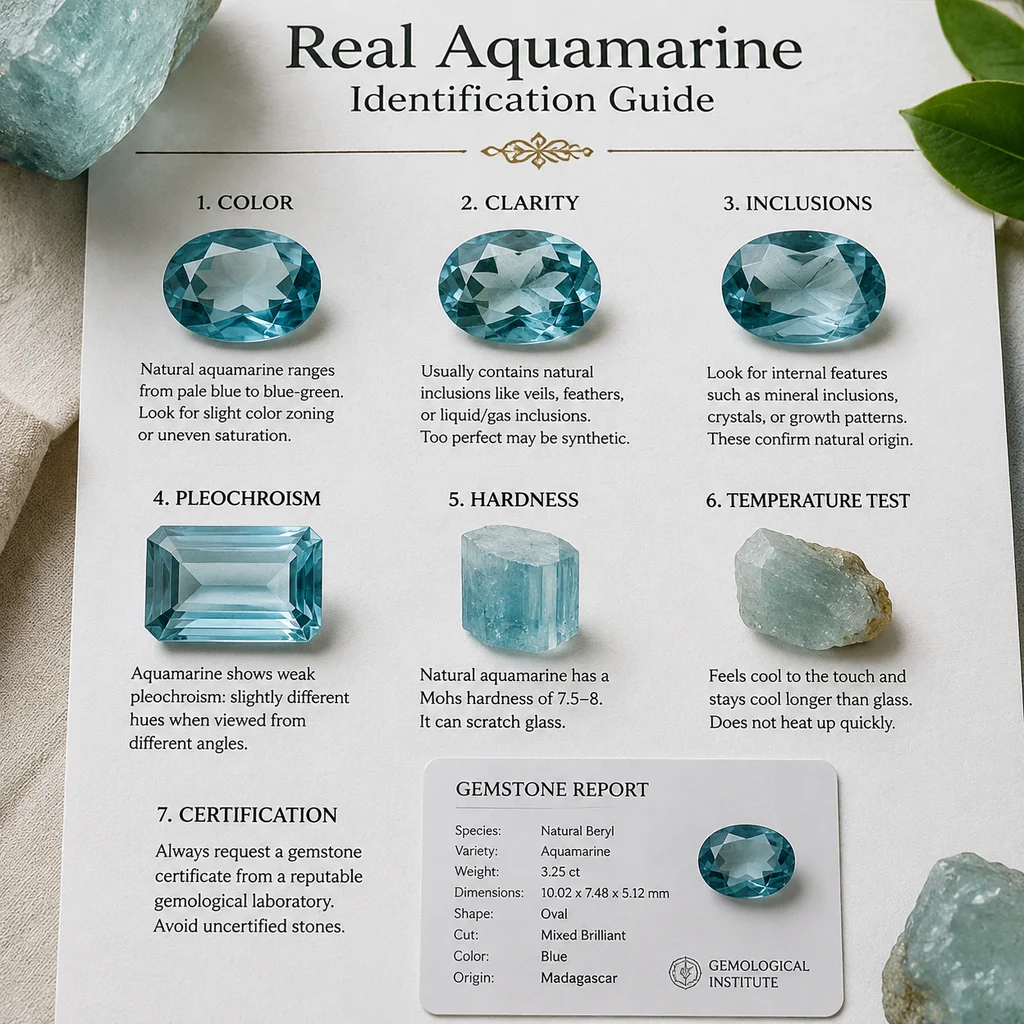
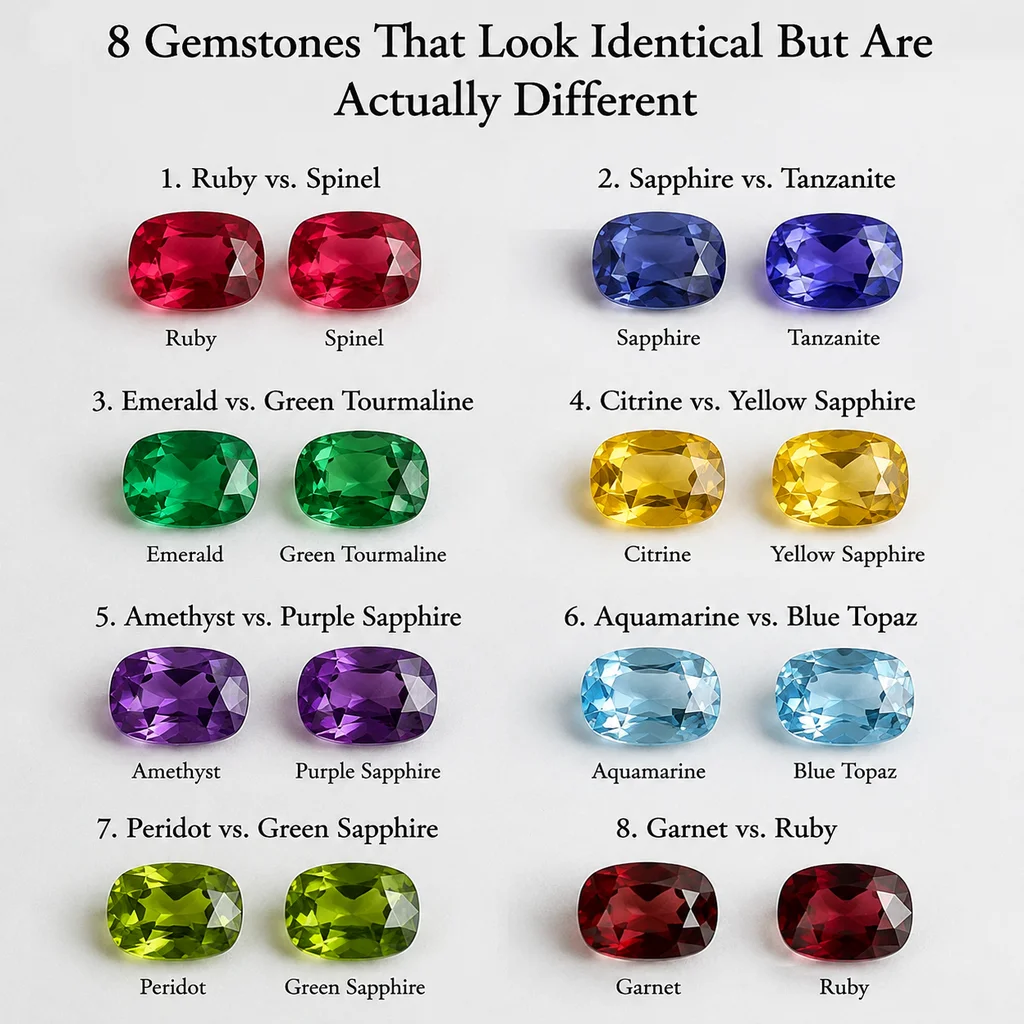
While they look similar, aquamarine typically features a lighter, watery blue with subtle green undertones, whereas blue topaz offers a brighter, more vivid and saturated sky-blue color. At SagStone, our artisans carefully examine each natural crystal's unique clarity and tone to ensure you receive a beautifully distinct, handcrafted piece that perfectly matches your desired shade of blue.
Is blue topaz or aquamarine the birthstone for March?
Aquamarine is the traditional birthstone for March, prized for its tranquil, seawater-like color. Blue topaz is the recognized birthstone for December. When exploring our handcrafted collections at SagStone, you will find both of these stunning natural crystals available, making it easy to celebrate a December or March birthday, or simply embrace the calming energy of your favorite blue stone.
Comments