Birthstones by Month: A Complete Guide
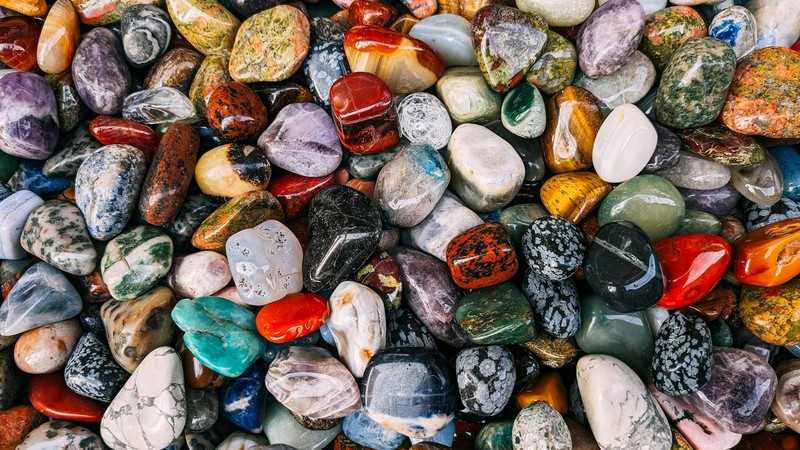
When I was eight, my mom brought home a tiny glass jar filled with polished stones from a museum gift shop. Each stone had a handwritten label — "January: Garnet," "February: Amethyst" — and I was completely obsessed. I'd spread them out on my bedroom floor, sort them by color, and read the little information card over and over until the corners softened. Garnet meant "trust and friendship." Amethyst was for "protection and clarity." I didn't fully understand what those words meant yet, but I loved the idea that the month I was born came with its own special gem, like a birthday present from the earth itself.
That jar of stones is long gone, probably lost in one of a dozen moves. But the fascination with birthstones never left me. Now, decades later, I work with jewelry and gemstones professionally, and I still get a little thrill every time someone asks about their birthstone. It's one of those rare topics that bridges science, history, mythology, and personal meaning all at once. So here's the guide I wish I'd had back then — and the one I still reference regularly now.
January: Garnet
Color: Deep red (though it comes in nearly every color), Hardness: 6.5–7.5 on the Mohs scale, Price range: $20–$5,000+ per carat
Garnet is most famous for its deep, wine-red color, but here's something that surprises almost everyone: garnet actually comes in every color except blue. There are green garnets (tsavorite), orange garnets (spessartine), even rare garnets that change color under different lighting. The red varieties are by far the most common and affordable, which makes garnet an excellent entry point for birthstone jewelry.
Historically, garnet was carried by travelers as a protective talisman. Crusaders wore garnet because they believed it would light their way in darkness and protect them from injury. The name comes from the Latin "granatum," meaning pomegranate seed, which is exactly what dark red garnets resemble. Symbolically, garnet represents trust, friendship, and devotion — which is why it's a popular gift between close friends, not just for January birthdays.
For everyday wear, garnet is practical. At 6.5–7.5 on the Mohs hardness scale, it's tough enough for rings and bracelets with reasonable care, though I'd avoid wearing a garnet ring during heavy manual work.
February: Amethyst
Color: Purple (pale lavender to deep violet), Hardness: 7, Price range: $10–$200 per carat
Amethyst might be the most recognizable birthstone on this list. That signature purple — ranging from barely-there lavender to rich, royal violet — is unmistakable. As a variety of quartz, amethyst is relatively abundant, which keeps prices accessible even for large, high-quality stones.
The ancient Greeks believed amethyst could prevent drunkenness (the name comes from "amethystos," meaning "not intoxicated"), and wine goblets were sometimes carved from it. Leonardo da Vinci reportedly believed amethyst had the power to quicken intelligence and ward off evil thoughts. Whether or not you buy into those properties, there's no denying that wearing a piece of deep purple amethyst against your skin feels special.
At a hardness of 7, amethyst is well-suited for all types of jewelry. It's a popular choice for pendants and earrings where the color can really shine, and it's durable enough for rings that you wear regularly rather than just on special occasions.
March: Aquamarine
Color: Pale blue to blue-green, Hardness: 7.5–8, Price range: $50–$1,000+ per carat
Aquamarine is the color of clear tropical water — that specific shade of blue-green that makes you want to book a flight somewhere warm. The name literally means "water of the sea" in Latin, and looking at a fine aquamarine, you can see exactly why.
Sailors historically wore aquamarine as a protective stone, believing it would calm waves and ensure safe passage. It's the green-blue variety of the mineral beryl (the same mineral family that includes emerald), and the best specimens have a clean, almost liquid clarity that's mesmerizing. The color comes from trace amounts of iron, and heating can enhance the blue and remove any greenish tones — a common and accepted practice in the gem trade.
At 7.5–8 on the Mohs scale, aquamarine is one of the more durable birthstones. It's an excellent choice for rings you plan to wear daily, and large aquamarine stones are surprisingly affordable compared to other gems of similar size. If you want a statement ring without a statement price tag, aquamarine delivers.
April: Diamond
Color: Usually colorless (also occurs in yellow, brown, blue, pink, green), Hardness: 10, Price range: $1,000–$100,000+ per carat
Diamond is the birthstone everyone knows, and it comes with by far the widest price range of any gem on this list. At the affordable end, small, commercial-quality diamonds are used liberally in accent jewelry. At the other extreme, flawless, large, and fancy-colored diamonds have sold for millions at auction.
As a birthstone, diamond carries heavy symbolic weight. It's the hardest natural substance on earth (a perfect 10 on the Mohs scale), which has made it a symbol of enduring strength and eternal love. The word "diamond" comes from the Greek "adamas," meaning invincible. Ancient Romans believed diamonds were tears of the gods or splinters from falling stars.
Practically speaking, diamond's hardness means it can be worn in any setting without concern for scratching. This is why it's the default choice for engagement rings and pieces meant to last a lifetime. Even small diamonds in a birthstone pendant or stud earrings carry that sense of permanence and significance.
May: Emerald
Color: Green (pale to deep, vibrant green), Hardness: 7.5–8, Price range: $100–$100,000+ per carat
Emerald is the most valuable variety of beryl, and fine emeralds can rival diamonds in price per carat. The green comes from trace amounts of chromium and vanadium, and the most prized color is a vivid, slightly bluish green that's been described as "emerald green" so many times it's practically its own color category.
Cleopatra famously loved emeralds and claimed ownership of all the emerald mines in Egypt during her reign. The Incas and Aztecs also prized emeralds, using them in religious ceremonies and royal jewelry. In modern symbolism, emerald represents rebirth, love, and wisdom — fitting for a stone whose color is the very definition of vitality.
Here's the catch with emerald: despite its decent hardness rating, most emeralds contain inclusions (called "jardin," French for garden, because they can look like tiny internal landscapes) that make them more brittle than their hardness number suggests. Emeralds should never be worn during rough activities, and they need to be cleaned gently — no ultrasonic cleaners or steam. If you choose emerald for a ring, a protective bezel setting is a smart move.
June: Pearl and Alexandrite
Pearl — Color: White, cream, pink, black, gold, Hardness: 2.5–4.5, Price range: $20–$10,000+ per strand. Alexandrite — Color: Green in daylight, red/purple in incandescent light, Hardness: 8.5, Price range: $500–$70,000+ per carat
June is the only month with two distinctly different birthstones, and they couldn't be more different from each other.
Pearls are organic gems, formed inside mollusks when an irritant gets trapped in the shell. They've been treasured for thousands of years — the oldest known pearl jewelry dates back to 420 BC. Pearls are the softest gemstone on this list, which means they require the most careful handling. Avoid contact with perfume, hairspray, and acids, and store them separately from harder gems that could scratch them. A strand of well-cared-for pearls can last generations, but they do demand attention.
Alexandrite, on the other hand, is one of the rarest and most valuable gemstones in the world. Discovered in Russia's Ural Mountains in the 1830s and named after Tsar Alexander II, it's famous for its dramatic color change: green or blue-green in daylight, and red or purplish-red under incandescent light. Fine alexandrite with a strong color change is extremely rare and expensive. For most people, lab-created alexandrite is a more accessible option that still captures the magical color-shifting property.
July: Ruby
Color: Red (pinkish red to deep blood red), Hardness: 9, Price range: $100–$100,000+ per carat
Ruby is corundum — the same mineral as sapphire — and it gets its red color from chromium. It's the second hardest natural gemstone after diamond, which makes it an excellent choice for everyday jewelry. A good quality ruby can easily last a lifetime in a ring, even with regular wear.
In ancient Sanskrit, ruby was called "ratnaraj," meaning "king of precious stones," and many cultures considered it the most valuable of all gems. In the Bible, ruby is associated with wisdom and beauty. In Burmese legend, warriors inserted rubies under their skin before battle, believing the stones would make them invincible. The most valuable rubies have a pure, vibrant red with just the slightest hint of blue — a color sometimes called "pigeon's blood red" in the trade.
For July birthdays, ruby jewelry makes a powerful statement. Even a small ruby in a pendant or earrings has an intensity of color that commands attention. It's not a shy stone, and people who love ruby tend to love it fiercely.
August: Peridot
Color: Yellowish green to olive green, Hardness: 6.5–7, Price range: $20–$400 per carat
Peridot has one of the most interesting origin stories of any birthstone: it's one of only two gemstones (the other being diamond) that forms deep in the earth's mantle and comes to the surface through volcanic activity. Some peridot has literally been in space — it's been found in meteorites and comet dust. Let that sink in. Your August birthstone has extraterrestrial relatives.
The ancient Egyptians called peridot "the gem of the sun" and believed it could ward off nightmares. It was mined on a volcanic island in the Red Sea called Topazios (now Zabargad) for over 3,500 years. The distinctive yellow-green color is caused by iron, and the most valued peridots have a pure green without too much yellow or brown.
Peridot is moderately hard and reasonably priced, making it a practical birthstone choice. It looks particularly beautiful in yellow gold settings, where the warm metal complements the olive-green tones. I'd recommend avoiding prolonged sun exposure, though — some peridot can fade with extended UV light.
September: Sapphire
Color: Blue (also pink, yellow, green, white), Hardness: 9, Price range: $50–$50,000+ per carat
Sapphire is the blue variety of corundum, and when gemologists say "sapphire" without specifying a color, they mean blue. The most prized sapphire color is a vivid, medium-dark blue called "cornflower blue" or "Kashmir blue" (named after the Kashmir region of India where the finest specimens were historically mined).
Sapphires have been associated with royalty and wisdom for centuries. The British Crown Jewels feature prominent sapphires, and medieval priests wore sapphire rings believing the stones would keep them morally pure. Princess Diana's famous engagement ring — now Kate Middleton's — centered on a 12-carat Ceylon sapphire, and that single piece did more for sapphire's modern popularity than any marketing campaign.
At a hardness of 9, sapphire is nearly as tough as diamond and significantly more affordable. It's an outstanding choice for rings you'll wear daily. One practical note: while blue is the classic and most popular choice, fancy sapphires come in pink, yellow, peach, green, and even color-change varieties. A pink sapphire engagement ring has become increasingly popular as an alternative to diamond.
October: Opal and Tourmaline
Opal — Color: Play of color across all spectral hues, Hardness: 5.5–6.5, Price range: $20–$20,000+ per carat. Tourmaline — Color: Nearly every color (pink and green most popular for October), Hardness: 7–7.5, Price range: $30–$5,000+ per carat
October gets two birthstones, and like June's pair, they're dramatically different.
Opal is arguably the most unique gemstone on earth. Its "play of color" — that shifting, shimmering rainbow effect that seems to come from within the stone — is caused by microscopic spheres of silica diffracting light. No two opals are alike, and the range of colors and patterns (there are names for specific patterns: harlequin, pinfire, flame, etc.) is staggering. Australia produces about 95% of the world's precious opal.
Opal is relatively soft and contains water (typically 3–21%), which means it can crack if it dries out or is subjected to sudden temperature changes. It's best suited for earrings, pendants, and occasional-wear rings. Avoid ultrasonic cleaners entirely — they can destroy opals.
Tourmaline is the practical alternative for October babies who want something durable enough for daily wear. Pink tourmaline (sometimes called "rubellite" when the pink is deep enough) is the most popular October choice, and it's gorgeous — a warm, romantic pink that flatters many skin tones. Tourmaline also has the fascinating property of being pyroelectric and piezoelectric, meaning it can generate an electric charge when heated or squeezed. Dutch traders once used heated tourmaline to pull ash from their pipes, which is how it got the name "aschentrekker" (ash drawer).
November: Topaz and Citrine
Topaz — Color: Golden yellow to brown, blue (treated), Hardness: 8, Price range: $10–$1,000+ per carat. Citrine — Color: Yellow to amber, Hardness: 7, Price range: $10–$100 per carat
November shares its birthstone honors between topaz and citrine, both of which are warm, golden-toned gems that pair beautifully with fall wardrobes.
Imperial topaz — a warm golden-orange to pinkish orange variety — is the most prized and was named in honor of the Russian tsars who controlled the original mining areas. Most blue topaz on the market is actually colorless topaz that's been irradiated and heat-treated to produce the blue color. This is an accepted and permanent treatment, but it's worth knowing if you're specifically seeking natural-color stones.
Citrine is the yellow-to-amber variety of quartz, and it's one of the most affordable gemstones on this list. In fact, much of what's sold as citrine is actually amethyst that's been heat-treated to turn yellow — again, permanent and accepted. Natural citrine is less common but not especially rare. Its warm honey color has made it popular in bohemian and vintage-inspired jewelry designs.
Both stones are quite durable and suitable for everyday wear. Topaz, at 8 on the Mohs scale, is especially tough and makes an excellent ring stone.
December: Turquoise, Zircon, and Tanzanite
Turquoise — Color: Sky blue to green-blue, Hardness: 5–6, Price range: $5–$500+ per carat. Zircon — Color: Blue (most popular), also clear, Hardness: 6–7.5, Price range: $30–$300 per carat. Tanzanite — Color: Blue-violet, Hardness: 6–7, Price range: $200–$1,500+ per carat
December has three birthstones, which gives you options depending on your priorities: cultural significance, brilliance, or unique beauty.
Turquoise has the deepest historical roots of any birthstone. It's been used in jewelry for over 7,000 years — Egyptian pharaohs wore it, Native American cultures considered it sacred, and Persian rulers decorated their thrones with it. The best turquoise has a pure, even sky-blue color without too much matrix (the dark veining caused by surrounding rock). Turquoise is porous and relatively soft, so it needs protection from chemicals, heat, and hard knocks. It's ideal for earrings and pendants.
Zircon is one of the most underrated gemstones. High-quality blue zircon has a fire and brilliance that rivals diamond — it's actually more brilliant than sapphire. Unfortunately, the name "zircon" is often confused with "cubic zirconia" (a synthetic diamond simulant), which is a completely different material. Natural zircon is a genuine gemstone with genuine beauty. Blue zircon is the December favorite, but it also comes in clear, golden, and reddish-brown varieties.
Tanzanite is the newcomer to the birthstone list, discovered only in 1967 near Mount Kilimanjaro in Tanzania. It's found in only one place on earth, which makes it rarer than diamond. The color is a mesmerizing blue-violet that shifts depending on the light source — more blue in daylight, more purple in incandescent light. At 6–7 on the Mohs scale, tanzanite is best for earrings and pendants rather than everyday rings.
Why Birthstone Jewelry Makes the Perfect Gift
I've given and received my fair share of birthstone jewelry, and here's what I've learned: the best part isn't the gem itself — it's the thought behind it. When someone gives you your birthstone, they're saying "I know when you were born, and I wanted to celebrate that." It's personal in a way that a generic piece of jewelry simply isn't.
Birthstone jewelry also has this wonderful way of becoming a conversation starter. Someone notices your ring or necklace, asks about it, and suddenly you're telling the story of your birthstone — its meaning, its history, why it's your color. It's a small piece of identity that you carry with you.
For family jewelry, birthstones are unmatched. A mother's ring with the birthstones of each child. A grandmother's necklace with all her grandchildren's stones. A couple's ring combining both partners' birthstones. These pieces carry emotional weight that transcends the monetary value of the materials.
How to Choose Birthstone Jewelry
If you're shopping for birthstone jewelry — whether for yourself or someone else — here are the practical considerations I always keep in mind:
Think about how the piece will be worn. If it's for everyday use, prioritize harder stones (diamond, sapphire, ruby, alexandrite) and protective settings. If it's for special occasions, you can be more adventurous with softer, more delicate gems like opal or pearl.
Consider the setting metal. Warm-toned stones (garnet, citrine, topaz, peridot) tend to look best in yellow or rose gold. Cool-toned stones (sapphire, aquamarine, tanzanite) can go either way, but white gold or platinum lets the blue tones really pop. Amethyst and emerald are versatile enough to work with any metal color.
Pay attention to color quality. With colored gemstones, color is the single most important factor in value. A vivid, saturated color is almost always preferable to a pale or washed-out one, even if the stone is smaller. A small but intensely colored ruby is more valuable and more visually striking than a large but pale one.
Caring for Birthstone Jewelry by Hardness
Gemstone care isn't one-size-fits-all. The hardness of your birthstone determines how careful you need to be:
Hard stones (Mohs 8–10): Diamond, ruby, sapphire, alexandrite. These are the tough ones. They can handle daily wear, ultrasonic cleaners, and warm soapy water. Store them with other hard stones without worry. About the only thing that scratches them is another stone of equal or greater hardness.
Medium stones (Mohs 6.5–7.5): Garnet, amethyst, aquamarine, peridot, tourmaline, topaz, zircon, tanzanite. These are durable enough for regular wear but need some caution. Avoid ultrasonic cleaners for stones with inclusions (especially emerald and tanzanite). Warm soapy water and a soft brush are safe for all of them. Store separately from harder stones.
Soft stones (Mohs 2.5–6): Pearl, opal, turquoise. These need the most care. No ultrasonic cleaners, no steam, no chemicals. Pearls should be wiped with a soft damp cloth after wearing and stored in a cloth pouch, not plastic. Opals need some humidity — don't store them in airtight containers or hot, dry places. Turquoise is porous and will absorb oils and chemicals, so put it on after applying perfume and lotion.
That little jar of stones from the museum gift shop might be gone, but the wonder it sparked is still very much alive. Birthstones connect us to the natural world, to ancient traditions, and to the specific month that made us who we are. Whether you're buying your first piece of birthstone jewelry or your twentieth, there's something genuinely special about wearing a gem that was assigned to you before you even existed.
Comments