Vintage vs Modern Jewelry: Which Style Fits You Better
The Divide Isn't as Clear as You Think
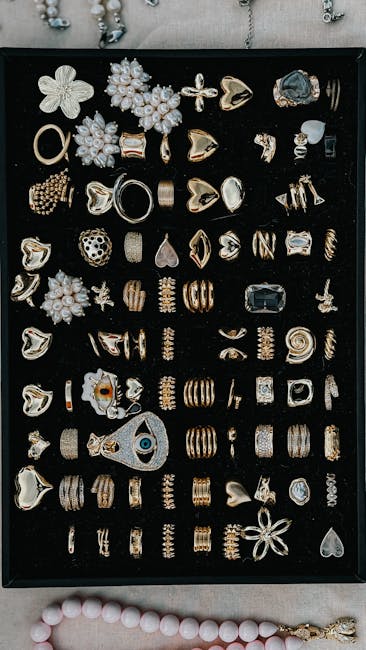
Walk into any jewelry store and the display cases practically sort themselves: vintage pieces in the wooden cases with handwritten description cards, modern pieces under bright LED lights with clean minimal signage. The industry wants you to pick a lane. You're either a vintage person or a modern person.
But most people I know who wear jewelry regularly don't think in those terms at all. They wear a thin modern chain necklace with a ring they inherited from their grandmother. They pair a newly purchased cuff bracelet with clip-on earrings from the 1960s they found at a flea market. The distinction between "vintage" and "modern" exists in the marketplace, but in actual practice, people mix freely and the results are often more interesting than either pure approach.
This isn't a guide that tells you which side to pick. It's a guide that helps you understand what each style offers, how to identify which pieces resonate with you, and how to build a jewelry collection that reflects your actual taste rather than someone else's category system.
What "Vintage" Actually Means in Jewelry
The term gets thrown around loosely, so let's establish what we're talking about. In the jewelry world, the definitions are roughly:
Antique: 100+ years old. Edwardian, Victorian, Art Nouveau pieces fall here. These are genuinely historical objects, and they come with the wear, repairs, and patina that a century of existence produces.
Vintage: 20 to 100 years old. This covers a huge range — Art Deco pieces from the 1920s, mid-century modern designs from the 1950s and 60s, and even some 1990s pieces are starting to be called vintage now. The defining quality is that the piece was made in a different era with different design sensibilities than what's being produced today.
Retro: A specific subset referring to jewelry from the 1940s, when wartime metal restrictions led to creative use of yellow gold and larger, bolder designs. Retro pieces tend to be chunkier and more colorful than other vintage categories.
Estate: This is a market term, not a style term. "Estate jewelry" simply means previously owned. An estate piece could be antique, vintage, or five years old. It describes the transaction, not the design.
Why these distinctions matter: if you're shopping for vintage jewelry, knowing the era helps you understand the design principles behind the piece. Art Deco jewelry is geometric and symmetrical because that was the design movement of the time. Mid-century pieces tend to be organic and fluid because that's what designers in the 1950s and 60s were exploring. Understanding the context makes you a better shopper.
What Defines Modern Jewelry
Modern jewelry, for this discussion, means pieces designed and produced in the last 20 years using contemporary techniques and materials. But even within "modern," there's significant variation.
Minimalist modern: Clean lines, simple geometry, thin metals, small stones. This is the dominant style in contemporary jewelry and what most people picture when they hear "modern jewelry." Think thin chain necklaces, small stud earrings, delicate stackable rings.
Architectural modern: Pieces inspired by building forms, industrial design, or abstract geometry. These tend to be bolder and more sculptural than minimalist pieces. Angular shapes, mixed metals, and unconventional silhouettes are common.
Organic modern: Designs inspired by natural forms — leaves, water, erosion patterns, cellular structures. These pieces often feature irregular shapes, textured surfaces, and asymmetry. They're modern in technique but reference the natural world rather than geometric abstraction.
Tech-influenced modern: A newer category that includes 3D-printed jewelry, pieces designed with algorithmic patterns, and items that incorporate non-traditional materials like titanium, carbon fiber, or recycled plastics. This is a small but growing segment that pushes against traditional jewelry material conventions.
The common thread in modern jewelry is intentionality in design. Modern pieces are usually designed with specific aesthetic goals — to create a particular visual effect, to explore a material property, to reference a concept. Whether they succeed is subjective, but the design intent is usually clear.
The Real Differences That Affect Daily Wear
Beyond aesthetics, there are practical differences between vintage and modern jewelry that genuinely affect how enjoyable they are to own and wear.
Durability and Maintenance
Modern jewelry generally benefits from better manufacturing techniques. Laser welding, precision casting, and computer-aided design mean that contemporary pieces are often more structurally sound than older pieces made with hand tools. A modern chain is less likely to break under normal wear than a 50-year-old chain of similar thickness.
Vintage pieces, especially those over 50 years old, often have repairs. Solder joints that have been redone, clasps that have been replaced, stones that have been re-set. None of this is necessarily bad — a well-repaired vintage piece can last another 50 years — but it does mean you should examine vintage jewelry more carefully before purchasing. Check prongs, clasps, chain links, and any solder joints under magnification if possible.
Maintenance needs differ too. Vintage pieces with enamel work, rhodium plating, or delicate filigree require more careful handling than solid modern pieces. Enamel can chip, plating wears thin over decades, and fine filigree bends easily. If you're the type of person who wears jewelry through workouts, showers, and sleep, modern pieces are more forgiving of that treatment.
Weight and Comfort
Older jewelry tends to be heavier. This isn't a universal rule, but vintage pieces from the 1940s–1960s especially were often made with thicker metal stock. A mid-century gold bracelet can feel substantially heavier on the wrist than a modern bracelet of similar size. Some people prefer this — the weight feels substantial and "real." Others find it fatiguing for all-day wear.
Modern pieces, particularly minimalist designs, prioritize lightness. Advances in hollow-form construction and thinner gauge metals mean you can get the same visual coverage with significantly less physical weight. This is one of the reasons modern minimalist jewelry has become so popular for everyday wear — it's comfortable enough to forget you're wearing it.
Sizing and Fit
Vintage rings are often available in limited sizes, and resizing can be complicated or risky depending on the construction. A ring with stones set all the way around the band can't be resized without removing stones. Enamel rings can crack when heated for resizing. Older rings with worn or repaired shanks may not tolerate additional soldering.
Modern rings are typically easier to resize because they're designed with that possibility in mind. Many contemporary jewelers also offer custom sizing during the ordering process, which eliminates the resizing issue entirely.
For necklaces, vintage lengths don't always align with current preferences. The 16-inch "princess" length has been standard for decades, but many vintage pieces come in 14-inch or 15-inch lengths that sit higher than contemporary wearers expect. Longer vintage chains (24+ inches) are more forgiving since they can be shortened but also worn at the original length.
Matching Jewelry Style to Your Personality and Lifestyle
Rather than asking "am I vintage or modern," try asking these questions instead:
Do you value uniqueness or consistency? Vintage pieces are inherently unique — no two 60-year-old items have identical wear patterns and patina. Modern pieces offer consistency — you can buy the same design in multiple sizes or metals. If having something nobody else has matters to you, vintage has a natural advantage. If you prefer a coordinated, matching look, modern pieces are easier to collect systematically.
How rough are you on your jewelry? If you shower, exercise, sleep, and do manual tasks while wearing jewelry, modern pieces with solid construction and simple designs will hold up better. Vintage pieces with delicate details, old repairs, or softer metal alloys need gentler treatment.
Does history or innovation appeal to you more? Some people love knowing that a piece of jewelry has a story — that it was made in a specific year, owned by specific people, survived specific events. Others prefer the idea of something new, designed with current techniques, reflecting contemporary aesthetics. Neither preference is better, but knowing which way you lean helps guide purchasing decisions.
What's your budget? Vintage jewelry offers some genuinely good value, especially for pieces with real stones. A vintage ring with a natural sapphire can cost less than a new ring with a lab-created stone of similar appearance. But vintage also has pitfalls — undisclosed repairs, undocumented treatments, and reproduction pieces sold as originals. Modern jewelry pricing is more transparent, and you have clearer recourse if something isn't as described.
The Mixed Approach: Why It Works Better Than You'd Expect
The most interesting jewelry collections I've seen don't commit to one era. They mix vintage and modern pieces in ways that create contrast and depth. A thin modern chain necklace with a vintage locket pendant. A new cuff bracelet worn alongside a 1970s chain bracelet. Modern stud earrings with a vintage cocktail ring.
The key to mixing successfully is contrast. If you combine similar-looking vintage and modern pieces, the differences stand out in an awkward way — the modern piece looks too new, or the vintage piece looks too worn. But if you combine contrasting elements — a very clean modern piece with a very ornate vintage one, or a chunky vintage piece with a delicate modern one — the differences become a feature rather than a problem.
Metal mixing is more accepted in mixed-era collections than in single-era ones. If you're already combining a 1950s gold bracelet with a 2020s silver chain, the metal contrast is expected and reads as intentional. Within a single era, mixing metals requires more care to look deliberate.
The mixed approach also solves some practical problems. Maybe you love the look of vintage earrings but have sensitive ears that react to older metal alloys. Wear vintage necklaces and rings, but choose modern earrings made with hypoallergenic metals. You get the vintage aesthetic where it matters to you without the comfort issues where it doesn't.
Where to Shop for Each Style
For vintage jewelry, estate sales, auction houses, specialized vintage dealers, and platforms that verify the age and authenticity of pieces are your best bets. Antique shows and jewelry fairs often have vendors who can tell you the era, materials, and history of a piece. Flea markets and thrift stores can yield finds, but authentication is entirely on you.
For modern jewelry, the options are vast. Independent designers on social media, online marketplaces, jewelry studios in your city, and even well-made pieces from larger retailers all offer quality options at various price points. The advantage of modern jewelry shopping is that you can usually communicate directly with the maker, ask about materials and construction, and sometimes request custom modifications.
Regardless of which style you're shopping for, examine the piece closely before buying. Check for secure clasps, well-set stones, smooth metal edges, and overall construction quality. A piece's style doesn't matter if it falls apart the first week you wear it.
Comments