How to Use Crystals During Meditation: 5 Practical Techniques
May 13, 2026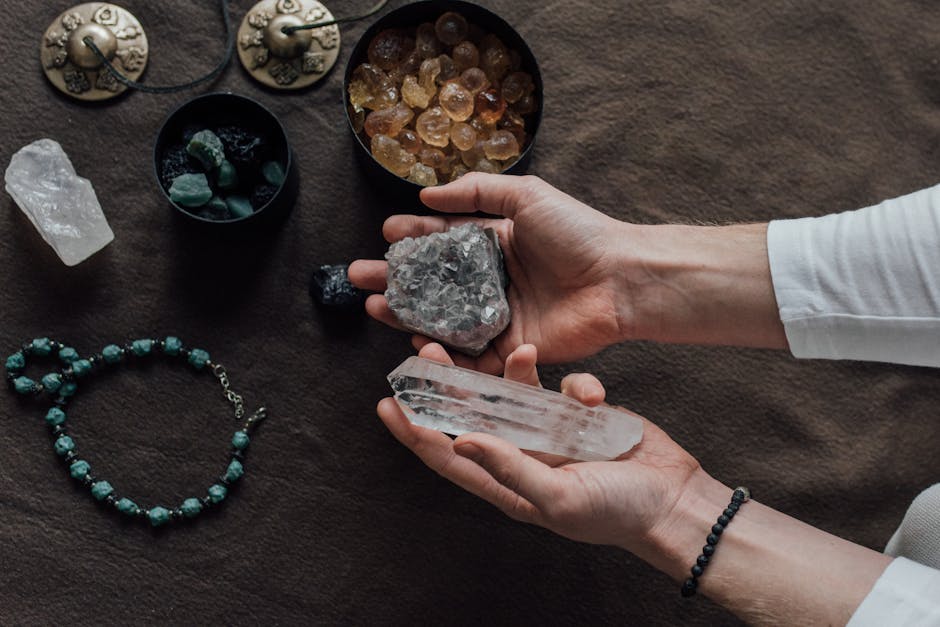
Why Pair Crystals With Meditation?
If you have ever sat down to meditate and found your mind wandering to your grocery list within thirty seconds, you are not alone. Staying present is genuinely hard, and most of us need something tangible to anchor our attention. That is exactly where crystals come in.
A crystal gives your hands something to hold, your eyes something to rest on, and your intentions something physical to latch onto. Think of it less like a magic wand and more like a focus tool — similar to how some people use mala beads or a candle flame. The weight, the texture, and even the subtle temperature shift of a stone in your palm can serve as a gentle reminder: "Right now, I am here."
There is no need to become a crystal expert or a meditation master to get started. You just need one stone, a few quiet minutes, and a willingness to see what happens. If you want to go deeper into the why behind it, this breakdown on why crystal meditation might work even for skeptics is worth a read.
Before You Begin: Cleanse and Set Your Intention
Treat this step as the transition between your busy day and your practice. It does two things at once: it clears any lingering energy the stone might have picked up (from being handled in a shop, shipped in a box, or sitting on a shelf), and it creates a personal connection between you and the crystal.
Cleansing Options
You do not need to overthink this. Pick whatever feels natural:
- Smoke: Pass the crystal through sage, palo santo, or incense smoke for a few seconds.
- Sound: Ring a singing bowl near the stone or clap your hands around it.
- Moonlight: Place it on a windowsill overnight during a full moon.
- Water: Rinse under running water (skip this for selenite, halite, or any stone that dissolves or cracks when wet).
After cleansing, hold the crystal and silently state what you want from the session. It can be as simple as "I want to feel calmer" or "Help me focus." If you are new to this practice, the full walkthrough on setting crystal intentions covers the process step by step.
5 Ways to Use Crystals During Meditation
There is no single "right" way to meditate with crystals. The five methods below range from dead simple to a little more involved. Try them in order, or skip to whichever one sounds appealing right now.
1. The Hand-Holding Method
This is the easiest starting point. Pick a crystal that feels comfortable in your palm — something smooth and palm-sized works best. A tumbled amethyst or a polished rose quartz is ideal.
Close your eyes and cradle the stone in both hands. Notice its weight. Feel the coolness against your skin. After a minute or two, you might notice the crystal warming up. That temperature shift is part of the experience — it gives your attention something physical to track. Whenever your mind drifts, redirect your focus back to the sensation of the stone.
You do not need to visualize anything or chant. Just hold the crystal and breathe. Two to five minutes is a perfectly fine session length.
2. The Body Placement Method
This technique draws from the chakra system — seven energy centers running along the spine, each associated with a color, a part of the body, and a theme. You place a crystal on or near each center while lying flat on your back.
Here is a quick layout you can follow:
- Crown (top of head): Clear quartz or selenite — connection, clarity
- Third eye (forehead): Amethyst or lapis lazuli — intuition, insight
- Throat (base of neck): Blue lace agate or turquoise — expression, truth
- Heart (center of chest): Rose quartz or green aventurine — love, compassion
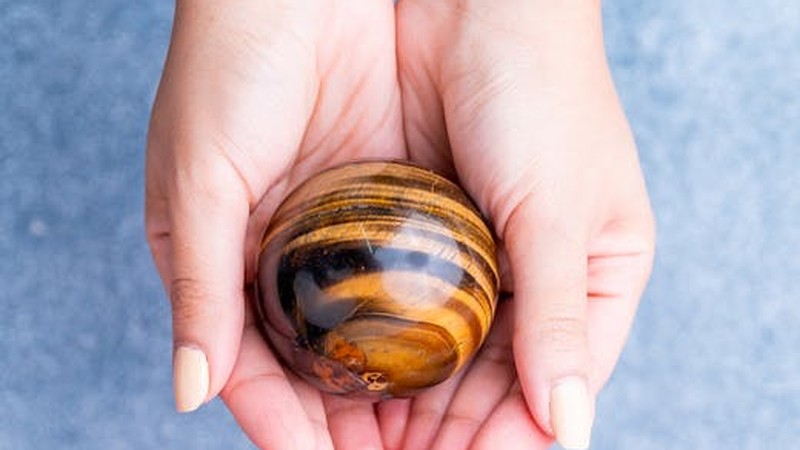
- Solar plexus (upper abdomen): Citrine or tiger's eye — confidence, willpower
- Sacral (lower abdomen): Carnelian or orange calcite — creativity, emotion
- Root (base of spine or between feet): Red jasper or black tourmaline — grounding, safety
You do not need all seven. Start with just the ones that match what you need today. If you are stressed, a rose quartz on the chest and an amethyst on the forehead might be enough. Lie still for ten to fifteen minutes and let the weight of the stones remind you to stay present.
3. The Visual Focus Method
Not everyone meditates with their eyes closed. For some people, having an external focal point is more effective than chasing away thoughts behind closed eyelids.
Place a crystal about an arm's length in front of you, at eye level. A crystal with interesting internal features — rutile quartz, labradorite, or a raw amethyst cluster — works well because your eyes have somewhere specific to land. Soften your gaze. Do not stare intensely; just let your vision rest on the stone.
This method is particularly useful if you feel anxious or restless when closing your eyes. It gives the visual part of your brain a simple, repetitive task, which can quiet the mental chatter.
4. The Crystal Circle Method
For this one, you will need four to eight crystals. Sit comfortably on the floor or a cushion, and arrange the stones in a circle around your body. You can match them to the four cardinal directions, use all the same type of crystal, or mix different ones depending on your goal.
Some people find that sitting inside a circle of stones creates a stronger sense of boundaries — like the crystals mark the edges of a space that belongs entirely to your practice. It is not about energy walls or force fields; it is about giving yourself permission to be fully present within that physical boundary.
This method works well for longer sessions (fifteen to thirty minutes), and pairs nicely with a body scan meditation where you move your attention from your feet up to the top of your head.
5. The Breath Synchronization Method
This technique combines the hand-holding method with conscious breathing. Hold your crystal in both hands. As you inhale slowly through your nose, imagine drawing the crystal's quality into yourself — calm, clarity, warmth, whatever you chose. As you exhale through your mouth, imagine releasing tension or stress into the stone.
Some practitioners describe feeling a subtle pulse or vibration in the crystal after a few minutes of synchronized breathing. Whether you experience that or not, the rhythm of your breath combined with the physical sensation of the stone creates a reliable anchor for wandering attention.
Start with a simple 4-4 pattern: four seconds in, four seconds out. After a few rounds, let your breath find its own natural rhythm while keeping the crystal as your focus point.
Choosing a Crystal by Purpose
You do not need a massive collection. Start with one or two stones that match what you are working on, and build from there if it feels right.
For Calm and Stress Relief
Amethyst is the classic choice here. Its cool purple tones and smooth texture make it a natural companion for winding down. The broader amethyst benefits go well beyond meditation — it is one of the most versatile stones you can own. Moonstone has a softer, more reflective energy that suits evening sessions, while lepidolite (sometimes called the "peace stone") contains natural lithium and has a noticeably calming weight in your hand.
For Focus and Mental Clarity
Fluorite comes in translucent greens and purples and is traditionally linked to organized thinking. Clear quartz is the multitool of the crystal world — simple, neutral, and effective for sharpening attention. Lapis lazuli, with its deep blue color, has been associated with insight and intellectual depth for thousands of years.
For Self-Love and Emotional Healing
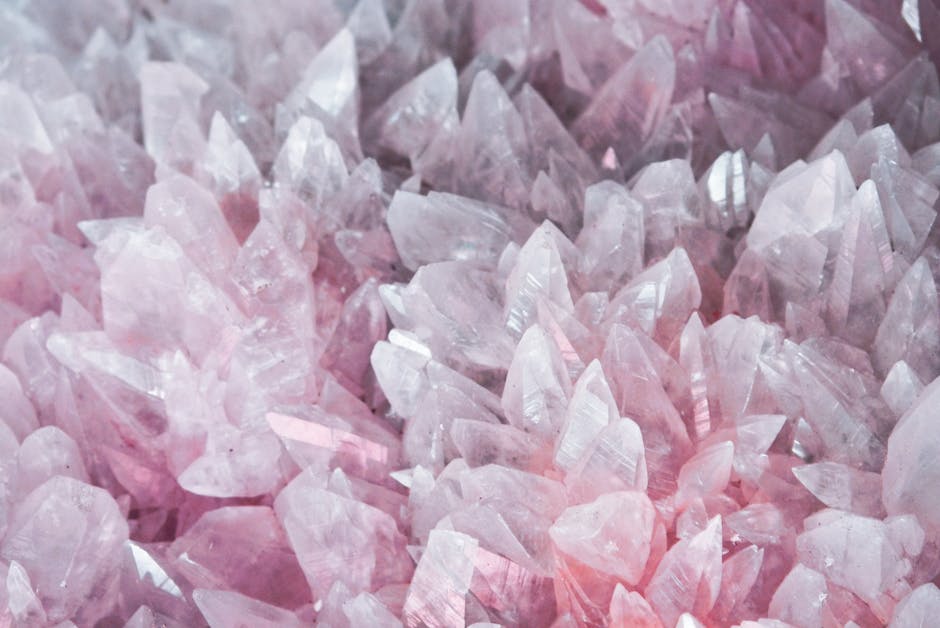
Rose quartz is the most popular stone in this category for good reason. It is soft pink, smooth, and immediately comforting to hold. Malachite is more intense — its layered green bands are sometimes described as a stone that draws out emotional blockages. If you are working through something heavy, start with rose quartz and save malachite for when you feel ready.
For Energy and Vitality
Citrine carries a warm, golden quality that pairs well with morning meditations or any time you need a lift. Red jasper is denser and earthier — it feels grounding without making you sleepy, which makes it a solid choice before a workout or a demanding work session.
After Your Session: Write It Down
Spend two minutes writing about what you noticed during your meditation. You do not need to be poetic or detailed. Just jot down a few notes:
- Did the crystal feel warm, cold, or neutral?
- Where did your mind go?
- How do you feel now compared to before you started?
- Would you use the same crystal again, or try something different?
Over time, these notes become a surprisingly useful guide. You might notice patterns — certain stones feel better in the morning, or a specific method works better when you are stressed versus when you are tired. That personal data is more valuable than any crystal encyclopedia.
Common Questions
Is it normal for a crystal to feel warm during meditation?
Yes. Your body heat transfers to the stone when you hold it, so warmth is expected. Some people notice the crystal heating up faster or more intensely during certain sessions, which they interpret as a sign of energetic engagement. Whether you take that literally or not, the temperature change is a useful feedback mechanism — it tells you that you are holding the stone, which means you are still present.
Can a crystal crack or break during meditation?
It is rare, but it can happen. Physical causes are usually temperature shifts (a cold stone warming quickly in your hands) or unseen internal fractures. Some traditions view a cracking crystal as a sign that it absorbed or released heavy energy, and recommend burying it or returning it to the earth. From a practical standpoint, if a stone breaks, it is probably best to replace it — sharp edges are not comfortable to hold.
Do I need to charge my crystals before meditating?
Cleansing (removing residual energy) and charging (adding intentional energy) are slightly different steps. For meditation, cleansing is the priority. Charging is optional but can add another layer of intention to your practice. If you want to explore crystal charging methods, sunlight, moonlight, and sound are the most common approaches.
What if I do not feel anything?
That is perfectly fine. Crystal meditation is not about having a dramatic experience. Sometimes the benefit is just ten minutes of stillness with your phone out of reach. If the crystal gives you a reason to sit down and close your eyes, it has already done its job.
Getting Started: A Simple First Session
If you want to try this right now, here is a bare-minimum setup:
- Pick one crystal — any one that draws your attention.
- Rinse it under water (unless it is selenite or halite).
- Hold it and set a simple intention: "I am taking five minutes for myself."
- Sit somewhere comfortable. Cradle the stone in both hands.
- Close your eyes. Breathe naturally. Focus on the weight and temperature of the crystal.
- When your mind wanders, gently come back to the sensation of the stone.
- After five minutes, open your eyes. Write down two sentences about how you feel.
That is it. No special equipment, no expertise required, no right or wrong way to feel. The crystal is simply an excuse to pause — and sometimes, that is exactly what you need.
Comments