How to Start a Crystal Collection: A Complete Beginner's Guide
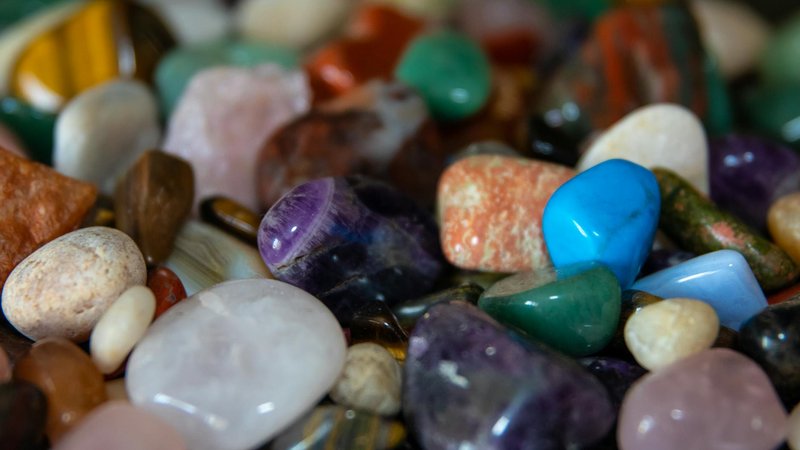
I still remember my first time walking into a crystal shop. It was a tiny place tucked between a coffee shop and a vintage bookstore, and the moment I stepped inside, I was hit with rows and rows of stones I couldn't identify. Purple ones, pink ones, clear ones that caught the light like tiny prisms, blue ones that looked like they belonged at the bottom of the ocean. The price tags ranged from $3 for a small tumbled stone to $300 for something that sat on a velvet pedestal behind glass.
I stood there for a solid ten minutes, completely overwhelmed, before grabbing a pretty purple one and a clear one and basically running to the register. I had no idea what I was buying. I just liked how they looked.
If you're in that same position right now—curious about crystals but not sure where to start—you're not alone. Starting a crystal collection is genuinely fun, but the sheer variety can paralyze you before you even begin. Here's a guide that'll help you start small, spend smart, and actually enjoy the process.
Why Do People Collect Crystals, Anyway?
Before we get into the how, let's talk about the why—because people get into crystals for very different reasons, and your reason will shape what you buy.
Some people are in it for the aesthetics. Crystals are objectively beautiful. A well-lit amethyst cluster or a polished labradorite slab looks incredible on a shelf, and there's something satisfying about curating a collection of natural art pieces that took millions of years to form.
Others are drawn to the healing and metaphysical properties. Whether you fully believe crystals carry energy or you're more in the "it's a nice focal point for intention-setting" camp, there's something powerful about holding a stone during meditation and using it as a physical anchor for whatever you're working on in your life.
Some collectors are basically amateur geologists. They love the science—the crystal systems, the mineral families, how inclusions form, why some stones fluoresce under UV light. For these folks, the collection is as much about understanding the earth as it is about pretty rocks.
And some people just think crystals make their space feel better. A few stones on a desk, a chunky piece on the nightstand, a small tumble in their pocket—it's low-effort decoration that also happens to have personal meaning.
None of these reasons is more valid than the others. Crystal collecting isn't a test. You don't need to be a healer or a geologist to enjoy having stones around.
Rule Number One: Start Small
This is the single most important piece of advice in this entire guide, and I wish someone had told me this before I walked into that shop.
Do not buy twenty crystals on your first trip.
I know the urge. Everything catches your eye. You want one of each color. You start reading the little cards next to each stone and think "oh, I need that one too." Before you know it, you've spent $80 and you can't remember which stone was supposed to do what.
Start with three to five stones. That's it. Get to know them. Learn their names, what they look like, how they feel in your hand, what they're associated with. Live with them for a few weeks. Then, when you're ready, add a few more. Building a collection slowly means you'll actually form a connection with each piece rather than ending up with a drawer full of anonymous rocks.
Think of it like getting into music. You don't start by buying your first guitar, a drum kit, a keyboard, a violin, and a ukulele all on the same day. You pick one instrument, learn it, and expand from there.
The Starter Five: Five Crystals Every Beginner Should Consider
If you're wondering "okay, but which three to five?", here are the ones I'd recommend. These are widely available, affordable, and each one covers a different purpose so you get a well-rounded foundation.
1. Clear Quartz — The Everything Stone
If you only buy one crystal, make it this one. Clear quartz is the most versatile stone in the crystal world. In metaphysical traditions, it's known as an energy amplifier—it's said to enhance the properties of any crystal it's paired with and to help clarify your thoughts and intentions.
Practically speaking, clear quartz is beautiful, durable, and easy to find. Even a small tumbled piece catches light beautifully. It's the Swiss Army knife of crystals, and every collection should have at least one piece.
2. Amethyst — The Fan Favorite
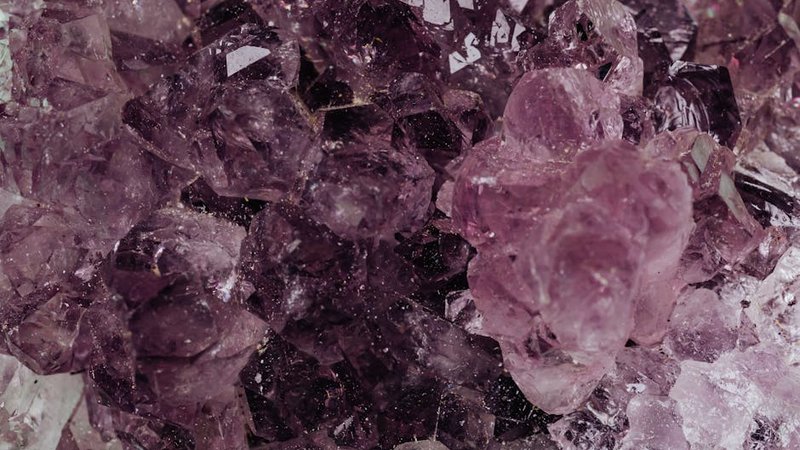
Amethyst is probably the single most popular crystal on earth, and for good reason. That purple color is stunning—ranging from pale lavender to deep violet—and it's associated with calm, intuition, and better sleep. A lot of people keep amethyst on their nightstand or under their pillow.
Beyond the metaphysical stuff, amethyst clusters make incredible display pieces. A good-sized amethyst geode is one of those things that makes anyone who walks into your room go "whoa." And because it's so widely available, you can find quality amethyst at very reasonable prices.
3. Rose Quartz — The Heart Stone
Rose quartz is that soft, milky pink stone you've probably seen everywhere. It's associated with unconditional love, self-love, emotional healing, and compassion. If amethyst is for calm, rose quartz is for emotional warmth.
People use rose quartz in all kinds of ways—wearing it as jewelry, placing it in their bedroom, meditating with it when they're working through relationship issues or practicing self-care. It's gentle, approachable, and one of the most affordable crystals you can buy. A tumbled rose quartz usually costs less than a cup of coffee.
4. Black Obsidian — The Protector
After three light-colored stones, let's go dark. Black obsidian is volcanic glass—literally lava that cooled so fast it didn't have time to crystallize. It's glossy, black, and slightly intimidating in a cool way.
Obsidian is associated with protection, grounding, and absorbing negative energy. In crystal traditions, it's the "shield" stone. People carry it when they're going into stressful situations, keep it near their front door, or place it on their desk at work. It's also used for scrying—gazing into a polished obsidian surface for meditation and insight.
One thing to note: obsidian is glass, so it can break if dropped on a hard surface. But at $3-$8 for a tumbled piece, it's not a big loss if it chips.
5. Tiger's Eye — The Confidence Booster
Tiger's eye has that distinctive golden-brown striped pattern that actually looks like a cat's eye. It's associated with courage, confidence, motivation, and taking action. It's the "get stuff done" stone.
If you're someone who tends to overthink and hesitate, tiger's eye is a popular choice. People carry it during job interviews, important meetings, or whenever they need a little extra push to speak up and take action. It's also just a really attractive stone—those chatoyant bands shimmer when you move it in the light.
Where to Buy Your Crystals
Where you shop matters more than you might think, especially when you're just starting out.
Local crystal shops are my top recommendation for beginners. The biggest advantage is that you can actually see and touch the stones before buying them. You can feel the weight, check the color in natural light, and compare pieces side by side. The staff at good crystal shops are usually knowledgeable and happy to answer questions. Plus, you're supporting a local business.
Gem and mineral shows are a hidden gem (pun intended). These events bring together dozens or even hundreds of vendors under one roof, and the selection is incredible. You'll find things at shows that you'd never see in a regular shop, often at better prices. The atmosphere is fun too—you're surrounded by people who are genuinely excited about rocks. Check local event listings or search for "gem show near me" to find upcoming events.
Online shops offer the most variety and convenience, but the obvious downside is that you can't see or feel the stone before buying. If you shop online, read reviews carefully, look for shops that show multiple photos of each piece (not just stock photos), and check their return policy. Reputable online crystal shops like SageStone provide detailed descriptions and honest photos.
Secondhand and antique markets can be surprisingly rewarding. Older crystal pieces sometimes have a character and energy that new ones don't. You might find vintage quartz clusters, unusual carved pieces, or stones from mines that are no longer producing. It takes more patience and a good eye, but the finds can be special.
A Realistic Price Guide
Crystal prices vary wildly based on size, quality, rarity, and source. Here's a rough guide so you know what's reasonable:
Tumbled stones: $3-$8 each. These are small, polished stones that fit in your palm. They're the most affordable option and perfect for starting your collection or carrying with you.
Small clusters: $10-$25. These are natural crystal formations on their matrix (the rock they grew on). Amethyst and quartz clusters in this size range are common and make great desk decorations.
Medium single crystals or carved pieces: $20-$50. This gets you into nicer sizes—a palm-sized polished point, a good-quality carved animal, or a medium cluster with nice color.
Large pieces and rare varieties: $50 and up. Big geodes, museum-quality specimens, and rare minerals fall into this range. As a beginner, you don't need to go here—but it's fun to window shop.
One important note: don't assume expensive means better. A $30 quartz point from a reputable dealer is almost always a better buy than a $30 "rare" stone from a questionable source. Crystal pricing can be inflated by trends, marketing buzzwords, and outright hype. Do some research before dropping serious money on anything.
How to Choose: The Method That Actually Works
Here's a simple process for choosing crystals, whether it's your first purchase or your fiftieth:
Step 1: Think about what you need. Are you stressed? Looking for more confidence? Want better sleep? Feeling disconnected? Craving more creativity? Match your need to a stone's associated properties. This is where those little info cards in crystal shops (and guides like this one) come in handy.
Step 2: Look at your options. Find the stones that match what you're looking for. If you want calm, you might be looking at amethyst, lepidolite, and blue lace agate, for example.
Step 3: Let your intuition take over. This sounds woo-woo, but it's practical advice. When you're looking at a group of similar stones, one of them will probably catch your eye more than the others. Maybe the color is slightly different. Maybe the shape appeals to you. Maybe you just keep coming back to it. Pick that one. In crystal circles, this is often described as "the stone choosing you," but really, it's just your subconscious recognizing something that resonates with you. Trust it.
Some people hold a stone in their receiving hand (left hand for most people) and see how it feels. If it feels warm, tingly, or "right," that's your sign. If it feels nothing special or even slightly off, put it back. There's no wrong answer here—this is supposed to be enjoyable, not stressful.
Storing and Displaying Your Collection
Once you've got a few stones, you need somewhere to put them. How you store them matters for practical reasons too—some harder stones can scratch softer ones if they're rattling around together.
Velvet or silk pouches are the simplest and cheapest option. Drop each stone in its own pouch and they'll be protected from scratches and chips. Great for tumbled stones you carry with you.
Wooden display boxes with compartments are perfect for a growing collection. They look nice on a shelf or desk, keep everything organized, and the soft wood won't damage your stones. You can find these at craft stores or online for $10-$30.
Clear acrylic boxes let you see your collection while keeping dust off. Good for display pieces you want to admire but not handle constantly.
Just putting them on a shelf or desk is totally fine too. Some of my favorite crystal setups are just stones arranged on a bookshelf next to books and plants. It's casual, it looks great, and you can pick them up whenever you want.
The one rule: don't pile hard stones on top of soft ones. Quartz (hardness 7) will scratch calcite (hardness 3) without even trying. If you're not sure about hardness, keep stones separated until you look it up.
Keep a Crystal Journal (Seriously)
This tip separates casual collectors from people who actually get something meaningful from their crystals. Get a small notebook—nothing fancy, just something you'll actually write in—and make an entry for each stone you get.
Write down the stone's name, where and when you bought it, what drew you to it, and what you're hoping it'll help with. Then, every so often, jot down a quick note about how you've been using it and whether you feel like it's been helpful.
This does two things. First, it helps you actually remember what each stone is supposed to do (because trust me, after you have twenty stones, you will forget). Second, it creates a personal record that makes the collection feel more meaningful. Six months from now, you can flip back and see not just what you bought, but why you bought it and how your journey has evolved.
Cleaning and Charging Your Crystals
Crystals are rocks. They don't need "cleaning" in the way a shirt does. But in crystal traditions, people cleanse and recharge their stones to reset their energy, especially after intense use or after someone else has handled them. Even if you're skeptical about the energy aspect, these practices are genuinely calming rituals that help you connect with your collection.
Moonlight is the gentlest and most universally recommended method. Place your crystals on a windowsill or outside during a full moon (or any moon, really—full moons are just traditional). Let them sit overnight. No risk of damage to any type of stone, and it's a nice excuse to spend a quiet evening arranging crystals by moonlight.
Running water works for most stones (but not all—check first, as some minerals are water-soluble). Hold your crystal under cool running water for a minute or two while setting an intention to clear its energy.
Smoke cleansing using sage, palo santo, or incense is another common approach. Pass the crystal through the smoke a few times. This is especially popular with obsidian and other dark stones that are said to absorb negative energy.
Placing on a clear quartz cluster or selenite is said to recharge other stones naturally. If you have a large quartz cluster or a selenite slab, just set your other stones on it overnight.
What to avoid: Direct sunlight fades many crystals—amethyst, rose quartz, citrine, and aquamarine can all lose their color if left in the sun too long. Salt water is too harsh for many stones. Ultrasonic cleaners can fracture certain minerals. When in doubt, stick with moonlight—it works for everything.
Common Beginner Mistakes (And How to Avoid Them)
I've made most of these myself, so learn from my mistakes:
Spending too much too fast. The excitement of starting a new hobby is real, but pace yourself. Build slowly. You'll appreciate each stone more, and you'll make better choices because you're not impulse-buying.
Assuming more expensive means better. A $5 tumbled amethyst from a shop you trust is better than a $50 "rare" stone from a questionable seller. Quality and authenticity matter more than price tags.
Thinking brighter color means better quality. Some of the most vividly colored crystals on the market are dyed. Natural stones are often more subtle and varied in color. If a stone looks impossibly bright or uniform, it might be enhanced.
Worrying about doing it "wrong." There's no wrong way to collect crystals. You don't need to follow every rule, memorize every property, or build a perfect collection. If you like a stone because it's pretty, that's a perfectly valid reason to own it.
Feeling like you need to collect every type. There are thousands of named crystal varieties. You will never collect them all, and that's fine. A small, curated collection of stones you genuinely love is worth more than a massive collection of stones you're indifferent about.
The Best Part of Crystal Collecting
Here's what nobody tells you about starting a crystal collection: the stones themselves are only half of it. The other half is the ritual, the intention, the quiet moments of choosing a stone in the morning, the satisfaction of watching your shelf fill up over time, the conversations you'll have with other crystal lovers, and the small daily joy of having beautiful, natural objects around you.
My first two crystals—that amethyst and clear quartz I grabbed in a panic—are still on my desk right now. They're not the fanciest pieces in my collection, not by a long shot. But they're the ones that started everything, and I remember exactly how I felt buying them: overwhelmed, curious, and quietly excited.
That's the feeling you're chasing. And it gets better every time you add a new piece.
Comments