How to Build and Style a Minimalist Jewelry Wardrobe
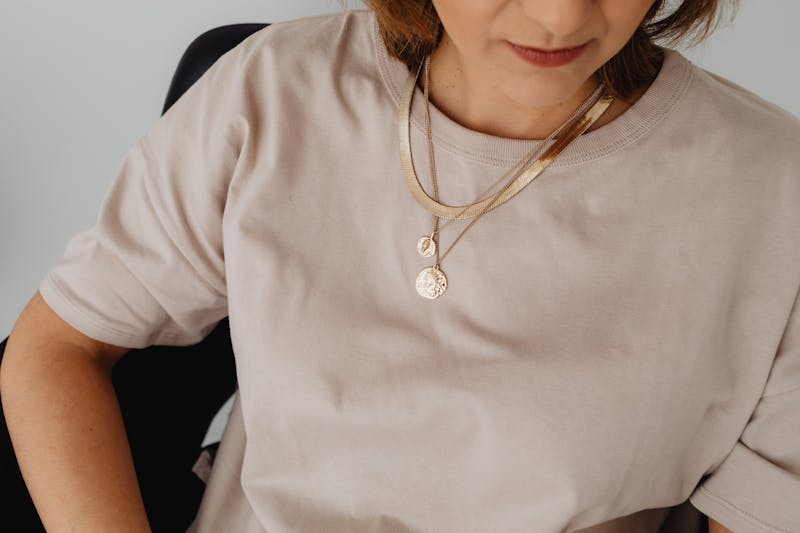
My friend wore a gold-fill pendant necklace every single day for three years. Same necklace, every outfit, every occasion. People started recognizing her by it. When she finally took it off one day to wear something else, three separate people asked if something was wrong.
That's the power of a signature piece. It's not about having a huge jewelry collection — it's about choosing the right pieces and wearing them with intention. Minimalist jewelry isn't boring. It's strategic.
The minimalist approach to jewelry styling has been dominant in fashion for over a decade now, and it's not going anywhere. Clean lines, simple metals, thoughtful layering — this is how you look put-together without looking like you tried too hard. Here's how to build and style a minimalist jewelry wardrobe that works for every day, every outfit, and every version of you.
Building a Minimalist Jewelry Wardrobe
A minimalist jewelry collection isn't about having fewer pieces. It's about having the right pieces — versatile staples that work across multiple outfits and occasions. Think of it like a capsule wardrobe, but for your accessories.
The Core Four
Every minimalist jewelry wardrobe starts with four foundational pieces:
- Everyday necklace: A delicate pendant on a fine chain. 16-18 inches, gold-fill or sterling silver, with a small pendant (circle, bar, initial, or simple stone). This is the piece you never take off.
- Stud earrings: Small, simple, comfortable enough to sleep in. 3-5mm gemstone studs, small pearls, or plain metal balls. Gold-fill or sterling silver posts — plated studs irritate sensitive ears after a few days.
- Simple ring (or two): A thin band, a small stone setting, or a simple signet. Something you can wear while typing, cooking, and living. Stackable bands are the most versatile — one base band plus 1-2 accent bands that you mix and match.
- Everyday bracelet: A chain bracelet with a small charm, a simple bangle, or a minimal cuff. Should be comfortable enough for all-day wear and durable enough for daily life.
These four pieces form the foundation. Everything else you add builds on top of them.
Materials: Quality Over Quantity
In a minimalist collection, each piece needs to hold up to constant wear. Material quality matters more than it does in a large rotation:
- Gold-fill (14k or 12k): The best balance of quality and affordability for daily wear. The gold layer is thick enough to last 5-10 years with proper care. Looks identical to solid gold at a fraction of the cost.
- Sterling silver (925): Classic, affordable, and durable. Tarnishes but cleans easily. Ideal for cooler skin tones or silver enthusiasts.
- Solid gold (14k): The investment option. Lasts a lifetime with minimal care. Worth it for pieces you truly never plan to remove — wedding bands, everyday pendants.
- Platinum: The most durable precious metal. Doesn't tarnish, doesn't wear thin, hypoallergenic. Expensive but essentially indestructible.
Avoid plated jewelry for your core pieces. Gold plating wears off in 6-18 months of daily wear, leaving dull brass underneath. For pieces you wear every day, invest in gold-fill or solid gold.
Color Cohesion
Choose one metal color as your primary: gold or silver. This isn't a rule — mixing metals is perfectly fine — but having a dominant metal creates visual cohesion across your collection.
- Warm palette (gold dominant): Gold-fill, rose gold, brass, copper. Works beautifully with warm skin tones and earth-tone wardrobes.
- Cool palette (silver dominant): Sterling silver, white gold, platinum. Flatters cool skin tones and pairs well with navy, gray, and jewel tones.
- Mixed metals: Intentional mixing (one gold piece + one silver piece) can look sophisticated. Random mixing (gold necklace + silver earrings + rose gold bracelet) looks accidental. If you mix, do it deliberately — one contrasting piece per outfit.
Layering: The Art of Stacking
Layering is where minimalist jewelry gets interesting. Multiple thin pieces layered together create dimension and visual interest without the heaviness of statement pieces. The key is restraint and intentionality.
Necklace Layering
The classic approach: two or three delicate necklaces of different lengths. Guidelines:
- Length spread: Each necklace should be at least 2 inches different in length. Common combinations: 14" + 16" + 18", or 16" + 20" + 24". If they're too close in length, they tangle and compete.
- Variety in pendants: Mix pendant types — one coin, one bar, one simple chain. Having three identical-style pendants looks monotonous. Different shapes create visual rhythm.
- Consistent metal: Keep all layered necklaces in the same metal color. Mixing metals in a layered stack looks cluttered rather than curated.
- Thin chains: 0.5-1mm chain width is ideal for layering. Thicker chains look bulky when stacked.
- Maximum three: Two looks clean, three looks intentional, four looks busy. Stop at three.
Ring Stacking
Stacking rings is perhaps the most fun aspect of minimalist jewelry. Options are nearly unlimited:
- The midi stack: Wear one ring on your ring finger and one or two on the finger above (between your knuckle and finger joint). Delicate bands work best here — 1-2mm width.
- The single-finger stack: Two or three thin bands on one finger. A textured band + a plain band + a tiny stone setting. The textures contrast creates visual interest.
- The hand spread: One simple ring on each of 2-3 fingers. Creates a scattered, effortless look. Vary the styles — one plain band, one tiny stone, one textured ring.
- The asymmetrical pair: Matched or complementary rings on each hand. Not identical — think sister pieces rather than twins.
Bracelet Stacking
Stack bracelets on one wrist, leave the other bare. This creates visual balance:
- Mix textures: A chain bracelet + a beaded bracelet + a thin metal cuff. Different textures keep the stack from looking repetitive.
- Include a watch: A simple watch counts as a bracelet layer. A minimalist watch (leather or mesh band, clean face) pairs well with 1-2 delicate bracelets.
- Keep it to one wrist: Both wrists stacked looks heavy. One stacked, one bare is the minimalist way.
Earring Styling
Minimalist earrings fall into a few reliable categories:
- Matching studs: The default everyday choice. Small, simple, comfortable. 3-5mm is the sweet spot — big enough to be visible, small enough to be subtle.
- Stud + small hoop combo: A stud in the first piercing and a small hoop (12-15mm diameter) in the second. This adds interest without being flashy.
- Asymmetric studs: Different but complementary studs in each ear. A pearl in one ear, a small gold ball in the other. This is a subtle way to break the matching rule.
- Climbers and crawlers: A single earring that follows the curve of the ear. Creates the look of multiple piercings without the commitment.
Jewelry for Different Occasions
Work and Professional Settings
Professional jewelry should enhance your appearance without distracting. The goal is polished, not showy:
- Necklace: A simple pendant on a fine chain. Nothing that makes noise when you move or catches on your collar.
- Earrings: Small studs or classic hoops. Nothing dangling or oversized that could be distracting during meetings.
- Rings: One or two simple bands. Avoid large stones or multiple rings — they can look unprofessional and interfere with typing.
- Bracelet: A thin chain bracelet or nothing. Bangles can make noise during meetings; skip them.
Match jewelry metal to your other accessories: belt buckle, watch, shoe buckles. Silver shoes with gold jewelry looks unintentional.
Casual Weekend
Casual wear gives you more freedom to play with jewelry:
- Layer two or three necklaces with casual tops (v-necks and scoop necks are ideal for showing off layers)
- Stack 2-3 bracelets on one wrist
- Wear larger hoops (20-25mm) or drop earrings
- Add a pendant to a simple chain for visual interest
Weekends are also when beaded and organic jewelry works best. Stone beads, leather cord, wood elements — these have a casual, relaxed energy that doesn't fit in professional settings.
Date Night and Evenings
Evening jewelry should add sparkle without overwhelming. The minimalist approach: elevate one area.
- Focus on one piece: Statement earrings OR a bold necklace OR stacked rings — not all three. Choose the area you want to highlight and let the rest stay minimal.
- Add a stone: A small diamond, moissanite, or white sapphire stud or pendant adds subtle sparkle that catches low light beautifully.
- Elongate with drops: Drop earrings make the neck look longer. A pendant that falls in the décolletage area draws attention upward. Use these strategically.
Formal Events
Weddings, galas, and formal occasions call for more refined jewelry:
- Pearls: Always appropriate for formal events. Simple pearl studs or a single strand are timeless choices.
- Diamonds: Small diamond studs or a delicate tennis bracelet are the safest formal choices.
- Match the formality: Black-tie events call for finer, more precious jewelry. Cocktail attire allows for slightly bolder pieces.
- Don't compete with your outfit: If your dress is heavily embellished, keep jewelry minimal. If your outfit is simple, you can go slightly bolder with accessories.
Matching Jewelry to Necklines
The right necklace transforms an outfit. The wrong one either disappears or competes:
- Crew neck and high necklines: Long pendant necklaces (20-24 inches) that fall below the neckline. Short necklaces disappear under high collars.
- V-neck: Necklaces that follow the V shape. A pendant that ends at the V point, or layered chains that create a V effect.
- Scoop neck: Shorter necklaces (16-18 inches) that sit in the exposed area. Multiple layered chains work beautifully with scoop necks.
- Off-shoulder and boat neck: Statement necklaces and chokers that fill the exposed collarbone area. This neckline was made for jewelry.
- Button-up shirts: Either a very short necklace (14-16 inches) that sits above the top button, or a long pendant that falls below the buttons. Mid-length necklaces get caught between buttons and look awkward.
- Turtleneck: Long necklaces (24-30 inches) or no necklace at all. Earrings and rings become the focus since the neck is covered.
- Strapless: Chokers (14-16 inches) or layered chains that sit on the bare collarbone. This is where you can be bolder.
Seasonal Styling
Spring/Summer
- Lighter, brighter pieces: rose gold, white gold, silver
- Delicate chains that catch sunlight
- Shell, pearl, and glass elements
- Long pendant necklaces with breezy sundresses
- Stacked bracelets with bare arms
Fall/Winter
- Warmer metals: yellow gold, brass, copper
- Larger hoops (20-30mm) that show above scarf collars
- Layered necklaces with turtlenecks and crew necks
- Textured pieces that add visual warmth
- Stacked rings over knit gloves (remove rings before putting on gloves)
Skin Tone and Jewelry
While personal preference should always guide your choices, these guidelines help narrow down flattering options:
- Cool undertones: Silver, white gold, platinum, and cool-toned stones (blue sapphire, amethyst, white pearl) tend to be most flattering.
- Warm undertones: Gold, rose gold, brass, and warm-toned stones (carnelian, citrine, amber, coral) complement warm skin.
- Neutral undertones: Lucky you — both warm and cool metals work. Mix freely.
The real test: hold gold jewelry against your skin, then silver. Which one makes your skin look brighter and more alive? That's your metal. Everything else is secondary.
The Signature Piece Concept
The most powerful styling strategy in minimalist jewelry: choose one piece to be your signature. Something small, simple, and personal that you wear almost every day. It becomes part of your identity.
A signature piece works because:
- It simplifies daily decision-making — you always have at least one piece sorted
- It creates recognition and consistency in how people perceive you
- It can hold personal meaning — a gift, an initial, a birthstone, a symbol that matters to you
- It anchors your jewelry wardrobe around a central piece, making it easier to add complementary pieces
Choose something you genuinely love wearing, not something trendy. Trends pass; a signature piece stays. A thin gold circle pendant, a small diamond stud, a hammered band — these have been popular for decades and will continue to be popular for decades more.
Quality Signs to Look For
In a minimalist collection, every piece needs to be well-made. Here's what separates quality jewelry from cheap jewelry:
- Weight: Quality metal has heft. If a pendant feels like plastic, it's probably thin-plated brass. Gold-fill and solid gold have noticeable weight.
- Finish: High-quality pieces have smooth, even surfaces with no visible tool marks, scratches, or rough edges. Clasps close securely and operate smoothly.
- Stamp/hallmark: Look for "925" (sterling silver), "14K" or "1/20 14K GF" (gold-fill). Unmarked pieces are often mystery metal with thin plating.
- Stone setting: Prongs should be even and secure, not bent or uneven. Bezel settings should be smooth and consistent. Glued stones (visible glue around the stone) are a quality red flag.
- Chain quality: Links should close securely, not gap open. The chain should drape smoothly without kinking. Jump rings should be soldered closed (not just pinched shut) on quality pieces.
Caring for Your Minimalist Collection
When you wear the same pieces every day, care becomes even more important:
- Remove before showering, swimming, or exercising: Even water-resistant pieces last longer when you take them off for these activities. Chlorine and salt water are particularly damaging.
- Clean weekly: A quick wipe with a polishing cloth after each week of wear prevents buildup. Deeper cleaning with mild soap and water once a month.
- Inspect regularly: Check clasps, settings, and chain links for wear. A loose clasp or bent prong is much easier to fix when caught early.
- Store properly: Each piece in its own compartment or soft pouch. A jewelry box with individual compartments is ideal for a minimalist collection.
- Rotate occasionally: Even "everyday" pieces benefit from a day off. It extends their life and gives you a chance to wear other pieces in your collection.
Building Your Collection Over Time
Don't buy everything at once. Start with the core four pieces and add gradually. Each new piece should fill a gap or add versatility:
- Month 1: Everyday necklace + stud earrings
- Month 2: Simple ring(s)
- Month 3: Everyday bracelet
- Month 4-6: Add layering pieces — second and third necklaces, additional rings
- Month 6-12: Add occasion-specific pieces — small hoops, a pendant for dressier outfits
Buy from handmade jewelers when possible. The quality difference between handmade and mass-produced is significant, and the price difference at the small-scale level is often smaller than you'd expect. Plus, handmade pieces have character — slight variations that make them unique rather than identical to thousands of others.
Minimalist jewelry isn't about wearing less. It's about wearing better. Choose pieces you love, care for them well, and let them become part of your daily story. That's the whole point.
Comments