Ruby vs Garnet: How to Tell Them Apart When They Look Almost the Same
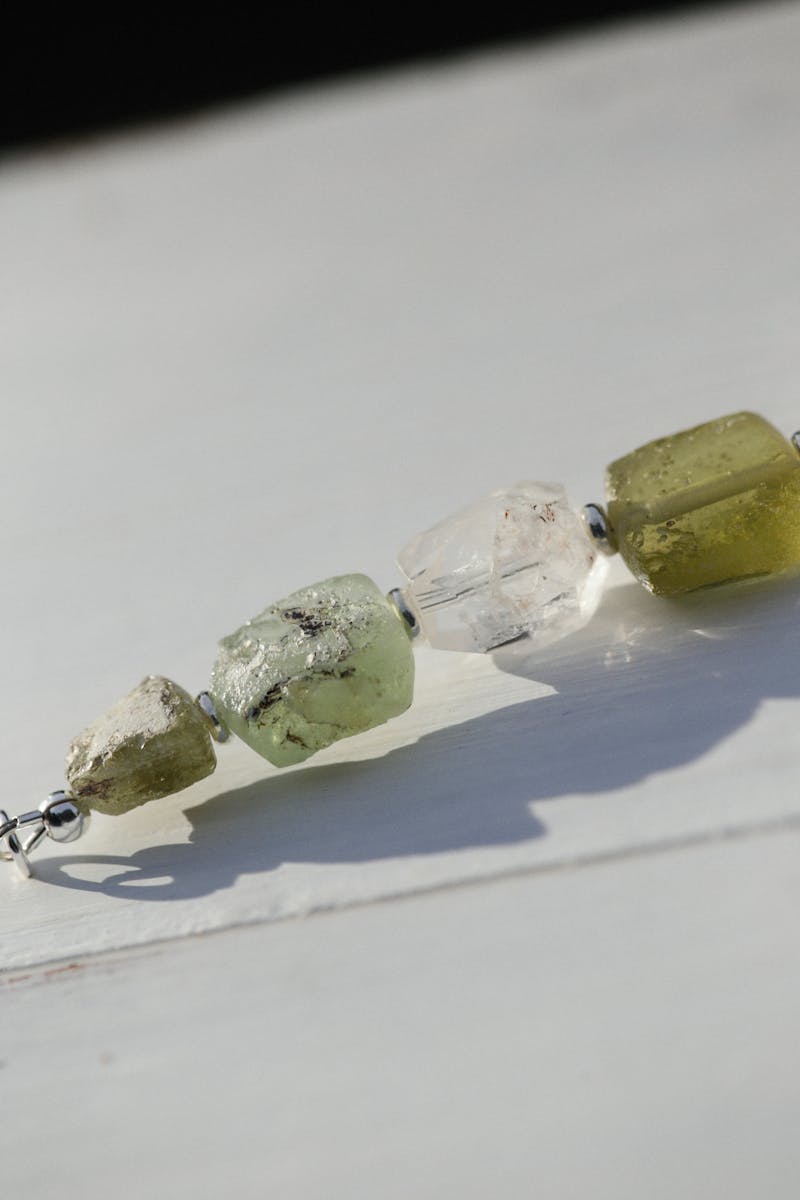
Ruby vs Garnet: How to Tell Them Apart When They Look Almost the Same
Meta description: Discover the subtle differences between rubies and garnets, two stunning gemstones that can sometimes be mistaken for one another. Learn how to identify their unique characteristics and make an informed purchase.
Understanding the Basics of Ruby and Garnet
Ruby and garnet are both popular gemstones known for their vibrant colors and hardness. Rubies are a variety of the mineral corundum, while garnets are a group of minerals that include pyrope, almandine, andspessartine, among others. Despite their differences in composition, both are highly valued for their beauty and durability.
One of the most distinguishing features of rubies is their deep red color, which is caused by the presence of chromium. Garnets, on the other hand, come in a variety of colors, including red, but also green, yellow, orange, and even colorless. This diversity in color can sometimes make it challenging to differentiate between the two.
Color: The Most Obvious Difference
While both rubies and garnets can be red, the intensity and hue of the red in a ruby is typically more vivid and purplish than that of a garnet. Garnet's red can range from a deep, dark red to a more orange or brownish red. To test the color, hold the gemstone up to a white background and observe the color under different lighting conditions.
Another way to tell the difference is by examining the color's distribution. Rubies often have a body color that is more uniform, whereas garnets may exhibit a more patchy or mottled color pattern. This is due to the different crystal structures of the two stones.
Transparency and Clarity
Rubies are typically more transparent than garnets, which can have a more cloudy or opaque appearance. This is because garnets often contain more inclusions, which are the tiny crystals or minerals trapped within the stone. While inclusions are common and can add character to a gemstone, a high-quality ruby will generally have fewer and smaller inclusions.
When examining a gemstone, look for transparency and clarity. Rubies with fewer inclusions will be more valuable and desirable. Garnets, while less transparent, can still be very attractive and are often used in jewelry for their rich color and durability.
Hardness and Durability
Both rubies and garnets are hard gemstones, ranking 9 on the Mohs scale of hardness. This means they are resistant to scratches and can withstand everyday wear. However, rubies are slightly harder than garnets, making them more durable for use in jewelry.
When selecting a gemstone for jewelry, consider the intended use. If the piece will be worn frequently, a ruby may be a better choice due to its higher hardness. Garnets are also a great option for their durability and can be a more budget-friendly alternative to rubies.
Practical Tips for Buying Ruby and Garnet Jewelry
- Always purchase gemstones from a reputable source to ensure their authenticity.
- Examine the gemstone under different lighting conditions to assess its color and clarity.
- Look for certifications such as the GIA (Gemological Institute of America) or AGS (American Gem Society) to guarantee the stone's quality.
- Consider the intended use of the jewelry when selecting the type of gemstone.
- Don't be afraid to ask questions and seek advice from a knowledgeable jeweler.
Conclusion
While rubies and garnets may look similar at first glance, there are several key differences that can help you tell them apart. By understanding their unique characteristics, such as color, transparency, and hardness, you can make an informed decision when purchasing gemstone jewelry. Whether you choose a vibrant ruby or a versatile garnet, both are stunning stones that can add a touch of elegance to any outfit.
Related Articles
- Staurolite Fairy Stones: The Cross-Shaped Minerals People Find in the Dirt
- Fluorite bracelet: the rainbow stone that collectors actually fight over
- Turquoise vs lapis lazuli: two blue stones with completely different stories
- Crystal Grid for Beginners: What They Are and How to Set One Up
- Why Do People Wear Bracelets? A Short History of Wrist Adornment
Comments