Rose Quartz: Complete Guide to Meaning, Uses & Care
What makes rose quartz so special
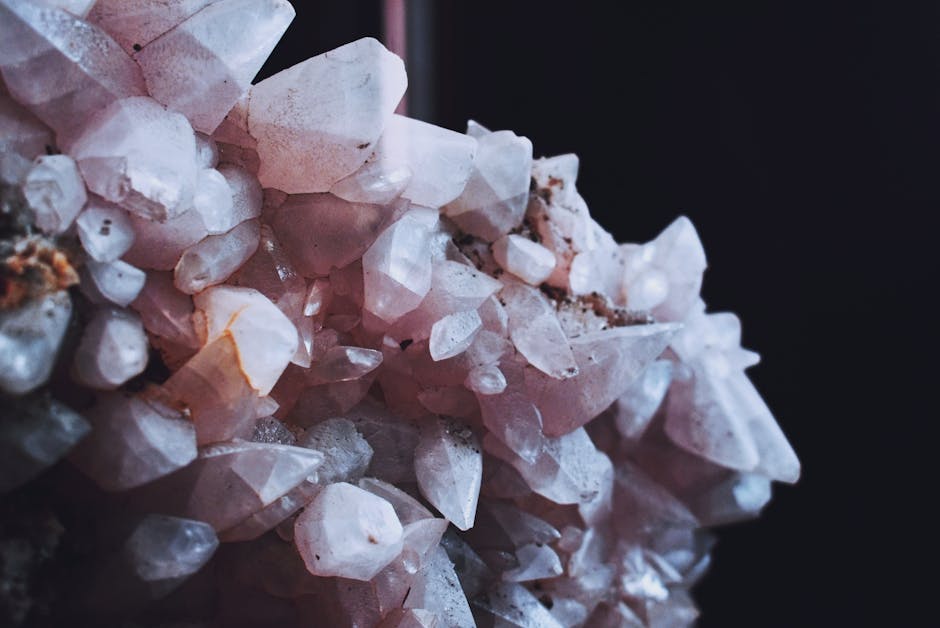
Rose quartz is one of those stones that seems to show up everywhere, from jewelry counters to meditation cushions to Instagram feeds full of pink-hued flat lays. But behind its soft, approachable appearance lies a mineral with genuine depth. Found primarily in Brazil, Madagascar, and South Dakota, this variety of quartz gets its signature pink color from trace amounts of titanium, iron, or manganese within its crystal structure.
Unlike many popular gemstones, rose quartz is surprisingly affordable. You can pick up a tumbled stone for a few dollars or invest in a museum-grade specimen for hundreds. That accessibility is part of what makes it such a great entry point for anyone interested in minerals. But there's more to this stone than its price tag suggests.
The geology behind the pink color
Rose quartz typically forms in pegmatite veins, which are coarse-grained igneous rocks that crystallize from magma deep underground. The pink coloration has been debated for decades among mineralogists. For a long time, researchers believed it came from titanium impurities. More recent studies using advanced spectroscopy suggest that the color actually comes from microscopic fibers of a mineral called dumortierite embedded within the quartz.
What's interesting is that the color isn't uniform. Some pieces are barely blushing, while others are a deep strawberry pink. The most valuable specimens have an even, saturated color throughout, without banding or cloudy patches. Star rose quartz, which displays a six-rayed asterism when cut en cabochon, is particularly prized among collectors.
Most rose quartz on the market is translucent rather than transparent. Fully transparent pieces exist but are quite rare and command much higher prices. If you see a perfectly clear pink stone being sold cheaply, it's likely glass or synthetic.
Cultural significance through history
The connection between rose quartz and matters of the heart goes back thousands of years. Ancient Egyptians used the stone in facial masks, believing it could prevent wrinkles. Roman and Greek cultures associated it with their gods of love, and it was commonly carved into talismans and seals.
In East Asian traditions, rose quartz has been used in feng shui practices for centuries, often placed in the southwest corner of a home to attract harmonious relationships. The stone also appears in Tibetan and Chinese folklore as a symbol of unconditional love and emotional healing.
These cultural associations aren't scientific claims, of course. They tell us more about how humans have historically related to the natural world than about any inherent property of the stone. But understanding this context adds richness to an already fascinating mineral.
Popular uses for rose quartz today
Decor is probably the most common application. Raw rose quartz clusters and polished towers have become staples of modern interior design, valued for their warm pink tones that complement a wide range of color palettes. A large raw piece on a bookshelf or desk adds a natural, organic element to any room.
In jewelry, rose quartz works beautifully in both casual and formal settings. Beaded bracelets are extremely popular, and larger cabochons set in sterling silver make for elegant statement pieces. Because the stone ranks 7 on the Mohs hardness scale, it holds up well to daily wear, though it can chip if dropped onto hard surfaces.
Beyond decor and jewelry, rose quartz has found its way into skincare. Rose quartz facial rollers and gua sha tools have become mainstream beauty products. While the stone doesn't have any active skincare properties, the smooth, cool surface of polished quartz makes it an effective tool for facial massage and lymphatic drainage. The ritual aspect, the few minutes of quiet self-care, is probably where the real benefit lies.
How to choose quality rose quartz
When shopping for rose quartz, color is the primary factor that affects value. Look for an even, saturated pink that doesn't look washed out or artificially bright. Deep strawberry pink pieces are generally more desirable than pale, almost white specimens. However, personal preference matters more than market value for most buyers.
Clarity is another consideration. Translucent pieces with minimal cloudiness tend to look better when polished or carved. Avoid pieces with visible cracks or fractures that might compromise structural integrity, especially if you plan to wear the stone as jewelry.
Size and shape affect price significantly. Raw chunks are the most affordable, while well-polished spheres, towers, and carved figurines command premiums. Star rose quartz is in its own category and can be quite expensive, particularly in larger sizes with a sharp, centered asterism.
Caring for your rose quartz
Keeping rose quartz looking good requires minimal effort but a bit of awareness. The stone is moderately hard but can be scratched by harder materials like sapphire or diamond. Store it separately from other jewelry pieces to prevent contact damage.
Extended exposure to direct sunlight will gradually fade the pink color. This is a slow process, but over months or years, a specimen kept on a sunny windowsill will noticeably lose its vibrancy. Display your pieces in indirect light for the best long-term color retention.
Clean rose quartz with warm water and mild soap. Avoid ultrasonic cleaners, which can cause internal fractures to expand, and skip harsh chemical cleaners. A soft toothbrush works well for removing dust from textured or raw specimens. Dry thoroughly after cleaning to prevent water spots.
Spotting fake rose quartz
As demand has grown, so has the market for imitations. The most common fake is glass dyed pink. Check for air bubbles under magnification, which are a dead giveaway for glass. Real rose quartz will have natural inclusions and slight color variations, while dyed glass tends to be unnaturally uniform.
Another red flag is price. If a piece seems too cheap for its size and color quality, it probably is. Genuine rose quartz is affordable but not pennies-on-the-dollar cheap in larger sizes. Trust your instincts, and buy from reputable dealers who can verify the source of their stones.
Why rose quartz endures
Trends in the crystal and mineral world come and go, but rose quartz has maintained consistent popularity for decades. Part of that staying power comes from its versatility. It works in jewelry, home decor, and personal care. Its color is universally appealing. And its hardness makes it practical for everyday use.
Whether you're drawn to it for its geological interest, its cultural history, or simply because you like the way it looks, rose quartz is a genuinely rewarding stone to collect and live with. Start with a tumbled piece, learn what you like, and let your collection grow naturally from there.
Comments