Rose Gold vs Yellow Gold: Which Is Right for You?
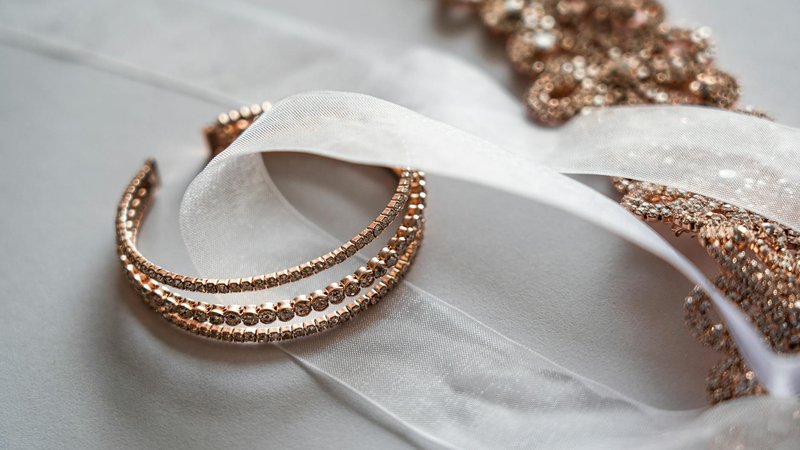
I stood in front of the engagement ring display for what felt like an hour. On my left, a tray of classic yellow gold settings. On my right, a row of sleek white gold bands. And dead center, catching the light in a way that made my stomach do a little flip — rose gold. The sales associate had already explained the differences twice. I nodded along both times while my brain quietly short-circuited. If you've ever been in this position, you know the feeling. Three metals, all calling themselves "gold," all looking completely different, and all somehow priced within a few hundred dollars of each other. I ended up doing about three weeks of research before making a decision, and I'm going to save you the trouble.
Here's the Thing: They're All 75% Gold
This is the part that confused me the most at first. When someone says "rose gold" or "white gold," it's not like they're talking about a completely different metal. All three — yellow gold, rose gold, and white gold in standard 18k — are made of the same thing: 75% pure gold mixed with 25% other metals (called alloys). The difference between them comes entirely from that 25% alloy mixture. Change the alloy, change the color, change the durability, change the maintenance requirements. Same foundation, totally different personality. Think of it like baking — same flour base, but you add different ingredients and end up with cake, bread, or pasta.
Yellow Gold: The Classic That Never Really Left
Yellow gold is what most people picture when they hear the word "gold." The 25% alloy is typically a mix of copper, silver, and sometimes zinc, which preserves the warm, rich golden tone. It's been the default choice for wedding bands and fine jewelry for centuries, and there's a reason it keeps coming back: it photographs beautifully, it works with warm skin tones, and it carries a sense of tradition that other metals just can't replicate.
I'll say this bluntly — yellow gold can look incredible, and it can look dated. The difference is almost entirely about what you pair it with. Yellow gold rings look stunning against warm-toned clothing: cream, rust, olive, terracotta, chocolate brown. They look awkward (to my eye, at least) against cool blues and silvers, where the warmth fights with the coolness and nobody wins. If your wardrobe leans warm, yellow gold is your friend. If you live in black, white, and grey, you might find it harder to integrate.
On the maintenance front, yellow gold is the most forgiving of the three. It doesn't need replating (more on that in a minute), it doesn't oxidize the way rose gold can, and a quick polish with a jewelry cloth brings it right back to life. Scratches happen, but they're part of the character and can be buffed out during a routine cleaning.
Rose Gold: The People's Champion (For Good Reason)
Rose gold gets its warm pinkish-copper tone from a higher proportion of copper in the alloy mix. Instead of the balanced copper-silver-zinc blend used in yellow gold, rose gold uses more copper and less silver. The more copper, the deeper the rose. A typical 18k rose gold is roughly 75% gold, 20–22.5% copper, and 2.5–5% silver. Simple chemistry, gorgeous result.
Here's why rose gold has exploded in popularity over the last few years: it's ridiculously flattering on almost every skin tone. Warm skin? It harmonizes. Cool skin? The pink undertones add warmth without clashing. Olive skin? Rose gold was practically invented for you. I've watched friends who look washed out in silver and overwhelmed in yellow gold put on a rose gold piece and visibly light up. It's the most versatile of the three by a significant margin.
But — and this is the part the jeweler might not emphasize enough — rose gold does change over time. The copper in the alloy oxidizes with exposure to air, moisture, and the oils on your skin. Over months and years, the pink tones deepen and can develop a slightly darker, more antique patina. Some people love this and consider it part of the charm. Others want to maintain that fresh-from-the-display-case blush, which means periodic professional polishing. It's not a dealbreaker by any means, but it's worth knowing before you commit.
Rose gold also pairs beautifully with both yellow and white metals, which makes it incredibly flexible for mixing. A rose gold engagement ring with a white gold wedding band? Looks intentional and modern. Rose gold necklace with yellow gold earrings? Works more often than you'd think. If you're someone who likes to mix metals (and based on current fashion jewelry trends, you should be), rose gold is the easiest bridge between warm and cool tones.
White Gold: The Modern Minimalist's Best Friend
White gold's alloy typically includes palladium, nickel, or a combination of both, along with silver and sometimes zinc. The resulting metal has a cool, silvery-white appearance that's become the go-to for contemporary jewelry design. If you look at any modern engagement ring collection online, white gold dominates the catalog — sometimes accounting for 60–70% of available settings.
The aesthetic appeal is clear: white gold looks clean, modern, and understated. It doesn't compete with gemstones the way yellow gold can — a diamond in a white gold setting lets the stone be the undisputed star. It matches silver watches, white clothing, and cool-toned outfits effortlessly. If your personal style leans minimalist, sleek, or Scandinavian-inspired, white gold is probably your instinct, and your instinct is probably right.
Now, the maintenance conversation. White gold has a quirk that the other two don't: it needs periodic replating. The natural color of the white gold alloy is actually slightly greyish-yellow — not the bright white you see in the display case. That bright white comes from a thin layer of rhodium plating applied during manufacturing. Rhodium is a platinum-group metal that's extremely hard, extremely white, and extremely expensive. Over time — usually 1–3 years depending on wear — that rhodium layer wears down, and the ring starts to look slightly dull or yellowish. The fix is simple: take it to a jeweler for a replating session that costs about $50–100 and takes an afternoon. But it's an ongoing commitment that yellow and rose gold don't require.
One more thing to watch out for: some white gold alloys contain nickel, which is one of the most common metal allergies. If you've ever had a reaction to cheap earrings or belt buckles, there's a decent chance nickel is the culprit. If you're sensitive, look specifically for nickel-free white gold (which uses palladium instead) or consider platinum as an alternative. Reputable jewelers will know their alloy composition and should be able to tell you exactly what's in the metal.
The Maintenance Reality Check
Let me break this down honestly, because maintenance is the thing nobody thinks about when they're standing in the store with hearts in their eyes:
Yellow gold — lowest maintenance. No plating to worry about, no oxidation to manage. Occasional polishing at home with a soft cloth. Professional cleaning once a year if you want it looking brand new. Scratches will happen but they blend in naturally. This is the "set it and forget it" option.
Rose gold — moderate maintenance. The copper content means the color will evolve over time. If you love the patina, do nothing. If you want to maintain the original pink, get it professionally polished every 1–2 years. No replating needed — the color change is surface-level and can be restored with buffing.
White gold — highest maintenance. Rhodium replating every 1–3 years, depending on how hard you wear it. Cost is manageable ($50–100 per session) but it's an ongoing thing you need to remember. Between replatings, the color gradually shifts, which some people don't notice and others find frustrating.
What About Price?
Here's the part that surprises most people: the gold content is identical across all three. An 18k yellow gold ring and an 18k rose gold ring of the same weight contain the exact same amount of pure gold. The raw material cost is essentially the same. Any price difference you see between the three metals is usually due to:
Alloy costs — palladium (used in white gold) is more expensive than copper (used in rose gold), but the quantities are small enough that the difference is usually under $50 for most pieces. Manufacturing complexity — white gold requires the rhodium plating step, which adds labor and material cost. Some jewelers bake this into the base price, others charge separately. Design and finishing — certain finishes and styles are easier to achieve in one metal than another, which can affect the price.
Long-term, white gold is slightly more expensive to own because of replating costs. Over a 20-year lifespan, you might spend $200–400 on replating sessions. It's not a huge amount in the grand scheme, but it's worth factoring in if you're budget-conscious.
How to Actually Decide
After weeks of going back and forth, here's the framework that finally helped me make a decision:
Look at your skin
Hold each metal against the inside of your wrist (where the veins are). Warm, golden undertones usually pair best with yellow or rose gold. Cool, bluish undertones tend to favor white or rose gold. Neutral undertones — congratulations, you can wear whatever you want. Rose gold remains the safest bet across skin tones, which is why it's become so universally popular.
Look at your wardrobe
Open your closet and take an honest inventory. If it's mostly warm tones (brown, cream, olive, burgundy), yellow gold will feel cohesive. If it's mostly cool tones (black, white, navy, grey), white gold will blend more naturally. If it's a mix — and most people's wardrobes are — rose gold bridges the gap better than either of the other two.
Consider your lifestyle
Do you work with your hands? Yellow gold's scratches blend in naturally, making it the most practical for active lifestyles. Are you a "put it on and never take it off" person? Yellow gold's low-maintenance profile wins again. Do you love the idea of your jewelry evolving with you? Rose gold's patina tells a story. Do you want everything to look freshly polished at all times? Be prepared for white gold's replating schedule.
Think about your other jewelry
Look at what you already wear daily — your watch, your other rings, your favorite earrings. If you have a silver watch, white gold will coordinate naturally. A gold watch? Yellow or rose gold. If you already mix metals, rose gold is the easiest to integrate into an existing collection.
What I Ended Up Choosing
After all that research, all those market visits, all those late-night comparison photos — I went with rose gold. Here's why: my wardrobe is a mess of warm and cool tones with no coherent color story. Rose gold doesn't force me to choose sides. My skin tone runs slightly warm but not aggressively so, and rose gold flatters it without looking like I'm trying too hard. I like the idea that the ring will develop a patina over time, that it'll look different in five years than it does today, that it'll carry evidence of being worn and loved rather than staying frozen in its factory-fresh state. And honestly? It just made my heart do that little flip every time I looked at it, and sometimes that's the best reason of all.
There's no wrong answer in a gold types comparison — the "best" gold is the one that makes you stop second-guessing and start wearing it. Try all three. Hold them up to your skin, to your clothes, to your life. The right one will make itself obvious. And if it doesn't? That's okay too. Pick the one you keep coming back to, the one your eye keeps drifting toward when the sales associate is talking about alloy compositions and you've stopped listening. Trust that instinct. It's usually right.
Comments