Top 5 Health Risks of Resin Jewelry Making
May 28, 2026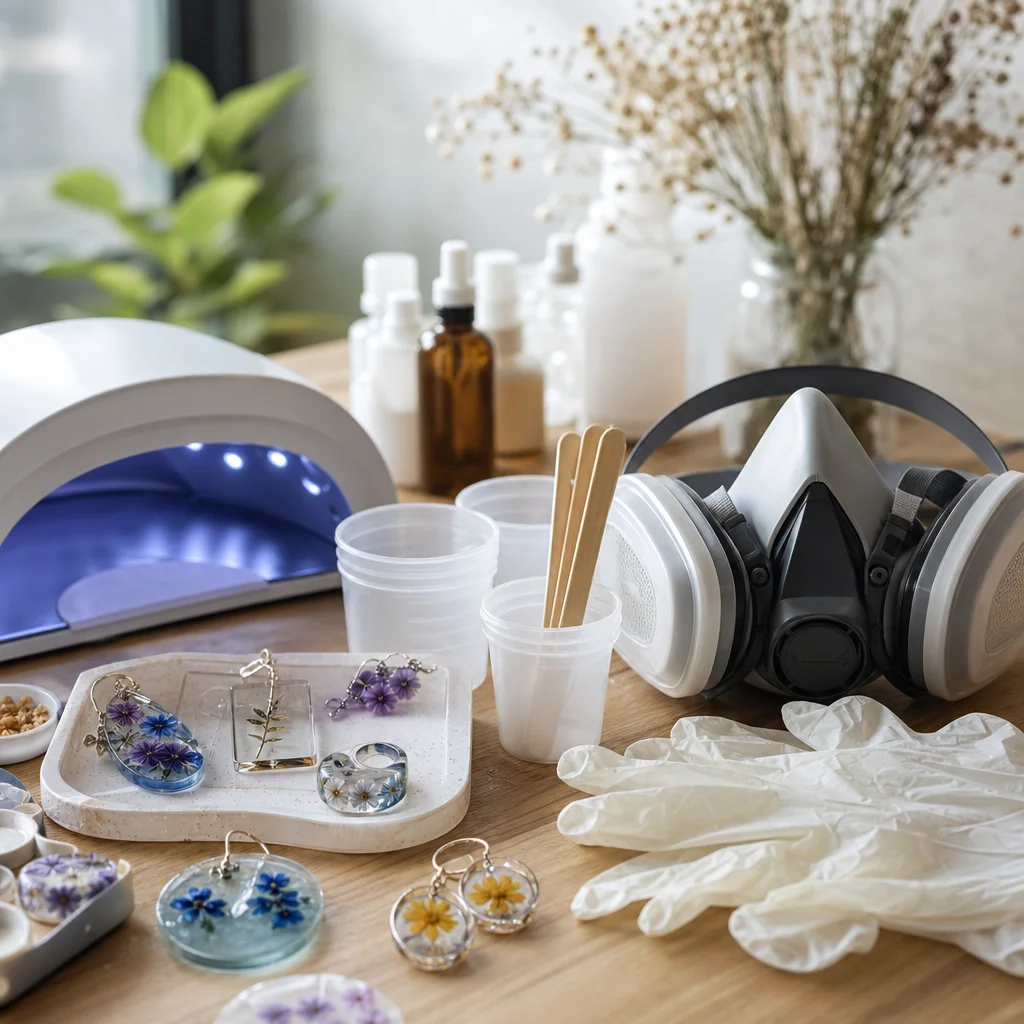
Resin Jewelry Safety: Epoxy, UV Resin & Health Precautions
Making Beautiful Things Shouldn't Hurt You
Resin jewelry is stunning — there's no arguing that. The way epoxy captures flowers, the glass-like finish of a well-poured piece, the way light plays through colored resin — it's all beautiful. But the chemicals that make these effects possible deserve respect.
Both epoxy resin and UV-curing resin contain compounds that can cause skin irritation, allergic reactions, respiratory issues, and long-term sensitization. The good news is that these risks are entirely manageable with proper precautions. Thousands of resin artists work safely every day, and with the right knowledge, you can too.
This guide isn't meant to scare you away from resin work. It's meant to give you the information you need to work confidently and safely, so you can keep making beautiful pieces for years without health consequences.
Understanding the Two Main Types of Resin
Epoxy Resin (Two-Part)
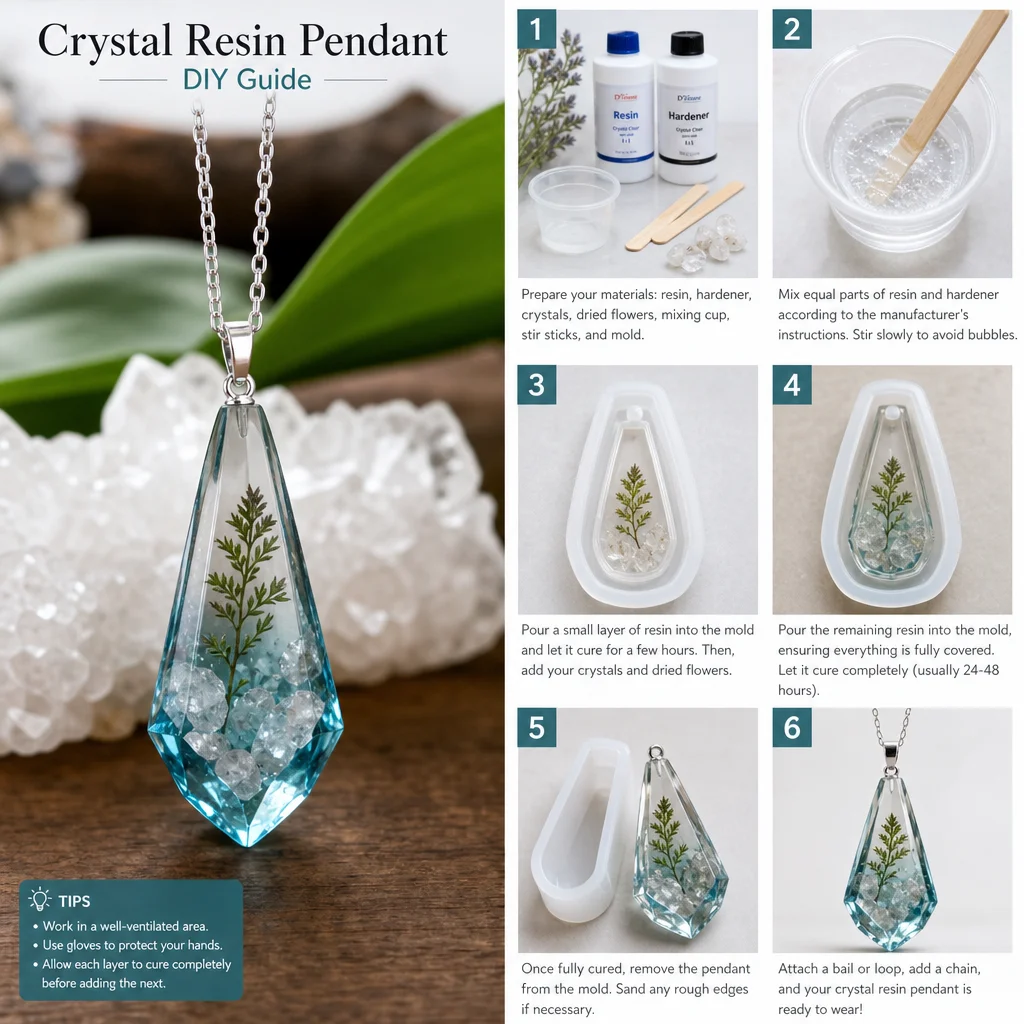
Epoxy resin comes in two bottles: resin (Part A) and hardener (Part B). When mixed in the correct ratio (usually 1:1 or 2:1 by volume), a chemical reaction begins that eventually turns the liquid into a solid plastic. The curing process generates heat (exothermic reaction) and releases small amounts of volatile organic compounds (VOCs).
Common brands: ArtResin, EasyCast, Alumilite, Resin Obsession, Pro Marine Supplies
Health concerns:
- Skin contact with uncured resin or hardener can cause contact dermatitis
- The hardener component (usually amine-based) is the primary skin sensitizer
- Fumes during mixing and curing can irritate eyes, nose, and throat
- Once fully cured, epoxy resin is inert and non-toxic
UV Resin (One-Part)
UV resin comes in a single bottle and cures when exposed to ultraviolet light (typically from a UV nail lamp or dedicated UV lamp). No mixing required. It stays liquid indefinitely until exposed to UV light.
Health concerns:
- Contains acrylate compounds that can cause skin sensitization
- Some people are specifically allergic to acrylates (acrylate allergy is common and can be severe)
- Generally produces fewer fumes than epoxy during the liquid phase
- Cured UV resin is also inert and non-toxic
Key Safety Comparison
| Property | Epoxy Resin | UV Resin |
|----------|-------------|----------|
| Primary irritant | Amine hardener | Acrylate compounds |
| Fumes during use | Moderate | Low |
| Skin sensitization risk | High (with repeated contact) | High (acrylate allergy common) |
| Curing time | 24-72 hours | Minutes under UV lamp |
| Heat generation | Yes (exothermic) | Minimal |
| Ventilation needed | Yes, mandatory | Yes, recommended |
| Gloves required | Yes, nitrile | Yes, nitrile |
| Mask required | Yes, organic vapor | Recommended |
Personal Protective Equipment (PPE)
Gloves: Non-Negotiable
What to use: Nitrile gloves (not latex). Nitrile provides better chemical resistance against both epoxy hardeners and acrylate compounds.
What to avoid: Latex gloves (resin chemicals can penetrate latex), cotton gloves (absorb liquid resin), gloves with tears or holes.
Best practice: Double-glove for mixing epoxy. If the outer glove gets resin on it, remove it and you still have a clean glove underneath. Change gloves immediately if resin gets inside them.
Respiratory Protection
For epoxy resin mixing and pouring: Use a respirator with organic vapor cartridges (often labeled OV or OV/P100). A basic dust mask provides zero protection against resin fumes.
For UV resin: A well-ventilated room may be sufficient for small projects. For extended sessions or large batches, use the same organic vapor respirator.
Alternative: Work outside or in a well-ventilated garage with open doors. Cross-ventilation (air flowing in one window and out another) is more effective than a single open window.
Eye Protection
Safety glasses aren't mandatory for routine resin work, but they're essential when:
- Pouring large batches (splashing risk)
- Sanding or drilling cured resin (dust and chips fly)
- Using a Dremel or rotary tool on resin
Clothing
Wear old clothes or a dedicated apron. Resin does not wash out of fabric. Once it cures on your clothes, it's permanent. Long sleeves provide an extra layer of skin protection.
Ventilation: The Most Important Safety Measure
Why Ventilation Matters
The VOCs released during resin mixing and curing aren't acutely toxic in the small quantities used for jewelry making — you won't pass out from making a single pendant. The concern is cumulative exposure. Regular inhalation of resin fumes over months and years can contribute to:
- Respiratory sensitization (becoming allergic to resin fumes)
- Chronic headaches and fatigue
- Eye, nose, and throat irritation
Practical Ventilation Setup
Ideal setup: A dedicated craft room with a window open and a fan blowing air out the window. Work between the fresh air source and the exhaust point, so fumes flow away from your face.
Good setup: Working at a kitchen table near an open window with a small fan creating airflow.
Minimum setup: Any room with an open window and a door open for cross-ventilation. Avoid small, enclosed spaces like closets or tiny bathrooms.
What doesn't work: "I'll just work quickly." Resin fumes are invisible and odorless at low concentrations. You can't smell your way to safety. Ventilate properly every time.
Fume Extractor Options
If you don't have good natural ventilation, consider a portable fume extractor:
- Basic carbon filter fan ($30-60) — Captures some VOCs through activated carbon. Better than nothing.
- Benchtop fume hood ($100-300) — Enclosed workspace with built-in ventilation. Good for regular resin work.
- DIY fume extractor — A computer fan + activated carbon filter in a simple housing. Popular in the maker community.
Skin Sensitization: The Sneaky Risk
Here's what makes resin safety tricky: sensitization is cumulative and irreversible. You might work with resin bare-handed for months with no reaction, then suddenly develop a severe allergy that prevents you from ever touching the stuff again.
This happens because the immune system gradually builds antibodies against the chemical compounds in resin. Each exposure adds to the "sensitization load." Once the threshold is crossed, any future exposure — even tiny amounts — triggers an allergic reaction.
This is why gloves matter every single time, not just "most of the time."
Signs of Developing Sensitization
- Redness or itching on hands after resin work (even with gloves — may indicate a previous breach)
- Rash or hives on hands, wrists, or forearms
- Burning sensation on skin that contacted resin
- Respiratory symptoms (coughing, wheezing) when near uncured resin
If you notice any of these symptoms, stop all resin work immediately and consult a doctor. Continuing to work with resin after developing sensitization can lead to increasingly severe reactions.
Working With Epoxy Resin: Safety Checklist
Before You Start
- [ ] Put on nitrile gloves
- [ ] Ensure ventilation is running (window open, fan on, or fume extractor)
- [ ] Clear your workspace of food, drinks, and personal items
- [ ] Cover your work surface with wax paper, silicone mat, or plastic sheeting
- [ ] Have paper towels and rubbing alcohol (isopropyl) ready for spills
During Mixing
- [ ] Measure resin and hardener precisely (wrong ratio = incomplete cure = continued chemical exposure)
- [ ] Mix slowly to minimize bubbles and splashing
- [ ] Keep your face back from the mixing cup — don't lean over it
- [ ] Scrape the sides and bottom of the cup to ensure complete mixing
- [ ] If using a respirator, make sure it's properly sealed to your face
During Pouring
- [ ] Pour slowly to minimize splashing
- [ ] Don't touch the poured resin with bare hands
- [ ] Cover the curing piece to prevent dust contamination (and to contain fumes)
- [ ] Set a timer for the recommended cure time
After Pouring
- [ ] Dispose of mixing cups and stir sticks (don't reuse)
- [ ] Wipe up any spills with rubbing alcohol while still liquid
- [ ] Remove and dispose of gloves
- [ ] Wash your hands with soap and water (even though you wore gloves)
- [ ] Leave the curing area ventilated until the resin is fully cured
Sanding and Drilling Cured Resin
Fully cured resin is chemically inert, but sanding and drilling create fine dust that you shouldn't breathe.
- Wear a dust mask (N95 or better) when sanding or drilling cured resin
- Sand wet when possible — wet sanding keeps dust particles trapped in water instead of airborne
- Clean up thoroughly — Resin dust is fine and travels far. Wipe surfaces with a damp cloth.
- Don't sand near food preparation areas — Kitchen tables are popular craft surfaces but resin dust and food don't mix
Special Situations
Pregnancy and Resin Work
Most resin manufacturers advise avoiding resin work during pregnancy. The VOCs and chemical compounds haven't been extensively studied for pregnancy safety, and the precautionary principle applies. If you must work with resin during pregnancy, consult your doctor and use maximum ventilation and PPE.
Pets and Children
Keep resin supplies and curing projects away from pets and children. Animals are more sensitive to VOCs than humans, and uncured resin is toxic if ingested. Cats are particularly prone to walking on sticky surfaces and then ingesting resin when grooming their paws.
Skin Contact Emergency
If uncured resin gets on your skin:
- Don't panic — a brief contact won't immediately harm you
- Wash immediately with soap and warm water
- For epoxy resin, rubbing alcohol (isopropyl) helps remove residue
- For UV resin, baby oil or olive oil can help break down the acrylate compounds before washing
- Don't use solvents like acetone unless necessary — they can drive chemicals deeper into the skin
- Monitor the area for 24-48 hours for signs of irritation or allergic reaction
FAQ
Q: Is cured resin safe to wear against skin?
A: Yes. Once fully cured (follow the manufacturer's recommended cure time, not just "when it feels hard"), resin is chemically inert and non-toxic. It won't leach chemicals through your skin. The safety concerns are entirely about the uncured (liquid) phase.
Q: Can I use epoxy resin in my bedroom?
A: Not recommended. Bedrooms typically have poor ventilation, and you sleep in them for 8 hours. Even if you open a window while working, residual fumes can linger. Use a kitchen, garage, or dedicated craft space instead.
Q: Do I really need a respirator for small jewelry projects?
A: For occasional, small-batch epoxy work in a well-ventilated space, a respirator is recommended but the risk from a single exposure is low. For UV resin in small quantities, good ventilation may be sufficient. For regular, repeated resin work — even small projects — a respirator is essential because sensitization is cumulative.
Q: What's safer, epoxy resin or UV resin?
A: They have different risk profiles. UV resin produces fewer fumes but contains acrylates, which are more likely to cause allergic reactions. Epoxy resin produces more fumes but the sensitization is typically slower to develop. Neither is inherently "safer" — both require proper PPE and ventilation.
Q: My resin project is tacky after the recommended cure time. Is it safe to handle?
A: No. Tacky or sticky resin is not fully cured, which means the chemical reaction is incomplete and the surface may still contain reactive compounds. This usually happens from incorrect mixing ratios or low temperatures. Let it cure longer, or if it never cures properly, dispose of it. Don't sand or handle incompletely cured resin without gloves.
Frequently Asked Questions
What are the best crystals to use in resin jewelry?
Choose crystals like Clear Quartz, Amethyst, or Rose Quartz for their healing properties and vibrant colors. These crystals are also durable and suitable for resin embedding.
Can I wear resin jewelry every day?
Yes, you can wear resin jewelry daily. However, avoid exposing it to extreme temperatures or chemicals to maintain its integrity and appearance.
How do I clean my resin jewelry with crystals?
Use a soft cloth and warm water to gently wipe your resin jewelry. For crystals, avoid using abrasive materials to prevent scratching.
Are there any natural crystals that are incompatible with resin?
Some crystals, like Lava Stone or Charcoal, may react with resin. It's best to avoid using these in resin jewelry to prevent discoloration or damage.
How can I tell if my resin jewelry is made with high-quality materials?
High-quality resin jewelry will have a smooth finish, no visible air bubbles, and well-polished crystals. The craftsmanship should be consistent, with no rough edges or gaps.
Design and Aesthetics
This section covers important aspects of design and aesthetics. For detailed information, please refer to the FAQ section below.
Materials and Craftsmanship
This section covers important aspects of materials and craftsmanship. For detailed information, please refer to the FAQ section below.
How to Choose the Right Piece
This section covers important aspects of how to choose the right piece. For detailed information, please refer to the FAQ section below.
Styling and Wearing Tips
This section covers important aspects of styling and wearing tips. For detailed information, please refer to the FAQ section below.




Comments