Natural Stone vs Crystal Bracelet: What Is the Real Difference?
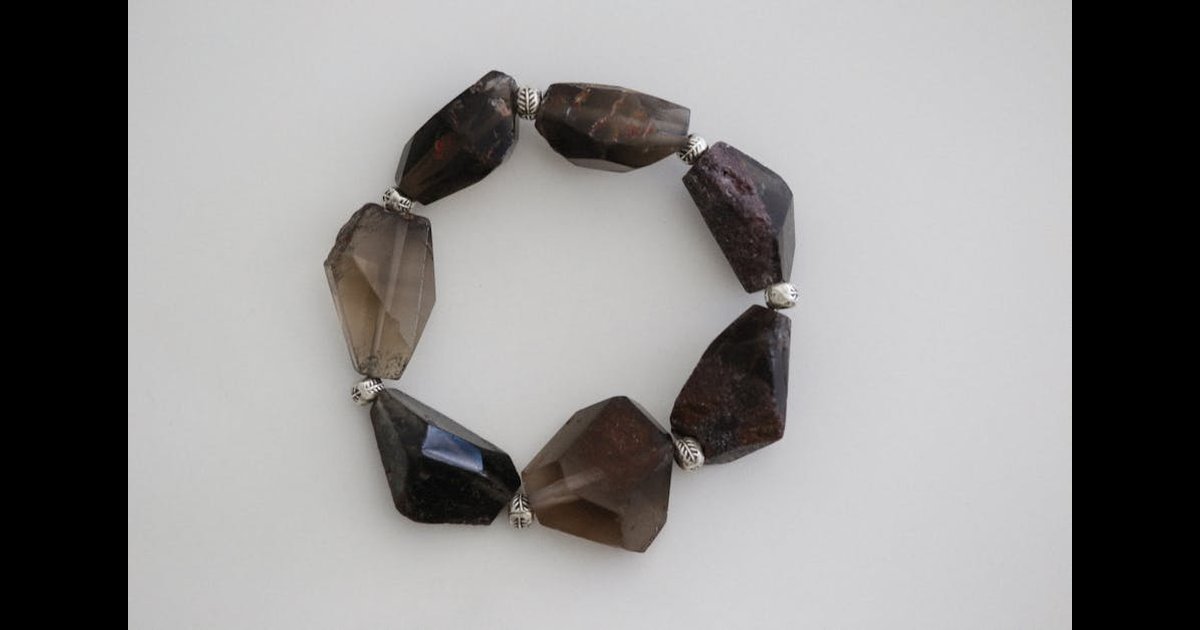
Is There Actually a Difference?
Yes, but it's not the difference most people think it is. The question "natural stone vs crystal" trips up a lot of buyers because the terminology is genuinely confusing — even people who've been collecting for years use these terms inconsistently.
Here's the thing: all crystals are stones, but not all stones are crystals. And in the jewelry industry, "natural stone bracelet" and "crystal bracelet" are often used to describe the exact same product. A rose quartz bracelet might be listed under either category depending on which seller you're looking at. This isn't deception — it's just a messy naming convention.
What "Crystal" Actually Means in Geology
A crystal is any solid where the atoms are arranged in a repeating, ordered pattern. Table salt is a crystal. Snowflakes are crystals. A diamond is a crystal. So is a grain of sand (quartz) if you look at it under a microscope.
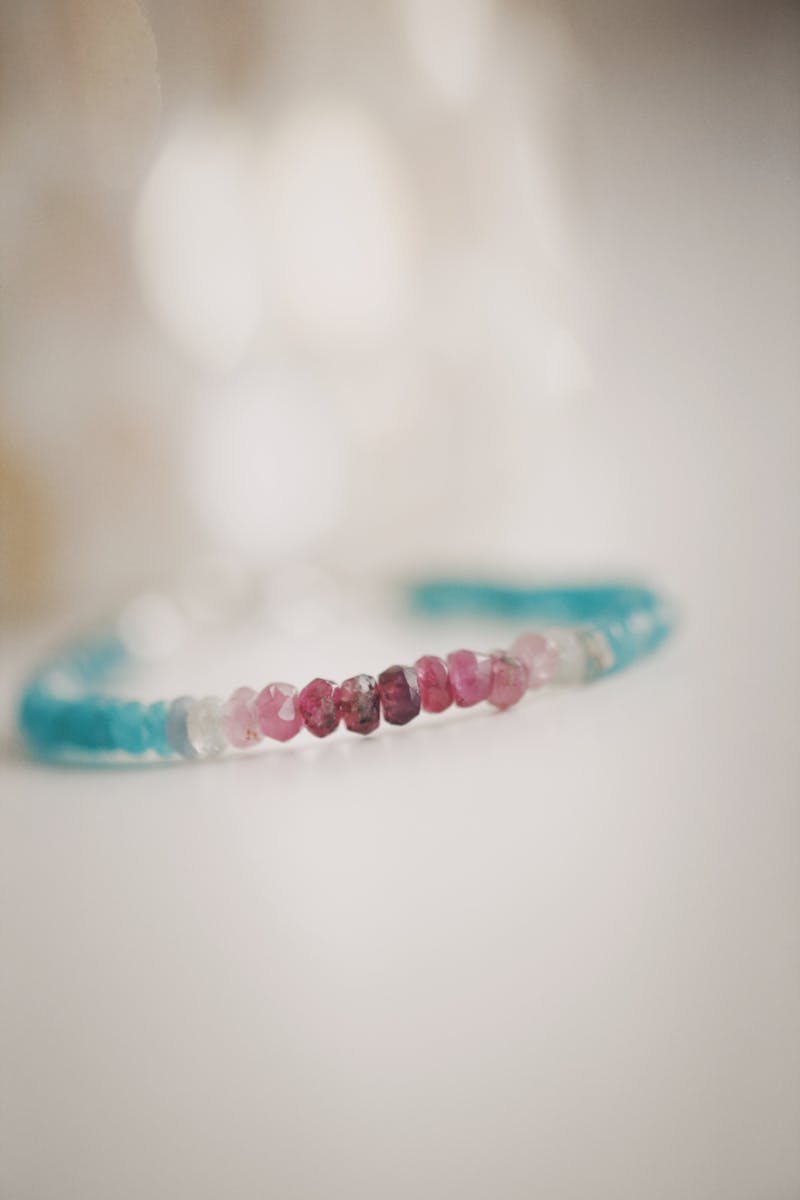
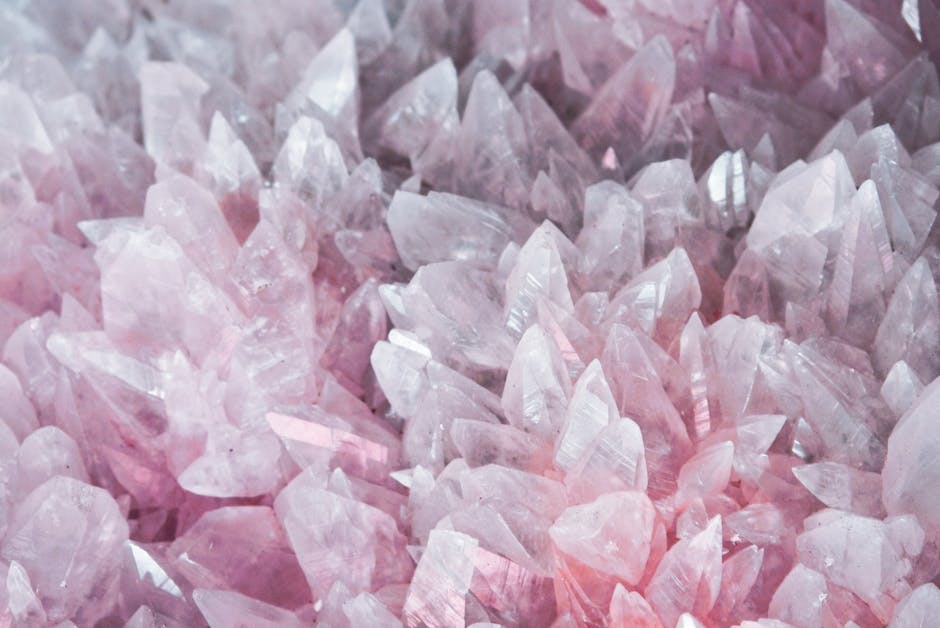
When people say "crystal bracelet" in a shopping context, they usually mean the bracelet is made from a mineral that forms visible crystal structures. Quartz family stones (amethyst, citrine, rose quartz, clear quartz) are the most common. Beryl family stones (emerald, aquamarine, morganite) are another group. These minerals have a well-defined internal structure, they're relatively hard, and they take a polish well — which is why they dominate the bracelet market.
The confusion comes from the fact that "crystal" also refers to glass. Lead crystal glass (the stuff chandeliers are made of) is not a mineral crystal at all. It's amorphous — no repeating atomic structure. When someone says "crystal bracelet," they might mean a quartz mineral or they might mean glass beads. Context usually makes it clear, but not always.
What "Natural Stone" Actually Means
"Natural stone" is a broader category. It includes crystalline minerals (like quartz), but also rocks that don't have a defined crystal structure — things like jasper, agate, and obsidian.
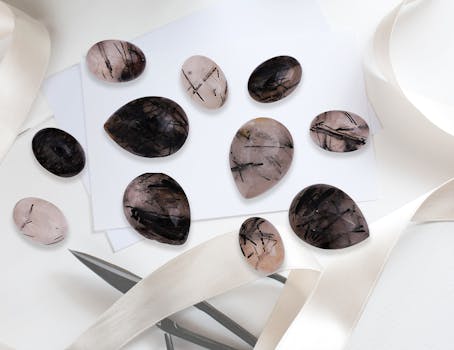
Jasper and agate are both forms of chalcedony, which is a microcrystalline variety of quartz. Their crystals are so small that they can't be seen without magnification, so they don't look "crystalline" to the naked eye. They look like patterned stone. Obsidian is volcanic glass — literally no crystal structure at all. Lapis lazuli is a rock (not a mineral) made up of multiple minerals mashed together.
So when a seller labels something as a "natural stone bracelet," they're usually describing pieces that look more like stone than crystal — opaque, patterned, earthy. When they say "crystal bracelet," they're describing pieces that are transparent or translucent with visible internal structure.
So Are Stone Bracelets Real?
This is the question underneath the original question, and it deserves a straight answer. Yes, stone bracelets can be real. They can also be fake, dyed, glass, or composite material. The label doesn't tell you.
Here's how to check:
Temperature test: Real stone feels cool to the touch for a few seconds, then warms up. Glass (including fake crystal beads) warms almost immediately. Plastic is room temperature from the start. This isn't foolproof, but it eliminates the most obvious fakes in about 5 seconds.
Weight test: Real stone is denser than glass and much denser than plastic. A 10mm bead of real quartz weighs noticeably more than a 10mm glass bead of the same size. If the bracelet feels too light for its size, that's a red flag.
Pattern test: Natural stone has inconsistencies. Beads from the same strand will have slightly different color intensity, pattern placement, or translucency. If every bead is identical in color and pattern, it's either dyed, synthetic, or printed. Some materials like howlite are commonly dyed to imitate turquoise — the dye pools in the veins, which is visible under close inspection.
Scratch test: Only if you don't mind potentially damaging the bead. Real quartz (Mohs 7) will scratch glass. Real agate and jasper (Mohs 6.5-7) will also scratch glass. If a "crystal" bead can't scratch a glass bottle, it's probably not what the seller claims it is.
For a more thorough breakdown, our guide to spotting fake crystal bracelets covers these tests in detail.
Are Natural Stone Bracelets and Crystal Bracelets Made Differently?
The manufacturing process is the same. Whether you're working with rose quartz (crystal) or picture jasper (stone), the process is: mine the rough material, cut it into manageable pieces, tumble or machine it into bead shapes, drill holes, polish, and string.
The differences show up in a few practical ways:
Polish quality: Crystalline stones like quartz and beryl take a higher polish than opaque stones like jasper or unakite. If you see a "natural stone bracelet" with a mirror-like shine on every bead, it might be coated with resin or wax — a common practice to make cheaper material look better. Crystal bracelets don't usually need this treatment because the material polishes well on its own.
Color consistency: Opaque natural stones tend to have more color and pattern variation between beads. This is a feature for some buyers and a flaw for others. Crystalline stones, especially the quartz family, are more consistent in color within a single batch.
Durability: Depends entirely on the specific mineral, not whether it's called a "stone" or "crystal." A jade bracelet (natural stone, Mohs 6-7) will outlast a fluorite bracelet (crystal, Mohs 4) by years. The label is irrelevant — you need to know the specific mineral and its hardness.
Does the Type Affect What the Bracelet "Does"?
From a scientific perspective, no. A quartz crystal bracelet and a jasper stone bracelet are both silicon dioxide — same chemical composition, different crystal structure. Neither one emits energy, absorbs negativity, or has any measurable physiological effect beyond what a placebo would produce.
From a cultural and traditional perspective, different stones have different associations. Rose quartz is linked to love. Amethyst to calm. Black tourmaline to protection. Jade to luck and longevity. These associations are real in the sense that they exist across cultures and have for centuries. But they're cultural, not chemical.
The honest framing is: the meaning comes from the story and tradition around the stone, not from the stone itself. If you connect with the story of jade and its significance in Chinese culture, wearing jade means something to you that wearing quartz doesn't — even if a chemist would tell you they're different forms of the same thing.
How to Choose Between the Two When Shopping
If you're comparing listings and can't decide:
For visual appeal: Crystal bracelets (transparent/translucent) catch light better and look more "jewelry-like." Stone bracelets (opaque/patterned) look more earthy and casual. Neither is inherently better — it depends on your style and where you plan to wear it.
For durability: Check the specific mineral, not the category. A Mohs 7 quartz crystal and a Mohs 7 agate stone will perform identically. A Mohs 4 fluorite crystal will chip if you look at it wrong.
For value: Stone bracelets are often cheaper per bead because opaque materials are easier to source and have fewer quality tiers. Crystal bracelets — especially those with good color and clarity — command higher prices because the material is graded more strictly. You can find stone bracelets starting around $5-8 and good crystal bracelets starting around $10-15.
For everyday wear: Both work fine at Mohs 6.5 or above. Below that, you're in specialty territory where the bracelet is more of an occasional piece. Most bracelets sold as "everyday crystal jewelry" use materials in the 6.5-7.5 range regardless of whether they're labeled stone or crystal.
Check out our online buying guide for specific red flags to watch for when shopping.
The Real Answer
"Natural stone bracelet" and "crystal bracelet" are marketing categories, not geological ones. The overlap between them is huge — most products could be listed under either label. What actually matters is the specific mineral, its quality, and whether it's genuinely natural or synthetic.
Don't get hung up on the category name. Learn to identify the material, check for signs of authenticity, and pick what you genuinely like looking at on your wrist. The rest is just labels.
Comments