Moon Water with Crystals: The Complete Guide to Making and Using It
May 13, 2026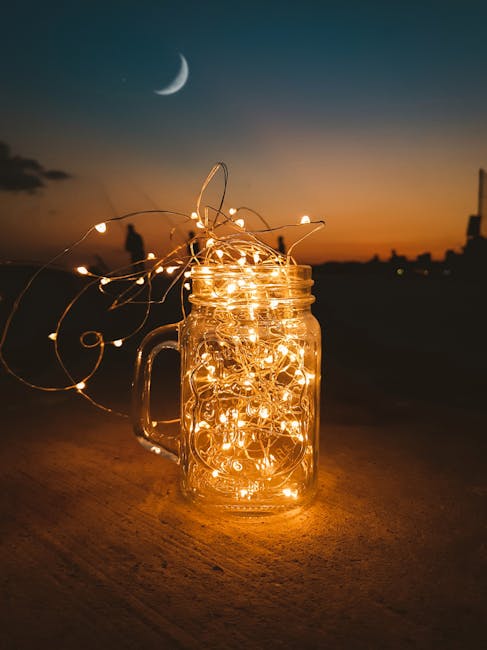
What Exactly Is Moon Water?
Moon water is simply water that has been left outside (or on a windowsill) under the light of the moon, usually during a full moon. The idea is that the moonlight "charges" the water with a specific energy or intention, and you can then use that water for all sorts of things — watering plants, adding to a bath, spritzing around your home, or even drinking (more on safety later).
People have been making moon water for centuries across many cultures. The practice shows up in folk traditions from Europe, India, and the Americas. Whether you view it as a spiritual ritual or just a nice mindful habit, the process itself is straightforward and oddly satisfying. Adding crystals to the mix is a more modern twist — certain stones are believed to lend their properties to the water, making the whole thing feel a bit more intentional.
That said, not all crystals belong in water. Some can dissolve, some can leach toxic minerals, and some just don't do well when submerged. Knowing which ones are safe is honestly the most important part of this whole process.
Which Crystals Can You Safely Put in Water?
When it comes to making moon water with crystals, you want stones that are chemically stable, non-toxic, and hard enough to hold up in water for several hours. The Mohs hardness scale is a decent shorthand — anything above a 6 or 7 is generally fine, though there are exceptions.
Here are some of the most popular and widely accepted safe choices:
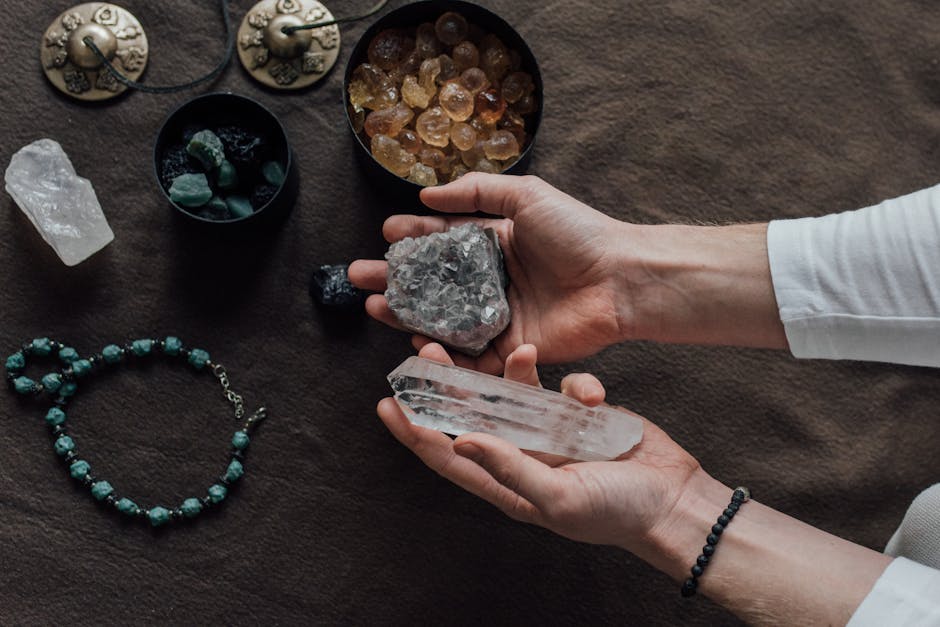
- Rose quartz — Probably the most common choice. Associated with love, compassion, and emotional healing. It's a 7 on the Mohs scale and holds up well in water.
- Clear quartz — A versatile "amplifier" stone. Hardness of 7, very stable, and easy to find.
- Amethyst — A popular option for calming and intuition. If you're curious about what else this stone can do, check out our complete guide to amethyst benefits. Hardness 7, safe for brief water exposure.
- Moonstone — Fitting, given the theme. Linked to feminine energy and new beginnings. Softer at 6–6.5, so limit soaking time to a few hours rather than overnight.
- Citrine — Warm, energizing, associated with abundance. Hardness 7, water-safe.
- Tiger's eye — Grounding and protective. Hardness 6.5–7, generally safe but avoid prolonged soaking.
- Smoky quartz — Great for grounding and releasing negativity. Hardness 7, stable in water.
A quick note: even "safe" crystals can develop surface cloudiness if left in water too long. A few hours under moonlight is plenty — you don't need to soak them for days.
Which Crystals Should Never Go in Water?
This is where things get serious. Some crystals contain toxic elements like copper, lead, or arsenic. Others are water-soluble and will literally dissolve in front of you. Here's a list of the ones to keep far away from your moon water:
- Selenite — It's a form of gypsum and will dissolve in water. It can also leave gritty residue. Keep it dry.
- Malachite — Contains copper, which is toxic if ingested. Even handling malachite and then not washing your hands before eating is inadvisable. Do not put it in water you plan to use.
- Pyrite (fool's gold) — Contains sulfur and iron. When it gets wet, it can produce sulfuric acid. Not something you want anywhere near your drinking water.
- Calcite — Dissolves in water, especially slightly acidic water. It will slowly ruin both the stone and the water.
- Celestite — Fragile and slightly water-soluble. The beautiful blue-grey clusters will degrade if submerged.
- Halite (salt crystals) — It's literally salt. It dissolves. Obviously.
- Lepidolite — Contains lithium and aluminum. Water exposure can cause tiny flakes to shed into the water. Not safe for consumption.
- Fluorite — Softer stone (4 on Mohs) that can degrade in water over time. Not the worst on this list, but still not worth the risk for moon water.
If you're unsure about a specific stone, the safest approach is to place it next to your water container rather than in it. The crystal doesn't need to touch the water for the ritual to feel meaningful.
And while we're talking about keeping crystals safe, our guide on crystal cleaning dos and don'ts covers a lot of the same principles — some stones just don't mix with liquids, period.
How Do You Make Moon Water with Crystals?
Here's a straightforward step-by-step process that works whether you're a total beginner or you've been making moon water for years:
- Pick your container. Glass is ideal — a mason jar, a glass pitcher, even a wine glass works. Avoid plastic if you can. Some people prefer colored glass (blue or purple) because it adds a nice visual element, but clear glass is perfectly fine. Clean the container thoroughly before use.
- Choose your water. Spring water or filtered water is best. Tap water works too if that's what you have. Some people like to use distilled water for purity. Honestly, use whatever you'd feel comfortable drinking or putting on your skin.
- Select your crystals. Refer to the safe list above. One or two crystals is plenty — you're not making soup. Popular combinations include rose quartz + clear quartz (love and clarity) or amethyst + moonstone (intuition and new beginnings).
- Cleanse your crystals first. Before placing them in the water, give them a quick cleanse. You can rinse them under running water (if they're water-safe), pass them through incense smoke, or simply hold them and set an intention. This is about starting fresh.
- Place everything under moonlight. Put your container outside or on a windowsill where it'll catch direct moonlight. The night of the full moon is ideal, but the night before or after also works. Leave it out for at least a few hours — many people leave it out all night and bring it in at sunrise.
- Set an intention (optional). Some people like to write an intention on a piece of paper and place it under the jar. Others just hold the jar for a moment and think about what they want. This is entirely optional but can make the process feel more meaningful.
- Bring it in before sunrise. Traditionally, moon water should be brought inside before the sun hits it. The idea is that sunlight has a different energy that "overwrites" the lunar charge. Whether or not you buy into that, bringing it in before morning is just a good way to remember it's there.
What's the Difference Between New Moon and Full Moon Water?
Most moon water recipes focus on the full moon, and that's for good reason — the full moon is the brightest, most visible phase, and it's traditionally associated with completion, abundance, and celebration. Full moon water tends to be used for things like gratitude rituals, charging other objects, or amplifying intentions you've already been working on.
New moon water, on the other hand, is made during the completely dark phase of the moon (or the very first sliver). It's associated with new beginnings, fresh starts, and planting seeds — literally and metaphorically. People use new moon water when they want to start something new, whether that's a project, a habit, or a phase of life.
Practically speaking, new moon water is harder to make because there's no visible moonlight. Some people solve this by placing their water out during the night anyway, trusting that the moon's energy is still present even when invisible. Others wait for the waxing crescent, which appears a day or two after the new moon.
Neither type is "better" — it just depends on what you're looking for. Full moon water for abundance and completion, new moon water for beginnings and intention-setting.
Can You Actually Drink Moon Water?
The short answer: yes, but only if you follow some basic safety rules.
If you used only water-safe, non-toxic crystals (from the safe list above) and clean drinking water, then your moon water is generally safe to drink. Think of it like making sun tea — the water itself is fine as long as what you put in it is food-safe.
However, there are important caveats:
- Never drink moon water made with toxic crystals. If you used malachite, pyrite, lepidolite, or anything else from the "do not use" list, pour it out. It's not worth the risk.
- If you used tap water and left it outside uncovered, be aware that it could have collected dust, insects, or other debris. Strain it or boil it if you're concerned.
- Use common sense. If the water looks cloudy, smells off, or has visible particles floating in it, don't drink it.
- If you have a compromised immune system, skip drinking it raw. Use it for external purposes instead.
Some people like to use their moon water to make tea, which has the added benefit of boiling the water first. This is probably the safest way to consume it if you're so inclined.
What Else Can You Use Moon Water For?
If drinking it feels weird or risky to you, there are plenty of other ways to use moon water that don't involve putting it in your body:
- Watering plants. Your houseplants won't know the difference, but it's a nice ritual if you're into intention-setting. Some gardeners swear by it for seed-starting.
- Bath additive. Pour a jar of moon water into your bath along with some Epsom salts and essential oils. It turns a regular bath into something that feels a bit more intentional.
- Room spray. Transfer your moon water to a spray bottle, add a few drops of lavender or rosemary essential oil, and use it as a light room spray. It's a simple way to "reset" a space.
- Cleansing objects. Some people use moon water to cleanse their crystals, jewelry, or other meaningful objects. Just be careful — not all crystals tolerate water well (hence the long warning section above). For more on this topic, our article on crystals and sunlight explores how different types of light exposure affect crystal integrity.
- Cooking. Use it as the water base for soups, rice, or pasta. The heat will take care of any concerns about bacteria, and it's a subtle way to incorporate the ritual into daily life.
- Meditation. Keep a small bowl of moon water nearby during meditation. Some people like to dip their fingers in it as a grounding technique.
- Skincare. Mix a few tablespoons into a face mask or use it as a final rinse after washing your face. Again, only if you used clean, safe ingredients.
How Long Does Moon Water Last?
Left at room temperature, moon water should be used within about 2–3 days. It's just water, after all, and water that's been sitting in an open container outside will eventually grow things you don't want.
If you refrigerate it in a sealed container, it'll last about a week. After that, it's still just water, but the "ritual" aspect feels a bit diminished when it's been sitting in your fridge for two weeks next to leftover takeout.
Some practical tips for extending shelf life:
- Use a clean, airtight container with a lid.
- Remove the crystals before storing — don't leave them soaking indefinitely.
- Label the jar with the date and moon phase if you make it regularly.
- If you're using it for plants or external purposes only, you can be a bit more relaxed about timing.
- Freezing is an option if you want to save it for a specific future use. Freeze it in an ice cube tray and thaw when needed.
The bottom line is that moon water is best used fresh. It's a seasonal, cyclical practice — make it, use it, and make more next month. That's kind of the point.
A Few Final Tips Before You Start
Moon water with crystals is one of those practices that's as simple or as elaborate as you want to make it. At its core, it's about taking a moment to slow down, set an intention, and connect with a natural cycle that's been happening for billions of years. Whether you view it through a spiritual lens or just see it as a nice mindfulness exercise, there's something genuinely calming about the process.
Start simple. A jar, some water, one safe crystal, and a clear night. Don't overthink it. The worst that can happen is you have a jar of nice water sitting on your windowsill, and honestly, that's not a bad place to start.

Comments