How to find out if you have a metal allergy before buying jewelry

How to find out if you have a metal allergy before buying jewelry
Meta description: Discover how to identify metal allergies and choose the right jewelry materials to avoid discomfort and irritation. Learn tips and buying guidance for crystal and gemstone jewelry enthusiasts.
Understanding Metal Allergies
A metal allergy can manifest as redness, itching, swelling, or a rash, and it can occur when your skin comes into contact with certain metals, such as nickel, which is commonly used in jewelry. Recognizing if you have a metal allergy is crucial to prevent discomfort and maintain your jewelry collection's longevity.
One of the most common signs of a metal allergy is a reaction to cheap or plated jewelry. If you've noticed persistent skin irritation after wearing certain pieces, especially if they are made from metals like silver, gold, or brass, it might be a sign of an allergy. It's important to be proactive in identifying these allergies to ensure that your jewelry not only looks beautiful but also feels comfortable to wear.
Identifying Common Allergenic Metals
- Nickel: This is the most common cause of metal allergies, often found in plated jewelry.
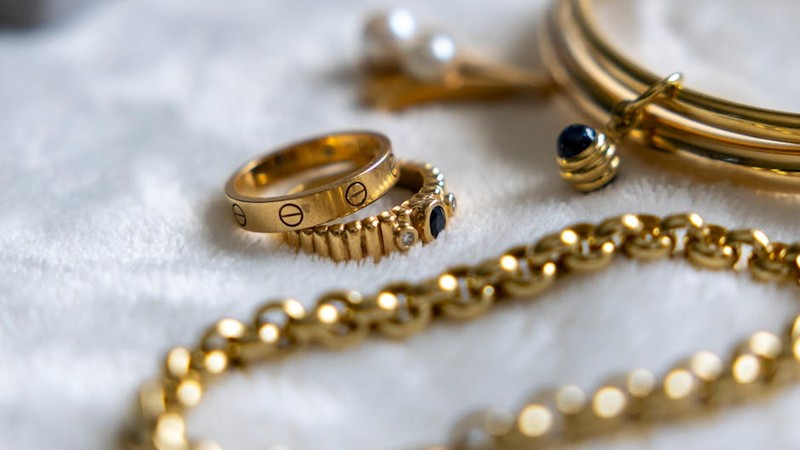
- Gold: Pure gold is hypoallergenic, but alloys containing other metals can cause reactions.
- Brass and Copper: These metals are often used in jewelry and can cause allergic reactions in sensitive individuals.
- Platinum: While rare, some people may have an allergy to platinum.
When shopping for jewelry, it's helpful to be aware of these metals and their common uses. By doing so, you can make informed decisions about the types of jewelry that are safe for you to wear.
Practical Tips for Testing for Metal Allergies
One of the simplest ways to test for a metal allergy is through a patch test. This involves placing a small patch containing the metal you suspect you are allergic to on your skin for 48 hours. If you develop a rash, redness, or itching, it's a strong indication of an allergy.
Another method is to wear a piece of jewelry made from the metal in question for a short period. If you experience any discomfort or allergic reaction, it's best to avoid that metal in the future. It's also worth noting that allergic reactions can vary in intensity, so what causes a mild reaction for one person might be more severe for another.
Choosing the Right Jewelry Materials
Once you've identified the metals you are allergic to, you can choose jewelry made from hypoallergenic materials. Here are some options:
- Gold: Opt for 14K or 18K gold, as these are less likely to cause allergic reactions.
- Silver: Pure silver (99.9% silver) is hypoallergenic, but be cautious with plated silver, as the plating can wear off.
- Stainless Steel: Hypoallergenic and durable, stainless steel is a great alternative to metal allergies.
- Titanium: Light, strong, and hypoallergenic, titanium is often used in medical-grade jewelry.
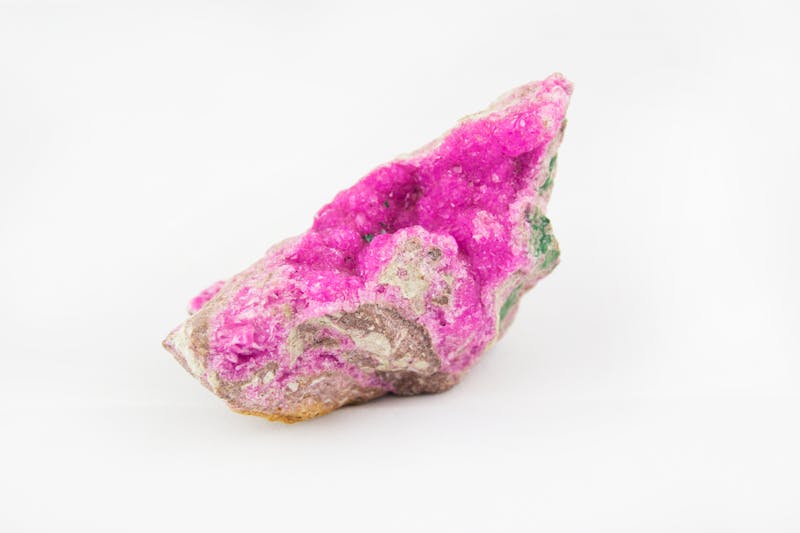
- Crystals and Gemstones: These natural materials are free from metals and are perfect for those with metal allergies.
When buying jewelry, always check the materials and ask questions if you're unsure. Reputable jewelers will be happy to provide detailed information about the metals used in their products.
Conclusion
Identifying metal allergies before buying jewelry is essential for ensuring both comfort and longevity. By understanding the common allergenic metals, testing for allergies, and choosing the right materials, you can enjoy your jewelry collection without the worry of irritation. Whether you're a crystal enthusiast or a jewelry collector, taking these precautions will help you maintain a beautiful and worry-free collection.
Related Articles
- Tarnish on silver jewelry explained: why it happens and how to reverse it
- How to Untangle a Necklace Without Breaking It: 4 Methods That Actually Work
- Buying Natural Stone Bracelets Online: What to Look For
- What is labradorite? 6 things people always get wrong about this stone
- Chakra Bracelet Guide: Matching Stones to Your Energy Centers
Comments