Thulite bracelet: the pink stone from Norway that most people have never heard of
Thulite bracelet: the pink stone from Norway that most people have never heard of
Meta description: Thulite is a pink manganese mineral found mainly in Norway. Learn what makes thulite bracelets special, what people believe it does, and how to pick one.
What thulite looks like and where it comes from
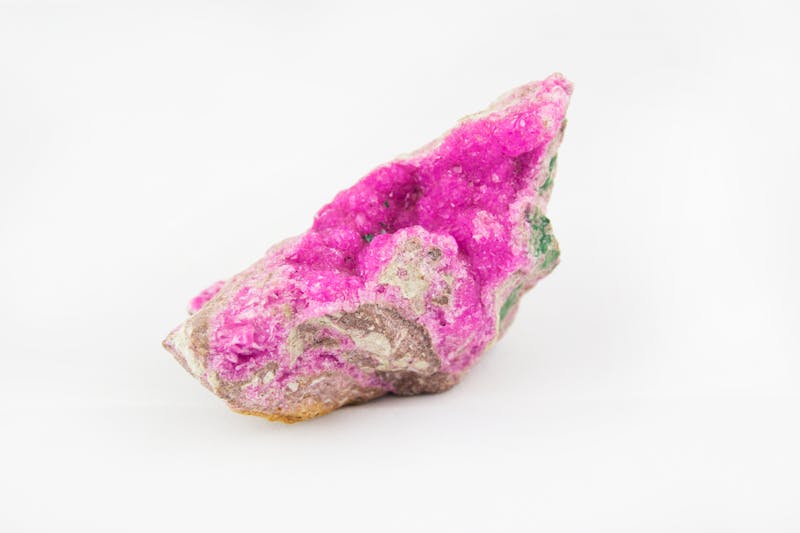
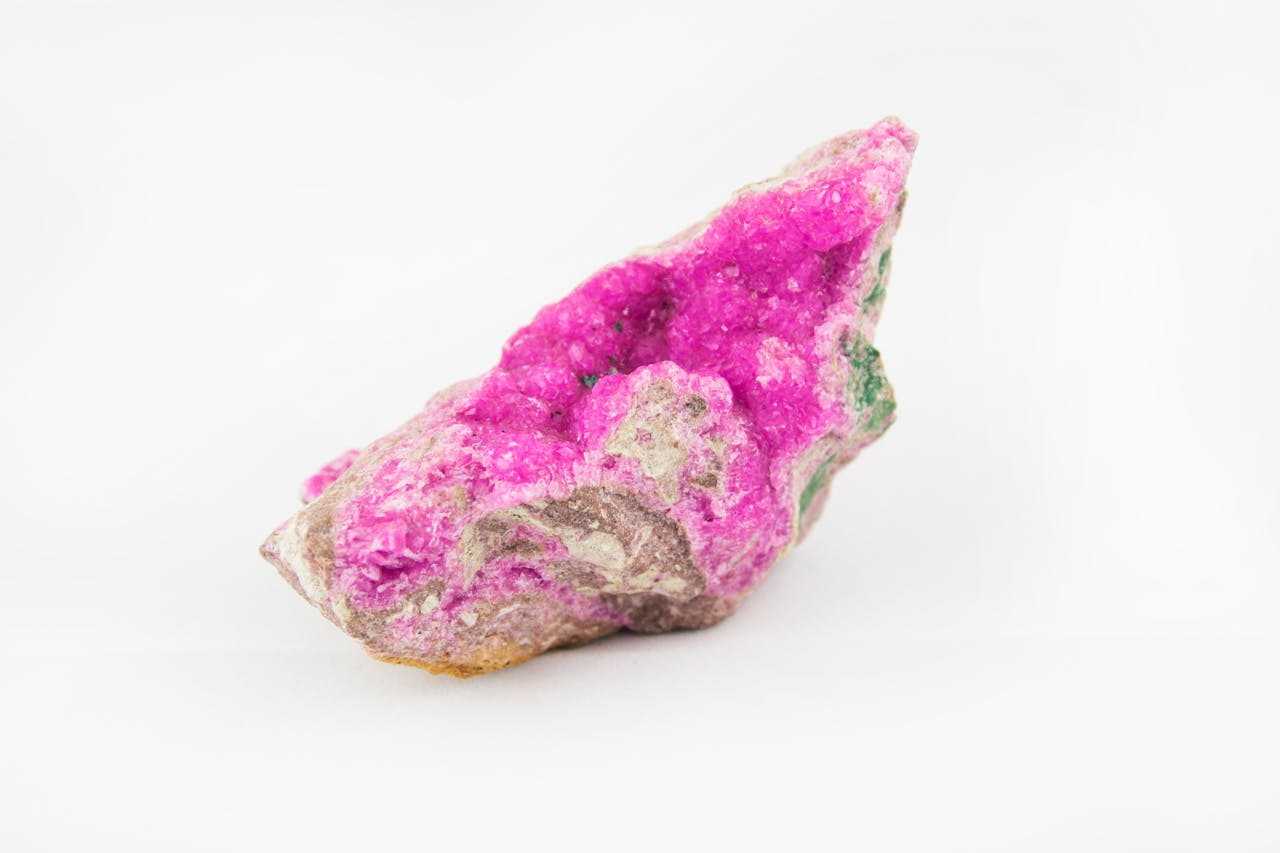
Thulite belongs to the zoisite family, the same mineral group that includes tanzanite. But where tanzanite is famous for its blue-violet color, thulite is known for being pink. The color comes from manganese, and the amount of manganese in the stone determines how intense the pink gets. Some pieces are a pale, almost dusty rose. Others push into a deeper salmon or watermelon shade that catches your eye immediately.
The stone was first discovered in 1820 near the town of Lom in central Norway. A Norwegian mineralogist named Jens Esmark gave it the name "thulite," a reference to Thule, the ancient term for the far north. Norway remains the primary source for quality thulite, though smaller deposits have been found in Australia, North Carolina, and a few locations in Africa. Norwegian thulite tends to have a cleaner, more consistent pink compared to material from other regions.
On the Mohs scale, thulite sits between 6 and 6.5. That makes it durable enough for bracelet wear without being so hard that it chips easily. It polishes well and takes on a waxy to vitreous luster when cut and shaped properly.
How thulite is different from rhodonite and rose quartz
If you spend any time shopping for pink stone bracelets, you will run into three names over and over: rose quartz, rhodonite, and thulite. They look somewhat similar at a glance, but they are completely different minerals with distinct characteristics.
Rose quartz is translucent and usually a soft, cloudy pink. It rates a 7 on the Mohs scale, making it the hardest of the three. It almost never has visible patterns or inclusions in the way the other two do.
Rhodonite is opaque with distinctive black manganese oxide veins running through pink material. The contrast between pink and black is its signature look. It sits between 5.5 and 6.5 on the hardness scale.
Thulite falls somewhere between the two visually. It is opaque like rhodonite but usually does not have the black veining. Instead, it often shows white or pale pink mottling within the pink base color. Some specimens have a slight greenish tinge mixed in, which comes from chromium traces. The overall effect is softer than rhodonite and warmer than rose quartz.
From a practical standpoint, all three work well in bracelets. The choice usually comes down to which color and pattern you prefer rather than differences in durability or care requirements.
What people believe thulite does
In the crystal community, thulite is most often associated with love, joy, and emotional positivity. People who work with it describe it as a stone that encourages openness, reduces inhibitions, and helps you express affection more freely. Some keep a thulite piece nearby during difficult conversations or social situations where they want to feel more at ease.
There is a tradition, particularly in Scandinavian mineral lore, that links thulite to cheerfulness and the ability to find happiness in small things. I find that connection interesting because it matches the stone's appearance. The warm, uneven pink has a quality that feels less formal than rose quartz and less serious than rhodonite. It looks like something you would pick up on a walk and put in your pocket just because it made you smile.
None of these claims have been verified by research. They come from anecdote and cultural tradition, the same sources that inform most crystal meanings. What I can say is that thulite is genuinely uncommon compared to other pink stones. If you wear one, you are unlikely to meet someone else who recognizes it, which gives it a quiet kind of appeal.
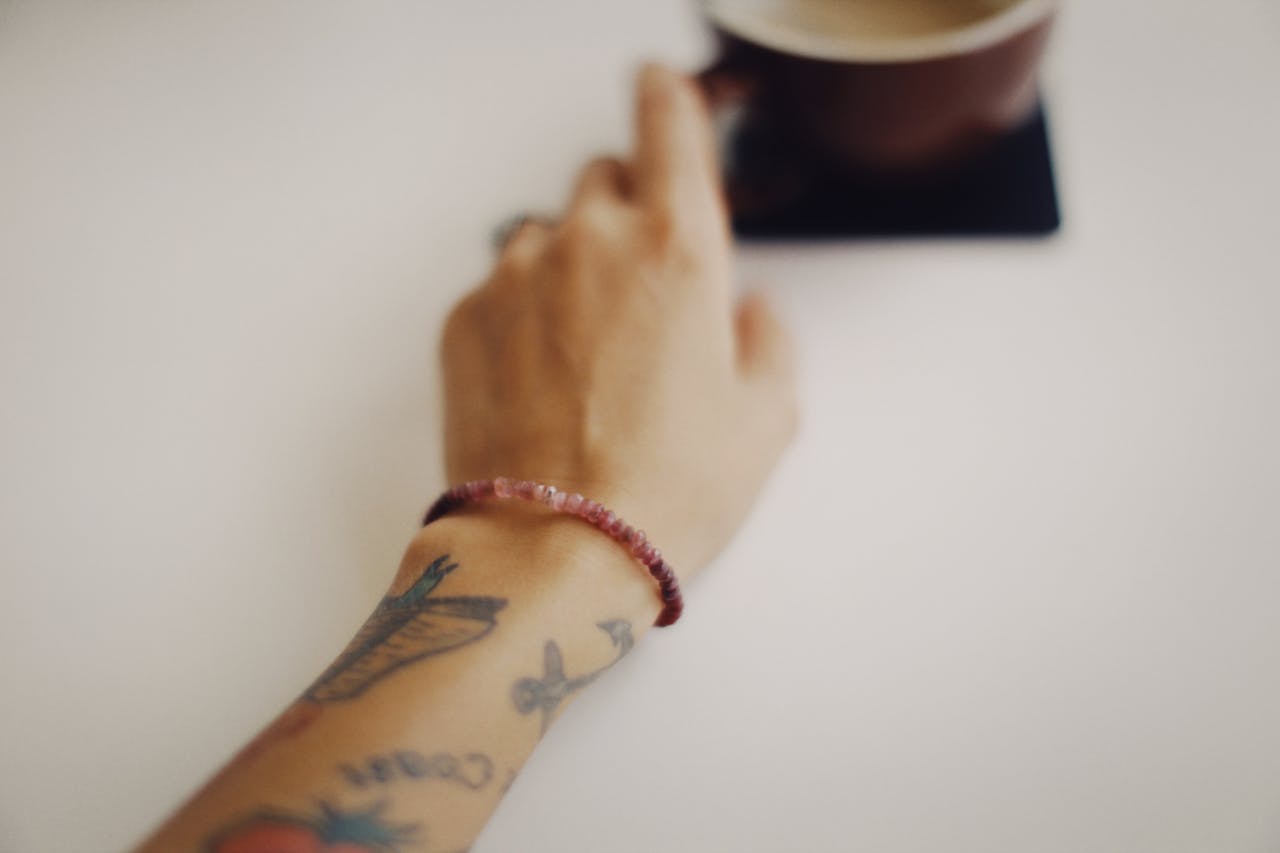
How to choose and care for a thulite bracelet
Because thulite is less common than most jewelry stones, the selection you find online will vary a lot in quality. A few things to keep in mind:
Color consistency within a single bracelet matters. Thulite can shift noticeably from bead to bead, and while some variation is natural and expected, a bracelet where every other bead is a different shade of pink will look uneven. Look for pieces where the beads share a similar tone, even if the exact shade varies.
The mottling pattern is part of what makes thulite distinctive, but too much white or pale area can make the bracelet look washed out. I prefer pieces where the pink is clearly dominant with the lighter areas acting as accents rather than the other way around.
Bead shape affects the feel more than you might expect. Round beads give a classic look. Chips or irregular shapes create a more organic, casual feel. Faceted thulite beads catch light nicely but are harder to find since the stone is not produced in large volumes.
For care, thulite can fade with prolonged sun exposure. Keep it stored away from direct light when you are not wearing it. It can be cleaned with warm water and mild soap. Avoid ultrasonic cleaners and steam, as the heat can cause internal fractures in some specimens. A soft cloth pouch works well for storage, and keeping it separate from harder stones like sapphire or topaz will prevent surface scratching.
Why thulite deserves more attention
I think thulite is one of those stones that has everything going for it except name recognition. It is hard enough for everyday wear, the color is genuinely appealing, and the Norwegian origin gives it a story that most pink stones cannot match. The fact that it is relatively unknown means your bracelet will actually stand out rather than blending in with every other rose quartz piece at the table.
If you are building a collection of stone bracelets and you already have the obvious choices covered, thulite is a natural next step. It fills a gap between the gentleness of rose quartz and the boldness of rhodonite, and it does so without feeling like a compromise between the two.
Comments