Larimar: Caribbean Blue Stone Guide
June 10, 2026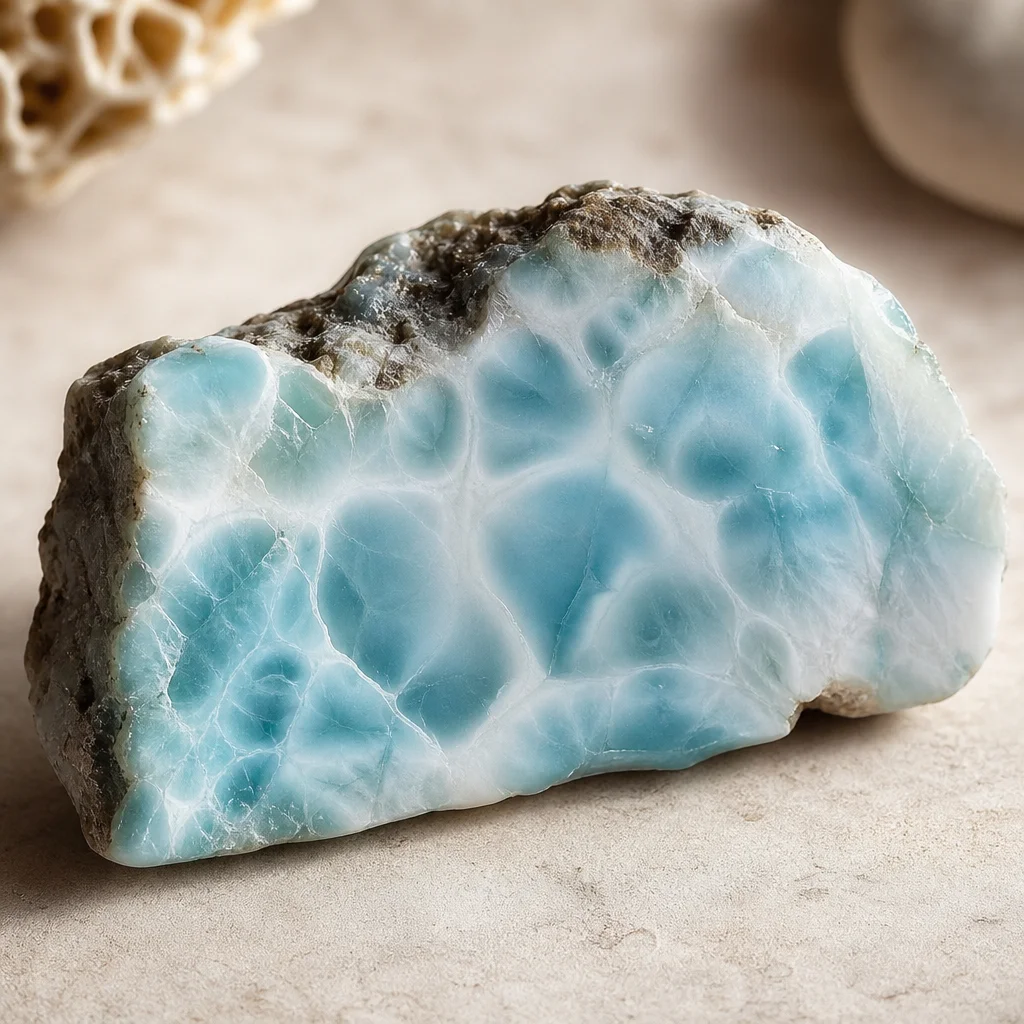
Introduction
Welcome to my dive into the captivating world of larimar, the rare and stunning gemstone that's often described as the Caribbean blue stone. If you're looking to learn about its mineralogy, how it compares to other popular stones, or even its pricing, you've come to the right place. My passion for crystals and gemstones has taken me to many an interesting destination, but nothing quite compares to the story of this one-of-a-kind stone from the heart of the Dominican Republic. Let's unravel the mysteries and appreciate the splendor of larimar.Mineralogy: Blue Pectolite
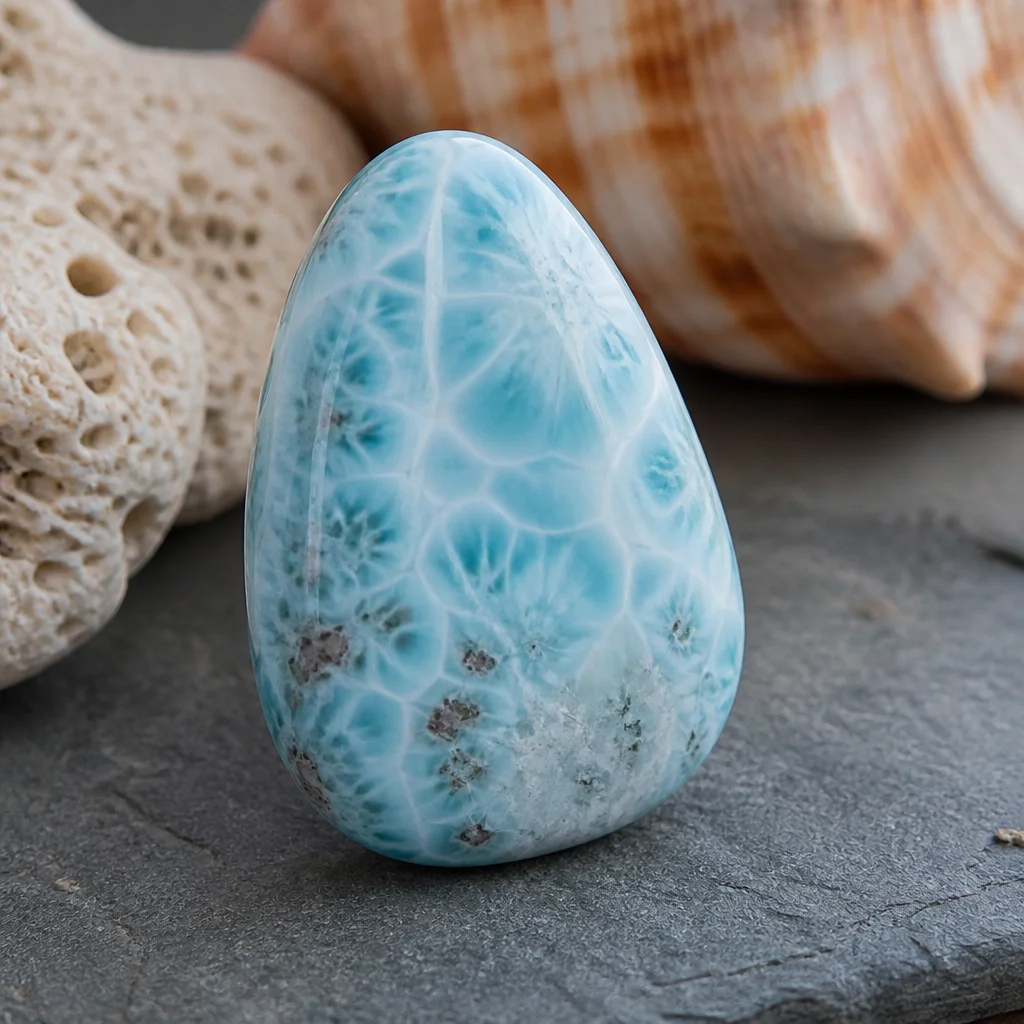
Larimar is a type of pectolite, which is a sodium and calcium-aluminum silicate with a high magnesium content. What makes this stone unique is the presence of manganese and other elements, which contribute to its striking blue hue. On the mineralogical scale, larimar has a hardness of about 4 to 5.5 on the Mohs scale, making it relatively soft compared to other gemstones. Its transparency can vary from transparent to translucent, with most pieces showing a milky opacity.Only Source: Dominican Republic
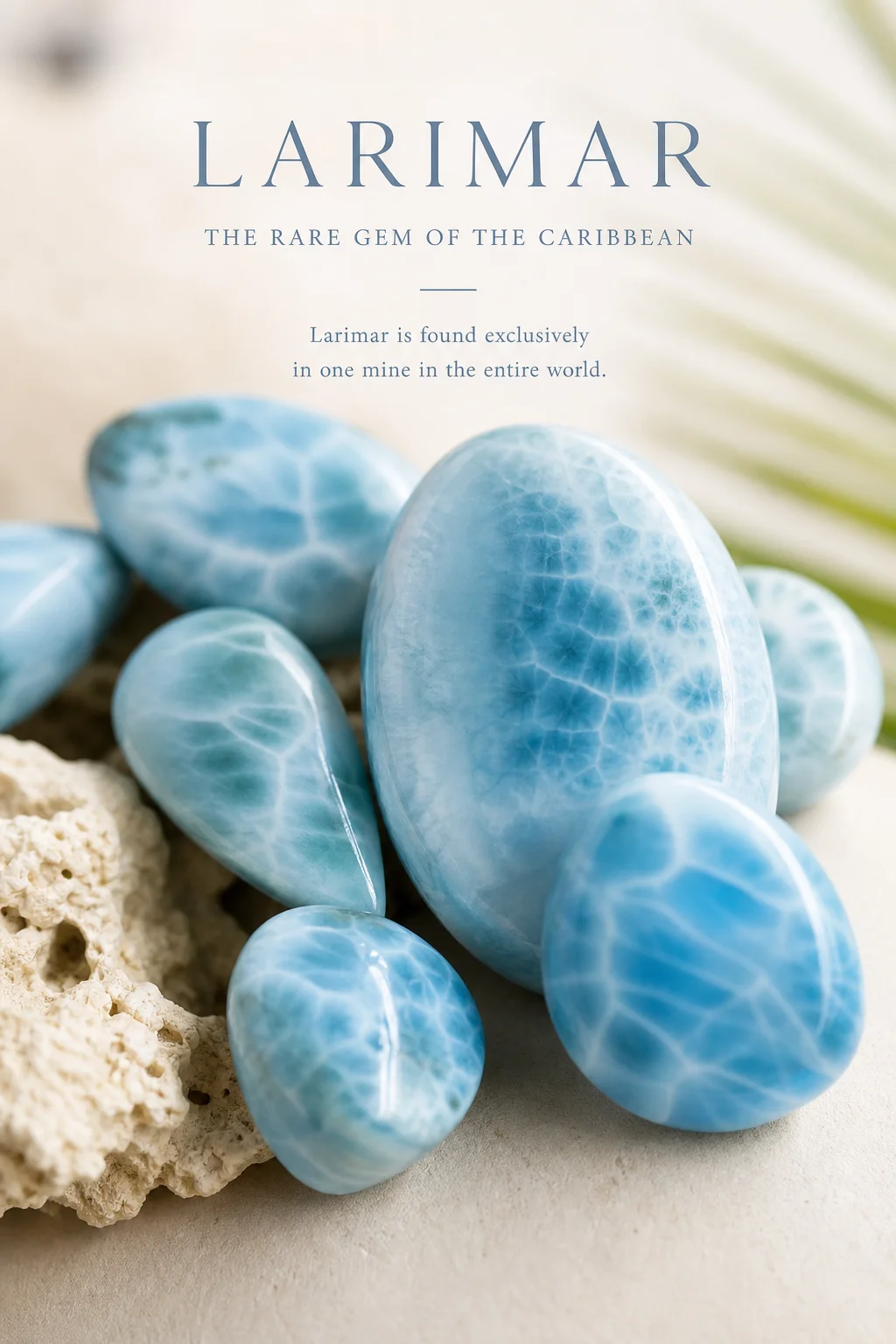
As I've come to discover through my years of study and research, larimar is exclusively found in the Dominican Republic, along with its neighbor Puerto Rico. This geographic exclusivity contributes significantly to the stone's rarity and the prestige associated with it. The mines in the Dominican Republic, specifically the El Pinar Mine near the town of Puerto Plata, have been the source of nearly all commercially available larimar on the market today.Discovery Story (1974)
Larimar was first discovered in 1974 by an Italian diving instructor, Alberto Serrano, and his wife Zulema, while exploring the underwater cave systems in the Dominican Republic. According to their story, it was the blue glow reflecting off the walls that drew them in, leading to the discovery of a mineral they named after the Spanish word "lari" (sea) and "mar" (sea) – "larimar". This incredible discovery not only started a new era in gemology but also created a vibrant new cultural significance in the Dominican Republic.Color Grades
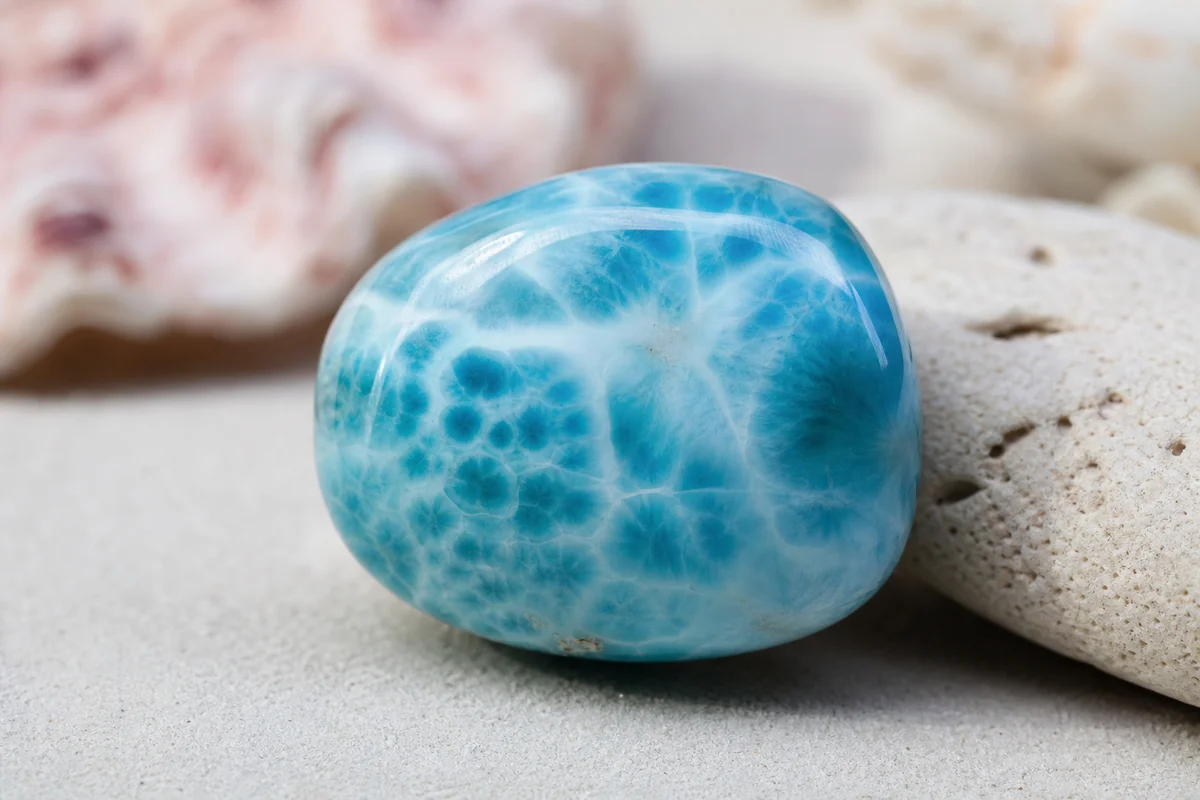
When it comes to the color of larimar, there are distinct grades. The highest quality is considered "rojo," a bright, intense pink to coral red hue that appears to glow in the stone. Following closely are the "verde," or green shades, which can range from mint green to lime. Finally, there's the most popular color – the deep blue of the Caribbean sea. This hue varies from light, baby blue to the deeper, midnight blue.vs Turquoise vs Aquamarine
Larimar, turquoise, and aquamarine are often confused for each other, and while they are all sought after for their stunning blue color, each has unique qualities that make them special in their own right. Larimar, as a pectolite, is rarer than turquoise, which is a hydrous copper aluminum silicate, or aquamarine, which is a variety of beryl. The color in turquoise comes from the copper, and aquamarine's blue is derived from traces of iron. Unlike turquoise, which has a vibrant green to greenish-blue hue, or aquamarine, which has a consistent and clear blue, larimar offers a creamy, opalescent sheen and a subtle iridescence.Pricing
Pricing for larimar varies greatly, depending on several factors including size, color, transparency, and rarity. On average, small Larimar beads or pendants might start around $50, but pieces with exceptional quality and color can exceed $5,000 per carat. For comparison, the value of a quality piece of turquoise might be similar to larimar, but high-end pieces of larimar often fetch a higher price due to its rarity.Care
When it comes to caring for your larimar pieces, handling with care is the number one rule. It's important to keep them away from extreme heat, as it can fade the color, and from chemicals like hairspray, perfumes, and cleaning solutions that can dull the luster. When storing, place your Larimar in a soft pouch or case to protect it from scratching and hard impacts. Regular polishing can also help maintain the shine of your gemstone.Jewelry
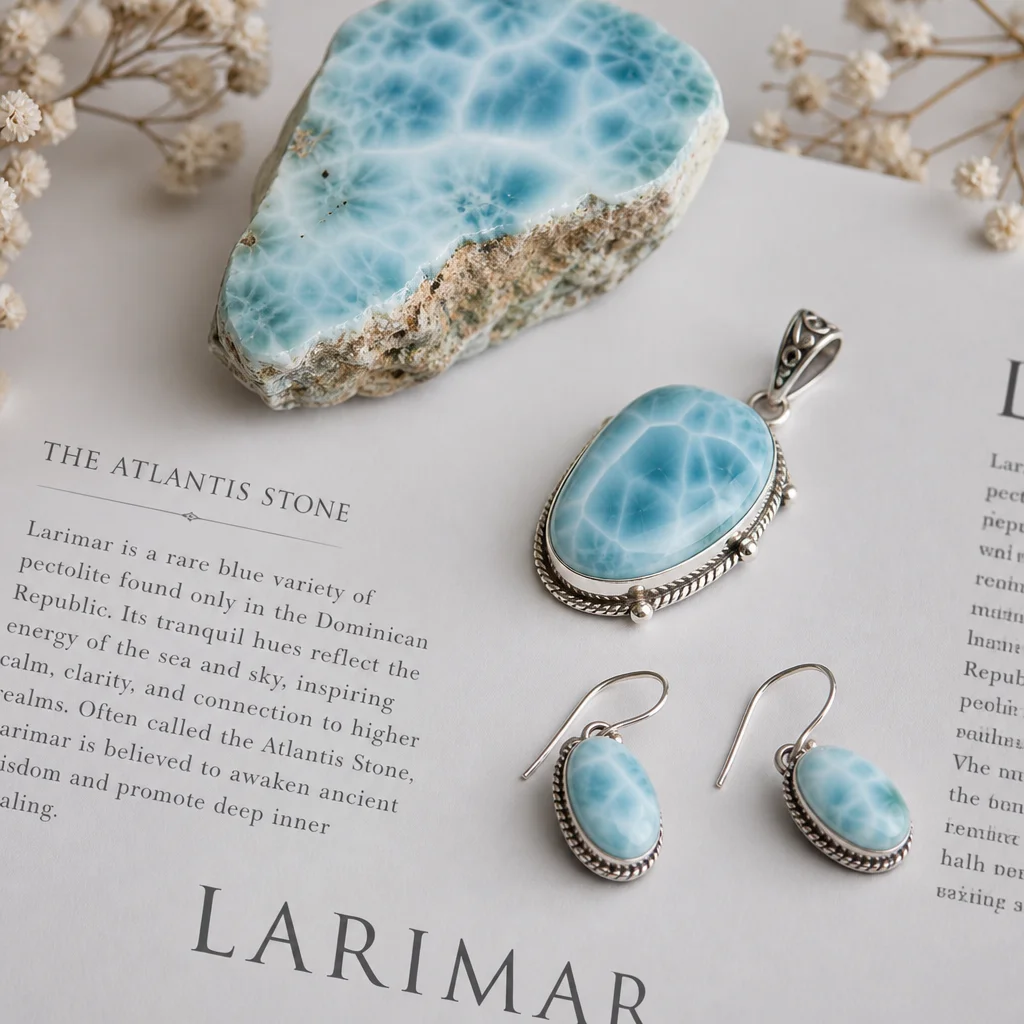
I've seen many a piece of jewelry graced by larimar, and it's always a delight. The stone can be used in necklaces, bracelets, rings, earrings, and more. I especially admire how larimar is often incorporated into organic, natural-inspired jewelry designs, emphasizing the connection to its underwater origin.Table 1: Comparison of Common Blue Stones
| **Stone** | **Composition** | **Hardness (Mohs Scale)** | **Color Range** | **Rarity** | |------------------|-----------------------------------------------------|---------------------------|----------------------------------------|----------------------| | Larimar | Blue pectolite (Na,Ca)AlSi3O8 | 4.0-5.5 | Pink to green to deep blue | Very Rare | | Turquoise | Hydrous copper aluminum silicate (CuAl6(SO4)4(OH)8·4H2O) | 5.5-6 | Greenish-blue to green | Moderately Rare | | Aquamarine | Beryl (Be3Al2(SiO3)6) | 7.5-8 | Green to blue to aqua | Moderately Common | | Lapis Lazuli | Pyrrotine (FeMnS2) + lazurite (CuAl6(Si6O17)4(SO4)2) | 5.5-6 | Blue with pyrite (gold flecks) | Moderately Rare |Deeper Geology
The geological story of larimar is a fascinating one. Formed millions of years ago, it is believed to have originated from volcanic activity. Over time, the tectonic forces led to the uplifting of the ocean floor, where the larimar deposits were exposed. The presence of the manganese in the rock, along with other trace elements, led to the development of the blue color. The unique conditions that created larimar are a sign of the power of nature and its ability to produce some of the most extraordinary materials on Earth.Mining History
The mining history of larimar is as rich as its geological formation. The mining began in the 1970s and quickly grew into a significant industry for the Dominican Republic. However, as with any mining operation, there have been challenges. Environmental concerns and the need for sustainable practices have led to stricter regulations and more responsible mining techniques. The history of larimar mining is a story of both growth and responsibility.Sourcing Tips
If you're interested in sourcing your own larimar, there are a few tips to keep in mind. First, always purchase from reputable dealers who can provide certifications of authenticity. Second, look for stones that have been mined ethically and sustainably. Finally, don't be afraid to ask questions about the origin and treatment of the stone. Knowledge is power when it comes to making informed decisions about your purchases.Identification Guide
Identifying larimar can be a challenge for those not familiar with gemstones. Here are a few key characteristics to look for:- Color: The stone should be a natural shade of blue, with a creamy or opalescent quality.
- Transparency: While some pieces are transparent, most are translucent to opaque.
- Pattern: The stone may have a wavy, grainy pattern known as "sugilite."
- Hardness: It is relatively soft, so it can be easily scratched.
Care Instructions
To keep your larimar looking beautiful for years to come, follow these care instructions:- Avoid Heat: Keep your stones away from extreme temperatures as heat can fade the color.
- Chemicals: Avoid exposure to harsh chemicals, including perfumes, hairspray, and cleaning solutions.
- Cleaning: Use a soft cloth to wipe down your jewelry, and avoid using ultrasonic cleaners.
- Storage: Store your larimar pieces in a soft pouch or case to prevent scratching.
Cultural References
Larimar has become a symbol of peace and tranquility, especially in the Dominican Republic. It is often used in meditation and healing practices, as it is believed to promote a sense of calm and harmony. Additionally, it is a popular gift among couples, as it represents love and unity. The stone's connection to the sea also makes it a favorite among those who feel a deep connection to the ocean.FAQ
h3
Q1: Is larimar a form of quartz?p
No, larimar is not a form of quartz. It is a unique type of pectolite with distinct characteristics and coloration that differ from quartz.h3
Q2: Can larimar be dyed or treated to enhance its color?p
Crystals are not a substitute for medical treatment. Larimar can be found in a variety of colors, but if it appears unnaturally bright, it could have been dyed. Authentic larimar has a natural color range.h3
Q3: Is it possible to clean my larimar with soap and water?p
Yes, you can clean your larimar with soap and water. However, it's important to dry it thoroughly afterward to prevent any damage from moisture.h3
Q4: Can I wear larimar jewelry in the shower?p
It's generally not recommended to wear larimar jewelry in the shower. The water can cause the stone to dry out and the soap can leave residue that can dull the luster. By following these guidelines, you can ensure that your larimar jewelry remains beautiful and intact for years to come. Remember, crystals are not a substitute for medical treatment, but they can be a beautiful addition to your life and a source of personal joy and inspiration.Practical Tips & Common Mistakes
Embarking on your larimar journey can be an enchanting experience, but it's essential to be aware of a few key pointers to avoid common pitfalls.
Choose the right cut: Not all larimar stones are created equal. Opt for well-cut pieces that highlight the stone's unique blue hues and avoid those with excessive inclusions or cracks.
Understand the grade: Larimar grades range from A to D, with A being the highest quality. Be cautious of stones labeled as "grade A" without proper certification, as some retailers may overstate the grade.
Avoid direct sunlight: While larimar is durable, prolonged exposure to direct sunlight can fade its vibrant color. Store your jewelry away from windows and keep it out of the sun.
Be mindful of chakra associations: Larimar is often associated with the throat chakra, promoting communication. However, it's not a substitute for professional medical advice. Use it as a complement to your overall well-being.
Care & Maintenance Guide
Proper care ensures your larimar jewelry remains beautiful and vibrant for years to come.
Use a soft cloth: Gently wipe your larimar jewelry with a soft, lint-free cloth to clean it. Avoid abrasive materials that can scratch the surface.
Avoid chemicals: Keep your jewelry away from harsh chemicals found in perfumes, lotions, and cleaning products, as these can damage the stone's luster.
Store separately: Store your larimar jewelry in a lined jewelry box or soft fabric pouch to prevent scratches and tangling with other pieces.
Regular inspections: Periodically check your jewelry for loose stones or clasps, and have them repaired if necessary to prevent loss or damage.
Professional cleaning: If your jewelry is very dirty or has accumulated a significant amount of tarnish, consider taking it to a professional jeweler for a thorough cleaning.
The History and Discovery of Larimar
The story of larimar's modern discovery dates back to 1974, when Miguel Méndez, a local Dominican Peace Corps volunteer, and Norman Rilling, a geologist, stumbled upon rare blue pebbles resting on a beach in the Barahona province. While the indigenous Taíno people and early Spanish settlers likely knew of the stone, believing it to have washed ashore from the Caribbean Sea, it was Méndez who brought it to the global market. This unique volcanic gemstone is an extraordinarily rare form of pectolite found exclusively in this specific, remote mountainous region of the Dominican Republic.
To honor his discovery and the beautiful ocean it resembles, Méndez named the stone by combining his daughter's name, Larissa, with the Spanish word for sea, "mar." Today, mining larimar is a painstaking and dangerous process. Local miners extract the raw stone by digging deep, narrow tunnels into the rugged mountainsides, often relying on basic hand tools. Because there is only one known deposit in the entire world, the supply of this Caribbean blue stone is highly limited, making each authentic piece a finite treasure that continues to captivate gem enthusiasts globally.
Geological and Mineralogical Profile
From a strictly scientific perspective, larimar is a rare blue variety of the silicate mineral pectolite. While pectolite itself is found in various locations around the world, it typically occurs in unremarkable gray or white hues. The mesmerizing Caribbean blue coloration of larimar is entirely unique and is caused by the presence of copper substitution for calcium within the stone's crystal lattice. Trace amounts of other elements, such as iron and manganese, can also introduce subtle hints of green or reddish-brown inclusions, adding to the stone's organic, earthy appeal.
This striking gemstone owes its existence to the intense volcanic activity that shaped the Caribbean island of Hispaniola millions of years ago. Larimar formed within hollow cavities of basaltic lava flows deep within the earth's crust. As hot volcanic gases and mineral-rich hydrothermal fluids circulated through these fractures over millennia, they slowly crystallized into the stunning patterns we see today. When you hold a piece of larimar, you are essentially holding a frozen fragment of ancient volcanic history, polished into a beautiful, wearable piece of art.
Understanding Larimar Grading and Pricing
When evaluating larimar for purchase, understanding the gemstone's grading system is crucial for determining its true market value. The highest quality specimens, often referred to as AAA-grade or "volcanic blue," feature a deep, rich oceanic blue with perfectly clear white matrix patterns that mimic sunlight dancing on the ocean floor. Conversely, commercial-grade stones might appear mostly white, light blue, or heavily clouded with dense, grayish inclusions. The intensity and saturation of the blue color are the primary drivers of a larimar stone's price point.
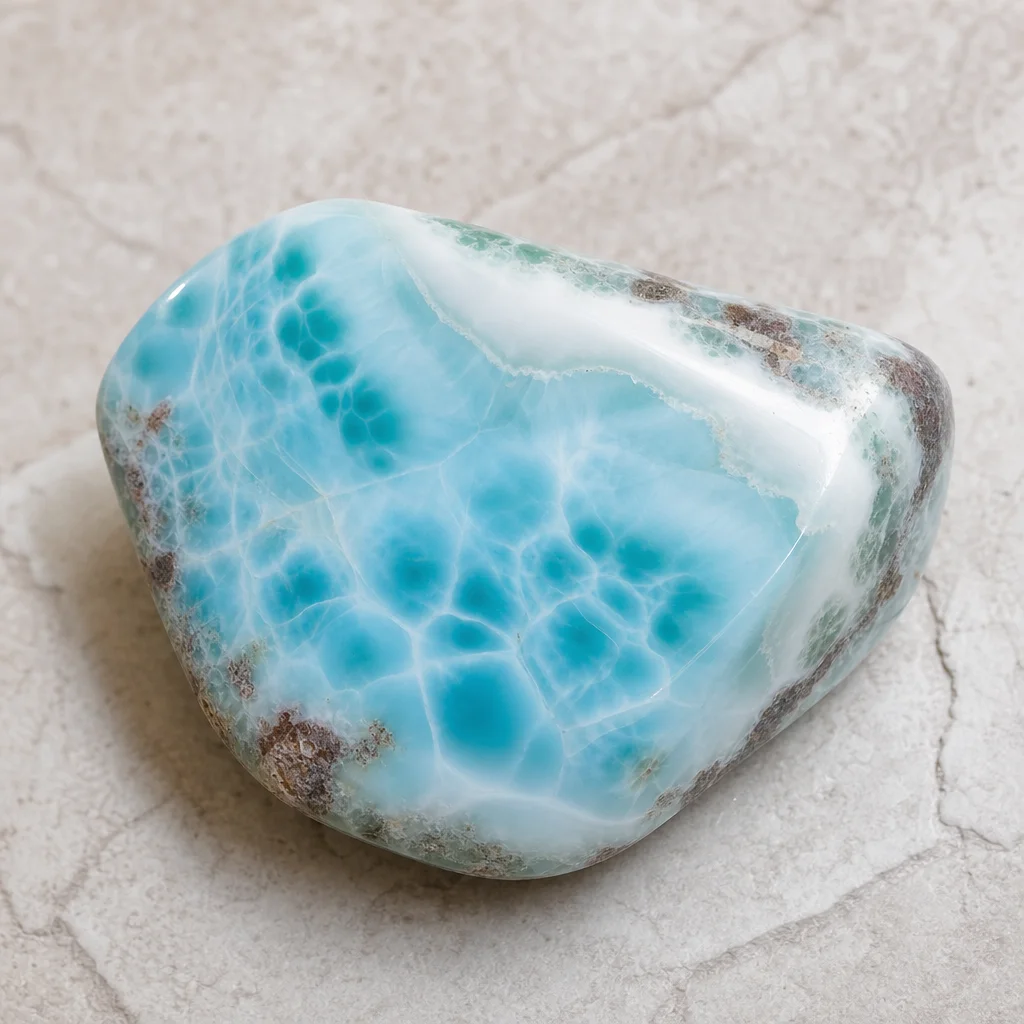
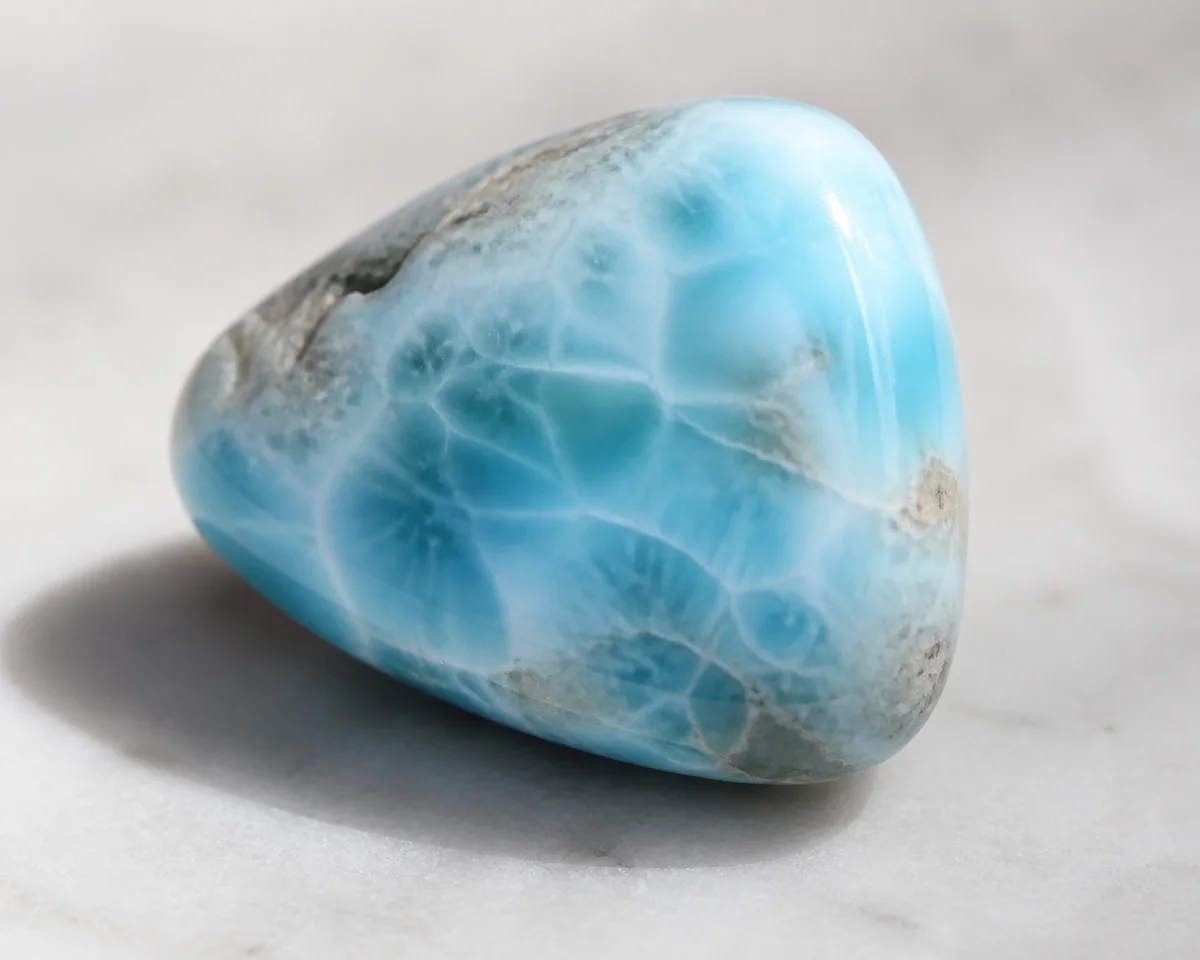
Beyond pure color, the distinct patterning within the stone plays a significant role in its valuation. Collectors highly prize stones that showcase striking, intricate patterns, such as "spiderweb" or radiating geometric designs, as these create a highly individualized aesthetic. Additionally, because larimar is a relatively soft stone—rating between 4.5 and 5 on the Mohs hardness scale—finding a perfectly cut, high-grade piece without scratches or surface imperfections is rare. This combination of color saturation, distinct patterning, and structural integrity ultimately dictates how artisans price their jewelry and raw specimens.
Frequently Asked Questions
How is larimar formed?
Larimar forms from the alteration of basaltic lava through the action of seawater and heat, creating a unique blue pectolite.
Can I wear larimar everyday?
Yes, you can wear larimar everyday. However, it's important to follow proper care instructions to maintain its beauty and avoid damage.
Is larimar a birthstone?
No, larimar is not an official birthstone. It is a semi-precious stone known for its unique blue color and is not associated with any specific month.
How much does larimar jewelry cost?
The price of larimar jewelry can vary widely depending on factors such as the stone's size, quality, and craftsmanship. It can range from a few dollars to several thousand.
The History and Discovery of Larimar
The story of larimar's modern discovery dates back to 1974, when Miguel Méndez, a local Dominican Peace Corps volunteer, and Norman Rilling, a geologist, stumbled upon rare blue pebbles resting on a beach in the Barahona province. While the indigenous Taíno people and early Spanish settlers likely knew of the stone, believing it to have washed ashore from the Caribbean Sea, it was Méndez who brought it to the global market. This unique volcanic gemstone is an extraordinarily rare form of pectolite found exclusively in this specific, remote mountainous region of the Dominican Republic.
To honor his discovery and the beautiful ocean it resembles, Méndez named the stone by combining his daughter's name, Larissa, with the Spanish word for sea, "mar." Today, mining larimar is a painstaking and dangerous process. Local miners extract the raw stone by digging deep, narrow tunnels into the rugged mountainsides, often relying on basic hand tools. Because there is only one known deposit in the entire world, the supply of this Caribbean blue stone is highly limited, making each authentic piece a finite treasure that continues to captivate gem enthusiasts globally.
Geological and Mineralogical Profile
From a strictly scientific perspective, larimar is a rare blue variety of the silicate mineral pectolite. While pectolite itself is found in various locations around the world, it typically occurs in unremarkable gray or white hues. The mesmerizing Caribbean blue coloration of larimar is entirely unique and is caused by the presence of copper substitution for calcium within the stone's crystal lattice. Trace amounts of other elements, such as iron and manganese, can also introduce subtle hints of green or reddish-brown inclusions, adding to the stone's organic, earthy appeal.
This striking gemstone owes its existence to the intense volcanic activity that shaped the Caribbean island of Hispaniola millions of years ago. Larimar formed within hollow cavities of basaltic lava flows deep within the earth's crust. As hot volcanic gases and mineral-rich hydrothermal fluids circulated through these fractures over millennia, they slowly crystallized into the stunning patterns we see today. When you hold a piece of larimar, you are essentially holding a frozen fragment of ancient volcanic history, polished into a beautiful, wearable piece of art.
Understanding Larimar Grading and Pricing
When evaluating larimar for purchase, understanding the gemstone's grading system is crucial for determining its true market value. The highest quality specimens, often referred to as AAA-grade or "volcanic blue," feature a deep, rich oceanic blue with perfectly clear white matrix patterns that mimic sunlight dancing on the ocean floor. Conversely, commercial-grade stones might appear mostly white, light blue, or heavily clouded with dense, grayish inclusions. The intensity and saturation of the blue color are the primary drivers of a larimar stone's price point.
Beyond pure color, the distinct patterning within the stone plays a significant role in its valuation. Collectors highly prize stones that showcase striking, intricate patterns, such as "spiderweb" or radiating geometric designs, as these create a highly individualized aesthetic. Additionally, because larimar is a relatively soft stone—rating between 4.5 and 5 on the Mohs hardness scale—finding a perfectly cut, high-grade piece without scratches or surface imperfections is rare. This combination of color saturation, distinct patterning, and structural integrity ultimately dictates how artisans price their jewelry and raw specimens.
Frequently Asked Questions
How can I tell if my larimar is real?
Genuine larimar features unique, irregular blue and white patterns resembling ocean waves. Since our artisans handcraft each piece with authentic natural stones, you will see beautiful variations. Be cautious of stones that look perfectly uniform or have unnaturally bright blue dyes. Authentic larimar also feels cool to the touch and occasionally displays natural reddish-brown spots from oxidation.
Comments