Kunzite Stone: Meaning and Pink Glow
June 5, 2026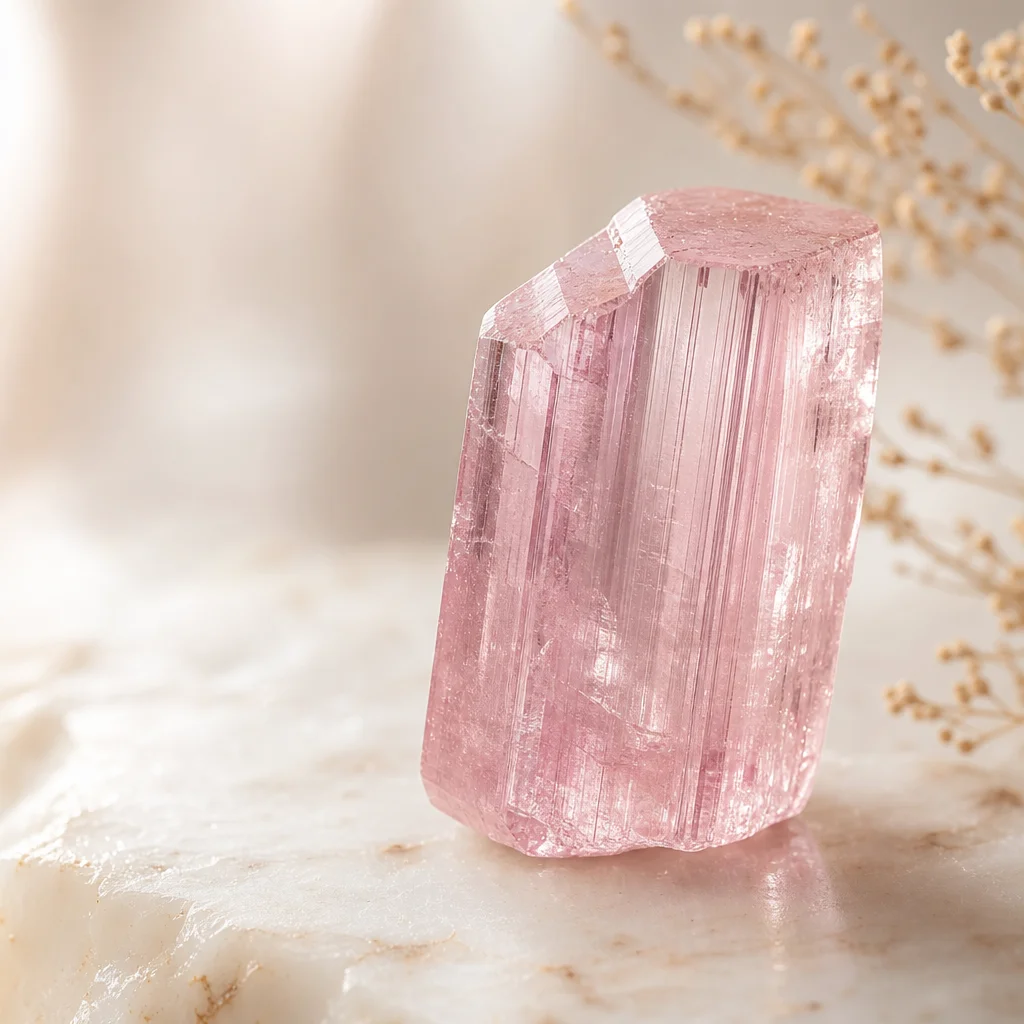
What Is Kunzite?
Kunzite is the pink to lilac variety of the mineral spodumene, a lithium aluminum silicate with the chemical formula LiAlSi₂O₆. It was first discovered in 1902 in San Diego County, California, and named after George Frederick Kunz, the legendary gemologist who served as the chief buyer for Tiffany & Co. Kunz was one of the first people to recognize the gem's potential, and his name stuck permanently.
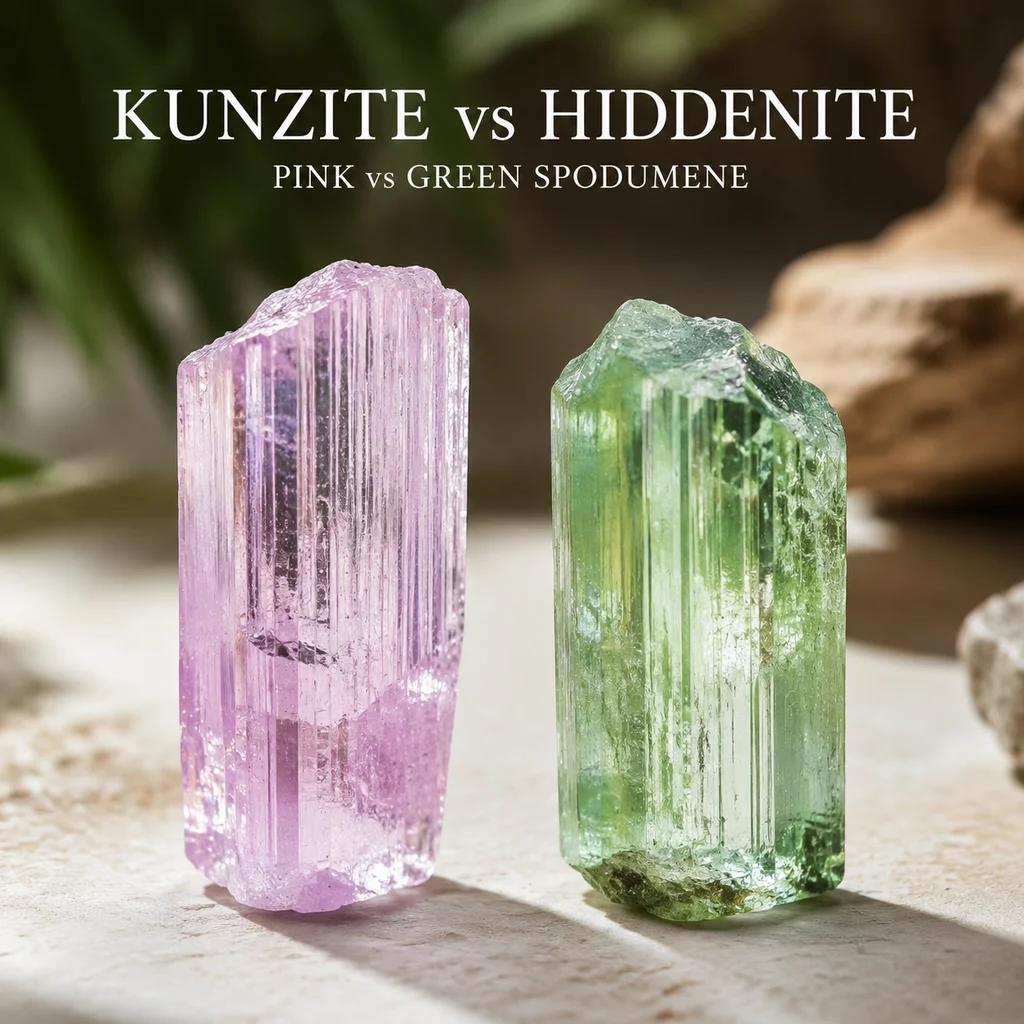
Spodumene is a fascinating mineral family. Most people know kunzite for its pink hues, but the family also includes hiddenite, the rare green variety discovered in North Carolina. Both gems share the same crystal structure but owe their colors to different trace elements. In kunzite's case, manganese impurities create those dreamy pink-to-violet tones, while chromium gives hiddenite its distinctive green.
Physical Properties That Matter
Kunzite sits at 6.5 to 7 on the Mohs hardness scale, which puts it in the same neighborhood as amethyst and quartz. That hardness makes it suitable for everyday jewelry — rings, pendants, earrings — as long as you're not subjecting it to heavy impacts. It's not as tough as sapphire or diamond, but it holds up well under normal wear.
The most distinctive physical trait of kunzite is its strong pleochroism. When you look at a kunzite crystal from different angles, the color shifts noticeably — deeper pink down one axis, lighter or nearly colorless down another. This is why experienced cutters orient kunzite carefully before fashioning it into gems. A poorly oriented stone can look washed out from the front view while the richest color sits hidden in the table's side profile.
Kunzite also has a specific gravity of about 3.18, which is heavier than quartz but lighter than most beryl varieties. Its refractive index ranges from 1.660 to 1.676, giving it a moderate level of brilliance — not as fiery as diamond but with a gentle, warm luster that suits its soft color palette.
The UV Fluorescence Secret
One of the most magical things about kunzite happens under ultraviolet light. Strong pink kunzite specimens emit a vivid orange-pink to red fluorescence when exposed to short-wave UV radiation. This response is so reliable that some gemologists use it as an identification tool. If you've ever seen a kunzite specimen under a UV lamp at a gem show, you know how dramatically the color intensifies — the stone practically glows from within.
This fluorescence comes from the same manganese ions that create the pink color. The manganese absorbs UV energy and re-emits it as visible light at longer wavelengths, which is why the fluorescent color often appears more orange-red than the stone's normal pink appearance. Not all kunzite fluoresces — colorless or very pale specimens may show little to no reaction — but medium to dark pink stones almost always do.
The Color Fade Problem Everyone Should Know
Here's the critical caveat with kunzite: prolonged exposure to direct sunlight causes the pink color to fade. This isn't gradual — significant color loss can happen within hours or days of bright sun exposure. The manganese ions responsible for the pink hue are sensitive to the higher-energy photons in UV radiation from sunlight.
Heat accelerates the fading process too. Leaving kunzite on a sunny windowsill or wearing it to the beach all day is one of the fastest ways to drain the color from your stone. Some darker specimens are more resistant than pale ones, but no kunzite is completely immune.
The practical implication is straightforward. Store kunzite jewelry in a dark box or drawer when you're not wearing it. If you display specimens, keep them away from direct sunlight — indirect room lighting won't cause significant fading. If you're buying kunzite, the richest color you can find is the best starting point because some fading over years of wear is virtually inevitable.
Where Kunzite Comes From
The original California discoveries near Pala and Ramona produced some of the finest kunzite ever found, but those deposits are largely exhausted today. Most modern kunzite production comes from Afghanistan — specifically the Nuristan and Laghman provinces — where miners extract large, well-formed crystals from pegmatite veins at high altitude. Afghan kunzite tends to have vivid saturation and clean clarity.
Brazil, particularly Minas Gerais, is another significant producer. Brazilian kunzite often leans more toward the lilac end of the spectrum, with softer violet tones that some collectors prefer. Madagascar and Myanmar have also produced commercial quantities. Pakistan's Karakoram region yields kunzite crystals alongside tourmaline and aquamarine in complex pegmatite systems.
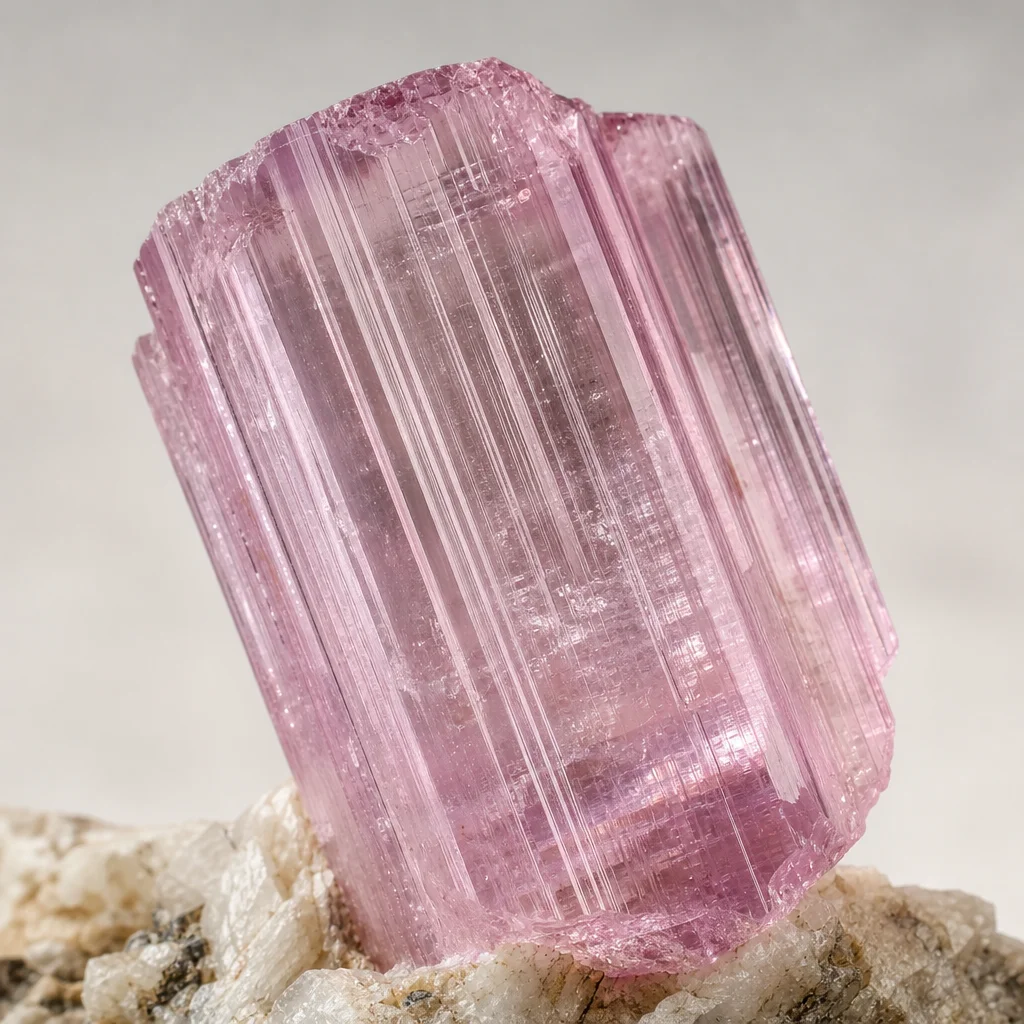
The largest kunzite crystal ever documented came from Minas Gerais, Brazil — a monster weighing roughly 880 carats before cutting. Large clean crystals are prized by mineral collectors even more than by gem cutters because the crystal form, with its flat prism faces and distinctive striations, is genuinely beautiful in its natural state.
Kunzite in Jewelry Design
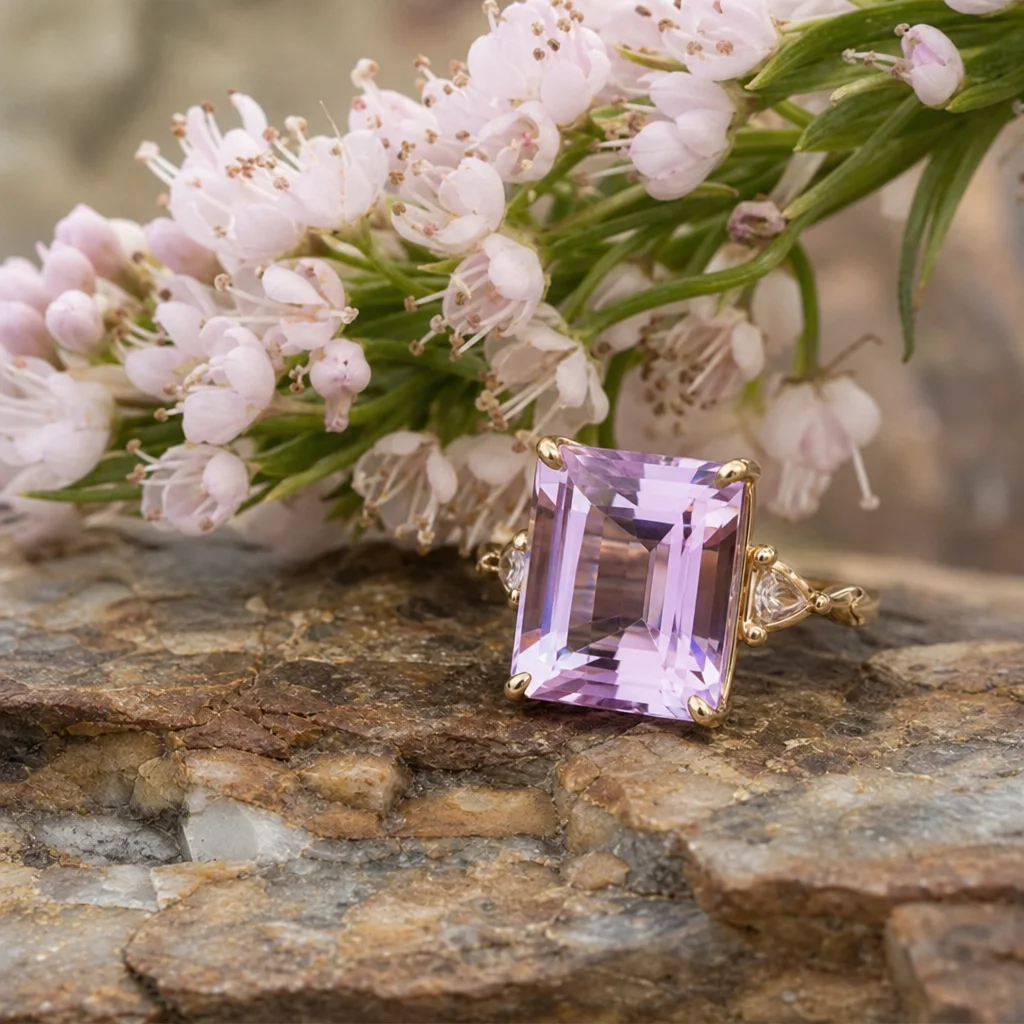
Cutters typically orient kunzite to maximize face-up color, which means the deepest pink axis becomes the table direction. This is where the pleochroism knowledge matters — an unskilled cut can waste the best color direction. Oval and cushion cuts are most common because they work well with kunzite's natural crystal habit. Emerald cuts and trillions appear in the market too.
The stone's moderate hardness means it works well in pendants, earrings, and brooches — settings that don't take much impact. Rings are fine for occasional wear but not ideal for daily use if you're hard on your jewelry. Kunzite also pairs beautifully with rose gold settings, which complement its pink tones, or with white metals for a cooler, more modern look.
One advantage of kunzite is that large stones aren't exponentially more expensive than small ones, unlike diamonds or rubies. A well-cut 5-carat kunzite may be only moderately more expensive per carat than a 2-carat stone. This makes kunzite one of the better options if you want a statement-sized gem without spending thousands.
Cleaning and Care
Warm soapy water and a soft brush is the standard cleaning method. Avoid ultrasonic cleaners — while kunzite's hardness seems sufficient, the thermal cycling inside ultrasonic units can create micro-fractures in stones with internal stress. Steam cleaning is also risky because of the heat sensitivity. A mild dish soap solution, room-temperature water, and a soft toothbrush will clean kunzite safely and effectively.
The main care concerns are the color fading from light exposure and potential cleavage issues. Kunzite has perfect cleavage in two directions, which means a sharp impact at the right angle can split the stone along its natural planes. This is why protective settings with metal covering the girdle are preferred for rings.
Kunzite and Lithium
Because spodumene is a lithium aluminum silicate, kunzite is one of the few gemstones with a meaningful lithium content. Some crystal enthusiasts associate this with calming, mood-stabilizing properties. From a geological perspective, lithium-rich pegmatites are the same deposits mined for battery-grade lithium, and spodumene is actually the primary ore mineral for lithium extraction in several major mining operations worldwide.
Whether or not you ascribe metaphysical meaning to the lithium connection, it's a genuinely interesting fact that ties a pretty pink gemstone to one of the most important industrial minerals of the 21st century. The same mineral family sitting in a pendant also powers electric cars and phone batteries.
How to Identify Genuine Kunzite
Kunzite's pleochroism is the most reliable visual identifier. Rotate the stone under a single light source — if the color shifts from deep pink to nearly colorless depending on the viewing angle, that's characteristic pleochroic behavior. Glass imitations won't show this effect.
The UV fluorescence test is another strong indicator. Real kunzite glows orange-pink under short-wave UV. Synthetic spinels or colored glass may fluoresce differently or not at all. For absolute certainty, refractive index testing with a gemological refractometer will confirm the 1.660-1.676 range that distinguishes kunzite from similar pink stones like morganite (1.577-1.583) and pink topaz (1.629-1.637).
Frequently Asked Questions
Is kunzite expensive?
Kunzite is moderately priced for a colored gemstone. Small stones (under 2 carats) cost roughly $20-50 per carat for good quality, while larger specimens in rich pink can reach $100-300 per carat. Exceptional stones over 10 carats with vivid color command premium prices, but kunzite remains accessible compared to pink sapphire or padparadscha.
Can kunzite go in water?
Brief contact with water during cleaning is fine. Extended soaking isn't ideal because the mineral structure can absorb moisture along cleavage planes, potentially affecting the stone over time. Never use hot water, and dry the stone promptly after cleaning.
Does kunzite have any special meaning?
In crystal healing traditions, kunzite is associated with emotional openness, unconditional love, and heart chakra activation. Its lithium content has led some practitioners to recommend it for stress relief and anxiety. These associations stem from its pink color — linked to matters of the heart across many crystal traditions — and are part of the broader symbolic language of gemstones rather than scientifically verified properties.
Historical Significance and Cultural Symbolism
Kunzite, with its enchanting pink hue, has always been steeped in cultural symbolism. In ancient cultures, pink was often associated with the divine feminine, love, and romance. In Greece, pink stones were said to be given to newlyweds to ensure their happiness and fidelity.
Historically, kunzite has been cherished by various royal families, often featured in their jewels and ornaments. Queen Victoria, known for her preference for pink, is reported to have owned a kunzite brooch that she received from her husband, Albert. This association with royalty and opulence has contributed to its status as a sought-after gemstone today.
Practical Tips for Buying Kunzite
When purchasing kunzite, here are a few practical tips to keep in mind:
- Quality Over Size: Larger kunzite stones don't necessarily mean higher quality. Focus on color, clarity, and cut.
- Check for Inclusions: Small, well-placed inclusions can be acceptable. Excessive or distracting inclusions, however, can lower the value.
- Source Matter: Knowing where the kunzite comes from can add to its allure and potentially its value.
- Certificate of Authenticity: If the kunzite is accompanied by a certificate of authenticity from a reputable gemological laboratory, it can add to the trustworthiness of your purchase.
Comparative Guide: Kunzite vs. Other Pink Stones
When looking for pink gemstones, kunzite is often compared to other stones like morganite, pink topaz, and tourmaline. Here's a quick guide to distinguish them:
| Feature | Kunzite | Morganite | Pink Topaz | Pink Tourmaline |
|---|---|---|---|---|
| Color | Soft pink to violet | Translucent pink | Transparent to translucent pink | Wide range of pink shades |
| Hardness | 6.5-7 | 6.5-7.5 | 8 | 7-7.5 |
| Specific Gravity | 3.18 | 2.63-2.75 | 3.5-4.2 | 3.0-4.0 |
| Refractive Index | 1.660-1.676 | 1.577-1.583 | 1.606-1.637 | 1.610-1.650 |
Care Instructions: Ensuring Your Kunzite's Lifespan
Caring for your kunzite jewelry properly will ensure it retains its beauty for years to come:
- Avoid Exposure to Sunlight: As mentioned earlier, kunzite can fade in sunlight, so keep it away from direct exposure when not in use.
- Be Gentle with it: Avoid drops or impacts that can lead to chipping or cracking.
- Use Gentle Cleaning Methods: Regularly clean with a soft cloth or gentle brush dipped in warm soapy water. Avoid harsh chemicals or ultrasonic cleaning.
- Proper Storage: Store your kunzite jewelry in a fabric-lined box to prevent scratches and maintain its luster.
The Art of Cutting and Polishing Kunzite
Expert cutters and polishers are essential to bring out the best in kunzite's beauty. The following practices are key to ensuring a high-quality stone:
- Pleochroism Utilization: Cutting kunzite requires skill to maximize the viewing of the richest color, often by cutting the stone along the c axis where the deep pink is.
- Color and Clarity: Stones are typically cut to minimize inclusions and enhance color saturation.
- Surface Treatment: The surface is polished to a high sheen that reflects the stone's inherent brilliance.
Embracing the Kunzite Collection
Building a collection of kunzite pieces is a journey that not only adds beauty to your life but also supports a connection with the natural world. As you grow your collection, consider these ways to incorporate kunzite into your daily life:
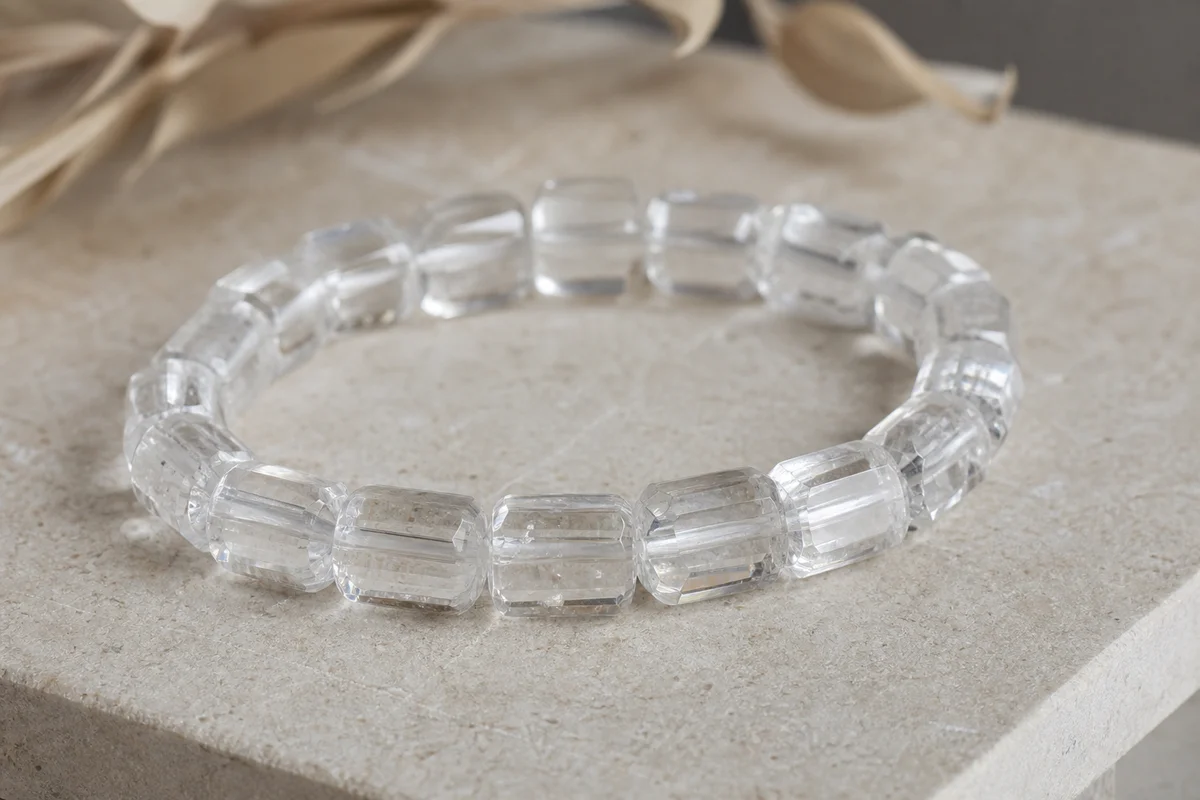
- Personal Accessories: Kunzite earrings, pendants, or bracelets can serve as wearable works of art and daily reminders of the stone's nurturing properties.
- Decorative Items: Kunzite specimens or sculptures can be displayed in homes or offices, serving as a beautiful accent and a gentle daily reminder of its soothing energy.
- Commemorative Gems: Kunzite engagement rings or other pieces with special meanings are cherished for their symbolic value and their physical beauty.
Crystal Collectors' Perspectives
Crystal collectors are often drawn to kunzite for several reasons:
- Rarity and Appearance: Kunzite's rarity, particularly its vivid pink and purple hues, is a major draw for collectors.
Large, well-formed kunzite crystals are especially coveted by collectors, and their natural beauty can be quite captivating.
Conclusion
Whether you're drawn to kunzite's enchanting pink hues, its rich history, or its potential metaphysical qualities, there's much to appreciate about this gemstone. Its beauty, combined with its practical hardness, makes kunzite a popular choice for jewelry as well as for those interested in crystal collecting and healing. Remember, each piece of kunzite is a sign of the natural world's intricate beauty and diversity, a treasure to be cherished and passed down through generations.
Frequently Asked Questions
Does kunzite fade in sunlight?
Yes, kunzite's delicate pink hue can fade if exposed to harsh, direct sunlight for extended periods. To protect your handcrafted SagStone jewelry and keep its color vibrant, we suggest removing it before sunbathing. Storing your beautiful crystal pieces in a cool, dark jewelry box will perfectly preserve their stunning blush tones for years to come.
Can I wear kunzite jewelry every day
Frequently Asked Questions
Can you wear kunzite jewelry every day?
Kunzite ranks 6.5 to 7 on the Mohs scale, making it moderately durable. Because this natural crystal has perfect cleavage, a sharp impact can easily chip it. You can wear your handcrafted SagStone kunzite jewelry daily, but please treat it with care. Remove your artisan pieces before strenuous activities or household chores to keep the delicate pink gemstone perfectly safe and beautifully polished for years.
Comments