How to Pack Jewelry for Travel Without Arriving
May 15, 2026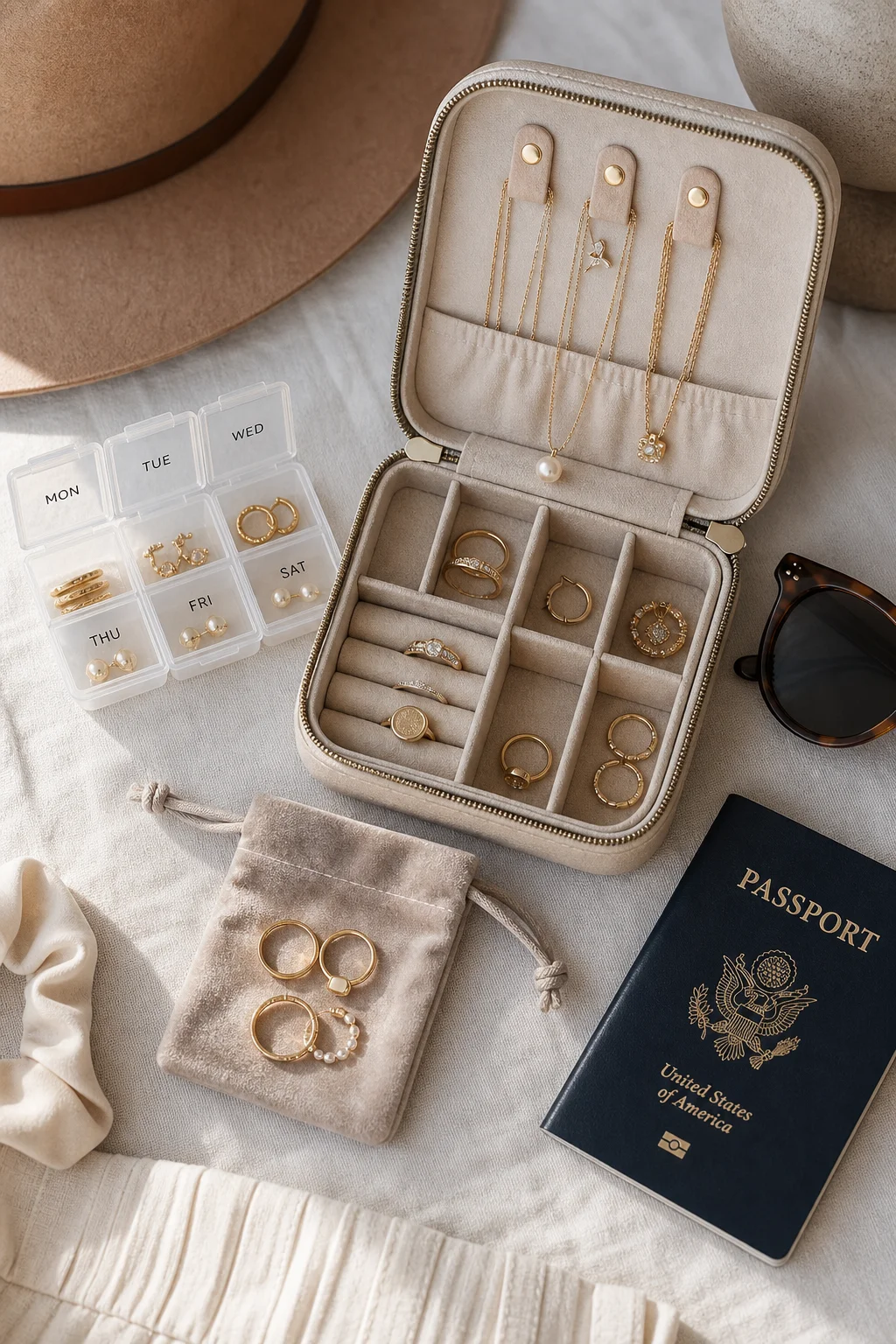
How to Pack Jewelry for Travel Without Arriving in a Tangled Mess
Nothing kills the excitement of a trip faster than opening your jewelry bag to find three necklaces fused into a single knot, your favorite earrings scratched, and that delicate chain bracelet snapped in half. It happens more often than you'd think — and it's completely preventable.
This guide covers practical methods for packing jewelry so it survives flights, road trips, and hotel stays looking exactly the way it did when you packed it. No fancy organizers required (though we'll cover those too). Most of these solutions use things you already have at home.
The Core Problem: Why Jewelry Gets Damaged in Transit
Jewelry damage during travel falls into three categories:
- Tangling. Chains shift during movement, loop through each other, and tighten under pressure. The more delicate the chain, the worse the knot.
- Scratching. Harder stones and metals abrade softer ones when they rub together. A diamond ring rattling against a pearl necklace is a disaster in slow motion.
- Chemical exposure. Humidity, sunscreen, salt air, and chlorine all take a toll on certain metals and finishes. Silver tarnishes faster in coastal environments. Costume jewelry plating degrades with sweat and lotion.
Every packing method below addresses at least one of these issues. Combine them for full protection.
Necklaces: The Tangle Problem, Solved
The Straw Method (Works Surprisingly Well)
Thread one end of an open necklace chain through a straight drinking straw, then clasp it shut on the other end. The straw keeps the chain rigid and prevents it from looping around anything. This works best for chains up to about 2mm thickness. For thicker chains or beaded necklaces, use a paper towel tube cut to size.
Yes, it looks odd. But you'll never have to spend 20 minutes unknotting a fine gold chain in a dimly lit hotel bathroom again.
The Cling Wrap Layer
Lay necklaces flat on a sheet of plastic wrap, spaced about an inch apart. Place a second sheet on top and press to seal. Each necklace is isolated in its own thin pocket. Cut the sheets to fit inside a zip-top bag or your toiletry kit. This method is especially good for pendant necklaces — lay the pendant flat and press the plastic around it to keep it from flopping around.
The Dedicated Necklace Case
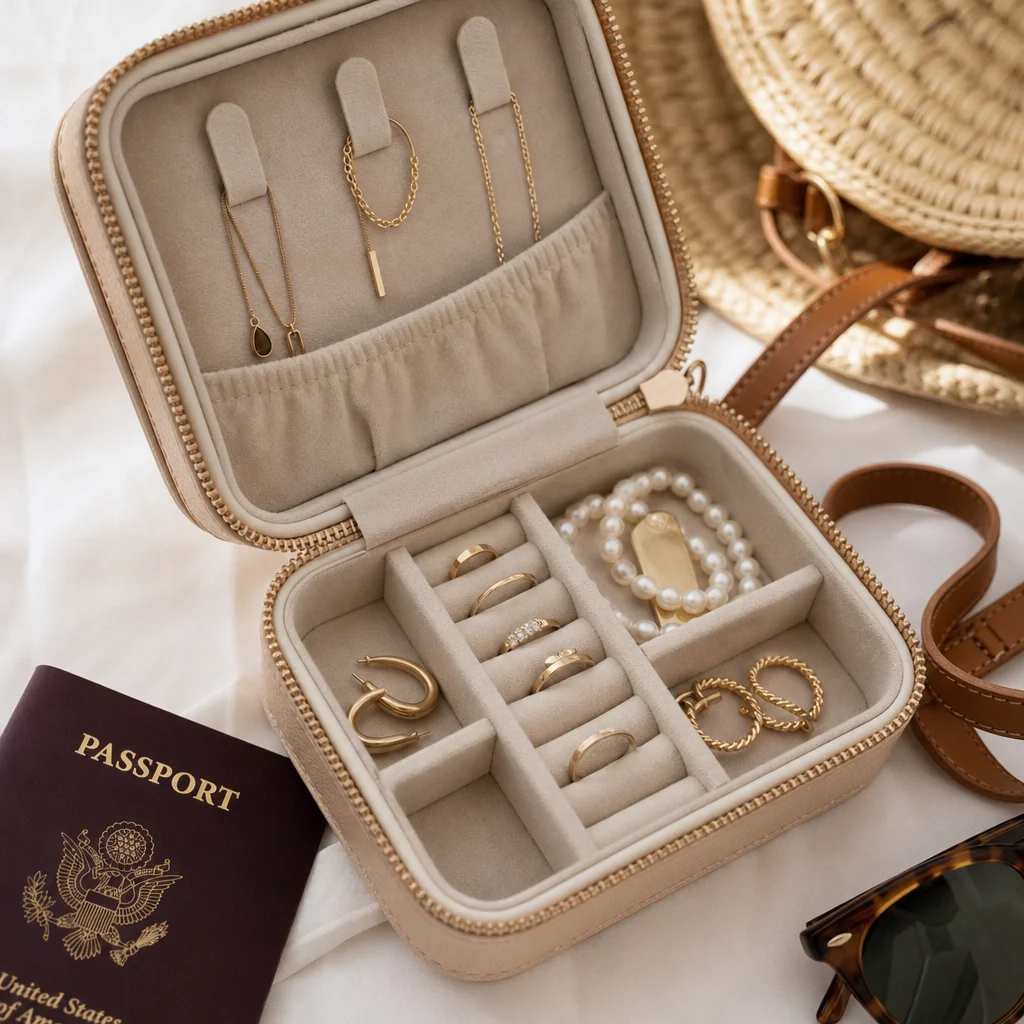
If you travel frequently, invest in a roll-up jewelry organizer with individual snap-closure compartments for necklaces. Look for ones with rigid interior panels, not just soft pouches — the rigidity is what prevents tangling. Brands like Travelon and Lewis N. Clark make affordable options in the $10–$20 range.
Earrings: Keeping Pairs Together and Posts Safe
The Button Trick
Thread earring posts through the holes of spare buttons and secure with the backs. Each button holds one pair. Drop the buttons into a small pill box or tin. This keeps pairs matched and prevents posts from poking through bags or scratching other items. For hook-style earrings, loop the hooks through a button hole and close with a small rubber stopper.
The Pill Organizer
A weekly pill box with individual compartments is perfect for earrings. Each compartment holds one pair, and the snap-shut lids keep everything contained. Clear lids let you see what's inside without opening. This also works for small rings and body jewelry.
Stud Earring Cards
Cut a piece of stiff cardboard into small rectangles. Pierce pairs of holes and push earring posts through, securing with backs on the other side. Label each card if you're bringing multiple pairs. Slide the cards into a zip bag. This is essentially how jewelry stores display studs — and they do it that way because it works.
Rings: Scratch Prevention and Safe Storage
Individual Soft Pouches or Cloth Wraps
Each ring goes in its own soft pouch or gets wrapped in a microfiber cloth. Never pile rings on top of each other in a single container, especially if they have different hardness levels. A diamond (Mohs 10) will scratch an emerald (Mohs 7.5–8) in minutes if they're pressed together during a bumpy car ride.
The Felt-Lined Pillbox
Line the compartments of a pill organizer with small felt circles (cut from a craft store sheet for pennies). Each ring gets its own padded slot. The felt prevents metal-on-metal contact and the hard shell of the pillbox protects against crushing.
When to Just Wear It
If you're traveling with one valuable ring — a wedding band, an heirloom, or a statement piece — just wear it. The risk of loss or damage from wearing a ring you already wear daily is far lower than the risk of packing it. Save the packing strategies for the pieces you're bringing as extras.
Bracelets: Preventing Snags and Deformation
Bangle Storage
Stack bangles on a cardboard tube (like a paper towel roll cut down). Slide the tube into a sock or soft sleeve. This prevents bangles from scratching each other and keeps them circular — bent bangles are nearly impossible to fix without professional tools.
Chain Bracelets
Treat chain bracelets like necklaces: thread through a straw or lay flat between plastic wrap sheets. If the bracelet has a charm, lay the charm flat and anchor it with a small piece of tape on the plastic wrap (tape the wrap, not the charm).
Cuff Bracelets
Cuffs are the most vulnerable to deformation. Pack them inside a rigid container — a sunglasses case works well. Pad the inside with a sock or scarf so the cuff doesn't rattle around. Never pack a cuff in a soft bag where it can be sat on or crushed under heavier luggage.
What to Leave at Home
Not all jewelry belongs on a trip. Be selective:
- Sentimental or irreplaceable pieces unless absolutely necessary. Lost luggage happens. Hotel safes get broken into. If losing it would devastate you, leave it home.
- Extremely delicate items like ultra-fine chains (under 0.5mm), filigree work, or pieces with lots of protruding elements. Travel is rough on fragile things.
- Valuable pieces for beach or adventure trips. Saltwater, chlorine, sand, and sunscreen are rough on metals and gemstones. A $5 silicone ring is a smarter choice for snorkeling than your platinum wedding band.
- Anything that requires special cleaning or maintenance you can't do on the road. Opals that need humidity, pearls that react to perfume, or silver pieces that tarnish at the first hint of humidity.
Destination-Specific Considerations
Beach and Tropical Trips
Salt air accelerates silver tarnish. Humidity can loosen glue in costume jewelry. Sunscreen and insect repellent contain chemicals that degrade metal plating and can discolor some gemstones. Bring pieces you won't mind replacing, and store everything in sealed zip bags with the air pressed out.
Cold Weather Trips
Rapid temperature changes cause some stones to crack — especially opals and amber. Gloves make rings awkward to wear and easier to lose. Stick to earrings and necklaces that sit under your layers.
Business Trips
You need fewer pieces but they need to look polished. Pack one pair of versatile earrings, one necklace, and one bracelet or ring. Choose solid metals (gold, platinum, sterling silver) over plated pieces — hotel lighting is unforgiving, and a flaking necklace clasp doesn't project competence.
The Quick-Reference Packing Checklist
- Straws for threading necklaces and chain bracelets
- Plastic wrap for layer-isolating flat pieces
- Buttons for pairing earrings
- Pill organizer for earrings, small rings, and body jewelry
- Microfiber cloths or small soft pouches for individual ring protection
- A rigid container (sunglasses case or small tin) for cuffs and structured pieces
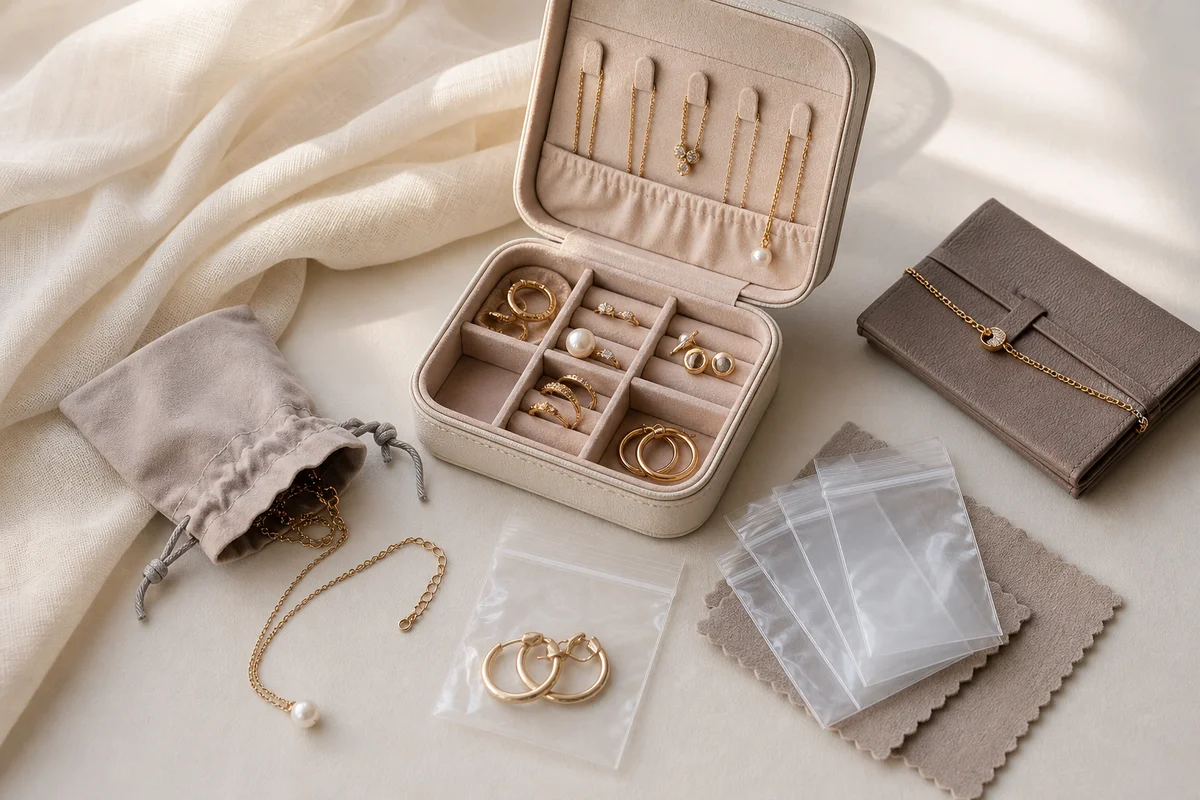
- Zip-top bags in various sizes for everything else
- A small cleaning cloth for on-the-go polishing
Packing jewelry well takes about ten extra minutes before a trip. Unknotting a destroyed chain takes longer — if it's even possible. Spend the ten minutes. Your future self, standing in a hotel room getting ready for dinner with intact, tangle-free jewelry, will thank you.
Rebuilding Your Routine After the Trip
Post-travel jewelry care is the step most people skip, and it shortens the life of your pieces. When you get home:
- Unpack jewelry first, before anything else. The longer pieces sit crammed in travel containers, the more likely they are to develop permanent creases, kinks in chains, or tarnish from trapped moisture.
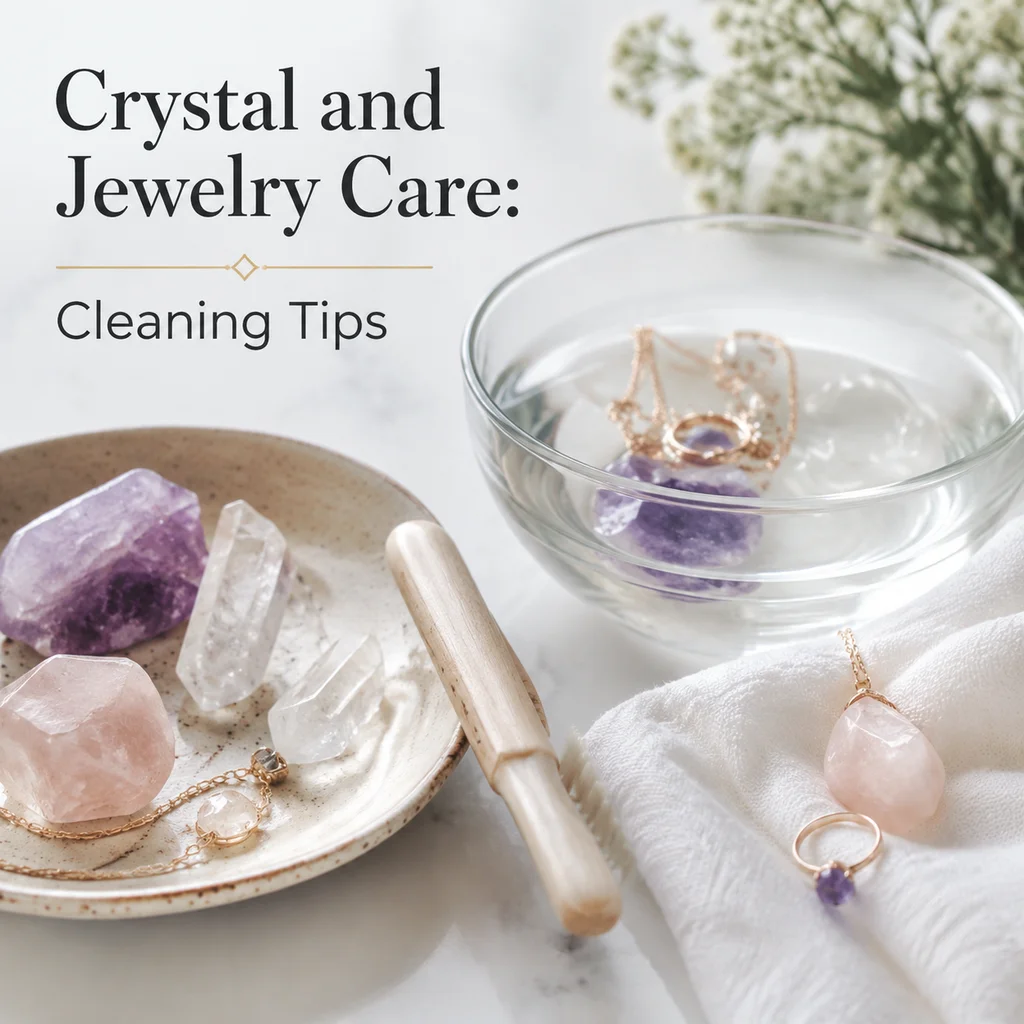
- Wipe everything down with a soft cloth to remove sunscreen residue, sweat, and body oils that accumulated during the trip. These substances are acidic and slowly degrade both metal surfaces and some gemstone finishes.
- Check for damage. Look for bent prongs, loose stones, stretched chain links, or clasps that don't click shut firmly. Catches problems early, before a stone falls out or a bracelet falls off somewhere public.
- Air out silver pieces. If you've been in a humid environment, let silver jewelry sit uncovered in a dry room for a few hours before storing it. This gives surface moisture time to evaporate and slows tarnish formation.
- Re-seal storage bags with anti-tarnish strips for silver pieces you won't wear again immediately. The strips absorb sulfur compounds in the air that cause tarnish — they're cheap and they work.
Think of it this way: you wash your clothes after a trip. Your jewelry went through the same environments. It deserves the same attention. A five-minute post-trip care routine adds years to the life of pieces you care about, and it means the next time you pack for a trip, everything is already clean, intact, and ready to go.
Related Guides
- Crystal Pricing: 7 Tricks Shops Use to Make You Overpay
- 7 Crystal Cleaning Mistakes That Cost Me Hundreds of Dollars
- How to Clean Crystal Jewelry: A Complete Care Guide
- Colored Gemstones Buying Guide for Beginners
- The Complete Guide to Crystal and Jewelry Care
- Essential Jewelry Storage Tips
- 15 Creative Ways to Display and Store Your Crystal Collection
Frequently Asked Questions
Can I wear crystal jewelry through airport security?
Yes, you can wear crystal jewelry through airport security checkpoints. However, large or dense natural stones might trigger an alarm in the body scanner. To avoid a secondary screening, place heavy crystal pendants or stacked rings in your carry-on bag while passing through security, then put them back on once you are cleared.
How do you keep sterling silver jewelry from tarnishing while traveling?
To prevent tarnishing on the go, store your sterling silver pieces in airtight ziplock bags. Squeeze out as much air as possible before sealing them. You can also toss a small silica gel packet or anti-tarnish strip into the bag to absorb moisture. Keep your handcrafted silver jewelry away from direct sunlight and extreme humidity.
Is it safe to pack valuable jewelry in checked luggage?
Never pack valuable or sentimental jewelry in your checked luggage. Always keep your finest handcrafted pieces in your personal item or carry-on bag. This ensures your natural crystal jewelry stays with you at all times, protecting it from getting crushed under heavy suitcases or getting lost in transit.
Can I use a daily pill organizer to pack earrings and rings?
Yes, a daily pill organizer is a brilliant, budget-friendly hack for packing earrings and small rings! Each compartment keeps pairs separated and prevents chains from crossing over. Just ensure the organizer has a secure latch. Wrap delicate crystal rings in a small bit of tissue paper before placing them inside to prevent scratches.
How do you clean sand and sunscreen off jewelry after a beach trip?
After a beach vacation, gently rinse your crystal jewelry in warm, soapy water to remove sunscreen oils and saltwater. Use a soft-bristled toothbrush to carefully dislodge any trapped sand near the settings. Pat the pieces completely dry with a microfiber cloth before storing them, as lingering moisture can damage delicate stones.


Comments