How to Choose Your First Crystal Bracelet (Beginner Guide)
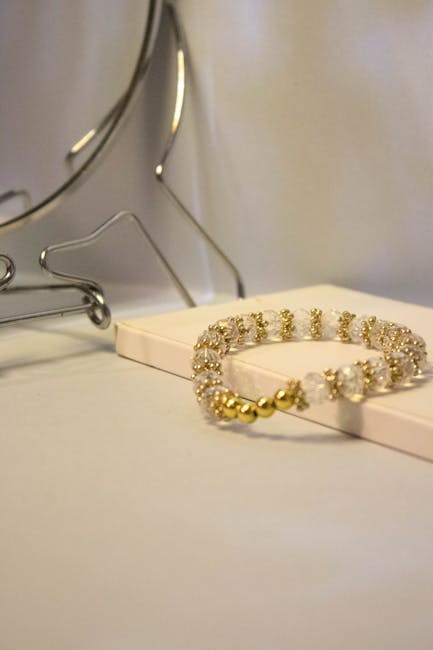
My First Crystal Bracelet: What Nobody Told Me Before I Bought One
I still remember standing in a small shop in downtown Asheville, staring at a wall of crystal bracelets and feeling completely overwhelmed. Amethyst, rose quartz, citrine, tiger's eye — each one looked beautiful, but I had zero idea which one to pick or whether any of it actually mattered. The woman behind the counter told me to "just choose the one that calls to me," which sounded lovely but wasn't particularly helpful for someone who wanted to understand what they were actually buying.
That experience sent me down a rabbit hole of research, conversations with jewelry makers, and more than a few purchases I later regretted. If you're in the same position I was — curious but clueless — this guide is the one I wish someone had handed me that day.
Why Crystal Bracelets Are Worth Understanding Before You Buy
The crystal jewelry market has exploded in recent years. According to industry reports, the global gemstone jewelry market surpassed $22 billion in 2024, and crystal bracelets make up a significant portion of that growth. Walk into any craft market, browse Etsy, or scroll through Instagram, and you'll find hundreds of sellers offering every color and cut imaginable.
The problem isn't finding a bracelet — it's finding one that's actually worth your money. Price ranges are all over the place. You can find "amethyst" bracelets for $5 and others for $200. Both might look similar to an untrained eye. Understanding the basics of quality, material, and construction before you buy saves you from disappointment and helps you build a collection you actually enjoy wearing.
The Real Cost Breakdown
Here's something most beginners don't realize: the crystal itself is often the cheapest part of the bracelet. Beads that wholesale for pennies each can end up in a $40 finished piece once you factor in stringing materials, clasps, labor, packaging, and retail markup. That doesn't mean the finished price is unfair — quality craftsmanship has value — but it does mean you should evaluate the whole piece, not just the stone type.
Step 1: Decide What You Want the Bracelet For
Before looking at specific crystals, get clear on your purpose. Crystal bracelets generally fall into a few categories:
Aesthetic appeal. You like how it looks with your outfits. This is perfectly valid and probably the most common reason people buy crystal jewelry. If this is your priority, focus on colors and patterns that complement your wardrobe.
Personal significance. Many people choose crystals based on traditional or cultural associations. For example, rose quartz has been connected with love and compassion in various cultures for centuries. Amethyst has a long history in European royalty and religious contexts. These connections matter to people regardless of whether you view them through a spiritual, cultural, or purely historical lens.
Gift-giving. Crystal bracelets make popular gifts because they feel personal and thoughtful. If you're buying for someone else, consider their personal style and any cultural traditions they might appreciate.
Collecting. Some people get genuinely interested in mineralogy and start building collections based on rarity, geographic origin, or crystal structure. This is a different approach from fashion jewelry and tends to involve higher-quality specimens.
Step 2: Learn the Most Popular Crystal Types
You don't need to memorize every mineral on Earth, but knowing the most common bracelet crystals helps you navigate the market. Here's a practical overview of what you'll encounter most frequently:
Clear Quartz
The most abundant and widely used crystal in jewelry. It's colorless, relatively hard (7 on the Mohs scale), and inexpensive. Clear quartz beads are often used as "filler" in multi-stone bracelets. On its own, it has a clean, versatile look that works with almost any style. It's also one of the easiest stones to identify because genuine clear quartz has natural inclusions and slight imperfections, while glass imitations tend to look too perfect.
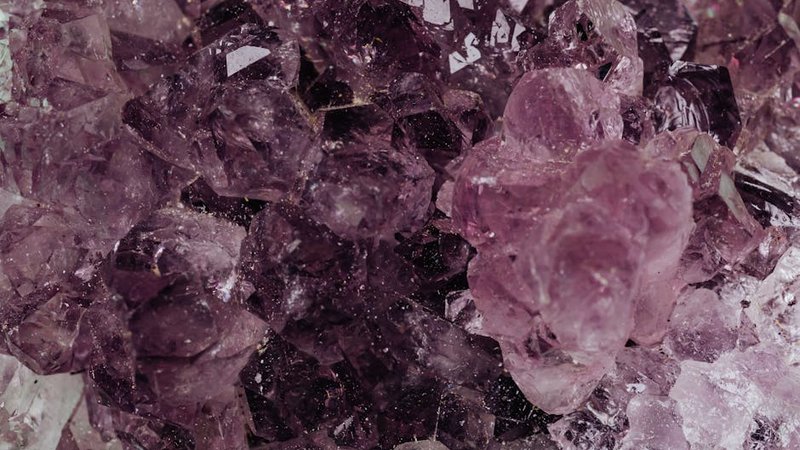
Amethyst
A purple variety of quartz that ranges from pale lavender to deep violet. The most valuable amethyst comes from specific locations like Uruguay and Zambia, where the color tends to be deeper and more saturated. Most commercial amethyst bracelets use material from Brazil, which is more affordable and available in lighter shades. Amethyst is relatively durable at a 7 on the Mohs scale, making it suitable for daily wear.
Rose Quartz
A pink variety of quartz with a soft, translucent quality. The color comes from trace amounts of titanium, manganese, or iron. Natural rose quartz tends to be pale pink with occasional cloudy inclusions. Very bright, vivid pink specimens are sometimes dyed — this isn't necessarily bad, but it's something to be aware of if you prefer natural stones. Rose quartz is slightly softer than other quartz varieties and can develop surface scratches over time with rough wear.
Citrine
Yellow to amber-colored quartz. Here's where beginners often get confused: much of what's sold as "citrine" in the commercial market is actually heat-treated amethyst. Natural citrine is relatively rare and tends to have a more muted, honey-like color. Heat-treated citrine (made by heating amethyst to high temperatures) is perfectly legitimate for jewelry — the treatment is permanent and doesn't affect durability — but it's worth knowing the distinction if natural origin matters to you.
Black Tourmaline
A dark, opaque stone that's become extremely popular in men's jewelry and unisex designs. Black tourmaline is quite durable (7-7.5 on the Mohs scale) and has a sleek, modern aesthetic. It's also one of the harder stones to convincingly fake because of its specific gravity and internal structure. If a black tourmaline bead feels unusually light, that's a potential red flag.
Tiger's Eye
A chatoyant gemstone (meaning it displays a silky, shifting luster when moved) in golden-brown tones. Tiger's eye is actually a pseudomorph — it started as crocidolite (blue asbestos) and was gradually replaced by quartz while maintaining the fibrous structure. This geological process is what creates its distinctive banding. It's relatively affordable and makes striking bracelet beads, especially in larger sizes.
Step 3: Understand Bead Quality and Sizing
The quality of the beads in a bracelet dramatically affects both appearance and longevity. Here are the specific things to examine:
Uniformity
In a well-made bracelet, beads should be consistent in size and shape. Minor variation is normal for natural stones — that's actually part of their appeal — but if one bead is visibly larger or smaller than the others, it suggests poor quality control during manufacturing. Hold the bracelet up to the light and look for extreme size discrepancies.
Drill Holes
Turn the bracelet over and examine the holes where the stringing wire passes through each bead. Clean, centered drill holes indicate better manufacturing. Ragged, off-center, or excessively large holes can weaken the bead and cause it to crack over time. This is especially important for softer stones like rose quartz and fluorite.
Surface Finish
Crystal beads come in several finishes: polished (smooth and shiny), matte (smooth but not shiny), faceted (cut with flat faces that catch light), and rough (natural, unshaped pieces). Polished beads are the most common for bracelets because they're comfortable against the skin and show the stone's color clearly. Faceted beads add sparkle but can snag on clothing or hair. Choose based on your comfort and style preference.
Bead Size
The most common bracelet bead sizes are 6mm, 8mm, and 10mm. Here's what that translates to practically: 6mm beads create a delicate, understated look suitable for stacking. 8mm is the standard "medium" size that works well for most wrists. 10mm beads make a bold statement but can feel heavy. For your first bracelet, 8mm is usually the safest bet — it's versatile and widely available.
Step 4: Check the Construction Quality
A beautiful crystal is worthless in a bracelet if it falls apart the first week. Pay attention to these construction details:
Stringing Material
Most stretch bracelets use elastic cord, and the quality of that cord matters enormously. The best bracelets use a durable, latex-free elastic cord that maintains its stretch over time. Cheaper elastic loses elasticity quickly, leading to stretched-out bracelets that slide off your wrist. While you can't always see the cord, you can test it: a well-made stretch bracelet should require some effort to roll over your hand. If it slips on effortlessly, the cord may be too loose or already stretched.
Non-stretch bracelets use beading wire (a flexible steel cable coated in nylon) with a clasp. These tend to be more durable than stretch bracelets but require a clasp mechanism, which is another potential failure point. Woven or knotted silk cord is the traditional choice for higher-end pearl and gemstone jewelry — each bead gets its own knot, so if the cord breaks, you only lose one bead.
Clasp Quality
If the bracelet has a clasp, test it several times before buying. It should open and close smoothly without catching or sticking. Lobster clasps are the most common and generally reliable. Toggle clasps (a bar that fits through a ring) are easier to put on by yourself but can be less secure. Magnetic clasps are convenient but can fail if the magnets weaken or if the bracelet catches on something. For a first bracelet, a lobster clasp offers the best balance of security and ease of use.
Step 5: Match It to Your Lifestyle and Wrist Size
Crystal bracelets range from purely decorative pieces to sturdy everyday jewelry. Consider your daily activities when choosing:
Office or indoor work. Almost any crystal bracelet works here. You can wear more delicate pieces, lighter stones, and polished finishes without worrying about damage.
Active or outdoor lifestyle. Stick to harder stones (quartz varieties, tourmaline) in durable settings. Avoid soft stones like fluorite (4 on Mohs) or calcite (3) that can scratch or chip easily. Stretch bracelets are convenient but can snap under sudden force — consider a clasp-style bracelet instead.
Wrist size matters. A bracelet that's too big slides around and the beads get scratched against each other. One that's too tight is uncomfortable and puts stress on the cord. To find your size, wrap a flexible measuring tape snugly around your wrist where you want the bracelet to sit, then add about 0.5 to 1 inch for comfort. Most standard stretch bracelets are made for wrists between 6 and 7.5 inches, which covers the majority of people.
Step 6: Set a Realistic Budget
Crystal bracelets can cost anywhere from $5 to $500+, and understanding what drives the price helps you spend wisely:
Under $15. Expect machine-polished beads on basic elastic cord. The stones are genuine but may be lower grade with more inclusions or less saturated color. This price range is fine for experimenting with different crystal types.
$15 to $40. This is the sweet spot for good-quality everyday bracelets. You'll find better bead selection, more consistent sizing, and more durable construction. Many independent jewelry makers operate in this range.
$40 to $100. At this level, you're paying for premium materials, skilled craftsmanship, and often unique designs. Beads may be hand-selected for color consistency, and construction details like knotting between beads or custom clasps become common.
$100+. High-end crystal jewelry involves rare specimens, designer craftsmanship, or precious metal accents. Unless you're a serious collector, you don't need to spend this much for a good first bracelet.
A Few Things I Learned the Hard Way
After years of buying, wearing, and eventually making crystal bracelets, here are the practical tips that would have saved me money and frustration early on:
Don't buy based on dramatic claims. Some sellers attach elaborate metaphysical properties to every crystal type. While the cultural traditions around crystals are genuinely interesting and meaningful to many people, no bracelet is going to solve your problems. Buy what you find beautiful and meaningful, not what a marketing description promises.
Store them properly. Tossing all your bracelets into a drawer is a recipe for tangled cords and scratched beads. Use a jewelry box with compartments, a soft pouch, or even just lay them flat in a lined tray. Keep harder stones away from softer ones — quartz will scratch turquoise, opal, and pearls if they rub together.
Clean them with care. Mild soap and warm water work for most quartz-based crystals. Avoid harsh chemicals, ultrasonic cleaners (unless you're certain the stone can handle it), and steam cleaning. Some stones, like turquoise and opal, are porous and can be damaged by water and cleaning products.
Buy from people who know their stuff. The best crystal bracelet sellers can tell you where their stones come from, whether they're natural or treated, and what the Mohs hardness is. They don't need to be geologists, but basic knowledge about their materials is a good sign of quality.
Start small. You don't need a full wrist of bracelets on day one. Pick one or two that genuinely appeal to you, wear them, and see how they hold up. Your preferences will evolve as you learn more, and that's part of the fun.
Comments