How to Charge Crystals in Moonlight
June 3, 2026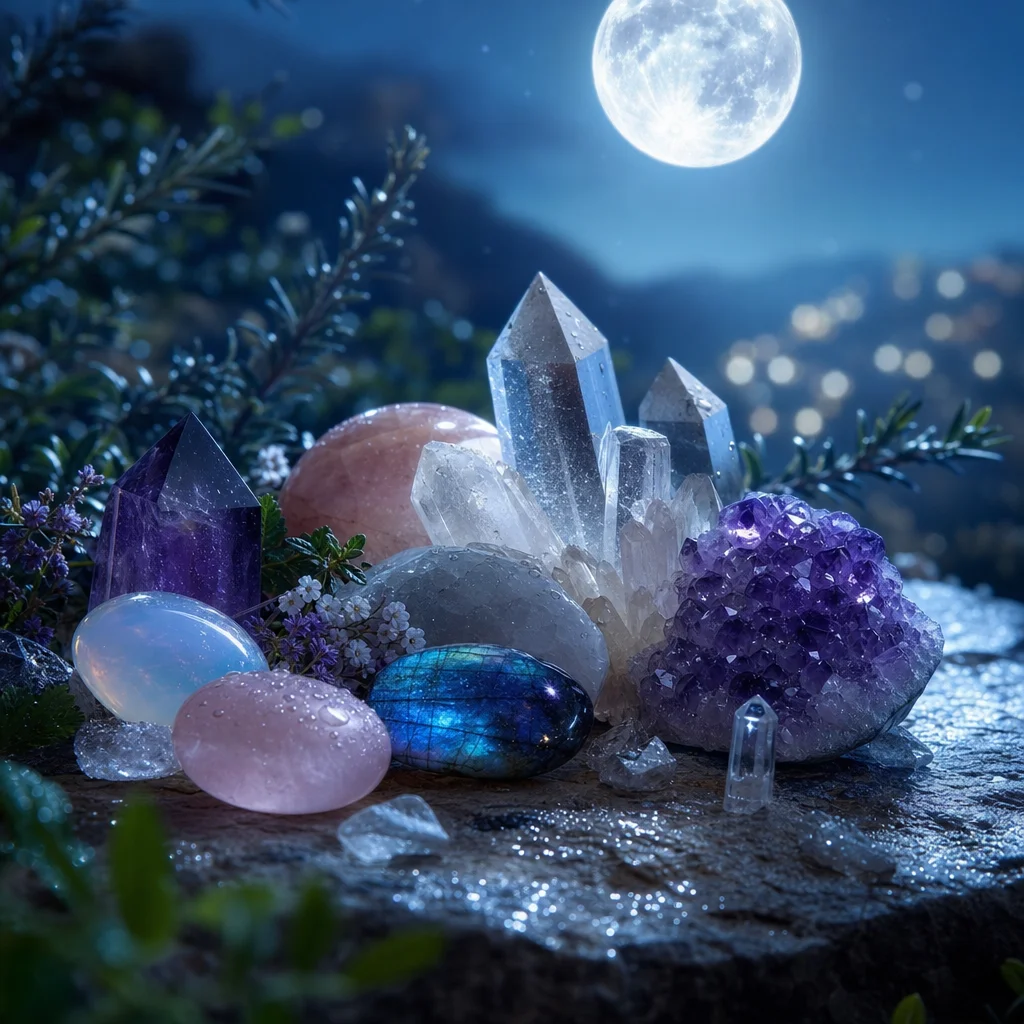
Why Moonlight Charging Matters to Crystal Collectors
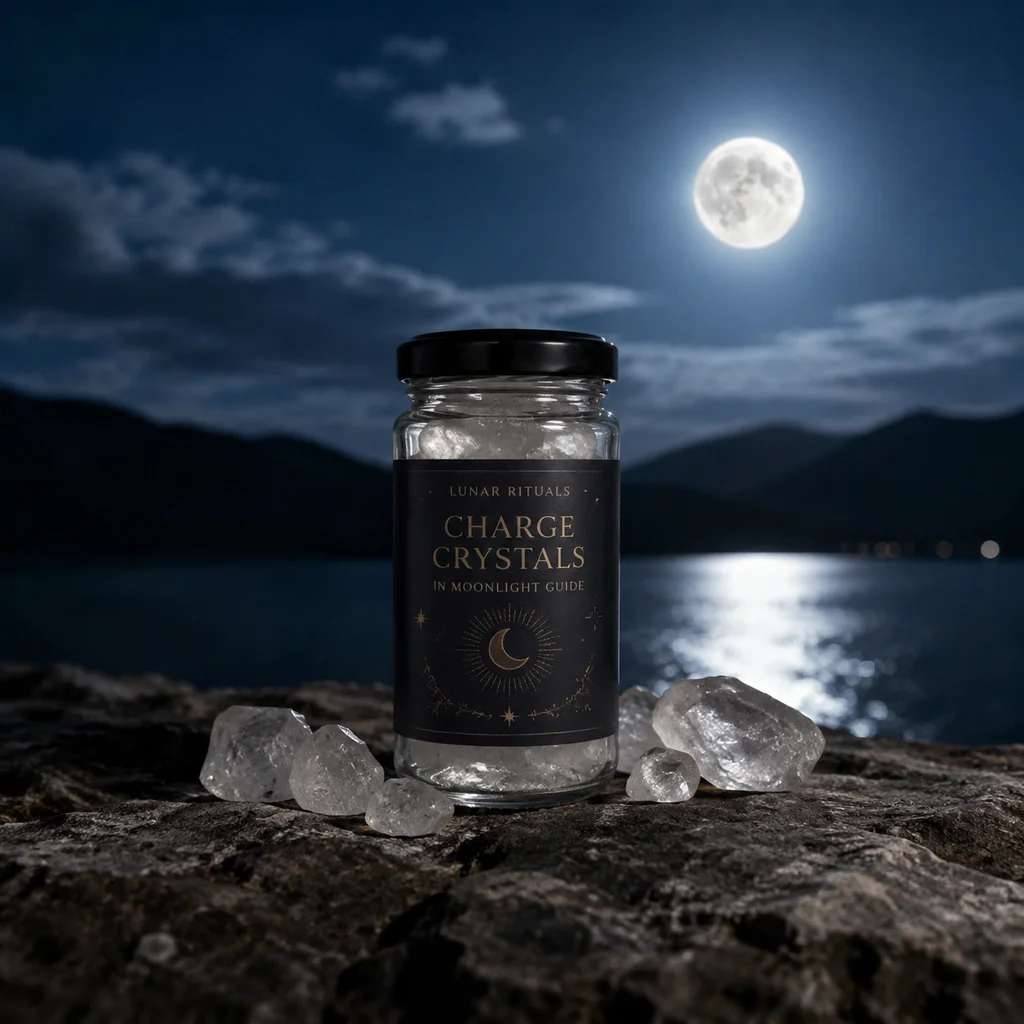
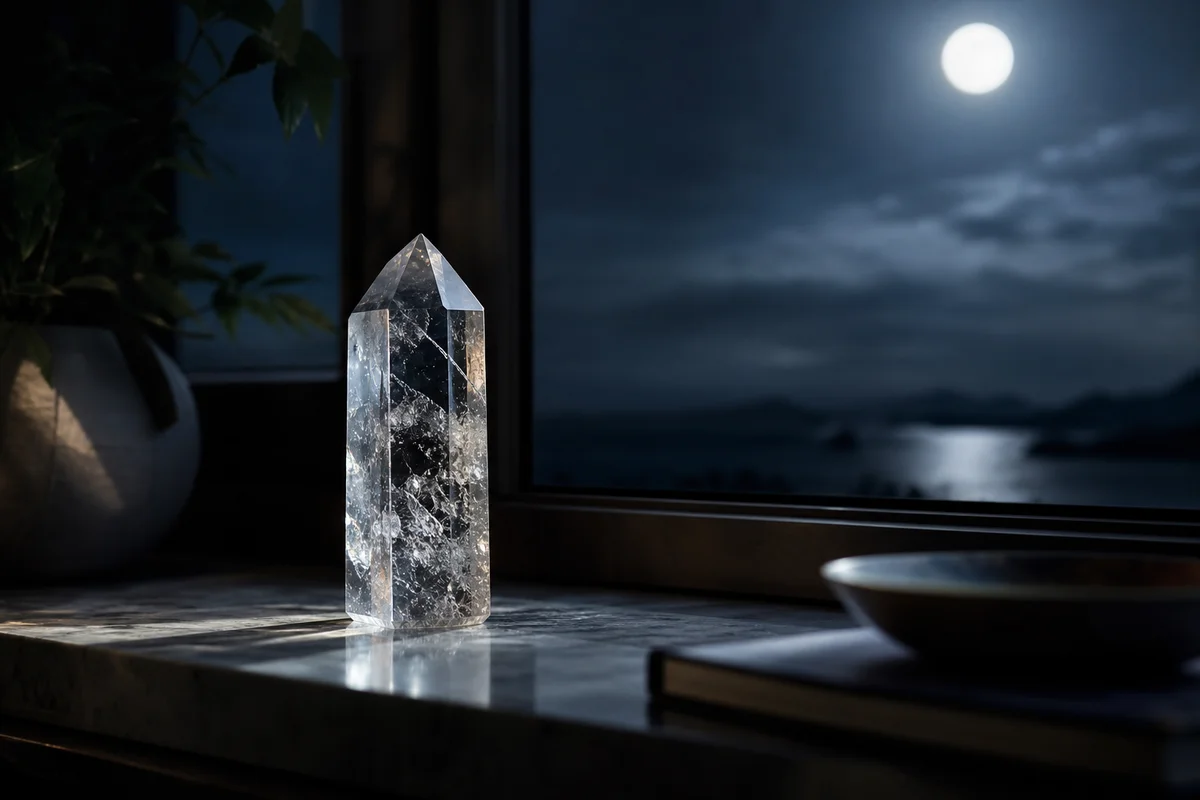
Placing crystals outside or on a windowsill during a full moon has become one of the most widely practiced rituals in crystal collecting. The practice draws from multiple traditions—some trace it to ancient cultures that associated the moon with purification and renewal, while others frame it simply as a periodic maintenance routine for stones that accumulate dust and environmental residue over time. Regardless of the framework you prefer, the core idea is straightforward: moonlight provides a gentle, natural moment to pause, check on your collection, and reset your intentions for the stones you use daily.
Full Moon vs. New Moon: What Actually Differs
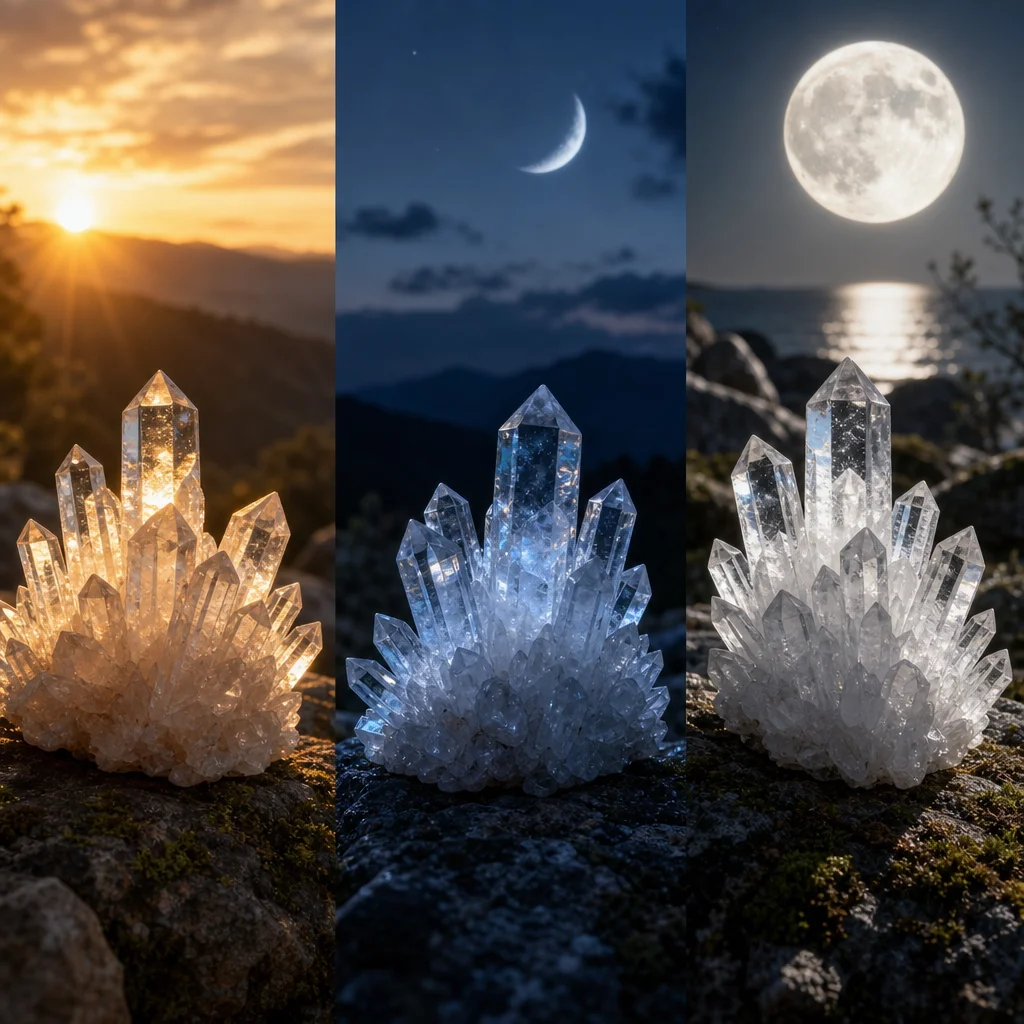
The full moon phase is when the moon appears fully illuminated from Earth—this happens roughly every 29.5 days (the lunar cycle). Full moons are by far the most popular time for moonlight charging, largely because they are the most visible and dramatic phase. Practically speaking, a full moon provides the most ambient light for an outdoor or windowsill setup, and the full moon's cultural associations with completion and release make it a natural checkpoint for resetting intentions.
The new moon, by contrast, is when the moon sits between Earth and the sun and is essentially invisible from our perspective. Some practitioners prefer new moon charging for setting fresh intentions—the metaphor being that you are starting a new cycle. The main practical difference is simply the amount of visible light available; your stones will not actually "absorb" more or less depending on the phase, since moonlight is simply reflected sunlight with the same spectral composition regardless of phase.
Lunar eclipses (blood moons) and supermoons (when the moon is at its closest orbital point to Earth) generate extra attention, but they do not change the fundamental character of the light your crystals receive. If these events motivate you to actually do a regular charging session, they are valuable—but the science is the same as any other full moon night.
Step-by-Step Moonlight Charging Method
Step 1: Choose Your Stones
Not every crystal needs to go outside every month. Focus on the stones you wear or use regularly—pendants, palm stones, meditation crystals, and any stones that feel "heavy" or less vibrant to you personally. This is a good opportunity to wipe them down with a soft cloth to remove accumulated oils from skin contact and dust from display shelves.
Step 2: Prepare the Charging Space
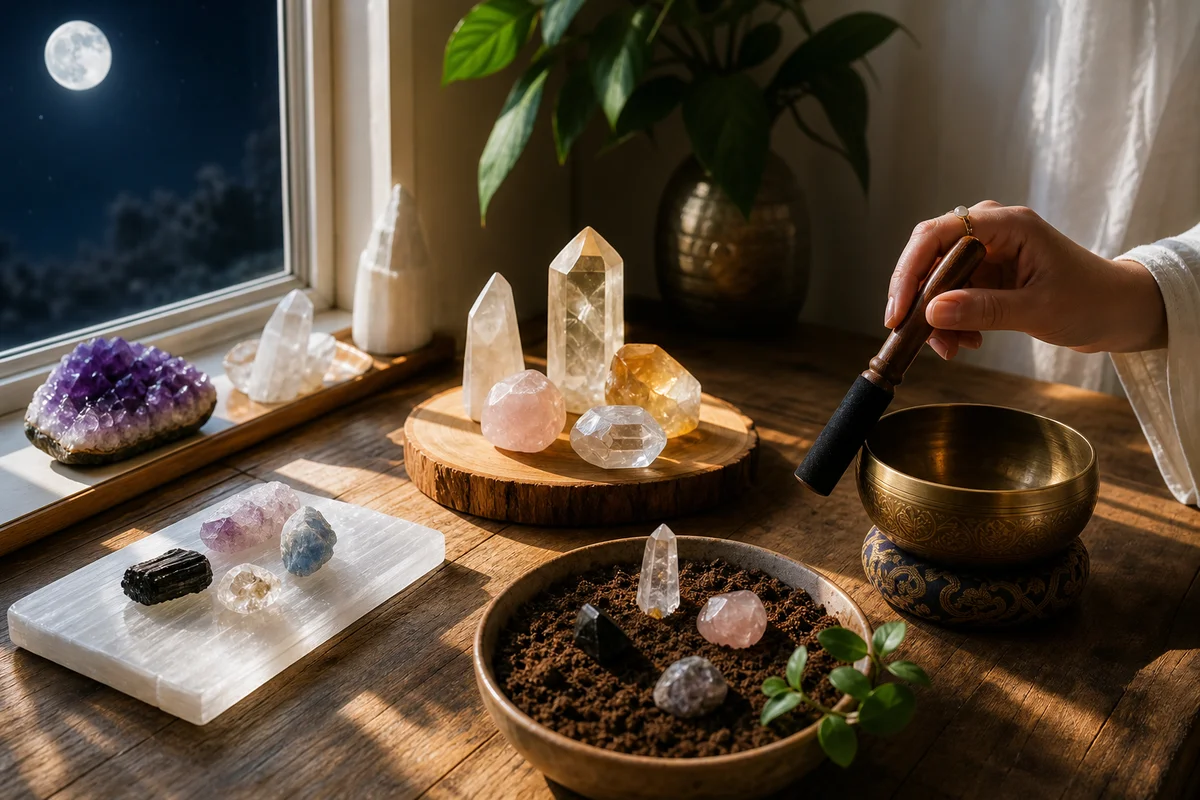
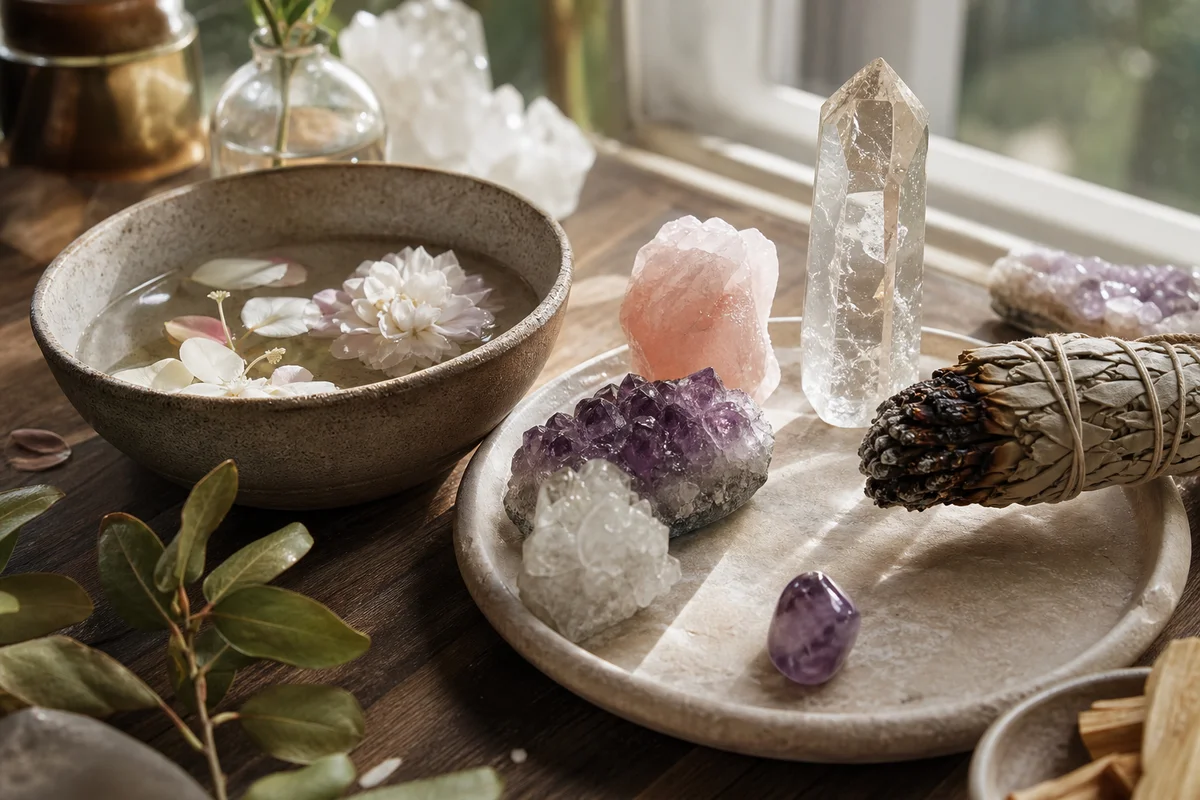
A windowsill that receives moonlight is the simplest option and works perfectly fine. If you have a safe outdoor space (a balcony, patio, or garden table), that works too. Place the stones on a natural surface if possible—a cloth, a wooden tray, or a selenite charging plate (more on selenite below). Avoid placing them directly on concrete or metal surfaces in areas where they might be disturbed by animals or weather.
Step 3: Set Your Intention
If intention-setting is part of your practice, this is when you do it. Hold each stone individually and think about what you want from it in the coming month. Some people write this down on a small piece of paper and place it under the stone. There is no right or wrong approach—the act of pausing and focusing is the meaningful part.
Step 4: Leave Them Overnight
Most practitioners leave their stones out from sunset to sunrise. If your schedule or weather does not allow an overnight session, even an hour or two of moonlight exposure is sufficient. The key is consistency—making this a monthly practice gives you a regular moment to reconnect with your collection.
Step 5: Retrieve and Store
Bring your stones back inside in the morning. Give them a quick visual check for any moisture damage (rain, dew) and dry them with a soft cloth if needed. Return them to their usual storage or wearing rotation.
Why Selenite Is the Charging Stone of Choice
Selenite (gypsum, CaSO₄·2H₂O) has become the go-to material for charging plates and bowls in the crystal community, and the reason is partly practical and partly cultural. Selenite is a soft mineral (Mohs 2 on the hardness scale—it can be scratched with a fingernail) that forms in translucent, fibrous crystals with a distinctive pearly-white luster. Its name comes from the Greek word for "moon" (selene), which is why it has such a strong association with lunar practices.
From a practical perspective, selenite plates and bowls are inexpensive, visually attractive, and provide a designated "home base" for your stones during charging. The translucent quality of good selenite catches and diffuses moonlight beautifully, which adds to the aesthetic experience. Selenite is also water-soluble—do not get it wet or leave it in rain, as it will literally dissolve over time. Keep it dry and handle it carefully to preserve its natural fiber structure.
Crystals That Should Not Go in Moonlight
Most stones handle moonlight exposure without any issues. However, there are a few exceptions worth knowing:
- Amethyst: Prolonged exposure to sunlight causes amethyst to fade, and while moonlight is much gentler, extremely sensitive specimens may gradually lose saturation over many sessions. Most practitioners still charge amethyst in moonlight without issues.
- Rose quartz: Can fade with prolonged sun exposure. Moonlight is safe, but avoid leaving it out in direct morning sunlight after your charging session.
- Fluorite: Heat and prolonged light can cause color changes in some fluorite specimens. Moonlight is generally safe, but avoid sunny windowsills for extended periods.
- Opal: Contains water (3-21% by weight) and can dehydrate or crack with sudden temperature changes. If you charge opal outside, bring it in before sunrise to avoid the temperature shift.
- Selenite: Water-soluble. Do not leave selenite charging plates outside if there is any chance of rain or heavy dew.
Moonlight Charging vs. Other Cleansing Methods
Moonlight charging is just one approach in a broader toolkit of crystal maintenance methods. Here is how it compares to alternatives:
Smudging (sage or palo santo): Passing a crystal through smoke is a dry method that works for all stones including water-sensitive ones. It has roots in Indigenous practices that should be respected—if you use white sage, purchase it from Native-owned sources when possible. Smoke cleansing is faster than moonlight (seconds vs. overnight) and can be done anytime.
Sound cleansing (singing bowls, bells): The vibration from a singing bowl or tuning fork is another dry, instant method. Place your stones near or on the bowl and play it for 30-60 seconds. This is particularly useful for large collections that would not all fit on a windowsill.
Brown rice burial: Burying stones in dry brown rice for 24 hours is a traditional Asian method that draws out moisture and is completely safe for all stone types. Dispose of the rice afterward—it absorbs whatever the stones release. This method is especially useful for delicate specimens that cannot handle water, sun, or sound vibration.
Running water: Holding a stone under cool running water for 30 seconds works well for hard stones (quartz, agate, jasper—all Mohs 6.5+). Avoid this method entirely for soft, porous, or water-soluble stones like selenite, halite, turquoise, and malachite.
Lunar Calendar Reference for 2026
Planning ahead makes it easier to build moonlight charging into your routine. Here are the key full moon dates for the second half of 2026:
- July 10: Buck Moon
- August 8: Sturgeon Moon
- September 7: Harvest Moon
- October 6: Hunter's Moon
- November 5: Beaver Moon
- December 4: Cold Moon
Set a recurring reminder for the day before each full moon so you have time to clean your stones and choose your charging setup in advance. Consistency matters more than perfection—a regular monthly practice builds a stronger connection to your collection than sporadic elaborate ceremonies.
Frequently Asked Questions
Does moonlight charging actually work?
"Work" depends on what you mean. Moonlight does not physically alter crystals—silicon dioxide (quartz) is not affected by visible light at moonlight intensity levels. What works is the ritual itself: the monthly pause, the intention-setting, and the tactile connection to your stones. If you find the practice calming and meaningful, it works for you.
Can I charge crystals on a cloudy night?
Yes. The moon is still there even when clouds obscure it. The visible moonlight is reflected sunlight—clouds reduce intensity but do not change the quality of the light. Think of it like a cloudy solar eclipse: the astronomical event still happens even if you cannot see it.
How long should I leave my crystals out?
Most practitioners leave stones out overnight (roughly 8-12 hours). If you only have time for an hour or two, that is perfectly adequate. The minimum effective time depends more on your personal ritual needs than on any physical requirement of the stones.
Do I need to charge crystals I just bought?
New crystals benefit from a simple wipe-down with a soft cloth to remove any manufacturing residue or dust from the shop. Whether you also "charge" them is a personal choice. Some people like the ceremonial aspect of initiating a new stone into their collection; others simply start using them right away.
Frequently Asked Questions
Can I charge my crystal jewelry through a window?
Yes, you can charge your SagStone jewelry through a closed window. While placing stones outside is traditional, glass still allows lunar energy to pass through. Simply place your handcrafted crystal pieces on a windowsill that receives direct moonlight overnight. This method is highly effective and perfect for protecting delicate pendants and rings from harsh outdoor weather conditions.

Comments