Herkimer Diamond: Meaning, Properties & Why It..
June 2, 2026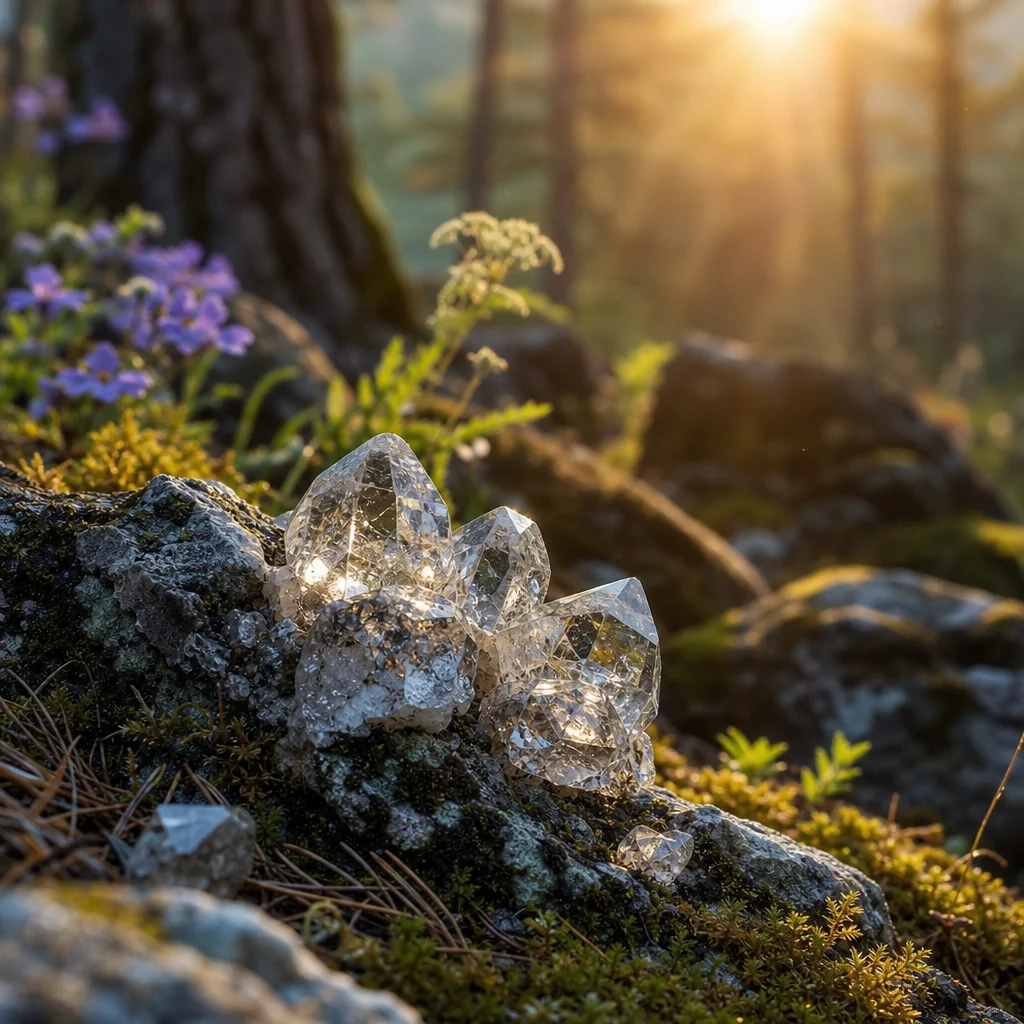
What Is a Herkimer Diamond?
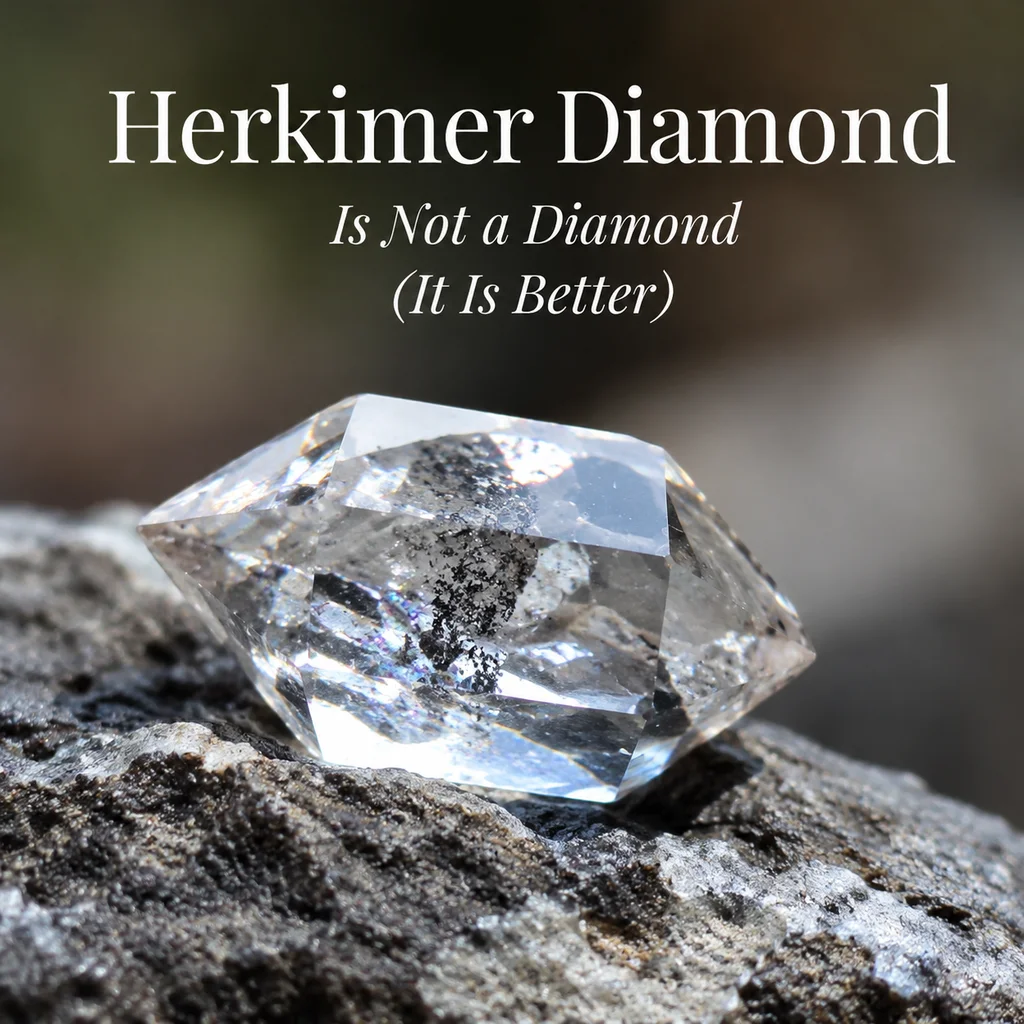
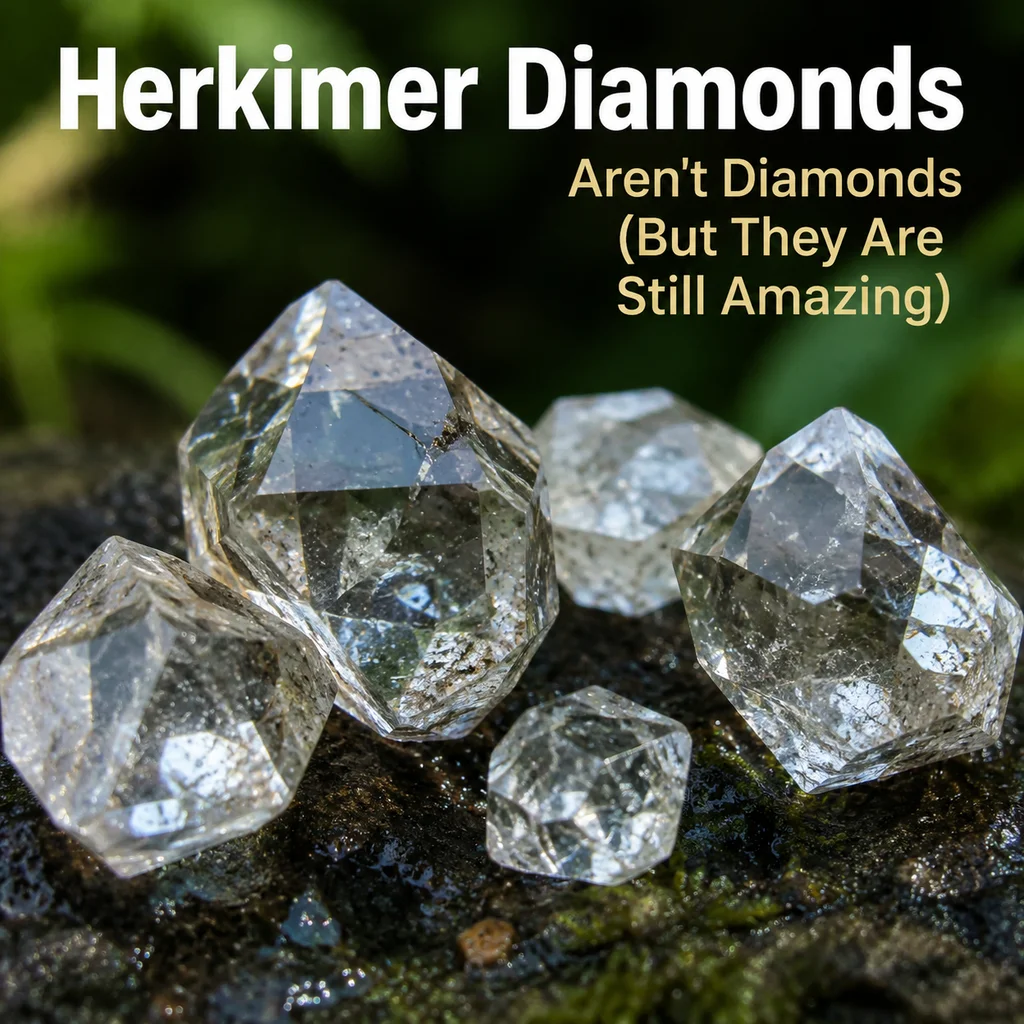
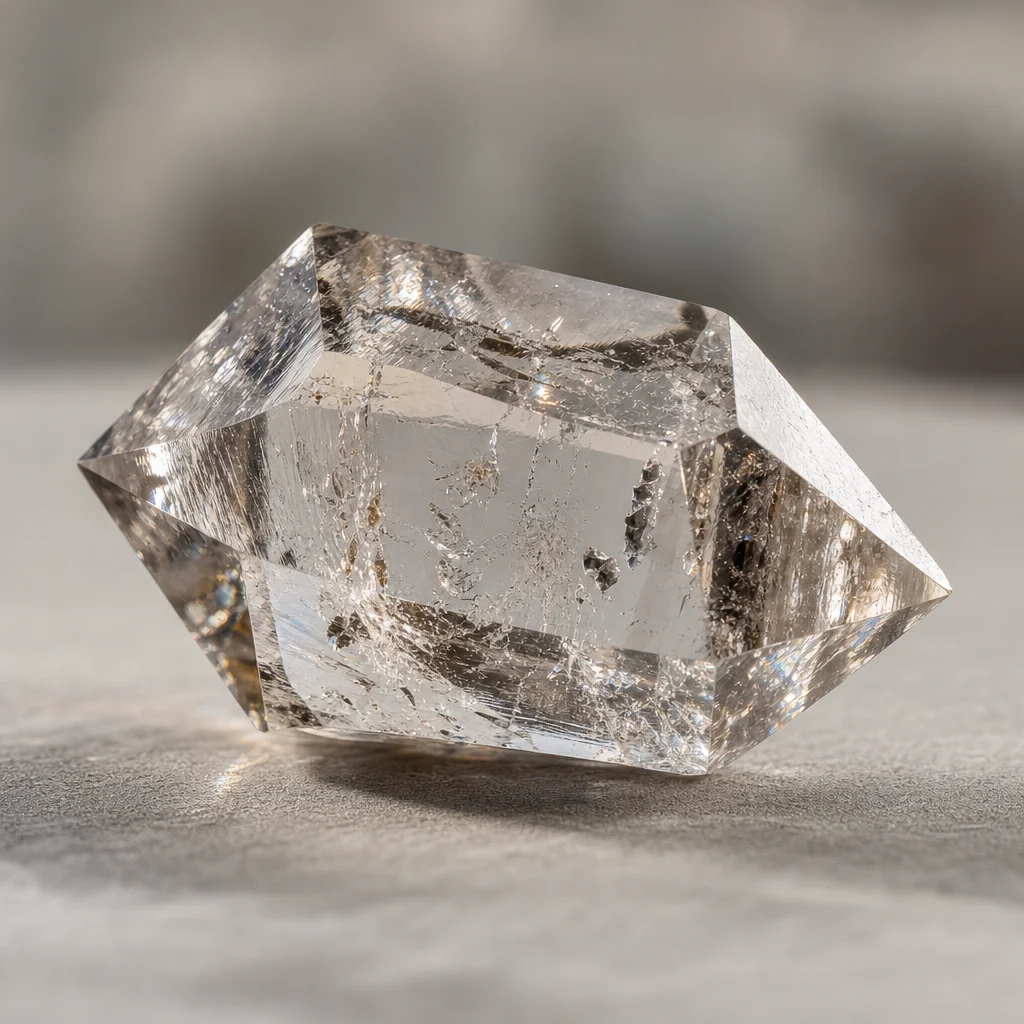
If you've ever seen a crystal with diamond-like brilliance and two naturally pointed ends, chances are you were looking at a Herkimer diamond. Despite the name, these aren't actually diamonds at all — they're a remarkable variety of double-terminated quartz that forms under incredibly rare geological conditions.
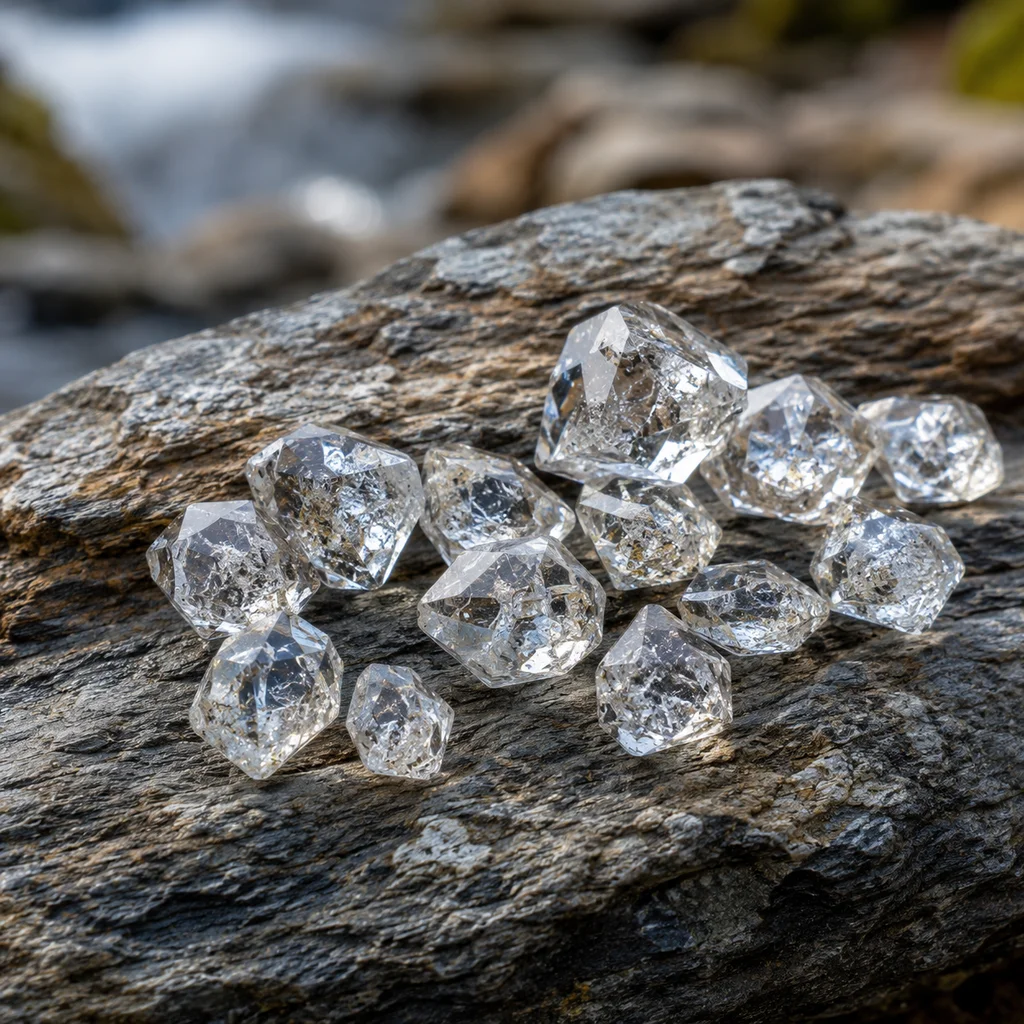
Herkimer diamonds are found exclusively in Herkimer County, New York, nestled in the Mohawk Valley region. What sets them apart from virtually every other quartz crystal on Earth is their natural double termination — meaning they come to a point on both ends without any human cutting or polishing. Most quartz crystals grow attached to a host rock at their base, developing only one termination point. Herkimer diamonds, by contrast, grow freely inside dolostone cavities called vugs, allowing both ends to develop their characteristic hexagonal points.
The clarity is what really earns them the "diamond" comparison. While most quartz contains visible inclusions, fractures, or cloudiness, genuine Herkimer diamonds can achieve water-clear transparency with a brilliance that rivals many gemstones. Some specimens contain fascinating inclusions — tiny anthraxolite (ancient plant material that has turned to carbon), fluid pockets called enhydro crystals, or phantom growth patterns that record the crystal's formation history.
How Herkimer Diamonds Form
The story of how these crystals form stretches back about 500 million years to the Cambrian period. At that time, the region that would become upstate New York sat beneath a shallow tropical sea. Layers of calcium carbonate sediment accumulated on the seafloor, eventually forming dolostone — the host rock that makes Herkimer diamond mining possible.
Here's where it gets interesting. As the dolostone formed, cavities and pockets were created within the rock. Millions of years later, during periods of tectonic activity, silica-rich hydrothermal fluids moved through fractures in the dolostone. When these fluids entered the cavities, conditions were perfect for quartz crystallization: slow cooling, stable temperatures, and enough space for crystals to grow freely in all directions.
The result is a crystal that developed without attachment to any surface — hence the double termination. The exceptional clarity comes from the purity of the silica solutions and the slow, undisturbed growth environment. Most Herkimer diamond deposits are found at depths of 10 to 30 feet below the surface, though some mine shafts extend much deeper.
Key Formation Factors
- Host rock: Cambrian-age Little Falls Dolostone (roughly 490 million years old)
- Crystal-forming fluids: Silica-rich hydrothermal solutions
- Growth environment: Enclosed cavities (vugs) allowing free crystal development
- Growth period: Approximately 200 to 300 million years during the Paleozoic era
Physical Properties: How They Compare to Real Diamonds
Understanding the differences between Herkimer diamonds and genuine diamonds is crucial for anyone considering a purchase. While Herkimer diamonds are undeniably beautiful and have their own unique appeal, they are quartz through and through.
| Property | Herkimer Diamond | Genuine Diamond |
|---|---|---|
| Mineral family | Quartz (SiO₂) | Carbon (C) |
| Hardness (Mohs) | 7 – 7.5 | 10 |
| Crystal system | Hexagonal (trigonal) | Cubic (isometric) |
| Specific gravity | 2.65 | 3.52 |
| Cleavage | None (conchoidal fracture) | Perfect octahedral cleavage |
| Refractive index | 1.544 – 1.553 | 2.417 – 2.419 |
| Typical cost (per carat) | $10 – $200+ | $2,000 – $25,000+ |
| Geographic origin | Herkimer County, NY only | Multiple countries |
The most noticeable difference in everyday handling is hardness. At 7 to 7.5 on the Mohs scale, Herkimer diamonds are fairly durable — they'll scratch glass and resist most daily wear. However, real diamonds at Mohs 10 are in a completely different league. A diamond will scratch a Herkimer diamond, but not the other way around. If you're considering Herkimer diamonds for jewelry, they work wonderfully in earrings and pendants where they won't encounter hard surfaces. For rings that see daily wear, you'll want to be a bit more careful.
The weight difference is also practical to know. Because diamonds are significantly denser (specific gravity 3.52 vs. 2.65), a Herkimer diamond of the same physical size will weigh noticeably less. This is actually one of the easiest ways to distinguish them without specialized equipment — a genuine diamond of similar dimensions will feel about 33% heavier in your hand.
Types of Herkimer Diamonds
Not all Herkimer diamonds are created equal. Miners and collectors have developed a classification system that reflects the wide variety of specimens found in Herkimer County.
By Clarity
AAA Grade (Skeletals): These are the crown jewels of the Herkimer world. Skeletal Herkimer diamonds show distinct hoppered growth patterns — geometric indentations and stepped terraces on the crystal faces that reveal the growth process frozen in time. They're often water-clear with complex internal geometry. These command the highest prices among collectors.
AA Grade (Gem Quality): Near-perfect clarity with well-defined terminations on both ends. These have the characteristic brilliance that earned the "diamond" nickname. Minor inclusions may be present but don't significantly affect the overall clarity or sparkle.
A Grade (Included): Good crystal formation with visible inclusions — typically anthraxolite (black carbon flecks), tiny fluid bubbles, or faint growth phantoms. While not as visually perfect, included specimens are fascinating under magnification and are more affordable for collectors on a budget.
By Special Features
Enhydro Herkimer Diamonds: These contain movable pockets of ancient water or gas trapped inside the crystal during formation. If you tilt the crystal, you can actually watch the tiny bubble move — a mesmerizing window into 300-million-year-old hydrothermal fluids. Enhydros are among the most sought-after specimens.
Anthraxolite Included: Anthraxolite is ancient, carbonized plant material — essentially fossilized organic matter from the Cambrian seas. In Herkimer diamonds, it appears as black or dark brown inclusions in various patterns: as tiny flecks, as dendritic (tree-like) branching structures, or as distinct layers. Anthraxolite inclusions add character and tell a geological story.
Phantom Herkimer Diamonds: These show visible growth zoning — ghostly outlines of earlier growth stages captured within the crystal. Phantom Herkimer diamonds often display alternating clear and slightly included zones, creating a three-dimensional record of the crystal's development history.
Where to Find Herkimer Diamonds
Several commercial mining operations in Herkimer County allow visitors to dig for their own crystals. The experience of cracking open a dolostone rock to reveal a perfectly formed double-terminated crystal inside is genuinely thrilling.
Popular Mining Locations
Herkimer Diamond Mines: Located in Middleville, New York, this is perhaps the most famous and accessible location. They provide tools and instructions for beginners, and the mining area is well-maintained. You're essentially breaking apart dolostone boulders with hammers and chisels, looking for the telltale sparkle of quartz inside the cavities.
ACG (Ace of Diamonds) Mine: Another well-established operation in Middleville. This location is known for producing larger specimens and interesting included crystals. The mine operates on a pay-per-pound basis for the rocks you take to your collecting area.
Crystal Cave Mine: Smaller and less commercialized, this site appeals to experienced collectors willing to work harder for potentially better specimens. The cave environment means less weather exposure but more challenging working conditions.
If you can't make it to New York, many mineral dealers and online shops sell ethically sourced Herkimer diamonds from these mines. Look for dealers who can specify the exact mine of origin and can photographically demonstrate the specimen's quality before purchase.
How to Identify Genuine Herkimer Diamonds
The market for Herkimer diamonds has grown substantially, and unfortunately, so has the market for look-alikes. Knowing how to distinguish genuine Herkimer diamonds from substitutes is an essential skill.
Tests You Can Do at Home
Double termination check: Examine both ends of the crystal. Genuine Herkimer diamonds should have well-formed termination points on both ends. Many quartz crystals sold as "Herkimer style" are simply broken pieces with a single natural termination. The double termination is the single most reliable visual indicator.
Hardness test: Genuine Herkimer diamonds (Mohs 7-7.5) will scratch glass. If you're careful, you can test an inconspicuous area. Be aware that this test is destructive to the glass, not the crystal.
Weight test: Hold the crystal in your hand. At specific gravity 2.65, quartz has a familiar weight — noticeably lighter than a real diamond of similar size but not so light that it feels hollow or plastic-like.
Provenance matters: Genuine Herkimer diamonds only come from Herkimer County, New York. Similar double-terminated quartz crystals are found in other locations (Pakistan, China, Arizona), and while these are beautiful in their own right, they are not Herkimer diamonds. Always ask for source documentation.
Common Substitutes to Watch For
- Double-terminated quartz from Pakistan/China: These look similar but often have less clarity, different inclusion types, and imperfect terminations. They're genuine quartz but not Herkimer diamonds.
- Man-made glass: Molded glass "crystals" may have the shape but lack the natural growth features, internal geometry, and telltale imperfections of genuine quartz.
- Lab-grown quartz: Synthetic quartz can achieve excellent clarity but typically lacks the natural inclusions and growth characteristics that make natural Herkimer diamonds special.
Caring for Your Herkimer Diamonds
Despite their impressive hardness, Herkimer diamonds benefit from proper care to maintain their brilliance and prevent damage.
Cleaning: Warm water with mild soap and a soft brush works well for removing dust and residue. Avoid ultrasonic cleaners for specimens with inclusions — the vibrations can potentially widen internal fractures near inclusion points. For enhydro specimens (those with fluid inclusions), keep water temperature moderate to avoid pressure changes that could damage the trapped bubble.
Storage: Store individual specimens separately or in a padded container. Herkimer diamonds can scratch each other and other quartz specimens. While they're hard enough for most jewelry applications, repeated contact with harder materials (corundum, diamond, topaz) will eventually dull the terminations.
Display: Direct sunlight won't damage quartz, but prolonged exposure can cause some included specimens to fade slightly. For the best visual impact, display clear specimens against a dark background where their natural brilliance really pops. LED display lighting brings out the internal features of included crystals beautifully.
Why Collectors Love Herkimer Diamonds
There's something deeply satisfying about Herkimer diamonds that goes beyond their physical beauty. Perhaps it's knowing that each crystal spent hundreds of millions of years growing inside a rock, waiting to be discovered. Perhaps it's the thrill of finding one yourself — that moment when you crack open an unremarkable piece of dolostone and a perfect, sparkling crystal tumbles out.
Collectors are drawn to them for several reasons. Their double termination is genuinely uncommon in nature — finding any mineral with naturally formed points on both ends is unusual, and finding them with this level of clarity and brilliance is extraordinary. The geological story they tell — of ancient seas, hydrothermal activity, and millions of years of slow crystal growth — adds intellectual depth that enhances the aesthetic appeal.
For jewelry designers, Herkimer diamonds offer the look of diamonds at a fraction of the cost, with the added bonus of each stone being unique. No two Herkimer diamonds are identical, which means every piece of jewelry made with them is genuinely one-of-a-kind.
Whether you're a serious mineral collector, a jewelry enthusiast, or simply someone who appreciates natural beauty, Herkimer diamonds deserve a place in your collection. They remind us that nature can produce brilliance without human intervention — and that sometimes the most remarkable treasures come from the most unexpected places.
Frequently Asked Questions
Are Herkimer Diamonds actually real diamonds?
Despite their misleading name, Herkimer diamonds are not true diamonds, but rather a highly prized variety of double-terminated quartz. They earned this deceptive nickname due to their exceptional, diamond-like clarity and brilliant natural faceting. While real diamonds rank a perfect 10 on the Mohs hardness scale, Herkimer diamonds sit at a very respectable 7.5.
Where are Herkimer Diamonds found?
These unique quartz crystals are found exclusively in Herkimer County, New York, specifically within the Mohawk Valley region. The specific geological conditions required to form these stunning crystals are incredibly rare, making this specific location the only place in the world where authentic Herkimer diamonds are naturally mined.
What does it mean for a crystal to be double-terminated?
A double-terminated crystal is one that naturally forms with distinct, pointed ends on both sides rather than having a single point attached to a host rock. This occurs because the quartz grows freely in a water-filled cavity or vug, allowing it to develop independent facets on both ends without touching the walls of the stone around it. This structural rarity makes them highly sought after by collectors and jewelry designers alike.
What is the spiritual meaning and healing energy of Herkimer Diamonds?
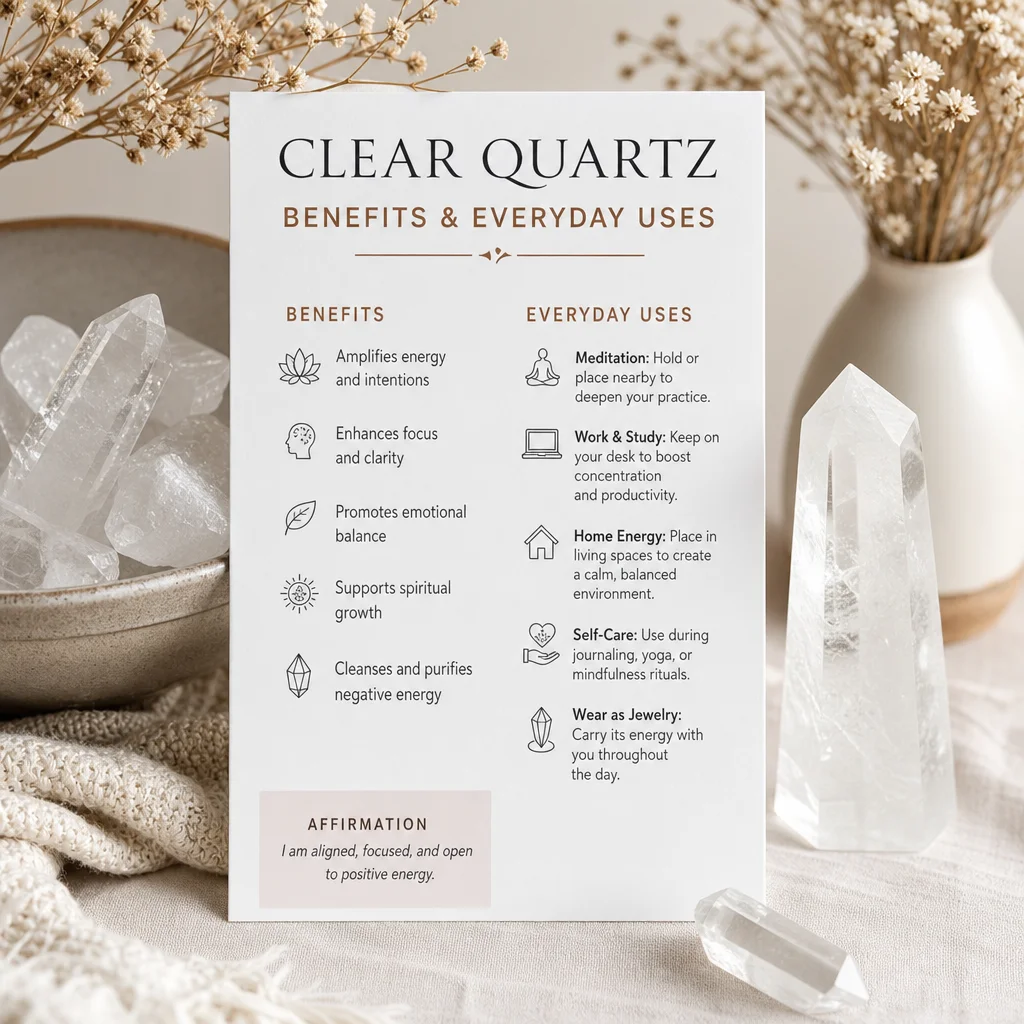
In the metaphysical community, Herkimer diamonds are widely celebrated as powerful stones of attunement and spiritual alignment. They are believed to amplify energy, enhance dream recall, and facilitate deeper meditative states by clearing mental blockages. Many crystal healers also use them to balance the crown chakra and promote a profound sense of inner vision.
How should you care for and clean Herkimer Diamond jewelry?
Because they are a form of quartz, Herkimer diamonds are relatively durable but can still be scratched by harder materials like true diamonds or sapphires. To clean them, simply use warm soapy water and a soft brush to safely remove any accumulated dust or oils. It is highly recommended to store them separately in a soft pouch to preserve their natural brilliance and prevent unwanted scratches.
Comments