Golden Sheen Obsidian: Volcanic Treasure
June 11, 2026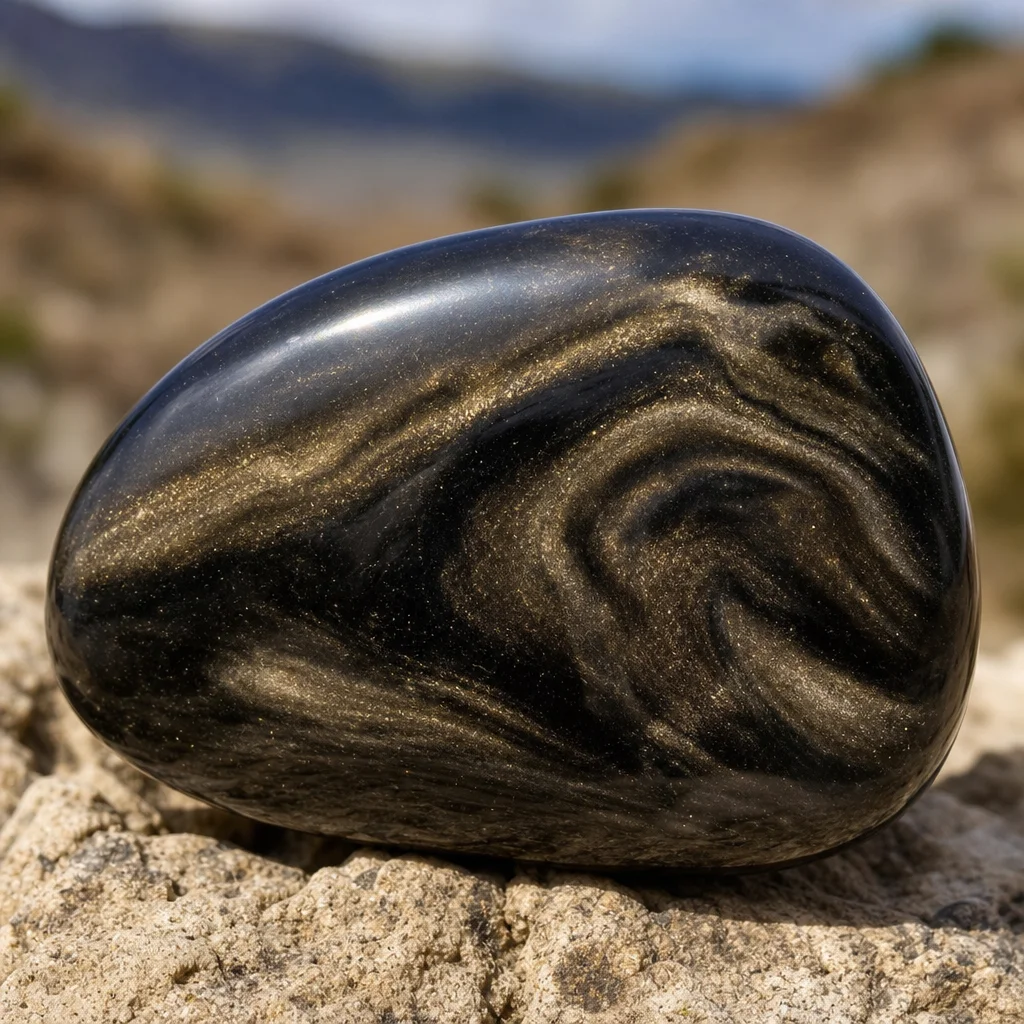
Unveiling the Golden Sheen of Obsidian: A Glimpse into Nature's Sparkling Mystery
Understanding the Sparkle: Gas Bubbles in Lava Create Golden Reflections
Have you ever wondered what creates that captivating golden sheen in certain obsidian pieces? It's not just a shimmer, but a story told by the earth itself. When molten lava cools down rapidly, gas bubbles are trapped within, forming a unique network of hollows that catch and reflect light, resulting in that iridescent glow.
- Golden Sheen Obsidian is formed in volcanic regions, particularly in areas with high sulfur content.
- These crystals are a result of amorphous silica H5-5.5 conchoidal – a natural, glass-like material with a distinctive, smooth, and usually flat fracture surface.
- They are most commonly found in Jalisco, Mexico, a region known for its rich volcanic history and stunning landscapes.
"The beauty of nature is often found in its imperfections, and the golden sheen obsidian is no exception. Its golden reflections are not only visually stunning but also serve as a reminder of the earth's dynamic and ever-changing processes."
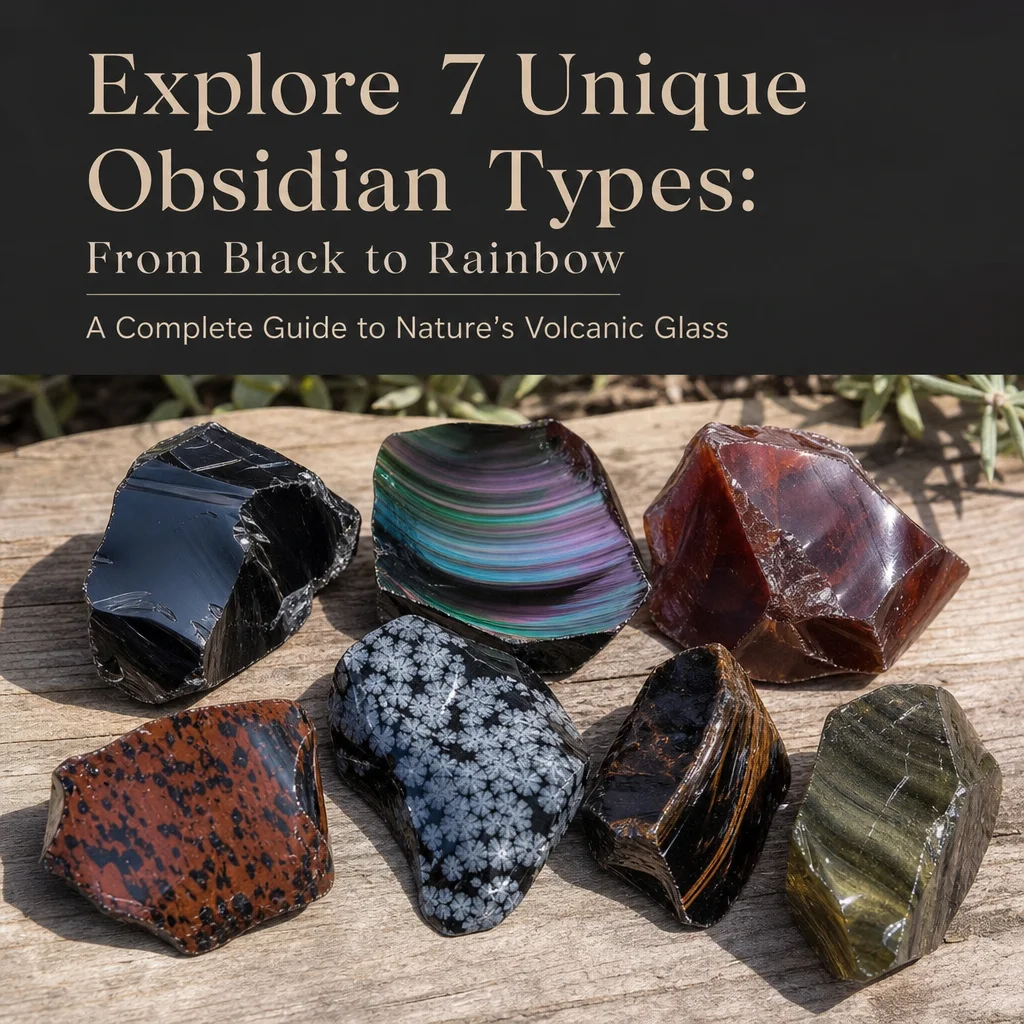
Comparing the Glows: Golden Sheen Obsidian vs. Rainbow Obsidian and Snowflake Obsidian
While golden sheen obsidian has its own unique charm, it's always intriguing to compare it with other natural wonders. Let's dig into into the differences:
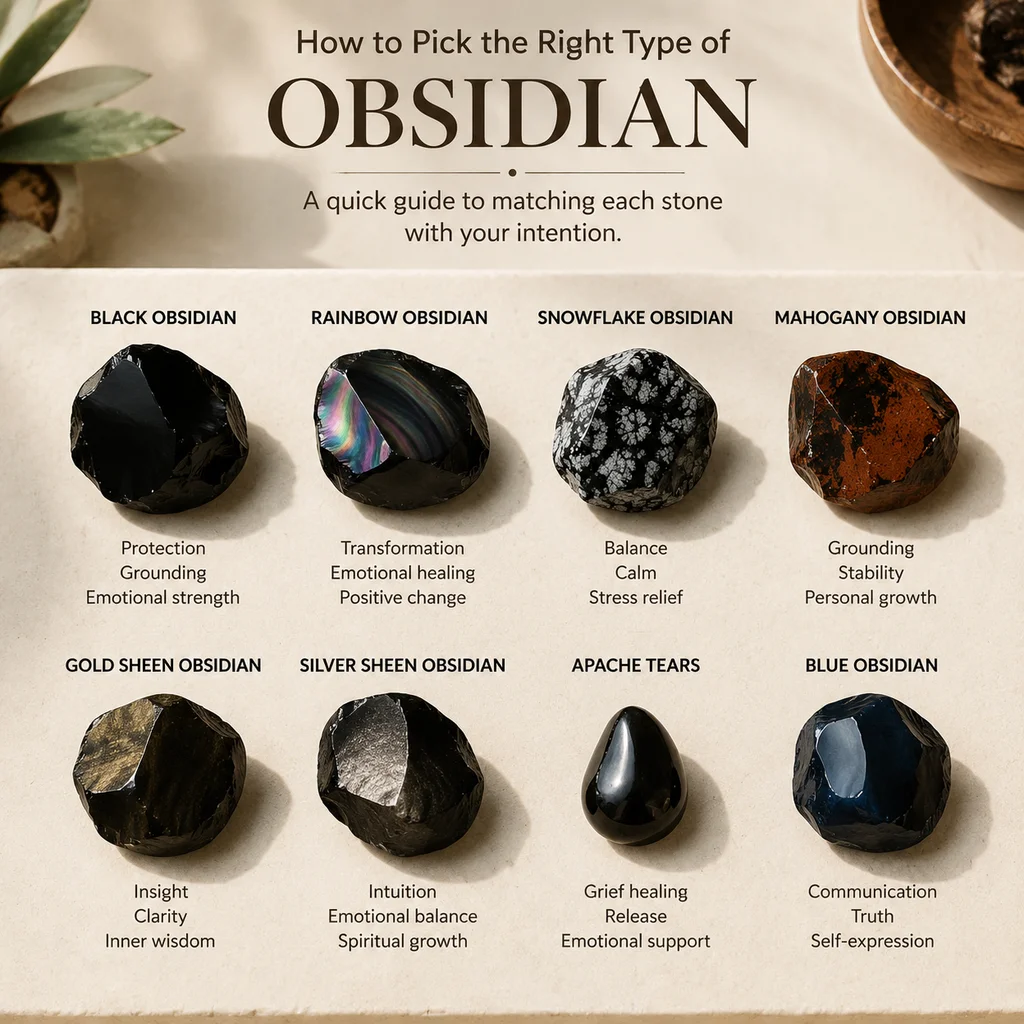
| Feature | Golden Sheen Obsidian | Rainbow Obsidian | Snowflake Obsidian |
|---|---|---|---|
| Coloration | Golden sheen | Prismatic colors | White with black snowflake patterns |
| Formation | Gas bubbles in lava | Mineral inclusions and reflective surfaces | Mineral inclusions and reflective surfaces |
| Origin | Jalisco, Mexico | Utah and Mexico | Utah |
Cultural and Scientific Significance
Golden sheen obsidian holds cultural significance in the Mesoamerican culture, where it was once used in rituals and as a tool. The Mesoamericans revered the material for its mystical properties and its ability to capture the essence of the cosmos.
In scientific terms, the golden sheen obsidian provides valuable insights into the geological processes that shape our planet. Its formation, properties, and characteristics have been the subject of extensive study, offering a glimpse into the earth's ancient and intricate history.
ID: Flash at Certain Angles
One fascinating aspect of golden sheen obsidian is its ability to 'flash' at certain angles. When light reflects off the surface of the obsidian, it can create a brilliant display of golden highlights that seem to dance across the stone. This phenomenon is due to the complex arrangement of gas bubbles and their interaction with light.
VS. Heated Obsidian
It's also worth mentioning the distinction between golden sheen obsidian and heated obsidian. While both stones exhibit a glass-like appearance, the process of heating the obsidian changes its internal structure and color. Heated obsidian often appears black with a dark red or orange sheen, as opposed to the golden hue of the sheen obsidian.
Care: Be Mindful of Chips
When caring for your golden sheen obsidian, it's essential to be mindful of chips. This delicate stone can chip or break if handled roughly, so gentle handling is key. Regular cleaning with a soft cloth can help maintain its luster, while avoiding exposure to harsh chemicals is recommended.
FAQ
- What is the scientific name for golden sheen obsidian? Amorphous silica H5-5.5 conchoidal.
- Where can I find golden sheen obsidian? It is most commonly found in Jalisco, Mexico.
- Can crystals be used for healing? Crystals are not a substitute for medical treatment. They can, however, be used as a complementary therapy to support well-being.
Golden Sheen Obsidian: A Sparkling Insight into the Earth's Volatile Past
The shimmering surface of a Golden Sheen Obsidian is more than a mere aesthetic feature; it is a window into the violent volcanic activity that birthed it. With its captivating golden reflections and intriguing geological story, this obsidian type holds a special place among collectors and enthusiasts alike. Let's dig into into what makes Golden Sheen Obsidian stand out from other obsidian types, like the more commonly known Rainbow Obsidian and Snowflake Obsidian.The Birth of a Golden Reflection
Golden Sheen Obsidian forms when gas bubbles become trapped in lava as it cools. These gas bubbles, when reflected in the light, create the distinctive golden sheen that characterizes this unique obsidian. This phenomenon is not exclusive to Golden Sheen Obsidian, but the intensity and beauty of the sheen vary depending on the mineral content and the way light interacts with the gas bubbles.Comparing the Golden Sheen with its Cousins
| Obsidian Type | Key Feature | Appearance | Formation Process | |---------------|-------------|------------|------------------| | **Golden Sheen** | Gas bubbles in lava create golden reflections | Golden shimmer with dark, usually black base | Trapped gas bubbles reflect light | | **Rainbow Obsidian** | Tiny, plate-like nano-crystals create a multi-colored sheen | Intense iridescent colors; typically red, green, or blue | Tiny, plate-like crystals on surface | | **Snowflake Obsidian** | Crystalline platelets form intricate, snowflake-like patterns | White with subtle colors; usually contains a mix of blue and brown | Crystalline platelets aligning in a snowflake pattern | Each type of obsidian exhibits unique properties that have made them significant in their respective cultural contexts.Golden Sheen Obsidian: The Science Behind the Beauty
The composition of Golden Sheen Obsidian is primarily amorphous silica, with a range of 5.5 to 5.0 on the hardness scale (Mohs), placing it on the softer end of the scale. Its fracture is typically conchoidal, or shell-like, giving it a smooth, curved edge. These properties, combined with the unique way light interacts with trapped gas bubbles, make Golden Sheen Obsidian not just visually striking, but also intriguing to scientists and hobbyists.A Cultural Treasure from Jalisco, Mexico
Golden Sheen Obsidian is particularly abundant in the state of Jalisco, Mexico, where it is found near the city of Zapotlán el Grande. The region's rich geological history, with its abundance of obsidian sources, has long made it a hub for obsidian-related activities. This area has a rich Mesoamerican cultural history, and obsidian was used in a variety of ways by indigenous people, from ceremonial to everyday tools.The Mysterious 'Flash'
One fascinating property of Golden Sheen Obsidian is the "flash," a phenomenon where the sheen becomes much more intense at certain angles. This is caused by the alignment of gas bubbles within the stone, which focuses the light into a more intense beam. It is akin to the flash of a camera and is one of the most sought-after qualities in this obsidian type.Golden Sheen vs. Heated Obsidian
While both Golden Sheen and heated obsidian share the amorphous silica composition, they differ significantly in their appearance and origin. Heated obsidian, often known as black obsidian, is the result of obsidian that has been subjected to heat after formation, altering its structure and color. Golden Sheen Obsidian, on the other hand, is formed naturally by volcanic activity, and its golden sheen is a result of gas bubbles within the stone.Care and Handling
Due to its relatively soft nature, Golden Sheen Obsidian requires special care to maintain its luster and avoid chipping. Here are some tips for proper care:- Avoid exposing it to sudden temperature changes, as this can cause stress and potentially crack the stone.
- Clean the stone with a soft cloth and lukewarm water; harsh chemicals can damage the sheen.
- Store your obsidian away from direct sunlight, which can fade the color and the sheen.
Frequently Asked Questions (FAQ)
**Q: Is Golden Sheen Obsidian a substitute for medical treatment?** **A:** Crystals, including Golden Sheen Obsidian, are not a substitute for medical treatment. They can be used for personal growth and emotional healing, but they should not be considered a replacement for professional medical care. **Q: Can I wear Golden Sheen Obsidian jewelry daily?** **A:** Yes, you can wear Golden Sheen Obsidian jewelry daily. However, ensure that it is properly cared for and not subjected to extreme conditions or activities that may damage the stone. **Q: Is Golden Sheen Obsidian rare?** **A:** While not as rare as some other obsidian types, Golden Sheen Obsidian is certainly not common. Its availability depends on the location of the source, and some regions may be more abundant than others. **Q: Can I cut Golden Sheen Obsidian into a shape?** **A:** Cutting and shaping Golden Sheen Obsidian is possible but should be done by a professional with experience working with obsidian. The stone's softness makes it prone to chipping, so proper technique and tools are essential. Golden Sheen Obsidian is more than a stone; it is a sign of the dynamic and powerful forces that shape our planet. Its captivating golden sheen and fascinating geological story make it a cherished piece among collectors and a captivating subject for all those who study Earth's minerals.The Science Behind Golden Sheen Obsidian: Volcanic Treasure
Crystal formation represents some of Earth's most extraordinary geological processes. Over millions of years, specific combinations of temperature, pressure, and chemical elements create the stunning mineral specimens we treasure today. Understanding these natural processes deepens our appreciation for each unique piece — knowing that a single crystal might have formed over tens of thousands of years beneath kilometers of rock makes holding one feel genuinely remarkable.
Modern mineralogy bridges geology, chemistry, and physics in fascinating ways. The crystal lattice — how atoms arrange themselves — determines everything from a stone's hardness to its optical properties. Trace elements measured in parts per million can transform ordinary minerals into extraordinary gems. This intersection of precision chemistry and natural beauty is what makes crystal collecting such an intellectually rewarding pursuit.
Care and Preservation
Proper storage protects your investment. Wrap individual specimens in soft cloth or place them in compartmentalized boxes to prevent scratching. Avoid prolonged direct sunlight which can fade sensitive minerals like amethyst, kunzite, and rose quartz. Most crystals tolerate gentle cleaning with lukewarm water, but porous stones like turquoise, opal, and pearls should never be submerged.
Display collections where temperature and humidity remain relatively stable. Sudden environmental changes can cause thermal shock, cracking even hard stones like quartz. Rotate your display pieces periodically — not only does this prevent uneven fading, but revisiting your collection with fresh eyes often reveals details you missed before.
Joining the Crystal Community
Local mineralogical societies, gem and mineral shows, and online communities offer wealth of knowledge from experienced collectors. Museums with mineral exhibits provide excellent reference points for understanding geological formations and crystal habits. Whether your interest leans toward scientific study, artistic appreciation, or cultural traditions, the crystal community welcomes newcomers with open arms and fascinating stories.
Every specimen in your collection carries a piece of Earth's 4.5-billion-year history. From volcanic eruptions that created obsidian to metamorphic processes that transformed limestone into marble, these stones are tangible connections to the dynamic forces that shaped our planet. Taking time to learn their stories transforms a collection from decorative objects into a personal museum of natural history.
Ancient Roots: The Historical Significance of Golden Sheen Obsidian
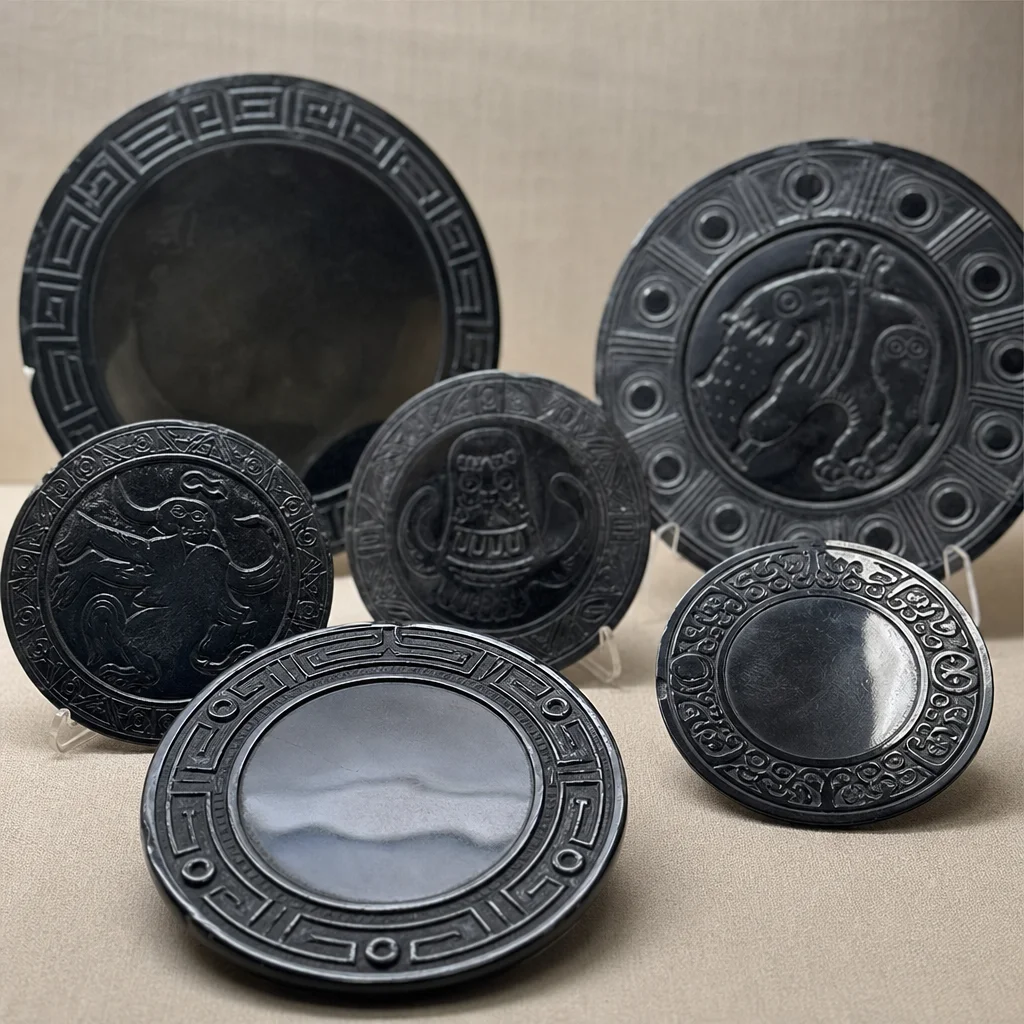
While Golden Sheen Obsidian captivates modern collectors, its allure is deeply rooted in ancient history. Mesoamerican civilizations, particularly the Aztecs and Mayans, held all forms of obsidian in extremely high regard. This volcanic glass was painstakingly crafted into ceremonial daggers, reflective mirrors, and intricate amulets. Golden Sheen Obsidian, with its mystical chatoyancy, was especially prized by spiritual leaders and shamans. They believed the golden flash captured the power of the sun, making it an essential tool for scrying and divination rituals meant to communicate with the divine.
Beyond its mystical applications, this striking stone served highly practical purposes. Ancient artisans honed the material into razor-sharp blades, arrowheads, and cutting tools, utilizing its natural conchoidal fracture to create edges finer than modern surgical steel. Because of its utility and beauty, golden obsidian became a valuable trade commodity, with pieces traveling vast networks across the ancient Americas. Today, holding a piece of this volcanic treasure connects you to a rich lineage of human craftsmanship and our ancestors' deep reverence for the earth's raw power.
Harnessing the Energy: Metaphysical Properties of Golden Sheen Obsidian
In the realm of crystal healing, Golden Sheen Obsidian is celebrated as a powerful stone of protection, grounding, and manifestation. Like traditional black obsidian, it acts as a formidable shield against negative energy, absorbing environmental stress and psychic attacks. However, the golden chatoyancy introduces a unique balancing element. This golden vibration is closely tied to the Solar Plexus chakra, the body's energy center for personal power and will. By activating this chakra, the stone helps individuals reclaim their confidence, dissolve self-doubt, and take decisive action toward their goals.
Beyond energetic protection, this volcanic treasure is highly regarded as an ally for deep emotional healing and shadow work. It gently illuminates hidden traumas, fears, and blockages buried in the subconscious, allowing them to be safely acknowledged and released. By bringing these dark aspects into the "light," Golden Sheen Obsidian promotes profound self-reflection and inner growth. Meditating with this stone is known to clarify life paths, dissolve ego conflicts, and encourage a harmonious balance between one's shadow and light.
How to Identify High-Quality Golden Sheen Obsidian
As the demand for Golden Sheen Obsidian grows, so does the presence of synthetic imitations and dyed glass in the gemstone market. Authenticating a genuine piece requires a keen eye and a basic understanding of the stone's physical properties. True obsidian will have a vitreous, glass-like luster and a Mohs hardness rating of about 5 to 5.5. You can often test authenticity by examining the inclusions; natural gas bubble alignments will move and catch the light dynamically as you rotate the stone. In contrast, dyed glass will look flat, with unnatural, streaky color concentrations trapped just beneath the surface.
When evaluating the quality of your volcanic treasure, the cut and polish are paramount. To maximize the chatoyant effect, skilled lapidaries must cut the stone precisely parallel to the microscopic layers of trapped gas bubbles. A high-quality gem will display a consistent, sweeping golden flash across its entire surface when exposed to direct light. Premium specimens are typically sourced from renowned volcanic regions such as Mexico or the Glass Buttes of Oregon. Sourcing your stone from reputable dealers ensures you are receiving an ethically mined, authentic piece of nature's artistry.
Frequently Asked Questions
What are the healing properties of golden sheen obsidian?
Golden sheen obsidian is celebrated for its grounding and protective qualities. At SagStone, we love crafting with this volcanic glass because it is believed to clear negative energy and balance emotions. Wearing this handcrafted stone helps bring hidden talents to the surface, activating the solar plexus chakra to empower your self-confidence and help you manifest success in daily life.
How can I tell if my golden sheen obsidian is real?
Authentic golden sheen obsidian features a natural, shimmering gold flash caused by tiny gas bubble inclusions trapped during volcanic cooling. At SagStone, our handcrafted jewelry highlights these genuine, earth-made patterns. Look for a deep black base with a metallic gleam that shifts in the light. Because it is natural volcanic glass, it will also feel remarkably cool to the touch when you wear it.
What is the difference between black and golden sheen obsidian?
Both are natural volcanic glasses formed from rapidly cooled lava, but they differ in appearance and energy. Standard black obsidian is deeply protective and opaque. Golden sheen obsidian contains trapped microscopic bubbles that create a beautiful metallic gold shine. In the crystal community, this artisan-favorite golden variety is favored for blending strong protection with manifestation and personal power.
Can you wear golden sheen obsidian jewelry every day?
Yes, golden sheen obsidian makes a stunning and durable choice for everyday wear. Ranking around 5.5 on the Mohs hardness scale, it is sturdy enough for daily use when set in protective, handcrafted jewelry designs. Wearing this volcanic treasure daily allows you to keep its grounding and protective energies close. To keep your artisan piece looking its best, simply remove it before rigorous activities.
How should I cleanse my golden sheen obsidian stone?
Keeping your golden sheen obsidian cleansed ensures its protective properties remain vibrant. We recommend gentle methods like placing your artisan jewelry under moonlight overnight or using sound vibrations. Smudging with sage or palo santo is also excellent for clearing absorbed negative energy. Avoid harsh chemicals to maintain the flawless polish and natural golden sparkle of your handcrafted SagStone piece.

Comments