Golden Healer Quartz: The Amber Crystal Comple..
June 2, 2026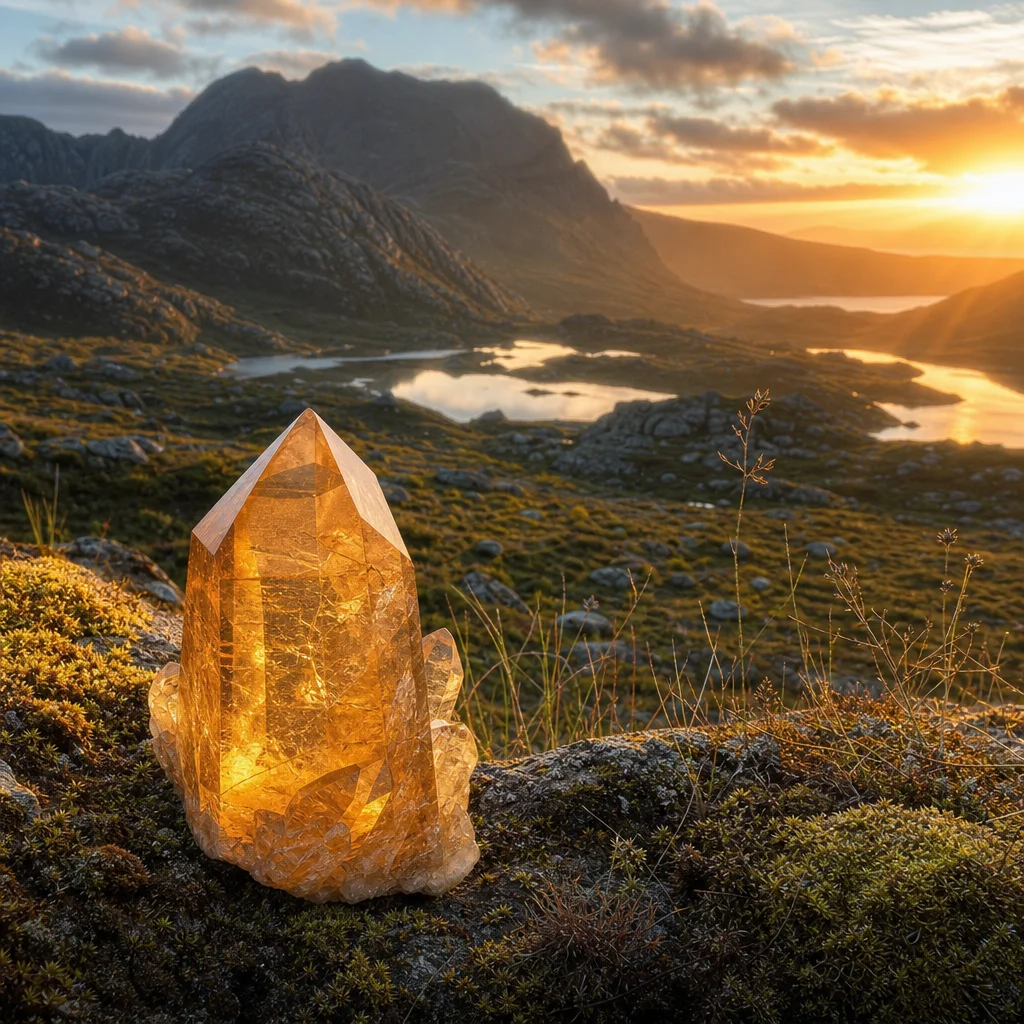
What Is Golden Healer Quartz?
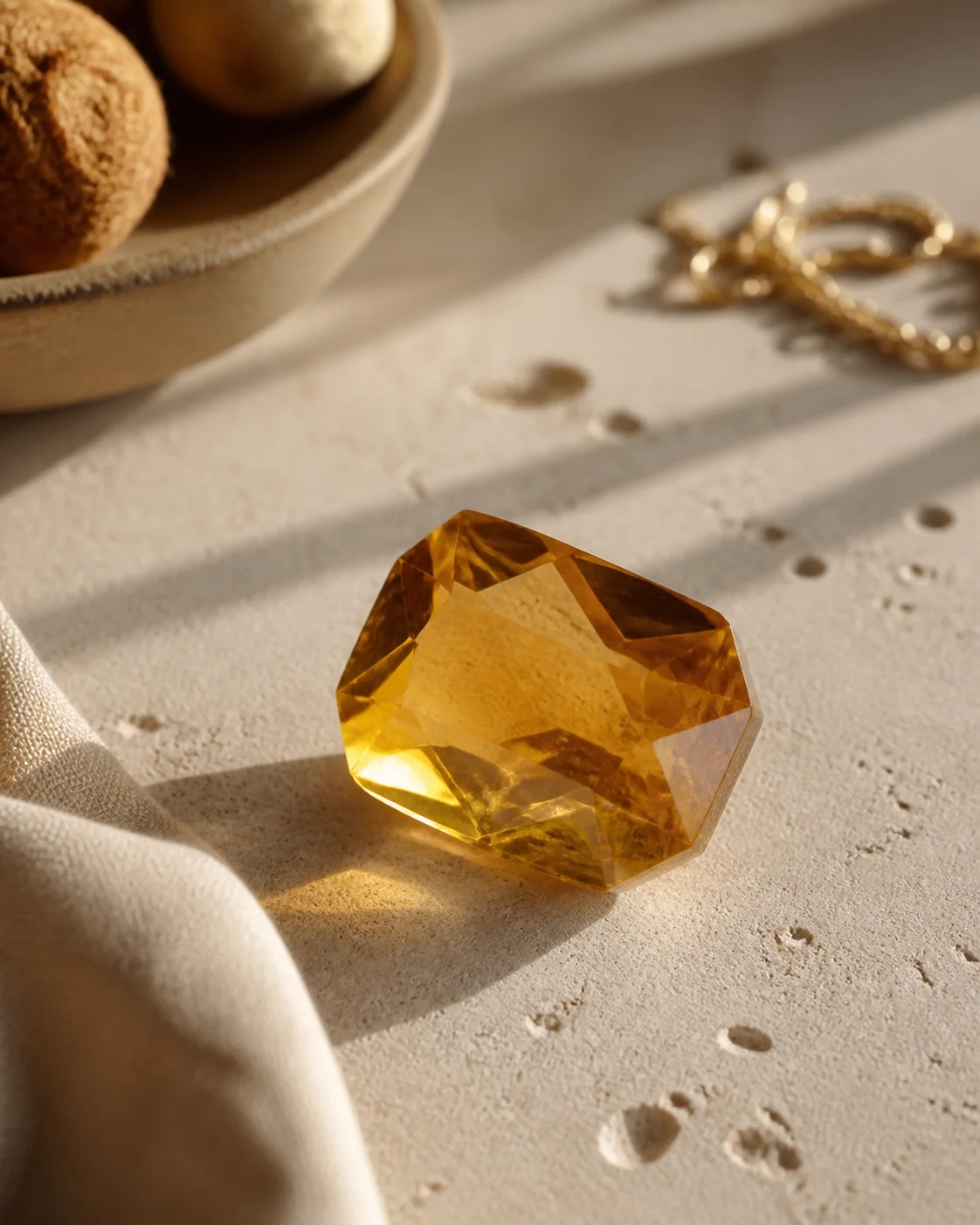
Among the many varieties of quartz found worldwide, Golden Healer Quartz stands out for its warm, honey-like coloration and the distinctive way it catches light. The amber to golden yellow hue isn't applied by heat treatment — it develops naturally through millions of years of geological processes involving iron oxide minerals that become trapped within the quartz crystal lattice. This natural origin is what distinguishes true Golden Healer Quartz from the more common heat-treated citrine that dominates the market.
The name "Golden Healer" comes from the crystal community, where it's valued not only for its visual warmth but for its association with higher chakra activation and energy work. But setting aside the metaphysical aspects, Golden Healer Quartz is genuinely interesting from a geological and mineralogical perspective. Understanding how iron oxide gets inside quartz crystals, why the color ranges from pale yellow to deep amber, and how to distinguish it from look-alikes makes owning and working with these specimens more meaningful.
Formation: How Iron Gets Inside Quartz
Quartz crystals (SiO₂) are remarkably pure in their ideal form — just silicon and oxygen arranged in a hexagonal crystal lattice. In reality, almost no natural quartz crystal is perfectly pure. Trace elements, mineral inclusions, and structural defects all contribute to the diversity of quartz varieties we see.
Golden Healer Quartz forms when iron-rich hydrothermal fluids interact with growing quartz crystals. The process typically occurs in two stages:
Stage 1 — Crystal growth: Quartz crystals begin forming in cavities within rock, typically from silica-saturated hydrothermal solutions at moderate temperatures (100-400°C). The basic hexagonal crystal structure develops as silicon and oxygen atoms bond in repeating patterns.
Stage 2 — Iron incorporation: As crystals continue to grow, iron-bearing minerals dissolved in the surrounding fluid become incorporated into the crystal structure. This can happen in several ways: iron atoms substituting for silicon in the lattice (creating a faint yellow tint), microscopic iron oxide particles (hematite or goethite) becoming trapped as inclusions, or thin films of iron oxide coating internal fracture planes.
The combination of these mechanisms produces the range of colors seen in Golden Healer Quartz. Specimens with iron atoms in the lattice tend to have a more uniform, pale yellow color. Those with microscopic iron oxide inclusions display a deeper amber with visible color variations and patterns. Some exceptional specimens show both types — a base yellow color from lattice substitution with deeper amber patches from inclusions.
Geological Conditions Required
- Iron-rich hydrothermal fluids: The surrounding solution must contain dissolved iron minerals
- Moderate temperatures: High enough for crystal growth (100-400°C) but not so high that iron precipitates before entering the crystal
- Oxygen availability: Iron needs to oxidize (gain oxygen) to form the yellow-orange oxides that create golden coloration
- Slow cooling: Allows time for iron minerals to migrate into and become incorporated within the growing crystals
Golden Healer vs. Citrine: A Critical Distinction
This is where many buyers get confused, and it's an important distinction to understand because the two stones are valued differently and have different properties.
| Feature | Golden Healer Quartz | Citrine |
|---|---|---|
| Color origin | Natural iron oxide inclusions | Can be natural (rare) or heat-treated amethyst |
| Color range | Pale yellow to deep amber, often with internal color variation | Yellow to orange-brown, usually uniform |
| Transparency | Transparent to translucent, often with visible internal features | Usually transparent with few visible inclusions |
| Common treatment | None (natural) | 90%+ of commercial citrine is heat-treated amethyst |
| Formation | Iron incorporated during crystal growth | Natural: aluminum impurities + irradiation. Treated: heat conversion of amethyst |
| Internal features | May show iron oxide patterns, phantom growth zones, color banding | Typically clean with minimal internal features |
| Price (per carat) | Varies widely; high-quality specimens can be $5-50+ | Untreated natural: $20-200+/carat. Treated: $2-10/carat |
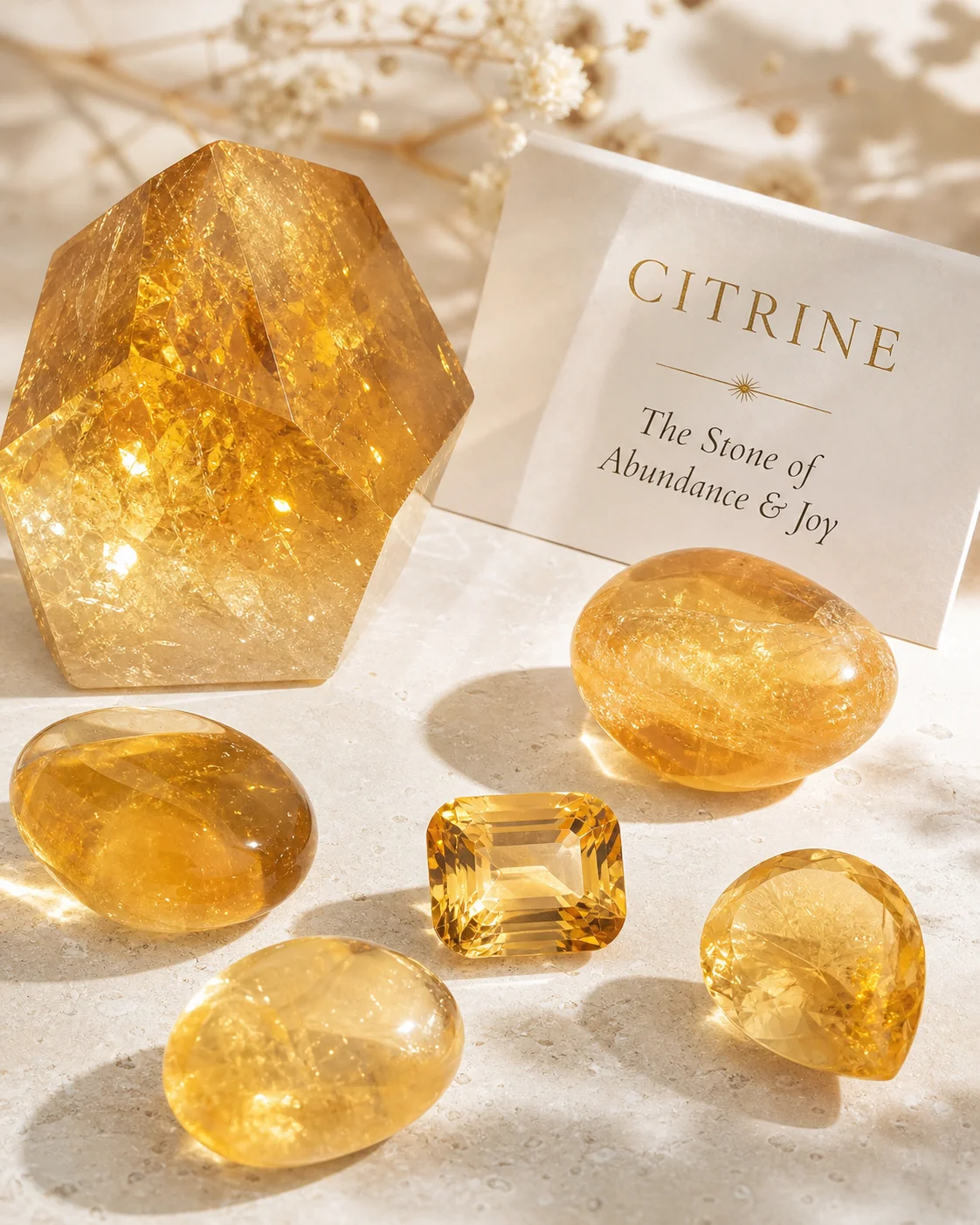
The simplest way to think about it: Golden Healer Quartz is quartz that happened to grow in iron-rich conditions. Citrine is quartz that got its color either from natural irradiation (very rare natural citrine) or from intentional heat treatment of amethyst (the vast majority of what's sold). A heat-treated amethyst is still a real crystal — it's just that the color was accelerated by human intervention rather than developing naturally.
If you're specifically seeking Golden Healer Quartz, make sure you're buying from a dealer who distinguishes it from citrine. Some unscrupulous sellers market regular citrine as "Golden Healer," which is misleading. The key identifier is internal iron oxide inclusions — genuine Golden Healer Quartz typically shows some degree of internal color variation, cloudy patches, or mineral streaks that plain citrine does not.
Visual Characteristics to Look For
Identifying Golden Healer Quartz involves examining several visual cues:
Color depth and variation: Genuine Golden Healer Quartz shows internal color variation — you'll see bands, clouds, or patches of deeper amber against lighter yellow areas. This uneven distribution of color is actually one of its most attractive features and is the hallmark of natural iron oxide inclusion.
Internal features: Under good light, look inside the crystal for tiny iron oxide particles or streaks. These might appear as reddish-brown flecks, thin orange lines, or cloud-like formations within the otherwise clear quartz. A loupe or magnifying glass makes these much easier to see.
Phantom zones: Some Golden Healer specimens show phantom lines — horizontal bands of slightly different color that mark pauses in the crystal's growth. These phantoms often have a deeper golden color than the surrounding crystal and create beautiful internal landscapes.
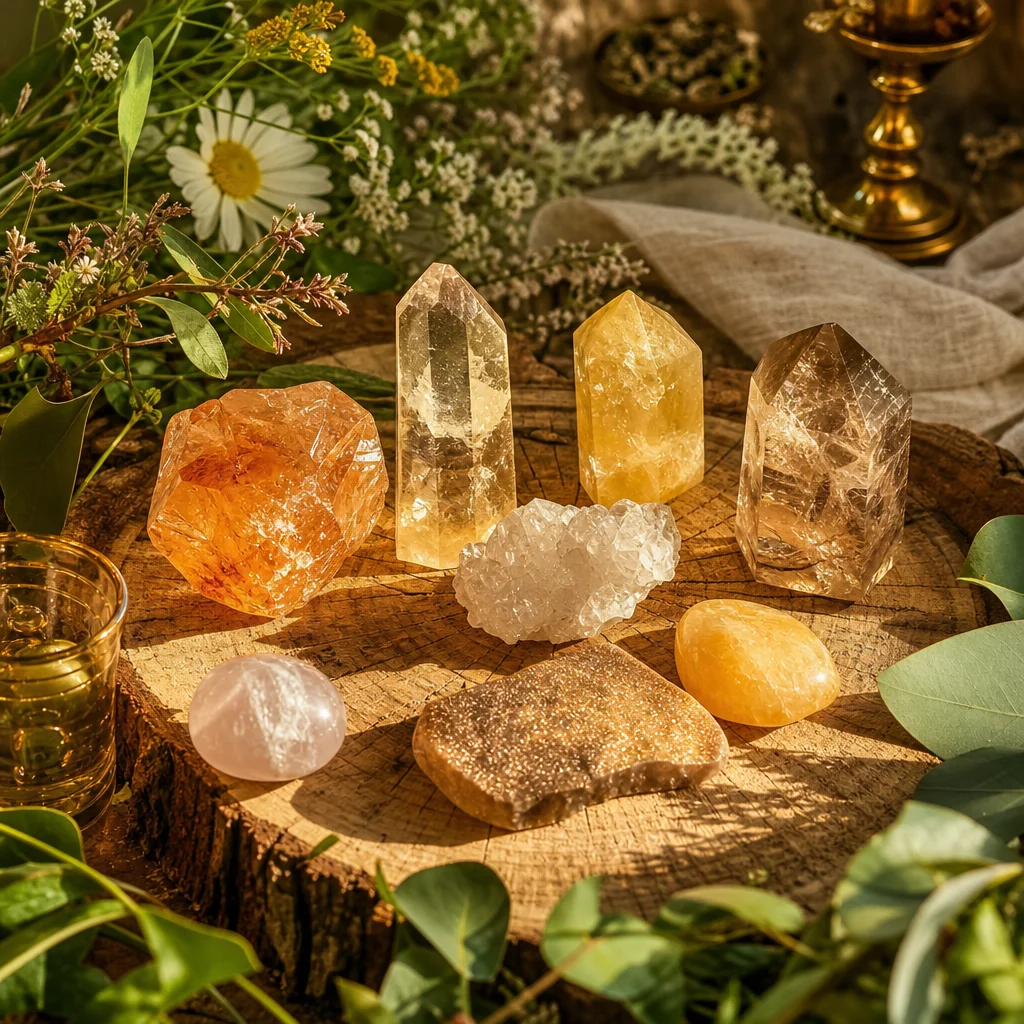
Clarity spectrum: Golden Healer Quartz spans a wide range of clarity, from water-clear specimens with just a faint golden tint to heavily included crystals that are nearly opaque amber. Both extremes (and everything between) are genuine — they simply represent different concentrations and distributions of iron oxide material.
Major Sources and Localities
Golden Healer Quartz comes from several locations around the world, with each source producing material with slightly different characteristics.
Brazil
Brazilian deposits are the most prolific source of Golden Healer Quartz on the commercial market. Minas Gerais state, already famous for its quartz, amethyst, and tourmaline deposits, produces Golden Healer specimens ranging from pale yellow to deep amber. Brazilian material tends to have good clarity with visible iron oxide inclusions and is widely available at reasonable prices.
Madagascar
Madagascar produces some of the most visually striking Golden Healer Quartz, often with richer amber colors and more dramatic internal patterns. Madagascan material is less commonly available and tends to be priced higher, but the quality can be exceptional.
United States
Several locations in the US produce Golden Healer Quartz, notably Arkansas (which is famous for its quartz crystals generally) and some deposits in Colorado. American material tends to be more expensive due to the "local origin" appeal and the generally smaller-scale mining operations.
Other Sources
Additional sources include Namibia, Pakistan, and China. Each source produces material with its own character — some lean toward pale yellow, others toward deep amber. Collectors who are familiar with different sources can often identify the origin of a specimen by its color and inclusion patterns.
Using Golden Healer Quartz
Whether you're drawn to Golden Healer Quartz for its geological interest, its aesthetic warmth, or its metaphysical associations, there are several ways to incorporate it into your collection or practice.
In Jewelry
Golden Healer Quartz works well in pendants and earrings where light can pass through the crystal, illuminating the internal iron oxide patterns. For rings and bracelets, choose specimens with fewer internal fractures — while quartz is hard (Mohs 7), inclusions can create weakness points that may chip under impact. A protective bezel setting extends the life of jewelry pieces significantly.
As Display Specimens
Larger Golden Healer crystals and clusters make stunning display pieces. The warm amber color adds a natural glow to any room, and when placed near a window or light source, the internal features become visible in beautiful detail. Some collectors create themed displays pairing Golden Healer Quartz with iron-rich minerals like hematite and goethite for a cohesive earthy aesthetic.
Cleaning and Care
Warm water with mild soap and a soft brush removes dust and residue. Avoid harsh chemicals and ultrasonic cleaners for specimens with significant inclusions, as the vibrations could potentially worsen existing internal fractures. Dry thoroughly after cleaning — water trapped in internal inclusions can sometimes cause staining over time if left wet.
For long-term storage, wrap specimens individually in soft cloth or tissue paper. While Golden Healer Quartz doesn't fade in sunlight like some minerals (such as amethyst or kunzite), prolonged intense sunlight exposure may gradually shift the iron oxide color slightly over many years. This is a very slow process and shouldn't deter normal display use.
The Appeal of Natural Coloration
What makes Golden Healer Quartz special to many collectors is the knowledge that its color developed entirely through natural processes — no heat treatment, no dyeing, no artificial enhancement. The amber hue you see is the result of iron and oxygen interacting with silicon dioxide under specific geological conditions millions of years ago. Each specimen is a frozen snapshot of that geological moment, and the unique patterns of iron oxide within each crystal tell a story that can never be exactly reproduced.
In a market increasingly saturated with treated and synthetic materials, there's genuine value in stones whose beauty arose without human intervention. Golden Healer Quartz offers that authenticity along with a warmth and visual interest that makes it a rewarding addition to any crystal collection.
Frequently Asked Questions
What is the difference between Golden Healer Quartz and Citrine?
While both feature a warm yellow tone, most commercial Citrine on the market is actually amethyst that has been artificially heat-treated to achieve its color. Golden Healer Quartz gets its genuine amber hue naturally from iron oxide inclusions within the crystal lattice, meaning it requires no laboratory enhancement.
What does the name Golden Healer mean in crystal healing?
In the metaphysical community, this crystal is celebrated as a powerful master healer that promotes overall wellness. Its name reflects the belief that its warm, vibrant energy can release blockages, balance the aura, and restore harmony to the physical and spiritual bodies.
How can you identify a genuine Golden Healer Quartz?
Authentic stones will display natural, sometimes slightly uneven golden or honey-colored phantoms and inclusions distributed throughout the crystal. You should be cautious of stones that look artificially bright, perfectly uniform, or lack the characteristic internal mineral traces of natural iron oxide.
Which chakras does Golden Healer Quartz align with?
Due to its sunny and golden coloration, this variety is strongly connected to the Solar Plexus Chakra, which governs personal power, confidence, and willpower. Additionally, its high vibrational energy makes it an excellent stone for opening the Crown Chakra to facilitate a stronger connection to higher consciousness.
How should you cleanse and care for Golden Healer Quartz?
Ranking at a 7 on the Mohs hardness scale, this crystal is relatively durable and can be safely cleaned using lukewarm soapy water and a soft cloth. To energetically cleanse the stone and recharge its healing properties, you can place it under moonlight or use gentle sound vibrations.
Comments