The Rock That Changed How I Think About Patience
The Rock That Changed How I Think About Patience
I'm not a patient person. Never have been. I'm the kind of person who skips to the end of movies, reads the last page of a book first, and microwaves things that should be baked. So when my sister handed me a geode for my birthday and told me I had to crack it open myself, I was skeptical that I'd enjoy the process.
"Just hit it with a hammer," she said, like it was that simple. It was not that simple.
That geode sat on my desk for three weeks before I touched it. Not because I was busy — because I was afraid I'd mess it up. What if I hit it wrong? What if the inside was just boring gray rock? What if I destroyed something beautiful before I even got to see it?
Eventually, the curiosity won. And the geode cracking experience turned out to be one of the most unexpectedly meaningful things I've done all year.
What Is a Geode, Anyway?
Before I get into the story, here's the basics. A geode is a hollow rock with crystal formations inside. They form when mineral-rich water seeps into a cavity in volcanic rock or sedimentary rock over thousands — sometimes millions — of years. The water evaporates, leaving behind minerals that slowly grow into crystals lining the inside of the cavity.
From the outside, most geodes look completely unremarkable. They're lumpy, rough, and could easily be mistaken for any other rock you'd kick aside on a hiking trail. The magic is inside, and you have no way of knowing what's in there until you open it.
That's what makes cracking them so compelling. It's literally a mystery box made by nature.
Gear I Wish I'd Known About Beforehand
I didn't research anything before attempting to crack my geode. This was a mistake. Here's what I learned the hard way, so you don't have to.
First, don't use a regular hammer on a hard surface. I cracked my geode on the concrete floor of my garage, and it shattered into about 40 pieces. Some of those pieces were probably beautiful on their own, but the overall structure was destroyed. If you want to open a geode cleanly, you need either a tile saw or a chisel with a hammer, and you need to score it first.
A lapidary saw — basically a wet tile saw with a diamond blade — gives you the cleanest cut. You can pick up a cheap one online for under $50. If you don't want to buy equipment, some rock shops will cut your geode for you for a small fee. I wish I'd known that before reducing mine to gravel.
Safety gear matters more than you'd think. Safety glasses are non-negotiable — rock fragments can and do fly in unexpected directions. Gloves are a good idea too, especially with rough volcanic geodes that can have sharp edges.
The Moment It Opened
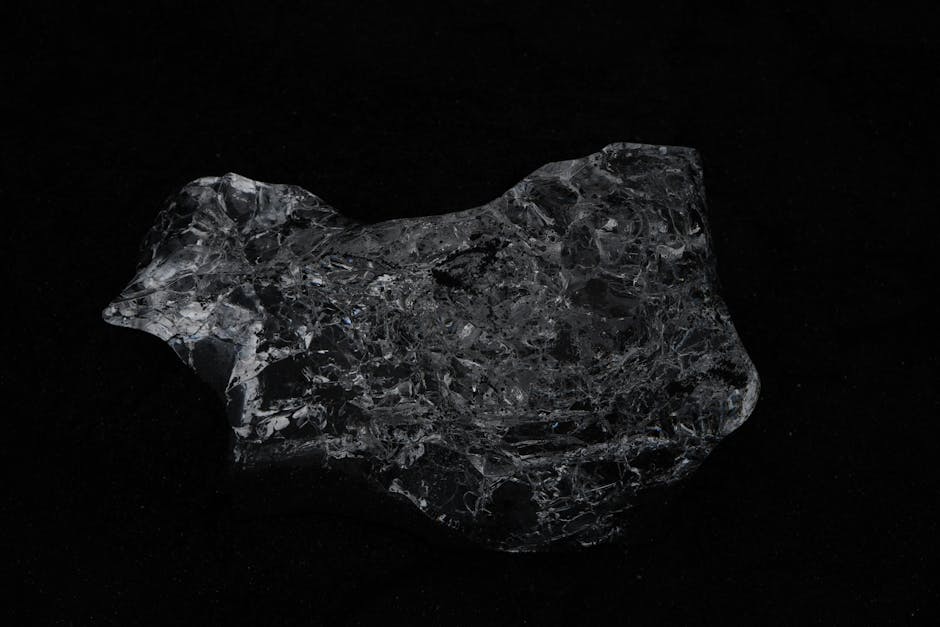
Despite my amateur demolition job, the inside of that geode was genuinely stunning. Clear quartz crystals, some with a faint purple amethyst tint, growing in every direction from the walls of the hollow center. They caught the light from the garage window and threw tiny rainbows across the ceiling.
I sat there on the cold concrete floor, surrounded by rock fragments, staring at these crystals like I'd just discovered alien technology. It sounds dramatic, but that's genuinely how it felt. This ordinary-looking rock from the outside had this entire world inside it, growing in complete darkness for who knows how many thousands of years, and I was the first person to ever see it.
That thought hit me harder than I expected. Something about the idea that this beauty existed in total darkness, completely unseen, and was only revealed because I decided to hit it with a hammer — badly — felt profound in a way I wasn't prepared for.
Why the Process Matters More Than the Result
I've told this story to a few friends, and the most common reaction is: "Why didn't you just buy a pre-cut geode?" Fair question. You absolutely can buy geodes that have already been sliced open, polished, and mounted on stands. They look great. You know exactly what you're getting.
But the whole point, I realized, was the not-knowing. The anticipation. The three weeks of walking past that rock on my desk every day, wondering what was inside. The moment of committing to actually hitting it, knowing I might destroy whatever was in there.
Buying a pre-cracked geode would have been like watching the spoiler before the movie. Technically the same content, but a completely different experience.
My Second Geode Went Better
After the first one, I was hooked. I bought two more from a rock shop near my apartment — one small, one medium — and this time I actually did some research. I scored the medium one with a chisel before applying pressure, and it split almost perfectly in half. Clean, even cut. The inside was smoky quartz with a band of agate around the edge. It looked like something you'd see in a museum gift shop.
The small one I cracked with a sock and hammer (a trick I found online — put the geode in a heavy sock, set it on a soft surface, and hit it). This worked surprisingly well. The sock contained the fragments, and the geode split into two clean halves revealing tiny, delicate amethyst crystals no bigger than a fingernail. Not spectacular, but charming in a quiet way.
That small geode with its tiny purple crystals is now sitting on my bookshelf. I look at it every day. The big dramatic smoky quartz one? It's in a drawer somewhere. Funny how that works.
What I Learned About Cracking Geodes (So You Don't Have to Learn the Hard Way)
If you're thinking about trying this yourself, here's my condensed wisdom from cracking three geodes with varying levels of success:
Buy from a reputable source. Rock shops, mineral shows, and specialist online dealers are your best bet. Avoid random eBay listings with no photos of the interior. Some sellers sell "geodes" that are just regular rocks. Ask whether the geode is "guaranteed hollow" — most reputable dealers will offer this.
Start small. A baseball-sized geode is perfect for beginners. Larger geodes require more force and more equipment, and the disappointment of cracking a big one badly is proportionally worse.
Wear safety glasses. I can't say this enough. Rock shards in your eye is not a fun geode cracking experience. It's an ER visit.
Go slow with the hammer. You're not trying to pulverize the thing. Light, controlled taps along a line are better than one wild swing. Think "persuade" not "destroy."
Keep the pieces. Even if your geode doesn't split cleanly, the fragments can look great in a display bowl, a terrarium, or glued to a picture frame. Nothing is wasted.
The Unexpected Side Effect
Something shifted in me after that first geode. I started noticing rocks everywhere — on hiking trails, in parking lot landscaping, along the beach. I picked up a few that looked interesting and researched what they were. I bought a cheap rock identification book. I watched YouTube videos about mineral formation.
I wouldn't call myself a rock collector now. But I'd say I have a new appreciation for the fact that the ground beneath our feet is full of these incredible, slow-motion chemical reactions that produce genuine beauty. You just have to look — or in the case of geodes, hit things with hammers until the beauty comes out.
My sister laughed when I told her all this. "I gave you a rock for your birthday and it changed your life?" Not my life, exactly. But my patience? Yeah, maybe a little.
Geodes as Gifts
Since my first geode, I've given geodes as gifts three times — to my dad, my best friend, and a coworker who was going through a rough time. Every single person had the same reaction: initial skepticism, then genuine excitement as they cracked it open. There's something universal about the experience of discovering hidden beauty in an ordinary-looking object.
If you're considering giving someone a geode, I'd recommend buying two: one for them to crack and one already split so they can see what's possible. The pre-cracked one sets expectations and builds anticipation. The uncracked one delivers the experience. Both together make a surprisingly thoughtful gift for under $30.
For kids, geodes are an easy sell. What child doesn't want to smash rocks with a hammer and find crystals inside? It's messy and loud and requires supervision, but it's also one of the few activities that combines science, surprise, and physical action in a way that holds a kid's attention for more than five minutes. My six-year-old nephew cracked two geodes at a family gathering and talked about nothing else for a week.
Where to Buy Geodes
Rock shops are the best source — you can see and feel the geode before buying, and the staff can often tell you where it's from and what's likely inside. Mineral shows and gem fairs are even better because you'll find larger selections and more competitive pricing. Online retailers sell geodes too, but you're gambling on quality since you can't inspect the specimen.
Expect to pay $5-15 for a small geode (golf ball to baseball size), $20-50 for a medium one, and $75-200+ for large, premium specimens from well-known locations like Keokuk, Iowa or the Dugway Geode Beds in Utah. Mexican geodes (often called "coconut geodes") tend to be affordable and have a good track record of being hollow with nice crystal interiors.
Avoid anything labeled as a "break-your-own geode" if it's suspiciously cheap — some of these are just regular rocks that have been cracked and glued back together, with nothing interesting inside. Reputable dealers guarantee their geodes are genuine and hollow.
Comments