Dendritic Agate: Nature Art in Stone
June 10, 2026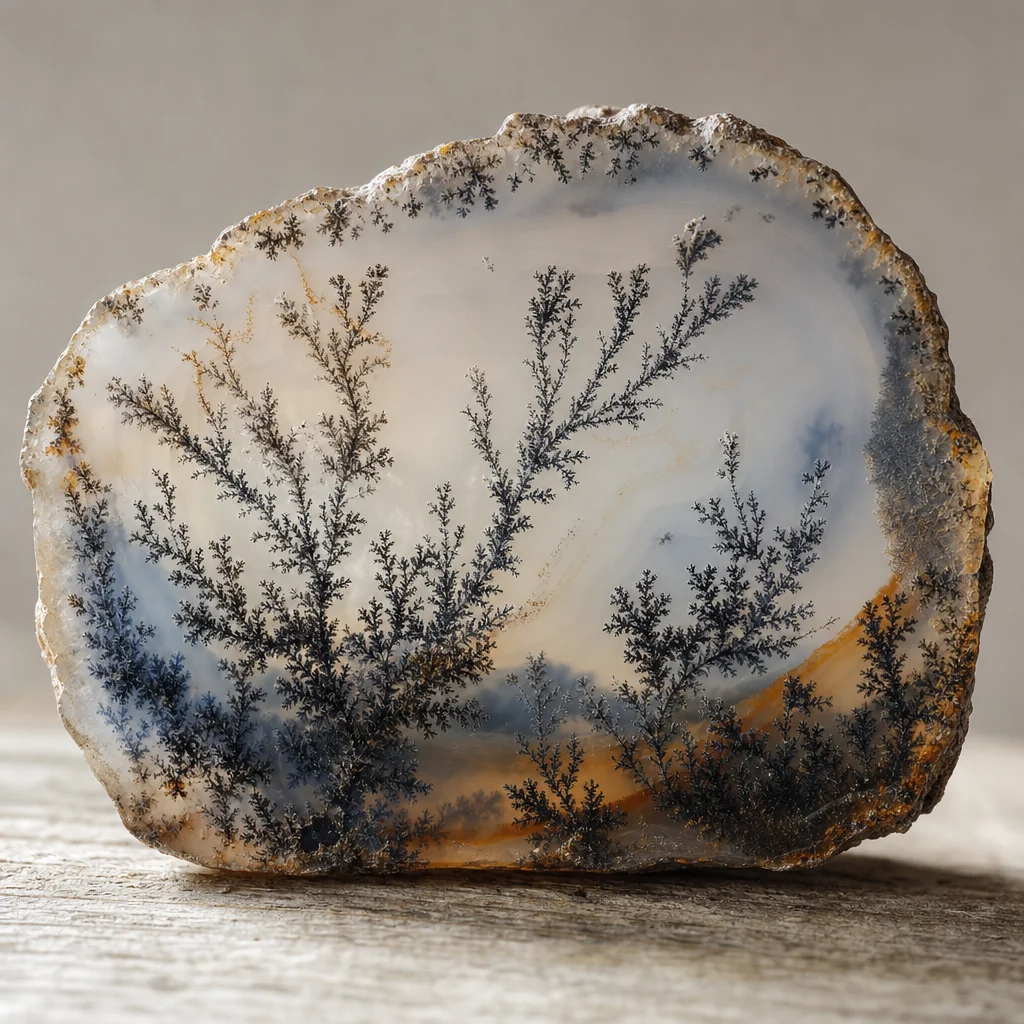
Dendritic Agate: A Unique Chalcedony with Tree-like Patterns
Welcome to the Fascinating World of Dendritic Agate
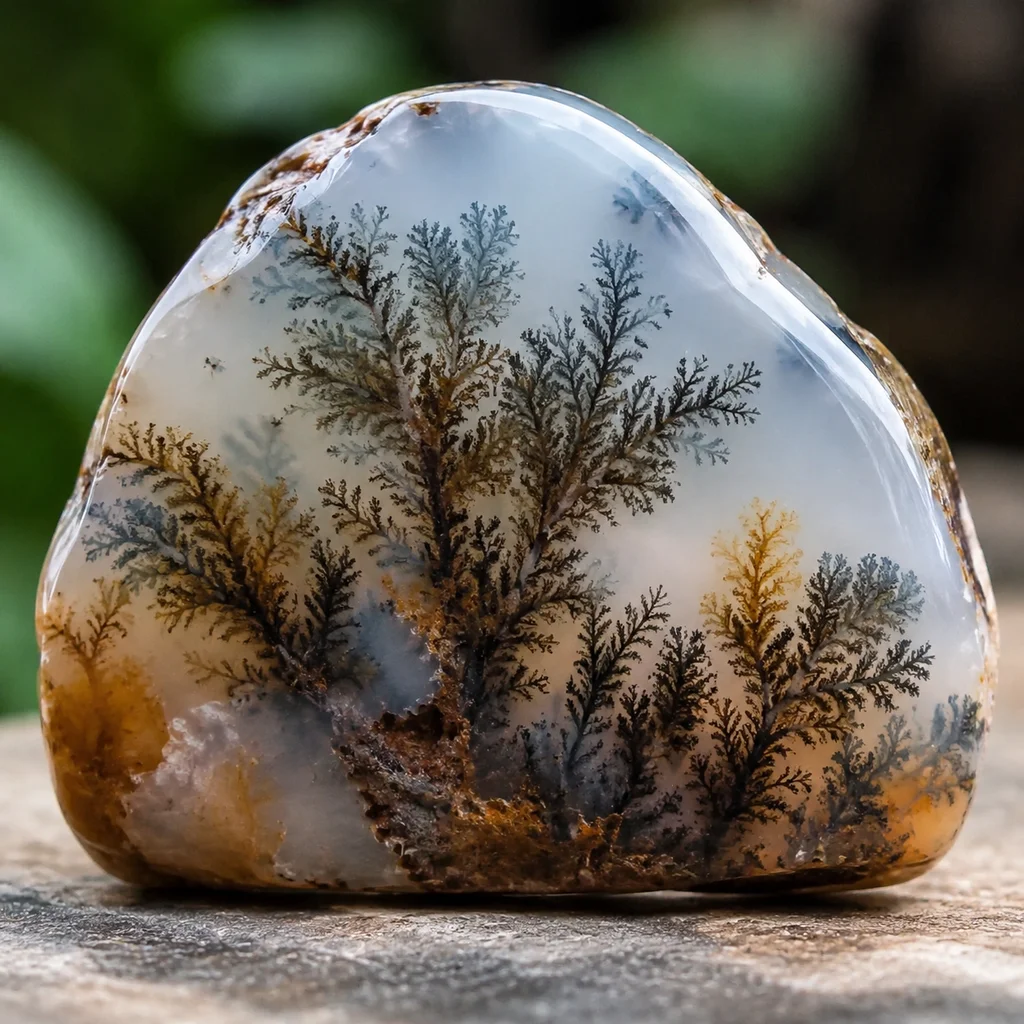
Dendritic agate, often hailed as nature's own masterpiece, is a form of chalcedony characterized by tree-like Mn/Fe oxide inclusions. Unlike fossilized plants, which moss agate and tree agate are known for, dendritic agate boasts an entirely different geological story. This gemstone forms through the slow, intricate process of mineral water seeping through fractures, resulting in stunning fractal patterns that resemble branching trees.
Here, we dig into into the characteristics of dendritic agate, differentiate it from its relatives, explore its various localities, discuss quality factors, and answer some frequently asked questions. Whether you are a collector, enthusiast, or simply intrigued by the wonders of nature, join us as we embark on this captivating journey.
Formation: The Intricate Art of Fractal Patterns
The formation of dendritic agate is a process of patience and precision. It begins when mineral-rich water seeps through the fractures within a chalcedony host. As the water travels, it carries with it trace amounts of manganese (Mn) and iron (Fe) oxides. These minerals precipitate out in intricate patterns as the water continues to seep, creating the characteristic dendritic inclusions that give the agate its unique appearance.
This natural process results in the development of fractal patterns, which are complex and self-similar at every scale. The patterns can range from delicate branches to more robust, tree-like forms, all set against the smooth, clear or milky white background of the chalcedony. Dendritic agate formation is a slow process, often taking millions of years, and is a sign of the beauty of geological processes.
Comparison: Dendritic Agate vs Moss Agate vs Tree Agate
While dendritic agate is distinct in its appearance and formation, it shares similarities with other types of agate. Here’s how it stacks up against moss agate and tree agate:
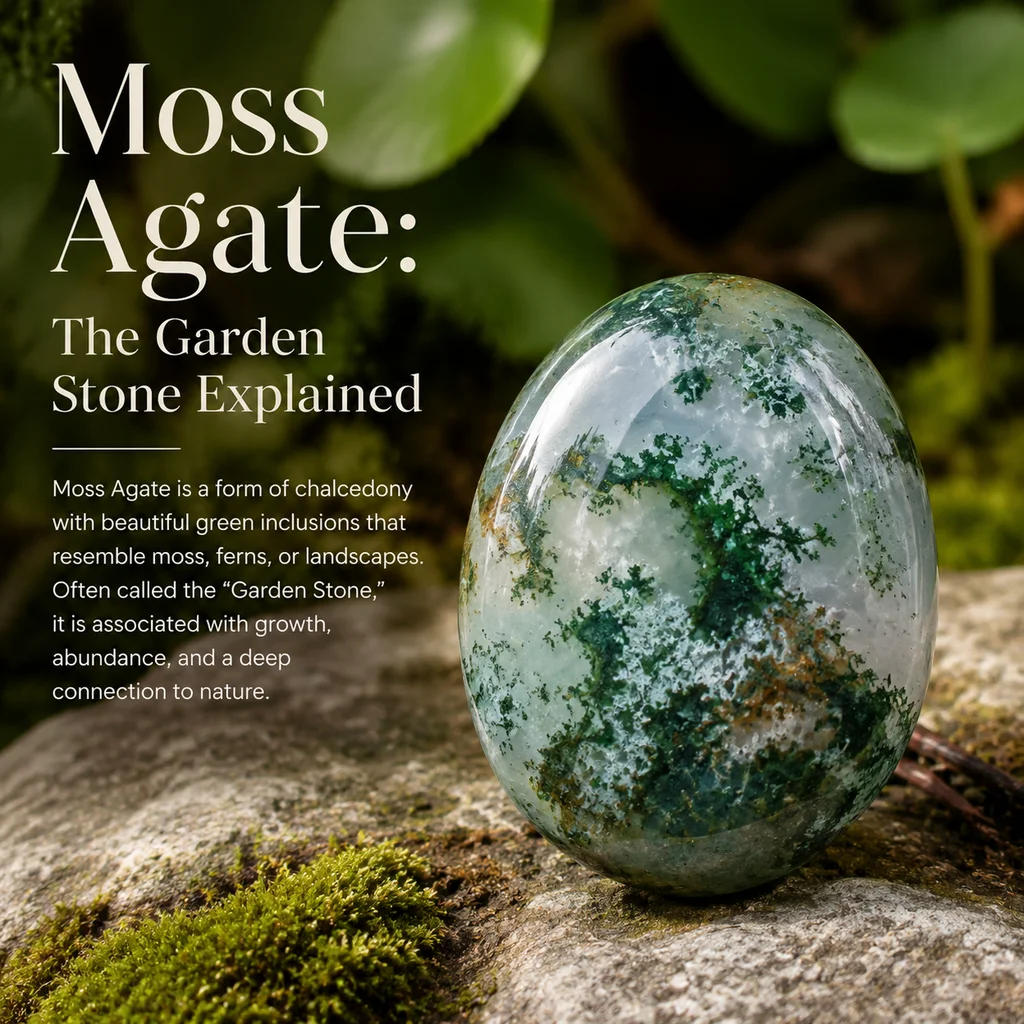
- Moss Agate: This type of agate is known for its green chlorite inclusions that resemble moss. Moss agate typically forms in a different geological environment and has a very different chemical composition.
- Dendritic Agate: As discussed, dendritic agate is characterized by tree-like Mn/Fe oxide inclusions. Its unique formation and fractal patterns make it stand out.
- Tree Agate: Tree agate, while resembling dendritic agate, is usually opaque with green coloration, and the patterns are formed through inclusions rather than Mn/Fe oxide precipitation.
Localities: The Treasures of Dendritic Agate
Dendritic agate is a global phenomenon, with numerous localities where this remarkable stone is found. Some of the most notable sources include:
The Formation Process and Fractal Patterns
- India: The Deccan traps of Maharashtra are well-known for producing high-quality dendritic agate.
- Madagascar: This island nation is another significant source, with a wide variety of dendritic agate patterns available.
- Brazil: Brazil boasts a rich diversity of dendritic agate, with many localities across the country.
- USA: States like Idaho, Oregon, and Washington have yielded dendritic agate, each with its own unique characteristics.
Quality: The Essence of Dendritic Agate
When it comes to quality in dendritic agate, certain features stand out. Premium examples will possess the following attributes:
- Sharp Dendrites: Well-defined, clear, and sharp dendritic patterns are highly sought after.
- Landscape Scenes: Some dendritic agates have patterns that resemble natural landscapes, making them particularly valuable.
- Cabochons: Cut and polished cabochons highlight the beauty of the fractal patterns and are popular among collectors.
Historical Context and Cultural Significance
Throughout history, dendritic agate has held a special place in various cultures. Ancient civilizations often associated agates with protection and strength. The Romans, for instance, believed that agates could protect against evil spirits. In medieval Europe, agates were thought to have healing properties and were used to treat a variety of ailments. Today, dendritic agate continues to be revered for its beauty and is often used in jewelry and decorative pieces.
Practical Usage Scenarios and Tips
Whether you're a collector or simply appreciate the natural beauty of dendritic agate, there are several ways to incorporate it into your life:
- Decorative Pieces: Display dendritic agate in your home as a centerpiece or on a shelf to admire its intricate patterns.
- Jewelry: Dendritic agate can be cut into cabochons, beads, and used as accent stones in pendants and rings. It pairs well with other gemstones and metals.
- Healing Crystals: Crystals are not a substitute for medical treatment. However, some believe that holding or wearing dendritic agate can promote a sense of calm and well-being.
Related Crystals/Minerals Comparisons
While dendritic agate is unique, there are other minerals and crystals that share some similarities:
- Chalcedony: Dendritic agate is a type of chalcedony, which is a microcrystalline quartz. Other chalcedony varieties include carnelian, onyx, and sardonyx.
- Quartz: Quartz is the primary mineral in chalcedony, and it is also the main component of many other gemstones, such as amethyst and citrine.
- Opal: Opal is another hydrous silica mineral that shares some similarities with chalcedony but has a different structure and appearance.
Buying Guide Considerations
When purchasing dendritic agate, consider the following factors to ensure you get the best value for your money:
- Origin: Different localities produce unique patterns and colors, so consider where the agate comes from if you're looking for a specific type.
- Pattern: Look for well-defined, sharp dendrites and vibrant colors. Some patterns may be more sought after than others.
- Size: Larger pieces are often more valuable, but the quality of the pattern is more important than size.
- Shape: Cabochons are popular among collectors, but other shapes like tumbled stones and free-form pieces can also be beautiful.
Care and Maintenance Details
Proper care and maintenance will help ensure your dendritic agate remains beautiful for years to come:
Dendritic Agate vs. Other Agate Varieties
- Handling: Be gentle when handling dendritic agate to avoid damaging the patterns.
- Cleaning: Use a soft cloth to wipe down your agate. Avoid using harsh chemicals or abrasive materials.
- Storage: Store your agate in a cool, dry place away from direct sunlight and extreme temperatures.
Common Mistakes to Avoid
When working with dendritic agate, it's important to avoid common mistakes to prevent damage:
- Over-polishing: Over-polishing can remove the natural luster and smoothness of the agate.
- Exposure to Heat: Avoid exposing dendritic agate to extreme heat, as it can cause cracking or discoloration.
- Chemical Exposure: Be cautious when using chemicals around your agate, as they can cause etching or discoloration.
Frequently Asked Questions About Dendritic Agate
-
FAQ 1: What is the difference between dendritic agate and tree agate?
Dendritic agate is characterized by its Mn/Fe oxide inclusions that form fractal patterns resembling trees, while tree agate typically refers to opaque, green agates with inclusions that look like trees. They both have tree-like patterns, but their compositions and origins differ.
-
FAQ 2: Where is dendritic agate most commonly found?
Dendritic agate can be found in various localities around the world, including India, Madagascar, Brazil, and the USA. Each locality produces unique patterns and colors.
Global Sources and Notable Localities
-
FAQ 3: What does “sharp dendrites” mean in terms of dendritic agate quality?
“Sharp dendrites” refers to well-defined and distinct inclusions in dendritic agate that have clear, unbroken branches or patterns, making the agate appear more vivid and detailed.
-
FAQ 4: Can dendritic agate be used in jewelry?
Absolutely, dendritic agate is often used in jewelry making due to its natural beauty and intricate patterns. It can be cut into cabochons, beads, and used as accent stones in pendants and rings.
-
FAQ 5: Is dendritic agate rare?
Quality Factors and Historical Significance
While dendritic agate is not as rare as some other gemstones, finding high-quality examples with distinct and vibrant patterns can still be quite challenging, making it a prized gemstone among collectors and jewelers alike.
-
FAQ 6: How can I tell if my dendritic agate is genuine?
Authentic dendritic agate should have a smooth, clear or milky white background with well-defined, tree-like patterns. It should not be opaque or have a cloudy appearance. If in doubt, consult a professional gemologist.
-
FAQ 7: Can dendritic agate be used in meditation?
Some people use dendritic agate in meditation to enhance focus and promote a sense of calm. While there is no scientific evidence to support these claims, many find personal benefit from using crystals in their spiritual practices.
Embracing the beauty of dendritic agate, whether it graces your jewelry collection or stands proudly as a decorative piece, is to celebrate the intricate dance between minerals and the natural world. The unique fractal patterns found in dendritic agate are a true sign of the wondrous power of geological processes.
Thank you for exploring the fascinating world of dendritic agate with us. May your journey into the depths of geology and the marvels of nature continue to inspire and delight!
Frequently Asked Questions
What is dendritic agate good for?
Dendritic agate is treasured for promoting growth, abundance, and stability. Many believe it encourages perseverance and helps you stay grounded during times of change. It's often used to strengthen connections with nature and foster a sense of calm. At SagStone, we love how each stone's unique branch-like inclusions make every handcrafted piece truly one of a kind.
Is dendritic agate rare?
Dendritic agate is not extremely rare, but high-quality specimens with crisp, detailed tree-like patterns are highly sought after by collectors and jewelry lovers. The distinctive manganese or iron oxide inclusions create fern-like scenes that are completely natural and never duplicated. Our artisans hand-select each stone for the most striking and unique patterns.
What chakra is dendritic agate associated with?
Dendritic agate is most commonly linked to the root chakra and the heart chakra. Its grounding energy helps you feel connected to the earth, while its nurturing vibrations promote emotional balance and self-acceptance. Some practitioners also use it for the crown chakra to deepen meditation. Wearing dendritic agate jewelry keeps these supportive energies close throughout your day.
How do I care for my dendritic agate jewelry?
To keep your dendritic agate jewelry looking beautiful, clean it gently with warm soapy water and a soft cloth. Avoid harsh chemicals, ultrasonic cleaners, and prolonged sun exposure which can dull its natural luster. Store each piece separately to prevent scratches. With proper care, your handcrafted SagStone dendritic agate jewelry will remain stunning for years to come.
What does dendritic agate symbolize?
Dendritic agate symbolizes growth, resilience, and the interconnectedness of all living things. Its tree-like inclusions represent the strength of nature and the beauty of transformation. Throughout history, it has been carried as a stone of plentitude and good fortune. At SagStone, we celebrate these meanings by crafting each piece to highlight the stone's natural artistry.

Comments