Cuff bracelets: the one bracelet style that works on almost every wrist
Cuff bracelets: the one bracelet style that works on almost every wrist
Meta description: Cuff bracelets suit most wrist sizes and can dress up or down easily. Learn how to choose the right fit, style a cuff with your wardrobe, and avoid common mistakes.
What makes a cuff bracelet different from other styles
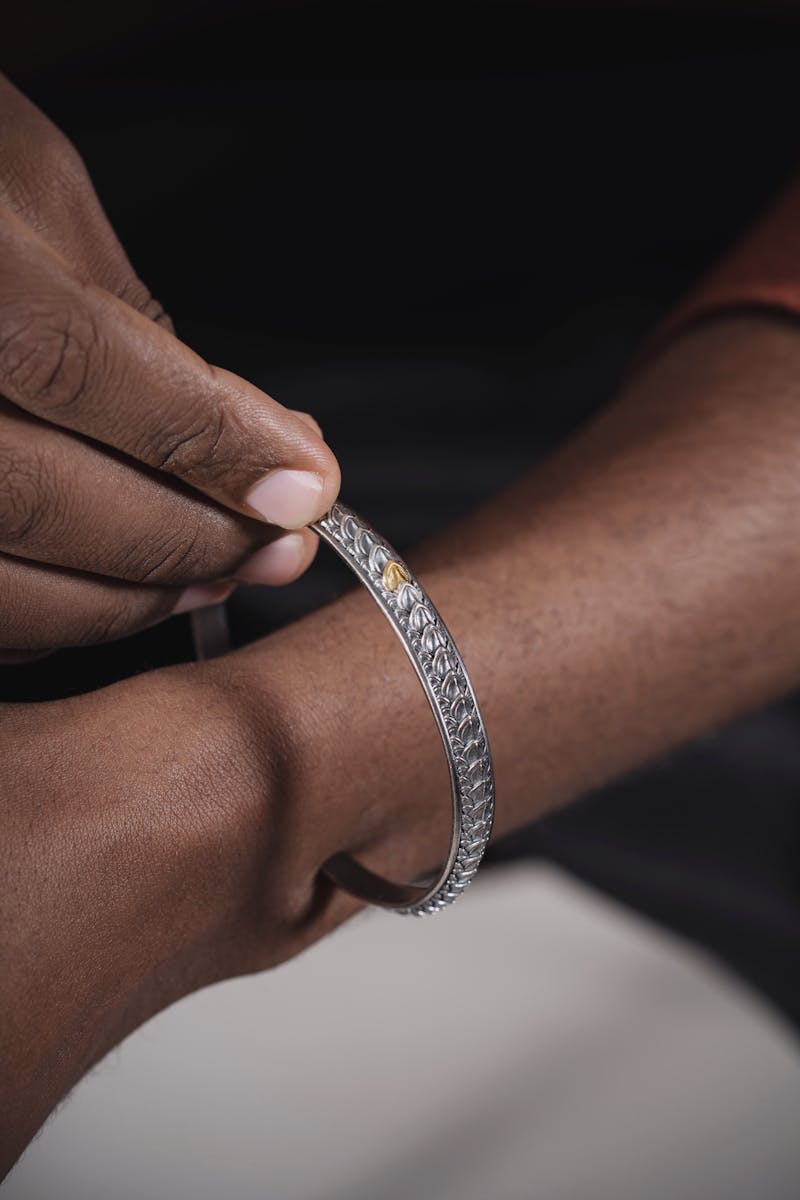
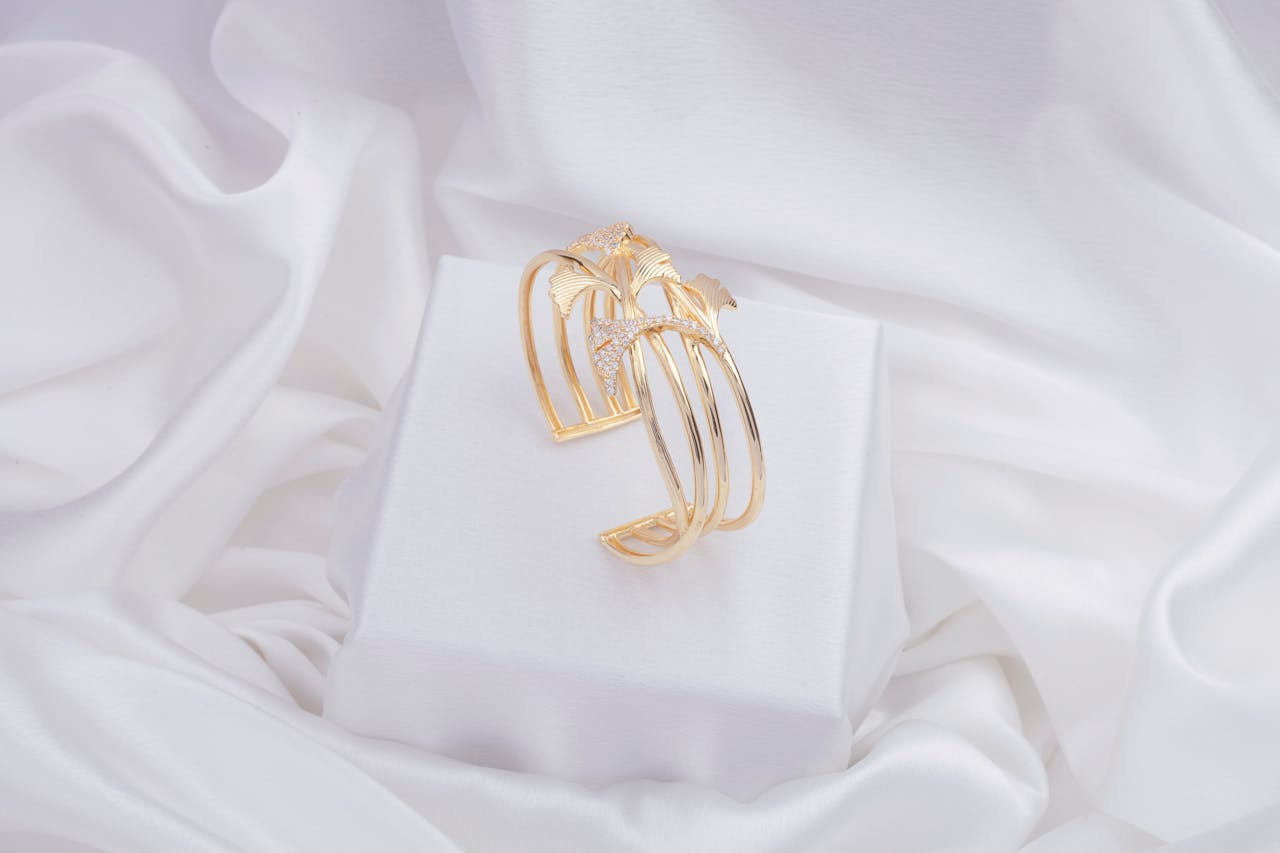
A cuff bracelet is a rigid or semi-rigid band that wraps around the wrist with an opening at the bottom. Unlike bangles, which are solid circles you slide over your hand, cuffs have a gap that lets you slip them on from the side. That small design difference matters more than most people realize.
Because you do not have to squeeze your hand through a fixed opening, cuffs are far more forgiving when it comes to wrist size. A bangle that is too small simply will not go on. A cuff that is slightly tight can usually be adjusted by gently widening or narrowing the gap. This is why I think cuffs are the single most versatile bracelet style available. They work on narrow wrists, wider wrists, and everything in between with minimal hassle.
Cuffs also sit differently on the wrist than most bracelet types. They stay in one position rather than sliding around, which draws the eye to your wrist in a way that stackable bracelets or chains do not. Even a plain metal cuff reads as intentional rather than casual.

A short history of the cuff
Rigid wrist ornaments are not a modern invention. The earliest examples come from ancient Egypt, where both men and women wore wide gold cuffs as symbols of status. Archaeologists have found specimens dating back to roughly 2000 BCE, some inlaid with lapis lazuli, carnelian, and turquoise. These were not subtle pieces. Many of them were two to three inches wide and heavy enough to feel substantial on the arm.
The Maya and Aztec civilizations used cuff-style jewelry as well, often working in jade and gold. Mayan cuffs from the Classic period (250 to 900 CE) sometimes featured carved glyphs or depictions of deities. The design was not purely decorative. It communicated rank, religious affiliation, and in some cases, military achievement.
In the 20th century, the cuff went through several distinct phases of popularity. Art Deco designers in the 1920s and 1930s created geometric cuffs in platinum and white gold. The 1970s brought a wave of bold, oversized cuffs, partly influenced by the fashion for ethnic and tribal-inspired jewelry. Contemporary designers continue to reinterpret the form, working in materials from recycled silver to carved wood to resin.
What I find interesting is how consistently the basic shape has survived across thousands of years and dozens of cultures. The proportions change, the materials change, but the idea of a rigid open band on the wrist keeps coming back.

Open cuff vs hinged cuff: how the closure affects fit
Most cuffs fall into one of two categories based on how they open and close.
Open cuffs are the simplest form. The band has a gap at the bottom, and you squeeze or spread the metal slightly to get it on and off. The advantage here is adjustability. If your wrist swells slightly in hot weather, you can widen the gap a bit. The disadvantage is that there is a limit to how much you can bend the metal before it weakens or warps. Thin metal open cuffs are particularly prone to losing their shape over time.
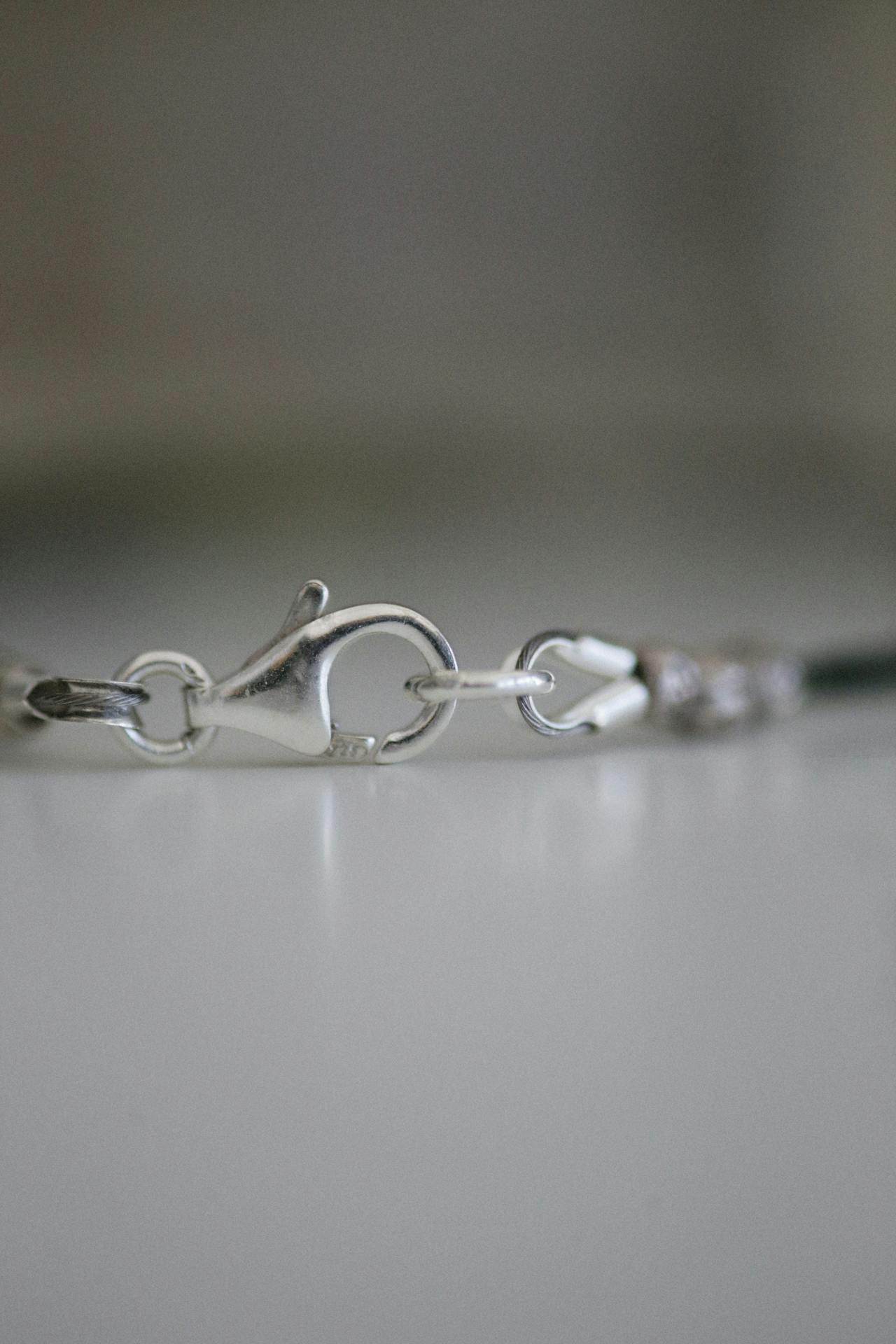
Hinged cuffs have a small clasp or hinge mechanism at the opening. They tend to feel more secure on the wrist because the closure keeps the gap consistent. They also maintain their shape better since you are not repeatedly bending the metal. The tradeoff is less flexibility in sizing. A hinged cuff that does not fit is harder to adjust than an open one.
For everyday wear I generally lean toward open cuffs in thicker metal. A 2mm or 3mm thickness gives you enough material to bend without worrying about deformation. Thinner cuffs under 1mm are better reserved for occasional wear or pieces you do not plan to adjust frequently.
How to find the right size
Sizing a cuff is straightforward once you understand the measurement. You need two numbers: your wrist circumference and your wrist width.
Wrap a flexible tape measure around your wrist bone, the bony protrusion on the thumb side of your arm. That gives you your circumference. Most adult wrists fall between 5.5 and 7.5 inches. Then measure across the flat part of your wrist from the bone to the opposite side. That width measurement tells you how wide a cuff your wrist can comfortably accommodate.
A good rule of thumb is that the cuff should have a gap of about 0.5 to 1 inch when it is on your wrist. If the gap is much wider, the cuff may slide around. If the gap is barely visible, it will be hard to put on and may feel tight.
The width of the cuff itself matters for comfort. Narrow cuffs under 1 inch work on almost any wrist. Medium cuffs between 1 and 2 inches need a proportionally wider wrist to look balanced. Wide cuffs over 2 inches can feel heavy and may dig into the bone on smaller wrists. If you have a wrist under 6 inches in circumference, I would stay in the narrow to medium range.

Styling a cuff bracelet with everyday outfits
One of the reasons I keep coming back to cuffs is how easy they are to style. They work with a wider range of clothing than most people assume.
With a simple white t-shirt and jeans, a metal cuff instantly elevates the outfit without making it look like you tried too hard. A thin gold or silver cuff reads as casual. A wider or more ornate one shifts the tone toward evening. The same piece can work for both depending on what you pair it with.
For office or professional settings, a single clean cuff in a muted metal is one of the safest bracelet choices available. It does not jingle, it does not catch on keyboards, and it stays put on your wrist. If your workplace leans conservative, a thin silver or gold cuff in a polished or brushed finish is hard to go wrong with.
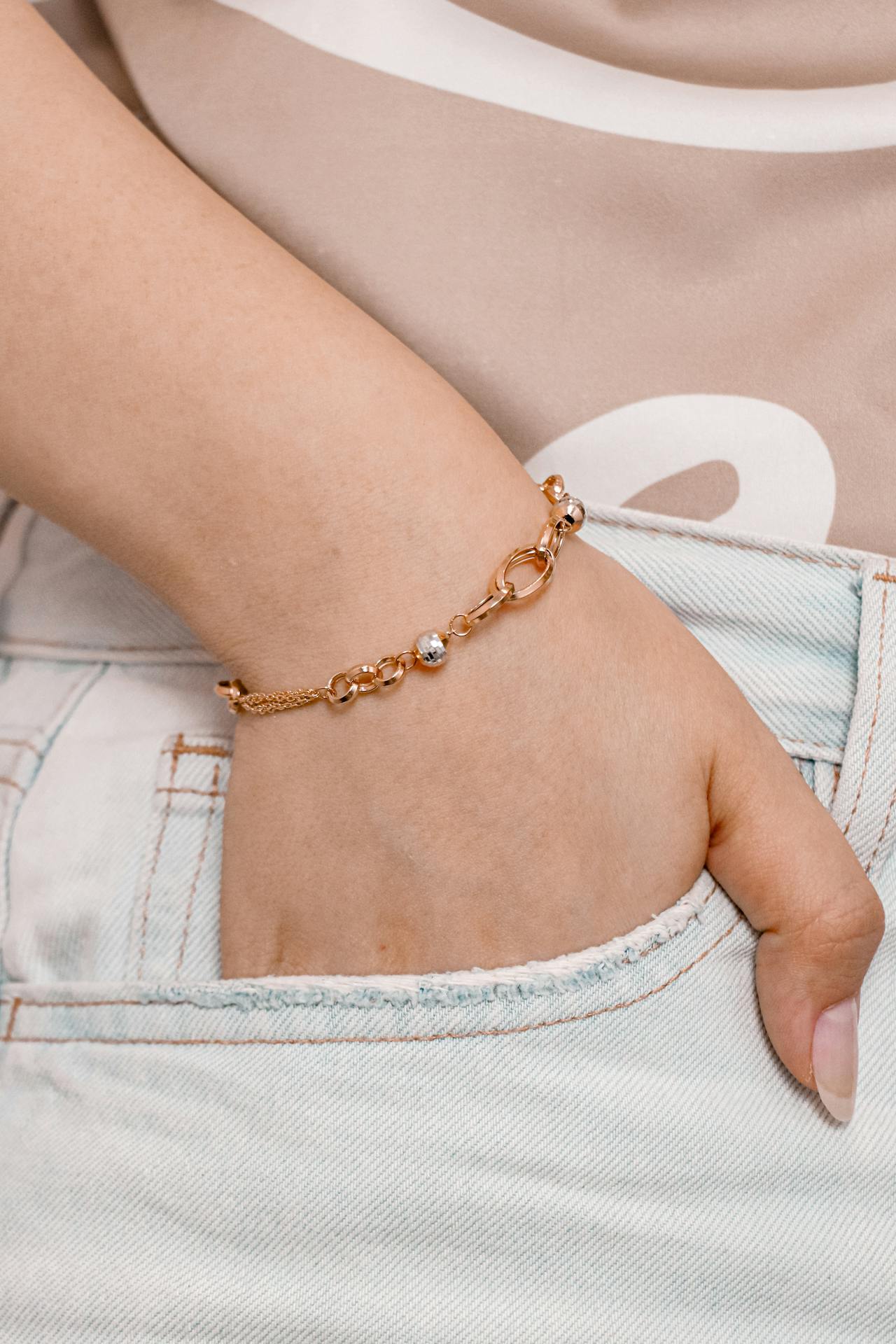
Stacking cuffs with other bracelets works, but needs a bit more thought than mixing beads or chains. I usually keep the cuff as the anchor and add thinner, more flexible bracelets above or below it. A cuff paired with a simple chain bracelet and a leather strap creates a layered look that feels intentional without being cluttered.
A gold cuff bracelet is probably the most versatile single piece you can own. Gold works with warm and cool skin tones, transitions from day to night, and pairs with virtually any color palette. If you only own one cuff, make it gold.

Comments