Crystal Pendulums: Do They Work or Is It a Myth?
May 14, 2026
The Enigmatic Allure of Crystal Pendulums: A Journey from Skepticism to Enlightenment
When I first encountered a crystal pendulum in the dim light of an artisan’s workshop, its ethereal dance captured me as though by invisible threads. Little did I know that this encounter would unravel the layers of my own existence, leading me down a path I had not anticipated. The simple, weighted crystal pendant, suspended from a delicate chain, held more power than I ever could have imagined—a silent siren for those in pursuit of self-discovery and the enigmatic depths of the human subconscious.
As I moved through the labyrinthine corridors of my midlife crisis, burdened with doubt and overwhelmed by the relentless din of modern life, the pendulum was a beacon of stillness and focus. In my initial ignorance, I dismissed it as no more than a quaint parlor trick, a tool for the gullible and the naive. Yet, something compelled me to take this rose quartz pendulum home—a silent promise that its mysteries were waiting to be unraveled.
The Science of Motion: The Physics Behind the Swing
In the realm of science, the pendulum’s swing is an elegant demonstration of classical mechanics, governed by the laws of physics. At its core, the pendulum is a simple device—a length of string or rod with a mass (or bob) at one end. When pulled back and released, the pendulum accelerates, its arc a testament to its kinetic energy. This energy is converted to potential energy as it reaches the highest point of its swing and begins its descent, only to repeat the cycle ad infinitum.
Gravity acts upon the mass at the pendulum's end, drawing it back to its point of equilibrium. Yet, in the hands of the adept user, it seems that something beyond this invisible pull determines the direction of the swing. While the physics of the pendulum itself can explain the observable movements, what is it that allows these inanimate objects to guide human choices, answer questions, and provide insight into our personal truths?
Energies of the Earth: Crystals and the Human Energy Field
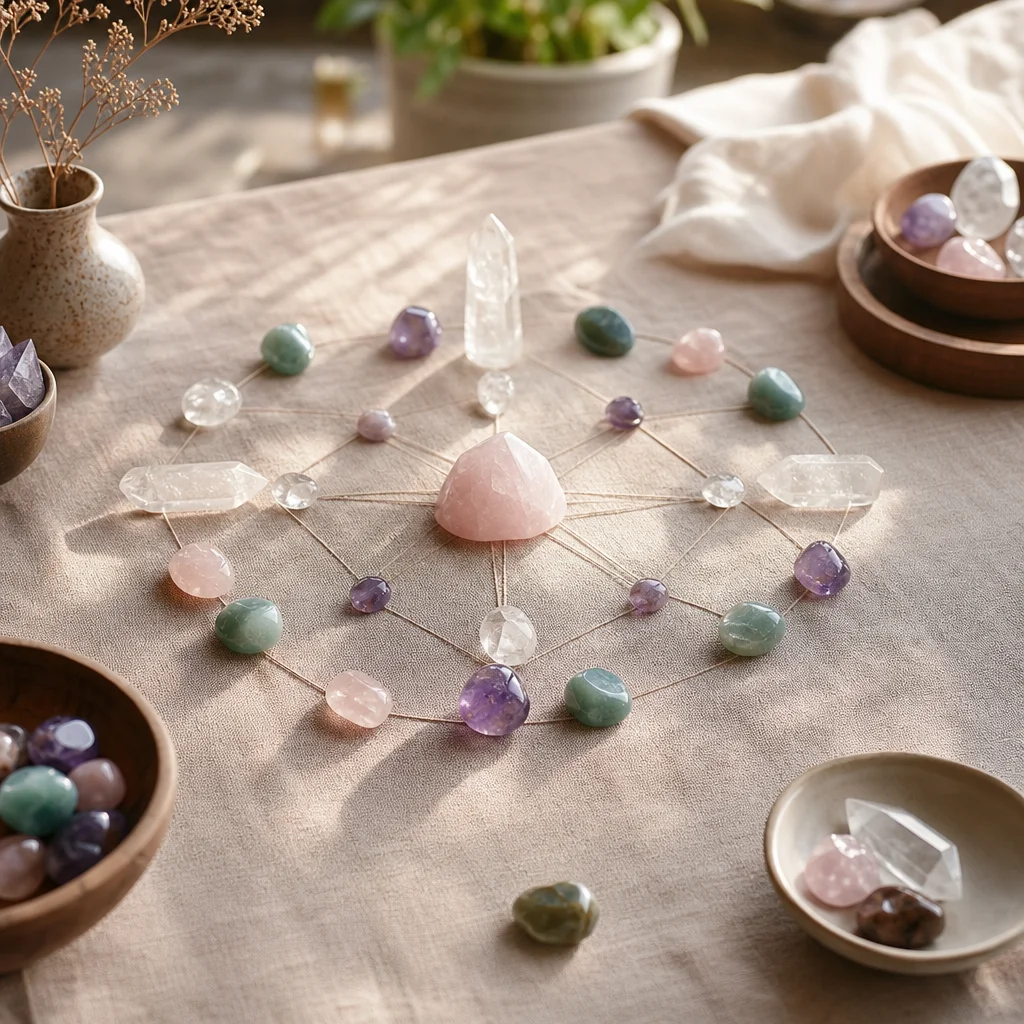
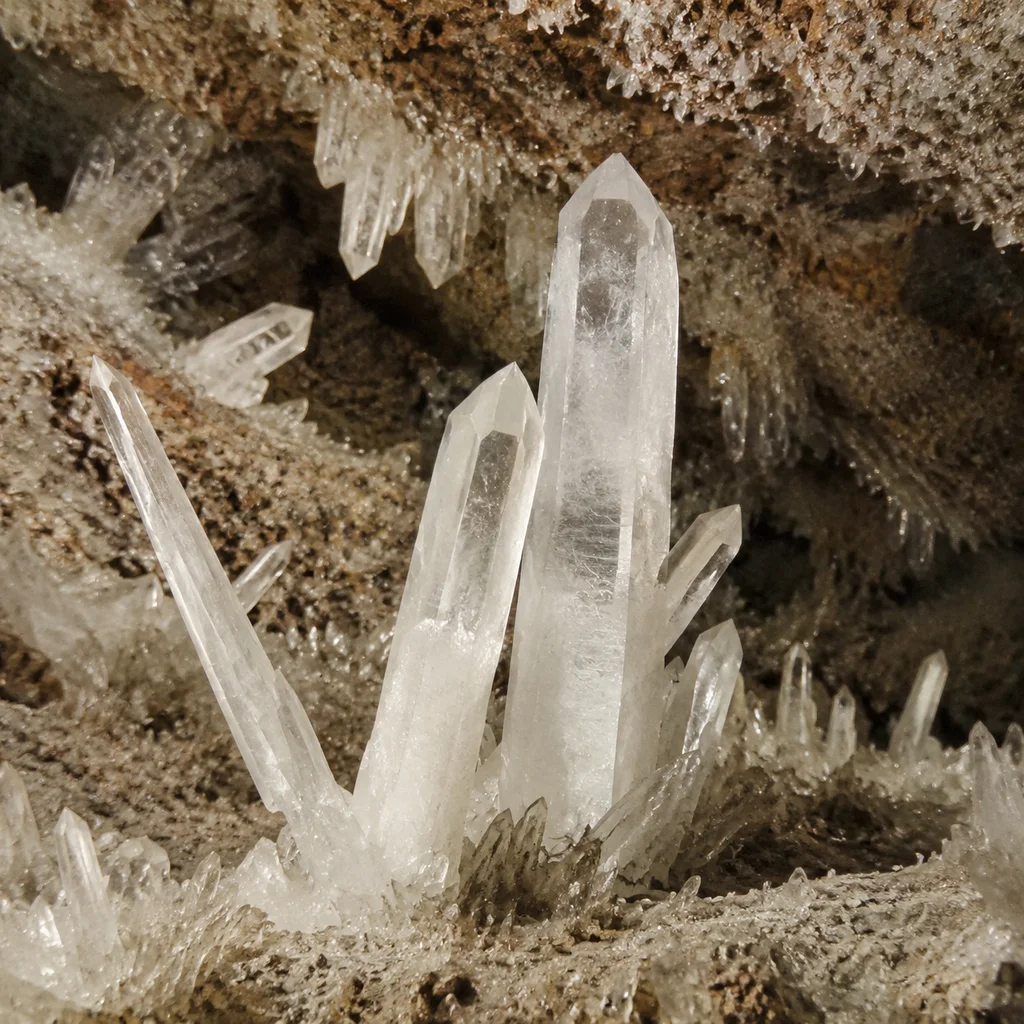
Crystals, with their innate geometric forms and vibrational frequencies, have long been revered as windows to the soul and portals to the spiritual world. Each crystal carries a unique energy that is thought to resonate with our own energetic fields. The rose quartz’s gentle glow, believed to carry the warmth of compassion, seems to offer solace and healing to its holder. Clear quartz, with its crystal-clear clarity, acts as a master conductor of energy, amplifying the intentions of its user and acting as a potent cleanser of negative thought patterns.
Amethyst’s purple depths invite contemplation and protection against stress and fatigue, a cherished aid to the seeker of profound peace and inner balance. When introduced into our lives, these energetic guardians of the spirit are thought to align our energetic bodies with the Earth’s natural rhythms, encouraging an attunement so deep it may transcend our rational understanding.
The Resonance of Intention: The Role of Intentions and Intentions in the Process
In my experimentation with the pendulum, I noticed that the direction it swung was not solely determined by the forces of physics or by the energy of the crystal itself. The pendulum’s movement seemed to be as much an expression of my intent as it was of anything else. When I asked, “Is this decision the right one?”, I often observed that the pendulum's path suggested “Yes”, but only when the question was posed from a place of honest intention and clarity. My experience with the pendulum began to align with the concept that the tool itself serves only to reveal our deepest truths, truths that have always been present but hidden from plain sight.
As I reflected on this newfound power within the pendulum, I realized that it is not the pendulum itself that holds the magic, but rather the intention behind the asker. The device simply reflects our internal dialogue, amplifying the subtle signals from our subconscious mind. This is where the true strength of the crystal pendulum lies—it is a mirror, a way to see the unseeable aspects of ourselves, and it operates not just at the level of matter, but at the level of energy, thought, and intention.
The Resonance of Intention: The Role of Intentions and Intentions in the Process
Crystal pendulums are often used as a means of connecting with the user's higher self and accessing their intuitive knowledge. The process typically begins with setting an intention, which is a focused desire or goal. This intention serves as the basis for the pendulum's movements. The following are three key points regarding the role of intention in the use of crystal pendulums:- Clarity of Intention: Intention is the cornerstone of the pendulum process. To begin, the user must be clear about what they wish to explore or find. A well-defined intention allows the pendulum to respond accurately to the user's query. For instance, if the intention is to seek clarity about a career decision, the pendulum may move in a specific pattern that corresponds to a "yes" or "no" answer, or it might trace a symbol or word related to the user's question.
- Mind-Body Connection: The mind and body are deeply interconnected, and the pendulum process is a tangible example of this connection. When the user holds the pendulum, they enter a state of focused attention, where the body's subconscious processes the intention. This mind-body connection can lead to a state of heightened awareness, where the pendulum moves in ways that are not only a response to the physical world but also to the energetic or emotional states within the user.
- Psychological Benefits: The act of setting an intention and observing the pendulum's movements can have psychological benefits. It encourages self-reflection and can be a form of mindfulness practice. This process of focusing and observing can lead to insights about one's thoughts, feelings, and beliefs, which can be particularly helpful in therapeutic settings.
Types of Crystal Pendulums and Their Properties
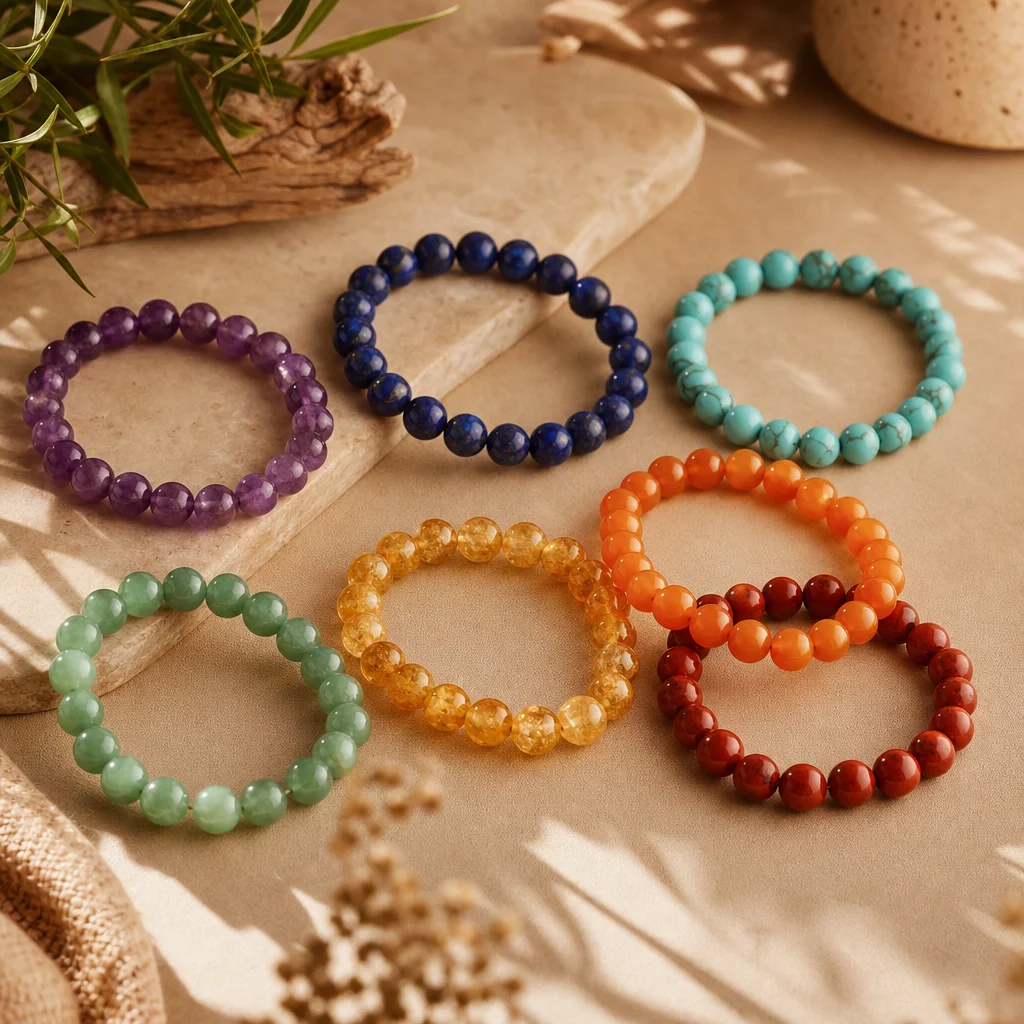
There are numerous types of crystal pendulums, each with its own unique properties and uses. Here is a table outlining some common types of crystal pendulums and their typical purposes: | Crystal Type | Color | Properties | Typical Use | |--------------|-------|------------|-------------| | Clear Quartz | Clear | Amplifier, healer | Divination, meditation, energy balancing | | Rose Quartz | Pink | Nurturing, healing | Emotional healing, balancing, love | | Amethyst | Purple | Spiritual awareness, protection | Meditation, psychic development, protection | | Citrine | Yellow | Joy, abundance | Manifestation, creativity, joy | | Malachite | Green | Growth, protection | Environmental awareness, protection, growth | | Obsidian | Black | Protection, grounding | Protection, grounding, emotional healing | The choice of crystal for a pendulum can be based on personal preference or the specific qualities the user wishes to harness. For example, someone looking to enhance their intuition might choose a clear quartz pendulum, while someone seeking emotional healing might opt for rose quartz.Step-by-Step Guidance for Using a Crystal Pendulum
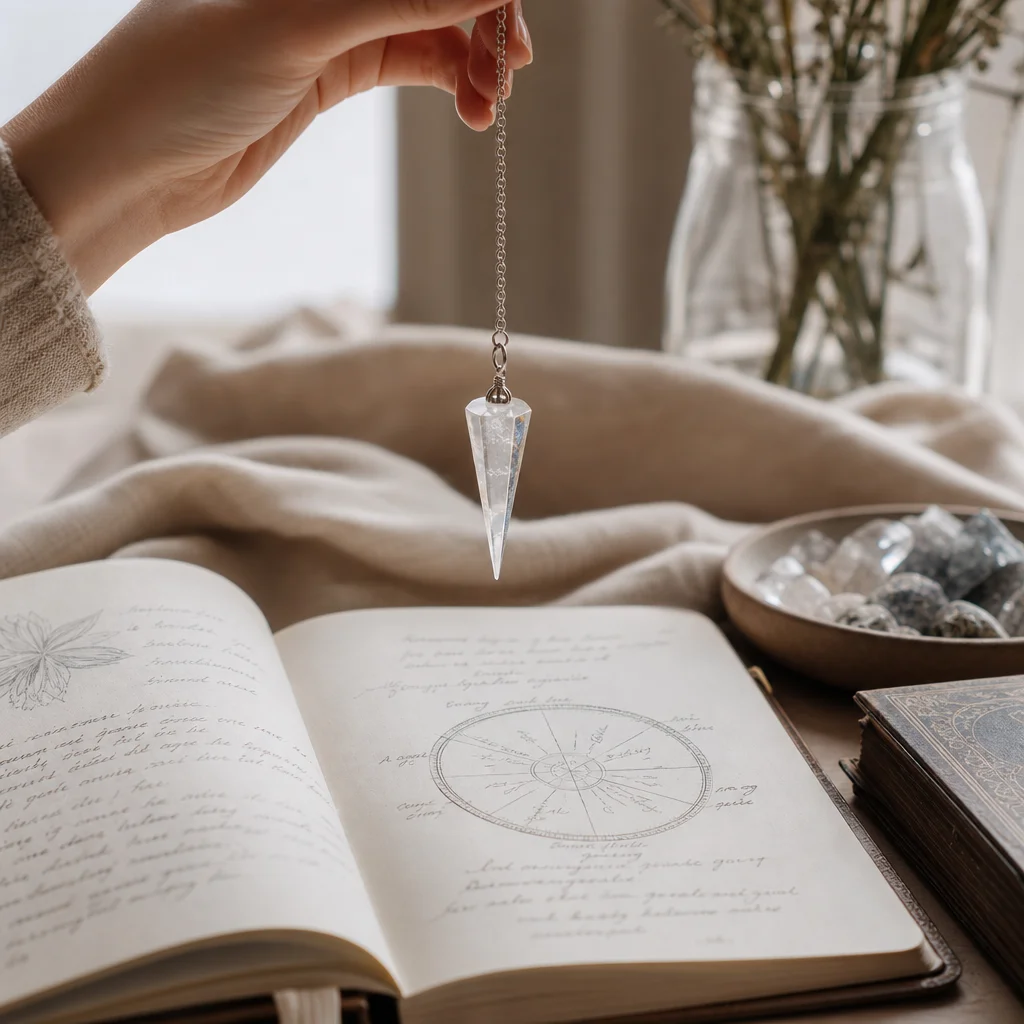
Using a crystal pendulum effectively involves a series of steps that help the user connect with their intuition and receive meaningful responses. Here is a step-by-step guide:- Choose a Clear Space: Find a quiet, undisturbed space where you can sit comfortably for a few minutes without interruptions.
- Ground Yourself: Begin by grounding yourself. This can be done through visualization, deep breathing, or by touching the earth, such as by walking barefoot outside.
- Choose Your Crystal: Hold the pendulum in your dominant hand, allowing it to hang freely from your finger or the chain.
- Set an Intention: Take a moment to clear your mind and focus on the intention for your session. State your intention out loud or in your mind.
- Ask a Question: Formulate a question related to your intention. Be as specific as possible, and remember that the pendulum can only respond to what you ask.
- Observe the Movements: Look closely at the movements of the pendulum. Pay attention to the patterns it creates or the symbols it traces. These movements are the pendulum's response to your question.
- Interpret the Response: Once you have received a response, interpret it in the context of your question. Remember that the pendulum is a tool for intuition and may sometimes provide answers that require interpretation.
- Conclude the Session: Thank the pendulum for its guidance and take a moment to reflect on what you have learned.
Understanding the Crystal Pendulum's Vibrational Resonance
Crystal pendulums are not just physical tools; they are vibrational resonators. Each crystal is a natural amplifier of energy, and when used as a pendulum, it can tune into the user's energetic field. The concept of vibrational resonance is fundamental in physics, where the energy of one system can be transferred to another when they share the same frequency. In the context of crystal healing, this means that the crystal's inherent frequency can resonate with the user's energy, facilitating a connection that transcends the physical realm. The way this works is intriguing. When you ask a question or focus on a particular intention, the crystal pendulum begins to swing. This movement is influenced by the user's thoughts, emotions, and intentions, which are energetic in nature. The crystal's unique molecular structure acts as a medium to amplify these subtle energies. For instance, if you're focusing on healing, a clear quartz crystal, known for its high vibrational frequency, can amplify the healing energies and direct them to where they are needed. It's important to note that the effectiveness of a crystal pendulum is highly subjective and dependent on the individual's belief and intention. While some may find it an effective tool for self-discovery and healing, others may not experience the same results. This is because the effectiveness of crystal pendulums is often a matter of personal resonance and belief.Using a Crystal Pendulum for Personal Growth
The practice of using a crystal pendulum for personal growth is a journey that requires patience, curiosity, and an open mind. Here are some steps to help you get started:- Choose the Right Crystal: Different crystals have different properties and are associated with various intentions. For example, if you're seeking clarity, a clear quartz crystal might be suitable. If you're looking to enhance your intuition, a pendulum made of amethyst could be a good choice.
- Cleanse Your Crystal: Before using your pendulum, it's important to cleanse it of any negative energies. You can do this by holding the crystal under running water, placing it in moonlight, or using a sage smudge stick.
- Set Your Intention: Hold the pendulum in your hand and focus on the question or intention you wish to explore. It's essential to approach this with a clear mind and open heart.
- Observe the Movements: Pay close attention to the way the pendulum moves. It may swing in a circle, move side to side, or point in a particular direction. These movements are your crystal's response to your question or intention.
- Interpret the Results: Once you have your answer, take some time to reflect on what it means. Remember that the pendulum is a tool for guidance, and the interpretation is subjective.
- Practice Regularly: Just like any skill, using a crystal pendulum effectively takes practice. The more you use it, the more intuitive the process becomes.
Frequently Asked Questions
Can anyone use a crystal pendulum?
Can anyone use a crystal pendulum?
Yes, anyone can use a crystal pendulum. It's a tool that can be used by people of all ages and backgrounds. However, it's important to approach its use with an open mind and willingness to learn.
Do I need to be psychic to use a crystal pendulum?
Do I need to be psychic to use a crystal pendulum?
No, you do not need to be psychic. A crystal pendulum can be used by anyone, regardless of their psychic abilities. It's more about the connection you establish with the tool and the intuitive insights you gain through its use.
How do I choose the right crystal for my pendulum?
How do I choose the right crystal for my pendulum?
When choosing a crystal for your pendulum, consider the intention you wish to manifest. Different crystals have different properties and are associated with various intentions. For example, rose quartz is often used for emotional healing, while clear quartz is known for its amplifying properties.
Can a crystal pendulum cause harm?
Can a crystal pendulum cause harm?
No, a crystal pendulum itself cannot cause harm. However, it's important to use it responsibly and with respect. Like any tool, it's the intention behind its use that matters. Negative intentions can lead to negative outcomes.
How do I cleanse my crystal pendulum?
How do I cleanse my crystal pendulum?
Cleansing your crystal pendulum helps to remove any negative energies it may have accumulated. You can cleanse it by holding it under running water, placing it in moonlight, or using a sage smudge stick. Always remember to dry your crystal thoroughly after cleansing.
What if I don't receive an answer from my pendulum?
What if I don't receive an answer from my pendulum?
It's not uncommon to feel unsure or not receive a clear answer from your pendulum. This can be due to various factors, including the need for more practice, a lack of clarity in your intention, or the pendulum not resonating with your energy. Be patient and continue to practice, as your intuition and connection with the pendulum will likely improve over time.

Comments