How to Tell if a Crystal Is Dyed: Tests That Actually Work
May 14, 2026
How to Tell if a Crystal Is Dyed: Tests That Actually Work
The crystal market has a dyeing problem. Not everything labeled "natural" is natural, and the difference between a $5 dyed stone and a $5 natural stone can be impossible to spot without knowing what to look for. I'm not against dyed stones on principle — if you want a bright pink agate and you know it's dyed, that's fine. The problem is paying natural-stone prices for something that's been artificially colored, or worse, being told a stone is natural when it isn't.
Here are the tests that actually work, ordered from easiest to most thorough.
The Visual Clues (Free, Immediate)
Uneven Color Distribution
Natural color in crystals comes from trace minerals distributed during formation over thousands or millions of years. The result is usually subtle color variation — lighter and darker zones, gradual transitions, and natural banding.
Dyed stones often show color that's too even or too saturated. The color sits on the surface and in cracks rather than being integrated throughout the stone. Look for:
- Color concentrated in surface cracks and fissures (dye pools in these areas)
- Areas where color appears to sit on top of the stone rather than coming from within
- Unnaturally uniform saturation across the entire piece
Color in Unexpected Places
If a crystal type doesn't naturally occur in a specific color, and you see it in that color, be suspicious:
- Bright turquoise howlite — Howlite is naturally white with gray/black veining. It's one of the most commonly dyed stones, often sold as "turquoise." Real turquoise costs 10-50x more.
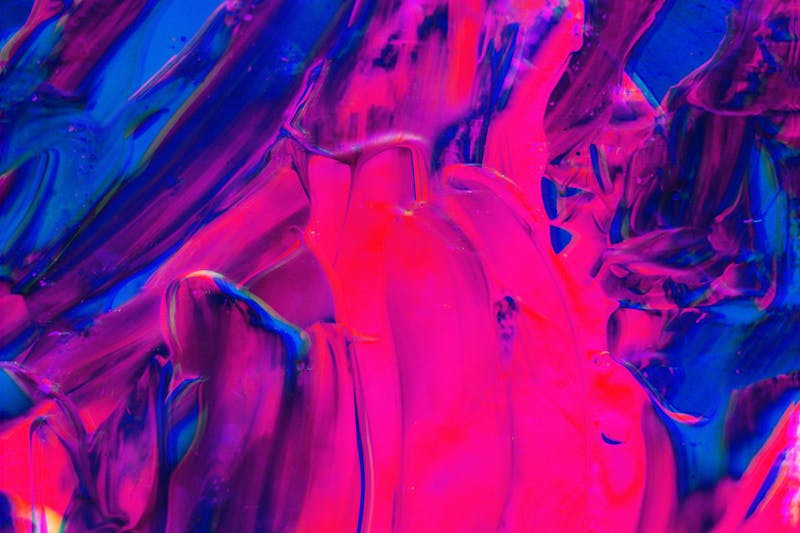
- Vivid pink agate — Agate occurs in many colors naturally, but the hot-pink specimens in every crystal shop are almost always dyed.
- Deep blue agate — Similar situation. Natural blue agate exists but is pale and relatively rare. The vivid blue stuff is dyed.
- Bright green quartz — Natural green quartz (prasiolite) is a pale sage green. Bright emerald-green "green quartz" is usually dyed or irradiated.
- Rainbow moonstone with vivid colors — Natural rainbow moonstone shows flashes of blue and occasionally other colors at different angles. Stones that look permanently rainbow-colored are often coated.
The Wet Test
Wet a cotton swab with water (or rubbing alcohol for a stronger test) and rub it on an inconspicuous area of the stone. If the swab picks up any color, the stone has been dyed. Natural stones don't transfer color to a damp cloth.
This test works best on freshly dyed stones. Stones that were dyed months or years ago may not transfer color anymore because the dye has set.
The Scratch Test (Free, Requires Sharp Object)
Some dye jobs are surface-level. If you can find an inconspicuous spot, lightly scratch the surface with a needle or the edge of a coin. If the color comes off or reveals a different color underneath, the stone has been surface-dyed.
This doesn't work for stones that have been dyed throughout (the dye penetrates the porous interior), but it catches the cheapest dye jobs where color is essentially painted on.
The Magnification Test (Requires 10x Loupe, $10-15)
A jeweler's loupe reveals details invisible to the naked eye:
- Dye pooling: Color concentrated in tiny cracks and pores, with relatively less color on smooth surfaces
- Surface coating: A thin layer of color that sits on top of the stone rather than being part of its structure
- Color banding inconsistency: Natural agate has consistent banding patterns. Dyed agate may show bands where the dye soaked through more in some layers than others.
- Uneven penetration: The color is deeper near the surface and fades toward the interior — you can see this at chipped edges or broken faces
The UV Light Test (Requires UV Flashlight, $8-12)
Some dyes fluoresce under ultraviolet light while natural minerals don't, or fluoresce differently. This is a hint rather than definitive proof, but it's a useful data point:
- Shine a UV light on the stone in a dark room
- Compare the fluorescence to a known-natural specimen of the same mineral
- A suspiciously bright or differently-colored fluorescence can indicate dye
Limitation: some natural minerals fluoresce strongly (fluorite, calcite, some quartz), so this test alone isn't conclusive. It's one piece of evidence, not a verdict.
The Heat Test (Destructive, Use Caution)
Dye breaks down at lower temperatures than natural mineral coloration. Holding a small, inconspicuous area near a candle flame or lighter for a few seconds can cause dye to discolor, fade, or burn off while natural color remains stable.
Do NOT do this on stones you want to keep — it can damage the surface. Only use on a small area of a stone you're willing to sacrifice for testing purposes.
Commonly Dyed Stones Cheat Sheet
| Stone | Natural Color | Common Dye Color | Imitates |
|---|---|---|---|
| Howlite | White with gray veining | Turquoise/blue | Turquoise |
| Magnesite | White/gray | Turquoise, various | Turquoise, other stones |
| Agate | Various (usually muted) | Pink, blue, green, purple | "Rare" colored agates |
| Quartz (clear) | Clear/white | Various | Colored quartz varieties |
| Jasper | Earthy tones | Bright colors | More "vibrant" jasper |
| Coral (imitation) | N/A (usually resin) | Red/pink | Natural coral |
| Pearl (freshwater) | White/cream/pink | Darker colors | Tahitian/South Sea pearls |
What to Do if You've Been Sold a Dyed Stone as Natural
If a seller specifically claimed a stone was natural and it turns out to be dyed:
- Document everything: Photos of the stone, the original listing with claims, your test results, and any communication with the seller
- Contact the seller first: Give them a chance to make it right. Some sellers genuinely don't know their inventory is dyed (they bought it from a supplier who didn't disclose the treatment)
- File a platform dispute: On Etsy, eBay, and most online marketplaces, misrepresentation is grounds for a refund
- Leave an honest review: Other buyers deserve to know. Focus on the facts — "Stone tested positive for dye, seller claimed it was natural" — rather than emotional language
A Reasonable Perspective on Dyed Stones
Dyed stones aren't inherently bad. They're a problem when they're mislabeled or overpriced. A $4 dyed pink agate that's honestly labeled as dyed is perfectly fine. A $40 dyed pink agate sold as "natural raspberry agate" is fraud.
If you're buying stones for their appearance and you like the color, and the price is fair for what it is (dyed), enjoy it. If you're buying for crystal healing properties, geological interest, or investment value, the dye question matters more, and the tests above will help you make informed decisions.
Comments