Crystal Clusters vs Single Points: Which Is Bett
June 3, 2026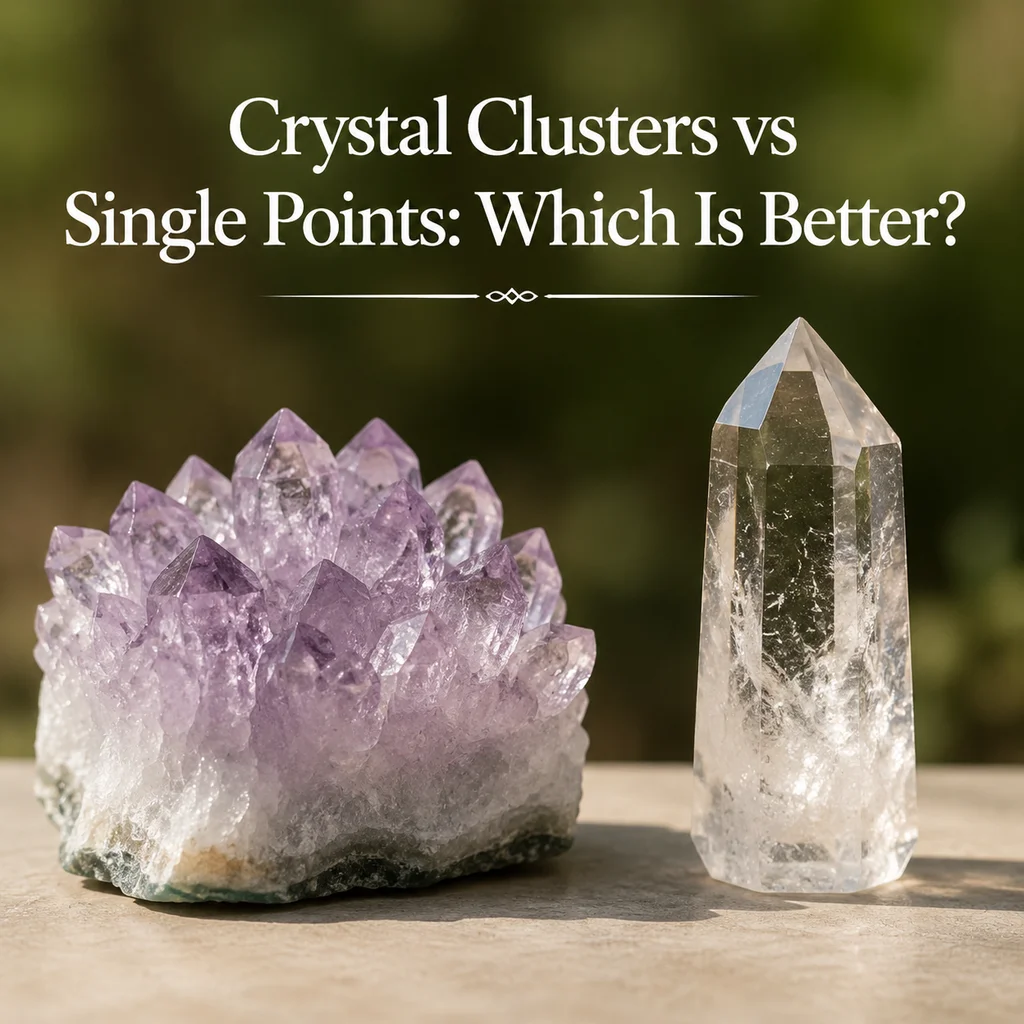
The Structural Difference
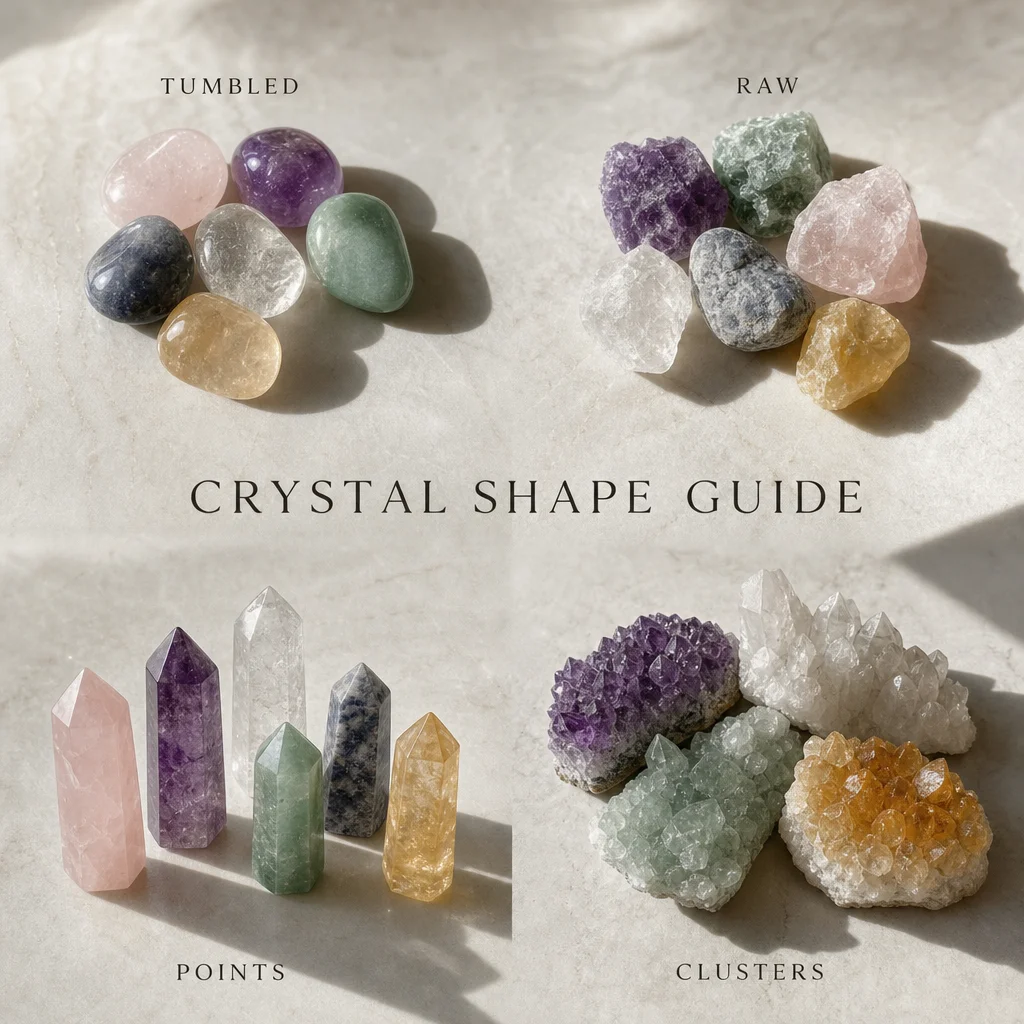
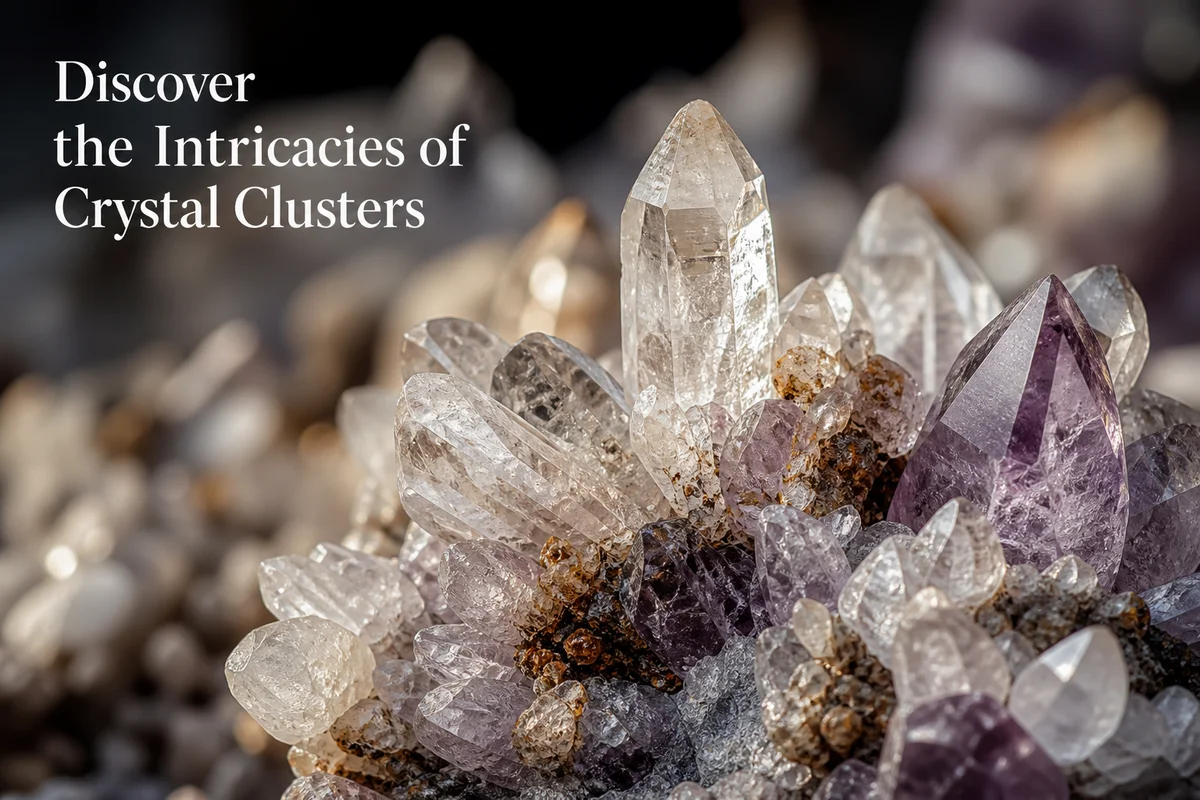
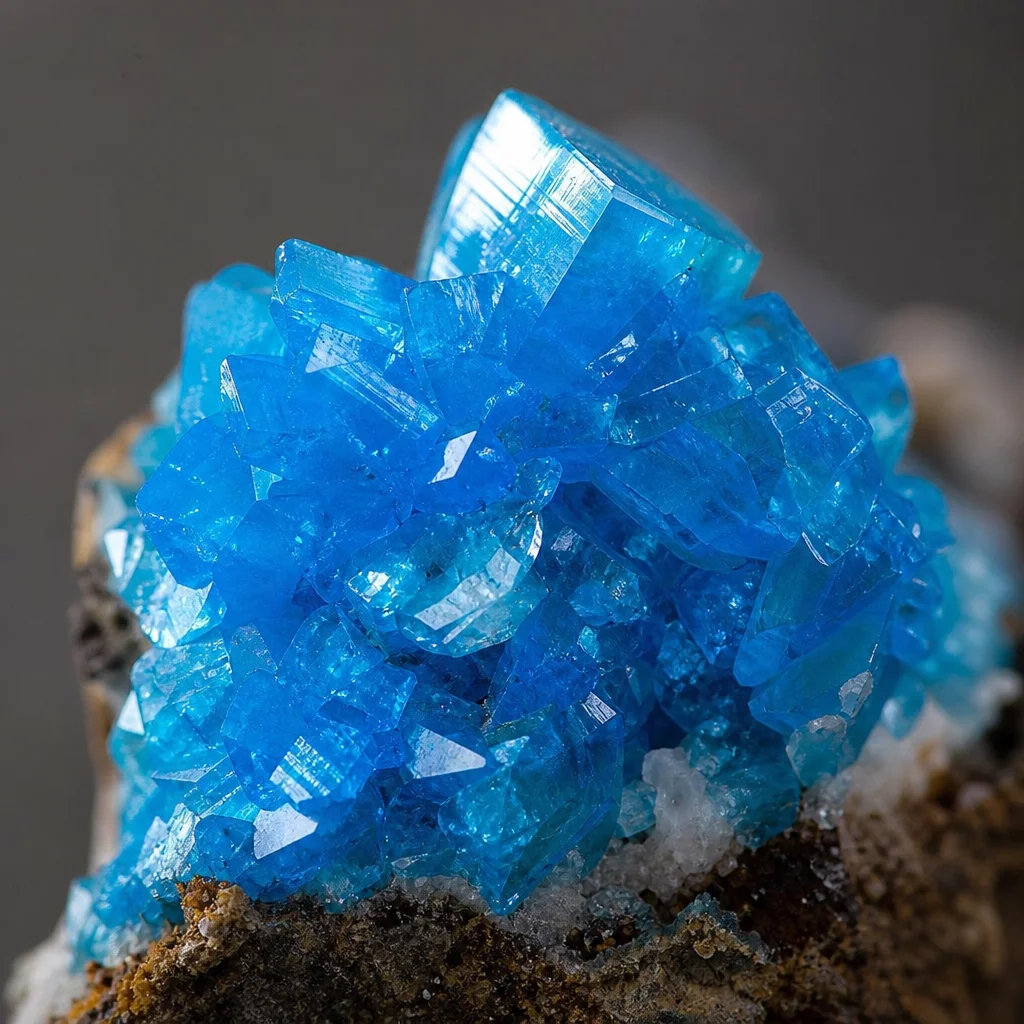
A crystal cluster is a group of crystal points that grew together from a single base or matrix. In nature, these form when multiple crystal faces nucleate from the same rock surface simultaneously, competing for mineral-rich solution as they grow. The result is a dense, three-dimensional arrangement of points radiating outward from a shared base.
A crystal point is a single, terminated crystal—one piece with a defined point at one end and a base or rough end at the other. Points can be natural (broken from a cluster and the broken end polished) or artificially shaped (cut and polished from rough material to create a precise point shape). Natural points are more irregular; shaped points are uniform.
Understanding this physical difference is the key to choosing between them. A cluster scatters energy in all directions from multiple points. A single point directs energy along one axis from base to tip. The question is not which is better, but which serves your intended purpose.
Crystal Clusters: The Room Fillers
Clusters are the default choice for most environmental crystal applications. Here is why practitioners and collectors tend to choose clusters for their spaces:
Multiple Points, Multiple Directions
Every point on a cluster radiates outward independently. This creates a diffuse, multi-directional energy field in crystal terminology, or more practically, a visually dynamic piece that catches light from every angle. An amethyst cluster with 20 visible points creates 20 directions of visual and light interest on a shelf or desk.
Self-Cleansing Reputation
In crystal traditions, clusters are widely believed to "cleanse" other stones placed on or near them. The idea is that the cluster's multiple points generate enough energy to refresh and reset smaller stones. Whether or not you accept this premise, placing other crystals on a cluster is a practical way to store and display a small collection in one location.
Visual Impact
A well-formed cluster—particularly amethyst or clear quartz—is one of the most visually striking mineral specimens you can display. The interplay of geometric points, color variation, and reflective surfaces makes clusters genuine decorative pieces that enhance any room. Even people with no interest in crystal practices tend to appreciate the aesthetic.
Popular Cluster Types
- Amethyst clusters: The most common and widely available. Purple color ranges from pale lilac to deep violet. Brazilian and Uruguayan specimens are the market standard.
- Clear quartz clusters: Transparent to white, ranging from small "Herkimer diamond" clusters to massive museum pieces.
- Citrine clusters: Natural (rare) vs. heat-treated amethyst (common). Natural citrine clusters are expensive; heat-treated versions are affordable and widely available.
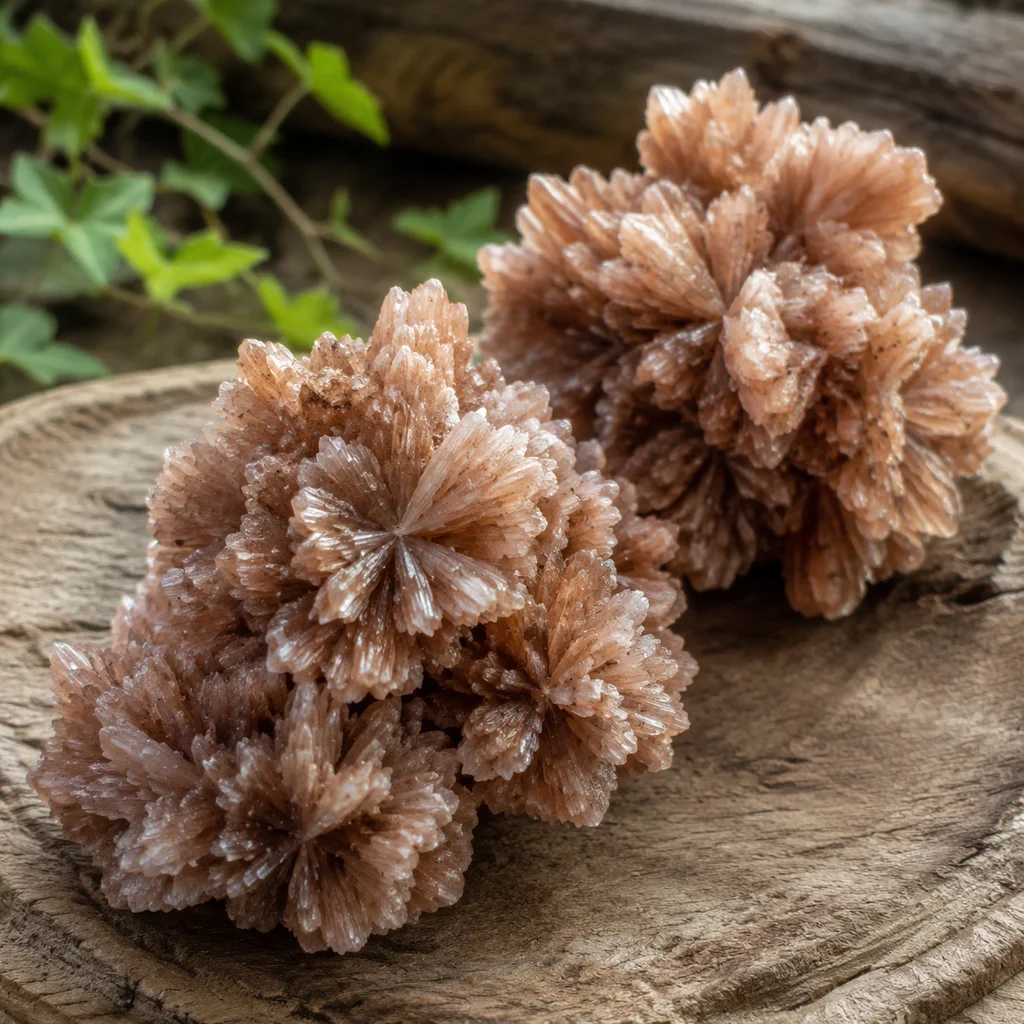
- Apophyllite clusters: Cube-like crystals with a pearly luster, often green or colorless. Popular for their geometric appearance.
Crystal Points: The Focused Tools
Points serve a different function—directionality. In crystal practice, a point is used when you want to focus intention, energy, or attention in a specific direction.
Directional Energy in Practice
The traditional use of a crystal point involves orienting the tip toward or away from a specific target:
- Tip pointing outward: In crystal tradition, this is said to project or direct energy away from you—useful for sending intentions outward or clearing energy from a space.
- Tip pointing inward: Said to draw energy toward you—useful for receiving, absorbing, or concentrating focus.
- Tip pointing upward: The most common orientation for meditation and intention-setting, directing focus "upward" toward goals or spiritual practice.
These are metaphysical frameworks, not scientific claims. The practical value lies in the physical act of orienting a stone and using it as a meditation anchor or focus point. The direction of the tip gives your mind something concrete to work with during contemplative practice.
Natural vs. Shaped Points
- Natural points: More irregular in shape, often with inclusions or growth patterns visible. Collectors tend to prefer these for their authenticity and unique character.
- Shaped points: Cut and polished to precise geometric shapes (usually hexagonal). More uniform in appearance, often used in crystal grids or as meditation tools where consistency matters.
- Generator points: A marketing term for crystals with six equal faces meeting at a single point—most natural quartz grows this way, so the term is somewhat redundant but popular in crystal shops.
Choosing Between Clusters and Points: Decision Guide
Here is a practical framework for deciding which form to use:
Choose a Cluster When:
- You want a decorative display piece that enhances your room visually.
- You need to store and cleanse multiple smaller stones in one location.
- You prefer ambient, diffuse crystal presence rather than directed focus.
- You are drawn to the complex, organic beauty of multi-point formations.
- Budget is a factor—small clusters are very affordable ($5-20 for amethyst or quartz).
Choose a Point When:
- You practice meditation or intention-setting that involves directionality.
- You want a pocket-sized crystal for daily carry (points fit in pockets more easily than clusters).
- You are building a crystal grid where individual stones need to point in specific directions.
- You want to direct attention at a specific object, chakra point, or area during body work.
- You prefer simplicity and minimalism in your crystal practice.
Choose Both When:
There is no rule against using clusters and points together. Many practitioners keep a cluster on their desk or altar (ambient presence) and carry a point in their pocket (focused, personal practice). The two forms complement each other rather than compete.
Placement Suggestions
Desk or Workspace
A small amethyst or clear quartz cluster on your desk provides visual interest and serves as a conversation piece. Place it where natural light hits it during the day—the crystal faces will refract light beautifully. For a point on your desk, position the tip facing outward toward your computer or workspace, which in crystal tradition is said to focus energy on the task at hand.
Bedroom
Amethyst clusters are the most popular bedroom crystal. The purple color is calming, and the diffuse presence is less intense than a directed point. Under a pillow, some people place a small polished point (tucking it into a pocket in the pillowcase) rather than a cluster, which would be uncomfortable to sleep on.
Living Room
A large cluster on a shelf, coffee table, or windowsill makes a strong visual statement. Clear quartz clusters near windows catch and refract sunlight, creating subtle rainbow effects on walls. Amethyst clusters add rich color to neutral decor.
Meditation Space
A point is generally preferred for active meditation—you can hold it, direct its tip, and use it as a visual and tactile focus. A cluster nearby provides ambient presence. The combination of a held point and a nearby cluster is common in dedicated meditation setups.
Size and Price Considerations
- Small clusters (2-4 inches): $5-25 for amethyst or quartz. Perfect for desks, nightstands, and small altars.
- Medium clusters (5-8 inches): $30-100. Statement pieces for bookshelves and living room displays.
- Large clusters (10+ inches): $100-500+. Museum-quality display specimens.
- Small points (1-2 inches): $3-10. Pocket stones, crystal grids.
- Medium points (3-5 inches): $15-40. Meditation tools, altar pieces.
- Large points (6+ inches): $50-200+. Display specimens or specialized practice tools.
Frequently Asked Questions
Can I put smaller crystals on a cluster to cleanse them?
In crystal tradition, yes—clusters are the standard "cleansing station" for smaller stones. Practically, it is a convenient way to store and display a collection. Place the smaller stones on the cluster surface and leave them overnight or for a few days.
Does the quality of the cluster matter?
For practical use, no. A $5 small cluster works the same way as a $500 museum piece. The difference is in visual impact and collector's value. Choose based on what you enjoy looking at.
Should a crystal point face up or down?
It depends on your intended use in crystal practice. Tip-up is the most common orientation for meditation and intention-setting. There is no scientifically "correct" orientation—choose what feels meaningful to you.
Can I use a broken point?
Absolutely. Broken natural points are common and work fine for all practical purposes. Some practitioners believe that broken points are actually more "open" or receptive because the termination is less defined. This is a personal interpretation, not a scientific claim.
Expert Tips, Lesser-Known Facts, and Practical Advice: Crystal Clusters vs Single Points
Hey there, crystal enthusiasts! I hope you've been enjoying our deep dive into the fascinating world of crystal jewelry. Today, we're wrapping up with some expert tips, lesser-known facts, and practical advice to help you make the best choice between crystal clusters and single points. Let's dive in!Expert Tips
- Consider the Intention: Before you pick a crystal, think about what you want to achieve. Do you need a grounding stone like a cluster or a powerful tool for manifestation like a point? Your intention will guide you to the right choice.
- Match Your Style: Crystal jewelry is as much about personal style as it is about intention. If you love the organic, natural look, a cluster might be more your style. If you prefer a sleek, minimalist vibe, a point could be the way to go.
- Quality Over Quantity: While clusters may look impressive, a single high-quality point can be more potent. Look for clarity, sharp edges, and a solid color if you're going for a point.
- Maintenance: Keep in mind that clusters can be more delicate due to their multiple points. They may require more care to prevent chips or scratches. Points, on the other hand, are often more durable.
Lesser-Known Facts
- The Healing Power of Clusters: Did you know that crystal clusters can harness the energy of all their constituent crystals? This means a cluster can offer the healing properties of multiple stones in one piece!
- The Science of Points: Single points are often cut to maximize their energy flow. The pointy end is designed to focus energy, making them excellent for meditation and energy work.
- The Origin of Clusters: Crystal clusters are the result of a mineral's growth process. They can form naturally or be grown in controlled environments. Either way, they're a beautiful example of nature's artistry.
Practical Advice
- Layering: If you're into layering your jewelry, consider how the clusters and points will look together. Clusters can add a pop of color and texture, while points can give a streamlined look.
- Storage: Keep your clusters and points in separate compartments or drawers to avoid any potential damage. Clusters can be more susceptible to falling over or being crushed.
- Cleaning: Use a soft cloth to gently wipe down your crystals. For clusters, be extra careful around the points. Avoid using harsh chemicals or abrasive materials that could scratch or damage the crystals.
- Personal Touch: Add your own personal touch by choosing a crystal that resonates with you. Whether it's a cluster or a point, the connection you feel with your jewelry will make it even more special.
Frequently Asked Questions
What is the main difference between crystal clusters and single points?
What is the main difference between crystal clusters and single points?
Crystal clusters and single points differ in their size, composition, and intended uses. Crystal clusters consist of multiple individual crystals that are often grouped together in a larger structure. They tend to be larger and more visually striking due to the interlocking nature of the crystals. On the other hand, single points are just that—individual crystals with a sharp, pointy termination. Single points are usually smaller and have a more minimalist aesthetic. They are favored for their clarity and precision, making them popular in certain spiritual practices and as decorative pieces.Are crystal clusters or single points more powerful?
Are crystal clusters or single points more powerful?
The power of a crystal is not determined by whether it is a cluster or a single point. Instead, the energy of a crystal is determined by its type, color, clarity, and the intention with which it is used. Crystal clusters can have a powerful energy that amplifies through the collective of multiple crystals. This makes them great for healing practices where amplification is beneficial. Single points, however, can have a focused and sharp energy, making them ideal for practices like dowsing or for targeting specific areas of the body. Ultimately, the power of a crystal is a matter of personal belief and preference.What are some common types of crystals that come in both cluster and single point forms?
What are some common types of crystals that come in both cluster and single point forms?
Many crystals are available in both cluster and single point forms. Some common examples include Amethyst, Citrine, Rose Quartz, and Clear Quartz. These crystals are often found in nature with both large, interconnected clusters and individual, sharp-pointed crystals. Each type of crystal brings its own unique properties and energy, so both the cluster and single point forms can be used in a variety of healing and spiritual practices.Are there any advantages to using a crystal cluster over a single point?
Are there any advantages to using a crystal cluster over a single point?
There are several advantages to using a crystal cluster over a single point:- Amplification: Crystal clusters have a larger surface area and more mass, which can lead to an increased amplification of energy.
- Aesthetics: Clusters can be more visually striking due to their interconnected structure, making them ideal for display or decorative purposes.
- Chakra Alignment: The layered and interlocked crystals in a cluster can correspond to different chakras, making them beneficial for holistic energy alignment.
How do you choose the right crystal for a specific intention or issue?
How do you choose the right crystal for a specific intention or issue?
Choosing the right crystal for a specific intention or issue involves a few key considerations:- Type of Crystal: Each crystal type carries different energies and properties. For example, Clear Quartz is known for its amplifying abilities, while Amethyst is often used for stress relief.
- Color: Color can be an important indicator of the energy a crystal emits. For instance, green crystals like Malachite are commonly used for healing and abundance.
- Intention: Align the crystal with the specific intention you have. If you want to enhance self-confidence, you might choose a crystal like Ruby or Tiger's Eye.
- Clarity and Quality: A high-quality crystal will typically be clearer and more radiant, indicating a higher vibrational energy.
- Personal Intuition: Trust your intuition. Some crystals might feel more "right" for you based on how they make you feel when you hold them.

Comments